Hazarduari Palace and Museum
General information
-
Ideal Duration:
3-4 hours (for detailed museum visit).Place Type:
Palace, Museum, Historical Monument.Entry Fees:
Indian Nationals (Adults): A nominal fee of approximately Rs.50 (Rupees Fifty) per person.
Foreign Nationals (Adults): The fee is generally higher, usually around Rs.500 per person. Children (Below a certain age, often 15): Entry is often Free....Indian Nationals (Adults): A nominal fee of approximately Rs.50 (Rupees Fifty) per person.
Foreign Nationals (Adults): The fee is generally higher, usually around Rs.500 per person. Children (Below a certain age, often 15): Entry is often Free.
Camera/Video Charges: Separate charges apply for still cameras and video cameras. Photography inside the museum is sometimes completely restricted, or a high fee may be charged. Always check the current rates at the ticket counter.
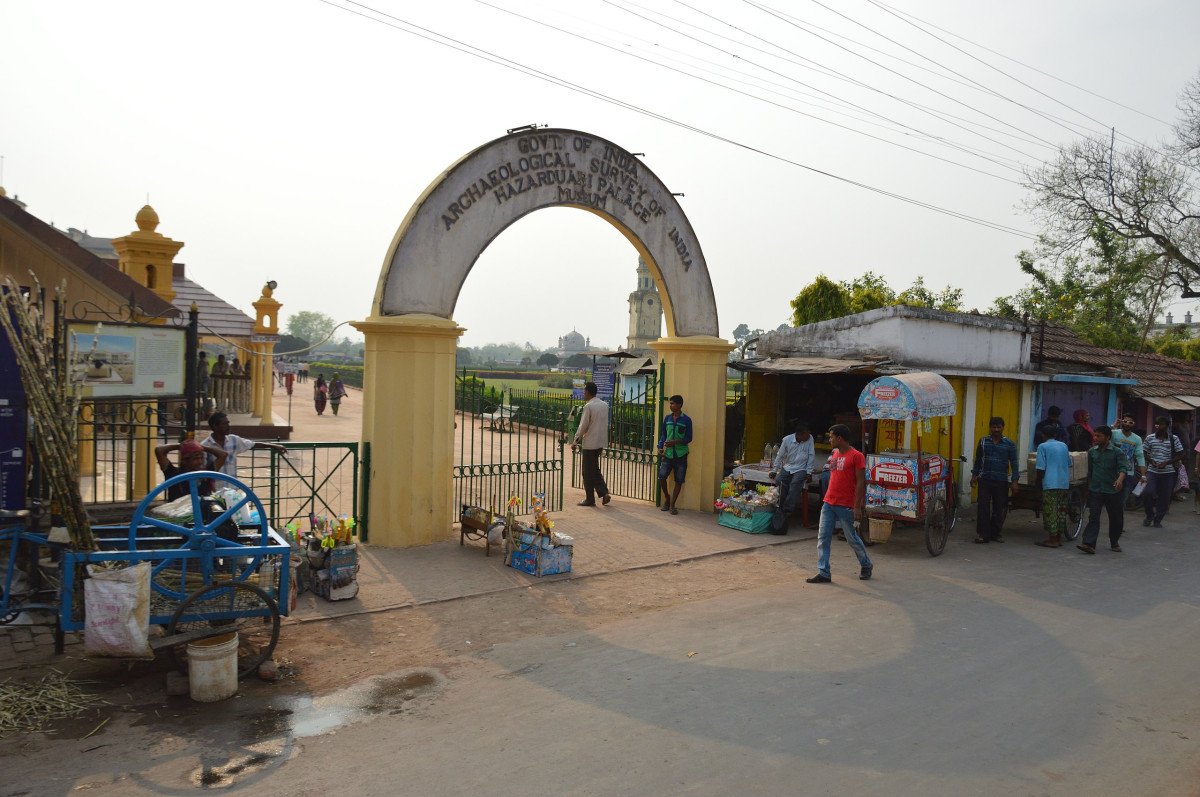
Complex Entry: The ticket typically covers the entry to the palace museum, the Nizamat Imambara, and the surrounding complex, including the Madina Mosque and the Bachchawali Tope. These fees are subject to revision by the Archaeological Survey of India (ASI) or the governing authority.Timing:
Regular Timings: The Hazarduari Palace Museum is generally open from 9:00 AM to 4:30 PM on all days of the week, except Friday.
Friday Closure: The museum remains officially closed on Fridays. It is essential to remember this when planning ...Regular Timings: The Hazarduari Palace Museum is generally open from 9:00 AM to 4:30 PM on all days of the week, except Friday.
Friday Closure: The museum remains officially closed on Fridays. It is essential to remember this when planning a trip to Murshidabad.
Ticket Counter Timings: The ticket counter usually closes an hour before the museum closing time, so plan your arrival accordingly.
Ideal Visit Time:
Best Part of the Day: The ideal time to visit is immediately after opening at 9:00 AM to avoid the mid-day heat and large crowds. Visiting in the late afternoon (around 3:00 PM) also offers cooler weather and the soft light is excellent for outdoor photography before the closing time.
Best Days to Visit: Weekdays, especially Tuesday and Wednesday, tend to be less crowded than weekends (Saturday and Sunday). Avoiding major Indian public holidays is also recommended for a peaceful visit.Special Events:
Muharram Observance at Nizamat Imambara: While the main event takes place at the adjacent Nizamat Imambara, the Hazarduari Palace complex is central to the annual Muharram observance. This is a period of mourning for the martyrdom of Imam Hussain (grandson of Prophet Muhamm...Muharram Observance at Nizamat Imambara: While the main event takes place at the adjacent Nizamat Imambara, the Hazarduari Palace complex is central to the annual Muharram observance. This is a period of mourning for the martyrdom of Imam Hussain (grandson of Prophet Muhammad). The Nizamat Imambara, directly opposite the palace, becomes the focal point for massive processions and religious gatherings of the Shia Muslim community. The Imambara, built specifically for this purpose, is beautifully decorated, and special rituals are performed. Visitors during this period (the Islamic month of Muharram) can witness a unique, solemn, and deeply spiritual aspect of Murshidabad's culture and its historical association with Shia Nawabs, though entry for non-Muslims might be restricted during certain prayer times.Best Photo Spots:
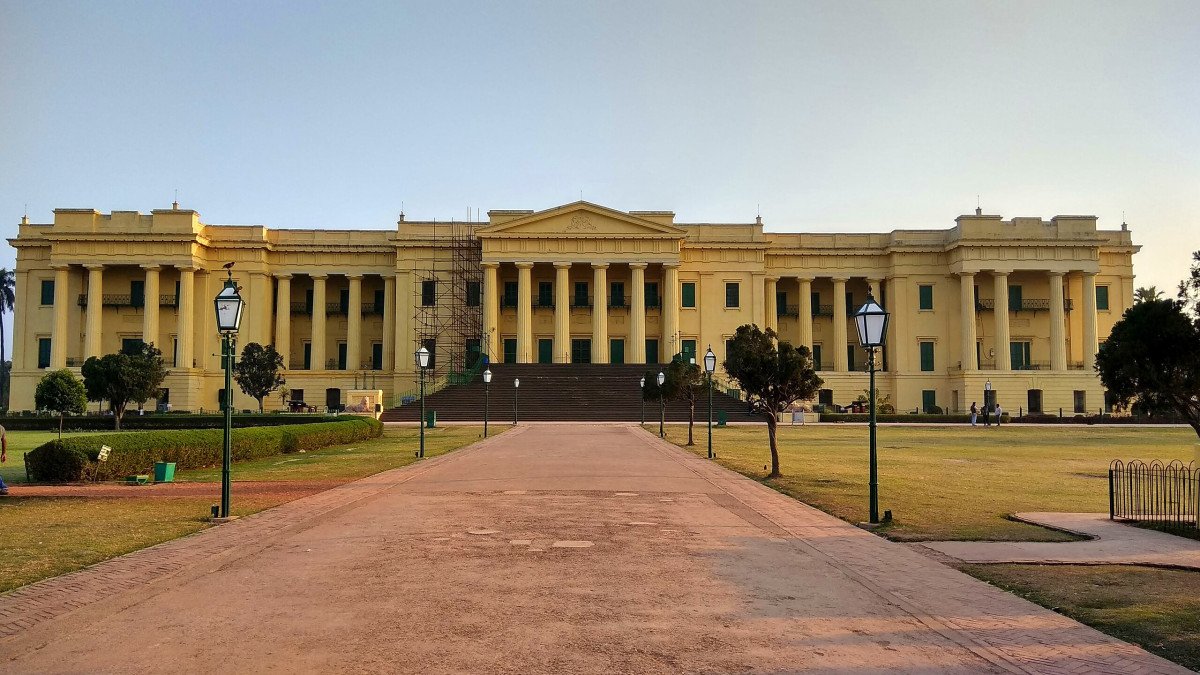
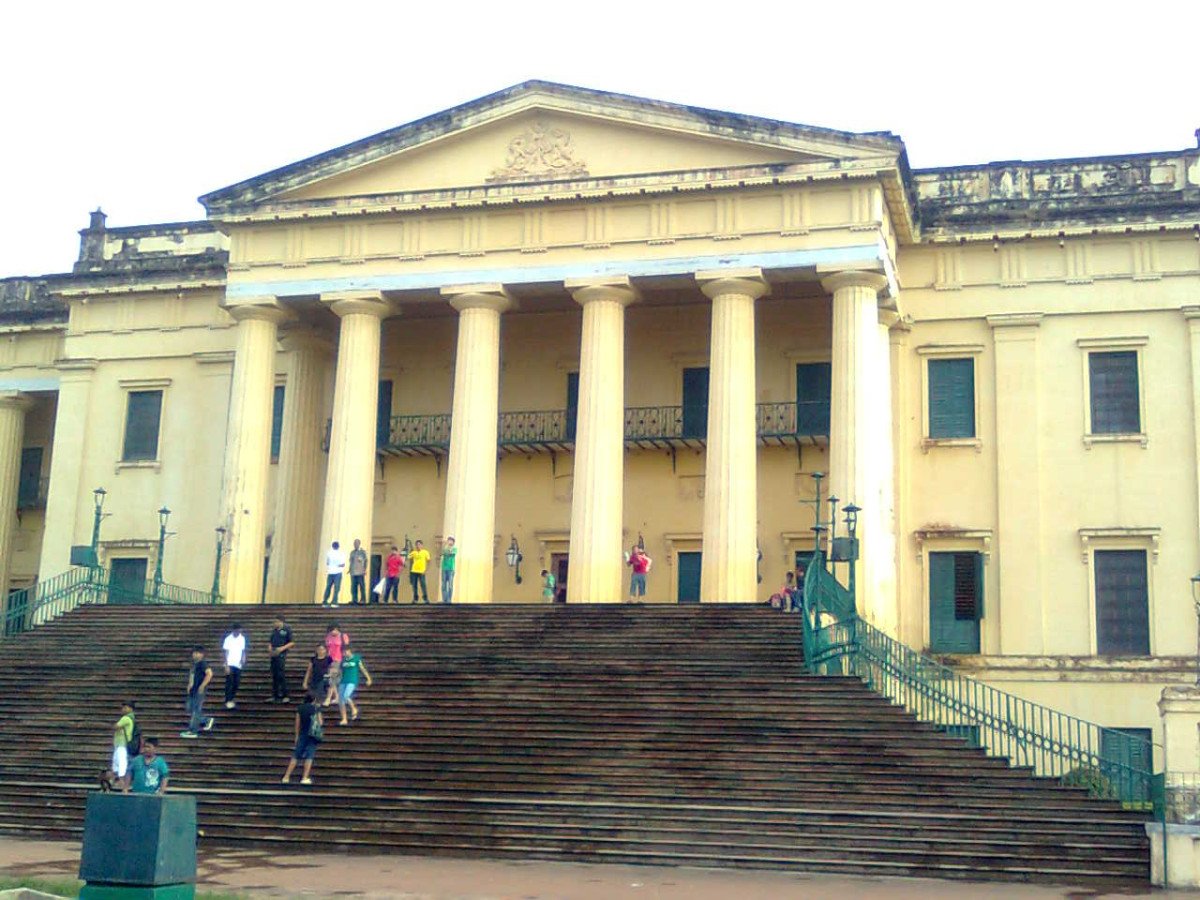
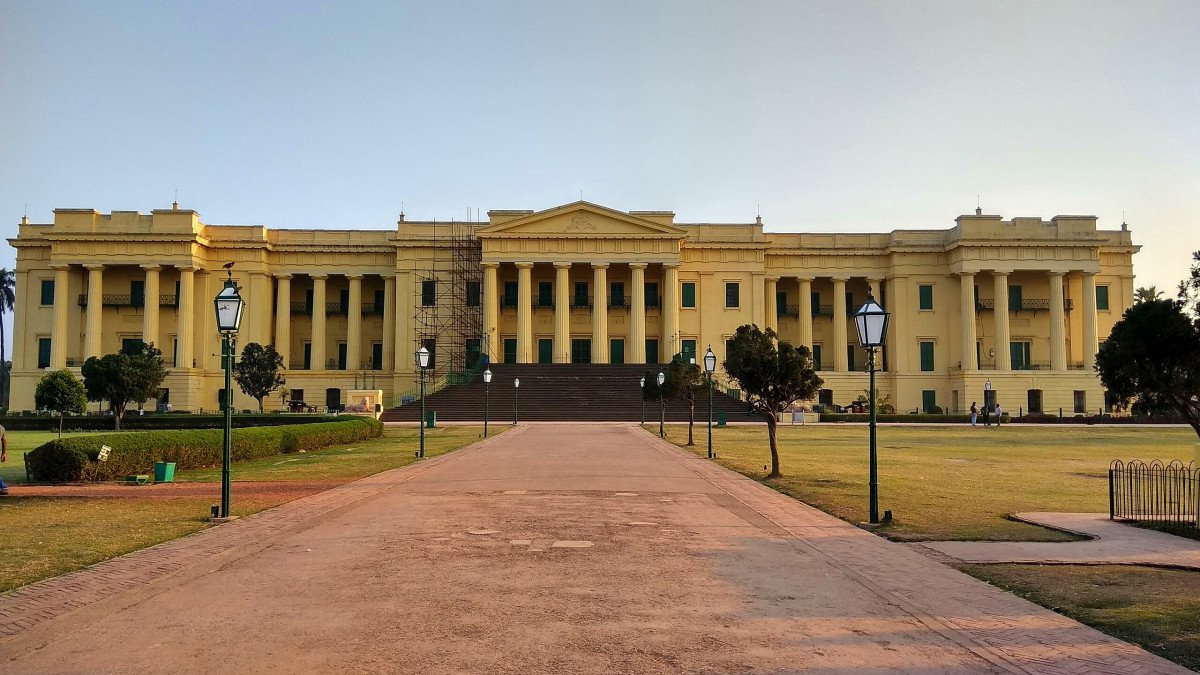
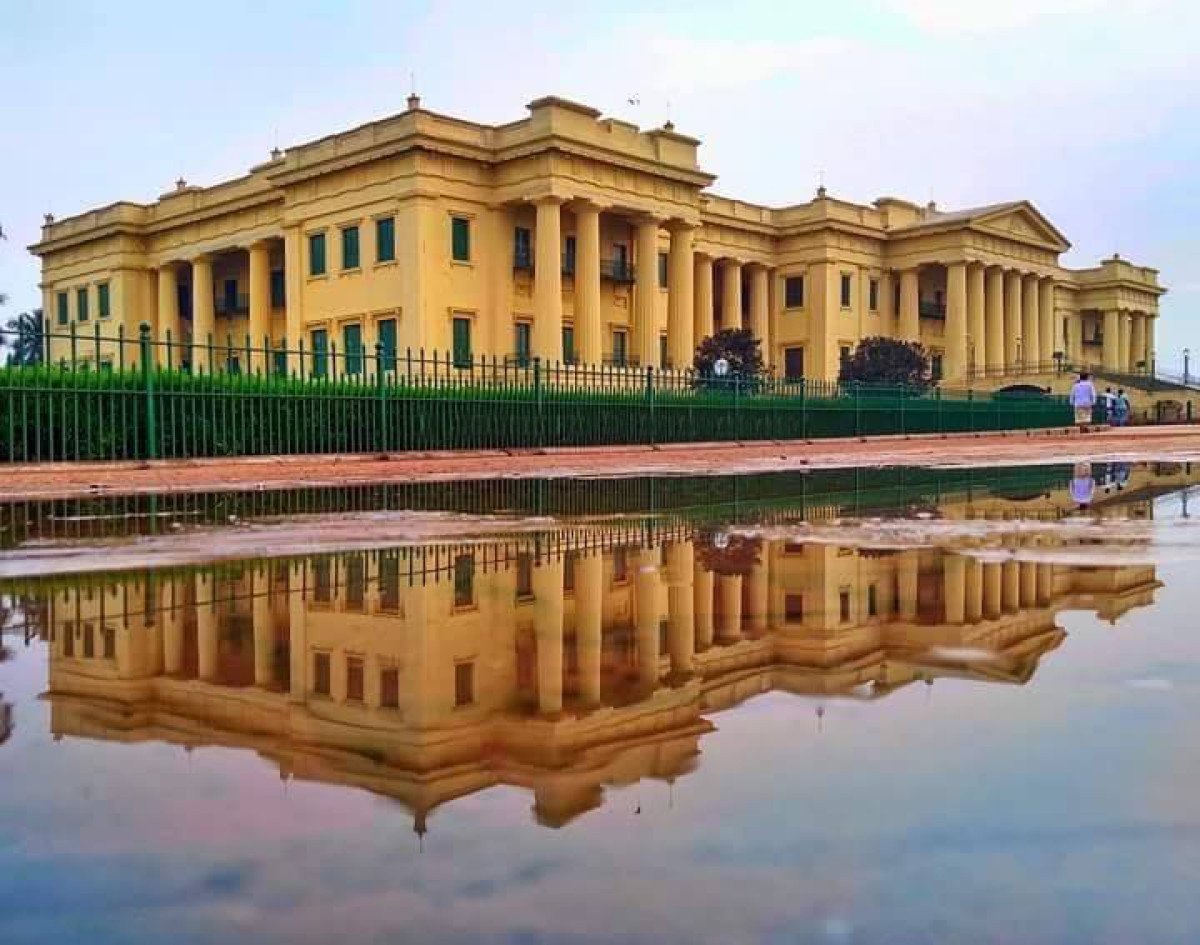
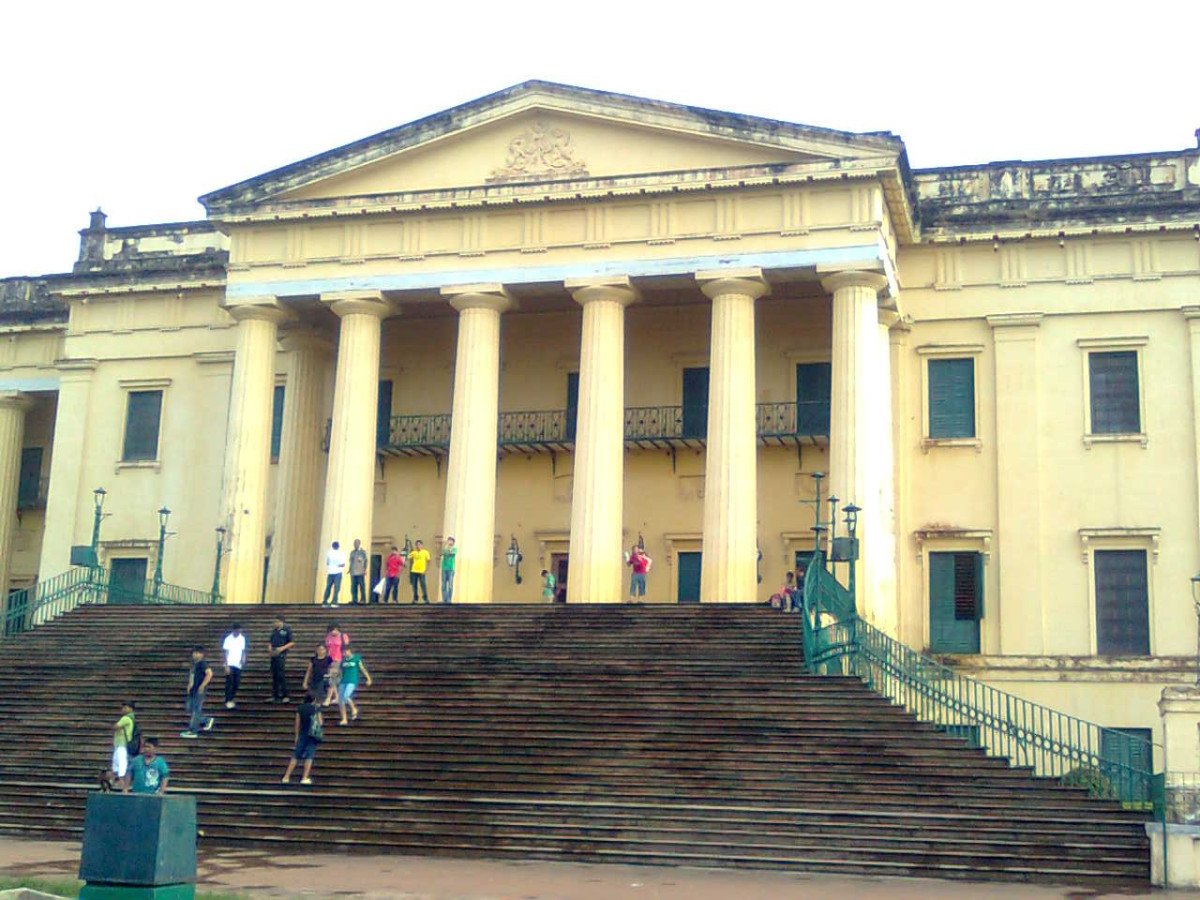
The Grand North Facade: The best spot for a majestic photograph is from the vast lawn facing the main entrance, or the North Facade. This angle captures the entire three-storey expanse of the palace, showcasing its distinctive European architecture, the long rows of Doric c...The Grand North Facade: The best spot for a majestic photograph is from the vast lawn facing the main entrance, or the North Facade. This angle captures the entire three-storey expanse of the palace, showcasing its distinctive European architecture, the long rows of Doric columns, and the sheer scale of the building with its visible thousand doors. The symmetry of the palace against the clear sky provides a classic, timeless photograph that highlights the grandeur of the Nawabi era. Early morning light or late afternoon provides the best soft light.
Inside the Durbar Hall: Once permitted (photography rules inside the museum may vary, often requiring a separate fee or being completely restricted), the interiors, especially the Durbar Hall and the staircases, offer stunning photo opportunities. Capture the intricate details of the interiors, the large Belgian mirrors, and the enormous Chandelier gifted by Queen Victoria. These shots emphasize the opulence and decorative style of the court, contrasting the classical exterior with a highly ornate interior. Check the official rules for indoor photography before attempting to take pictures.
The Clock Tower with Palace Backdrop: A picture taken near the Clock Tower (Ghari Ghar), positioning the palace as the main background element, provides an excellent perspective shot. This frame contrasts the European-style tower with the palace, capturing two significant historical structures in a single, well-composed photograph.Photo Gallery
Things To Do
-
Explore the Grand Museum Exhibits:
Weaponry Showcase: Spend time in the armory section, focusing on the impressive collection of 2700 weapons. Look closely for the swords believed to have been used by Siraj-ud-Daulah and his grandfather, Alivardi Khan.
Royal Artifacts Display: Observe the personal belongings of the Nawabs, including the massive silver throne used in the Durbar Hall. The collection also features palanquins and carriages used by the royal family.
Paintings and Art Gallery: Study the exquisite oil paintings, including works by European masters, which reflect the cosmopolitan tastes of the Nawabs. Pay attention to the miniature ivory carvings, a famous local craft of Murshidabad.
Wander the Palace Grounds and Compl...
Information
-
Why Famous:
Architectural Marvel of the East: The palace is renowned globally for its unique architectural concept, particularly the 1000 doors. This feature, a blend of real and false entrances, makes it a subject of curiosity and a landmark in architectural history. It is one of the...Architectural Marvel of the East: The palace is renowned globally for its unique architectural concept, particularly the 1000 doors. This feature, a blend of real and false entrances, makes it a subject of curiosity and a landmark in architectural history. It is one of the largest palaces built in India during the 19th century and its imposing scale and European design set it apart from typical Indian royal residences of the time. The use of Doric columns and the massive scale showcase the confluence of British architectural expertise and Nawabi grandeur.
Repository of Bengal's History: As a museum, the Hazarduari Palace is the primary storehouse of artifacts related to the last independent rulers of Bengal. Its collection of over 2,700 weapons (including swords of Nawab Siraj-ud-Daulah and Alivardi Khan), exquisite oil paintings by Dutch, French, and Italian artists, rare manuscripts, and priceless furniture provides invaluable insights into the political, cultural, and economic life of 18th and 19th century Bengal. It essentially encapsulates the history leading up to and immediately following the establishment of British power. -
Architecture:
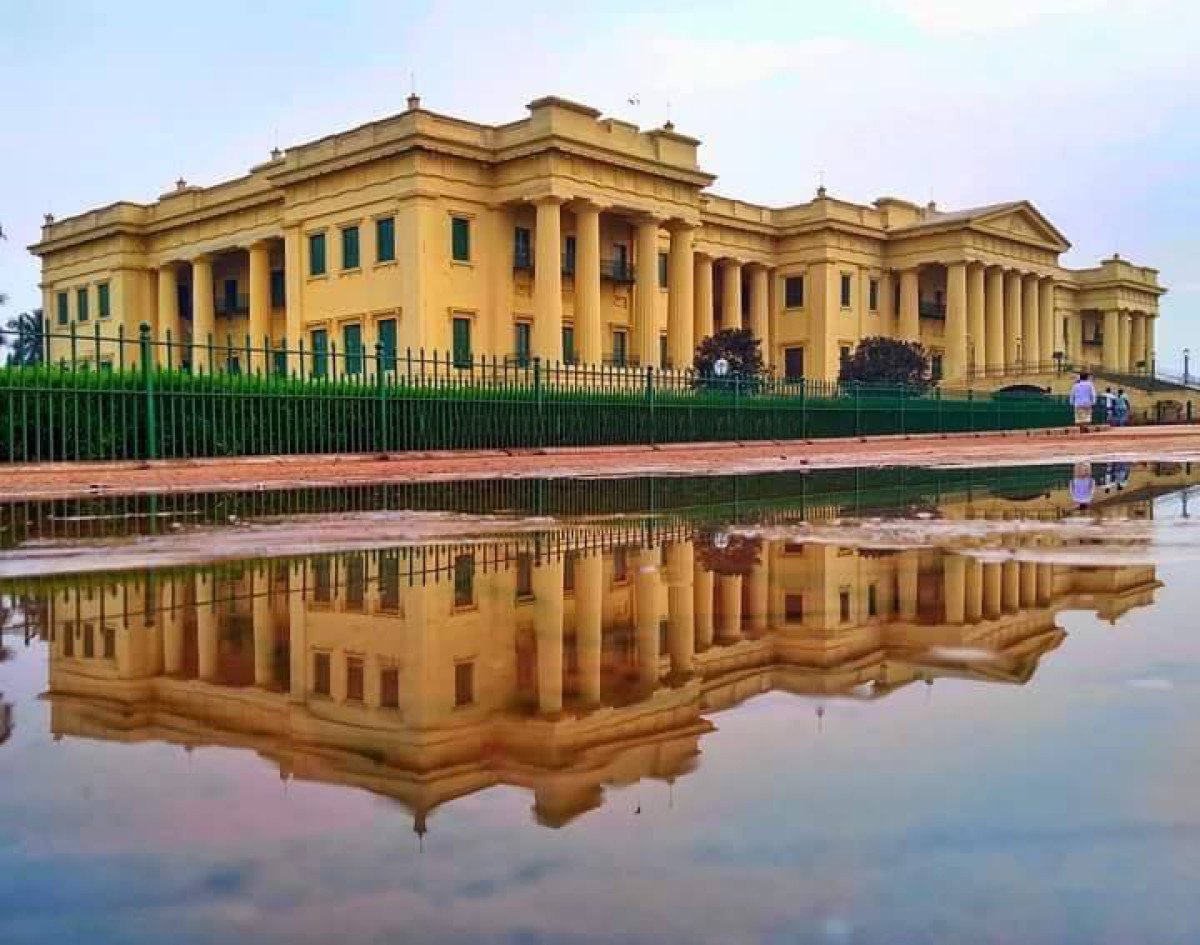
The architecture of Hazarduari Palace is a fascinating fusion, predominantly exhibiting the European Classical style with distinct Indian influences, classifying it as Indo-European or Indo-British architecture.
Style and Influence: The palaces overall appearance i...The architecture of Hazarduari Palace is a fascinating fusion, predominantly exhibiting the European Classical style with distinct Indian influences, classifying it as Indo-European or Indo-British architecture.
Style and Influence: The palaces overall appearance is heavily influenced by the Doric order of Greek architecture, which is known for its simplicity and austerity, visible in the rows of thick, fluted columns supporting the structures. This European influence was largely due to the architect, Colonel Duncan Macleod of the Bengal Corps. The sheer scale and symmetry reflect the neo-classical style popular in Europe during the 19th century.
Dimension and Layout: The palace is a massive rectangular structure, approximately 130 meters long and 61 meters broad, and stands about 24 meters (80 feet) high. It features 114 rooms and 8 galleries. The most famous dimension is, of course, the 1000 doors, which give the palace its name. The foundations are laid very deep to protect the structure from the Bhagirathi River, which flows just 12 meters (40 feet) away. The grand staircase, often noted as one of the biggest in India, leads to the main floor. The three-storey structure is a testament to the ambitious scale of the final independent Nawab's reign.
Interior Features: Inside, the palace showcases the opulent lifestyle of the Nawabs. The famous silver throne is a key exhibit. The durbar hall (meeting hall) is massive, designed to hold grand assemblies. The palace has a massive chandelier, one of the largest in the world, gifted by Queen Victoria. Other notable features include the marble staircases and the incorporation of numerous mirrors in the interiors, reflecting the prevalent taste for elaborate decoration. -
How To Reach:
By Air: The Nearest Major Airport is Netaji Subhas Chandra Bose International Airport (CCU) in Kolkata, which is approximately 200 km away. From Kolkata airport, one can hire a pre-paid taxi directly to Murshidabad (a journey of about 5-6 hours) or travel to Sealdah/Kolkata... -
Near Tourist Places:
(All distances are approximate from Hazarduari Palace) 1.
Nizamat Imambara: (0. 1 km) - Located right opposite the palace. 2.
Madina Mosque: (0. 1 km) - Located between the Palace and Imambara. 3.
Wasif Manzil: (0. 5 km) - Located just south of the Hazarduari Palace. 4.
Katra Mosque: (2 km) - Historical mosque and tomb of Murshid Quli Khan. 5.
Jafarganj Cemetery: (2 km) - Resting place of Mir Jafar and his family. 6.
Moti Jheel (Pearl Lake): (3 km) - Horseshoe-shaped lake with historical significance. 7.
Jahan Kosha Cannon: (3 km) - A massive, historical cannon. 8.
Khosh Bagh: (2 km) - Across the Bhagirathi River (requires a ferry ride). Cemetery of Siraj-ud-Daulah. 9.
Kathgola Palace Complex: (4 km) - Palace and Jain Temple of the Jagat Seth family. 10.
House of Jagat Seth: (5 km) - Residence of the famous banking family.
Tourism Tips
-
Health & Safety:
Hydration and Sun Protection: Especially during the hotter months (March to June), carry adequate water. Use sunscreen, hats, and sunglasses as most of the sightseeing involves walking outdoors in the sun.
Reviews
Hazarduari Palace and Museum Tourism:-
Information about New and Updated Locations(575+) of West Bengal Has Been Added :-
Card subtitle
Note:-
Information provided here in good Faith and for reference only.
All information and pictures will be updated soon, please keep visiting.
Near Places

Baranagar Char Bangla Temple
Some quick example text to build on the card title and make up the bulk of the card's content.
Go somewhere
Bhavaniswar Mandir Complex
Some quick example text to build on the card title and make up the bulk of the card's content.
Go somewhere
Bhavaniswar Mandir
Some quick example text to build on the card title and make up the bulk of the card's content.
Go somewhere
Cossimbazar Chhoto Rajbari
Some quick example text to build on the card title and make up the bulk of the card's content.
Go somewhere
Cossimbazar Rajbari
Some quick example text to build on the card title and make up the bulk of the card's content.
Go somewhere
Dahapara Dham
Some quick example text to build on the card title and make up the bulk of the card's content.
Go somewhere
Fauti Masjid Ruins
Some quick example text to build on the card title and make up the bulk of the card's content.
Go somewhere
Fauti Mosque
Some quick example text to build on the card title and make up the bulk of the card's content.
Go somewhere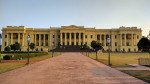
Hazarduari Palace and Museum
Some quick example text to build on the card title and make up the bulk of the card's content.
Go somewhere
House of Jagat Seth
Some quick example text to build on the card title and make up the bulk of the card's content.
Go somewherein Other Cities