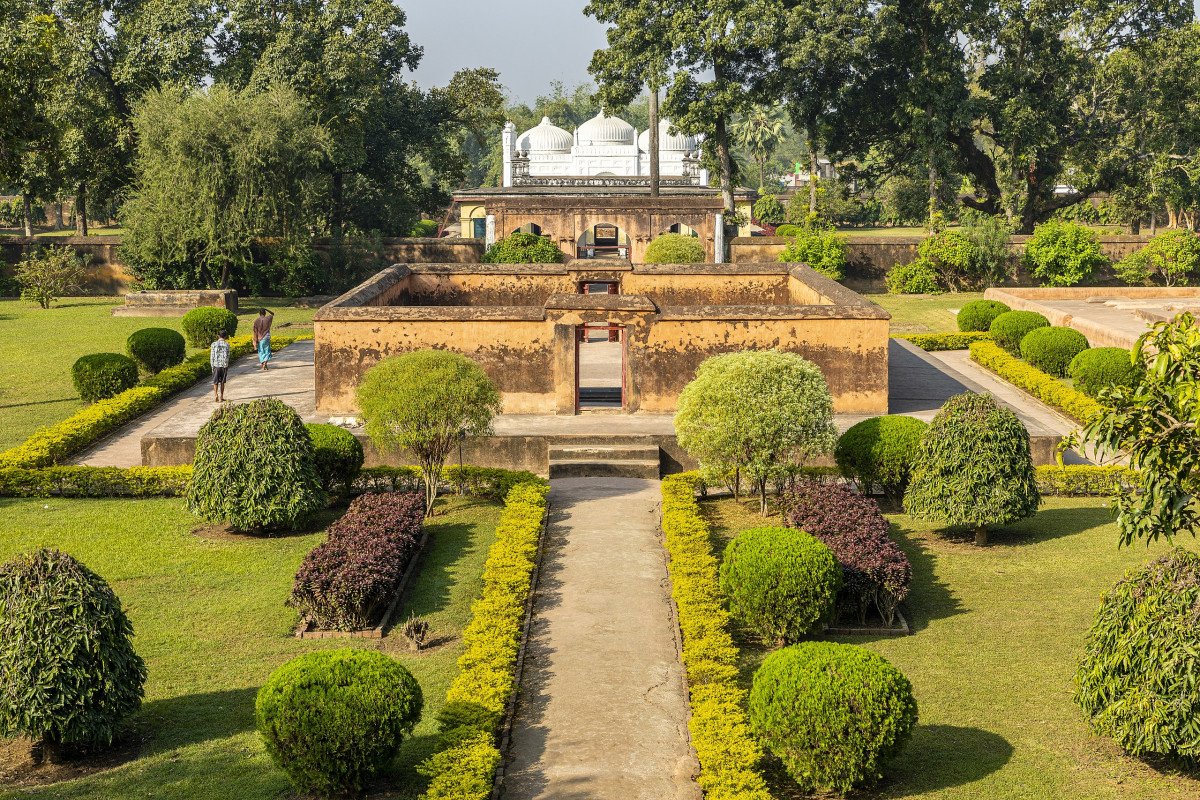
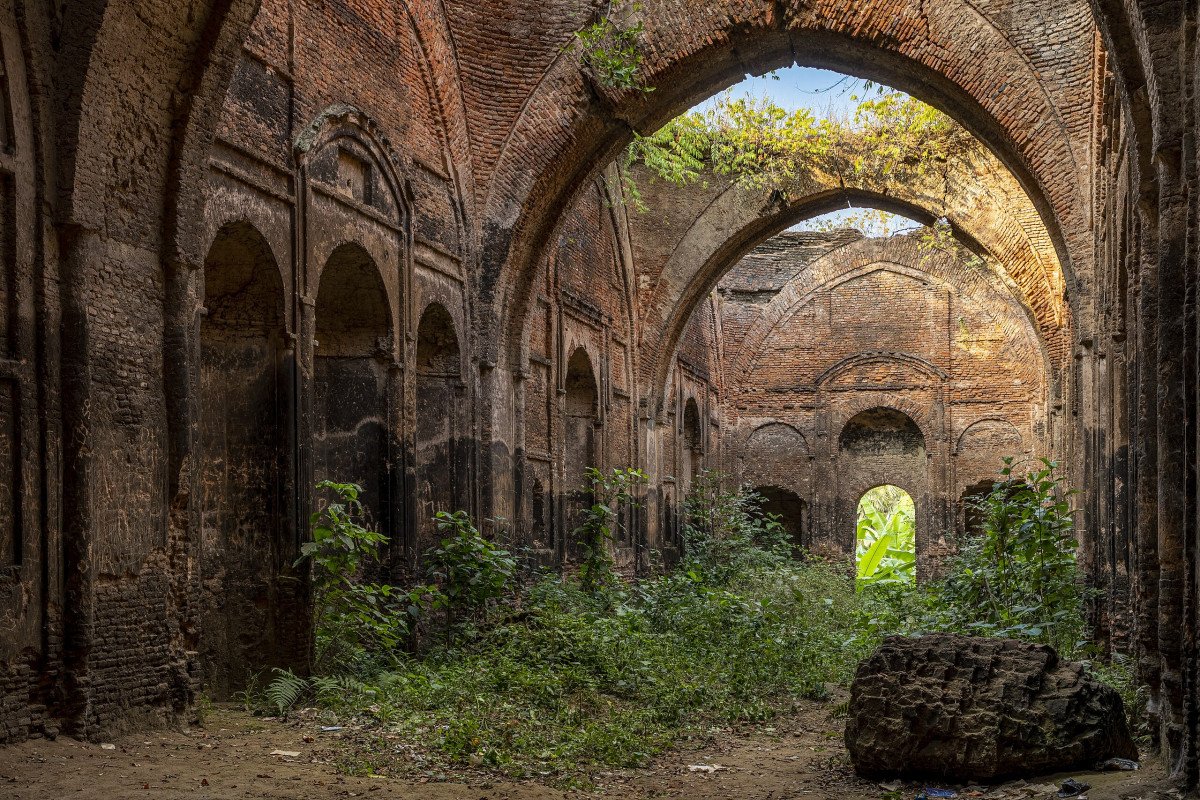
Murshidabad
General information
-
Ideal Duration:
2 to 3 DaysPlace Type:
Historical, Heritage, EducationalEntry Fees:
Hazarduari Museum: Around Rs.20 for Indians, Rs.300 for foreigners.
Motijheel Park: Entry fee approx Rs.20; separate charges for the light and sound show.
Other Sites: Most mosques and cemeteries have no entry fe...Hazarduari Museum: Around Rs.20 for Indians, Rs.300 for foreigners.
Motijheel Park: Entry fee approx Rs.20; separate charges for the light and sound show.
Other Sites: Most mosques and cemeteries have no entry fee but may expect a small donation.Timing:
Regular Timings: Most monuments are open from 9:00 AM to 5:00 PM. Hazarduari is closed on Fridays.
Ideal Visit Time: Early morning for the mosques and late afternoon for the palace gardens. ...Regular Timings: Most monuments are open from 9:00 AM to 5:00 PM. Hazarduari is closed on Fridays.
Ideal Visit Time: Early morning for the mosques and late afternoon for the palace gardens.Special Events:
Muharram: The most significant event in Murshidabad, involving grand processions and ceremonies at the Nizamat Imambara.
Bera Utsav: Held on the last Thursday of the Bengali month of Bhadra, where a float of bamboo and paper is set adrift in...Muharram: The most significant event in Murshidabad, involving grand processions and ceremonies at the Nizamat Imambara.
Bera Utsav: Held on the last Thursday of the Bengali month of Bhadra, where a float of bamboo and paper is set adrift in the river.
Hazarduari Mela: A winter fair featuring local handicrafts and cultural programs.Best Photo Spots:
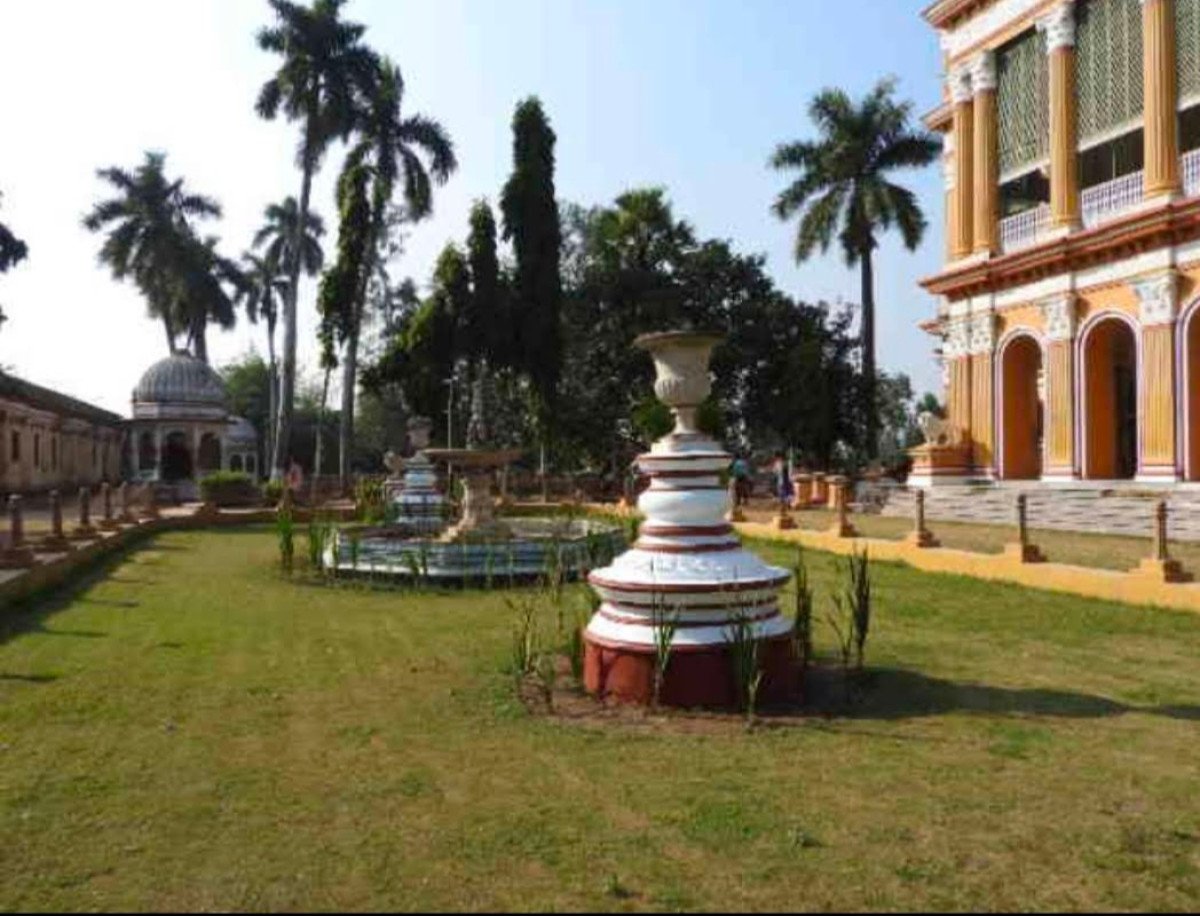
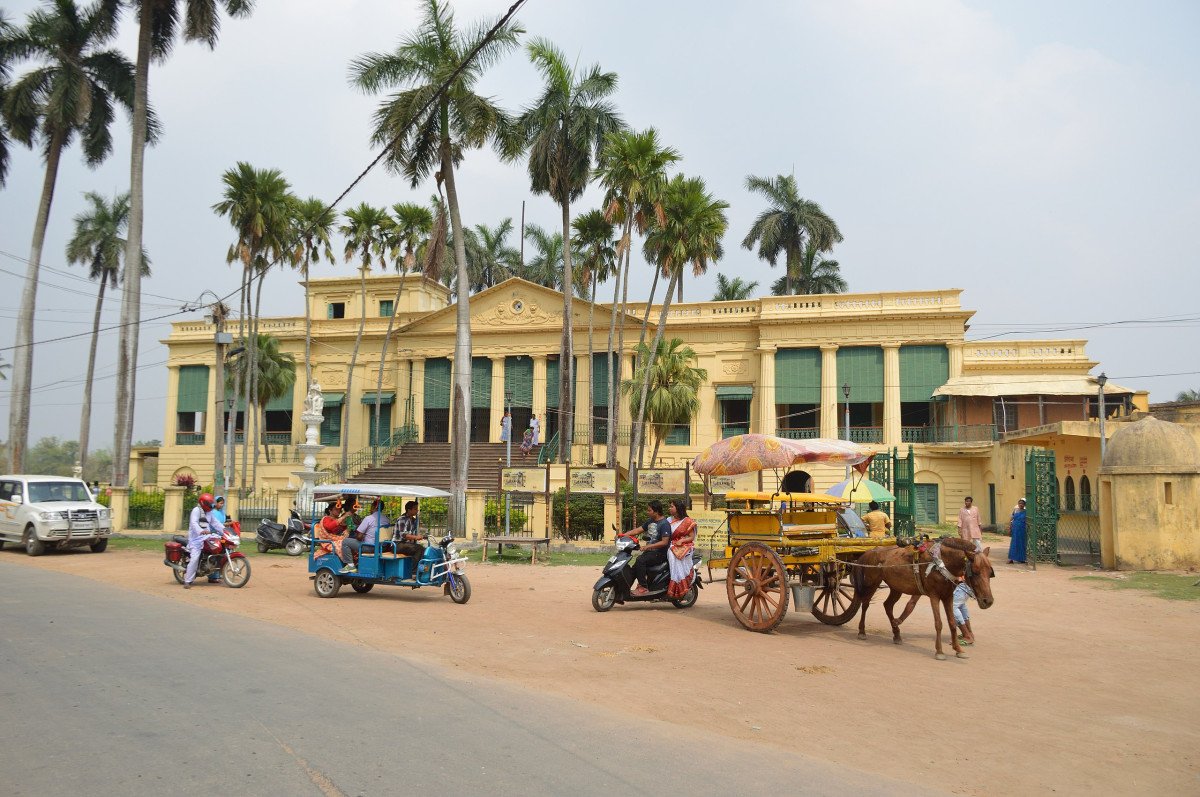
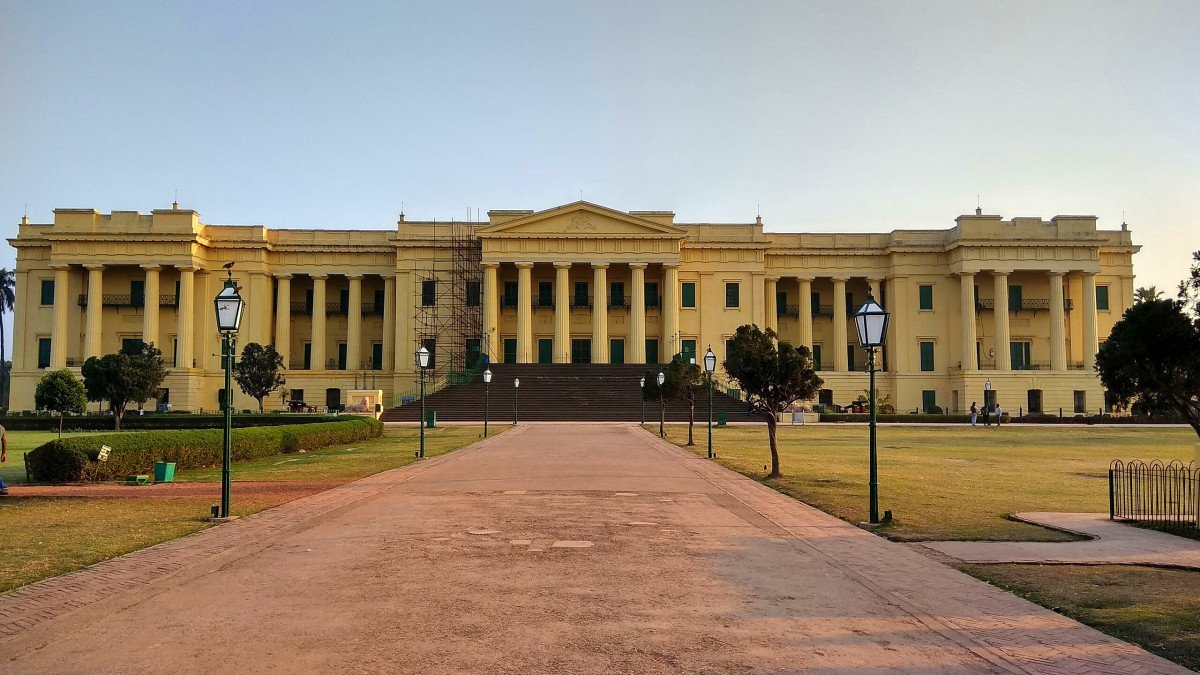
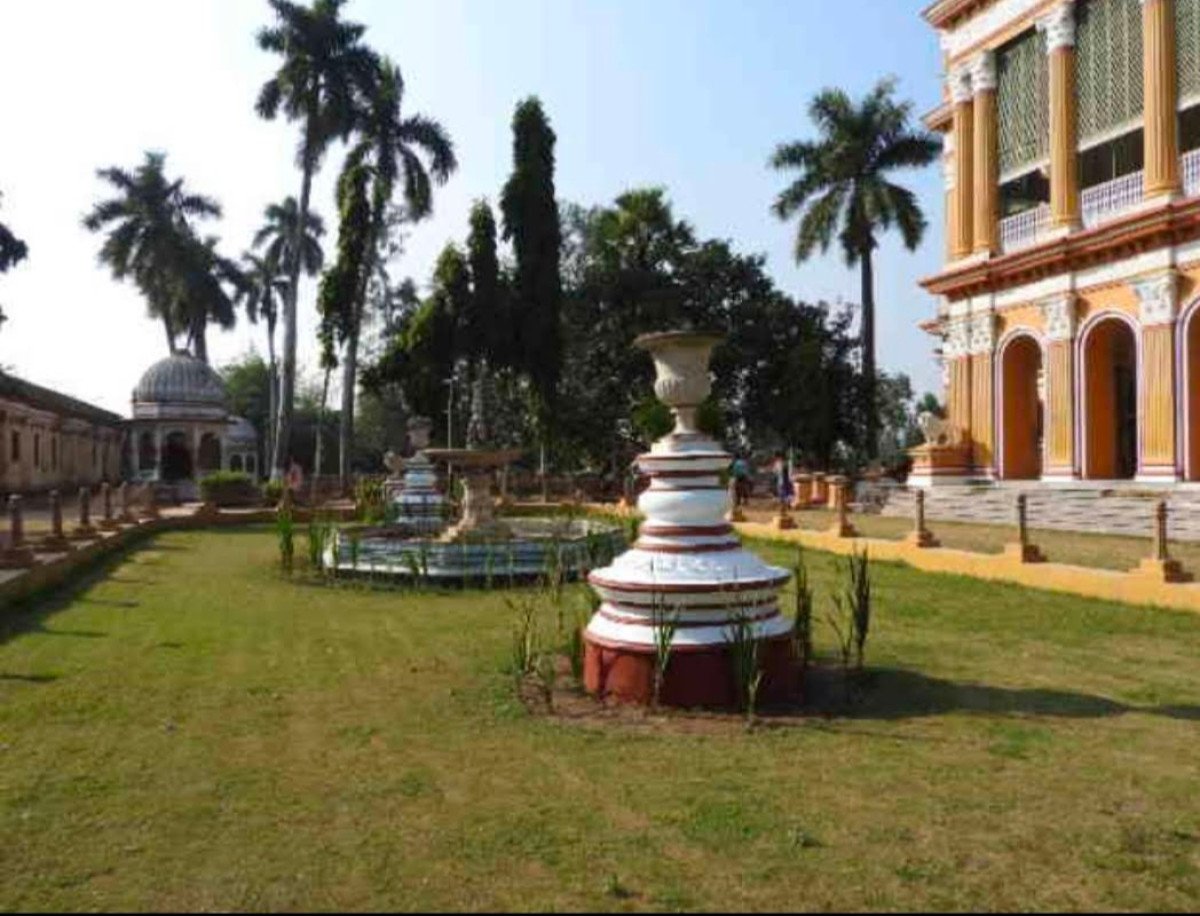
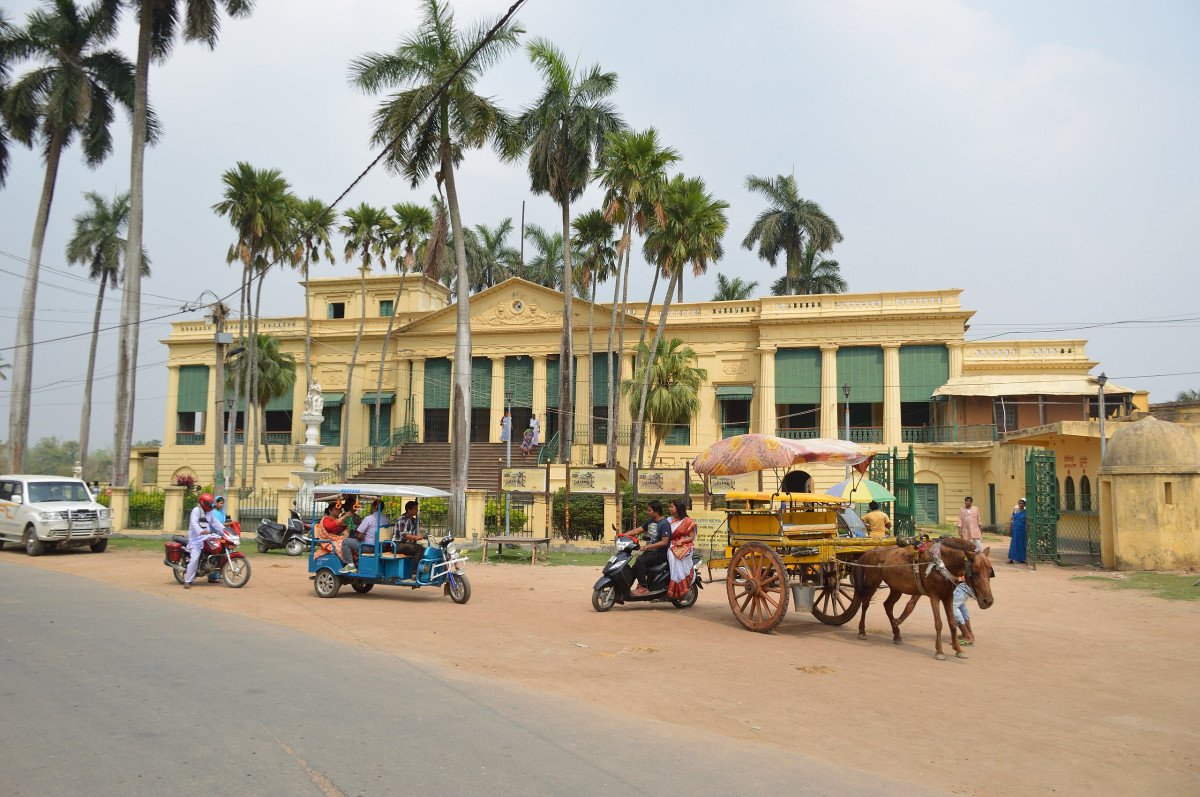
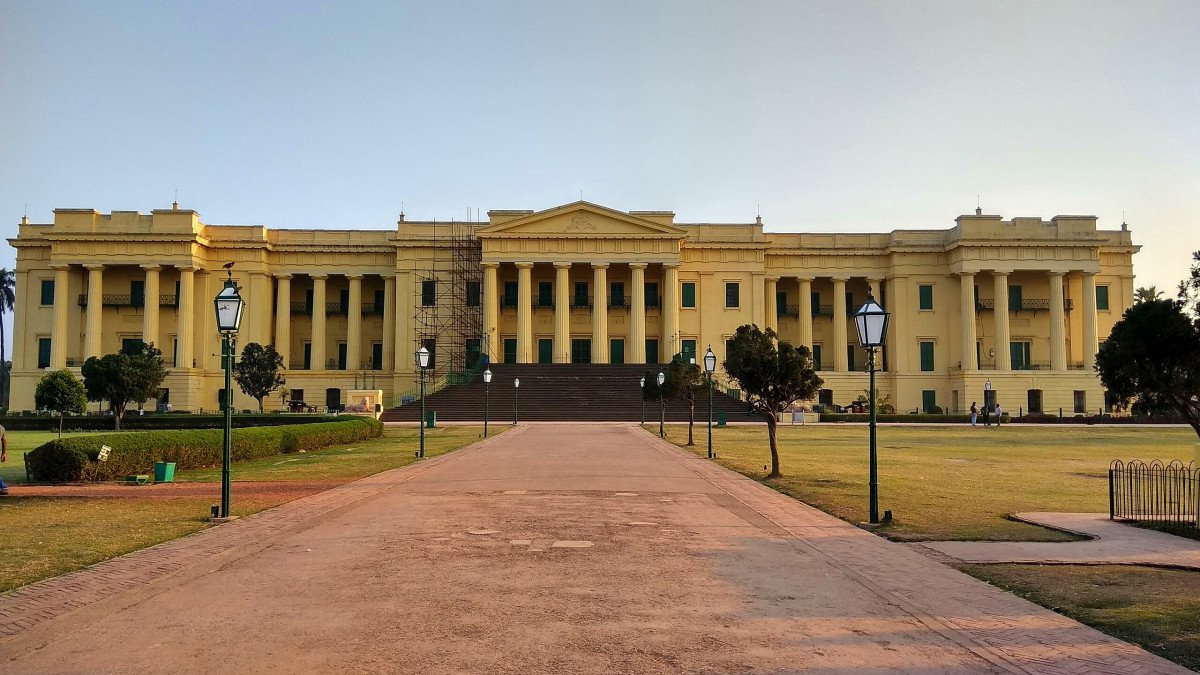
Hazarduari Frontage: The grand yellow building with its massive steps and lions is a perfect wide-angle shot.
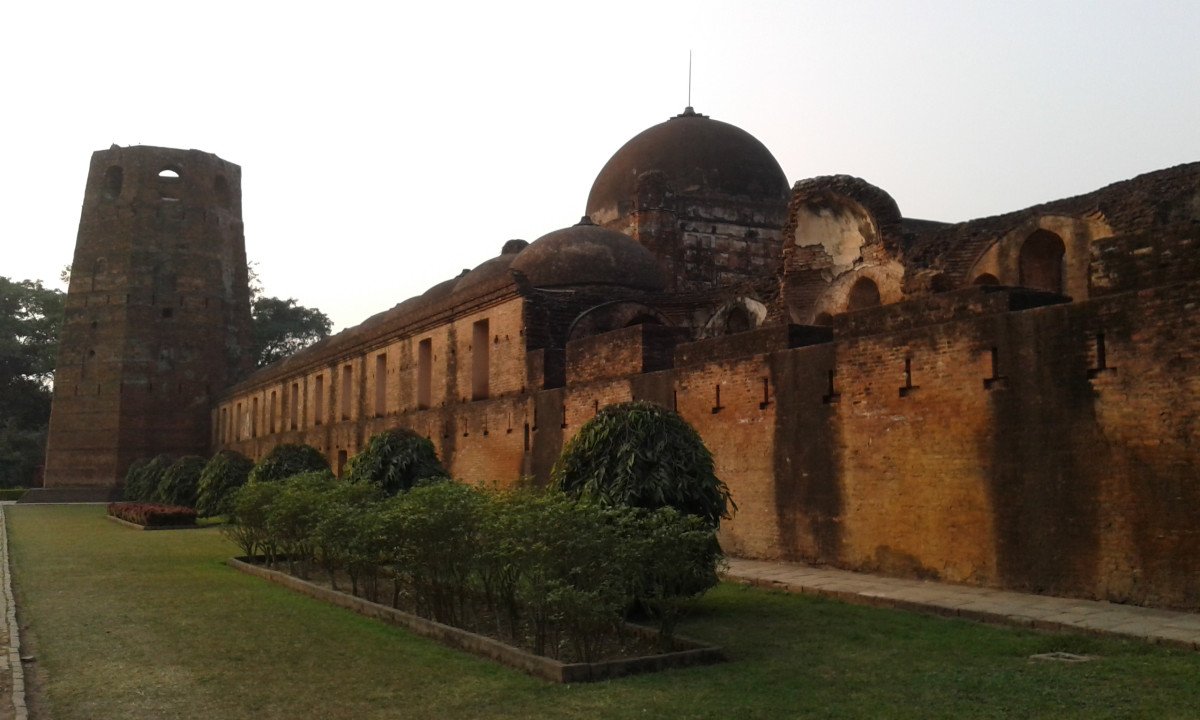
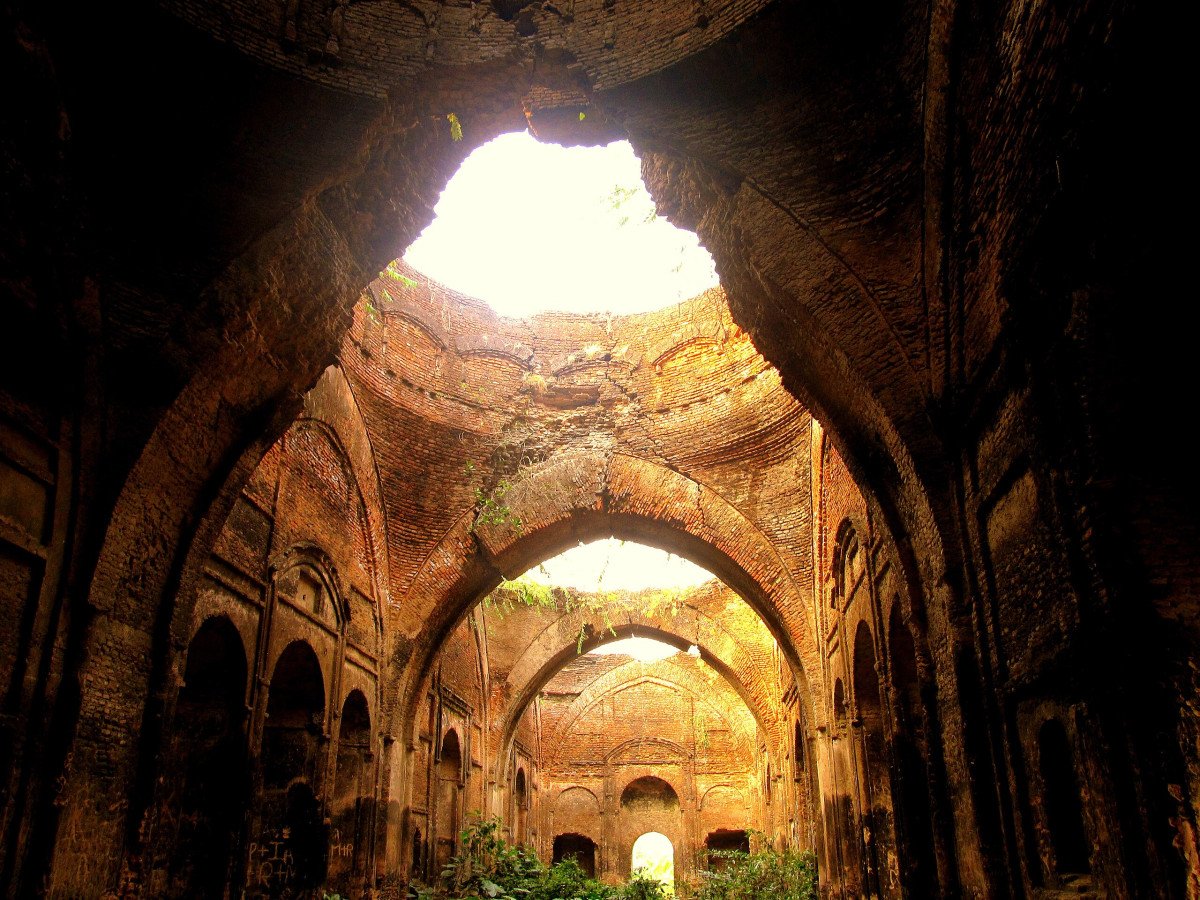
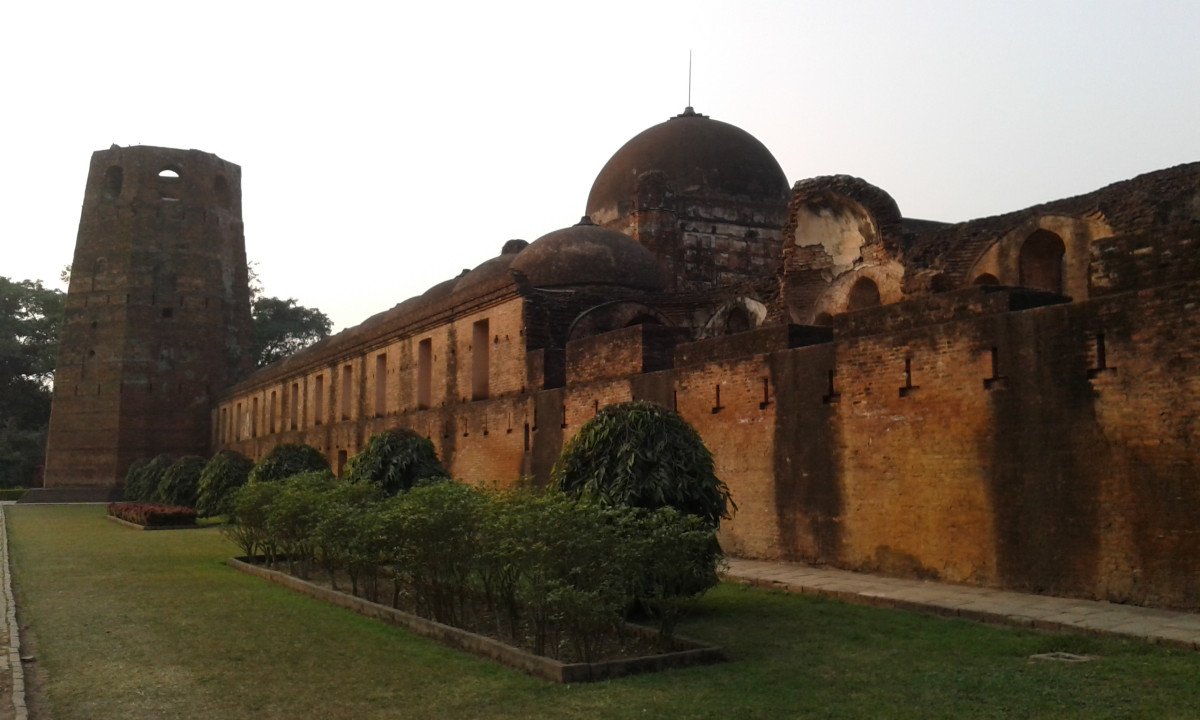
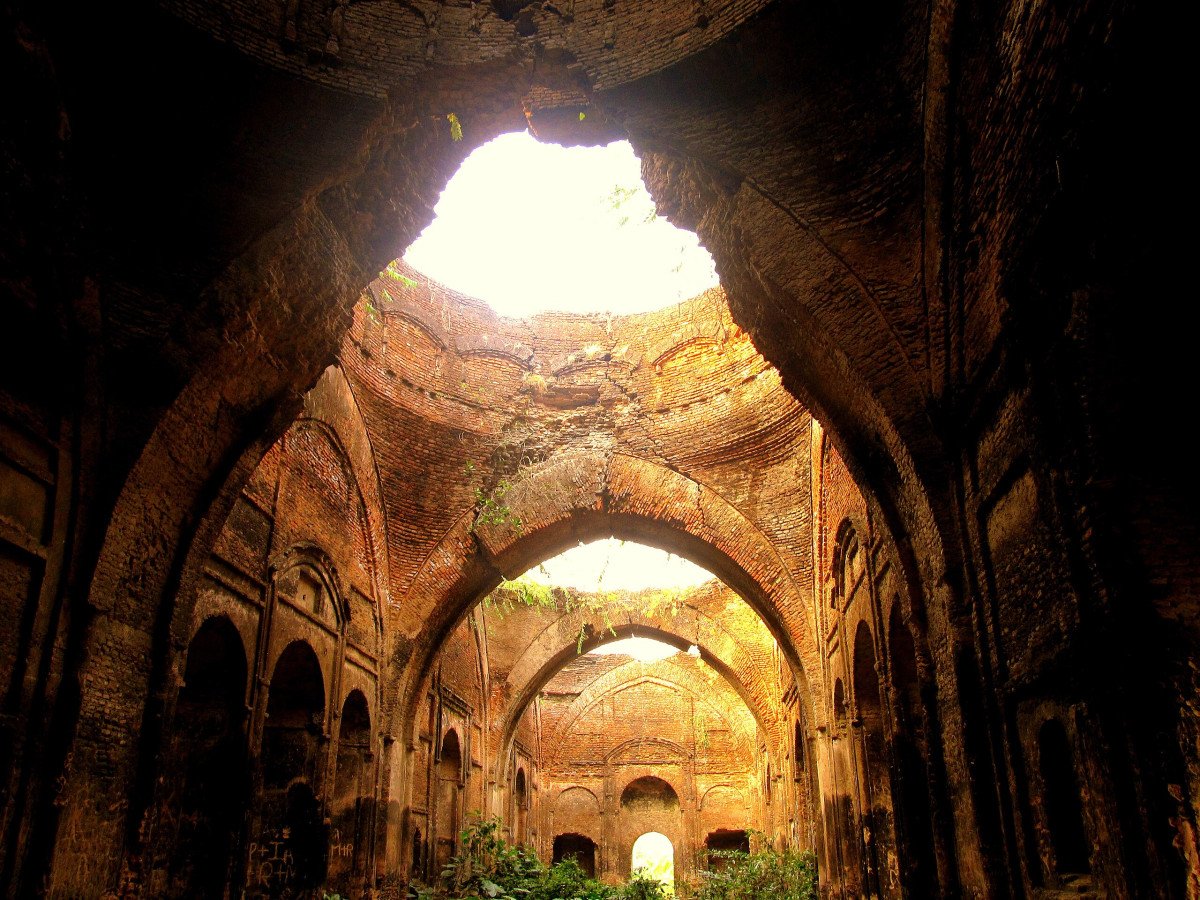
Katra Masjid Arches: The repetitive arches and the towering minarets provide great geometric compositions.
Read MoreHazarduari Frontage: The grand yellow building with its massive steps and lions is a perfect wide-angle shot.
Katra Masjid Arches: The repetitive arches and the towering minarets provide great geometric compositions.
Motijheel Lake: The reflection of the trees and the park in the still water during the golden hour.
Intricate Carvings at the Jain Temple: The marble work and statues at the Adinath temple are highly photogenic.Photo Gallery

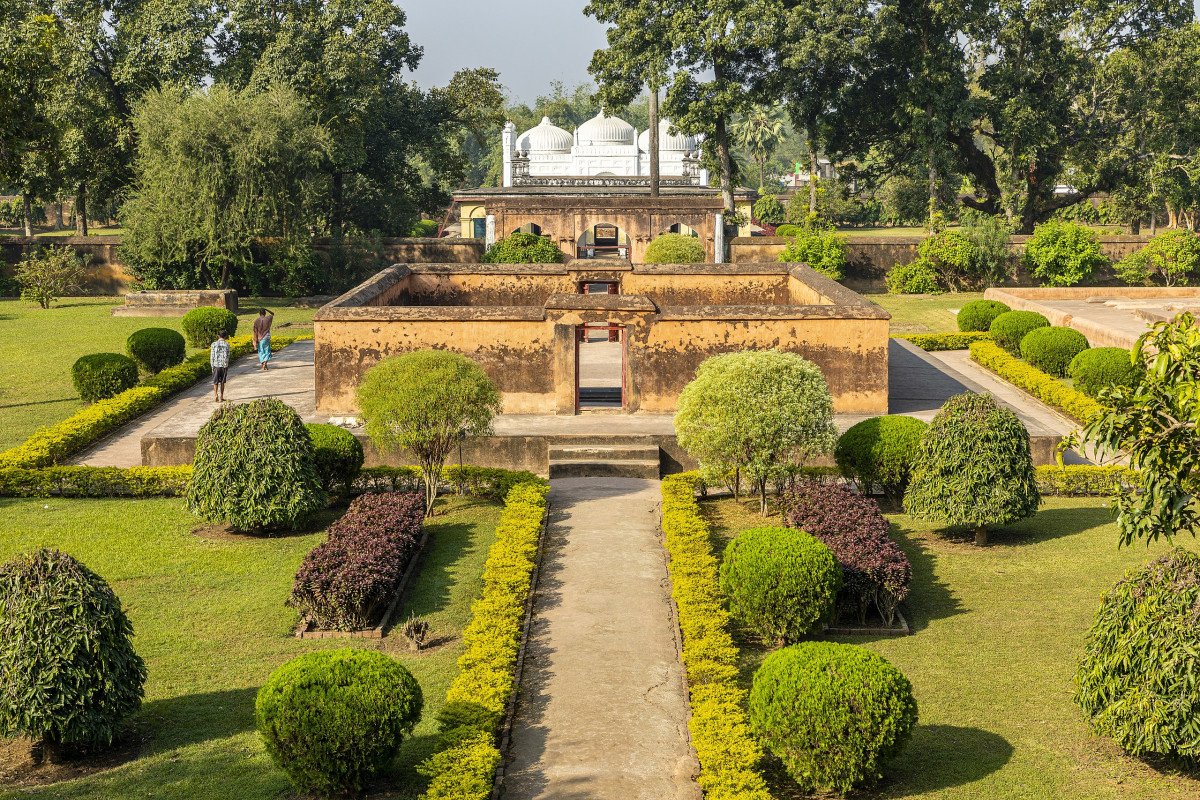
Things To Do
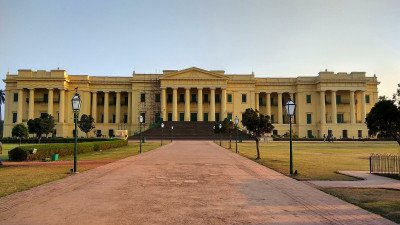 The **Hazarduari Palace**, meaning "A Palace with a Thousand Doors," is arguably the most significant tourist attraction in Murshidabad. This colossal three-storey building was constructed in **1837** by Nawab **Nazim Humayun Jah**. It was designed by the British architect Colonel Duncan Macleod in the Indo-European architectural style, specifically the Doric style. The name 'Hazarduari' comes from its famous feature of having **1000 doors**, of which 900 are real and 100 are false (or ornamental) doors, designed perhaps to confuse intruders or simply for grand aesthetics. The palace stands on an expansive area of **41 acres**, encompassing the Kila Nizamat area. It was primarily used for holding the *Durbar* (court) and other official work by the Nawabs and later served as the residence for high-ranking British officials. Today, the palace has been converted into a museum and is maintained by the Archaeological Survey of India (ASI). It houses an extraordinary collection of artifacts from the Nawabi era, offering a deep insight into the courtly life and the political history of **18th** and **19th** century Bengal. The collection includes a wide range of items from the personal belongings of the Nawabs to weapons, paintings, and historical documents.
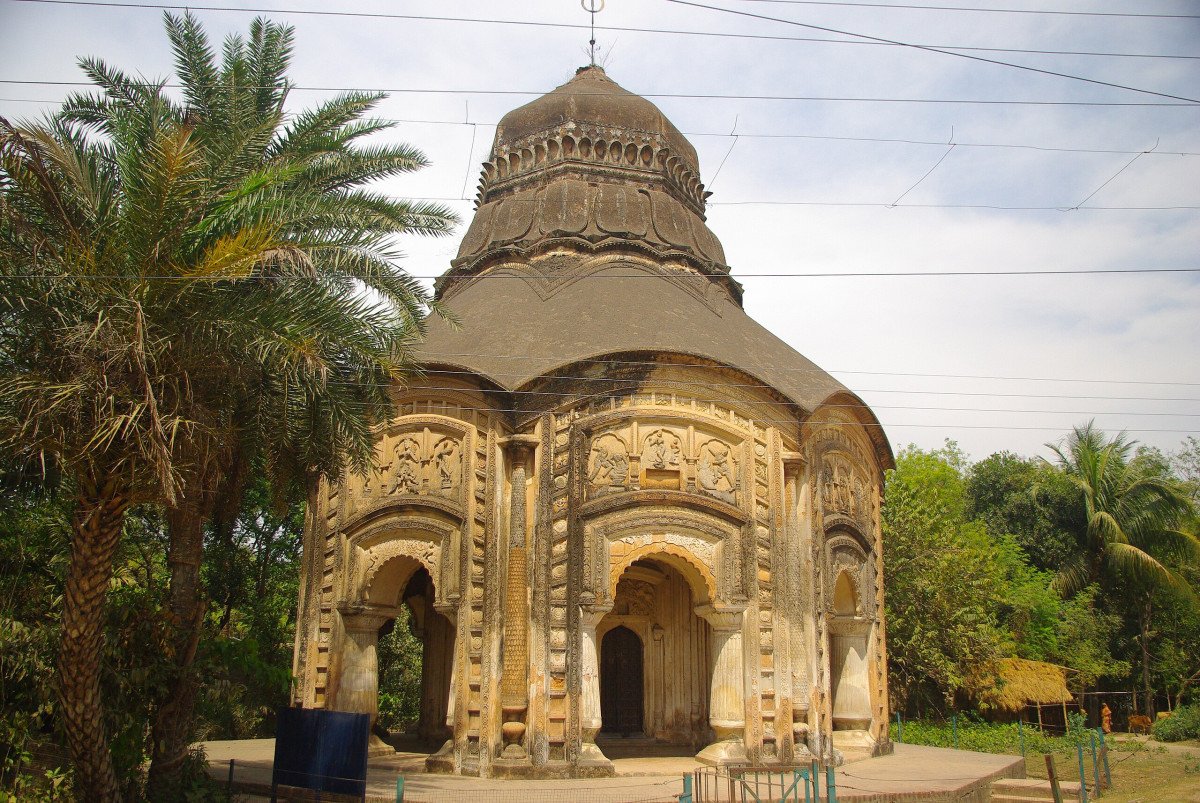
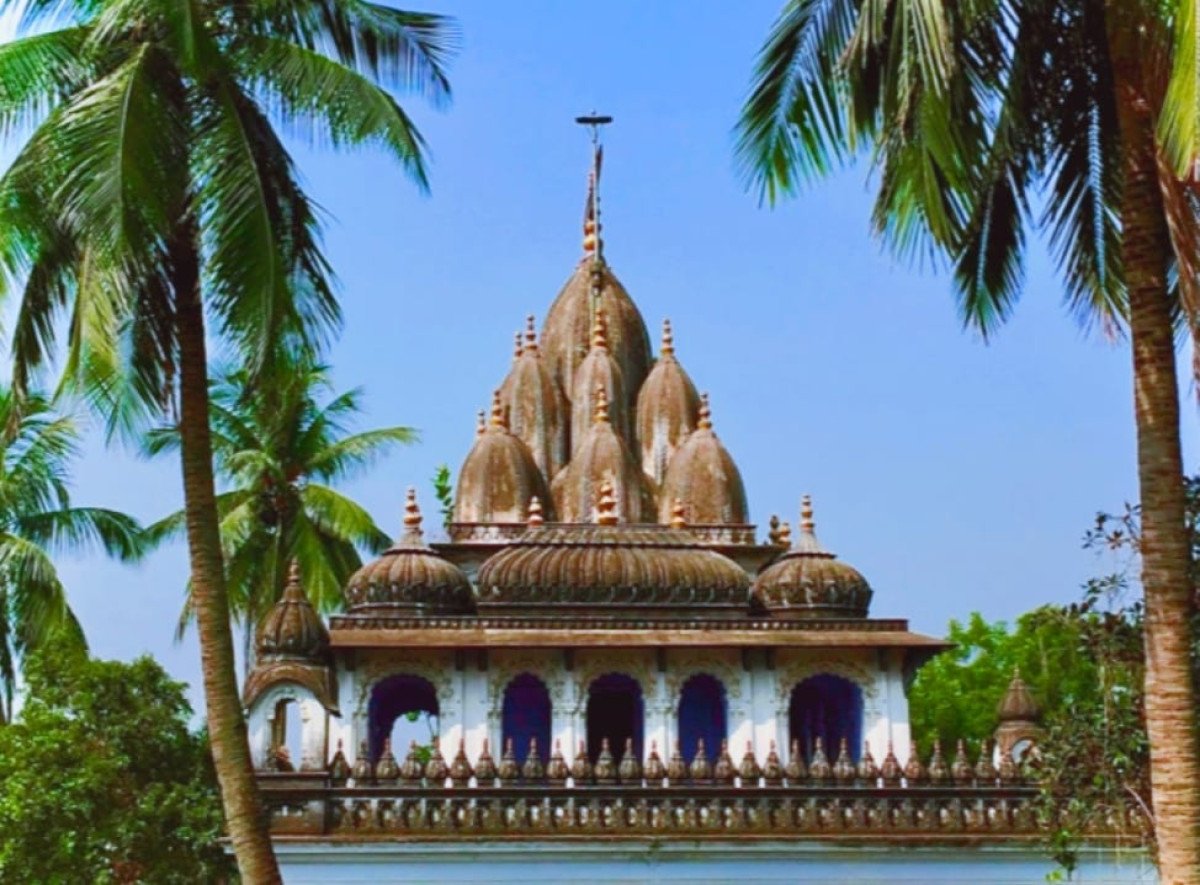
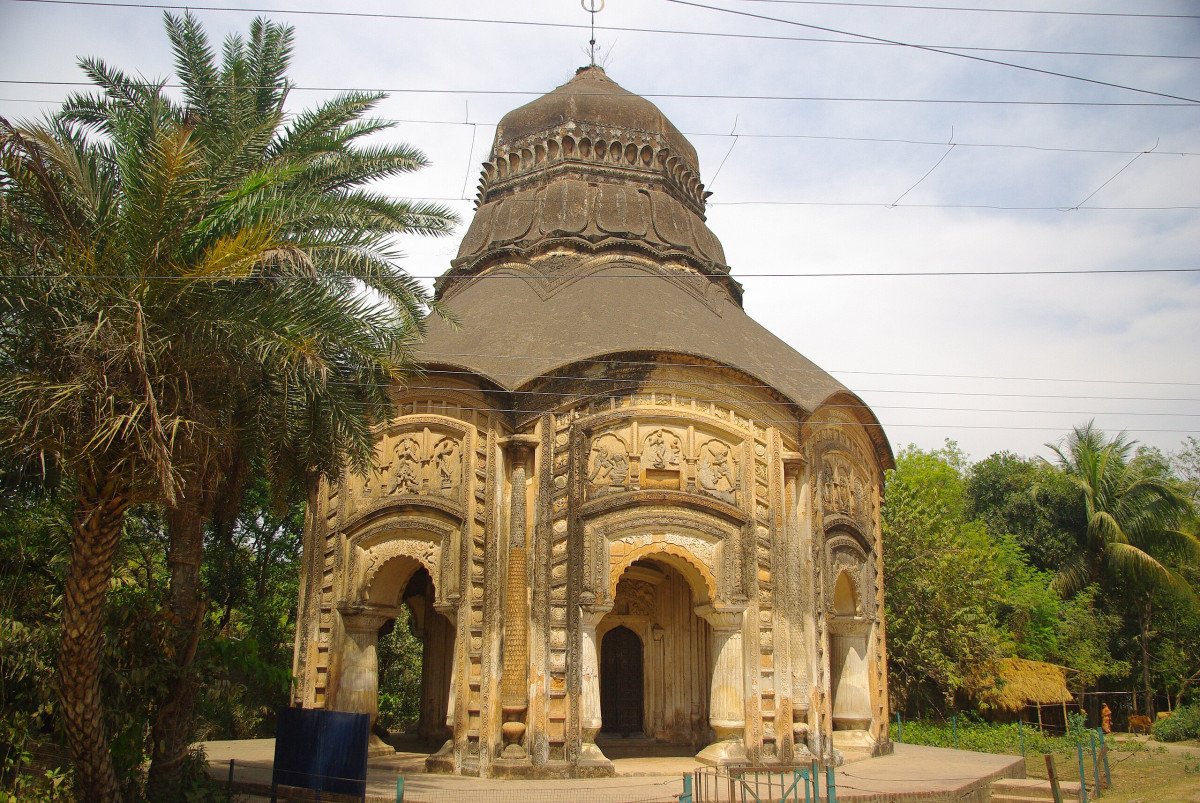
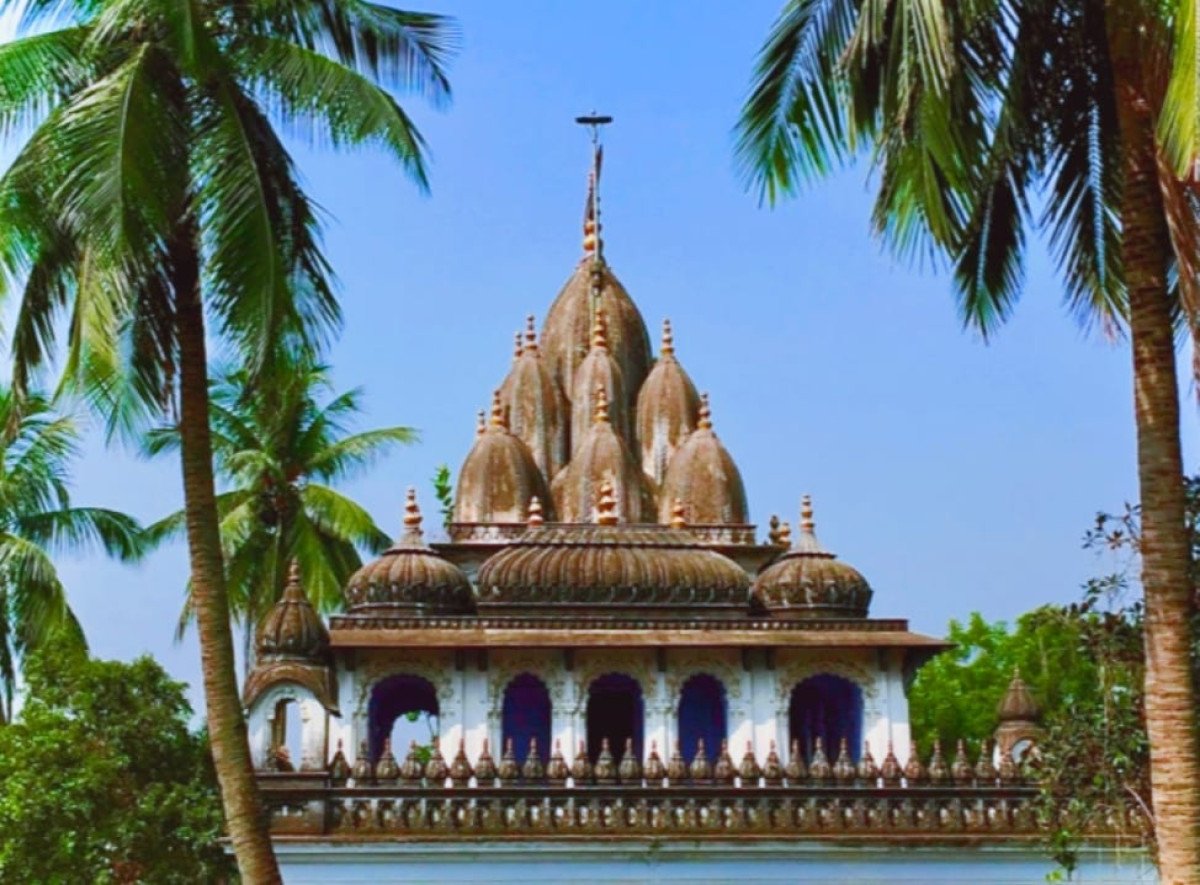
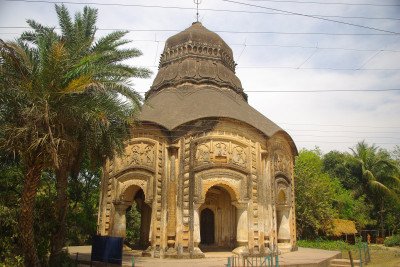 The **Bhavaniswar Mandir Complex** in Baranagar is a remarkable cluster of temples that showcases the rich artistic and religious heritage of 18th-century Bengal. Built under the patronage of Rani Bhabani of Natore, a renowned figure for her philanthropy, this complex was part of her grand vision to construct 108 temples, transforming Baranagar into a new **Varanasi**. While she fell short of her goal, the temples that stand today, including the famous Char Bangla and the unique **Bhavaniswar Mandir**, are a testament to her devotion and the architectural prowess of the era. The complex is a serene place, with the temples built from a mix of terracotta and lime mortar, each telling stories through intricate carvings and designs. The temples are primarily dedicated to Lord Shiva, but the carvings depict a wide range of Hindu deities and scenes from epics like the **Ramayana** and **Mahabharata**, as well as scenes from daily life. The complex is maintained by the Archaeological Survey of India (ASI) and offers a peaceful and spiritually enriching experience for visitors. It is a place where history, art, and spirituality converge, making it a must-visit for anyone interested in the cultural legacy of Bengal.
 The **Jahan Kosha Cannon**, meaning 'Destroyer of the World', is a massive historical artillery piece located in the Kadam Sharif area of **Murshidabad**, West Bengal, India. This impressive cannon stands as a powerful symbol of the military strength and advanced metalworking skills prevalent during the era of the **Nawabs of Bengal**. It was commissioned by **Mughal Emperor Shah Jahan** and cast by the renowned cannon-maker **Janardan Karmakar** in **1637 A.D.** The sheer size and intricate details of the cannon make it a significant historical artifact. It is famously housed within the premises of the **Kadam Sharif Dargah**, resting on a specially constructed carriage. A popular legend associated with the cannon is that a single spark from its firing led to the complete collapse of a nearby wall, hence its fearsome name. Its presence here serves as a potent reminder of the turbulent times and the powerful armies that once ruled this region. It is one of the must-visit historical attractions for anyone exploring the rich past of **Murshidabad**. The cannon has survived centuries of weather and neglect, a testament to the quality of its construction. The area surrounding the cannon is generally peaceful, offering a quiet spot for reflection on history.
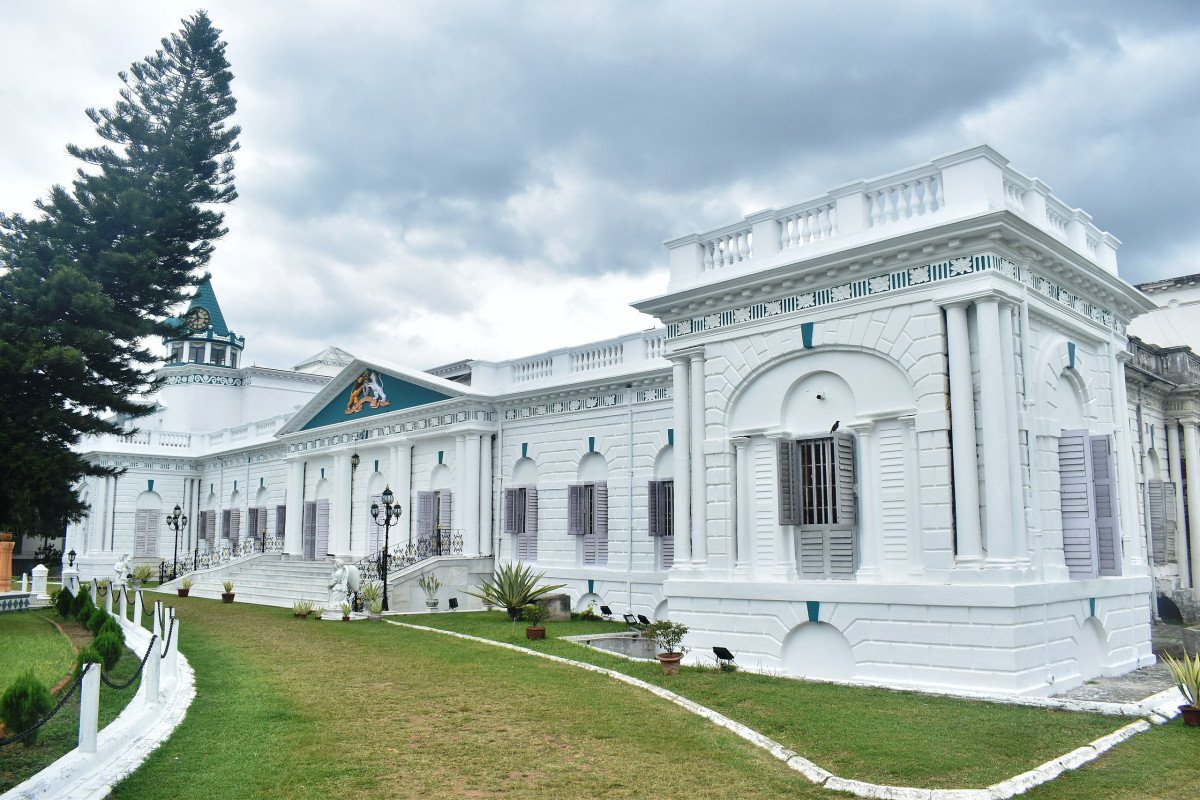
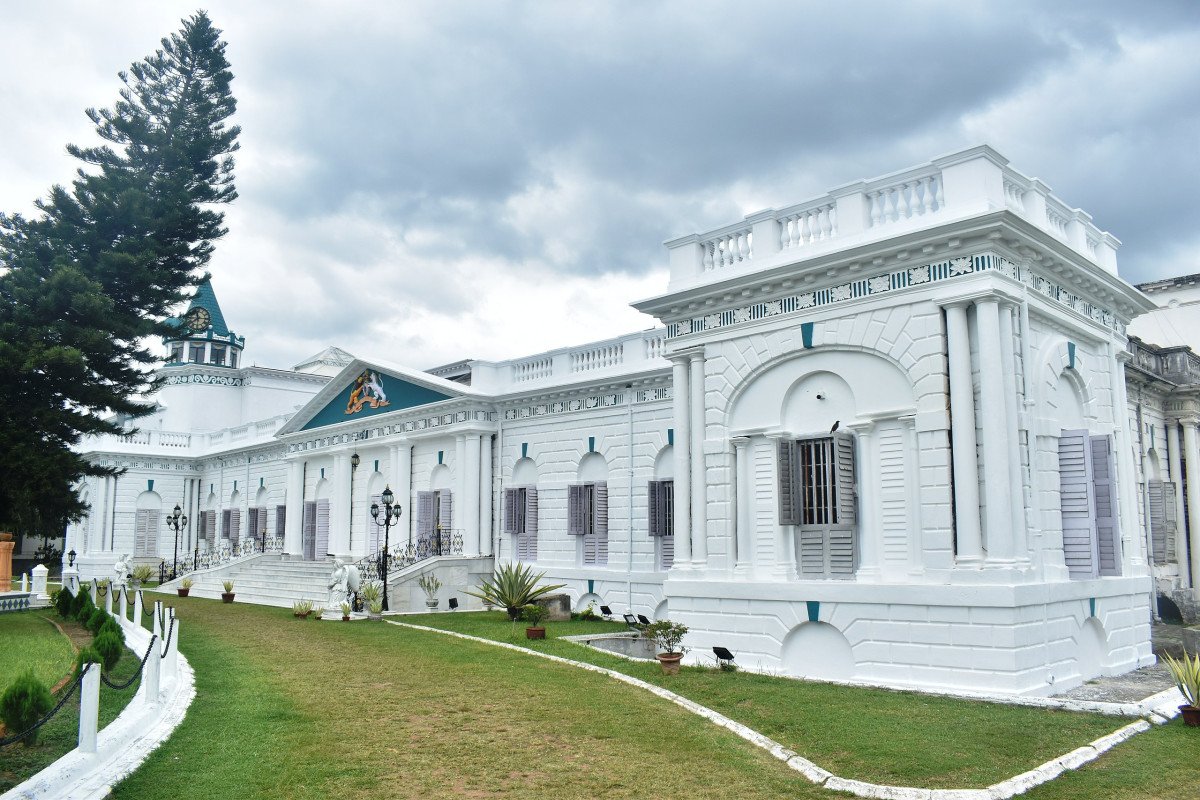
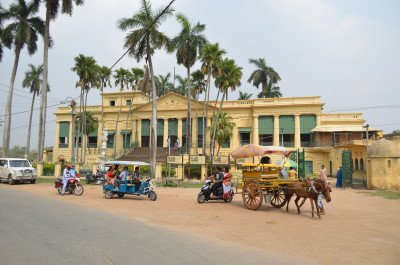 The **Nasipur Palace**, also known as **Nasipur Rajbari**, is a historical palace located in the village of **Nasipur** in **Murshidabad** district, **West Bengal**, **India**. It is associated with the family of **Raja Debi Singha**, a figure who gained notoriety as a strict and wealthy tax collector (**Diwan**) during the Nawabi and early British periods in Bengal. The original palace was built by Debi Singha himself. The present, more grand structure was constructed later in **1865** by **Raja Kirti Chandra Singha Bahadur** of the same family. The palace stands as a testament to the wealth and influence of the emerging merchant and landholder class under the British administration, contrasting with the declining power of the Nawabs. Today, a part of the palace has been converted into a small museum, showcasing personal belongings of the royal family, historical documents like *farmans* (royal decrees), and artifacts. The complex also houses the prominent **Ramchandra Temple**, one of the largest temples dedicated to Lord Ram in Murshidabad, making the site both a historical landmark and a religious centre.
Cossimbazar Chhoto Rajbari, also known as **Cossimbazar Palace of the Roys (Rajbari)**, is a place rich with history. Founded by **Kali Nath Nandy** from Burdwan, it gained prominence under his grandson **Krishna Kanta Nandy**, or Kanta Babu, who was a patron of Warren Hastings. The palace has been restored and now serves as Eastern India's first heritage hotel and a museum. It offers a glimpse into Bengal's rich zamindari past and the opulence of the colonial trade era. The palace features a large collection of antiques and trophies, giving visitors a unique look into the lives of the Roy family. It stands as a testament to the enduring cultural traditions of the region. *
The **Nasipur Palace**, also known as **Nasipur Rajbari**, is a historical palace located in the village of **Nasipur** in **Murshidabad** district, **West Bengal**, **India**. It is associated with the family of **Raja Debi Singha**, a figure who gained notoriety as a strict and wealthy tax collector (**Diwan**) during the Nawabi and early British periods in Bengal. The original palace was built by Debi Singha himself. The present, more grand structure was constructed later in **1865** by **Raja Kirti Chandra Singha Bahadur** of the same family. The palace stands as a testament to the wealth and influence of the emerging merchant and landholder class under the British administration, contrasting with the declining power of the Nawabs. Today, a part of the palace has been converted into a small museum, showcasing personal belongings of the royal family, historical documents like *farmans* (royal decrees), and artifacts. The complex also houses the prominent **Ramchandra Temple**, one of the largest temples dedicated to Lord Ram in Murshidabad, making the site both a historical landmark and a religious centre.
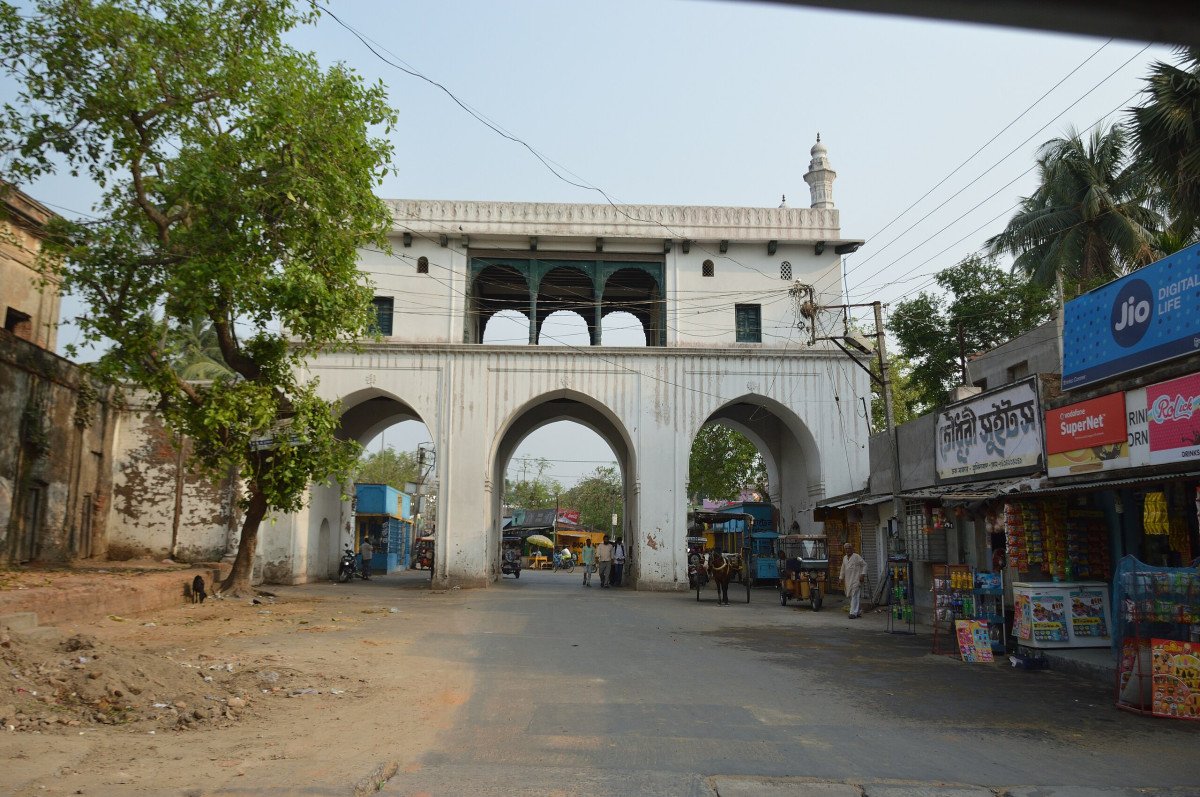
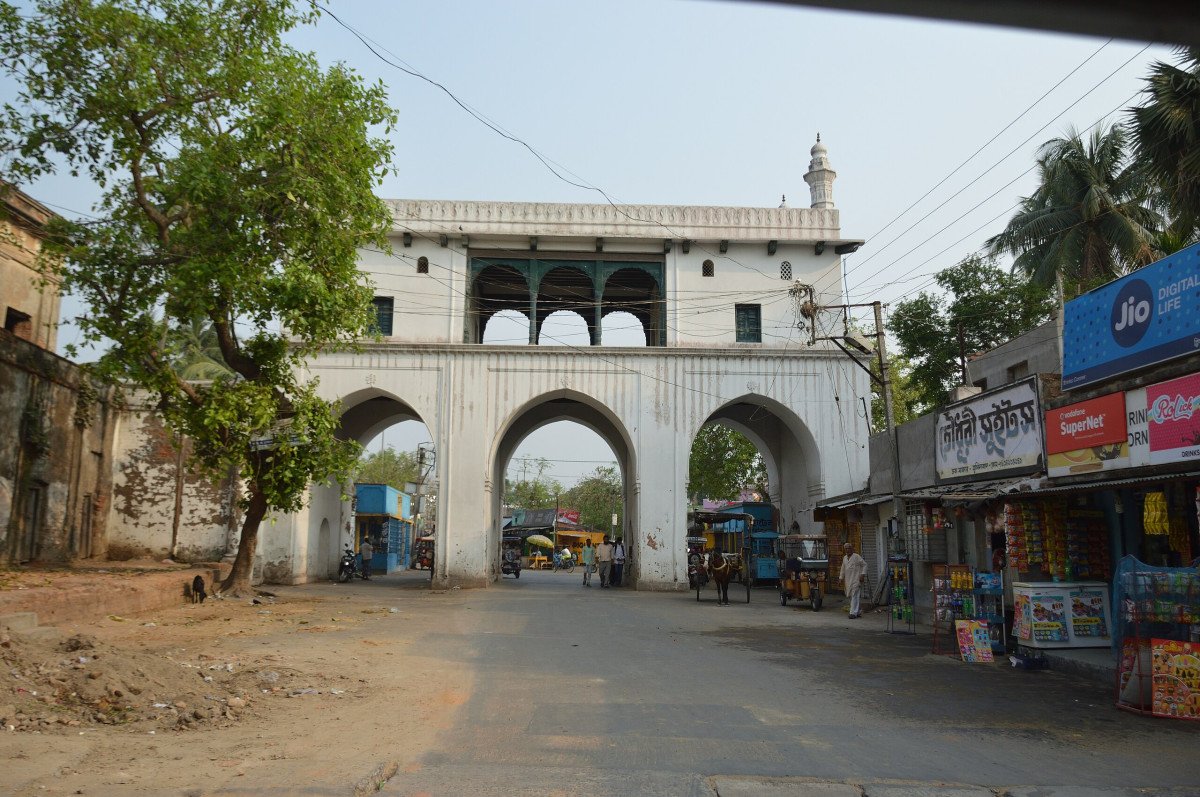
Cossimbazar Chhoto Rajbari, also known as **Cossimbazar Palace of the Roys (Rajbari)**, is a place rich with history. Founded by **Kali Nath Nandy** from Burdwan, it gained prominence under his grandson **Krishna Kanta Nandy**, or Kanta Babu, who was a patron of Warren Hastings. The palace has been restored and now serves as Eastern India's first heritage hotel and a museum. It offers a glimpse into Bengal's rich zamindari past and the opulence of the colonial trade era. The palace features a large collection of antiques and trophies, giving visitors a unique look into the lives of the Roy family. It stands as a testament to the enduring cultural traditions of the region. *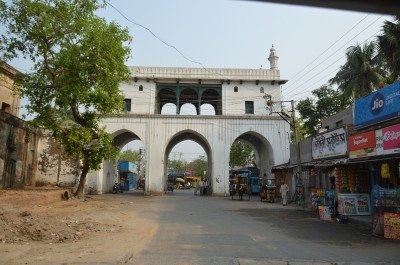 The **Tripolia Gate** is a historic monument located in the heart of **Murshidabad**, just a stone's throw away from the famous **Hazarduari Palace**. This impressive three-arched gateway was built during the reign of Nawab **Siraj-ud-Daulah**, the last independent Nawab of Bengal. It was part of the fortified complex of the **Nizamat Kila** and served as a grand entrance to the citys administrative and residential quarters. The gate stands as a silent witness to the political upheavals and dramatic events of the 18th century, including the infamous Battle of **Plassey**. Although much of the original fortifications have disappeared over time, the **Tripolia Gate** remains, its weathered facade telling stories of a glorious past. The name Tripolia itself means "three gates," referring to its three distinct arches. The gate's location near other major historical sites makes it a key part of any heritage tour of **Murshidabad**.
The **Motijheel Mosque**, also historically known as **Kala Masjid** (Black Mosque) or **Jama Masjid** of Motijheel, is an important historical and religious structure located on the western bank of the **Motijheel** lake. It was constructed around **1750 CE** by **Nawazish Muhammad Khan**, the son-in-law of **Nawab Alivardi Khan** and the builder of the entire Motijheel complex. The mosque was named 'Shahamat Jang' after Nawazish Muhammad Khan's title. The name **Kala Masjid** is possibly derived from the black basalt stone used in parts of the adjacent **Sang-i-Dalan Palace** or the dark appearance of the brickwork. It is a rectangular, three-bayed structure covered by three hemispherical domes. The mosque holds immense historical significance as it serves as the burial site for its builder, **Nawazish Muhammad Khan**, and his adopted son, **Ekramulla** (younger brother of **Siraj ud-Daulah**), who died young, possibly from smallpox. It is believed that **Nawab Alivardi Khan** used to frequent this mosque to offer prayers. Despite being a protected monument under the Archaeological Survey of India (ASI) and still being an active place of worship where five prayers are offered daily, the mosque's structure is a poignant reminder of the Mughal architectural style prevalent in Bengal. The detailed stucco ornamentation within the prayer hall is a notable feature. The mosque completes the historical and religious significance of the **Motijheel** complex.Show All
**Lalbagh Fort** is an incomplete 17th-century Mughal fort complex located in the southwestern part of Dhaka, Bangladesh. Its construction was started in 1678 by Mughal Prince Muhammad Azam during his 15-month vice-royalty of Bengal but was left incomplete. His successor, Shaista Khan, did not continue the work after his daughter, Bibi Pari, died there in 1684. The fort is a perfect example of the Mughal architectural style, showcasing the grandeur of the Mughal Empire. It is considered a combination of three main structures: the mosque, the tomb of Pari Bibi, and the Diwan-i-Aam (the residence of the Governor). The fort complex is surrounded by beautiful gardens, water channels, and fountains, providing a serene environment for visitors. Country Name
The **Tripolia Gate** is a historic monument located in the heart of **Murshidabad**, just a stone's throw away from the famous **Hazarduari Palace**. This impressive three-arched gateway was built during the reign of Nawab **Siraj-ud-Daulah**, the last independent Nawab of Bengal. It was part of the fortified complex of the **Nizamat Kila** and served as a grand entrance to the citys administrative and residential quarters. The gate stands as a silent witness to the political upheavals and dramatic events of the 18th century, including the infamous Battle of **Plassey**. Although much of the original fortifications have disappeared over time, the **Tripolia Gate** remains, its weathered facade telling stories of a glorious past. The name Tripolia itself means "three gates," referring to its three distinct arches. The gate's location near other major historical sites makes it a key part of any heritage tour of **Murshidabad**.
The **Motijheel Mosque**, also historically known as **Kala Masjid** (Black Mosque) or **Jama Masjid** of Motijheel, is an important historical and religious structure located on the western bank of the **Motijheel** lake. It was constructed around **1750 CE** by **Nawazish Muhammad Khan**, the son-in-law of **Nawab Alivardi Khan** and the builder of the entire Motijheel complex. The mosque was named 'Shahamat Jang' after Nawazish Muhammad Khan's title. The name **Kala Masjid** is possibly derived from the black basalt stone used in parts of the adjacent **Sang-i-Dalan Palace** or the dark appearance of the brickwork. It is a rectangular, three-bayed structure covered by three hemispherical domes. The mosque holds immense historical significance as it serves as the burial site for its builder, **Nawazish Muhammad Khan**, and his adopted son, **Ekramulla** (younger brother of **Siraj ud-Daulah**), who died young, possibly from smallpox. It is believed that **Nawab Alivardi Khan** used to frequent this mosque to offer prayers. Despite being a protected monument under the Archaeological Survey of India (ASI) and still being an active place of worship where five prayers are offered daily, the mosque's structure is a poignant reminder of the Mughal architectural style prevalent in Bengal. The detailed stucco ornamentation within the prayer hall is a notable feature. The mosque completes the historical and religious significance of the **Motijheel** complex.Show All
**Lalbagh Fort** is an incomplete 17th-century Mughal fort complex located in the southwestern part of Dhaka, Bangladesh. Its construction was started in 1678 by Mughal Prince Muhammad Azam during his 15-month vice-royalty of Bengal but was left incomplete. His successor, Shaista Khan, did not continue the work after his daughter, Bibi Pari, died there in 1684. The fort is a perfect example of the Mughal architectural style, showcasing the grandeur of the Mughal Empire. It is considered a combination of three main structures: the mosque, the tomb of Pari Bibi, and the Diwan-i-Aam (the residence of the Governor). The fort complex is surrounded by beautiful gardens, water channels, and fountains, providing a serene environment for visitors. Country NameInformation
-
Why Famous:
Former Capital: The seat of power for the Nawabs of Bengal before the Battle of Plassey in 1757.
Hazarduari Museum: Contains the world's second-largest chandelier and a library with rare manuscripts, including a handwritten Quran.Former Capital: The seat of power for the Nawabs of Bengal before the Battle of Plassey in 1757.
Hazarduari Museum: Contains the world's second-largest chandelier and a library with rare manuscripts, including a handwritten Quran.
Silk Industry: Famous for Murshidabad Silk and Baluchari sarees known for their intricate mythological designs.
Architectural Diversity: A rare collection of structures ranging from massive mosques to European-style palaces. -
Architecture:
Architectural Style: A mix of Indo-Saracenic, Neoclassical, and Italianate styles.
Hazarduari Dimensions: The palace is 424 Feet long, 200 Feet wide, and 80 Feet high. It has three floors and features 52 Doric columns in its portico.Architectural Style: A mix of Indo-Saracenic, Neoclassical, and Italianate styles.
Hazarduari Dimensions: The palace is 424 Feet long, 200 Feet wide, and 80 Feet high. It has three floors and features 52 Doric columns in its portico.
Nizamat Imambara: Built in 1847, it is one of the largest in India, featuring a vast prayer hall and intricate wooden work.
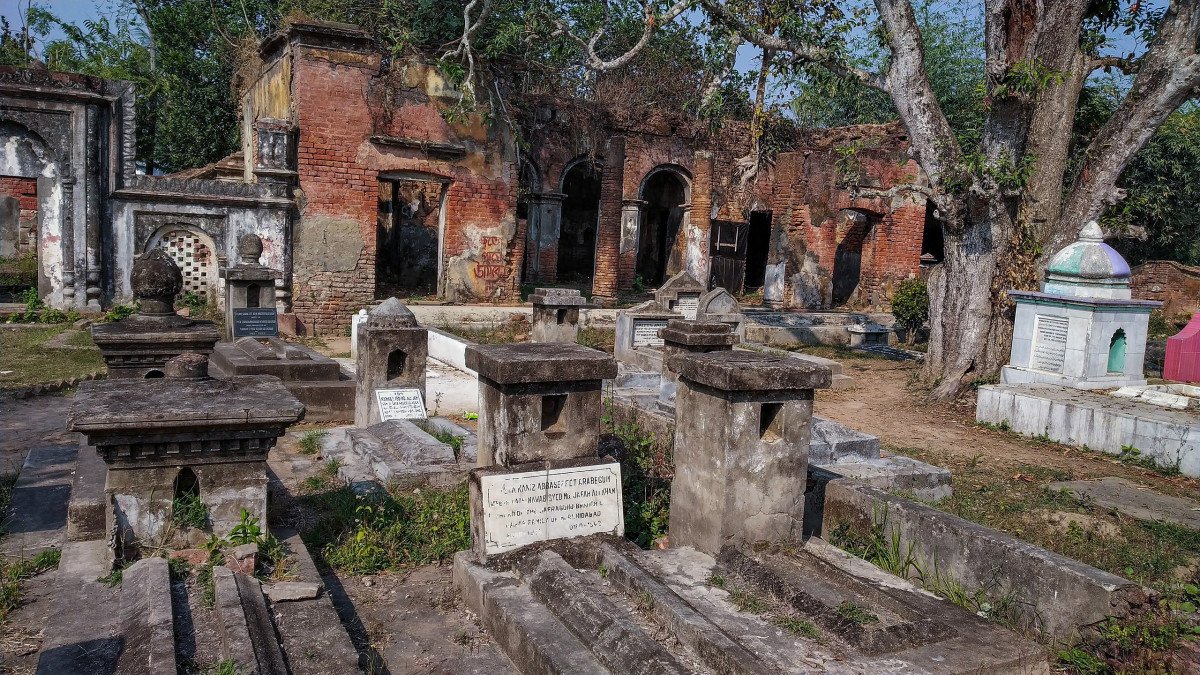
Katra Masjid: Famous for its two remaining large octagonal minarets and the tomb of Nawab Murshid Quli Khan located under the entrance stairs. -
How To Reach:
By Air: Nearest airport is Kolkata (200 KM).
By Train: Several express trains like the Hazarduari Express run from Kolkata (Sealdah/Howrah) to Murshidabad or Berhampore Court station.
By Road: Well-connected... -
Near Tourist Places:
Berhampore (10 KM), Cossimbazar Rajbari (12 KM), Jiaganj (15 KM), Azimganj (18 KM), Baranagar Temples (20 KM), Plassey Monument (50 KM), Karnasubarna (25 KM), Kiriteswari Temple (22 KM), Khosh Bagh (5 KM - via ferry), Jahankosha Cannon (3 KM).
Tourism Tips
-
Health and Safety: Hire a licensed guide to understand the history properly and avoid being misled. Carry a water bottle as you will be doing a lot of walking.
Packing: Comfortable walking shoes are a must. Carry a hat and sunglasses.
...
Reviews
Information about New and Updated Locations(575+) of West Bengal Has Been Added :-
Card subtitle
Note:-
Information provided here in good Faith and for reference only.
All information and pictures will be updated soon, please keep visiting.
Near Places
Bakkhali
Some quick example text to build on the card title and make up the bulk of the card's content.
Go somewhere
Bankura City
Some quick example text to build on the card title and make up the bulk of the card's content.
Go somewhere
Bishnupur
Some quick example text to build on the card title and make up the bulk of the card's content.
Go somewhere
Cooch Behar Palace
Some quick example text to build on the card title and make up the bulk of the card's content.
Go somewhere
Darjeeling
Some quick example text to build on the card title and make up the bulk of the card's content.
Go somewhere
Dooars
Some quick example text to build on the card title and make up the bulk of the card's content.
Go somewhere
Kalimpong
Some quick example text to build on the card title and make up the bulk of the card's content.
Go somewhere
Kolkata
Some quick example text to build on the card title and make up the bulk of the card's content.
Go somewhere
Kurseong
Some quick example text to build on the card title and make up the bulk of the card's content.
Go somewhere
Lataguri
Some quick example text to build on the card title and make up the bulk of the card's content.
Go somewherein Other Cities