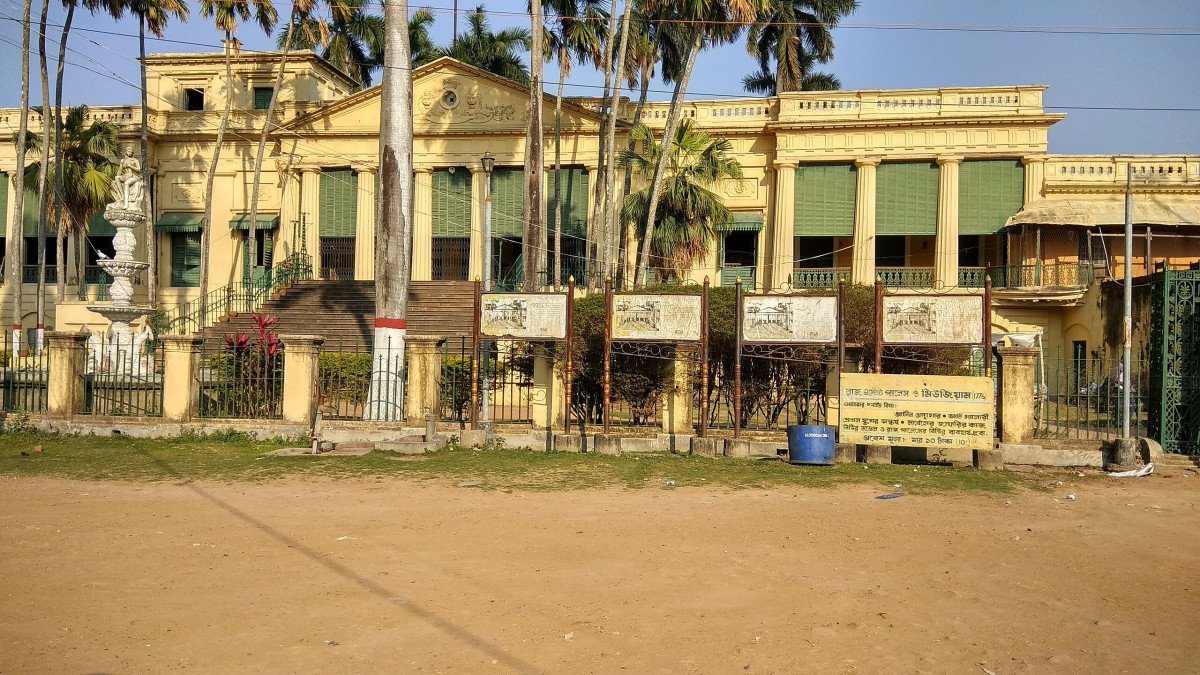
Nasipur Palace
General information
-
Ideal Duration:
1 - 1. 5 HoursPlace Type:
Historic, Architectural, Museum, ReligiousEntry Fees:
Museum and Palace Entry: The Nasipur Palace (Rajbari Museum) is generally a private property, and a nominal entry fee is charged for tourists to access the palace complex and the museum. The entry fee for Indian citizens is typically low, around Rs.10 or Rs.20. The revenue col...Museum and Palace Entry: The Nasipur Palace (Rajbari Museum) is generally a private property, and a nominal entry fee is charged for tourists to access the palace complex and the museum. The entry fee for Indian citizens is typically low, around Rs.10 or Rs.20. The revenue collected goes towards the maintenance of the structure and the museum.
Photography and Additional Charges: While the basic entry fee is nominal, using a camera inside the main palace building or the museum may sometimes require a separate fee, which is often mandatory and must be paid at the counter. These charges can vary but are usually in the range of Rs.25 to Rs.50 for a still camera. Always confirm the fee structure at the ticket window upon arrival. There is no charge for visiting the active temple area for worship.Timing:
Regular Timings: The Nasipur Palace and its museum are generally open daily from 9:00 AM to 5:30 PM. However, like many private Rajbaris, it may be closed on certain public holidays or for private family functions. It is advisable to check local information or call ahead. ...Regular Timings: The Nasipur Palace and its museum are generally open daily from 9:00 AM to 5:30 PM. However, like many private Rajbaris, it may be closed on certain public holidays or for private family functions. It is advisable to check local information or call ahead. The Ramchandra Temple within the complex follows its own aarti and puja timings but is generally accessible during the palace's operational hours.
Ideal Visit Time (Aesthetic and Comfort): The best time for a visit is during the Winter Season (October to March) when the weather is cool and pleasant. The ideal time of the day is the Mid-Morning (10:00 AM to 1:00 PM), when the light is bright enough to photograph the faade and the museum is fully operational. The palace is less crowded than the central Hazarduari area, offering a more tranquil experience throughout the day.Special Events:
Jhulan Yatra and Local Fair: While the palace itself is a historical residence, the complex and the adjacent areas become vibrant during traditional Hindu festivals. The Jhulan Yatra (Swing Festival), celebrated during the Sravana month (usually July or August), is a major ...Jhulan Yatra and Local Fair: While the palace itself is a historical residence, the complex and the adjacent areas become vibrant during traditional Hindu festivals. The Jhulan Yatra (Swing Festival), celebrated during the Sravana month (usually July or August), is a major event. The nearby Nashipur Akhara (a monastic center) holds a famous fair and traditional dramas on this occasion, drawing large crowds from the surrounding areas. The palace grounds are often decorated, and the family deities in the temple are central to the celebrations, offering visitors a unique chance to experience the living cultural heritage of the Nashipur Raj Family.Best Photo Spots:
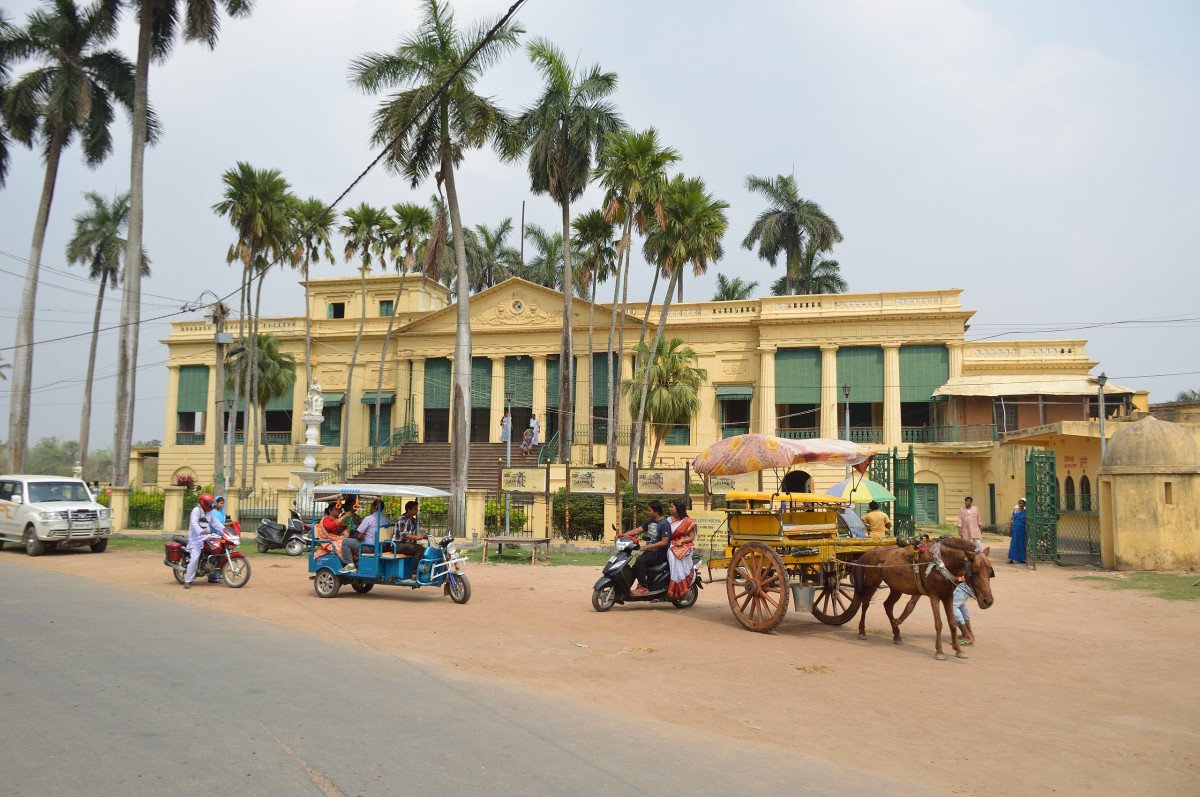
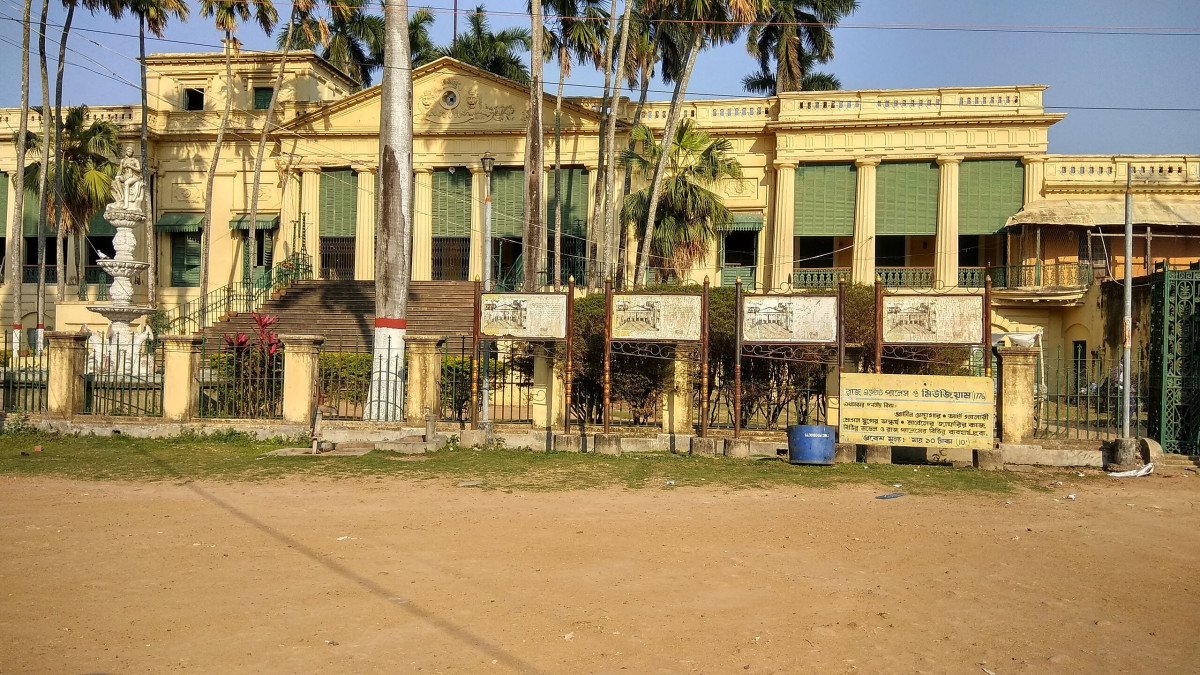
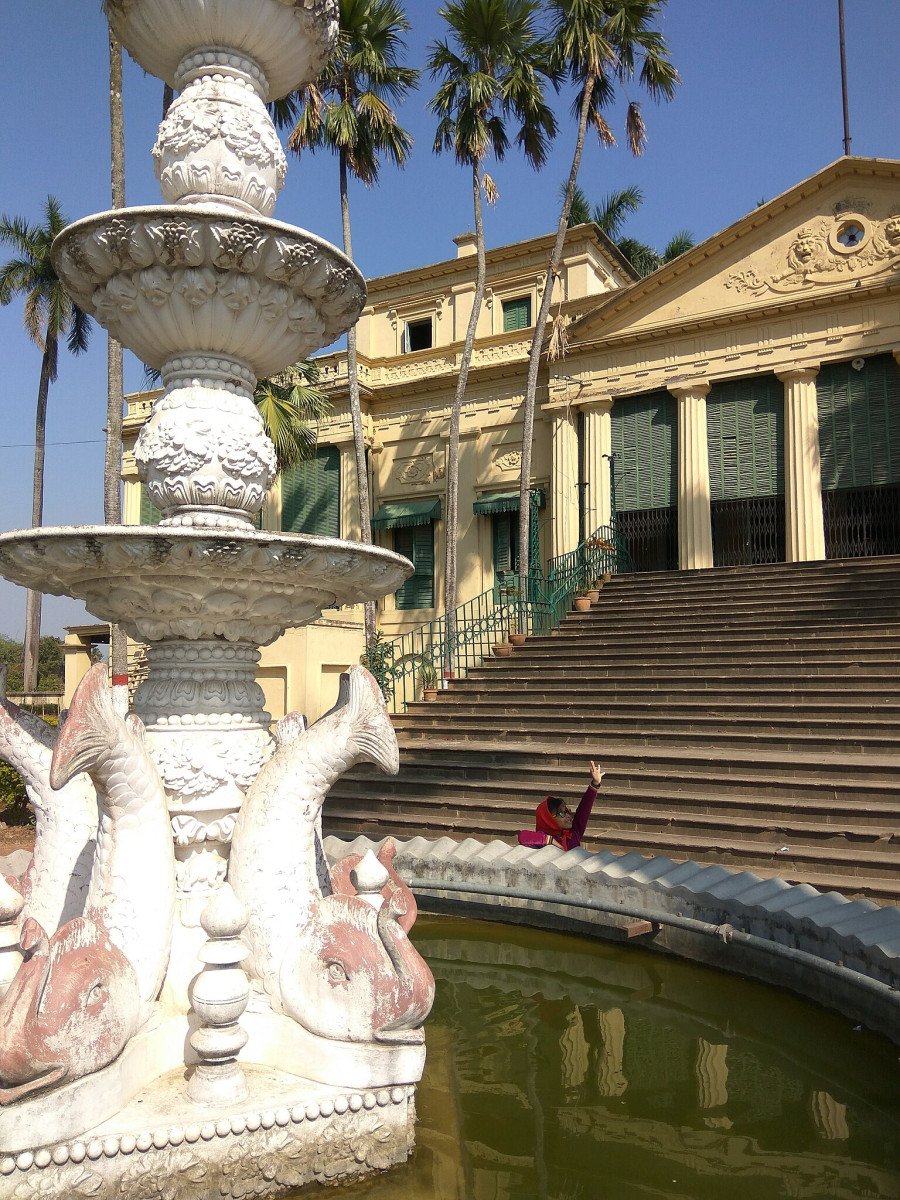
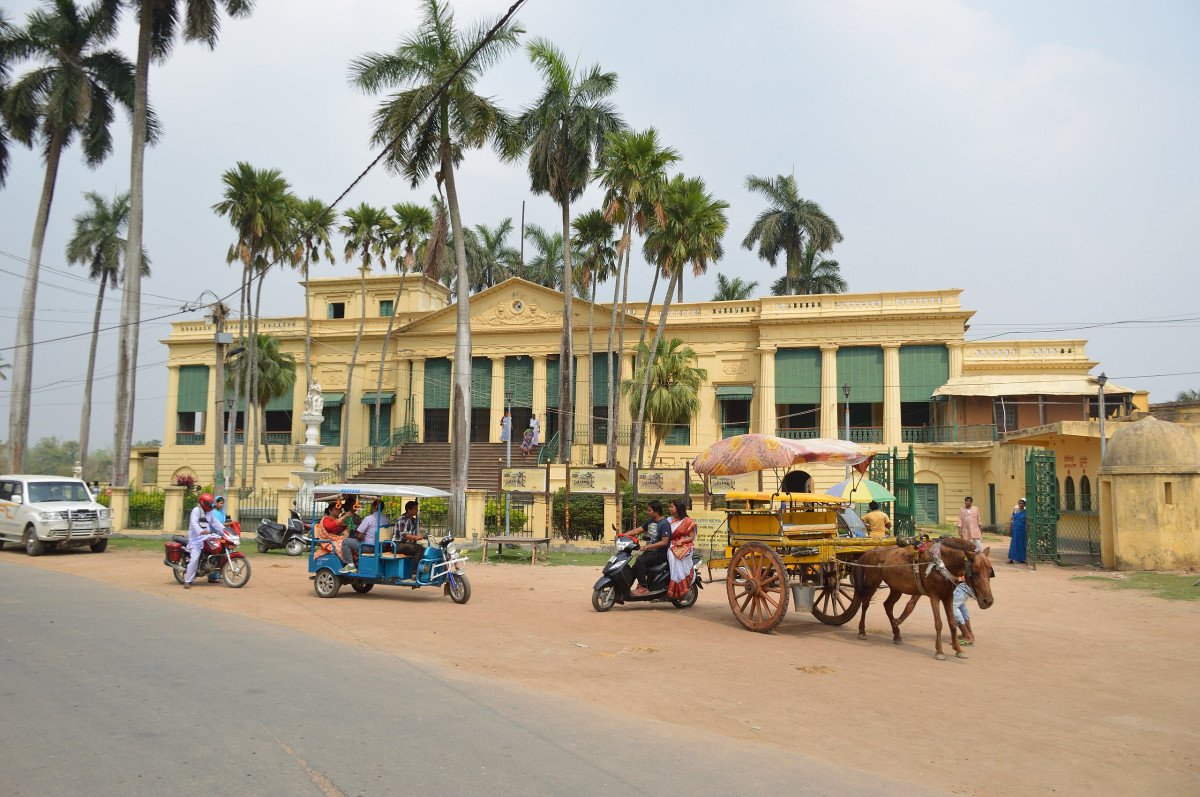
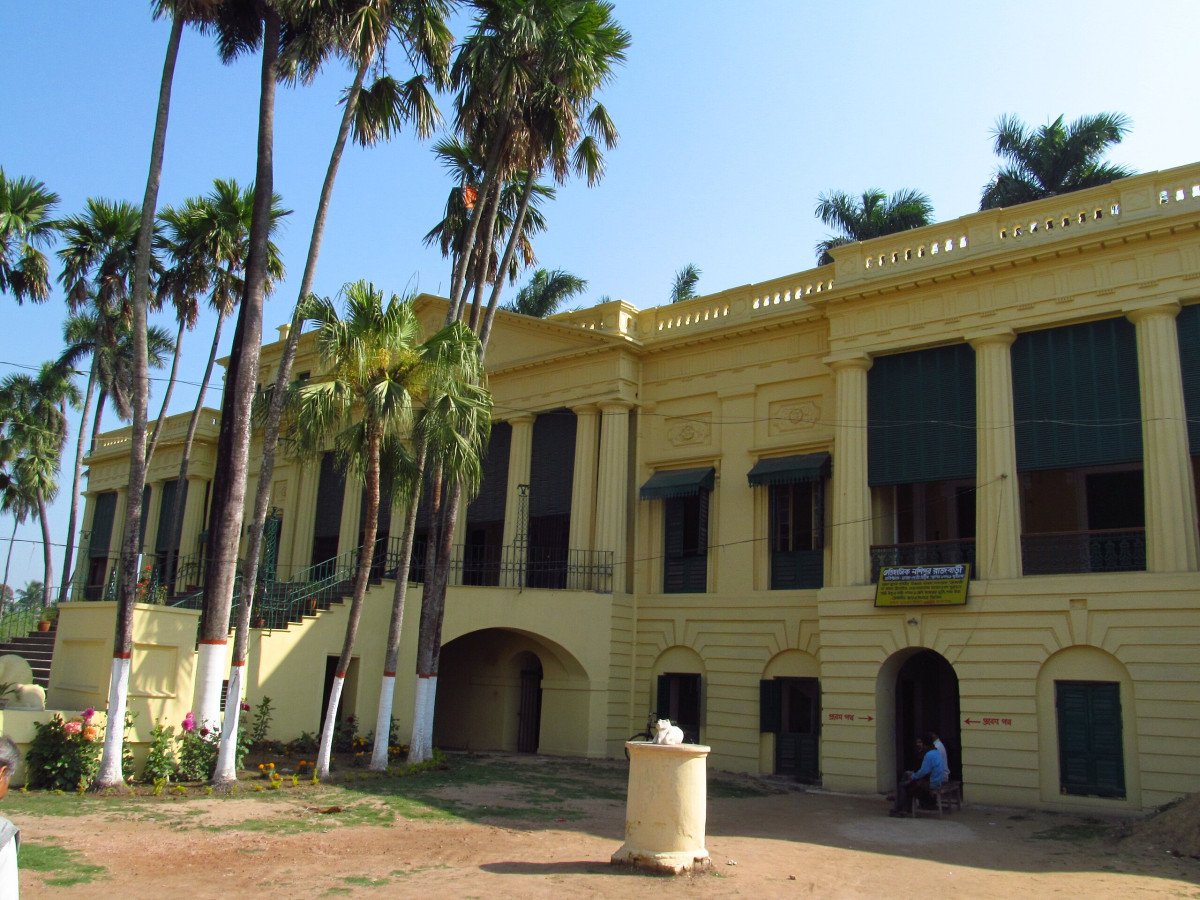
The Grand Neoclassical Faade: The main entrance and the front faade of the Nasipur Palace are the best spots for photography. The extensive pillared veranda and the grand steps, often shot from a slight distance to capture the symmetry and imposing scale of the building, ar...The Grand Neoclassical Faade: The main entrance and the front faade of the Nasipur Palace are the best spots for photography. The extensive pillared veranda and the grand steps, often shot from a slight distance to capture the symmetry and imposing scale of the building, are iconic. This angle emphasizes the palace's Neoclassical architectural influence.
The Temple and Palace Contrast: Capture a shot that frames both the traditional architecture of the Ramchandra Temple and the European-style palace in the background. This juxtaposition of styles beautifully illustrates the cultural mix of 19th-century Bengal.
Ruins of the Old Palace: The ruins offer a moody, atmospheric backdrop, a stark contrast to the maintained new palace. Shots capturing the crumbling walls and overgrown areas provide a powerful commentary on the passage of time and the decay of a historical era.Photo Gallery
Things To Do
-
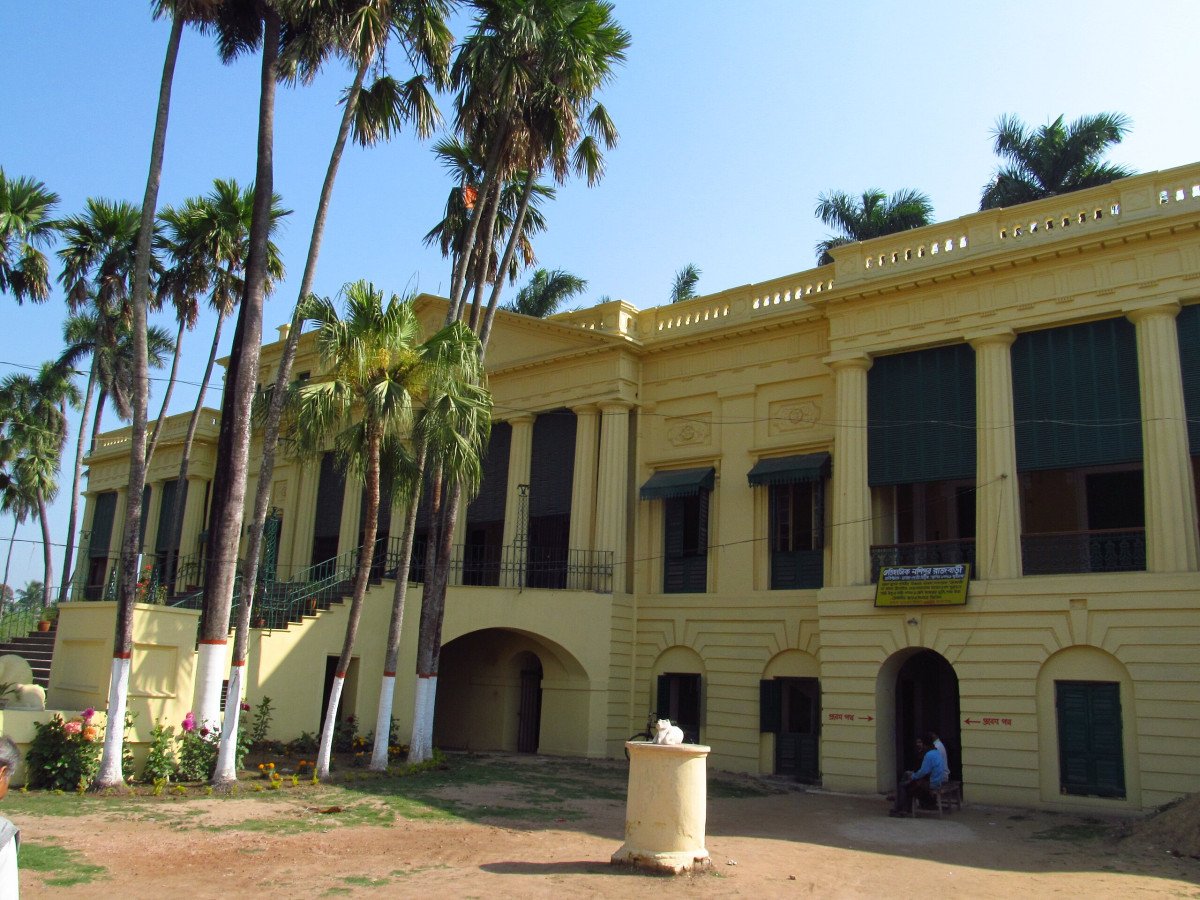
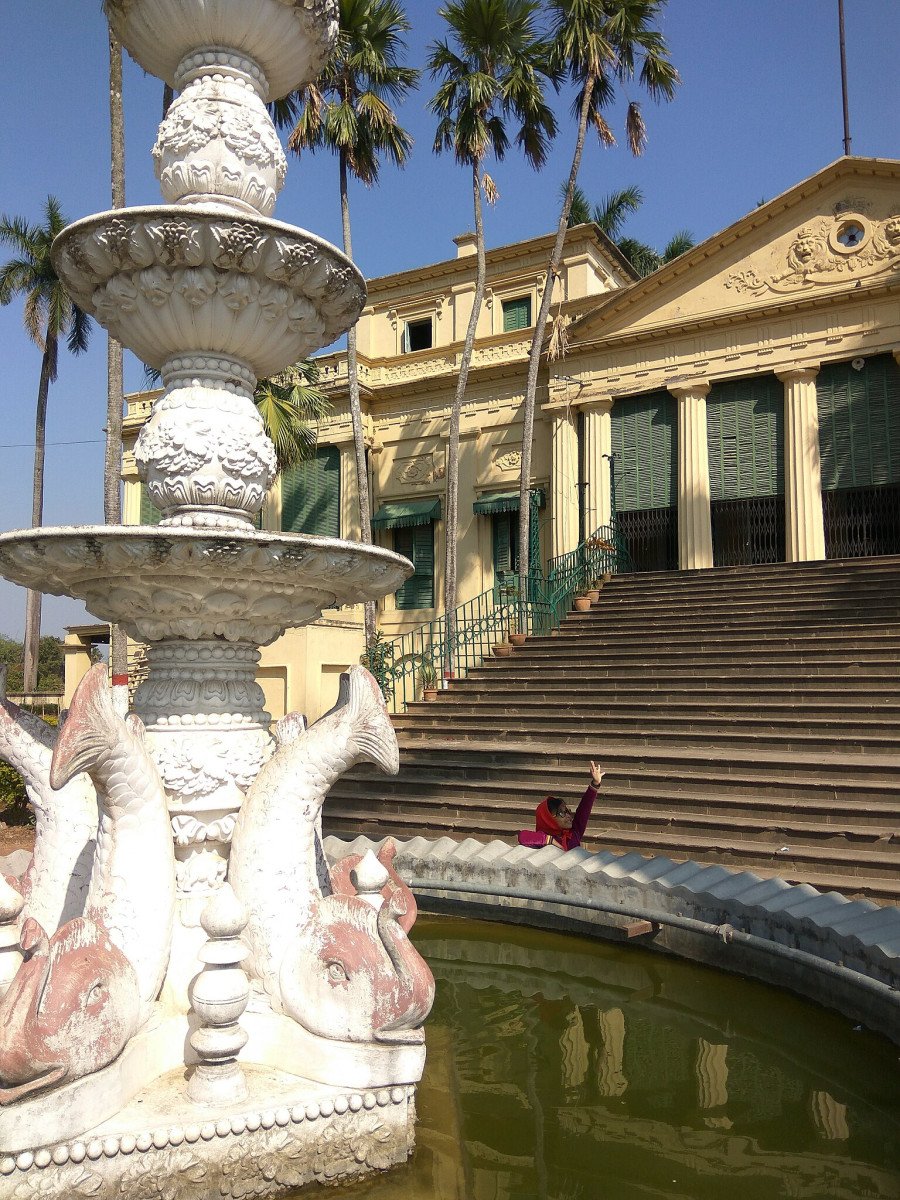
Exploring the Grand Architecture: Begin by appreciating the Neoclassical grandeur of the main Rajbari faade. Note the stately pillars, the extensive use of lime and mortar, and the overall symmetrical design that was the hallmark of wealthy Bengali mansions of the 19th century. Walk around the grounds to see the full expanse of the property, imagining the opulent lifestyle of the Singha family. Pay attention to the subtle Bengali architectural elements intertwined with the dominant European style.
Visiting the Ramchandra Temple: Dedicate time to visiting the significant Ramchandra Temple located within the palace grounds. It is an active place of worship, and observing the rituals or offering prayers can be a culturally enriching experience. The temple's architecture, which is generally more traditional in style compared to...
Information
-
Why Famous:
The Legacy of Debi Singha: Nasipur Palace is primarily famous for its association with Raja Debi Singha, a figure who embodies the tumultuous transition of power in Bengal during the late 18th century. Debi Singha was the Diwan (revenue collector) under the Britis...
The Legacy of Debi Singha: Nasipur Palace is primarily famous for its association with Raja Debi Singha, a figure who embodies the tumultuous transition of power in Bengal during the late 18th century. Debi Singha was the Diwan (revenue collector) under the British East India Company and was renowned for his extremely strict, often ruthless, methods of tax collection. His life story, transitioning from an ambitious individual from Panipat to an extremely wealthy and influential man in Bengal, is a key part of Murshidabads political history, making the palace a magnet for those interested in the British Raj and its Indian collaborators.
The Ramchandra Temple: The palace complex is also well-known for housing the large and architecturally significant Ramchandra Temple. The temple, dedicated to Lord Ramchandra, is a major centre of worship for local devotees and is recognized as one of the largest and most important temples in the entire Murshidabad district. Its religious importance, especially for the local Hindu community, and its contrast with the palaces secular European architecture contribute significantly to the spot's fame and attraction. -
Architecture:
The Blend of Colonial and Indian Styles: The Nasipur Palace architecture is a classic example of a Rajbari (Royal House) style prevalent in Bengal during the 19th century, which typically integrated local Bengali building traditions with Neoclassical and European influences ...The Blend of Colonial and Indian Styles: The Nasipur Palace architecture is a classic example of a Rajbari (Royal House) style prevalent in Bengal during the 19th century, which typically integrated local Bengali building traditions with Neoclassical and European influences favoured by the British. The present structure, built in 1865, features a grand, imposing faade with numerous large pillars, characteristic of the Neoclassical style that was popular in the region, seen as a symbol of power and modernity.
Structure and Dimension: The palace is a multi-storied structure that commands attention with its symmetrical design and grand entrance. While specific room-by-room dimensions are not publicly detailed, the sheer size and sprawling grounds suggest a large footprint, reflecting the family's immense wealth. The faade's use of repetitive columns and a central pediment-like structure provides a sense of monumental grandeur. The complex is divided into residential wings and public/ceremonial areas, a common feature in wealthy Indian palaces.
The Temple Complex: A distinct architectural feature is the prominent Ramchandra Temple located within the palace premises. This temple, built in a traditional Bengali or local Indian temple architectural style, contrasts with the European-influenced main palace building. It is cited as one of the largest temples in Murshidabad, indicating the familys strong religious devotion alongside their political and commercial ambitions. The blend of a European-style palace and a traditional Indian temple within the same complex is a cultural and architectural signature of the era. -
How To Reach:
By Air: The nearest major airport is Netaji Subhas Chandra Bose International Airport (CCU) in Kolkata, located about 195 KM away. From Kolkata, take a taxi or bus to Murshidabad and then a local auto or rickshaw to Nasipur.
By Train: The ... -
Near Tourist Places:
Other Place Name Distance (KMs) Travel Time (Approx. ) Nashipur Akhara Adjacent 5 min walk House of Jagat Seth 3 KM 15 min by auto Kathgola Gardens 6 KM 20 min by auto Hazarduari Palace 9 KM 30 min by auto Jafarganj Cemetery 10 KM 30 min by auto Motijhil (Pearl Lake) 11 KM 35 min by auto Katra Mosque 12 KM 40 min by auto Cossimbazar Rajbari 14 KM 40 min by auto Fauti Mosque 15 KM 45 min by auto Baharampur City Center 11 KM 30 min by auto
Tourism Tips
-
Health & Safety: Carry insect repellent, especially if exploring the less-maintained areas like the old ruins. Stay hydrated, as the palace is spread over a large area.
Packing: Bring a camera for the stunning architecture. Wear modest cl...
Reviews
Information about New and Updated Locations(575+) of West Bengal Has Been Added :-
Card subtitle
Note:-
Information provided here in good Faith and for reference only.
All information and pictures will be updated soon, please keep visiting.
Near Places

Baranagar Char Bangla Temple
Some quick example text to build on the card title and make up the bulk of the card's content.
Go somewhere
Bhavaniswar Mandir Complex
Some quick example text to build on the card title and make up the bulk of the card's content.
Go somewhere
Bhavaniswar Mandir
Some quick example text to build on the card title and make up the bulk of the card's content.
Go somewhere
Cossimbazar Chhoto Rajbari
Some quick example text to build on the card title and make up the bulk of the card's content.
Go somewhere
Cossimbazar Rajbari
Some quick example text to build on the card title and make up the bulk of the card's content.
Go somewhere
Dahapara Dham
Some quick example text to build on the card title and make up the bulk of the card's content.
Go somewhere
Fauti Masjid Ruins
Some quick example text to build on the card title and make up the bulk of the card's content.
Go somewhere
Fauti Mosque
Some quick example text to build on the card title and make up the bulk of the card's content.
Go somewhere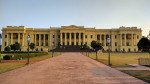
Hazarduari Palace and Museum
Some quick example text to build on the card title and make up the bulk of the card's content.
Go somewhere
House of Jagat Seth
Some quick example text to build on the card title and make up the bulk of the card's content.
Go somewherein Other Cities