

Agartala
General information
-
Ideal Duration:
2 to 3 DaysPlace Type:
Heritage & CapitalEntry Fees:
Palace Entry: Entry to the palace museum costs around 20 INR for Indians and 250 INR for foreigners.
Park Fees: Small fees of 10-20 INR apply at Heritage Park and Rabindra Kanan. ...Palace Entry: Entry to the palace museum costs around 20 INR for Indians and 250 INR for foreigners.
Park Fees: Small fees of 10-20 INR apply at Heritage Park and Rabindra Kanan.Timing:
Regular Timings: Most museums and palaces are open from 10:00 AM to 5:00 PM, usually closed on Mondays.
Ideal Visit Time: Early mornings or late evenings are best to avoid the humid heat of the afternoon. ...Regular Timings: Most museums and palaces are open from 10:00 AM to 5:00 PM, usually closed on Mondays.
Ideal Visit Time: Early mornings or late evenings are best to avoid the humid heat of the afternoon.Special Events:
Kharchi Puja: This is the most significant event held in July, where fourteen gods are worshipped with grand rituals.
Pous Sankranti: Celebrated in January, this festival involves traditional food and holy dips in the river. ...Kharchi Puja: This is the most significant event held in July, where fourteen gods are worshipped with grand rituals.
Pous Sankranti: Celebrated in January, this festival involves traditional food and holy dips in the river.Best Photo Spots:
Palace Gardens: The fountain area in front of Ujjayanta Palace is perfect for night photography when lit up.
Heritage Park: The scaled-down replicas of monuments provide creative photo opportunities.
Border Gate...Palace Gardens: The fountain area in front of Ujjayanta Palace is perfect for night photography when lit up.
Heritage Park: The scaled-down replicas of monuments provide creative photo opportunities.
Border Gate: Capture the symbolic gate at the Akhaura Border during the sunset ceremony.Photo Gallery
Things To Do
 @@General Overview: The Akhaura Integrated Check Post is a vital gateway between India and Bangladesh. It serves as a major trade and passenger hub, significantly boosting the economy of Tripura. Visitors flock here to witness the spirit of patriotism and the friendly relations between the two nations. The post is managed by the Border Security Force (BSF) and provides a unique glimpse into international border management. It is often compared to the Wagah Border in Punjab, though it offers a more intimate and serene experience. The area is bustling during the day with trade activities and becomes a cultural site in the late afternoon. It is an essential stop for anyone wishing to understand the historical and modern connection between India and Bangladesh.
Abhoynagar Park is a popular green space located in the densely populated Abhoynagar area of Agartala, offering a much-needed respite from the urban hustle and bustle. Unlike the larger, more tourist-centric parks, this park is primarily a community-focused area, serving the local residents with facilities for recreation and relaxation. It's characterized by its well-maintained lawns, shaded walking paths, and a calm environment, making it a favorite spot for morning walkers, joggers, and families. The park often hosts small local community gatherings, health camps, and children’s activities, which contribute to its vibrant local atmosphere. Historically, the area was developed to provide adequate public space in the expanding city, reflecting the commitment of the local municipality to urban greening. It is particularly busy during the early mornings and late afternoons when people from the nearby colonies come out for exercise and fresh air. The atmosphere is authentically Agartalan, providing a glimpse into the everyday life of the city's inhabitants. The park's design is simple yet effective, focusing on utility and accessibility, serving as a social and recreational anchor for the Abhoynagar locality. It's a place where tradition meets routine, and one can observe the unhurried pace of life typical in this part of Tripura. The flora includes several local species of trees and flowering plants, enhancing its aesthetic appeal and ecological value. The park also often features basic amenities like benches and small play areas for children, emphasizing its function as a versatile neighborhood hub for all age groups. It's a quiet corner of the city, away from the main tourist trail, yet essential to the local fabric.
Jagannath Bari is one of the most revered religious sites in Agartala, located within the sprawling grounds of the Ujjayanta Palace. Built by the Maharaja of Tripura in the 19th century, this temple is dedicated to Lord Jagannath, Balabhadra, and Subhadra. The temple is famous for its unique architectural fusion, where the exterior reflects Islamic styles while the interior follows traditional Hindu temple aesthetics. It is believed that the idol of Neelmadhav at Puri was originally donated from this temple. The atmosphere is deeply spiritual, with the sounds of bells and chanting echoing through the complex. The temple is surrounded by well-manicured gardens and a serene pond. Devotees from all over the state visit daily to offer prayers. The evening 'Aarti' is a soul-stirring experience that attracts large crowds. The temple also serves as a center for cultural activities and traditional music. It stands as a symbol of the religious tolerance and architectural vision of the Manikya kings. The sanctity of the place is maintained with great care by the temple trust.
@@Historical Context: Mariam Ashram is a historic and serene Christian settlement located in the village of Mariamnagar, founded by early missionaries. It is home to a prominent Catholic Church and is a key center for the Christian community in Tripura. The name Mariamnagar itself reflects the importance of the Christian faith in this area. @@Spiritual Atmosphere: The Ashram and Church offer a tranquil and contemplative atmosphere, contrasting with the bustling city. It is a place of worship and pilgrimage, attracting devotees and visitors interested in the local religious history. @@Community Center: The Ashram functions as a community hub, often associated with educational institutions and charitable work run by the religious order, underscoring its social and religious significance in the region.
@@Historical Significance: Malancha Niwas is a historical bungalow adjacent to the Kunjaban Palace that was originally a temporary, less permanent house where Rabindranath Tagore stayed during his visit to Agartala in 1919. @@The Naming: The permanent structure was later built by the royal family, and the bungalow was named Malancha Niwas (meaning "Garden House") by the poet himself, symbolizing the deep cultural ties between the Manikya Kings and the poet. @@Current Use: Although historically significant, the bungalow now primarily serves as a popular and picturesque venue for social events, especially weddings and receptions, due to its serene location and beautiful ambiance. @@Architectural Transition: The original building was a temporary structure (kaccha house), but the present structure is a sturdy, well-maintained building (pucca construction) built later to commemorate Tagore's visit.
@@General Overview: The Akhaura Integrated Check Post is a vital gateway between India and Bangladesh. It serves as a major trade and passenger hub, significantly boosting the economy of Tripura. Visitors flock here to witness the spirit of patriotism and the friendly relations between the two nations. The post is managed by the Border Security Force (BSF) and provides a unique glimpse into international border management. It is often compared to the Wagah Border in Punjab, though it offers a more intimate and serene experience. The area is bustling during the day with trade activities and becomes a cultural site in the late afternoon. It is an essential stop for anyone wishing to understand the historical and modern connection between India and Bangladesh.
Abhoynagar Park is a popular green space located in the densely populated Abhoynagar area of Agartala, offering a much-needed respite from the urban hustle and bustle. Unlike the larger, more tourist-centric parks, this park is primarily a community-focused area, serving the local residents with facilities for recreation and relaxation. It's characterized by its well-maintained lawns, shaded walking paths, and a calm environment, making it a favorite spot for morning walkers, joggers, and families. The park often hosts small local community gatherings, health camps, and children’s activities, which contribute to its vibrant local atmosphere. Historically, the area was developed to provide adequate public space in the expanding city, reflecting the commitment of the local municipality to urban greening. It is particularly busy during the early mornings and late afternoons when people from the nearby colonies come out for exercise and fresh air. The atmosphere is authentically Agartalan, providing a glimpse into the everyday life of the city's inhabitants. The park's design is simple yet effective, focusing on utility and accessibility, serving as a social and recreational anchor for the Abhoynagar locality. It's a place where tradition meets routine, and one can observe the unhurried pace of life typical in this part of Tripura. The flora includes several local species of trees and flowering plants, enhancing its aesthetic appeal and ecological value. The park also often features basic amenities like benches and small play areas for children, emphasizing its function as a versatile neighborhood hub for all age groups. It's a quiet corner of the city, away from the main tourist trail, yet essential to the local fabric.
Jagannath Bari is one of the most revered religious sites in Agartala, located within the sprawling grounds of the Ujjayanta Palace. Built by the Maharaja of Tripura in the 19th century, this temple is dedicated to Lord Jagannath, Balabhadra, and Subhadra. The temple is famous for its unique architectural fusion, where the exterior reflects Islamic styles while the interior follows traditional Hindu temple aesthetics. It is believed that the idol of Neelmadhav at Puri was originally donated from this temple. The atmosphere is deeply spiritual, with the sounds of bells and chanting echoing through the complex. The temple is surrounded by well-manicured gardens and a serene pond. Devotees from all over the state visit daily to offer prayers. The evening 'Aarti' is a soul-stirring experience that attracts large crowds. The temple also serves as a center for cultural activities and traditional music. It stands as a symbol of the religious tolerance and architectural vision of the Manikya kings. The sanctity of the place is maintained with great care by the temple trust.
@@Historical Context: Mariam Ashram is a historic and serene Christian settlement located in the village of Mariamnagar, founded by early missionaries. It is home to a prominent Catholic Church and is a key center for the Christian community in Tripura. The name Mariamnagar itself reflects the importance of the Christian faith in this area. @@Spiritual Atmosphere: The Ashram and Church offer a tranquil and contemplative atmosphere, contrasting with the bustling city. It is a place of worship and pilgrimage, attracting devotees and visitors interested in the local religious history. @@Community Center: The Ashram functions as a community hub, often associated with educational institutions and charitable work run by the religious order, underscoring its social and religious significance in the region.
@@Historical Significance: Malancha Niwas is a historical bungalow adjacent to the Kunjaban Palace that was originally a temporary, less permanent house where Rabindranath Tagore stayed during his visit to Agartala in 1919. @@The Naming: The permanent structure was later built by the royal family, and the bungalow was named Malancha Niwas (meaning "Garden House") by the poet himself, symbolizing the deep cultural ties between the Manikya Kings and the poet. @@Current Use: Although historically significant, the bungalow now primarily serves as a popular and picturesque venue for social events, especially weddings and receptions, due to its serene location and beautiful ambiance. @@Architectural Transition: The original building was a temporary structure (kaccha house), but the present structure is a sturdy, well-maintained building (pucca construction) built later to commemorate Tagore's visit.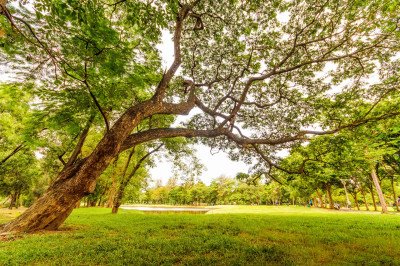 @@Historical Significance: The Heritage Park was inaugurated in 2012 by the Government of Tripura and is spread over twelve acres of land, serving as the largest park in the city. It was established with the goal of showcasing the rich cultural, natural, and historical heritage of Tripura in a compact and easily accessible format. @@Key Features: The park is divided into three distinct parts: a mini-Tripura section featuring replicas of iconic landmarks, a central natural forest area, and a plain table land dedicated to medicinal plants and herbs. It is a favorite spot for both locals and tourists seeking a peaceful retreat and a quick overview of the state's popular sites. @@Cultural Representation: The entrance gate itself is a piece of art, symbolizing the mixed cultural heritage of the tribal and non-tribal communities of Tripura. The well-maintained garden and lush greenery offer a serene atmosphere, making it a perfect family destination. The walking track of 1.1 kilometer is ideal for a stroll.
The North Gate of Agartala is a historical landmark that served as one of the primary entry points to the grand Ujjayanta Palace grounds during the era of the Manikya Kings. This monumental structure stands as a silent witness to the royal history of Tripura and marks the northern boundary of the erstwhile palace complex. Historically, the gate was used for royal processions and official entries by dignitaries visiting the Maharaja, reflecting the administrative and ceremonial importance of the site. Today, it stands as a prominent traffic junction and a heritage symbol, reminding residents and visitors of the city's regal past. The architecture of the gate is inspired by a blend of Indo-Saracenic styles, which was a hallmark of the buildings commissioned by the Manikya dynasty. Surrounded by lush greenery and wide roads, the North Gate area is a popular meeting point and a gateway to several other government and heritage buildings. It provides a sense of scale to the massive palace estate that once dominated the city's landscape. Many locals refer to this spot when giving directions, as it is a central node connecting different parts of the city. The area around the gate is well-maintained by the municipal authorities, with lighting that enhances its beauty during the nighttime. For history enthusiasts, the North Gate offers a starting point for a walking tour of the royal heritage circuit of Agartala, including the nearby temples and the main palace museum. :Show All
Durgabari Tea Garden is one of the most prominent tea estates in Tripura, spanning over 30 acres of undulating land. Established in 1916, it highlights the state's position as the 5th largest tea producer in India. The garden is famous for its high-quality green and black tea production. The estate is a cooperative venture, ensuring sustainable livelihoods for hundreds of local workers. Walking through the neatly manicured rows of tea bushes provides a refreshing sensory experience. The aroma of fresh leaves and the sight of workers with baskets add to its charm. It is a vital part of Tripura's colonial and economic history. :
@@Historical Significance: The Heritage Park was inaugurated in 2012 by the Government of Tripura and is spread over twelve acres of land, serving as the largest park in the city. It was established with the goal of showcasing the rich cultural, natural, and historical heritage of Tripura in a compact and easily accessible format. @@Key Features: The park is divided into three distinct parts: a mini-Tripura section featuring replicas of iconic landmarks, a central natural forest area, and a plain table land dedicated to medicinal plants and herbs. It is a favorite spot for both locals and tourists seeking a peaceful retreat and a quick overview of the state's popular sites. @@Cultural Representation: The entrance gate itself is a piece of art, symbolizing the mixed cultural heritage of the tribal and non-tribal communities of Tripura. The well-maintained garden and lush greenery offer a serene atmosphere, making it a perfect family destination. The walking track of 1.1 kilometer is ideal for a stroll.
The North Gate of Agartala is a historical landmark that served as one of the primary entry points to the grand Ujjayanta Palace grounds during the era of the Manikya Kings. This monumental structure stands as a silent witness to the royal history of Tripura and marks the northern boundary of the erstwhile palace complex. Historically, the gate was used for royal processions and official entries by dignitaries visiting the Maharaja, reflecting the administrative and ceremonial importance of the site. Today, it stands as a prominent traffic junction and a heritage symbol, reminding residents and visitors of the city's regal past. The architecture of the gate is inspired by a blend of Indo-Saracenic styles, which was a hallmark of the buildings commissioned by the Manikya dynasty. Surrounded by lush greenery and wide roads, the North Gate area is a popular meeting point and a gateway to several other government and heritage buildings. It provides a sense of scale to the massive palace estate that once dominated the city's landscape. Many locals refer to this spot when giving directions, as it is a central node connecting different parts of the city. The area around the gate is well-maintained by the municipal authorities, with lighting that enhances its beauty during the nighttime. For history enthusiasts, the North Gate offers a starting point for a walking tour of the royal heritage circuit of Agartala, including the nearby temples and the main palace museum. :Show All
Durgabari Tea Garden is one of the most prominent tea estates in Tripura, spanning over 30 acres of undulating land. Established in 1916, it highlights the state's position as the 5th largest tea producer in India. The garden is famous for its high-quality green and black tea production. The estate is a cooperative venture, ensuring sustainable livelihoods for hundreds of local workers. Walking through the neatly manicured rows of tea bushes provides a refreshing sensory experience. The aroma of fresh leaves and the sight of workers with baskets add to its charm. It is a vital part of Tripura's colonial and economic history. :Information
-
Why Famous:
Ujjayanta Palace: This palace is famous for its grand white facade and the Tripura State Museum housed within. It reflects the opulence of the Manikya kings and is surrounded by Mughal-style gardens.
Religious Significance: The city is reno...Ujjayanta Palace: This palace is famous for its grand white facade and the Tripura State Museum housed within. It reflects the opulence of the Manikya kings and is surrounded by Mughal-style gardens.
Religious Significance: The city is renowned for the Chaturdasha Devta Temple, dedicated to fourteen deities. It is the site of the massive Kharchi Puja festival, attracting thousands of devotees. -
Architecture:
Royal Structure: The Ujjayanta Palace is a two-storied mansion built in the Indo-Saracenic style with three large domes. The building covers an area of about 800 acres and features tiled floors and curved wooden ceilings. It represents a mix of Mughal and British architect...Royal Structure: The Ujjayanta Palace is a two-storied mansion built in the Indo-Saracenic style with three large domes. The building covers an area of about 800 acres and features tiled floors and curved wooden ceilings. It represents a mix of Mughal and British architectural influences.
Sacred Design: The Jagannath Bari temple features an Islamic style of architecture on its exterior while remaining a Hindu shrine inside. Its octagonal shape and vibrant orange color make it stand out. The temple's structure is a symbol of the religious harmony fostered by the kings. -
How To Reach:
By Air: The Maharaja Bir Bikram Airport is located 12 KM from the city and has regular flights.
By Train: Agartala Railway Station is well-connected to Guwahati and Kolkata via express trains.
By Road: Natio...By Air: The Maharaja Bir Bikram Airport is located 12 KM from the city and has regular flights.
By Train: Agartala Railway Station is well-connected to Guwahati and Kolkata via express trains.
By Road: National Highway 8 connects the city with other parts of the state and neighboring Assam.
Local Transport: Auto-rickshaws, e-rickshaws, and paddle rickshaws are the most common ways to move around. -
Weather and Best Time to Visit:
Winter Season: November to February is the best time as the weather is cool and pleasant.
Monsoon Magic: June to August brings lush greenery but may hinder outdoor travel due to heavy rain. ...Winter Season: November to February is the best time as the weather is cool and pleasant.
Monsoon Magic: June to August brings lush greenery but may hinder outdoor travel due to heavy rain. -
Near Tourist Places:
Ujjayanta Palace (0 KM), Heritage Park (3 KM), Jagannath Bari (1 KM), Akhaura Border (5 KM), Sepahijala (25 KM), Neermahal (53 KM), Udaipur (55 KM), Unakoti (178 KM), Jampui Hills (200 KM), Dumboor Lake (115 KM).
Tourism Tips
-
Health and Safety: Drink bottled water and carry basic medicines for stomach issues. The city is generally very safe.
Packing Essentials: Carry light cotton clothes for summer and a light jacket for winter evenings.
Read MoreHealth and Safety: Drink bottled water and carry basic medicines for stomach issues. The city is generally very safe.
Packing Essentials: Carry light cotton clothes for summer and a light jacket for winter evenings.
Accommodation: There are many hotels ranging from budget to luxury near the Palace Road area.
Travel Etiquette: Respect local customs when visiting temples and remove shoes before entering.Reviews
FAQs
Agartala Itineray And Cost:-
Other Places In Tripura :-
Other States In India :-
Information about New and Updated Locations() of Tripura Has Been Added :-
Card subtitle
Note:-
Information provided here in good Faith and for reference only.
Near Places
Agartala
Some quick example text to build on the card title and make up the bulk of the card's content.
Go somewhere
Amarpur
Some quick example text to build on the card title and make up the bulk of the card's content.
Go somewhere
Ambassa
Some quick example text to build on the card title and make up the bulk of the card's content.
Go somewhere
Belonia
Some quick example text to build on the card title and make up the bulk of the card's content.
Go somewhere
Bishalgarh
Some quick example text to build on the card title and make up the bulk of the card's content.
Go somewhere
Chabimura
Some quick example text to build on the card title and make up the bulk of the card's content.
Go somewhere
Chailengta
Some quick example text to build on the card title and make up the bulk of the card's content.
Go somewhere
Champaknagar
Some quick example text to build on the card title and make up the bulk of the card's content.
Go somewhere
Devtamura
Some quick example text to build on the card title and make up the bulk of the card's content.
Go somewhere
Dharmanagar
Some quick example text to build on the card title and make up the bulk of the card's content.
Go somewhere
Gandacharra
Some quick example text to build on the card title and make up the bulk of the card's content.
Go somewhere
Gomati
Some quick example text to build on the card title and make up the bulk of the card's content.
Go somewhere
Jirania
Some quick example text to build on the card title and make up the bulk of the card's content.
Go somewhere
Jolaibari
Some quick example text to build on the card title and make up the bulk of the card's content.
Go somewhere
Kailashahar
Some quick example text to build on the card title and make up the bulk of the card's content.
Go somewhere
Kamalasagar
Some quick example text to build on the card title and make up the bulk of the card's content.
Go somewherein Other Cities