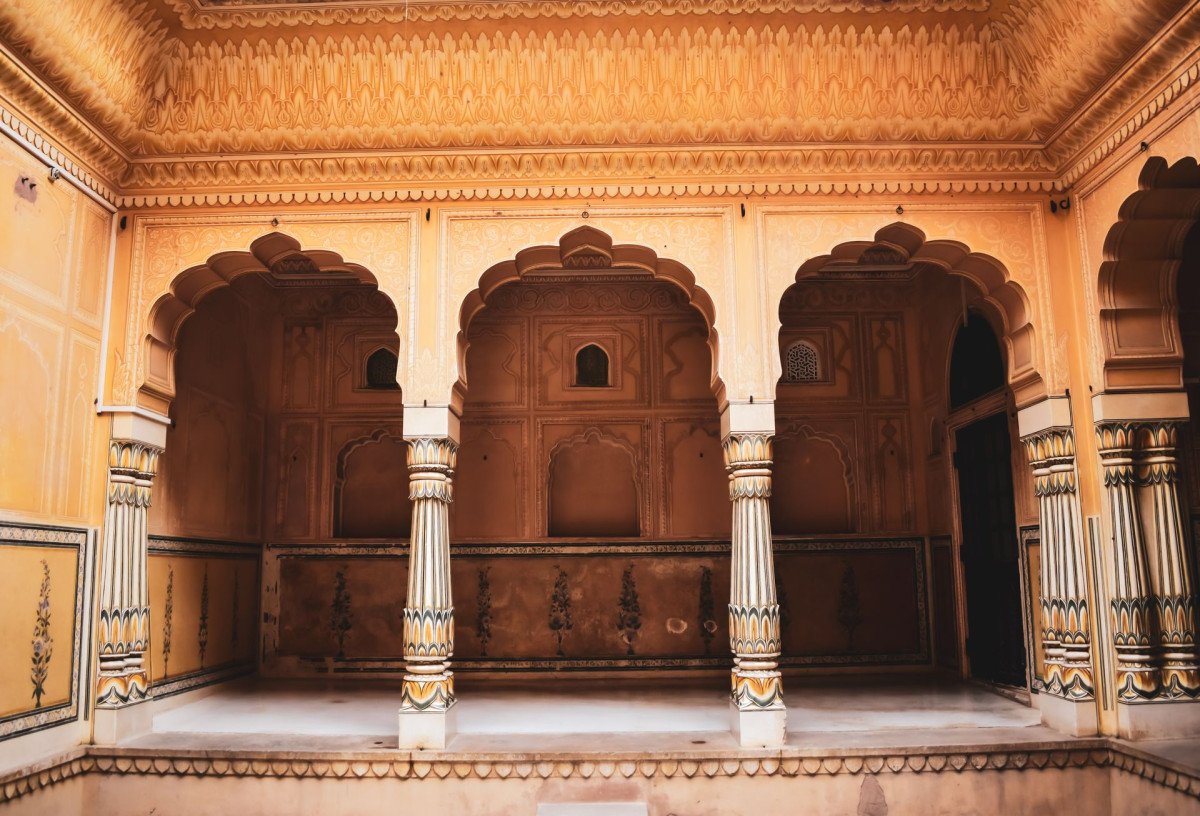
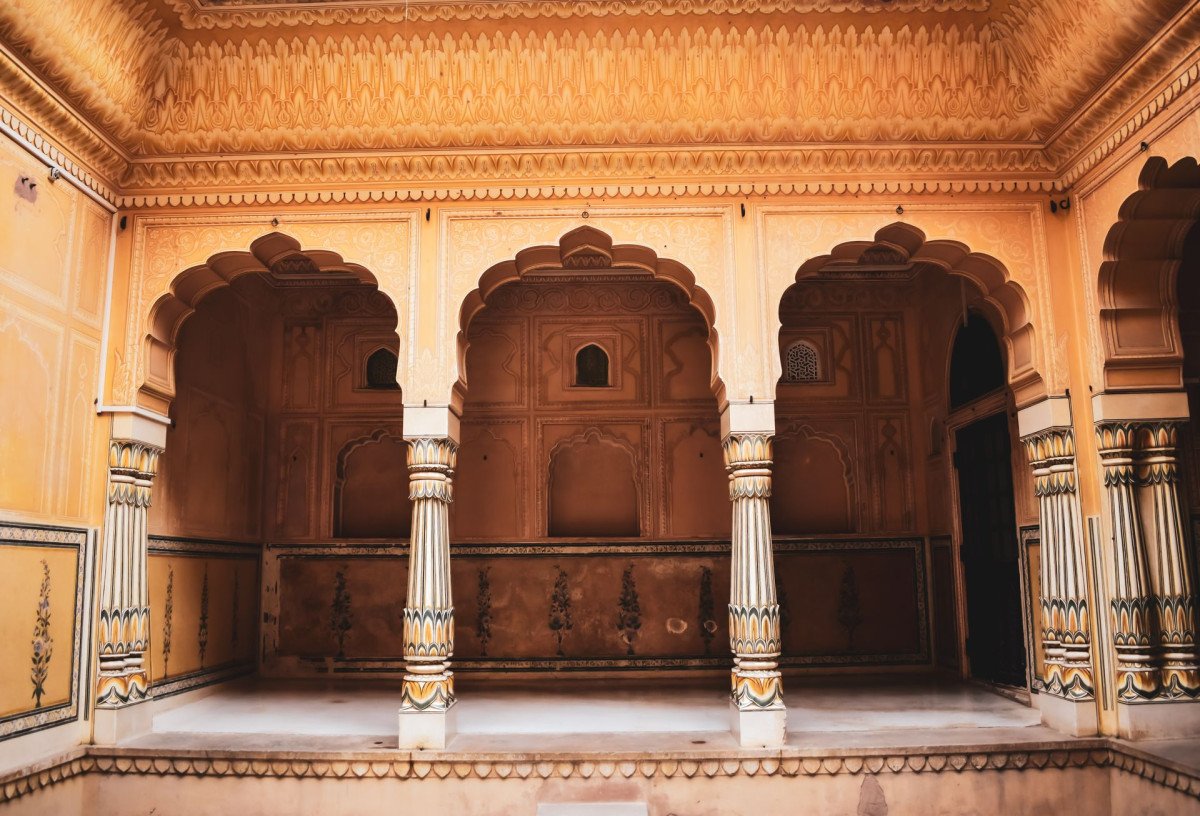
Akbar Fort / Moradabad Fort
General information
-
Ideal Duration:
Exploration and Reflection:
1-2 Hours:Place Type:
Historic Site / Fort Remains:Entry Fees:
Nominal or Free Entry: Access to the fort ruins is generally free of cost, as it is largely an open, unprotected area.
Parking and Photography Fees: There are no official parking or camera fees. Any small fee requested by a local guard woul...Nominal or Free Entry: Access to the fort ruins is generally free of cost, as it is largely an open, unprotected area.
Parking and Photography Fees: There are no official parking or camera fees. Any small fee requested by a local guard would be for informal, localized maintenance or guiding.
Cost of a Guided Tour: Hiring an informal, local guide for a detailed explanation might cost a nominal amount, generally between Rs.100 to Rs.200, which is highly recommended to understand the fragments of the structure.
Donations: Visitors may choose to make small donations to local community groups for the upkeep of the area.Timing:
Regular Timings:
Open 24 Hours (As an open ruin): Best Hours for Photography - Sunrise (6:00 AM to 8:00 AM) and Sunset (5:00 PM to 6:30 PM).
Ideal Visit Time:
Cooler Months and Qu...Regular Timings:
Open 24 Hours (As an open ruin): Best Hours for Photography - Sunrise (6:00 AM to 8:00 AM) and Sunset (5:00 PM to 6:30 PM).
Ideal Visit Time:
Cooler Months and Quiet Hours: The ideal time is during the pleasant weather of October to March, particularly in the early morning or late afternoon to avoid the mid-day heat and capture the best light. Avoid visiting during the monsoon season due to muddy conditions near the river.Special Events:
Local Heritage Day Celebrations: The biggest special event is when the local community organizes small cultural programs or historical talks on certain local heritage days, usually in January or August, focusing on the history of the Mughal period in Moradabad.Local Heritage Day Celebrations: The biggest special event is when the local community organizes small cultural programs or historical talks on certain local heritage days, usually in January or August, focusing on the history of the Mughal period in Moradabad.
Annual River Festivals: While not directly on the fort grounds, the adjacent Ramganga River sometimes hosts local religious or community fairs, which were historically linked to the fort's purpose, giving a chance to experience local festive culture.
Historical Reenactments (Rare): Very occasionally, local history groups may conduct small-scale, educational reenactments or guided tours to breathe life into the ruins and share their history with the younger generation.Best Photo Spots:
The Main Gate Archway: For a classic shot, photograph the surviving entry archway, emphasizing the depth and age of the structure against a clear sky.
Textural Close-ups: Focus on the weathered red sandstone and the texture of the old, expos...The Main Gate Archway: For a classic shot, photograph the surviving entry archway, emphasizing the depth and age of the structure against a clear sky.
Textural Close-ups: Focus on the weathered red sandstone and the texture of the old, exposed brickwork, particularly where vines or plants have started to grow, symbolizing the victory of nature over time.
The Riverbank Silhouette: A wide shot from the riverbank or the nearby high ground at dusk, capturing the fort's profile as a dark silhouette against the vibrant twilight colours.
Corner Bastions: The remaining corner bastions offer an excellent framing device, using the curve of the tower to lead the eye toward the horizon.
Contrast Shot: A photograph showing the contrast between the old fort wall and the modern homes built right up against it, illustrating the passage of time and urban growth.Photo Gallery
Things To Do
-
Photography of Ruins: Capture the contrast between the ancient red brick and modern encroachment, focusing on architectural textures and the play of light and shadow on the crumbling walls.
Historical Scavenger Hunt: Attempt to trace the original perimeter of the fort using historical maps (if available online or from local archives) and the remaining visible structures, turning the visit into a geographical and historical detective exercise.
Birdwatching by the River: Since the fort is located near the Ramganga River, spend time observing the local birdlife that frequents the riverbanks, especially during the cooler months of November to February.
Visit Nearby Memorials: The fort area is close to other local landmarks like the Amrit Sarovar and Kargil War Memori...Photography of Ruins: Capture the contrast between the ancient red brick and modern encroachment, focusing on architectural textures and the play of light and shadow on the crumbling walls.
Historical Scavenger Hunt: Attempt to trace the original perimeter of the fort using historical maps (if available online or from local archives) and the remaining visible structures, turning the visit into a geographical and historical detective exercise.
Birdwatching by the River: Since the fort is located near the Ramganga River, spend time observing the local birdlife that frequents the riverbanks, especially during the cooler months of November to February.
Visit Nearby Memorials: The fort area is close to other local landmarks like the Amrit Sarovar and Kargil War Memorial, allowing for a combined historical and patriotic day trip.
Local Cuisine Exploration: Sample street food from the vendors near the fort's main access point, focusing on regional specialties like Moradabadi Biryani or local sweets.
Sunset View: Wait for the sunset from the river-facing side of the fort's remnants for a truly picturesque view as the river shimmers with the evening light.
Sketching and Drawing: Bring a sketchbook to capture the unique geometry and historical weight of the ruin.
Information
-
Why Famous:
Foundational History and Strategic Location: The fort is famous for being the earliest significant structure in Moradabad, providing the administrative base from which Rustam Khan governed the region and after which the city was named Moradabad (after Shah Jahan's son, Murad...Foundational History and Strategic Location: The fort is famous for being the earliest significant structure in Moradabad, providing the administrative base from which Rustam Khan governed the region and after which the city was named Moradabad (after Shah Jahan's son, Murad Bux), making it the de facto birthplace of the modern city. Its strategic position overlooking the Ramganga River was crucial for riverine trade and defense, marking it as a key nexus of power on the Mughal frontier.
A City’s Origin: It represents the official start of Moradabad's history as a city, giving history enthusiasts a tangible link to the area’s colonial and pre-colonial past, serving as a reminder of the foundational decisions that shaped the urban landscape.
Local Myth and Legend: Its name, 'Akbar Ka Qila', maintains a strong connection with the grandeur of the Mughal Empire in local folklore, even if the connection to Emperor Akbar himself is historically debated, adding a layer of mystery and local pride to its identity. : -
Architecture:
Mughal-era Military Architecture:
Fortification and Materials: The fort, likely built from local red sandstone and sturdy lakhauri bricks, showcases typical Mughal military architecture. The dimensions are difficult to state precisely due to...Mughal-era Military Architecture:
Fortification and Materials: The fort, likely built from local red sandstone and sturdy lakhauri bricks, showcases typical Mughal military architecture. The dimensions are difficult to state precisely due to extensive decay and urban encroachment, but the original perimeter would have covered a significant area along the riverbank for strategic advantage. The structure primarily features high defensive walls and angular bastions designed to withstand attacks and provide clear sightlines over the surrounding plains and the river.
Style and Legacy: It reflects a functional, non-ornamental style common in early Mughal military outposts, prioritizing defense over lavish decoration, contrasting sharply with the highly ornamental architecture found in places like Agra Fort. The remnants suggest a simple layout, including a main gate (darwaza) and watchtowers, emphasizing its initial purpose as a stronghold and administrative center for Rustam Khan. -
How To Reach:
By Air: The nearest major international airport is Indira Gandhi International Airport (DEL) in New Delhi (approx. 185 KMs). From DEL, hire a pre-paid taxi or take a train to Moradabad. The nearest domestic airport is Pantnagar Airport (PGH) (approx. 85 KMs), which has l...By Air: The nearest major international airport is Indira Gandhi International Airport (DEL) in New Delhi (approx. 185 KMs). From DEL, hire a pre-paid taxi or take a train to Moradabad. The nearest domestic airport is Pantnagar Airport (PGH) (approx. 85 KMs), which has limited connectivity, and a taxi from there takes about 2 hours.
By Train: Moradabad Junction (MB) is a major railway station and a divisional headquarters of the Northern Railway. It is exceptionally well-connected to all major cities in India, including Delhi, Lucknow, Kolkata, and Mumbai. The fort is a short 10-15 minute auto-rickshaw ride (approx. 5 KMs) from the station.
By Road: Moradabad is well-connected by NH9 (Delhi-Lucknow Highway) and other major state highways. Regular UPSRTC (Uttar Pradesh State Road Transport Corporation) buses and private luxury buses ply from Delhi (Anand Vihar ISBT) and Dehradun. The local roads leading to the fort are motorable.
By Local Transport: The best way to reach the fort from the city center is by hiring an auto-rickshaw or a cycle-rickshaw, or by using app-based taxi services, all of which are readily available and affordable. -
Weather and Best Time to Visit:
Different Types of Seasons: Winter (October to March) is the absolute best time, with mild and pleasant temperatures (10°C to 25°C), perfect for exploring the open-air ruins. Monsoon (July to September) offers lush greenery but can make the site muddy and uncomfortable du...Different Types of Seasons: Winter (October to March) is the absolute best time, with mild and pleasant temperatures (10°C to 25°C), perfect for exploring the open-air ruins. Monsoon (July to September) offers lush greenery but can make the site muddy and uncomfortable due to high humidity. Summer (April to June) should be avoided as temperatures can soar above 40°C.
Different Parts of the Day: Early Morning is highly recommended for cool temperatures and soft lighting for photography. Late Afternoon is also pleasant, culminating in a beautiful sunset view over the river. Avoid the mid-day heat between 11:00 AM and 4:00 PM. -
Near Tourist Places:
Jama Masjid (2-3 KMs), Peetal Mandi (3-4 KMs), Amrit Sarovar (1 KM), Kargil War Memorial (1. 5 KMs), Gautam Buddha Park (4 KMs), Pili Kothi (5 KMs), Chauraha Galshaheed (6 KMs), Sai Temple (7 KMs), Prem Wonderland (10 KMs), Hanuman Vatika (1 KM)
Tourism Tips
-
Health & Safety: Be cautious around the crumbling walls and uneven terrain, especially near the riverbank, and wear sturdy, closed-toe shoes. Carry insect repellent, especially for sunset visits.
Packing: Bring a hat, sunscreen, sunglasses,...Health & Safety: Be cautious around the crumbling walls and uneven terrain, especially near the riverbank, and wear sturdy, closed-toe shoes. Carry insect repellent, especially for sunset visits.
Packing: Bring a hat, sunscreen, sunglasses, and a water bottle, regardless of the season. A camera with a wide-angle lens is ideal for capturing the scale of the ruins.
Accommodation: Stay in the Ramganga Vihar area for modern hotels or the city center near the railway station for budget-friendly guesthouses.
Other Topics Heading:
Respect Local Sentiment: Since the fort is an old ruin in a residential area, respect the privacy of the locals.
Historical Context: The site is visually modest, so read up on its history beforehand to appreciate its significance.
Local Guides: Hire a local to navigate and provide historical anecdotes that aren't posted on official signs.
Reviews
FAQs
Moradabad Itineray And Cost:-
Akbar Fort / Moradabad Fort Tourism:-
Information about New and Updated Locations() of Uttar Pradesh Has Been Added :-
Card subtitle
Note:-
Information provided here in good Faith and for reference only.
All information and pictures will be updated soon, please keep visiting.
Near Places
Akbar Fort / Moradabad Fort
Some quick example text to build on the card title and make up the bulk of the card's content.
Go somewhere
Amrit Sarovar
Some quick example text to build on the card title and make up the bulk of the card's content.
Go somewhere
Gautam Buddha Park
Some quick example text to build on the card title and make up the bulk of the card's content.
Go somewhere
Hanuman Vatika
Some quick example text to build on the card title and make up the bulk of the card's content.
Go somewhere
Jama Masjid
Some quick example text to build on the card title and make up the bulk of the card's content.
Go somewhere
Kargil War Memorial
Some quick example text to build on the card title and make up the bulk of the card's content.
Go somewhere
Mandawar Ka Mahal
Some quick example text to build on the card title and make up the bulk of the card's content.
Go somewhere
Peetal Mandi
Some quick example text to build on the card title and make up the bulk of the card's content.
Go somewhere
Pili Kothi
Some quick example text to build on the card title and make up the bulk of the card's content.
Go somewhere
Prem Wonderland & Water Kingdom
Some quick example text to build on the card title and make up the bulk of the card's content.
Go somewherein Other Cities