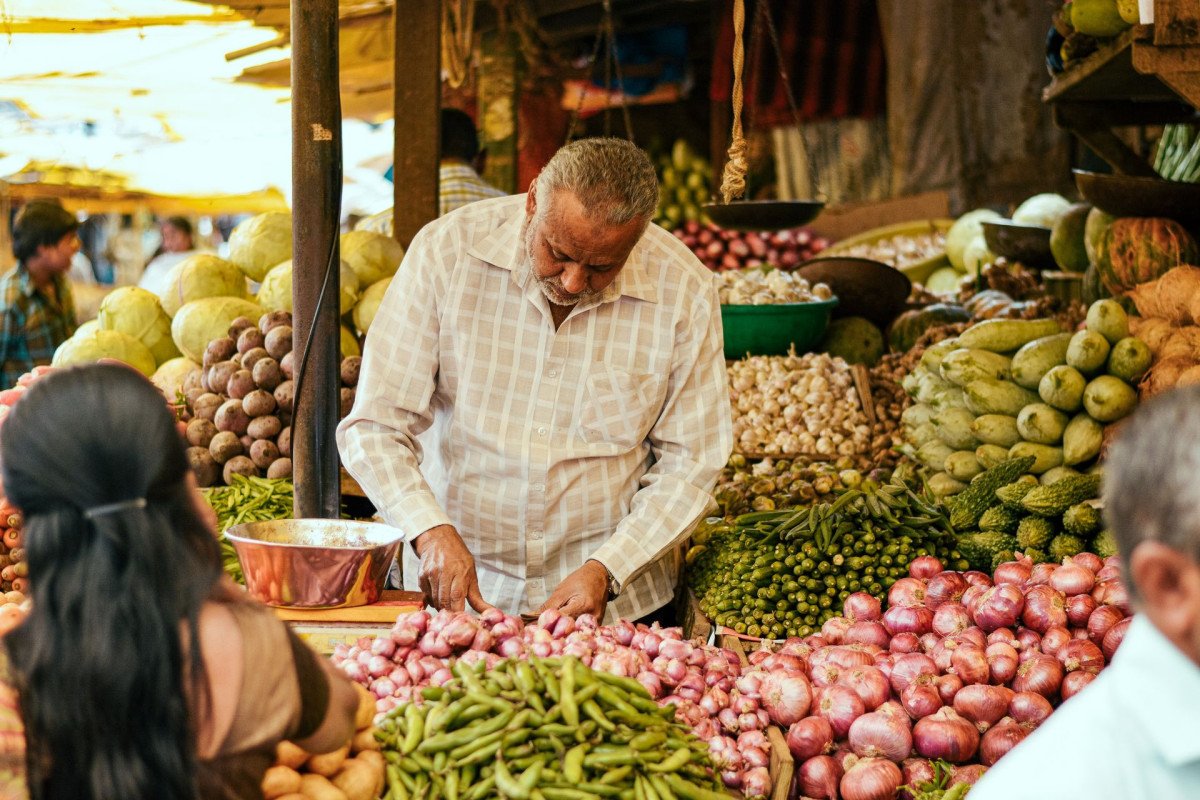
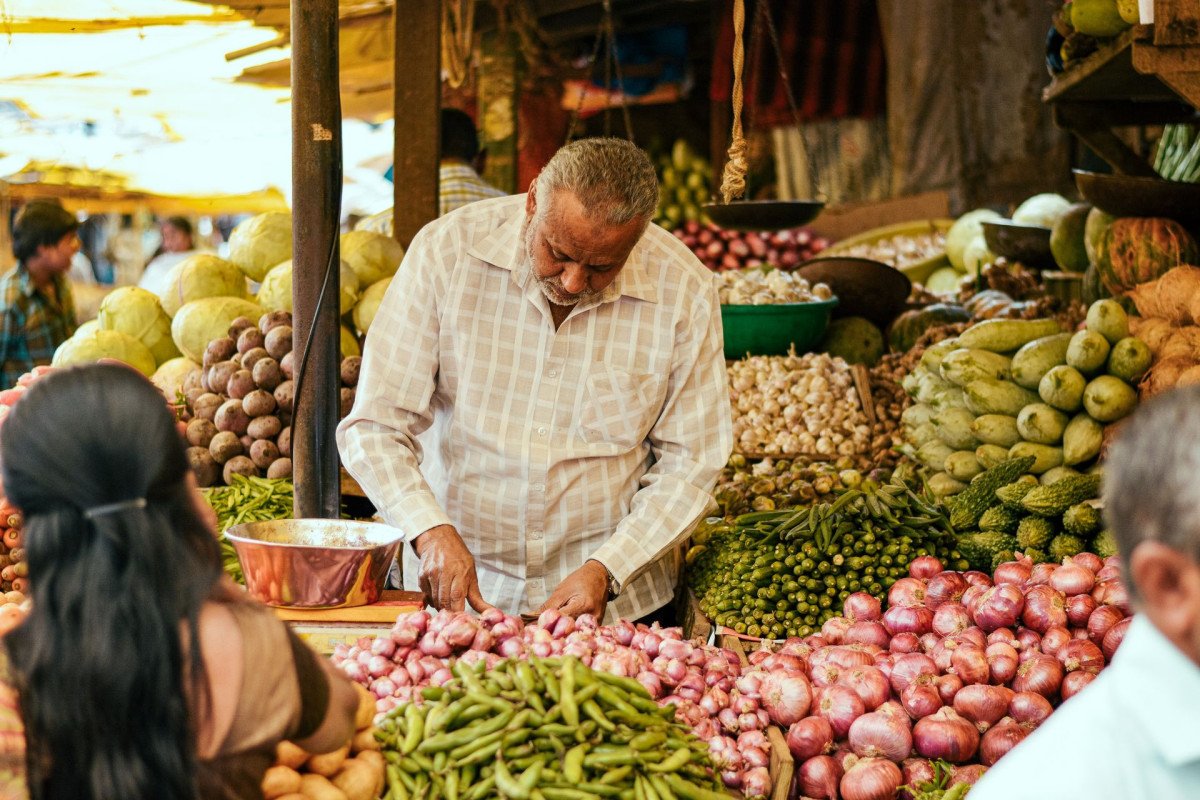
Ambassa Market
General information
-
Ideal Duration:
1 to 2 hours (for shopping/observation)Place Type:
Commerce/Cultural HubEntry Fees:
Entry Fee: Entry to the Ambassa Market is Free of Cost.
Cost of Goods: Prices for goods are generally very low for local produce and essentials, but tourists are expected to bargain politely for handicrafts and other non-essential items.Entry Fee: Entry to the Ambassa Market is Free of Cost.
Cost of Goods: Prices for goods are generally very low for local produce and essentials, but tourists are expected to bargain politely for handicrafts and other non-essential items.
Bargaining Tips: Start your bargaining at 30-40% below the quoted price and aim to settle at a fair price for both parties, usually around 20% less than the initial quote.Timing:
Regular Timings: The market is generally Active from 8:00 AM to 8:00 PM, with permanent shops often opening earlier and closing later.
Ideal Visit Time: The Ideal Visit Time is the Late Morning (9:00 AM to 12:00 PM) for the freshest produce ...Regular Timings: The market is generally Active from 8:00 AM to 8:00 PM, with permanent shops often opening earlier and closing later.
Ideal Visit Time: The Ideal Visit Time is the Late Morning (9:00 AM to 12:00 PM) for the freshest produce and to witness the market in full swing, or on the designated weekly market day (haat) for the maximum crowds and cultural intensity.Special Events:
Ambassa Haat (Market Day): The market becomes a Special Event on its designated weekly market day (haat), which draws vendors and buyers from surrounding villages and remote tribal areas, creating a massive influx of people, goods, and energy that lasts the entire day. The ...Ambassa Haat (Market Day): The market becomes a Special Event on its designated weekly market day (haat), which draws vendors and buyers from surrounding villages and remote tribal areas, creating a massive influx of people, goods, and energy that lasts the entire day. The specific day of the week should be confirmed locally (often Tuesday or Friday).Best Photo Spots:
The Vegetable Stack: A colorful, high-angle shot of the meticulously stacked vegetables and fruits, highlighting the rich produce of the region.
The Tribal Weaver: A respectful, close-up photograph of a local tribal woman sitting amidst her ...The Vegetable Stack: A colorful, high-angle shot of the meticulously stacked vegetables and fruits, highlighting the rich produce of the region.
The Tribal Weaver: A respectful, close-up photograph of a local tribal woman sitting amidst her colorful hand-woven textiles and baskets.
The Early Morning Vendor: Capture the dramatic light of the early morning filtering through the tin shed roof, illuminating the steam rising from a busy local tea stall vendor.Photo Gallery
Things To Do
-
Sample Local Delicacies: Be adventurous and try local street food, particularly the Tripuri-style momos or a simple curry served with the local main staple, rice.
Buy Traditional Crafts: Bargain for and purchase authentic local bamboo and cane handicrafts, such as baskets, furniture, and wall hangings, which are the main souvenirs of Tripura.
Shop for Local Spices: Purchase unique local ingredients like king chili (Umorok) and different types of bamboo shoots for a true taste of the North-East to take home.
Observe Cultural Exchange: Spend time simply observing the dynamic interactions and negotiations between the tribal and non-tribal vendors and customers, a rich cultural lesson.
Photo-walk: Take a respectful photo-walk, focusi...Sample Local Delicacies: Be adventurous and try local street food, particularly the Tripuri-style momos or a simple curry served with the local main staple, rice.
Buy Traditional Crafts: Bargain for and purchase authentic local bamboo and cane handicrafts, such as baskets, furniture, and wall hangings, which are the main souvenirs of Tripura.
Shop for Local Spices: Purchase unique local ingredients like king chili (Umorok) and different types of bamboo shoots for a true taste of the North-East to take home.
Observe Cultural Exchange: Spend time simply observing the dynamic interactions and negotiations between the tribal and non-tribal vendors and customers, a rich cultural lesson.
Photo-walk: Take a respectful photo-walk, focusing on the vibrant colors of the produce, the textures of the handicrafts, and the faces of the local people (ask permission first).
Stock Up on Essentials: The market is the best place to stock up on any daily necessities, water bottles, and basic snacks before heading to more remote areas like Dumboor Lake.
Find Unique Clothing: Browse for locally made garments and traditional Tripuri wear, a unique addition to your wardrobe.
Information
-
Why Famous:
The Ambassa Market is famous as the largest and most diverse trading post in the Dhalai District, where the distinct cultures of the region converge. It is the best place to find and sample unique Tripuri tribal produce, hand-woven textiles, and bamboo handicrafts, symbolizing the region's rich soc...The Ambassa Market is famous as the largest and most diverse trading post in the Dhalai District, where the distinct cultures of the region converge. It is the best place to find and sample unique Tripuri tribal produce, hand-woven textiles, and bamboo handicrafts, symbolizing the region's rich socio-economic diversity. -
Architecture:
Informal, Organic, and Functional Design: The architecture of the Ambassa Market is characterized by a mix of permanent pucca (concrete) shop buildings and the organic, temporary structure of vendor stalls, reflecting an unplanned, demand-driven commercial evolution.Informal, Organic, and Functional Design: The architecture of the Ambassa Market is characterized by a mix of permanent pucca (concrete) shop buildings and the organic, temporary structure of vendor stalls, reflecting an unplanned, demand-driven commercial evolution.
Structure and Dimensions: The main market area usually consists of a single, long, covered shed (e. g. , 50 meters by 20 meters) to shelter vendors from rain, constructed with metal columns and a tin roof, but a majority of the market sprawls into the surrounding open grounds. Shop buildings are typically single-story, block-like structures with simple roller shutters. The design is functional and focuses on maximum storage and display area. Flexibility is key, with vendors using bamboo poles, plastic sheets, and tarpaulins to quickly set up and dismantle their stalls. -
How To Reach:
By Air: Fly to Agartala Airport (IXA) (87 KMS). From Agartala, hire a private taxi to Ambassa via NH 8. The market is centrally located and easy to find upon arrival in the town.
By Train: Take a train to Ambassa Railway Station (ABSA) (5 ...By Air: Fly to Agartala Airport (IXA) (87 KMS). From Agartala, hire a private taxi to Ambassa via NH 8. The market is centrally located and easy to find upon arrival in the town.
By Train: Take a train to Ambassa Railway Station (ABSA) (5 KMs). From the station, the market is a short, straightforward auto-rickshaw ride to the town center near the bus stand.
By Road: The market is a key landmark located right off the main NH 8 in the heart of Ambassa town, directly adjacent to the Ambassa Bus Stand. It is easily accessible by any bus or taxi entering or leaving Ambassa.
By Local Transport: The market is within walking distance of the bus stand and is the main hub for auto-rickshaws and cycle-rickshaws for local transport within the town. -
Weather and Best Time to Visit:
Different Types of Seasons: Winter (November to February) is the Best Time to Visit as the cool weather makes walking and navigating the crowded market comfortable. Monsoon can make the open-air sections muddy and wet.
Different Parts of the Da...Different Types of Seasons: Winter (November to February) is the Best Time to Visit as the cool weather makes walking and navigating the crowded market comfortable. Monsoon can make the open-air sections muddy and wet.
Different Parts of the Day: Late Morning is best for a complete market experience. Avoid the post-lunch dip (2:00 PM to 4:00 PM) when activity slows down. -
Near Tourist Places:
Ambassa Bus Stand (0. 5 KMS); Ambassa Railway Station (5 KMS); Ambassa Eco Park (3 KMS); Ambassa Forest Division Office (2 KMS); Longtharai Mandir (30 KMS); Kamaleswari Mandir, Kamalpur (35 KMS); Dumboor Lake (80 KMS); Unakoti (100 KMS); Agartala (87 KMS); Salema (20 KMS).
Tourism Tips
-
Health & Safety: Watch your belongings carefully in the crowded market. Be cautious about the hygiene of street food and prefer packaged drinking water.
Packing: Bring a reusable shopping bag for your purchases. Carry plenty of small cash ...Health & Safety: Watch your belongings carefully in the crowded market. Be cautious about the hygiene of street food and prefer packaged drinking water.
Packing: Bring a reusable shopping bag for your purchases. Carry plenty of small cash denominations (Rs.10, Rs.20, Rs.50 notes) for quick transactions.
Accommodation: Accommodation is readily available in hotels and guesthouses around the market and bus stand area.
Other Different Topics: Always ask a vendor for permission before taking their photograph. When purchasing food items, ask the local names for the products, which can enrich your experience and help you find them again.
Reviews
FAQs
Ambassa Itineray And Cost:-
Information about New and Updated Locations() of Tripura Has Been Added :-
Card subtitle
Note:-
Information provided here in good Faith and for reference only.
All information and pictures will be updated soon, please keep visiting.
Near Places

Ambassa Bus Stand
Some quick example text to build on the card title and make up the bulk of the card's content.
Go somewhere
Ambassa Eco Park
Some quick example text to build on the card title and make up the bulk of the card's content.
Go somewhere
Ambassa Forest Division Office
Some quick example text to build on the card title and make up the bulk of the card's content.
Go somewhere
Ambassa Forest Rest House
Some quick example text to build on the card title and make up the bulk of the card's content.
Go somewhere
Ambassa Lake
Some quick example text to build on the card title and make up the bulk of the card's content.
Go somewhere
Ambassa Market
Some quick example text to build on the card title and make up the bulk of the card's content.
Go somewhere
Ambassa Railway Station
Some quick example text to build on the card title and make up the bulk of the card's content.
Go somewhere
Ambassa Town Centre
Some quick example text to build on the card title and make up the bulk of the card's content.
Go somewhere
Atharomura Waterfall
Some quick example text to build on the card title and make up the bulk of the card's content.
Go somewhere
Barmura Eco Park
Some quick example text to build on the card title and make up the bulk of the card's content.
Go somewherein Other Cities