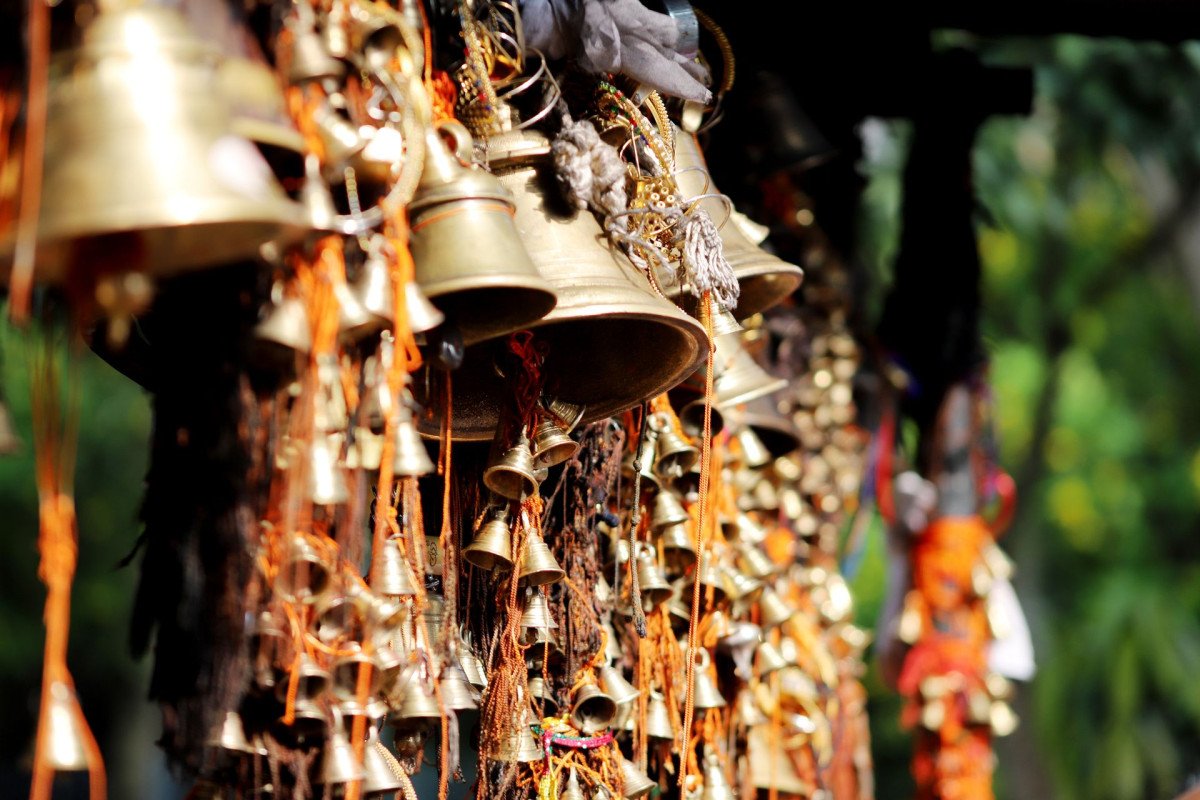
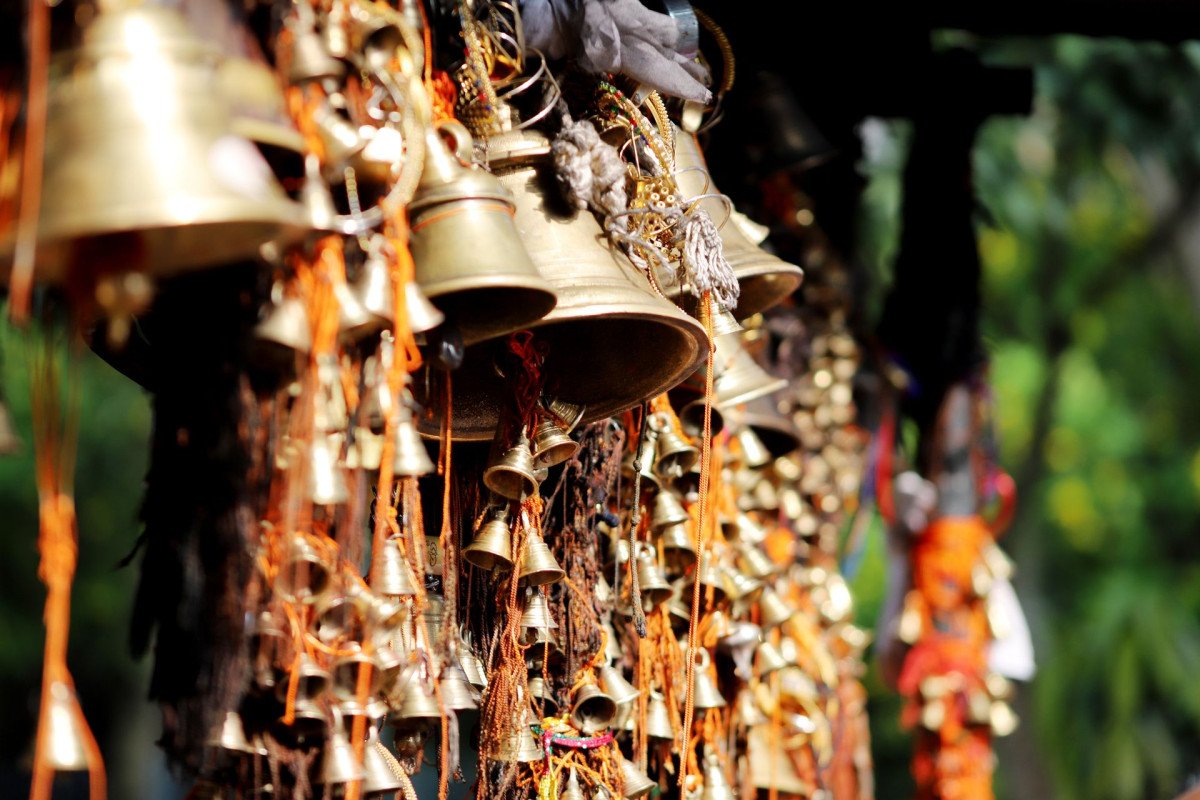
Attukal Bhagavathy Temple
General information
-
Ideal Duration:
1 to 2 hours (Excluding festival season)Place Type:
Religious, Heritage, Pilgrimage.Entry Fees:
General Entry: There is no entry fee for general darshan at Attukal Bhagavathy Temple. Access to the main temple complex is free for all devotees and visitors who adhere to the dress code.
Vazhipadu (Offerings) Fees: The cost for a visit i...General Entry: There is no entry fee for general darshan at Attukal Bhagavathy Temple. Access to the main temple complex is free for all devotees and visitors who adhere to the dress code.
Vazhipadu (Offerings) Fees: The cost for a visit is purely the voluntary donation or the fixed charges for various Vazhipadu (ritual offerings) that devotees choose to perform.
Pooja/Archana: Nominal fees for simple services like Archana (offering of flowers).
Special Offerings: Higher fees apply for elaborate services like Pongala (offered symbolically on a non-festival day), Ganapathy Homam, Chorul Ootu (rice feeding for children), and other daily rituals. These charges are clearly listed at the temple's counter.
Donations: Devotees may choose to make voluntary cash donations in the hundi (offering box).Timing:
Regular Timings: The temple follows a dual timing schedule common in South Indian temples, closing for a break in the afternoon.
Morning Darshan: Generally from 4:30 AM to 12:30 PM
Evening Darshan: Generall...Regular Timings: The temple follows a dual timing schedule common in South Indian temples, closing for a break in the afternoon.
Morning Darshan: Generally from 4:30 AM to 12:30 PM
Evening Darshan: Generally from 5:00 PM to 8:30 PM
Note: These timings are subject to change based on the specific day's rituals and festivals. Always confirm on the day of the visit.
Ideal Visit Time: Morning Hours (4:30 AM - 7:00 AM) This is the most ideal time for a peaceful and deeply spiritual visit. You can witness the daily opening rituals (Nirmalya Darshan and early poojas) with fewer crowds. Evening Hours (6:30 PM - 8:00 PM) This period is also recommended to witness the beautiful evening rituals (Deeparadhana), when the temple is lit up with oil lamps, creating a very serene and sacred atmosphere.Special Events:
Attukal Pongala Mahotsavam: This is the single, most important special event. It is a 10-day-long festival held in the Malayalam month of Kumbham (usually February or March). The ninth day is the main Pongala day.
The Ritual: Millions of ...Attukal Pongala Mahotsavam: This is the single, most important special event. It is a 10-day-long festival held in the Malayalam month of Kumbham (usually February or March). The ninth day is the main Pongala day.
The Ritual: Millions of women gather on the streets of Thiruvananthapuram (extending for kilometres from the temple) to cook the Pongala (a sweet payasam of rice, jaggery, and coconut) in new earthen pots over makeshift brick hearths.
Guinness Record: This mass gathering has earned the temple global recognition.
Kuthiyottam and Thalappoli: Other rituals include Kuthiyottam (a ritual for boys under 12) and Thalappoli (a ritual for girls under 10), which are performed during the festival days, symbolizing soldiers and young attendants of the Goddess.Best Photo Spots:
The Ornate Gopurams: The massive, colourfully painted gopurams at the main entrance are the perfect spot. Stand slightly back from the temple gate to capture the full height and detail of the tower, especially the intricate mythological carvings.
Read MoreThe Ornate Gopurams: The massive, colourfully painted gopurams at the main entrance are the perfect spot. Stand slightly back from the temple gate to capture the full height and detail of the tower, especially the intricate mythological carvings.
The Sanctum Doorway (from outside the inner ring): The doorway of the inner sanctum (Sree Kovil) itself is often very detailed with brass and gold work. While photography inside the sanctum is strictly prohibited, the ornamentation around the doorway from the outer ring provides a focus for religious art photography.
The Pongala Grounds (During Festival): If visiting during the Pongala festival (February/March), the best photos are the panoramic shots of the streets filled with millions of women and the smoke rising from their hearths. This sight captures the monumental scale of the religious event.
Note: Photography requires respect and distance from the devotees engaged in the ritual.Photo Gallery
Things To Do
-
Participate in Daily Darshan and Pooja: The most essential activity is attending the daily worship (darshan).
Morning Darshan: Arrive early to witness the Nirmalya Darshan and the first poojas (rituals) of the day, which are considered highly auspicious.
Offering Vazhipadu: Devotees offer various ritualistic offerings (vazhipadu), such as Pongala (if visiting on a non-festival day, you can offer the symbolic Pongala prepared by the temple), Archana, and lighting oil lamps.
Circumambulation (Pradakshina): Perform the ritual circumambulation of the inner sanctum and the main temple structure. This is a time for quiet reflection and prayer, allowing the devotee to absorb the spiritual energy of the temple.
Architectural Exploration...Participate in Daily Darshan and Pooja: The most essential activity is attending the daily worship (darshan).
Morning Darshan: Arrive early to witness the Nirmalya Darshan and the first poojas (rituals) of the day, which are considered highly auspicious.
Offering Vazhipadu: Devotees offer various ritualistic offerings (vazhipadu), such as Pongala (if visiting on a non-festival day, you can offer the symbolic Pongala prepared by the temple), Archana, and lighting oil lamps.
Circumambulation (Pradakshina): Perform the ritual circumambulation of the inner sanctum and the main temple structure. This is a time for quiet reflection and prayer, allowing the devotee to absorb the spiritual energy of the temple.
Architectural Exploration and Carving Study: Dedicate time to a slow walk around the temple's outer walls and gopurams.
Gopuram Study: Spend time observing the detailed carvings on the Northern (Kannaki story) and Southern (Dakshayaga story) gopurams. These are not merely decorations but ancient visual textbooks of Hindu mythology and regional history.
Inner Wall Art: Look for the carvings of the Dasavatara (ten incarnations of Vishnu) and the different forms of the Goddess (Kali, Mahishasuramardini) on the inner walls and passageways.
Visit the Subsidiary Shrines: The temple complex hosts several smaller shrines dedicated to other deities, such as Lord Shiva, Nagaraja (Serpent God), and Sree Dharma Shasta. Visiting these secondary shrines is an important part of the complete temple ritual.
Quiet Meditation and Reflection: Find a quiet spot in the outer courtyard or mandapam. The tranquil atmosphere, especially during non-peak hours, is conducive to a few minutes of quiet meditation and personal prayer, connecting with the powerful spiritual energy of Attukal Amma.
Purchase Temple Prasad/Offerings: Purchase and receive the blessed offerings (Prasad) from the counter, which typically includes sweet rice or other consecrated food items. This is taken home as a symbol of the Goddess's blessings.
Information
-
Why Famous:
The Guinness World Record Pongala Festival: The primary reason for its global fame is the annual Attukal Pongala Mahotsavam, a ten-day festival held typically in February or March (Malayalam month of Kumbham). The main day sees a congregation of millions of women who prepar...The Guinness World Record Pongala Festival: The primary reason for its global fame is the annual Attukal Pongala Mahotsavam, a ten-day festival held typically in February or March (Malayalam month of Kumbham). The main day sees a congregation of millions of women who prepare a sweet rice dish (Pongala) in open hearths for the Goddess, an event recognized by the Guinness Book of World Records as the single largest gathering of women for a religious activity.
The Sabarimala of Women: It is widely revered as the 'Sabarimala of Women'. Just as men undertake the pilgrimage to the Sabarimala temple, women consider participating in the Attukal Pongala to be a spiritual duty and an ultimate act of devotion to the divine feminine power, Attukal Amma. This unique focus on female-led rituals is unparalleled in India.
Connection to the Kannaki Legend: The temple is strongly associated with the epic tale of Kannaki, the embodiment of female chastity and justice. Devotees believe that the Goddess here is a form of Kannaki, who, after burning down the city of Madurai, attained divinity and rested at the spot of the present temple. -
Architecture:
Fusion of Styles and Dimension: The architecture of Attukal Bhagavathy Temple is a unique and harmonious blend of the traditional architectural styles of Kerala and Tamil Nadu. This fusion is evident in its towering gopurams (towers), which are characteristic of the Dravidi...Fusion of Styles and Dimension: The architecture of Attukal Bhagavathy Temple is a unique and harmonious blend of the traditional architectural styles of Kerala and Tamil Nadu. This fusion is evident in its towering gopurams (towers), which are characteristic of the Dravidian (Tamil) style, contrasting with the typical gabled roofs and wooden craftsmanship of the Kerala style.
The Gopurams and Sculptural Grandeur: The most striking architectural features are the two large, ornate gopurams at the entrance, facing the east and the south.
Southern Gopuram: This tower is covered with detailed sculptures and carvings depicting scenes from the Puranas, including the story of Dakshayaga.
Northern (Front) Gopuram: This tower beautifully illustrates scenes from the story of Kannaki from the epic Silapathikaram, connecting the Goddess to this regional legend. The gopurams are multi-tiered structures, often reaching heights of over 50-70 feet, making them visible from a distance and forming a dramatic entrance.
Inner Sanctum and Dasavatara Carvings: The temple walls and inner mandapams (halls) are adorned with exquisite carvings. The outer walls of the inner sanctum (Sree Kovil) feature numerous carved figures.
Mythological Figures: Depictions include various deities like Mahishasuramardini (the Goddess slaying the buffalo demon), Sree Parvathy with Lord Shiva, and other forms of Bhagavathy.
Dasavatara: The temple complex is famous for housing ten incarnations of Lord Vishnu (Dasavatara) figures carved into its walls, representing the entire Hindu mythological pantheon.
Structure and Layout: The temple complex follows a rectangular layout typical of Dravidian temples but incorporates the simple and functional inner sanctum of the Kerala style. The entire complex is expansive, particularly to accommodate the millions of devotees during the Pongala festival, with the courtyard space being very large in dimension to facilitate the mass cooking ritual. -
How To Reach:
By Air: The nearest airport is the Thiruvananthapuram International Airport (TRV).
Distance: Approximately 7 KMS.
From the Airport: You can hire a prepaid taxi or an app-ba...By Air: The nearest airport is the Thiruvananthapuram International Airport (TRV).
Distance: Approximately 7 KMS.
From the Airport: You can hire a prepaid taxi or an app-based cab directly to Attukal. The journey is short, typically taking about 20-30 minutes.
By Train: The nearest major railway station is the Thiruvananthapuram Central Railway Station (TVC).
Distance: A very close distance of approximately 2 KMS.
From the Railway Station: Due to its proximity, the easiest way is to take an auto-rickshaw (tuk-tuk) or a short cab ride. The fare should be minimal. You can also cover the distance by foot in about 20-25 minutes.
By Road: The temple is situated right on the main roads in the Manacaud/Attukal area, making it highly accessible by road.
Public Bus: City buses operated by KSRTC and private operators frequently run services that pass through or near Attukal. The nearest bus stop is a short walk away.
Private Vehicle/Taxi: The temple is well-signposted. Parking can be a challenge on regular days and is virtually impossible during the Pongala festival.
By Local Transport:
Auto-rickshaws: They are the most common and convenient local mode of transport. Ensure the driver uses the meter or agree on a fair price before the ride.
City Taxis/Cabs: Easily available from any part of the city. -
Weather and Best Time to Visit:
Different Types of Seasons:
Festival Time (February/March): This is the most culturally significant time to visit, during the Attukal Pongala Mahotsavam. However, the city will be extremely crowded, traffic will be restricted, and finding a...Different Types of Seasons:
Festival Time (February/March): This is the most culturally significant time to visit, during the Attukal Pongala Mahotsavam. However, the city will be extremely crowded, traffic will be restricted, and finding accommodation and transport will be difficult and expensive.
Winter (October to February): Excluding the Pongala period, this is the best time for general darshan. The weather is cool and pleasant, making the temple visit and exploration of the architecture very comfortable.
Monsoon (June to September): The rains may make travel slightly difficult, but the temple's atmosphere is serene.
Different Parts of the Day Topic Heading: Early Morning (4:30 AM - 7:00 AM) Highly recommended for devout visitors. The atmosphere is quiet, and the focus is entirely on spiritual prayer and the main deity. Late Morning (10:00 AM - 12:30 PM) Good for visitors interested in the architectural details and performing rituals without the early rush. Evening (5:00 PM - 8:30 PM) Ideal for experiencing the evening aarti and the beautifully lit temple premises. -
Near Tourist Places:
Sree Padmanabhaswamy Temple: (Approx. 2 KMS) - Iconic Dravidian-style Vishnu temple in East Fort.
Pazhavangadi Ganapathy Temple: (Approx. 2. 5 KMS) - Famous Lord Ganesha temple (details below).
Kuthira Malika (Puthen Malika Palace Museum): (Approx. 2 KMS) - Palace built by the Travancore Royal Family.
Napier Museum and Zoo: (Approx. 5 KMS) - Art, history, and zoological garden complex.
Chalai Market: (Approx. 1. 5 KMS) - Famous and bustling old commercial street/market.
Vellayani Lake: (Approx. 9 KMS) - Freshwater lake, good for nature viewing.
Kovalam Beach: (Approx. 14 KMS) - The famous beach destination.
Thiruvallam Parashurama Temple: (Approx. 7 KMS) - Temple on the banks of the Karamana river.
Planetarium and Observatory: (Approx. 5 KMS) - Science and astronomy center.
Kowdiar Palace: (Approx. 7 KMS) - Royal residence.
Tourism Tips
-
Health & Safety:
Footwear: You will need to remove your footwear outside the main temple complex. It is advisable to wear easily removable sandals or slip-ons.
Security: Be mindful of your belongings in cr...Health & Safety:
Footwear: You will need to remove your footwear outside the main temple complex. It is advisable to wear easily removable sandals or slip-ons.
Security: Be mindful of your belongings in crowded areas, especially during the festival season.
Packing:
Dress Code Adherence: Mandatory conservative dressing. Men must remove their upper garment and wear a mundu/dhoti to enter the inner sanctum. Women must wear traditional attire like a saree, salwar kameez, or churidar. Avoid Western wear like jeans, shorts, and T-shirts.
Small Bag: Carry only essential items, as large bags may not be allowed inside and storage facilities may be limited.
Accommodation:
Stay in City Center: The best place to stay is the Thiruvananthapuram city center (around East Fort or near the Central Station), as it is only 2 KMS away and offers a wide range of hotel options.
Book Early for Festival: If visiting during the Pongala festival (February/March), accommodation must be booked several months in advance.
Other Different Topics Heading:
Photography Restriction: Photography is generally prohibited inside the temple premises, especially within the inner sanctum. Please be respectful and only take pictures of the exteriors.
Temple Etiquette: Maintain silence and decorum inside the temple. Follow the queues for darshan.
Accessibility: The main temple is easily accessible on foot and by road from the city center.
Reviews
FAQs
Thiruvananthapuram Itineray And Cost:-
Attukal Bhagavathy Temple Tourism:-
Information about New and Updated Locations() of Kerala Has Been Added :-
Card subtitle
Note:-
Information provided here in good Faith and for reference only.
All information and pictures will be updated soon, please keep visiting.
Near Places
Aazhimala Shiva Temple
Some quick example text to build on the card title and make up the bulk of the card's content.
Go somewhere
Agasthyakoodam Peak
Some quick example text to build on the card title and make up the bulk of the card's content.
Go somewhere
Akkulam Lake
Some quick example text to build on the card title and make up the bulk of the card's content.
Go somewhere
Akkulam Lake & Tourist Village
Some quick example text to build on the card title and make up the bulk of the card's content.
Go somewhere
Anchuthengu Fort
Some quick example text to build on the card title and make up the bulk of the card's content.
Go somewhere
Aruvikkara Dam
Some quick example text to build on the card title and make up the bulk of the card's content.
Go somewhere
Attukal Bhagavathy Temple
Some quick example text to build on the card title and make up the bulk of the card's content.
Go somewhere
Chacha Nehru Children's Museum
Some quick example text to build on the card title and make up the bulk of the card's content.
Go somewhere
Kanakakunnu Palace
Some quick example text to build on the card title and make up the bulk of the card's content.
Go somewhere
Kanjiramkulam Junction
Some quick example text to build on the card title and make up the bulk of the card's content.
Go somewherein Other Cities