

Ayurved University
General information
-
Ideal Duration:
2-3 hours for a general tour of the campus, Mandir, and medicinal garden; full day if participating in a seminar or seeking consultation/treatment.Place Type:
Academic and Research Institution: UniversityEntry Fees:
Entry to Campus and Temple: There is typically No Entry Fee for general public access to the University campus and the Dhanvantri Mandir (Temple) complex for a routine visit or darshan. The campus grounds, including the Dhanvantri Ground and public pathways, are open to the...Entry to Campus and Temple: There is typically No Entry Fee for general public access to the University campus and the Dhanvantri Mandir (Temple) complex for a routine visit or darshan. The campus grounds, including the Dhanvantri Ground and public pathways, are open to the community for free.
Academic Fees: Fees are substantial for courses like B. Pharm (Approx. Rs.2 Lakhs), M. D/M. S (Approx. Rs.86,050 for Indian Nationals), and Certification courses (Approx. Rs.15,000). No Fees are charged for M. D/M. S courses for Indian Nationals at the constituent institutes like IPGT&RA. Fees for foreign nationals are different (e. g. , 29,050 for PG courses).
Consultation Fees: While general visits are free, there are separate consultation and treatment fees for the hospital and clinic services (e. g. , Panchakarma or specialized therapies). These costs are generally reasonable compared to private centers but are structured like a standard hospital/clinic service.
Workshop/Seminar Fees: Participation in specialized training, workshops, or international seminars often involves a registration fee, which can vary widely based on the duration, topic, and whether the participant is a student, faculty member, or outside professional.
Yoga Classes: Any structured, regular yoga or naturopathy classes offered by the institute's respective departments may also incur a nominal fee to cover instruction and materials. Therefore, the visit is free, but experiential services are charged.Timing:
Regular Timings: The University's main academic and administrative blocks typically operate from around 9:00 AM to 5:15 PM on weekdays (Monday to Friday), with shorter hours on Saturdays (e. g. , until 1:15 PM). The associated hospital/clinic generally operates during stand...Regular Timings: The University's main academic and administrative blocks typically operate from around 9:00 AM to 5:15 PM on weekdays (Monday to Friday), with shorter hours on Saturdays (e. g. , until 1:15 PM). The associated hospital/clinic generally operates during standard business hours.
Dhanvantri Ground Timings: The vast sports ground is notably open 24 hours a day for the local community's walking and jogging activities, offering flexibility for fitness enthusiasts.
Temple Timings: The Dhanvantri Mandir within the complex has its own schedule for prayers and darshan, typically opening in the early morning (e. g. , 6:00 AM) and closing after the evening aarti (e. g. , 8:00 PM), though this can vary.
Ideal Visit Time (Academic/Research): For a visitor interested in the academic and research atmosphere, the ideal time is during regular working hours (Monday to Friday, 10:00 AM to 4:00 PM) to potentially observe the hustle of the campus and visit the library (if permitted).
Ideal Visit Time (Aesthetic/Relaxation): For a peaceful experience, the Early Morning (around 6:00 AM to 8:00 AM) is perfect for a quiet walk on the Dhanvantri Ground, when the air is cool and the campus is tranquil. The late afternoon (4:00 PM onwards) is also good for a leisurely visit.
Closed Days: Official university holidays and Sundays are typically closed for administrative/academic activities, though the temple and ground remain generally accessible.Special Events:
International Day of Yoga Celebrations: Every June 21st, the university organizes a large-scale event, often involving hundreds of participants, for the celebration of the International Day of Yoga. Mass practice of the Common Yoga Protocol takes place at the historical Dha...International Day of Yoga Celebrations: Every June 21st, the university organizes a large-scale event, often involving hundreds of participants, for the celebration of the International Day of Yoga. Mass practice of the Common Yoga Protocol takes place at the historical Dhanvantri Ground, making it a vibrant, high-energy cultural and health-focused event.
Health and Millets Expo: The institute occasionally conducts large-scale public health expos, such as the one held in March 2023 focusing on Millets (International Year of Millets). These multi-day events include dozens of stalls from Ayurvedic pharmaceutical companies, free diagnostic camps, food festivals with traditional recipes, and free distribution of medicinal plants, attracting over 1,00,000 visitors.
Dhanvantari Jayanti: The annual celebration of the birth anniversary of Lord Dhanvantari (usually falling around Dhanteras in the Hindu month of Kartik, typically October or November) is a major event. It involves special prayers, academic ceremonies, and often includes the presentation of the prestigious National Dhanvantari Ayurveda Award.
Academic Conferences and Training: The University frequently hosts high-level academic conferences, national and international training programs, and workshops on specialized Ayurvedic subjects like Haemorrhoids treatment or research paper presentations. These events, though primarily for academics, are unique cultural/intellectual showcases of the university's specialized expertise.Best Photo Spots:
The Dhanvantri Mandir Facade: The front exterior of the historical temple building offers a classic shot, especially during the early morning or late afternoon when the light is softer, highlighting the traditional architecture and the blend of red/ochre colors against the g...The Dhanvantri Mandir Facade: The front exterior of the historical temple building offers a classic shot, especially during the early morning or late afternoon when the light is softer, highlighting the traditional architecture and the blend of red/ochre colors against the green campus backdrop.
The Main Archway/Entrance: The large, prominent entrance gate of the University/ITRA is a classic landmark shot, often featuring a plaque or signage declaring it as the pioneer institution, perfect for documenting the official visit to the World's First Ayurveda University.
The Medicinal Plant Gardens: The well-maintained and labeled beds of rare and common medicinal plants provide unique macro photo opportunities. A shot focusing on the diverse foliage, perhaps with a background blurred, captures the essence of Ayurvedic raw materials.
The Dhanvantri Ground Greenery: The vast, open sports ground, surrounded by lush trees, offers excellent landscape and candid photography spots, especially for capturing the local life of joggers, students, and people engaging in exercise against a natural backdrop. The presence of 5,800 distributed medicinal plants in the surrounding area enhances the scenery.
The Old Manuscript Displays: If there are any public displays or heritage galleries (sometimes set up in an auditorium or gallery within the main buildings) showcasing the digitalized or preserved ancient manuscripts, these offer rare and intellectually significant photo subjects (always seek permission before photographing sensitive artifacts).Photo Gallery
Things To Do
-
Explore the Dhanvantri Mandir: Take a peaceful moment inside the historical temple dedicated to Lord Dhanvantari. Observe the traditional architecture and participate in a short prayer for health and well-being. This is a spiritual cornerstone of the campus and a respectful cultural activity.
Take a Wellness Consultation: Visit the associated hospital/clinic for an authentic Ayurvedic consultation. The doctors are highly trained and can provide guidance on diet, lifestyle, and herbal remedies based on your Prakriti (body constitution). This provides a deeply personalized and practical experience of the Ayurvedic system.
Walk the Dhanvantri Ground: Join the local community for a refreshing walk, jog, or light yoga in the expansive Dhanvantri Ground. The green, tree-lined space offers a break ...
Information
-
Why Famous:
Pioneer Statutory University: It is primarily famous as the World's First Statutory University dedicated solely to Ayurveda, established in 1965. This status has cemented its role as a global leader in the field, attracting international researchers and students.Pioneer Statutory University: It is primarily famous as the World's First Statutory University dedicated solely to Ayurveda, established in 1965. This status has cemented its role as a global leader in the field, attracting international researchers and students.
The Dhanvantri Mandir: The presence of the historical temple dedicated to Lord Dhanvantari is a major draw. Lord Dhanvantari is considered the divine physician and an incarnation of Lord Vishnu, making the temple a significant pilgrimage site for those seeking health and blessings, linking academic pursuit with spiritual sanctity.
Global Research Hub: The constituent institute, IPGT&RA, and its successor ITRA are renowned globally. The university is a Collaborative Center of WHO for Ayurveda since 1977, and it holds an extensive collection of 7,350 rare Ayurvedic manuscripts, actively working on their digitization and preservation. This intellectual wealth is a core reason for its fame.
Holistic Treatment: The associated hospital and center offer authentic Ayurvedic and Panchakarma treatments. People from across India and the world visit for holistic wellness therapies, including Hatha Yoga, Massage, Steam Bath, and Mud Therapy, seeking a blend of ancient wisdom and modern clinical standards for ailments.
Landmark Green Space: The extensive Dhanvantri Ground within the campus is a popular spot for the local community's health activities like jogging, sports, and peaceful walks among trees, reflecting the university's commitment to community wellness. -
Architecture:
Mandir and Educational Complex Integration: The architecture is a unique blend of traditional Indian temple design, particularly seen in the original Dhanvantri Mandir building, juxtaposed with the functional, utilitarian design of a modern research and academic campus. The...Mandir and Educational Complex Integration: The architecture is a unique blend of traditional Indian temple design, particularly seen in the original Dhanvantri Mandir building, juxtaposed with the functional, utilitarian design of a modern research and academic campus. The older structures, possibly built in the traditional Gujarat style, feature classic columns and open courtyards typical of public buildings from the early 20th century, influenced by colonial-era public works.
Dhanvantri Mandir Style: The original Mandir section is believed to incorporate elements of Moti Dhanej village's regional temple architecture, focusing on simplicity and devotion. While specific historical blueprints might be scarce, the structure reflects the patronage of the Jamnagar King, likely utilizing locally sourced stone and skilled craftsmanship. The temple houses a murti (idol) of Lord Dhanvantari.
Campus Dimensions and Layout: The sprawling university campus, now primarily the ITRA complex, covers a significant area dedicated to its various wings: the hospital/clinic, the IPGT&RA research wing, teaching blocks (Chankaya Bhavan is a prominent administrative building), a large library housing 7,350 manuscripts, a pharmacy college, and the massive Dhanvantri Ground. The campus is designed for functionality, with ample green spaces like the sports ground and medicinal plant gardens, which are essential for Ayurvedic study. The overall layout reflects a self-contained academic and healing ecosystem, prioritizing open spaces for physical activity and contemplation. The older Mandir structure often stands as a heritage centerpiece within the functional layout of the modern educational buildings. -
How To Reach:
By Air: The nearest airport is Jamnagar Airport (JGA), which is approximately 10-12 KMS from the University. It has daily flight connectivity to major cities like Mumbai and Bengaluru. From the airport, one can easily hire a pre-paid taxi, an app-based cab, or an auto-rick... -
Near Tourist Places:
Bala Hanuman Temple: 1. 5 KMS (Famous for Ram Dhun).
Lakhota Lake & Palace/Museum: 2 KMS (Historic fort-like structure on an island).
Darbargadh Palace: 3 KMS (Old Royal Residence).
Bhidbhanjan Mahadev Temple: 3 KMS (Near Bedi Gate).
BAPS Shri Swaminarayan Mandir: 4 KMS (Modern, beautiful temple complex).
Bhujiyo Kotho: 3. 5 KMS (Old watchtower near the lake).
Jain Temples (Vardhman Shah's Temple): 3 KMS (Historical Jain architecture).
Khijadiya Bird Sanctuary: 12 KMS (Wetlands sanctuary for migratory birds).
Sardar Vallabhbhai Patel Amusement Park: 2 KMS (Family entertainment).
Pratap Vilas Palace: 5 KMS (Historical palace with European-style architecture).
Tourism Tips
-
Health & Safety: Given the focus on Ayurveda, maintain an open mind toward natural remedies. Drink only bottled water. The campus is generally safe, but be mindful of university property and secure your belongings. If visiting the hospital/clinic, inquire about treatment ...
Reviews
Jamnagar Itineray And Cost:-
Ayurved University Tourism:-
Information about New and Updated Locations() of Gujarat Has Been Added :-
Card subtitle
Note:-
Information provided here in good Faith and for reference only.
All information and pictures will be updated soon, please keep visiting.
Near Places

Ayurved University
Some quick example text to build on the card title and make up the bulk of the card's content.
Go somewhere
Bala Hanuman Temple
Some quick example text to build on the card title and make up the bulk of the card's content.
Go somewhere
Balachadi Beach
Some quick example text to build on the card title and make up the bulk of the card's content.
Go somewhere
BAPS Shri Swaminarayan Mandir
Some quick example text to build on the card title and make up the bulk of the card's content.
Go somewhere
Bedi Port
Some quick example text to build on the card title and make up the bulk of the card's content.
Go somewhere
Bhidbhanjan Mahadev Temple
Some quick example text to build on the card title and make up the bulk of the card's content.
Go somewhere
Bhujiyo Kotho
Some quick example text to build on the card title and make up the bulk of the card's content.
Go somewhere
Chandi Bazaar
Some quick example text to build on the card title and make up the bulk of the card's content.
Go somewhere
Darbargadh Palace
Some quick example text to build on the card title and make up the bulk of the card's content.
Go somewhere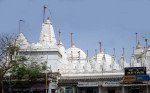
Jain Temples
Some quick example text to build on the card title and make up the bulk of the card's content.
Go somewherein Other Cities