

Banjari Mata Mandir
General information
-
Ideal Duration:
1 to 2 hours (More during major festivals like Navratri)Place Type:
Religious Site, Hindu Temple, Cultural HeritageEntry Fees:
Mandir Entry Fee::There is no entry fee for general Darshan at the Banjari Mata Mandir, as is customary for most Hindu temples in India. The temple operates on the basis of voluntary donations (Dakshina), allowing anyone to visit and seek blessings irrespective of their fin...Mandir Entry Fee::There is no entry fee for general Darshan at the Banjari Mata Mandir, as is customary for most Hindu temples in India. The temple operates on the basis of voluntary donations (Dakshina), allowing anyone to visit and seek blessings irrespective of their financial means. This open-access policy ensures that it remains a true place of worship for the local community and pilgrims.
Puja and Prasad Costs::Visitors are expected to purchase puja materials (flowers, coconut, incense, sweets) from the stalls outside to offer to the deity. These costs are minimal, usually ranging from INR 20 to INR 100. Voluntary donations for specific services, such as lighting a Jyoti Kalash during Navratri or sponsoring a Bhandara (community meal), can be higher but are entirely optional and vary widely.
Photography/Video Fee::There is generally no specific fee for non-commercial photography in the open areas. However, for commercial filming or photography, explicit permission from the temple management is required, and a fee would likely be imposed. Always maintain reverence; flash photography in the sanctum is often prohibited and can be seen as disrespectful.Timing:
Regular Timings::The temple is generally open every day from 6:00 AM to 8:00 PM (some sources indicate 7:30 PM or a mid-day break from 12 PM to 4 PM). It is essential to check locally for the most precise hours, especially concerning the mid-day closing period, which is com...Regular Timings::The temple is generally open every day from 6:00 AM to 8:00 PM (some sources indicate 7:30 PM or a mid-day break from 12 PM to 4 PM). It is essential to check locally for the most precise hours, especially concerning the mid-day closing period, which is common in smaller temples. The core worship hours are consistent, but festival hours are usually extended to accommodate larger crowds.
Aarti Timings::The most spiritual times to visit are during the morning Aarti (around 7:00 AM) and the evening Aarti (around 7:00 PM). These times are ideal for experiencing the temple's vibrant collective energy.
Ideal Visit Time::The Ideal Visit Time is early morning (6:00 AM to 9:00 AM) on any weekday to avoid crowds and experience a peaceful Darshan. Tuesdays and Fridays are generally busier, as they are considered auspicious days for Goddess Durga. During Navratri, the ideal time is late at night for a quiet glimpse of the Jyoti Kalash or early morning on a non-festival day for a peaceful visit.Special Events:
Grand Navratri Festival::The most significant and celebrated special event is the annual Navratri festival, occurring twice a year (in the Hindu months of Chaitra and Ashwin). During this period, the temple is spectacularly decorated with lights, flowers, and elaborate them...Grand Navratri Festival::The most significant and celebrated special event is the annual Navratri festival, occurring twice a year (in the Hindu months of Chaitra and Ashwin). During this period, the temple is spectacularly decorated with lights, flowers, and elaborate thematic installations. Thousands of devotees light the Jyoti Kalash, a sacred earthen lamp, which symbolizes a dedicated prayer or vow, and the entire complex buzzes with continuous religious programs, including nine days of Durga Saptashati recitation, cultural performances, and evening Aarti that is a major draw for religious tourists.
Annual Maha Shivaratri Celebration::The temple complex, having a dedicated shrine for Lord Shiv, organizes a large celebration for Maha Shivaratri. Devotees gather for special Rudrabhishek (ritual bathing of the Linga) ceremonies, late-night pujas, and fasting rituals. The environment is highly spiritual, focusing on the cosmic dance and marriage of Lord Shiv and Parvati, attracting Shiva devotees from the Raipur region.
Local Community Melas::Occasionally, the temple premises and surrounding grounds host smaller local fairs (Melas) or community gatherings, especially after major festivals. These events showcase local crafts, traditional food, and cultural activities unique to the Chhattisgarh region, offering a deeper dive into local traditions.Best Photo Spots:
The Main Gopuram Facade::The main entrance tower (Gopuram) is richly decorated with vibrant colors and intricate carvings of Hindu deities and mythological scenes. This is the number one photo spot to capture the traditional grandeur and scale of the temple's modern archite...The Main Gopuram Facade::The main entrance tower (Gopuram) is richly decorated with vibrant colors and intricate carvings of Hindu deities and mythological scenes. This is the number one photo spot to capture the traditional grandeur and scale of the temple's modern architecture, especially stunning at dawn or dusk when the light is softer.
The Jyoti Kalash Hall::During the Navratri festival, the hall where the Jyoti Kalash (sacred lamps) are lit offers a breathtaking and emotionally charged photo opportunity. The sight of thousands of flickering flames in the dark hall symbolizes deep faith and creates a powerful, warm, golden glow, perfect for low-light, high-emotion photography (check permission before photographing people).
Exterior Shrines and Statues::The numerous detailed statues of various gods, goddesses, and figures depicting mythological events, often found on the perimeter walls or in the courtyard, provide excellent close-up opportunities for detail photography, highlighting the skill of the local artisans and the temple's extensive pantheon.
The Prasad and Flower Stalls::The colorful array of fresh flowers, coconuts, Prasad, and religious items sold by vendors outside the temple creates a lively and culturally rich photo backdrop. Capturing the vibrant market energy provides a great cultural snapshot of the pilgrimage experience.Photo Gallery
Things To Do
-
Participate in Aarti and Bhajans::The primary activity is to attend the morning and evening Aarti (worship ceremony). The collective chanting of hymns and the ringing of bells create a powerful, immersive spiritual experience. The evening Aarti is particularly recommended for its vibrant energy and large gathering of local devotees. This participation is a must-do for a truly authentic religious feel.
Darshan of Multiple Deities::Dedicate time to perform Darshan (sacred sight) not only of Banjari Mata but also of the numerous subsidiary deities within the complex, such as Lord Shiv, Lord Hanuman, and Lord Vishnu. Exploring these other shrines allows for a fuller understanding of the temple’s pantheon and offers quiet moments for prayer.
Quiet Meditation in the Courtyard::While the main shri...Participate in Aarti and Bhajans::The primary activity is to attend the morning and evening Aarti (worship ceremony). The collective chanting of hymns and the ringing of bells create a powerful, immersive spiritual experience. The evening Aarti is particularly recommended for its vibrant energy and large gathering of local devotees. This participation is a must-do for a truly authentic religious feel.
Darshan of Multiple Deities::Dedicate time to perform Darshan (sacred sight) not only of Banjari Mata but also of the numerous subsidiary deities within the complex, such as Lord Shiv, Lord Hanuman, and Lord Vishnu. Exploring these other shrines allows for a fuller understanding of the temple’s pantheon and offers quiet moments for prayer.
Quiet Meditation in the Courtyard::While the main shrine can be crowded, find a quiet spot in the temple's expansive courtyard or near the trees. This area is perfect for a few minutes of quiet contemplation or meditation, absorbing the temple's positive, peaceful energy away from the crowds near the sanctum. This is an essential activity for seekers of mental solace.
Engage with the Temple Priests::Politely approach the temple priests (pujaris) or elder volunteers. They are a treasure trove of local legends, stories about the deity's origin, and the history of the temple's development, including the fascinating story of the growing idol and the Naga-Nagin sightings. Engaging in respectful conversation can provide insights that go beyond any guidebook.
Support the Temple’s Social Initiatives::The complex is known to host a Gaushala (cowshed) and sometimes a school. Visitors can contribute small donations or take a moment to visit these community-focused sections, supporting the temple’s broader philanthropic work and connecting with its social mission.
Taste Local Prasad and Snacks::Exit the temple and explore the surrounding market. Sampling the various traditional sweets and savory snacks sold as Prasad (consecrated food) or by local vendors is a great way to experience the local culinary culture. Always look for freshly prepared items.
Photography of the Temple Exterior::Though respectful photography inside the main shrine is often restricted, the brightly painted Gopuram and the exterior carvings make for excellent cultural photography subjects. Focus on capturing the vibrant colors and the architectural details that reflect the traditional art of Chhattisgarh.
Information
-
Why Famous:
Epicenter of Navratri::The temple is most famous for its vibrant and grand celebration of the Navratri festival, attracting thousands of Jyoti Kalash (sacred lamps) devotees who undertake a pilgrimage to offer their devotion to the Goddess. The atmosphere during the nine-da...Epicenter of Navratri::The temple is most famous for its vibrant and grand celebration of the Navratri festival, attracting thousands of Jyoti Kalash (sacred lamps) devotees who undertake a pilgrimage to offer their devotion to the Goddess. The atmosphere during the nine-day period is electric, filled with bhajans and religious fervor. This festival is the primary reason for its widespread recognition and heavy footfall.
Belief in Miraculous Power::Locals hold an extremely strong belief in the wish-fulfilling power of Banjari Mata. The goddess is seen as the protector of the region, and many people visit regularly to seek her blessings for the health and prosperity of their families and businesses. Testimonials of answered prayers contribute significantly to its popularity and continuous stream of devotees.
Unique Naga-Nagin Legend::A unique and intriguing aspect contributing to its fame is the local belief and claim by the temple priests that couples of Nag (Cobra) and Nagin (Female Cobra) visit the temple premises to seek darshan of the Mata. This uncommon and mystical phenomenon further enhances the temple’s sacred status and draws curious and spiritual visitors alike. -
Architecture:
Architectural Style::The temple exhibits a blend of traditional Hindu and modern temple architecture. It is characterized by its colorful, elaborate structures, featuring detailed carvings of various deities and mythological scenes on the exterior walls and main Gopuram (to...Architectural Style::The temple exhibits a blend of traditional Hindu and modern temple architecture. It is characterized by its colorful, elaborate structures, featuring detailed carvings of various deities and mythological scenes on the exterior walls and main Gopuram (tower), though specific architectural lineage is less documented than ancient sites. The overall structure is relatively compact but highly decorative, with a large, accessible courtyard for devotees to perform parikrama (circumambulation). The temple has undergone several renovations, resulting in a contemporary aesthetic that preserves the traditional spiritual layout.
The Sanctum Sanctorum::The central Garba Griha (sanctum sanctorum) houses the main idol of Banjari Mata. A noteworthy legend claims that the original idol has been continuously increasing in size over a period, a mystery that contributes to its mystique.
Dimension Highlights::While precise structural dimensions (like base area or height) are not standardized, the temple complex encompasses a significant area to include a large prayer hall (Mandap), multiple subsidiary shrines, and essential community facilities, including a cowshed (Gaushala) and a school, signifying its role as a social and religious center within the Raipur community. The presence of these facilities indicates a well-developed complex. -
How To Reach:
By Air::The nearest airport is Swami Vivekananda Airport (RPR), located approximately 18-20 KMs from the Banjari Mata Mandir. After landing, one can easily hire a pre-paid taxi, an app-based cab service (Ola/Uber), or a local auto-rickshaw for the 30-40 minute drive to the ...By Air::The nearest airport is Swami Vivekananda Airport (RPR), located approximately 18-20 KMs from the Banjari Mata Mandir. After landing, one can easily hire a pre-paid taxi, an app-based cab service (Ola/Uber), or a local auto-rickshaw for the 30-40 minute drive to the temple. The airport road is well-maintained and connects seamlessly to the city's main arteries leading toward Bilaspur Road.
By Train::The closest and most convenient railway station is Raipur Junction (RIG), which is a major hub on the Howrah-Nagpur-Mumbai line and is located approximately 8-10 KMs away. From the station, the temple is easily accessible via auto-rickshaws, city buses, or cycle-rickshaws. Due to its proximity to the city center, the journey takes about 20-30 minutes, depending on traffic conditions.
By Road::The temple is situated right on the busy Bilaspur Road (part of NH-30), making it highly accessible by road. It is well-connected to all parts of Raipur city and surrounding towns. If driving a private vehicle, look for the landmarks near Birgaon and Rawabhatha. Ample parking space is generally available near the temple complex. Raipur’s central bus stand also offers local buses that stop close to the temple.
By Local Transport::The most common forms of local transport are shared and private auto-rickshaws, which are readily available throughout the city. App-based cab services are reliable for direct transit. For a shorter distance from the nearby localities, a cycle-rickshaw offers a traditional, slow-paced journey. Always negotiate the fare with auto-rickshaw drivers beforehand. -
Weather and Best Time to Visit:
Different Seasons Topic Heading::The Best Time to Visit is during the Winter months, from October to March. The weather is cool and pleasant, with average temperatures ranging from 15°C to 28°C, making it comfortable for walking and participating in outdoor pujas. The hu...Different Seasons Topic Heading::The Best Time to Visit is during the Winter months, from October to March. The weather is cool and pleasant, with average temperatures ranging from 15°C to 28°C, making it comfortable for walking and participating in outdoor pujas. The humidity is low, ensuring a peaceful experience. The Monsoon (July to September) is also considered a good time due to the greenery, but rainfall can be erratic. Summer (April to June) should be avoided as the heat can be intense (up to 45°C), making daytime visits extremely uncomfortable.
Different Parts of the Day Topic Heading::The Ideal Visit Time is Early Morning (6:00 AM to 9:00 AM) for tranquility and to witness the first Aarti, or Late Evening (6:00 PM to 8:00 PM) to attend the main evening Aarti when the temple is beautifully illuminated. The mid-day hours (11:00 AM to 4:00 PM) are the hottest and often the most crowded, particularly on festival days, and should be generally avoided. -
Near Tourist Places:
ISKCON Raipur (8 KMs):
, Dudhadhari Math and Temple (10 KMs):
, Mahant Ghasidas Memorial Museum (10 KMs):
, Vivekanand Sarovar (12 KMs):
, Gandhi Udyan Park (10 KMs):
, Energy Park (Urja Park) (12 KMs):
, Shadani Darbar (15 KMs):
, Kevalya Dham Jain Temple (18 KMs):
, Chhattisgarh Science Centre (10 KMs):
, MM Fun City (25 KMs):
Tourism Tips
-
Health & Safety Topic Heading::Maintain basic hygiene, especially in the surrounding market area. Carry a small hand sanitizer. Given the temple is a popular site, be mindful of your belongings in crowded areas, especially during Navratri. Dress conservatively, covering y...Health & Safety Topic Heading::Maintain basic hygiene, especially in the surrounding market area. Carry a small hand sanitizer. Given the temple is a popular site, be mindful of your belongings in crowded areas, especially during Navratri. Dress conservatively, covering your shoulders and legs, as a sign of respect for the religious site. If visiting during Summer, ensure you stay well-hydrated.
Packing Topic Heading::Pack light, comfortable clothing. For Winter visits, a light jacket or shawl is sufficient for the early mornings. Carry a reusable water bottle. Since footwear must be removed, it's wise to wear easily removable sandals or slip-on shoes. Avoid carrying excessive cash or expensive jewelry.
Accommodation Topic Heading::The temple is located close to the main Bilaspur Road and is not far from the city center, offering numerous accommodation options. Choose hotels in areas like Civil Lines or near Raipur Junction for easy access. Options range from budget guest houses to mid-range and luxury hotels. Booking in advance during Navratri is highly recommended due to the influx of pilgrims.
Other Different Topics Heading::
Photography Etiquette: Always seek permission from the temple management before using professional camera equipment or taking photos inside the sanctum. Respect the privacy of fellow devotees.
Donation: Donate only to official temple donation boxes or counters, and never to unverified individuals.
Local Transportation: Utilize app-based taxis or pre-negotiate rates with auto-rickshaws before starting your journey to ensure a fair price. Be prepared for festival-related traffic diversions.
Reviews
FAQs
Raipur Itineray And Cost:-
Banjari Mata Mandir Tourism:-
Other Places In Raipur :-
Other States In India :-
Information about New and Updated Locations() of Chhattisgarh Has Been Added :-
Card subtitle
Note:-
Information provided here in good Faith and for reference only.
Near Places

Achanakmar Wildlife Sanctuary
Some quick example text to build on the card title and make up the bulk of the card's content.
Go somewhere
Banjari Mata Mandir
Some quick example text to build on the card title and make up the bulk of the card's content.
Go somewhere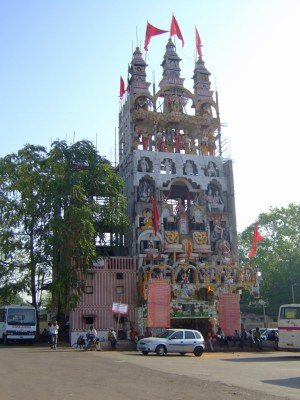
Chhattisgarh Science Centre
Some quick example text to build on the card title and make up the bulk of the card's content.
Go somewhere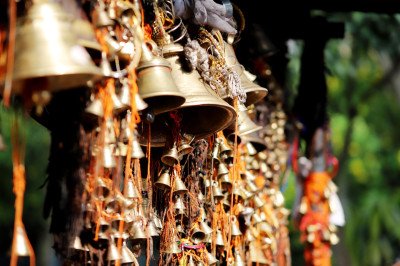
Dudhadhari Math and Temple
Some quick example text to build on the card title and make up the bulk of the card's content.
Go somewhere
Dudhadhari Monastery and Temple
Some quick example text to build on the card title and make up the bulk of the card's content.
Go somewhere
Energy Park
Some quick example text to build on the card title and make up the bulk of the card's content.
Go somewhere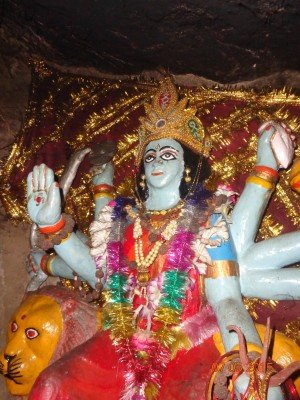
Gandhi Udyan Park
Some quick example text to build on the card title and make up the bulk of the card's content.
Go somewhere
Ghatarani Waterfall
Some quick example text to build on the card title and make up the bulk of the card's content.
Go somewhere
Hajra Waterfall
Some quick example text to build on the card title and make up the bulk of the card's content.
Go somewhere
ISKCON Raipur
Some quick example text to build on the card title and make up the bulk of the card's content.
Go somewhere
Jatmai Temple
Some quick example text to build on the card title and make up the bulk of the card's content.
Go somewhere
Kali Murti
Some quick example text to build on the card title and make up the bulk of the card's content.
Go somewhere
Kankali Talab
Some quick example text to build on the card title and make up the bulk of the card's content.
Go somewhere
Kevalya Dham Jain Temple
Some quick example text to build on the card title and make up the bulk of the card's content.
Go somewhere
Mahadev Ghat
Some quick example text to build on the card title and make up the bulk of the card's content.
Go somewhere
Mahamaya Temple Raipur
Some quick example text to build on the card title and make up the bulk of the card's content.
Go somewherein Other Cities