Belagavi Fort
General information
-
Ideal Duration:
2-3 HoursPlace Type:
Historical Fortress, Religious Site, ArchitecturalEntry Fees:
Indians/Domestic Visitors: The standard entrance fee for Indian citizens is very nominal, typically around Rs.25 per person. This fee grants access to the general fort premises and the public shrines within.
Foreign Nationals: The entrance fe...Indians/Domestic Visitors: The standard entrance fee for Indian citizens is very nominal, typically around Rs.25 per person. This fee grants access to the general fort premises and the public shrines within.
Foreign Nationals: The entrance fee for foreign tourists is higher, usually around Rs.150 per person. This differential pricing is common for heritage sites across India.
Camera Fees: There is generally an additional charge for carrying a video camera, often around Rs.50. Still camera photography might be free or included in the entry ticket, but it's advisable to check at the ticket counter for the latest policy.
Other Costs: Access to the religious sites like the Kamal Basadi and the Masjids inside the fort complex may have separate, small donation boxes, but the entry to the buildings themselves is usually covered by the main ticket. Parking fees may apply for vehicles outside the main fort area. The entire fee structure is designed to be very affordable to encourage tourism.
Timing:
Regular Timings: The Belagavi Fort is generally open to the public daily from approximately 8:00 AM to 6:30 PM. However, the religious sites within the fort, like the Kamal Basadi and the mosques, may have slightly different hours, especially for morning rituals or evening ...Regular Timings: The Belagavi Fort is generally open to the public daily from approximately 8:00 AM to 6:30 PM. However, the religious sites within the fort, like the Kamal Basadi and the mosques, may have slightly different hours, especially for morning rituals or evening prayers, so it's best to check locally.
Ideal Visit Time (Time of Day): The absolute best time to visit is early in the morning (8:00 AM to 10:00 AM) or late in the afternoon (4:00 PM to 6:30 PM). Early Morning visits offer cooler temperatures, fewer crowds, and the beautiful soft light for photography, which is excellent for capturing the stone architecture. Late Afternoon visits allow you to see the fort walls bathed in the golden light of the sunset. Avoid the harsh midday sun for a more comfortable experience.
Duration and Planning: An ideal duration for a thorough visit to the fort and its temples/mosques is about 2 to 3 hours. Allow extra time if you plan to visit the nearby Fort Lake (Kote Kere) or spend time reflecting at the Ramakrishna Mission Ashram.
Special Events:
Annual Kite Festival (Sankranti): While not held strictly inside the fort, the city of Belagavi is famous for its vibrant annual Kite Festival (Sankranti in January), with the open spaces around the fort and Fort Lake often being central points for the colorful kite-flying c...Annual Kite Festival (Sankranti): While not held strictly inside the fort, the city of Belagavi is famous for its vibrant annual Kite Festival (Sankranti in January), with the open spaces around the fort and Fort Lake often being central points for the colorful kite-flying celebrations. The atmosphere around the fort complex during this time is lively and festive.
Religious Observances: The fort premises host significant religious events corresponding to the temples and mosques within. Festivals like Ganesh Chaturthi and Durga Puja see increased foot traffic and special poojas at the entrance temples, while major Islamic holidays like Eid bring special prayers to the Safa and Jamia Masjids. These occasions offer a unique glimpse into the contemporary religious life of the community that exists within the historical structure.
Best Photo Spots:
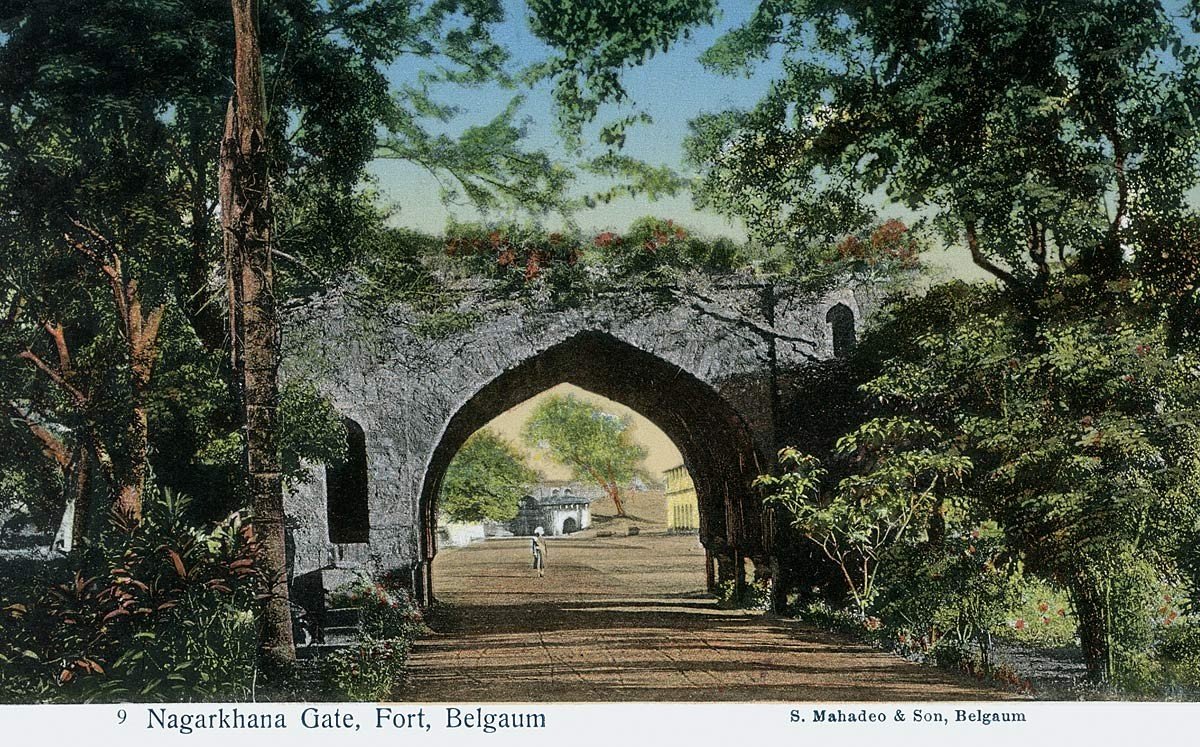
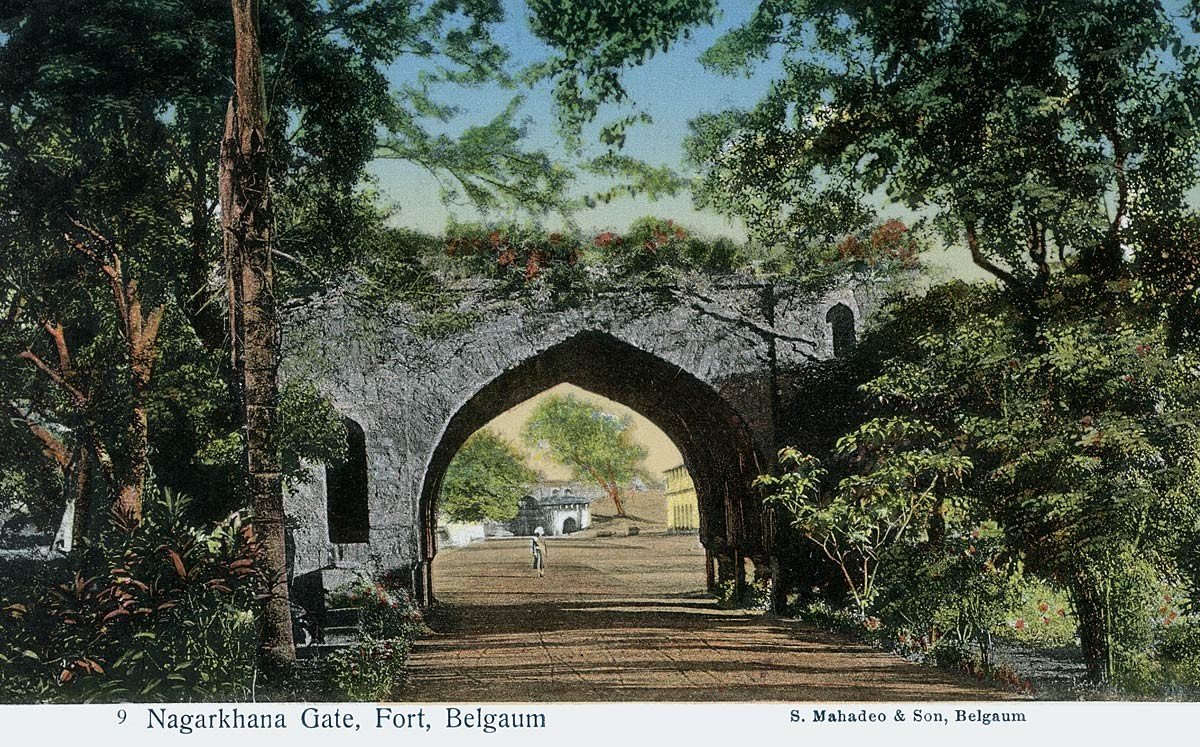
The Main Gate Facade: The massive main entrance gate is the most iconic spot. Its grand scale, flanked by two bastions, and the intricate carvings of birds and animals on its exterior offer a fantastic backdrop for a majestic photo. The best time is morning or evening when...The Main Gate Facade: The massive main entrance gate is the most iconic spot. Its grand scale, flanked by two bastions, and the intricate carvings of birds and animals on its exterior offer a fantastic backdrop for a majestic photo. The best time is morning or evening when the low sunlight enhances the stone details.
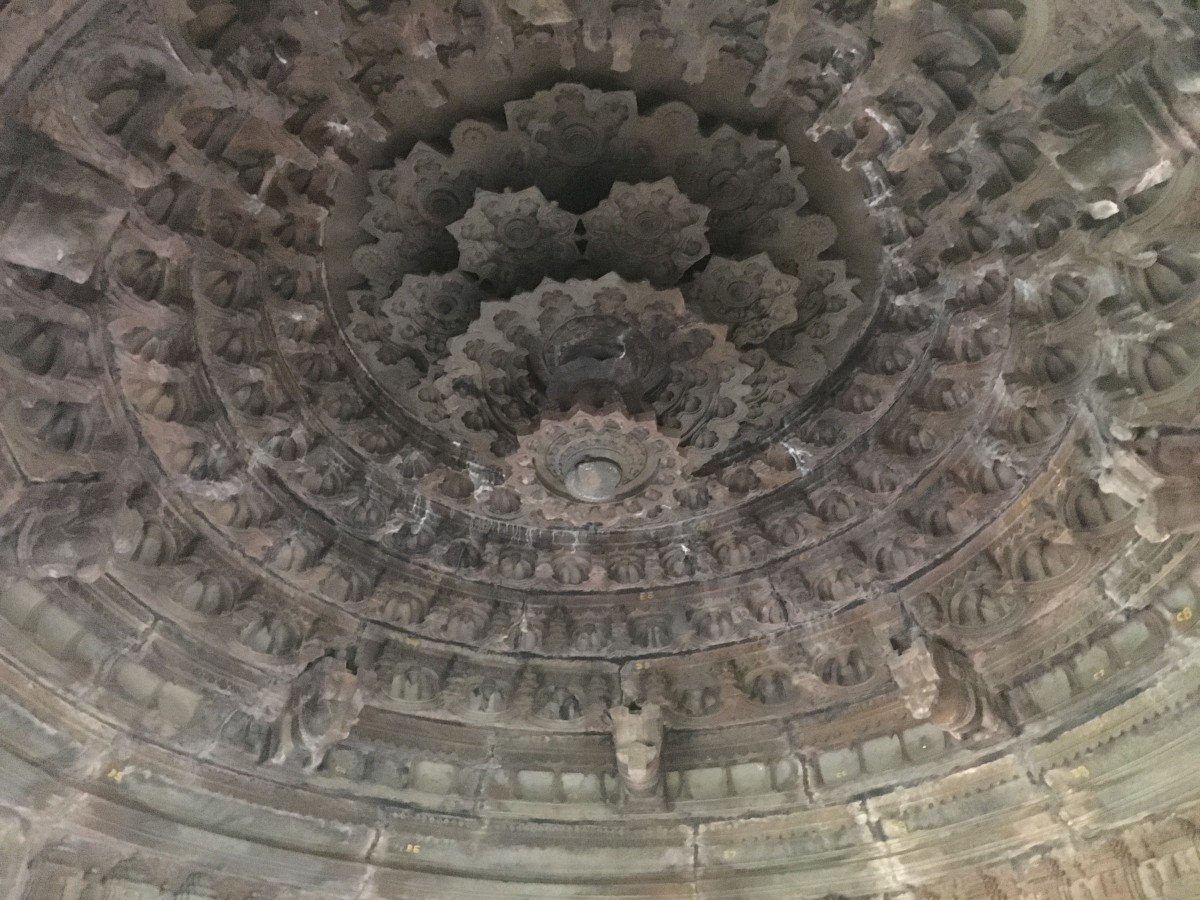
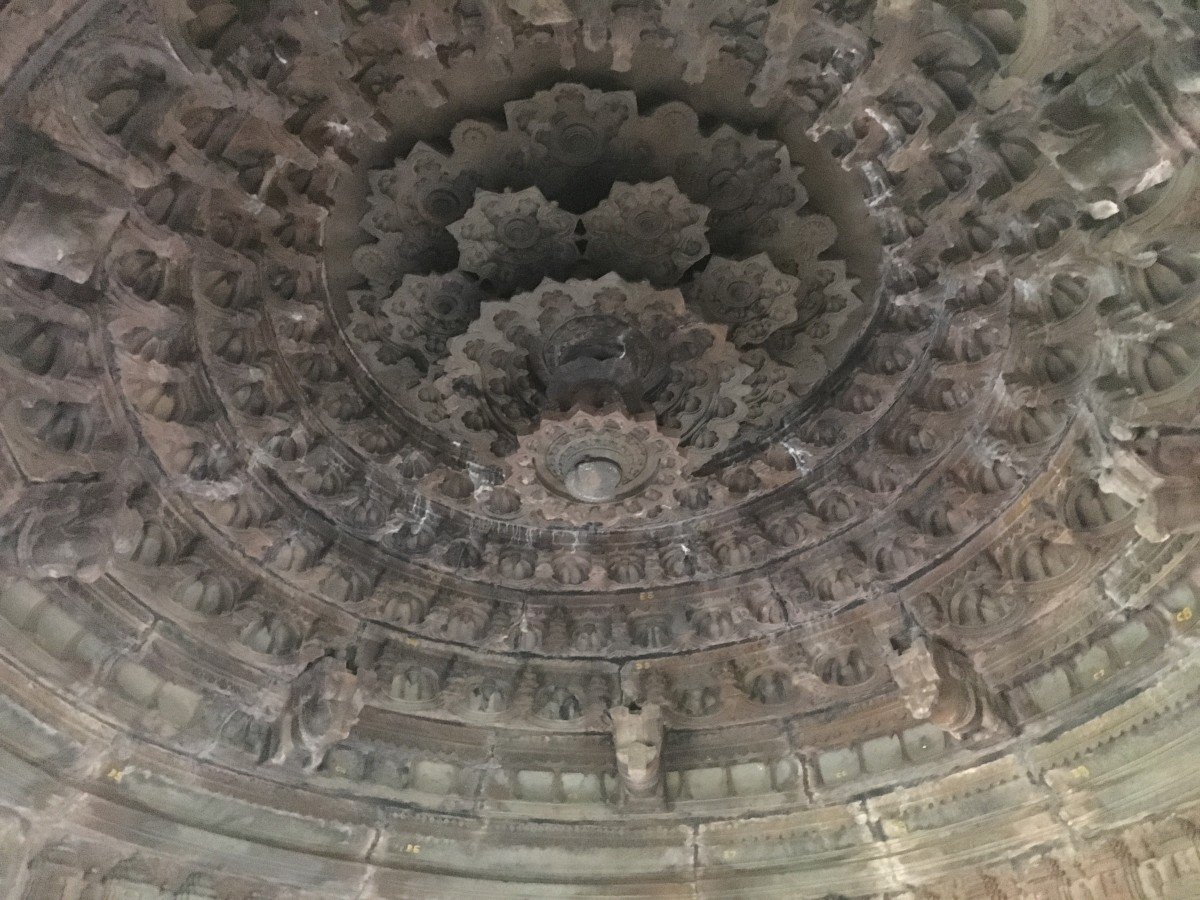
The Kamal Basadi Lotus Ceiling: Inside the Jain temple, the intricately carved lotus (Kamal) ceiling in the Mukhamantapa is a unique and stunning architectural feature. Use a wide-angle lens to capture the full 72-petal carving and the supporting polished pillars, which look best in the daytime when natural light is filtering in.
Rampart Views: The elevated sections of the fort's ramparts and bastions provide a panoramic viewpoint. Capture sweeping landscape shots of the Belagavi city skyline, the nearby Kote Kere, or the winding fort walls disappearing into the distance, especially effective during the golden hours of sunrise or sunset.
Safa Masjid Interior Arches: The elegant arches and the minar structure of the Safa Masjid offer an excellent opportunity for architectural photography, showcasing the geometric Indo-Saracenic patterns and the fusion of styles.
Photo Gallery
Things To Do
-
Exploring the Architectural Diversity: Take a dedicated walk to appreciate the blend of styles. Start at the main gate, noting the Durga and Ganapathi shrines, before moving on to marvel at the Indo-Saracenic arches of the Safa Masjid. Conclude by studying the exquisite Chalukyan-style carvings and the 72-petal lotus ceiling of the Kamal Basadi.
Historical Reflection at the Gandhi Prison Site: Dedicate time to visit the area where Mahatma Gandhi was imprisoned in 1924. This spot serves as a powerful reminder of the fort's role in the freedom movement. Reading the historical plaques and reflecting on the struggle for independence is a moving and essential part of the visit.
Photography and Scenic Views: Climb up to the accessible sections of the ramparts or bastions for sweeping, panoramic vie...Exploring the Architectural Diversity: Take a dedicated walk to appreciate the blend of styles. Start at the main gate, noting the Durga and Ganapathi shrines, before moving on to marvel at the Indo-Saracenic arches of the Safa Masjid. Conclude by studying the exquisite Chalukyan-style carvings and the 72-petal lotus ceiling of the Kamal Basadi.
Historical Reflection at the Gandhi Prison Site: Dedicate time to visit the area where Mahatma Gandhi was imprisoned in 1924. This spot serves as a powerful reminder of the fort's role in the freedom movement. Reading the historical plaques and reflecting on the struggle for independence is a moving and essential part of the visit.
Photography and Scenic Views: Climb up to the accessible sections of the ramparts or bastions for sweeping, panoramic views of the surrounding city and the nearby Kote Kere (Fort Lake). The early morning or late afternoon light offers the best conditions for capturing the fort's stone textures and the interplay of light and shadow on the bastions.
Tranquil Visit to the Ramakrishna Mission Ashram: Spend some quiet time in the calm, spiritual atmosphere of the ashram located inside the complex. Browsing the extensive bookstore or simply sitting in silence for meditation or quiet contemplation offers a peaceful break from the historical exploration.
Strolling by the Moat and Kote Kere: Walk the broad esplanade outside the fort walls, especially near the deep, wide moat, to appreciate the massive scale of the defenses. A visit to the nearby Fort Lake (Kote Kere) is a must-do; you can enjoy the lush greenery, take a leisurely boat ride, or simply watch the sunset over the water, particularly during the evenings.
Discovering Inscriptions and Carvings: Take a magnifying glass or a good camera zoom and search for the numerous Kannada and Persian inscriptions and calligraphic decorations on the pillars and walls of the Safa Masjid and the Kamal Basadi. These minute details often reveal untold stories and the artistic prowess of the medieval artisans.
Enjoying Local Cuisine: While at the Kote Kere (Fort Lake), you can enjoy street food from the nearby stalls or experience the floating cafeteria (if operational), sampling local North Karnataka delicacies to complete the day's outing.
Information
-
Why Famous:
Historical and Political Importance: The fort is primarily famous for its profound historical and political significance. It was the place where Mahatma Gandhi was imprisoned in 1924, a fact that cements its place in the annals of India's independence struggle. Its strateg...Historical and Political Importance: The fort is primarily famous for its profound historical and political significance. It was the place where Mahatma Gandhi was imprisoned in 1924, a fact that cements its place in the annals of India's independence struggle. Its strategic role as a military stronghold in the Deccan region for over eight centuries under multiple empires further adds to its fame.
Religious and Cultural Harmony: A distinctive reason for its fame is the harmonious coexistence of diverse religious structures within its walls. The presence of the Hindu Durga and Ganapathi shrines, the Jain Kamal Basadi, and the Muslim Safa Masjid and Jamia Masjid in close proximity is a powerful testament to the religious tolerance and cultural synthesis that characterized the region's history.
Architectural Uniqueness: The fort is renowned for its unique blend of architectural styles—Chalukyan, Deccan, and Indo-Saracenic—particularly highlighted by the intricate lotus carving in the Kamal Basadi and the robust, oval-shaped fortifications, making it a masterpiece of medieval Indian military architecture. It is a recognized State Heritage Monument.
-
Architecture:
Architectural Style Overview: The fort's architecture is a remarkable blend of Chalukyan, Deccan, and Indo-Saracenic styles, a direct result of the various dynasties that ruled and reinforced it over the centuries. Originally built by the Ratta rulers, it was significantly ...Architectural Style Overview: The fort's architecture is a remarkable blend of Chalukyan, Deccan, and Indo-Saracenic styles, a direct result of the various dynasties that ruled and reinforced it over the centuries. Originally built by the Ratta rulers, it was significantly fortified by Yakub Ali Khan during the Bijapur Sultanate.
Defensive Structure and Dimension: The fort is characterized by its robust, oval-shaped enclosure. It is protected by a deep and wide moat, excavated from soft red stone, and features broad esplanades and towering bastions that rise approximately 32 feet (9. 8 Meters) from the bottom of the moat, showcasing its formidable defensive design. The walls are constructed using massive granite stones and mud, built to repel violent attacks.
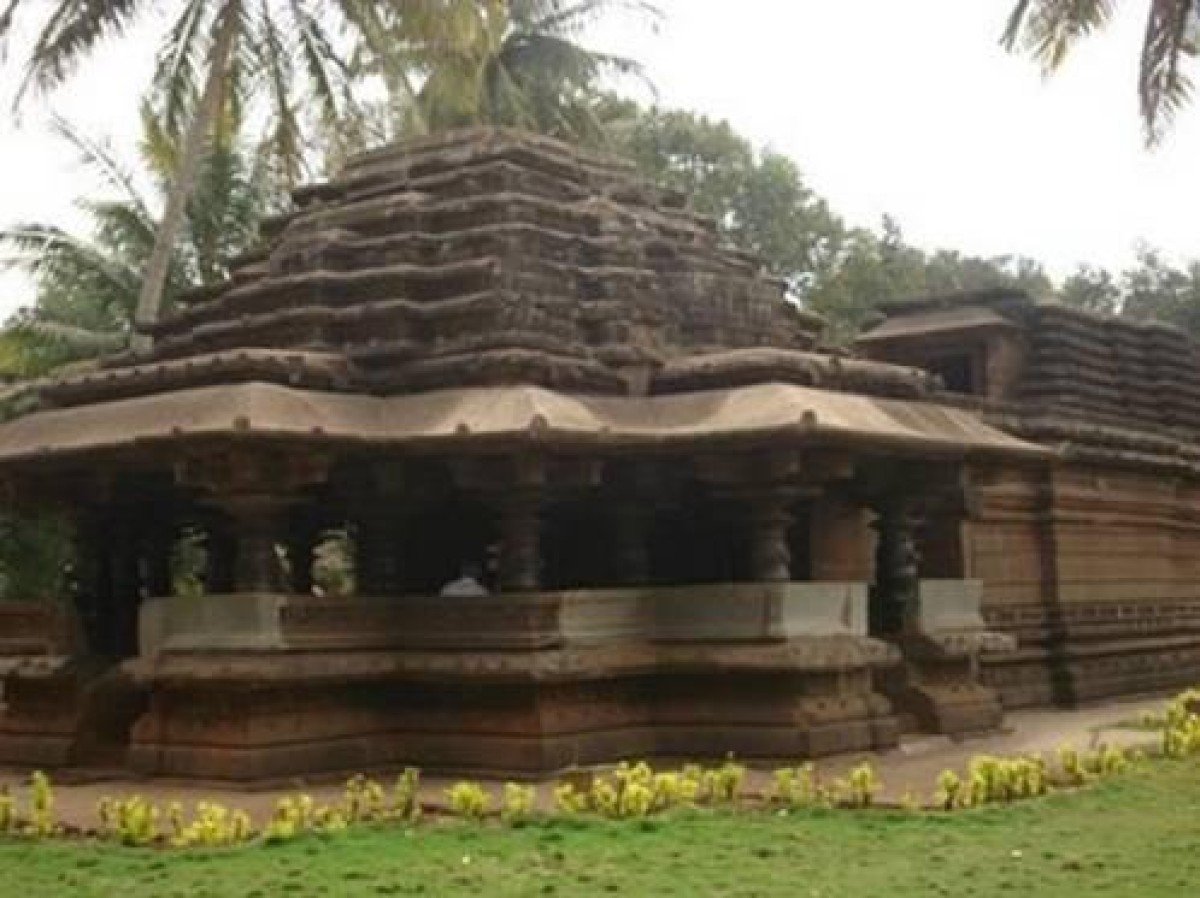
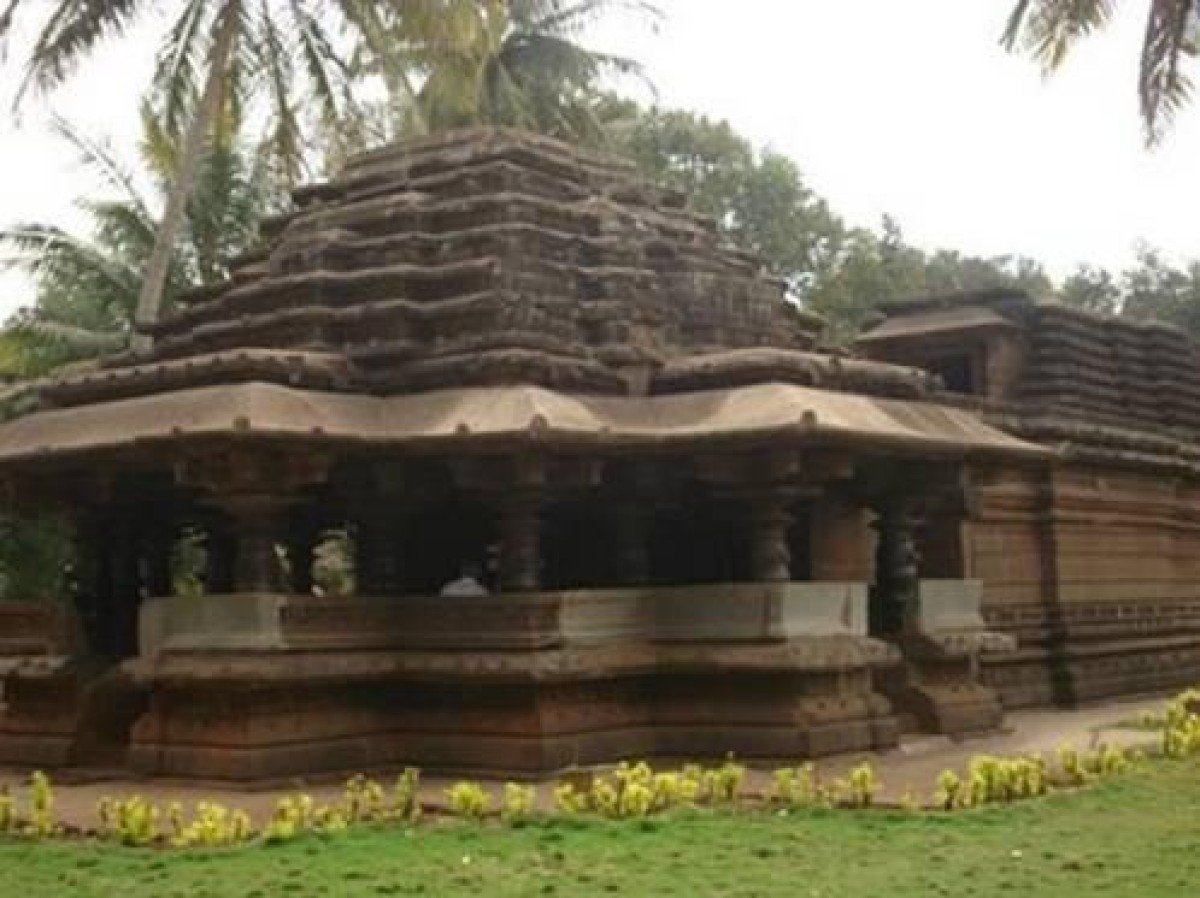
Key Architectural Elements: The present main entrance gate, which replaced the original, is a fine example of Indian architecture, adorned with large, intricate motifs of birds and animals. Inside, the Kamal Basadi (Jain Temple) is the most prominent architectural marvel, displaying the Chalukyan style. Its Mukhamantapa (main hall) ceiling features an exquisite lotus carving (Kamal) with 72 petals, and the pillars are neatly carved and polished, some made of black basaltic stone. The Safa Masjid features minars, domes, and arches, reflecting the typical Indo-Saracenic and Deccan fusion.
-
How To Reach:
By Air: The nearest airport is Belagavi Airport (IXG), located about 10-15 KMS from the fort (near Sambra). It is well-connected by domestic flights to major Indian cities like Bengaluru, Mumbai, and Hyderabad. From the airport, a pre-paid taxi or a ride-share service is t...By Air: The nearest airport is Belagavi Airport (IXG), located about 10-15 KMS from the fort (near Sambra). It is well-connected by domestic flights to major Indian cities like Bengaluru, Mumbai, and Hyderabad. From the airport, a pre-paid taxi or a ride-share service is the most convenient option to reach the fort, taking approximately 30-45 minutes.
By Train: The fort is very accessible by train, as the Belagavi Railway Station (also known as Belgaum Railway Station - BGM) is just about 3 KMS away. The station is a major hub with regular express and passenger trains connecting it to cities like Bengaluru, Mumbai, Pune, and Goa. From the station, you can easily hire an auto-rickshaw (tuk-tuk) or a taxi for a quick 10-15 minute ride to the fort.
By Road (Bus/Car): Belagavi is strategically located on National Highway NH48 (connecting Bengaluru and Pune) and is very well-connected by road. The Central Bus Stand (CBT) is approximately 1 KM from the fort, making it a very short walk or auto-rickshaw ride. State-run buses (KSRTC/MSRTC) and private luxury buses run frequently from all major cities in Karnataka and neighboring states like Maharashtra and Goa. If driving by car, the fort is easily located using GPS, and limited parking is usually available nearby.
By Local Transport: Within the city, local buses, share-autos (tuk-tuks), and cycle-rickshaws are readily available. An auto-rickshaw is the most practical way to travel from the bus stand or railway station directly to the fort entrance. Ensure you negotiate the fare or use a metered/ride-share service.
-
Weather and Best Time to Visit:
Different Types of Seasons: The Winter Season (October to February) is the absolute best time to visit. The weather is cool, dry, and very pleasant, with daytime temperatures ranging from 15°C to 25°C, making walking and exploring the fort comfortable. The Summer Season ...Different Types of Seasons: The Winter Season (October to February) is the absolute best time to visit. The weather is cool, dry, and very pleasant, with daytime temperatures ranging from 15°C to 25°C, making walking and exploring the fort comfortable. The Summer Season (March to May) is hot and should be avoided, as high temperatures can make outdoor exploration exhausting. The Monsoon Season (June to September) brings heavy to moderate rainfall. While the surrounding area, including Kote Kere, looks lush and beautiful, the rain can disrupt movement and make the stone surfaces slippery, so it is a secondary choice for visitors.
Different Parts of the Day: As mentioned, the ideal parts of the day are Early Mornings (8:00 AM - 10:00 AM) and Late Afternoons (4:00 PM - 6:30 PM). Mornings are great for history enthusiasts to beat the crowds, and afternoons offer the best photographic light. Avoid the period between 11:00 AM and 3:00 PM due to the intense midday sun.
-
Near Tourist Places:
1. Fort Lake (Kote Kere) (0. 5 KMS) 2. Kamal Basadi (Inside the fort) 3. Safa Masjid (Inside the fort) 4. Military Mahadeva Temple (2. 1 KMS) 5. Kapileshwara Temple (2. 3 KMS) 6. Ramakrishna Mission Ashram (Inside the fort) 7. National Flag Monument (Karnatakada Kottalige) (1. 5 KMS) 8. Shri Hari Mandir (3 KMS) 9. St. Mary's Church (2 KMS) 10. Sadar Bazaar (for shopping) (2. 5 KMS)
Tourism Tips
-
Health & Safety: Wear comfortable walking shoes, as the terrain inside the fort can be uneven. Carry a reusable water bottle, especially during the non-winter months, to stay hydrated. Be mindful of stray dogs and monkeys, and avoid feeding them. It's advisable to carry b...Health & Safety: Wear comfortable walking shoes, as the terrain inside the fort can be uneven. Carry a reusable water bottle, especially during the non-winter months, to stay hydrated. Be mindful of stray dogs and monkeys, and avoid feeding them. It's advisable to carry basic first-aid items like band-aids and antiseptic wipes.
Packing Essentials: Carry a hat, sunglasses, and sunscreen, even in winter, as the open fort area offers little shade. Bring a good camera or smartphone for photos, but be prepared to pay the video camera fee if you intend to film extensively. If visiting during the monsoon, a rain jacket or umbrella is essential.
Accommodation: Belagavi offers a range of accommodation options. For a comfortable stay, look for hotels near the city center or the Cantonment area, as they are close to the fort. Options range from budget-friendly guesthouses to mid-range and luxury hotels like UK 27 The Fern or Fairfield by Marriott Belagavi. Booking in advance, especially during the December/January peak season, is highly recommended.
Cultural Respect & Etiquette: Remember that the fort contains active places of worship (temples and mosques). Dress modestly, covering shoulders and knees, especially when entering the religious shrines. Remove footwear before entering the temples and mosques. Be respectful of the Indian Army establishments within the fort area, and do not attempt to photograph restricted zones. Hire an official guide for detailed historical insights, but be wary of unauthorized touts.
Reviews
FAQs
Belagavi Itineray And Cost:-
Other Places In Belagavi :-
Other States In India :-
Information about New and Updated Locations() of Karnataka Has Been Added :-
Card subtitle
Note:-
Information provided here in good Faith and for reference only.
Near Places
Basava Sagara
Some quick example text to build on the card title and make up the bulk of the card's content.
Go somewhere
Belagavi Fort
Some quick example text to build on the card title and make up the bulk of the card's content.
Go somewhere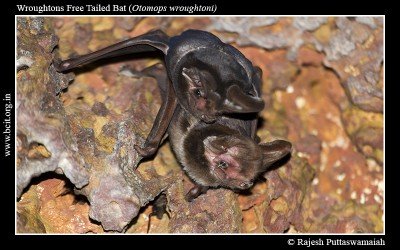
Bhimgad Wildlife Sanctuary
Some quick example text to build on the card title and make up the bulk of the card's content.
Go somewhere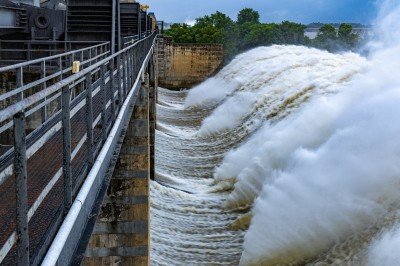
Dhupdal Dam
Some quick example text to build on the card title and make up the bulk of the card's content.
Go somewhere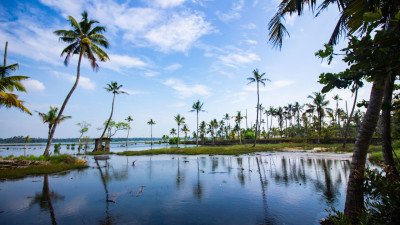
Fort Lake
Some quick example text to build on the card title and make up the bulk of the card's content.
Go somewhere
Ghataprabha Bird Sanctuary
Some quick example text to build on the card title and make up the bulk of the card's content.
Go somewhere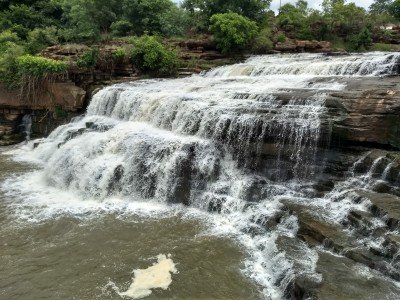
Godachinmalki Falls
Some quick example text to build on the card title and make up the bulk of the card's content.
Go somewhere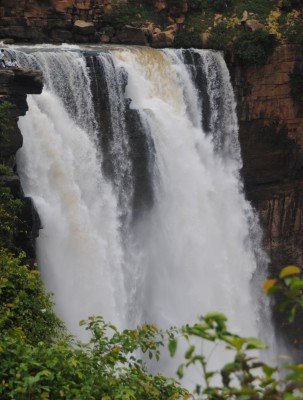
Gokak Falls
Some quick example text to build on the card title and make up the bulk of the card's content.
Go somewhere
Hidkal Dam
Some quick example text to build on the card title and make up the bulk of the card's content.
Go somewhere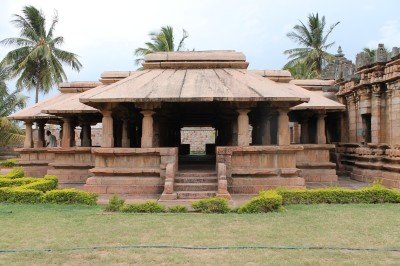
Hooli Panchalingeshwara Temple
Some quick example text to build on the card title and make up the bulk of the card's content.
Go somewhere
Hukkeri Math
Some quick example text to build on the card title and make up the bulk of the card's content.
Go somewhere
Jamboti Hills
Some quick example text to build on the card title and make up the bulk of the card's content.
Go somewhere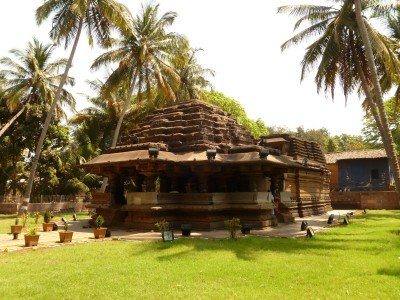
Kamala Basadi
Some quick example text to build on the card title and make up the bulk of the card's content.
Go somewhere
Kapileshwara Temple
Some quick example text to build on the card title and make up the bulk of the card's content.
Go somewhere
Kittur Fort & Palace
Some quick example text to build on the card title and make up the bulk of the card's content.
Go somewhere
Konkan Railway Viaduct Viewpoint
Some quick example text to build on the card title and make up the bulk of the card's content.
Go somewherein Other Cities