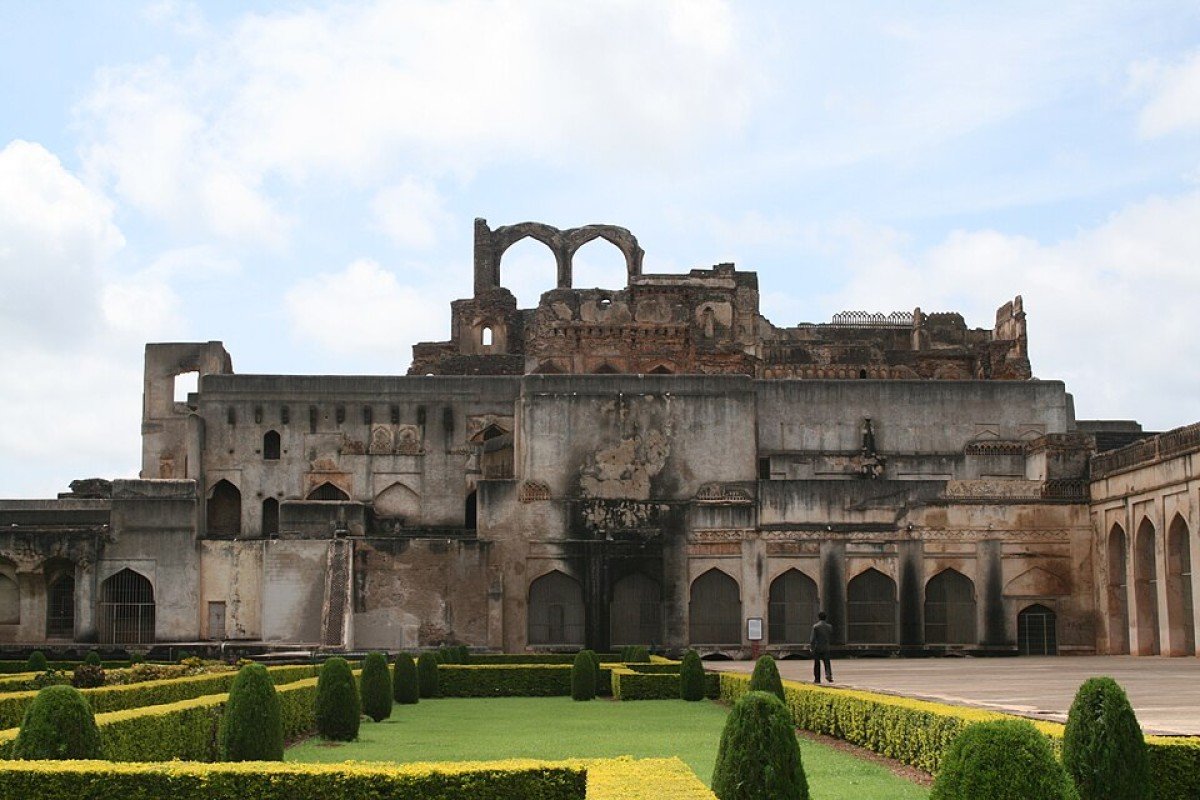
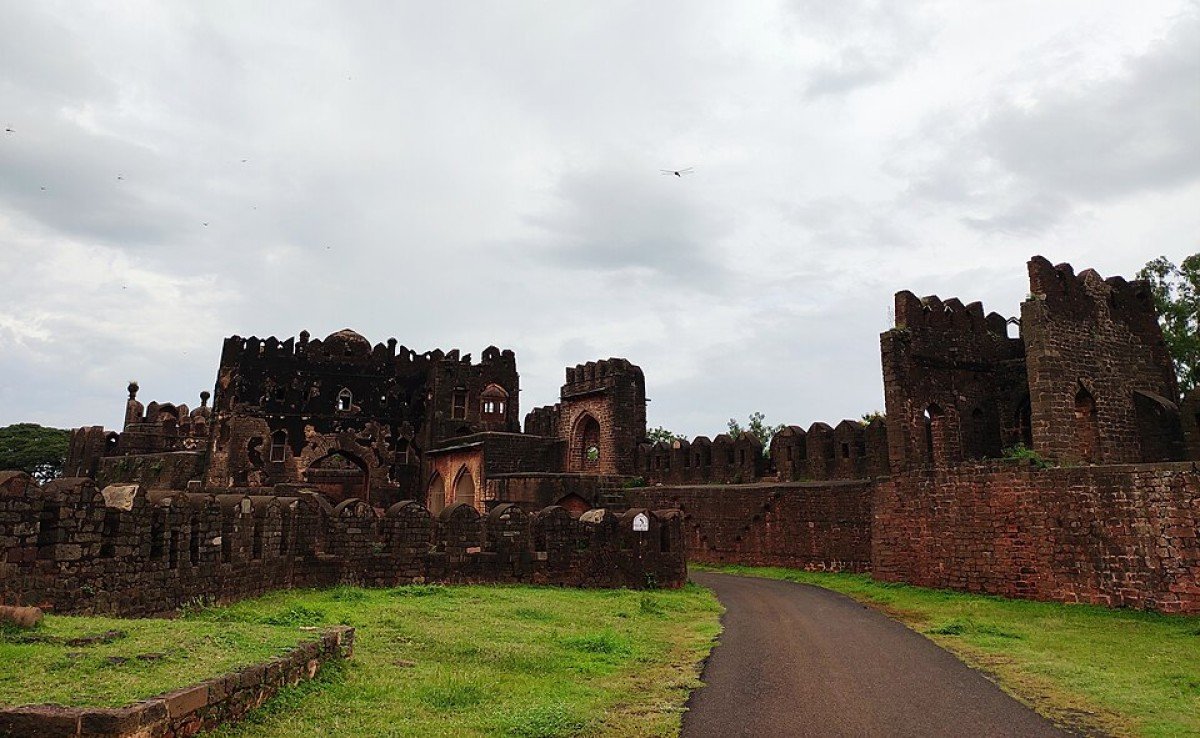
Bidar Fort
General information
-
Ideal Duration:
3-4 Hours (For comprehensive tour):Place Type:
Fortress/Historical Citadel:Entry Fees:
Indian Nationals:
Entry is typically free for the main fort complex: A nominal fee (e. g. , Rs.20 to Rs.30) is charged for the small Fort Museum inside:
Foreign Nationals: The main fort complex is often free, but ...Indian Nationals:
Entry is typically free for the main fort complex: A nominal fee (e. g. , Rs.20 to Rs.30) is charged for the small Fort Museum inside:
Foreign Nationals: The main fort complex is often free, but the museum may have a higher fee (e. g. , Rs.100 to Rs.200):
Camera/Video:
Still photography is free:
Video cameras might incur a small fee:
Guide Fees: A professional guide will cost between Rs.500 and Rs.1,000 for a full tour of the complex:
Parking: Paid parking is available near the main entrance gates:Timing:
Regular Timings: Open daily from 9:00 AM to 5:00 PM (check the specific timings for the Rangeen Mahal and the museum, which may close earlier):
Ideal Visit Time: Start the visit in the early morning (9:00 AM to 1:00 PM) to cover the vast area...Regular Timings: Open daily from 9:00 AM to 5:00 PM (check the specific timings for the Rangeen Mahal and the museum, which may close earlier):
Ideal Visit Time: Start the visit in the early morning (9:00 AM to 1:00 PM) to cover the vast area before the peak heat and allow enough time for a comprehensive tour:
Avoid Rush: Weekends and public holidays see more crowds, so a weekday visit is ideal for a peaceful experience:
Best Month: The comfortable weather of October to February (Winter) makes the extensive walking tour enjoyable:Special Events:
Local Jatra near Papnash: Though not in the fort, the famous Jatra (temple fair) at Papnash Shiva Temple (nearby) sometimes coincides with a visit, offering a local cultural experience:
Heritage Photo Walks: Local photography and history club...Local Jatra near Papnash: Though not in the fort, the famous Jatra (temple fair) at Papnash Shiva Temple (nearby) sometimes coincides with a visit, offering a local cultural experience:
Heritage Photo Walks: Local photography and history clubs often organize guided photo walks within the fort complex, especially on weekend mornings, which visitors can sometimes join:
ASI Special Events: The Archaeological Survey of India (ASI) occasionally holds heritage awareness programs, temporary exhibitions, or lectures within the fort's grounds or the attached museum:Best Photo Spots:
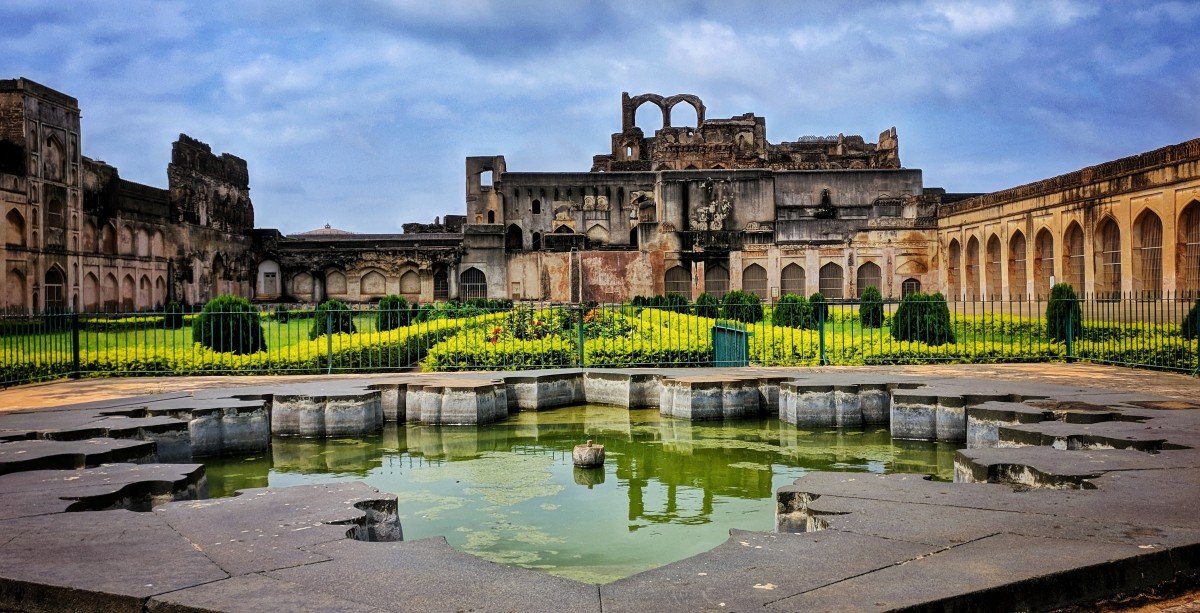
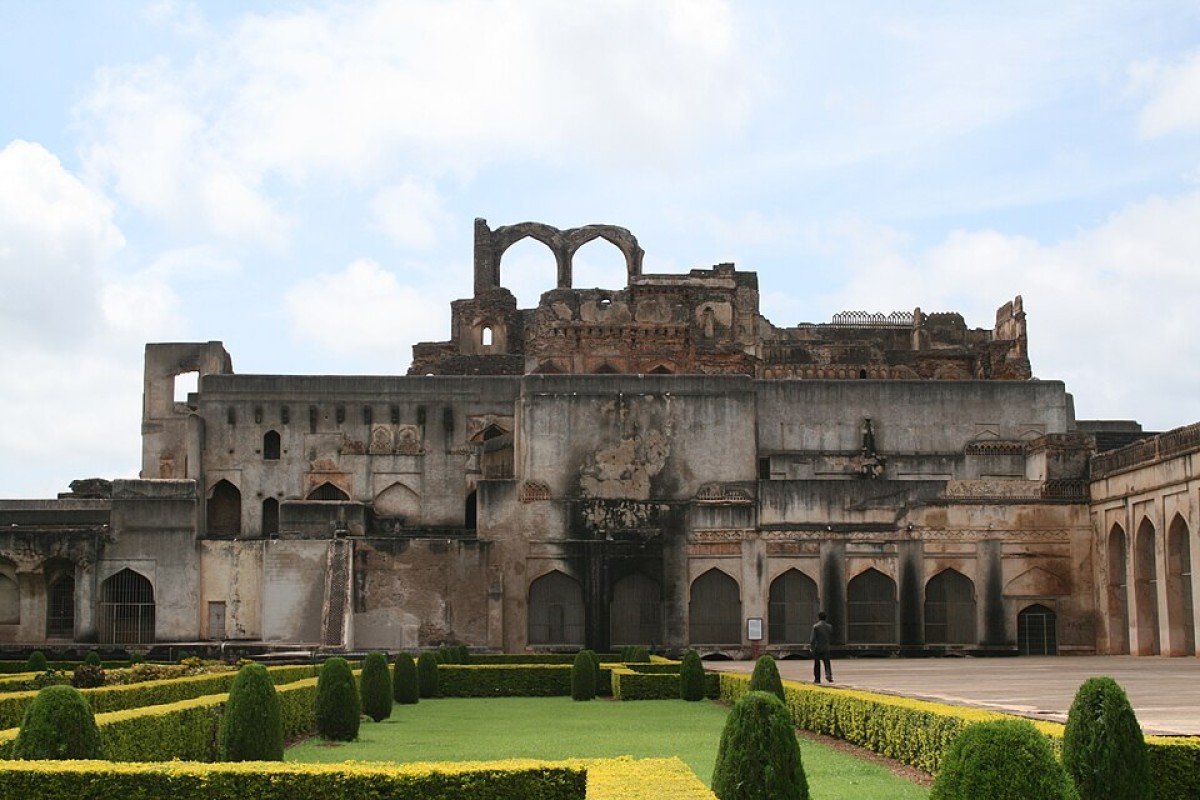
The Rangeen Mahal Facade: Capture the remaining sections of the Rangeen Mahal’s vibrant Persian tilework and wood carving, focusing on the vivid colors:
View from the Bastions: Climb to the top of a bastion (like the Fath Darwaza bastion) f...The Rangeen Mahal Facade: Capture the remaining sections of the Rangeen Mahal’s vibrant Persian tilework and wood carving, focusing on the vivid colors:
View from the Bastions: Climb to the top of a bastion (like the Fath Darwaza bastion) for a sweeping, cinematic view of the entire fort complex and the surrounding plains:
The Solah Khamba Mosque Interior: A wide-angle shot of the mosque's prayer hall, focusing on the rows of columns and the high arches, conveying a sense of vast, solemn space:
The Winding Entrance: Capture the long, dramatic, multi-gated entrance path, framed by the massive laterite walls, best done in a panorama or with a drone (if permitted):Photo Gallery
Things To Do
-
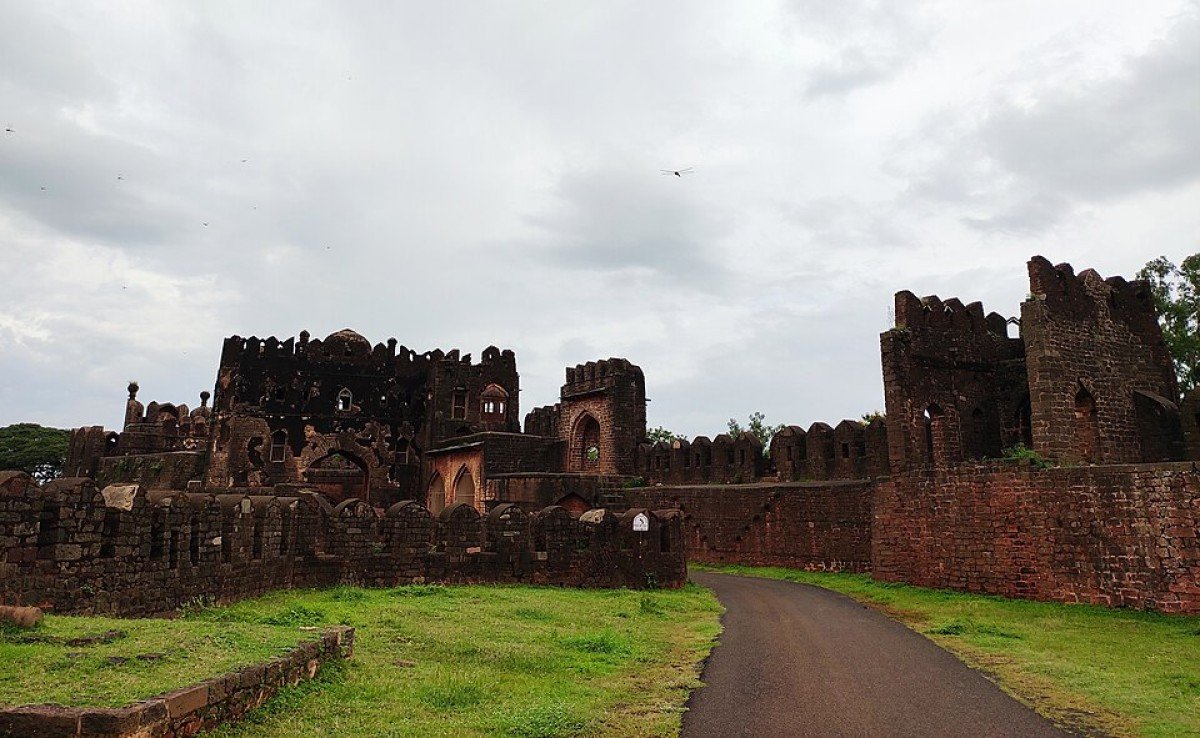
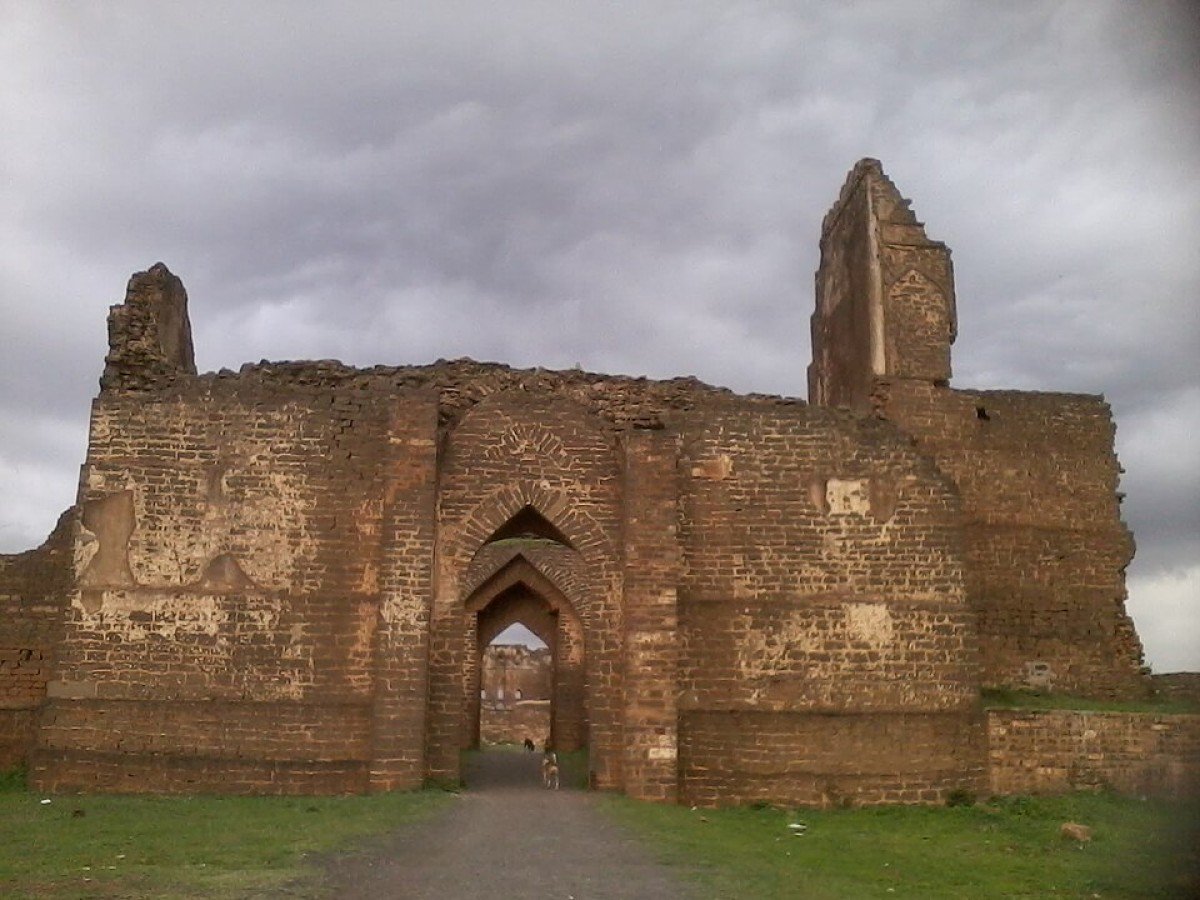
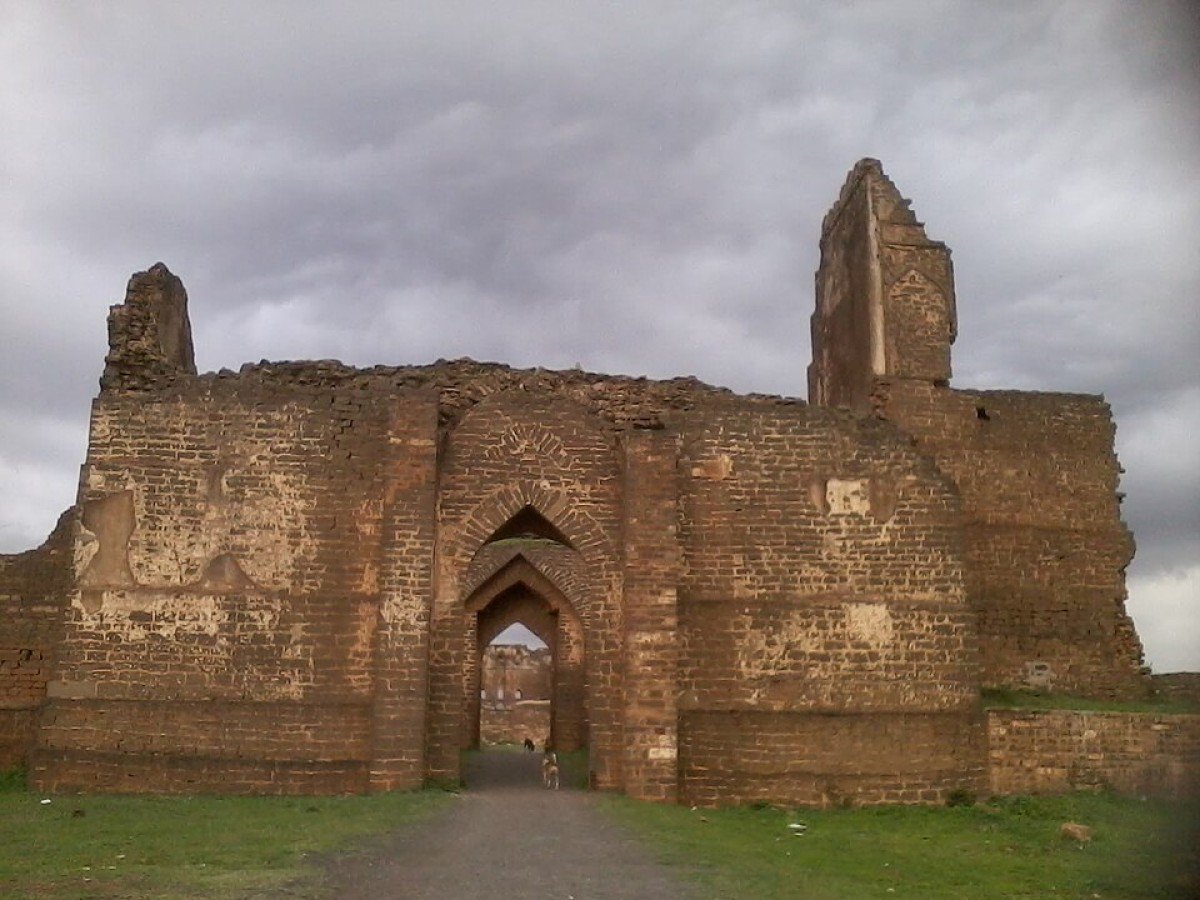
Fortification Walk: Start at the Gumbaz Darwaza and follow the winding path, studying the defensive architecture of the seven gates, the moats, and the 37 bastions, imagining the siege strategies:
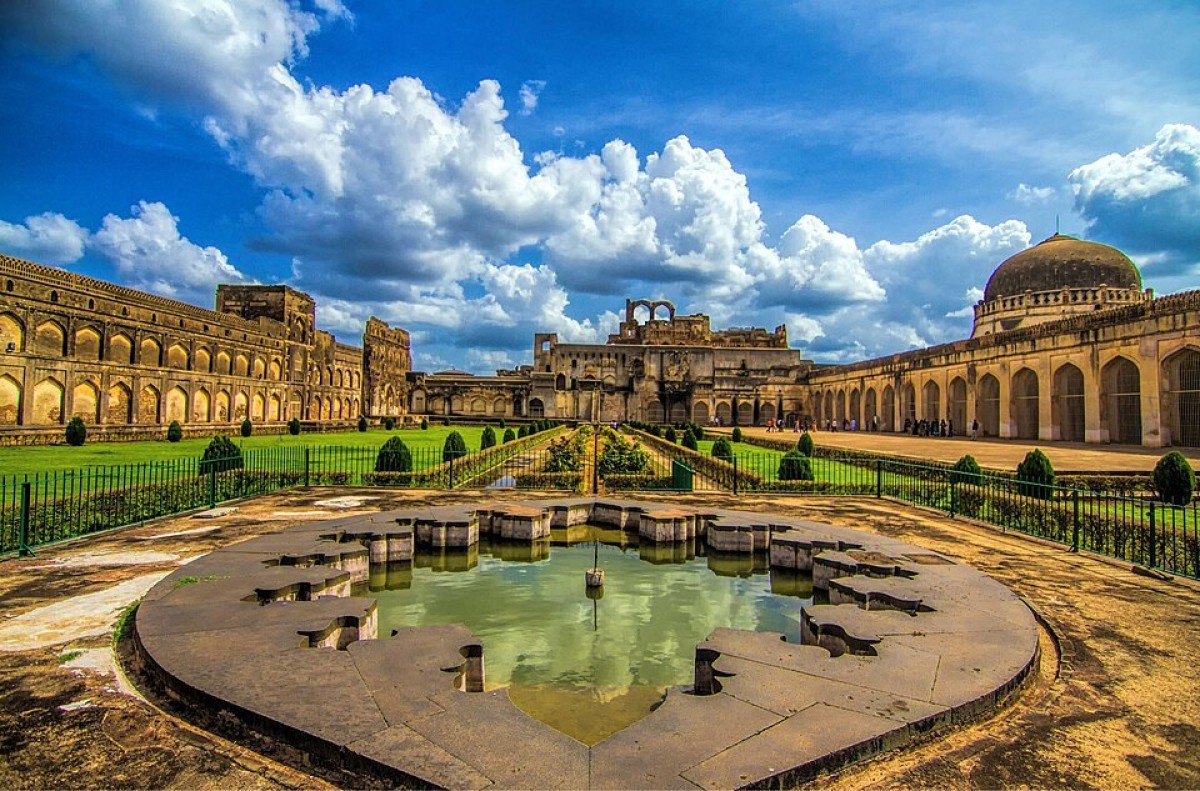
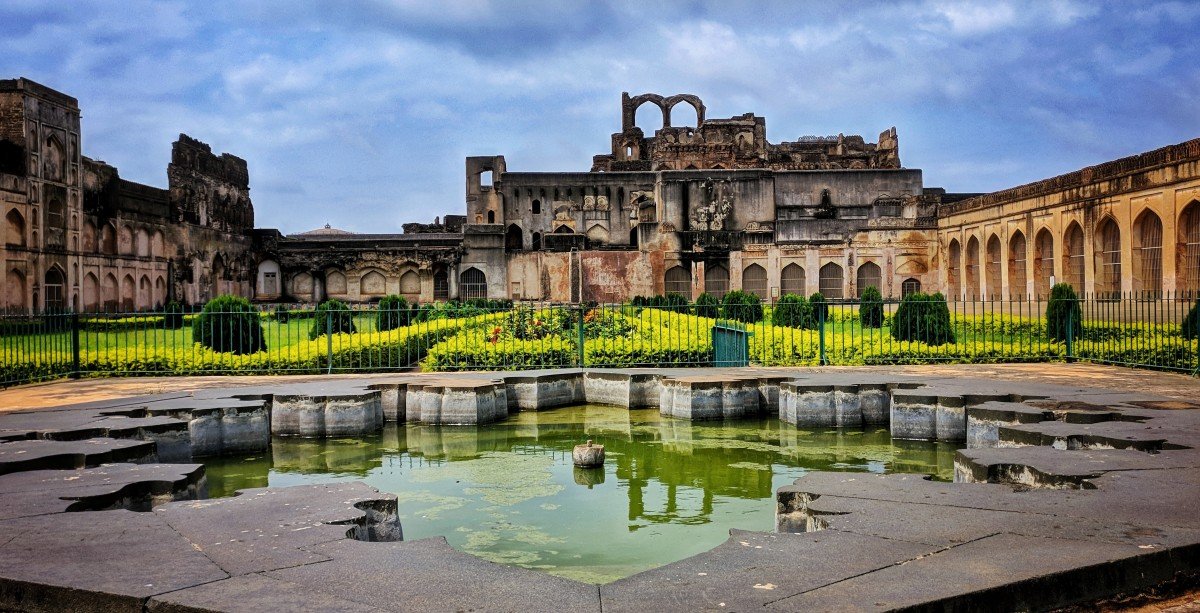
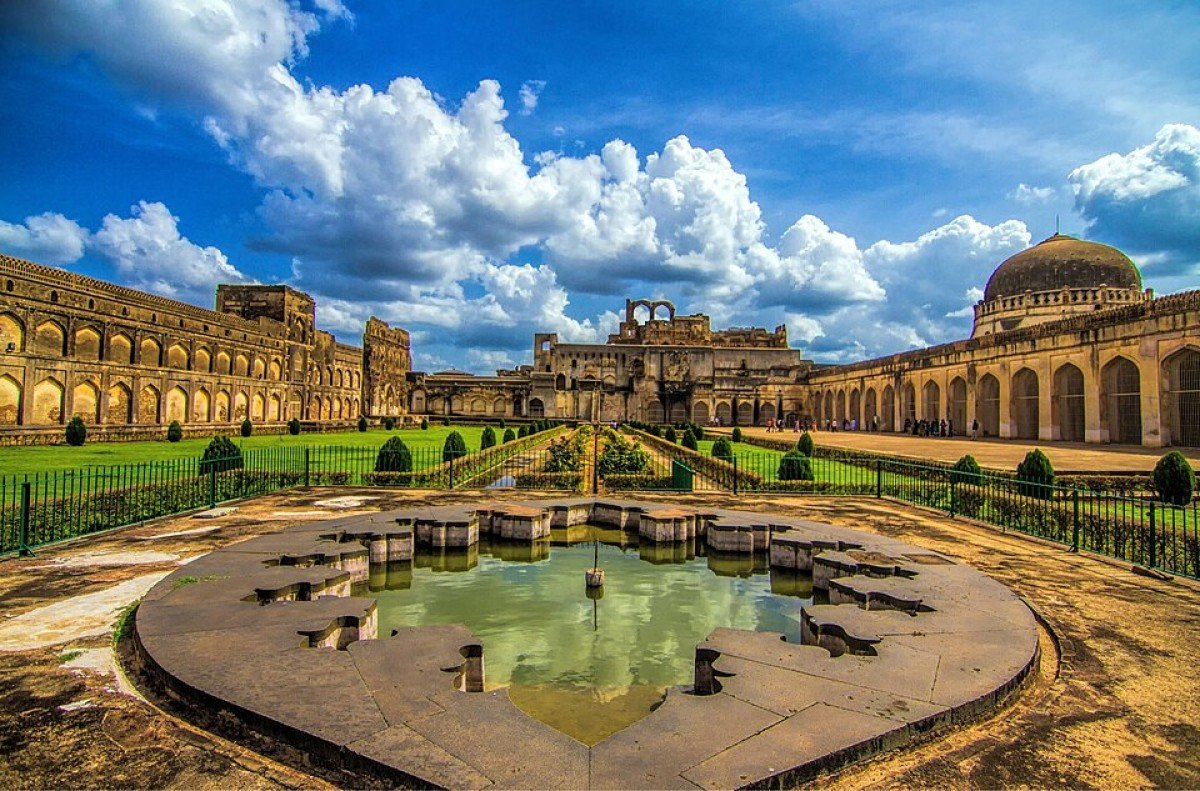
Palace Exploration: Visit the inner citadel to explore the ruins of the Takht Mahal (Throne Palace), Gagan Mahal (Sky Palace), and the highlight, the Rangeen Mahal, focusing on its delicate tile and inlay work:
Mosque Visit: Spend time in the massive Solah Khamba Mosque, appreciating its solemn, vast prayer hall and the simple grandeur of Bahmani religious architecture:
Karez Study: Try to locate the exposed air shafts of the Karez water system near the fort walls, reflecting on the engineering genius of the 15th century:
Sunset View: Climb...Fortification Walk: Start at the Gumbaz Darwaza and follow the winding path, studying the defensive architecture of the seven gates, the moats, and the 37 bastions, imagining the siege strategies:
Palace Exploration: Visit the inner citadel to explore the ruins of the Takht Mahal (Throne Palace), Gagan Mahal (Sky Palace), and the highlight, the Rangeen Mahal, focusing on its delicate tile and inlay work:
Mosque Visit: Spend time in the massive Solah Khamba Mosque, appreciating its solemn, vast prayer hall and the simple grandeur of Bahmani religious architecture:
Karez Study: Try to locate the exposed air shafts of the Karez water system near the fort walls, reflecting on the engineering genius of the 15th century:
Sunset View: Climb one of the accessible bastions or the fort walls (Sharraza Darwaza area is good) in the late afternoon for a spectacular, panoramic view of the Bidar city and the surrounding plateau at sunset:
Photography of Details and Grandeur: Focus on the large scale of the defensive walls and the small, intricate tiles and carvings of the palaces:
Local Guide Session: Hire a local ASI-approved guide at the entrance for detailed stories and historical context for the vast number of monuments inside:
Information
-
Why Famous:
One of India's Finest: The Bidar Fort is famous as one of the largest, best-preserved, and most formidable forts in India, known for its robust triple-moat defenses and winding, multiple-gated entrance path:
Center of Deccan Power: It is famo...One of India's Finest: The Bidar Fort is famous as one of the largest, best-preserved, and most formidable forts in India, known for its robust triple-moat defenses and winding, multiple-gated entrance path:
Center of Deccan Power: It is famous as the seat of two dynasties—the Bahmanis and the Barid Shahis—for over three centuries, making it central to the political history of the Deccan Plateau:
The Rangeen Mahal: The inner citadel is famous for the Rangeen Mahal (Palace of Colors), which showcases an exceptional blend of exquisite Persian-style tilework, stucco, and precious mother-of-pearl inlays, representing the height of Bahmani artistic taste:
Ancient Water System: The fort is renowned for its ingenious underground water supply system, the Karez (or Surang Bawadi), which harnessed sub-surface water channels, an ancient Persian technology crucial for the fort's survival during sieges: -
Architecture:
Fortress Dimensions: The fort is an irregular rhombus shape, approximately 1. 21 KMS long and 0.
80 KMS broad: The outer walls extend for about 2.
5 KMS: It is protected by a triple-channeled moat carved out o...Fortress Dimensions: The fort is an irregular rhombus shape, approximately 1. 21 KMS long and 0.
80 KMS broad: The outer walls extend for about 2.
5 KMS: It is protected by a triple-channeled moat carved out of the laterite rock:
The Seven Gates: The entrance features a complex, winding path designed to trap invaders: Key gates include the Mandu Darwaza (main entrance), Gumbaz Darwaza, and the Delhi Darwaza: Each gate is protected by massive barbicans and high walls:
Palatial Architecture: The internal palaces (Rangeen Mahal, Takht Mahal) showcase a mix of open courtyards, subterranean chambers, and intricate tilework: The Rangeen Mahal is famous for its vibrant tile mosaics and mother-of-pearl inlays:
The Solah Khamba Mosque: This mosque, built in 1423, is one of the largest in South India, featuring a prayer hall supported by 16 (Solah) columns, showcasing simple but massive Bahmani congregational architecture:
Laterite Construction: The fort is predominantly built from local red laterite stone, a soft rock that hardens upon exposure, lending the fort its distinctive color and rough texture: -
How To Reach:
By Air: The nearest major airport is Rajiv Gandhi International Airport (HYD) in Hyderabad (140 KMS):
The Bidar Airport (VDBR) has limited service:
Hire a taxi or take a bus from HYD to Bidar:By Air: The nearest major airport is Rajiv Gandhi International Airport (HYD) in Hyderabad (140 KMS):
The Bidar Airport (VDBR) has limited service:
Hire a taxi or take a bus from HYD to Bidar:
By Train:
Bidar Railway Station (BIDR) is well-connected: The fort is only about 2.
5 KMS from the station: Auto-rickshaws and local taxis are readily available;
the ride is very short:
By Road: The fort is centrally located and well-signed within Bidar city, connected to NH 50 and NH 65: State Transport buses are the most common way to arrive in Bidar from surrounding cities:
By Local Transport: Highly accessible by city buses, taxis, and auto-rickshaws: The fort area is a prominent stop on all local routes: You can also easily walk to the fort from the old city area: -
Weather and Best Time to Visit:
Seasonal Comfort:
Winter (October to February) is the prime season: The weather is cool, perfect for the 3-4 hour walking tour needed to cover the entire fort complex without fatigue:
Part of the Day:
<...Seasonal Comfort:
Winter (October to February) is the prime season: The weather is cool, perfect for the 3-4 hour walking tour needed to cover the entire fort complex without fatigue:
Part of the Day:
Morning is the best time to start the tour: The light is soft for photography, and the temperature is pleasant: Late afternoon is good for the sunset view from the bastions:
Summer Warning: Avoid the extreme heat of Summer (March to May), which can make the extensive outdoor walking dangerous:
The stone walls absorb and radiate heat: -
Near Tourist Places:
Chaubara Tower (2 KMS), Mahmud Gawan Madrasa (1. 5 KMS), Barid Shahi Tombs (3 KMS), Bidar Fort Museum (Inside, 0 KMS), Solah Khamba Mosque (Inside, 0. 5 KMS), Rangeen Mahal (Inside, 0. 5 KMS), Ashtoor Bahmani Tombs (6 KMS), Guru Nanak Jhira Sahib (5 KMS), Narasimha Jhira Cave Temple (10 KMS), Papnash Shiva Temple (6 KMS):
Tourism Tips
-
Health & Safety:
The site is huge and involves a lot of walking:
Carry sufficient water: Be cautious of the unguarded walls and crumbling steps in the ruins:
Wear a hat and use sun...Health & Safety:
The site is huge and involves a lot of walking:
Carry sufficient water: Be cautious of the unguarded walls and crumbling steps in the ruins:
Wear a hat and use sunscreen:
Packing Essentials:
Wear sturdy walking shoes: Carry binoculars for viewing the higher architectural details and a wide-angle lens for capturing the vast scale of the fortifications:
Accommodation: Stay in a hotel in the main Bidar town center or near the bus stand for easy access, as there are no accommodations within the fort complex:
Other Tips:
Hire a guide at the entrance: Plan your route in advance to cover all key monuments (Rangeen Mahal, Solah Khamba Mosque, Takht Mahal) efficiently: Carry a small torch for viewing subterranean passages or the darker areas of the Rangeen Mahal:
Reviews
FAQs
Bidar Itineray And Cost:-
Other Places In Bidar :-
Other States In India :-
Information about New and Updated Locations() of Karnataka Has Been Added :-
Card subtitle
Note:-
Information provided here in good Faith and for reference only.
Near Places
Ahmad Shah Wali Bahman Tomb
Some quick example text to build on the card title and make up the bulk of the card's content.
Go somewhere
Anubhava Mantapa
Some quick example text to build on the card title and make up the bulk of the card's content.
Go somewhere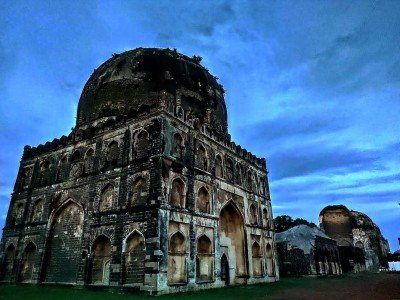
Bahmani Tombs
Some quick example text to build on the card title and make up the bulk of the card's content.
Go somewhere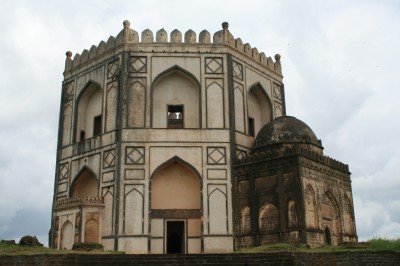
Barid Shahi Tombs
Some quick example text to build on the card title and make up the bulk of the card's content.
Go somewhere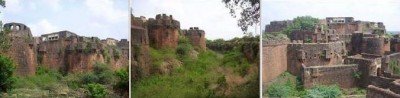
Basavakalyan Fort
Some quick example text to build on the card title and make up the bulk of the card's content.
Go somewhere
Basaveshwara Circle
Some quick example text to build on the card title and make up the bulk of the card's content.
Go somewhere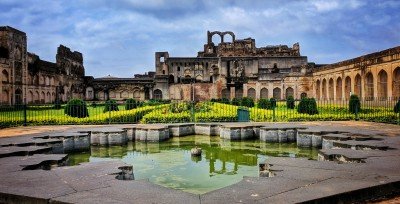
Bidar Fort
Some quick example text to build on the card title and make up the bulk of the card's content.
Go somewhere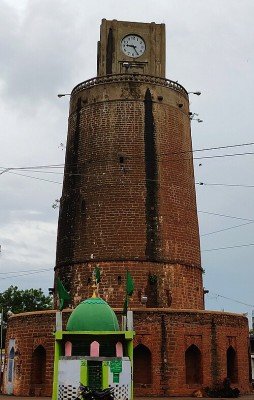
Chaubara Tower
Some quick example text to build on the card title and make up the bulk of the card's content.
Go somewhere
Chaukhandi of Hazrat Khalil Ullah
Some quick example text to build on the card title and make up the bulk of the card's content.
Go somewhere
Dev Dev Vana
Some quick example text to build on the card title and make up the bulk of the card's content.
Go somewhere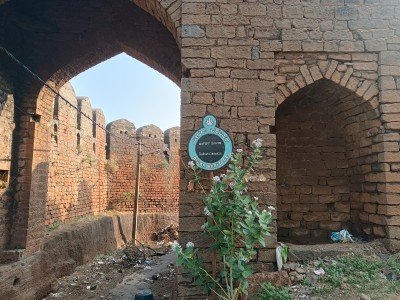
Dulhan Darwaza
Some quick example text to build on the card title and make up the bulk of the card's content.
Go somewhere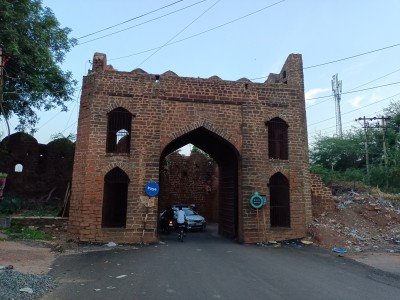
Fateh Darwaza
Some quick example text to build on the card title and make up the bulk of the card's content.
Go somewhere
Gumbaz Darwaza
Some quick example text to build on the card title and make up the bulk of the card's content.
Go somewhere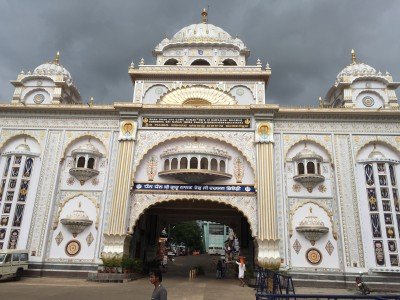
Guru Nanak Jhira Sahib
Some quick example text to build on the card title and make up the bulk of the card's content.
Go somewhere
Hazar Kothari
Some quick example text to build on the card title and make up the bulk of the card's content.
Go somewhere
Karanja Dam
Some quick example text to build on the card title and make up the bulk of the card's content.
Go somewherein Other Cities