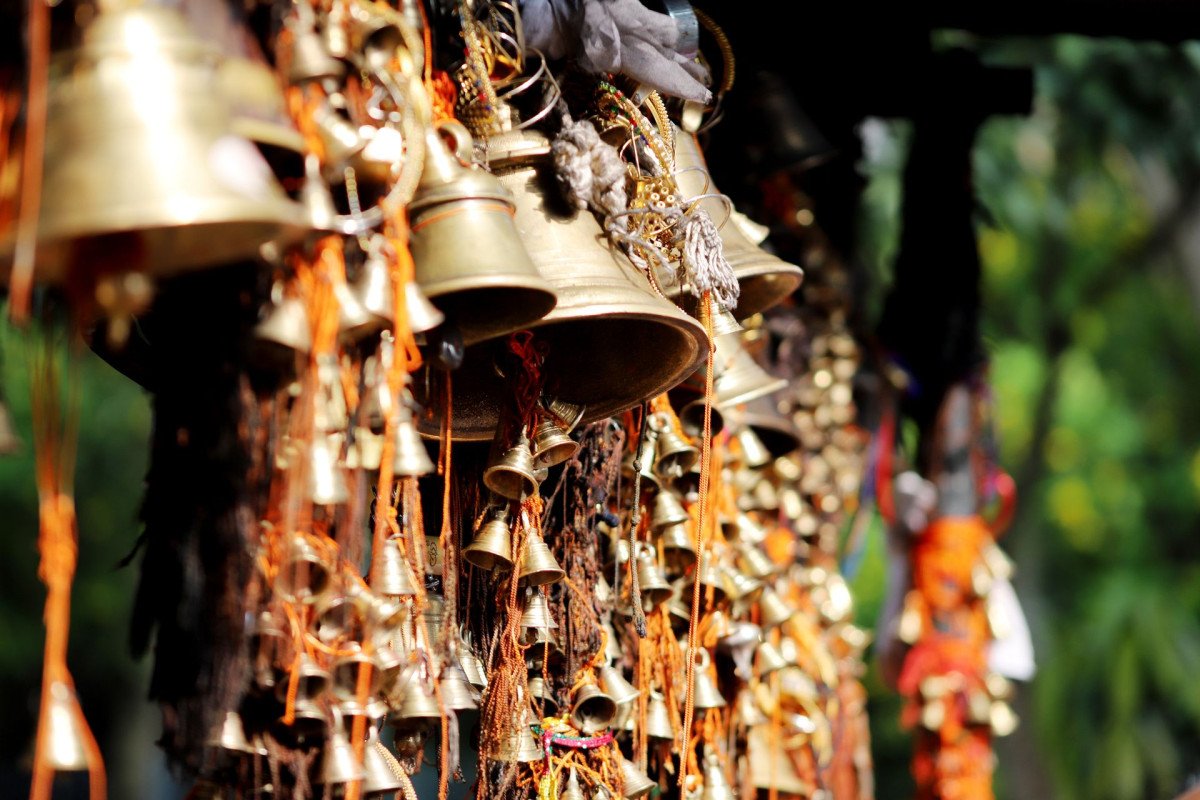
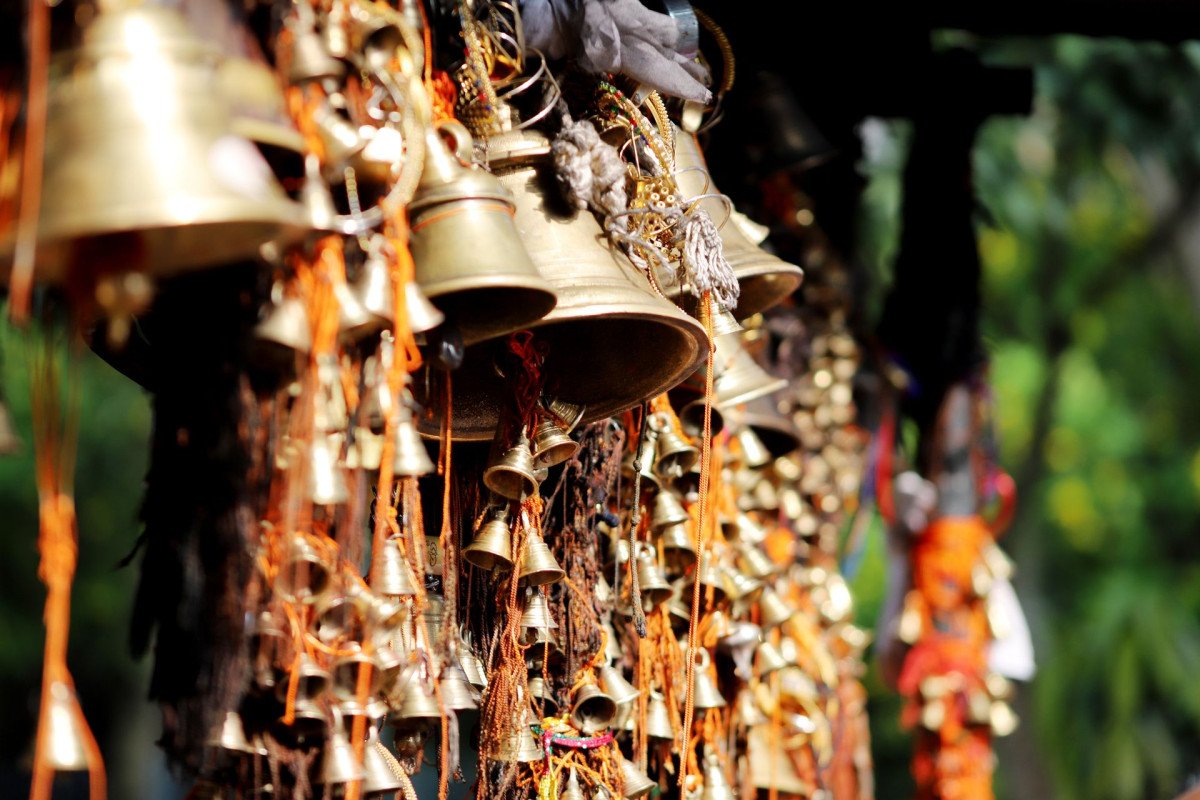
Budharaja Temple
General information
-
Ideal Duration:
2-3 Hours:Place Type:
Religious and Scenic Spot:Entry Fees:
City Municipality Park Area Fee: Minimal Fee (Rs.5 - Rs.10) for entry to the developed park area/watchtower at the hilltop; the temple itself is generally free for darshan. This small fee contributes to the maintenance of the park and viewing facilities.
Read MoreCity Municipality Park Area Fee: Minimal Fee (Rs.5 - Rs.10) for entry to the developed park area/watchtower at the hilltop; the temple itself is generally free for darshan. This small fee contributes to the maintenance of the park and viewing facilities.
Parking Fees: Nominal charges (Rs.10 - Rs.30) may apply for two-wheelers and four-wheelers respectively, depending on the volume of visitors.
Mandatory Donations: The temple does not enforce any mandatory entry fee for the sanctum, but voluntary donations for seva or prasad are accepted from the devotees.
Photography/Videography: Generally free for personal use; commercial filming would require prior permission and a significant fee from the local authorities and temple trust. :Timing:
Regular Timings: 6:00 AM to 7:00 PM Daily (Temple Darshan hours may be slightly shorter or longer based on local rituals).
Pooja and Ritual Times: Morning aarti is typically around 6:30 AM; Evening aarti is around 6:30 PM. Visitors should ...Regular Timings: 6:00 AM to 7:00 PM Daily (Temple Darshan hours may be slightly shorter or longer based on local rituals).
Pooja and Ritual Times: Morning aarti is typically around 6:30 AM; Evening aarti is around 6:30 PM. Visitors should check the current schedule for specific ritual times.
Ideal Visit Time: The best time is during Sunrise (around 5:30 AM to 7:00 AM) for a peaceful atmosphere and a great view before the day's heat sets in, or during Sunset (around 5:00 PM to 6:30 PM) to see the city lights come alive.
Daytime Considerations: The temple is generally quiet during the midday hours, but the heat can be intense between 11:00 AM and 3:00 PM. :Special Events:
Sital Sasthi Festival: This is the main festival celebrated at the temple, marking the celestial marriage of Lord Shiva and Goddess Parvati. It is celebrated with immense devotion, attracting thousands of devotees.
Maha Shivaratri: Another ...Sital Sasthi Festival: This is the main festival celebrated at the temple, marking the celestial marriage of Lord Shiva and Goddess Parvati. It is celebrated with immense devotion, attracting thousands of devotees.
Maha Shivaratri: Another major festival where devotees observe fasts and offer special prayers to Lord Shiva throughout the day and night. The temple is especially crowded and beautifully decorated during this time.
Local Purnima Celebrations: Full moon days often see an increase in local foot traffic for special religious observances and pujas, though it is not a formal mela. :Best Photo Spots:
The Watchtower View: The primary spot for capturing the sprawling cityscape, the curve of the Mahanadi River, and the reservoir of Hirakud Dam on a clear day.
Temple Entrance Steps: The long flight of stairs leading up to the temple offers a...The Watchtower View: The primary spot for capturing the sprawling cityscape, the curve of the Mahanadi River, and the reservoir of Hirakud Dam on a clear day.
Temple Entrance Steps: The long flight of stairs leading up to the temple offers a dynamic perspective and is a popular spot for wide-angle shots.
The Forested Path: The motorable road or walking trail through the lush green cover provides excellent opportunities for nature photography, especially during the Monsoon season.
The Vimana Backdrop: Close-up shots of the temple structure against the backdrop of the sky, particularly during golden hour, are highly picturesque. :Photo Gallery
Things To Do
-
Trekking and Exercise: Utilize the steep steps or the motorable road for a morning hike, a popular activity among local fitness enthusiasts.
Meditation and Prayer: Spend quiet time inside the main shrine for offering prayers to Lord Shiva and experiencing the tranquil spiritual atmosphere.
Photography: Capture the sweeping city panorama, the distant Hirakud Dam view, and scenic sunrise/sunset shots from the observation deck or watchtower.
Picnicking: Enjoy a casual picnic with family and friends at the well-maintained hilltop park near the temple.
Bird Watching: The surrounding forested area is home to various local bird species, offering a peaceful bird-watching experience, especially early in the morning.
Read MoreTrekking and Exercise: Utilize the steep steps or the motorable road for a morning hike, a popular activity among local fitness enthusiasts.
Meditation and Prayer: Spend quiet time inside the main shrine for offering prayers to Lord Shiva and experiencing the tranquil spiritual atmosphere.
Photography: Capture the sweeping city panorama, the distant Hirakud Dam view, and scenic sunrise/sunset shots from the observation deck or watchtower.
Picnicking: Enjoy a casual picnic with family and friends at the well-maintained hilltop park near the temple.
Bird Watching: The surrounding forested area is home to various local bird species, offering a peaceful bird-watching experience, especially early in the morning.
Evening Walk: A serene evening walk on the hilltop while viewing the city lights is highly recommended for a relaxing end to the day.
Historical Reflection: Reflect on the area's historical connection to Veer Surendra Sai by reading about his revolutionary activities in the Sambalpur region.
Local Interaction: Engage with local devotees to learn more about the temple's daily rituals and local legends surrounding the deity and the hill. :
Information
-
Why Famous:
Spiritual and Historical Core: The temple is famous primarily as an ancient Shiva shrine and for its location on Budharaja Hill, offering the best panoramic view of Sambalpur city, the Mahanadi River, and the Hirakud Dam reservoir from a distance. Its deep connection to the...Spiritual and Historical Core: The temple is famous primarily as an ancient Shiva shrine and for its location on Budharaja Hill, offering the best panoramic view of Sambalpur city, the Mahanadi River, and the Hirakud Dam reservoir from a distance. Its deep connection to the local faith and the historical narratives of the Chauhan dynasty's era make it a key cultural landmark. : -
Architecture:
Temple Style and Materials: The temple exhibits traditional Odia temple architecture, though simpler in style compared to major complexes. It utilizes locally available stone and is a modest yet sturdy structure.
Architectural Components: I...Temple Style and Materials: The temple exhibits traditional Odia temple architecture, though simpler in style compared to major complexes. It utilizes locally available stone and is a modest yet sturdy structure.
Architectural Components: It typically consists of a small sanctum (Vimana) where the deity, Lord Shiva (Budharaja), is enshrined in the form of a Shiva Linga. The structure is built on a relatively small base on the natural hillock.
Dimension and Layout: The overall layout is compact, maximizing the use of the limited space on the hilltop. The main temple structure is small, estimated to be around 20 feet high. The surrounding area has been developed with a park and a watchtower, giving a wider, non-traditional architectural footprint to the site. : -
How To Reach:
By Air: The nearest airport is Veer Surendra Sai Airport (JRG) in Jharsuguda, about 61 KM away. From there, hire a pre-paid taxi or take a bus to Sambalpur city center, followed by a local taxi or auto-rickshaw to the hill.
By Train: The ne...By Air: The nearest airport is Veer Surendra Sai Airport (JRG) in Jharsuguda, about 61 KM away. From there, hire a pre-paid taxi or take a bus to Sambalpur city center, followed by a local taxi or auto-rickshaw to the hill.
By Train: The nearest major railway station is Sambalpur Junction (SBP), which is well-connected to major Indian cities. The station is only about 5 KM from the hill. Auto-rickshaws and taxis are readily available outside the station to take you directly to the top.
By Road: Sambalpur is well-connected by National Highways (NH 53, NH 55). You can drive directly to the top of Budharaja Hill as there is a motorable road, or hire a cab from any point in the city.
By Local Transport: Auto-rickshaws are the most common and convenient way to reach the base of the hill and often drive all the way to the top. Local city buses also operate routes near the base. : -
Weather and Best Time to Visit:
Different Seasons: Winter (October to February) is the best time, as the weather is pleasantly cool for hiking and enjoying the panoramic views. Monsoon (July to September) offers lush greenery but the paths can be slippery. Summer (March to June) should be avoided during ...Different Seasons: Winter (October to February) is the best time, as the weather is pleasantly cool for hiking and enjoying the panoramic views. Monsoon (July to September) offers lush greenery but the paths can be slippery. Summer (March to June) should be avoided during midday due to intense heat.
Different Parts of the Day: Early Morning is best for a peaceful atmosphere, a cool breeze, and clear sunrise views. Late Afternoon/Evening is ideal for sunset viewing and seeing the city lights, making it the most popular time for locals and tourists alike. : -
Near Tourist Places:
Sambaleswari Temple (3 KM) Gopalji Math (4 KM) Deer Park (3 KM) Hirakud Dam (16 KM) Pataneswari Temple (3 KM) Leaning Temple of Huma (25 KM) Ghanteswari Temple (33 KM) Chipilima (38 KM) Gudeswar Shiva Temple (7 KM) Jawahar Minar (15 KM)
Tourism Tips
-
Health & Safety: Wear comfortable walking shoes, especially if taking the stairs. Carry water as the climb can be tiring. Be cautious of monkeys, especially when carrying food.
Packing Essentials: Carry a camera for the stunning views, a l...Health & Safety: Wear comfortable walking shoes, especially if taking the stairs. Carry water as the climb can be tiring. Be cautious of monkeys, especially when carrying food.
Packing Essentials: Carry a camera for the stunning views, a light jacket during Winter evenings, and sunglasses/hat for daytime visits.
Accommodation: Plenty of hotels, from budget to luxury, are available in Sambalpur city center, a short drive from the temple.
Other Tips: Respect the religious sanctity of the temple. Photography is generally allowed outside, but be respectful near the main shrine. Plan to visit during a clear day for the best views of the Hirakud Dam. :
Reviews
FAQs
Sambalpur Itineray And Cost:-
Budharaja Temple Tourism:-
Information about New and Updated Locations() of Odisha Has Been Added :-
Card subtitle
Note:-
Information provided here in good Faith and for reference only.
All information and pictures will be updated soon, please keep visiting.
Near Places

Badrama Wildlife Sanctuary
Some quick example text to build on the card title and make up the bulk of the card's content.
Go somewhere
Bhima Mandap
Some quick example text to build on the card title and make up the bulk of the card's content.
Go somewhere
Budharaja Hill
Some quick example text to build on the card title and make up the bulk of the card's content.
Go somewhere
Budharaja Temple
Some quick example text to build on the card title and make up the bulk of the card's content.
Go somewhere
Cattle Island
Some quick example text to build on the card title and make up the bulk of the card's content.
Go somewhere
Chauhan Dev Temple
Some quick example text to build on the card title and make up the bulk of the card's content.
Go somewhere
Chipilima Hydro Electric Project
Some quick example text to build on the card title and make up the bulk of the card's content.
Go somewhere
Debrigarh Wildlife Sanctuary
Some quick example text to build on the card title and make up the bulk of the card's content.
Go somewhere
Deer Park
Some quick example text to build on the card title and make up the bulk of the card's content.
Go somewhere
Ghanteswari Temple
Some quick example text to build on the card title and make up the bulk of the card's content.
Go somewherein Other Cities