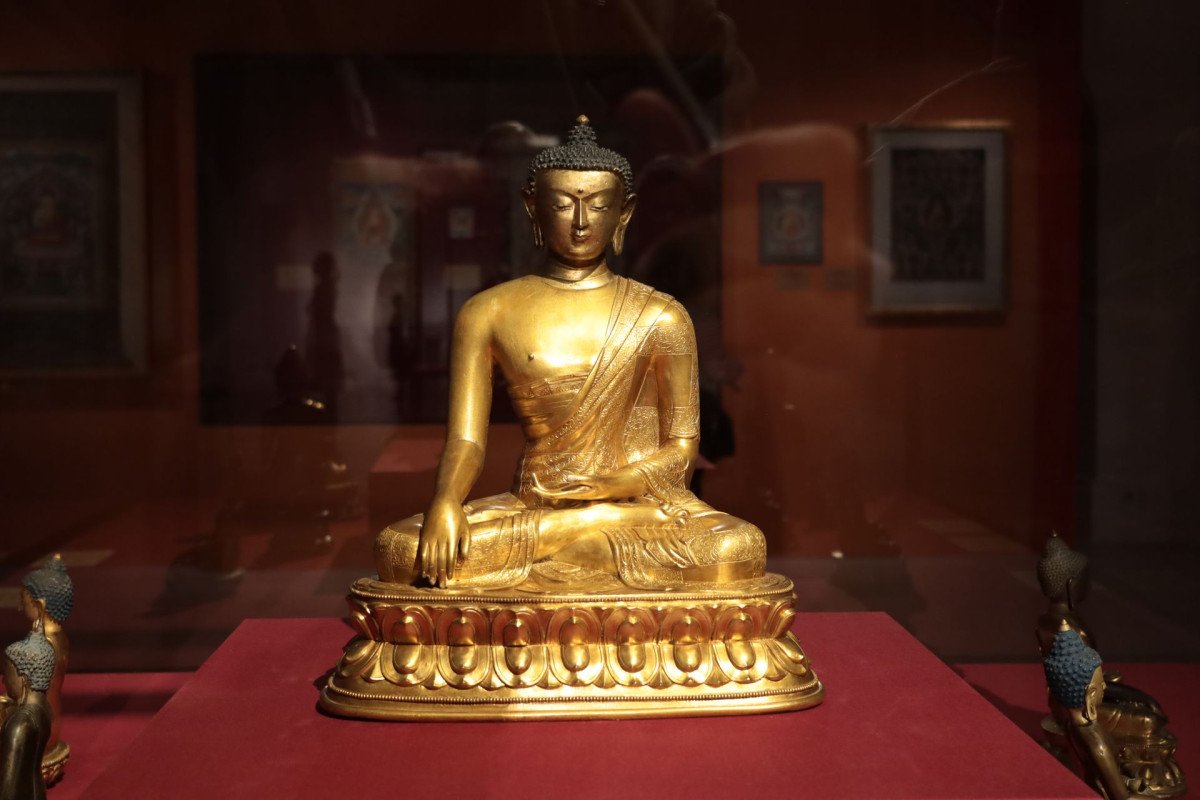
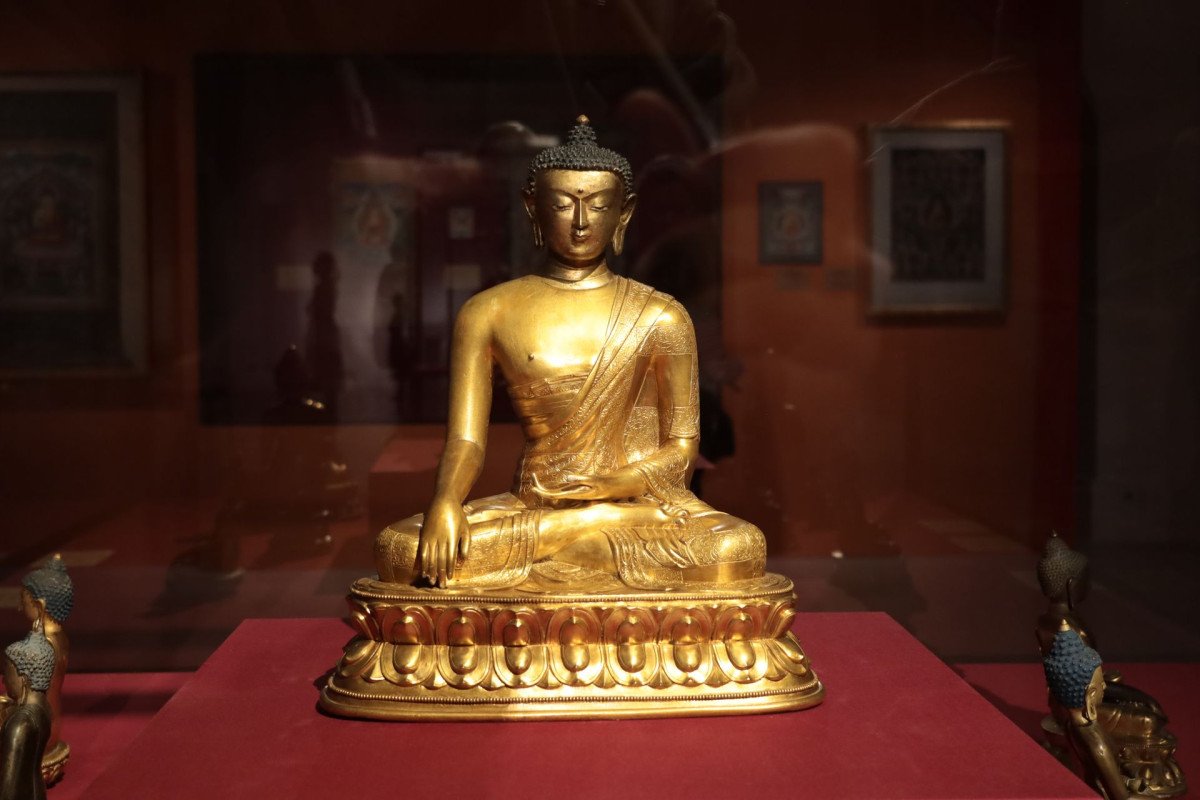
Central Museum
General information
-
Ideal Duration:
2 - 3 HoursPlace Type:
History, Culture, MuseumEntry Fees:
Indian Citizens: The entry fee for Indian visitors is very nominal, typically around Rs.10 to Rs.20 per person. This affordability makes it highly accessible.
Foreign Nationals: The fee for foreign tourists is significantly higher, generally ar...Indian Citizens: The entry fee for Indian visitors is very nominal, typically around Rs.10 to Rs.20 per person. This affordability makes it highly accessible.
Foreign Nationals: The fee for foreign tourists is significantly higher, generally around Rs.100 per person.
Free Entry: Children up to 15 years of age and specially-abled persons are usually granted free entry.
Photography/Videography Fee: There might be a separate, minimal fee (e. g. , Rs.50) for carrying a camera or taking photographs inside the galleries. Tripods and commercial photography are usually prohibited without special permission. :Timing:
Regular Timings: The museum is generally open from 10:00 AM to 5:00 PM (sometimes 9:00 AM to 6:00 PM).
Closed Day: It is critically important to note that the museum is closed on every Monday and on all major Government/National Holidays.Regular Timings: The museum is generally open from 10:00 AM to 5:00 PM (sometimes 9:00 AM to 6:00 PM).
Closed Day: It is critically important to note that the museum is closed on every Monday and on all major Government/National Holidays.
Ideal Visit Time: The best time to visit is immediately after the 10:00 AM opening on a weekday (Tuesday to Friday) for a quiet and focused experience. Avoid the rush on weekends. The full experience requires about 2 to 3 hours to properly absorb the collection. :Special Events:
Special Exhibitions and Lectures: The museum occasionally hosts temporary special exhibitions, usually in the main display hall, focusing on specific themes, new archaeological finds, or art forms from Madhya Pradesh. Historical lectures and educational programs are also or...Special Exhibitions and Lectures: The museum occasionally hosts temporary special exhibitions, usually in the main display hall, focusing on specific themes, new archaeological finds, or art forms from Madhya Pradesh. Historical lectures and educational programs are also organized for students and the public.
World Heritage Day/Museum Day: The museum actively participates in celebrations for World Heritage Day (April 18th) and International Museum Day (May 18th), often offering free entry, special guided tours, and interactive programs.
Cultural Events: Being a state museum, it sometimes hosts cultural programs related to the art and history of Malwa, especially during local Hindu festivals. :Best Photo Spots:
The Grand Sculpture Hall: Capture a sweeping shot of the main hall, focusing on the large Parmar sculptures lined up, emphasizing the sheer volume and quality of the collection.
The Coins Gallery Display: Close-up photography of the meticulo...The Grand Sculpture Hall: Capture a sweeping shot of the main hall, focusing on the large Parmar sculptures lined up, emphasizing the sheer volume and quality of the collection.
The Coins Gallery Display: Close-up photography of the meticulously arranged coin displays, especially the punch-marked or Gupta era coins, capturing the historical texture.
The Decorated Door Frame: A centered photograph of the richly ornamented ancient stone door frame provides an excellent architectural subject.
The Chalcolithic Pottery: Detailed, well-lit shots of the rare excavated pottery from Kayatha or Navadatoli, highlighting their design and age, are unique photographs.
Museum Exterior and Signage: The exterior of the 1965 structure and the official signage provide a classic archival photo opportunity. :Photo Gallery
Things To Do
-
Take a Guided Tour of the Galleries: Start with a focused tour of the eight galleries, prioritizing the Index Gallery for the Hinglajgarh sculptures and the Gallery of Antiques for the Harappan and Chalcolithic finds.
Study the Parmar Sculpture Details: Spend dedicated time analyzing the exquisite detail, posture, and iconography of the Saiva, Shakta, Vaishnava, and Jaina sculptures, looking for specific figures like Dashavatara or Saptamatrika.
Decipher the Coins: Examine the chronological display of coins in the Numismatic Gallery, a visual lesson in the economic and political history of various dynasties (Gupta, Mughal, Holkar) that ruled the region.
Read the Epigraphs: Look closely at the stone and copper plate inscriptions (epigraphs) that provide direct tex...Take a Guided Tour of the Galleries: Start with a focused tour of the eight galleries, prioritizing the Index Gallery for the Hinglajgarh sculptures and the Gallery of Antiques for the Harappan and Chalcolithic finds.
Study the Parmar Sculpture Details: Spend dedicated time analyzing the exquisite detail, posture, and iconography of the Saiva, Shakta, Vaishnava, and Jaina sculptures, looking for specific figures like Dashavatara or Saptamatrika.
Decipher the Coins: Examine the chronological display of coins in the Numismatic Gallery, a visual lesson in the economic and political history of various dynasties (Gupta, Mughal, Holkar) that ruled the region.
Read the Epigraphs: Look closely at the stone and copper plate inscriptions (epigraphs) that provide direct textual evidence of the region's past.
Visit the Biographical Library: If time allows, explore the attached library for a deeper, quiet dive into the history of great personalities.
Capture the Architectural Exhibits: Take photos of the unique, decorated ancient door frame re-installed in the museum.
Engage with Staff: Ask the museum staff for more information on the artifacts, especially the rare Chalcolithic pottery. :
Information
-
Why Famous:
Parmar Sculptures: It is uniquely famous for housing the largest and most significant collection of Parmar sculptures from the Mandsaur region (Hinglajgarh), considered some of the finest examples of Hindu and Jain art from Central India.
Numism...Parmar Sculptures: It is uniquely famous for housing the largest and most significant collection of Parmar sculptures from the Mandsaur region (Hinglajgarh), considered some of the finest examples of Hindu and Jain art from Central India.
Numismatic Richness: The museum boasts an impressive and extensive gallery of coins, covering various dynasties from Punch-marked coins to the Holkar period, making it a key resource for numismatists and historians.
Chronological Journey: The systematic arrangement of artifacts provides a comprehensive, chronological narrative of the region's history, spanning from the Chalcolithic to the Holkar era. : -
Architecture:
Architectural Style and Gallery Dimension: The museum building is a functional, modern structure designed to house and display the extensive collection safely. The architecture is utilitarian, focusing on large gallery spaces for effective exhibition. The museum houses eig...Architectural Style and Gallery Dimension: The museum building is a functional, modern structure designed to house and display the extensive collection safely. The architecture is utilitarian, focusing on large gallery spaces for effective exhibition. The museum houses eight distinct galleries, including the Index Gallery, the Gallery of Antiques, and the Impressive Gallery of Coins, providing specific dimensions for different eras of history. The most notable architectural exhibit is a richly decorated stone door frame, removed from an ancient site and re-erected in the museum, showcasing the exquisite ancient craftsmanship and its physical dimension.
The display focus is on the contents: thousands of rare coins arranged chronologically and numerous life-sized and miniature stone sculptures, primarily from Hinglajgarh, which define the spatial and thematic dimension of the museum's core collection. : -
How To Reach:
By Air: The nearest airport is Devi Ahilya Bai Holkar International Airport (IDR), about 10 KMs away. Take a taxi or cab to the Navlakha area.
By Train: It is remarkably close to the Indore Junction Railway Station, only about 1 KM away. I...By Air: The nearest airport is Devi Ahilya Bai Holkar International Airport (IDR), about 10 KMs away. Take a taxi or cab to the Navlakha area.
By Train: It is remarkably close to the Indore Junction Railway Station, only about 1 KM away. It can be reached easily by walking or a very short auto-rickshaw ride.
By Road: The museum is centrally located near the GPO Square in the Residency area, making it a well-known spot. It is serviced by many city bus routes.
By Local Transport: Auto-rickshaws, cycle-rickshaws, and app-based cabs are the most convenient, as the location is famous and easily pinpointed by all local drivers. : -
Weather and Best Time to Visit:
Best Season:
Winter (October to March): The moderate climate allows for easy travel to and from the museum. Since it is an indoor attraction, the weather primarily affects transit comfort.
Summer (April to June)...Best Season:
Winter (October to March): The moderate climate allows for easy travel to and from the museum. Since it is an indoor attraction, the weather primarily affects transit comfort.
Summer (April to June): This is a good indoor escape from the peak heat of the day, making the midday hours of 11:00 AM to 3:00 PM ideal to avoid the sun.
Best Part of the Day: Mid-Morning (10:00 AM - 12:00 PM) This time ensures the museum is fresh, quiet, and you have ample time to explore the entire collection before the lunchtime rush or afternoon crowds, allowing for a focused, educational visit. : -
Near Tourist Places:
Gandhi Hall (4 KMs), Rajwada Palace (4 KMs), Lal Bagh Palace (5 KMs), Bada Ganpati Temple (3 KMs), Kanch Mandir (3 KMs), Chhatri Bagh (4 KMs), Krishnapura Chhatris (4 KMs), Sarafa Bazaar (4 KMs), Gomatgiri (7 KMs), Nehru Park (3 KMs).
Tourism Tips
-
Health & Safety:
Handling Artifacts: Do not touch any of the sculptures, coins, or artifacts, as they are fragile and culturally invaluable. Observe the 'no flash photography' rule to protect the exhibits.
Packi...Health & Safety:
Handling Artifacts: Do not touch any of the sculptures, coins, or artifacts, as they are fragile and culturally invaluable. Observe the 'no flash photography' rule to protect the exhibits.
Packing Essentials:
Notebook and Reading Glasses: Carry a small notebook to take notes on the exhibits, especially the coin or epigraph displays. Reading glasses are helpful for the detailed information plaques.
Accommodation:
Hotels Near Railway Station/MG Road: Staying in the central areas like MG Road or near the Railway Station offers the best access due to the museum's proximity to the station.
Other Tips:
Research in Advance: Read up on the Parmar Dynasty and the Hinglajgarh fort before your visit to better appreciate the sculptures' significance. Carry exact change for the entry and camera fees. :
Reviews
FAQs
Indore Itineray And Cost:-
Information about New and Updated Locations() of Madhya Pradesh Has Been Added :-
Card subtitle
Note:-
Information provided here in good Faith and for reference only.
All information and pictures will be updated soon, please keep visiting.
Near Places
Annapurna Temple
Some quick example text to build on the card title and make up the bulk of the card's content.
Go somewhere
Bada Ganpati Temple
Some quick example text to build on the card title and make up the bulk of the card's content.
Go somewhere
Bijasen Tekri Temple
Some quick example text to build on the card title and make up the bulk of the card's content.
Go somewhere
Central Museum
Some quick example text to build on the card title and make up the bulk of the card's content.
Go somewhere
Chhatri Bagh
Some quick example text to build on the card title and make up the bulk of the card's content.
Go somewhere
Chidiya Bhadak Waterfall
Some quick example text to build on the card title and make up the bulk of the card's content.
Go somewhere
Choral Dam
Some quick example text to build on the card title and make up the bulk of the card's content.
Go somewhere
Crescent Water Park & Resort
Some quick example text to build on the card title and make up the bulk of the card's content.
Go somewhere
Gandhi Hall
Some quick example text to build on the card title and make up the bulk of the card's content.
Go somewhere
Gita Bhawan
Some quick example text to build on the card title and make up the bulk of the card's content.
Go somewherein Other Cities