Chhatrapati Shivaji Museum
General information
-
Ideal Duration:
2-3 hoursPlace Type:
History Museum, Cultural HeritageEntry Fees:
Historical Exhibits Preservation Fee: The standard entry fee for Indian citizens is typically nominal, in the range of Rs.10 to Rs.30 per person. The fee for foreign nationals is higher, usually around Rs.100 or more, to support the maintenance of the fragile artifacts and the mu...Historical Exhibits Preservation Fee: The standard entry fee for Indian citizens is typically nominal, in the range of Rs.10 to Rs.30 per person. The fee for foreign nationals is higher, usually around Rs.100 or more, to support the maintenance of the fragile artifacts and the museum facilities.
Photography and Video Licensing: Photography without flash is often permitted for a small, additional fee (e. g. , Rs.50 to Rs.100). Professional video recording requires special permission and a much higher commercial license fee. Students and educational groups often receive subsidized or free entry upon presenting valid institutional identification.Timing:
Regular Timings: The museum is generally open from 10:30 AM to 5:45 PM on all days except Thursday, which is typically the maintenance and closure day. Always check for changes, especially around public holidays when government-run institutions may adjust hours.Regular Timings: The museum is generally open from 10:30 AM to 5:45 PM on all days except Thursday, which is typically the maintenance and closure day. Always check for changes, especially around public holidays when government-run institutions may adjust hours.
Ideal Visit Time: The ideal time to visit is immediately upon opening at 10:30 AM on a Tuesday or Friday to avoid school groups and large crowds. The Winter months (October to February) offer the most comfortable weather for travel and viewing.Special Events:
Shiv Jayanti Celebrations: The most significant annual event is Shiv Jayanti (the birthday of Chhatrapati Shivaji Maharaj), celebrated in the Marathi calendar, usually falling in February or March. The museum becomes a focal point for cultural programs, historical lectures,...Shiv Jayanti Celebrations: The most significant annual event is Shiv Jayanti (the birthday of Chhatrapati Shivaji Maharaj), celebrated in the Marathi calendar, usually falling in February or March. The museum becomes a focal point for cultural programs, historical lectures, traditional music performances, and processions, attracting thousands of devotees and history enthusiasts.
History Symposiums: The museum frequently hosts regional and national level symposiums, especially during the Winter months (November to January), on Maratha and Deccan history. These events feature renowned historians and scholars presenting new research, offering an intellectual deep dive into the historical period.Best Photo Spots:
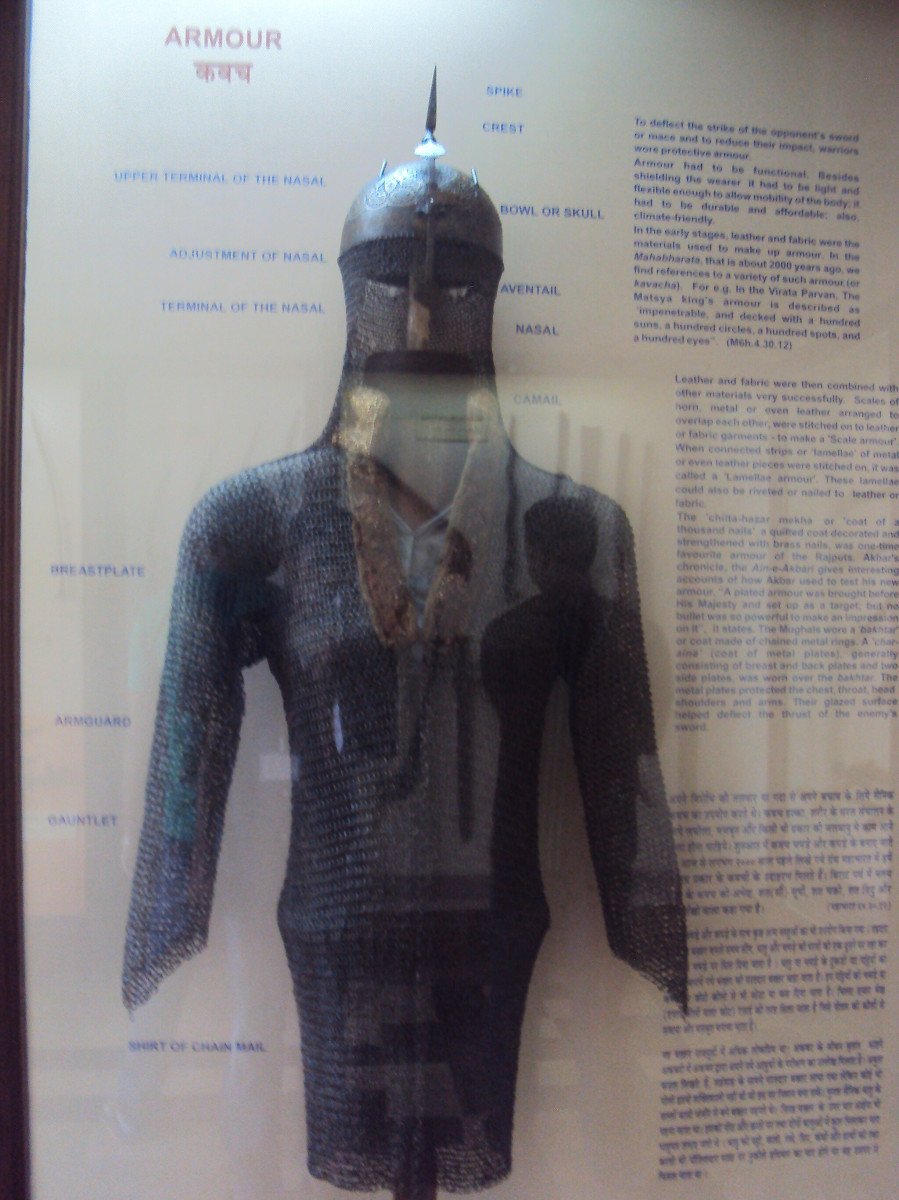
The Armory Display Wall: The best photo spot is the main weaponry display wall, capturing the full chronological arrangement of ancient arms against the backdrop of the historical paintings. Use natural light where possible to highlight the metallic sheen of the swords and ...The Armory Display Wall: The best photo spot is the main weaponry display wall, capturing the full chronological arrangement of ancient arms against the backdrop of the historical paintings. Use natural light where possible to highlight the metallic sheen of the swords and daggers.
Diorama of the Coronation: The meticulously crafted diorama of the Coronation of Shivaji Maharaj (June 1674) at Raigad Fort is a must-capture. Frame the shot to include the crowd details and the central figure of Shivaji on the throne, symbolizing the moment of his sovereignty.
The Museum Façade and Entrance: Photograph the main entrance, which often incorporates Maratha architectural motifs like arches and parapets, making a great establishing shot for the visit. Aim for the early morning light to minimize shadows.Photo Gallery
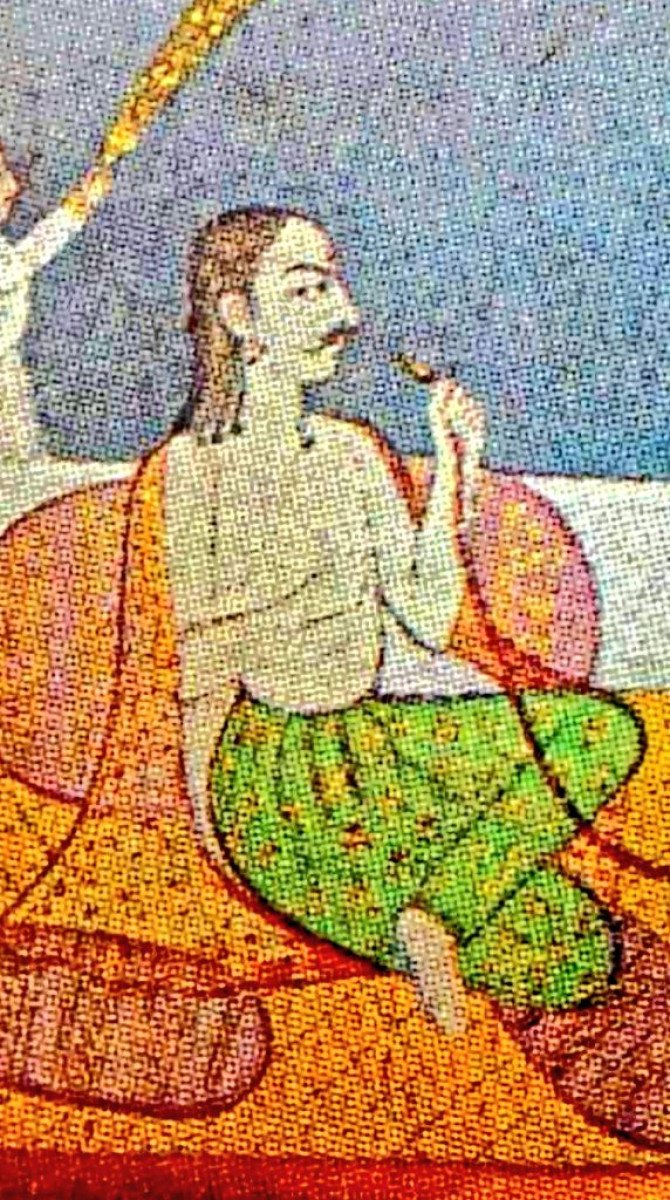
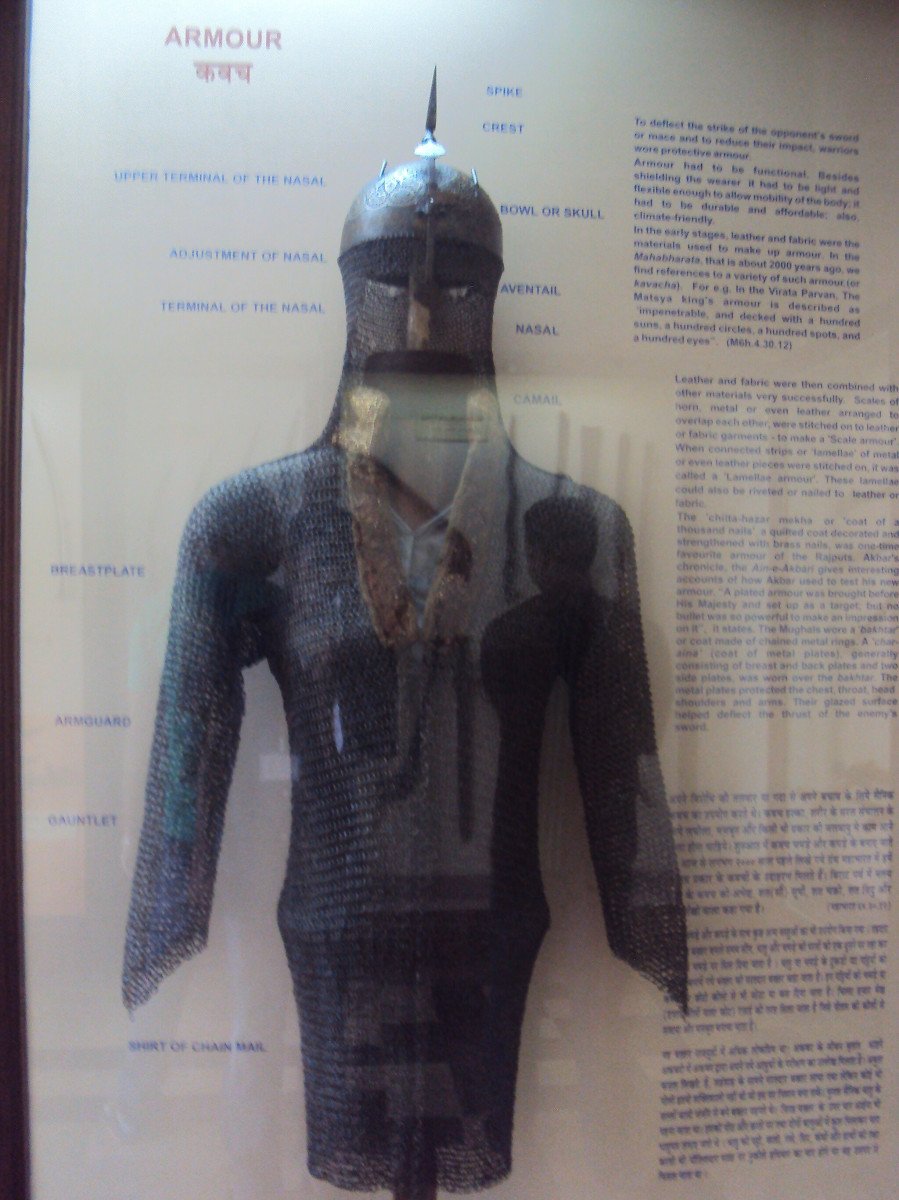
Things To Do
-
Immersive History Exploration:
Deep Dive into Artifacts: Spend time reading every placard in the weaponry section, tracing the evolution of battle tools from the Maratha cavalry and infantry.
Study the Administrative History: Dedicate at least an hour to the document and manuscript section to understand the governance principles of Hindavi Swarajya, including details on Ashta Pradhan Mandal (Council of Eight Ministers).
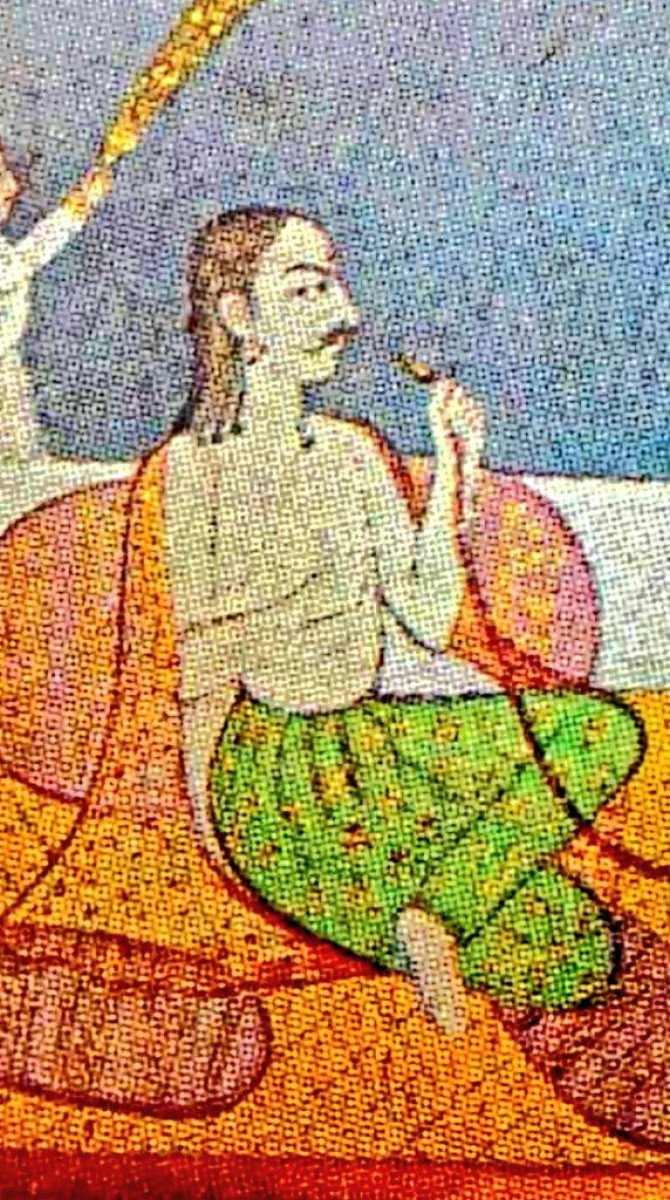
View the Dioramas: Closely examine the miniature models that depict significant events like the meeting between Shivaji and Afzal Khan or the siege of Panhala Fort, which offer a visual aid to textbook history.
Photography and Educational Activities:
Capture Historical Details: Focu...Immersive History Exploration:
Deep Dive into Artifacts: Spend time reading every placard in the weaponry section, tracing the evolution of battle tools from the Maratha cavalry and infantry.
Study the Administrative History: Dedicate at least an hour to the document and manuscript section to understand the governance principles of Hindavi Swarajya, including details on Ashta Pradhan Mandal (Council of Eight Ministers).
View the Dioramas: Closely examine the miniature models that depict significant events like the meeting between Shivaji and Afzal Khan or the siege of Panhala Fort, which offer a visual aid to textbook history.
Photography and Educational Activities:
Capture Historical Details: Focus your photography on the intricate carvings on the weapons and the detailed miniatures (where allowed without flash), serving as a record of the craftsmanship of the era.
Attend a Guided Tour: Inquire about specific guided tours which often delve into the socio-political context and military tactics of the Marathas, providing insights not available on the placards.
Participate in Workshops: If available during your visit, enroll in a local history or conservation workshop, which are occasionally hosted by the museum in collaboration with local universities, for a hands-on learning experience.
Shop for Souvenirs: Browse the small museum shop for historically-themed books, replicas of coins, and educational material related to Shivaji and the Deccan kingdoms.
Walk the Surrounding Gardens: The museum is often situated near the Himayat Bagh area; take a brief, reflective walk in the surrounding historical gardens to connect the museum exhibits with the historical Aurangabad landscape.
Research Maratha Naval Power: Look for the exhibits detailing Shivaji's emphasis on a strong navy and trade routes, a fascinating, often overshadowed, aspect of his reign, and research the Konkan Coast connection.
Information
-
Why Famous:
The Shivaji Legacy: It is famous as one of the few museums dedicated exclusively to Chhatrapati Shivaji Maharaj in the Marathwada region, providing an in-depth perspective on his life outside of Pune or Raigad. It is particularly renowned for its collection of 500-year-old ...The Shivaji Legacy: It is famous as one of the few museums dedicated exclusively to Chhatrapati Shivaji Maharaj in the Marathwada region, providing an in-depth perspective on his life outside of Pune or Raigad. It is particularly renowned for its collection of 500-year-old war arms and a copy of the Holy Quran written by Aurangzeb himself, showcasing the complex socio-political dynamics of the era. The museum acts as a symbol of regional identity and historical pride.
Rare Weaponry Showcase: The museum is highly regarded among historians for its impressive array of period-specific weapons. This collection includes various types of patta (gauntlet swords), bichwa (scorpion dagger), and dhanushya (bows), meticulously preserved. These artifacts attract researchers and military history enthusiasts, solidifying its reputation as a significant repository for Deccan military history. -
Architecture:
Architectural Style: The building's architecture is generally contemporary, designed to function as a modern repository for fragile artifacts, yet it incorporates elements of traditional Maratha and Deccan styles, particularly in its entrance and façade, to establish a regi...Architectural Style: The building's architecture is generally contemporary, designed to function as a modern repository for fragile artifacts, yet it incorporates elements of traditional Maratha and Deccan styles, particularly in its entrance and façade, to establish a regional identity. It emphasizes functionality for museum purposes, focusing on climate control and security, rather than historical authenticity of a wada or fort structure.
Building Layout and Dimensions: The museum is typically a multi-story building featuring several wings or galleries connected by corridors and a central hall. Dimensionally, it occupies a significant footprint to accommodate spacious galleries. For example, the central gallery might be around 15 meters by 10 meters with ceiling heights suitable for wall-mounted displays and large models. The outer façade often features carved stone or relief work depicting scenes from Maratha history, usually with dimensions for the main entrance archway reaching 6 meters in height. The use of robust, local trap rock and polished Shahabad stone is common in its construction. -
How To Reach:
By Air: The nearest airport is Aurangabad Airport (IXU) (Chhatrapati Sambhajinagar Airport), approximately 9-10 KMS away. From the airport, pre-paid taxis, app-based cabs (Ola/Uber), or private taxis are the most convenient options to reach the museum directly via Jalna Roa...By Air: The nearest airport is Aurangabad Airport (IXU) (Chhatrapati Sambhajinagar Airport), approximately 9-10 KMS away. From the airport, pre-paid taxis, app-based cabs (Ola/Uber), or private taxis are the most convenient options to reach the museum directly via Jalna Road and Dr. Ambedkar Road. The journey takes about 20-30 minutes.
By Train: The closest railway station is Aurangabad Railway Station (AWB), which is about 6 KMS from the museum. Auto-rickshaws (negotiate the fare), shared local cabs, or city buses are available. The train station is well-connected to major cities like Mumbai, Delhi, Hyderabad, and Chennai.
By Road: The museum is well-situated on Dr. Ambedkar Road, accessible from the Aurangabad Central Bus Stand (approx. 3 KMS). State Transport (MSRTC) buses or private luxury buses from nearby cities like Pune and Nashik arrive at the central bus stand, from where you can take a quick local auto or cab.
By Local Transport: Within the city, local transport includes shared and private auto-rickshaws (the most common), city buses (routes may require walking), and app-based cab services, which are reliable for direct drop-offs. -
Weather and Best Time to Visit:
Different Types of Seasons: Winter (October to March) is the absolute best time to visit, with cool, pleasant temperatures (10°C to 25°C) ideal for indoor viewing and a comfortable walk in the surrounding areas. Monsoon (June to September) makes travel challenging due to ...Different Types of Seasons: Winter (October to March) is the absolute best time to visit, with cool, pleasant temperatures (10°C to 25°C) ideal for indoor viewing and a comfortable walk in the surrounding areas. Monsoon (June to September) makes travel challenging due to occasional heavy rain, but the lush green landscape can be beautiful. Summer (April to May) is extremely hot (40°C+), making daytime visits exhausting and less enjoyable.
Different Parts of the Day: The Morning (10:30 AM to 1:00 PM) is the ideal time to visit, offering the best light for viewing and fewer crowds, allowing for a more intimate engagement with the exhibits. Afternoon visits (after 3:00 PM) can also be pleasant but are often crowded just before closing. -
Near Tourist Places:
Bibi Ka Maqbara (5 KMS), Panchakki (4 KMS), Aurangabad Caves (8 KMS), Himayat Bagh (1 KMS), Salim Ali Lake (4 KMS), Gul Mandi Market (5 KMS), Siddharth Garden and Zoo (4 KMS), Soneri Mahal (2 KMS), Killa Arak (6 KMS), Jama Masjid (5 KMS)
Tourism Tips
-
Health & safety: Carry a small bottle of hand sanitizer, especially after touching display cases or railings. Ensure you are well-hydrated before entering, as the dry Deccan air can be taxing. If traveling in Summer, wear a hat and light, breathable clothing.Health & safety: Carry a small bottle of hand sanitizer, especially after touching display cases or railings. Ensure you are well-hydrated before entering, as the dry Deccan air can be taxing. If traveling in Summer, wear a hat and light, breathable clothing.
Packing: Bring your camera (check the fee policy), a notebook for taking notes on the historical context, and comfortable walking shoes. Leave large bags and backpacks in the baggage counter (if available) as they may not be allowed inside the galleries.
Accommodation: Stay in the Jalna Road or CIDCO areas, which offer a range of hotels from budget to luxury and provide easy access to the museum and other tourist sites. Book well in advance if visiting during Shiv Jayanti.
Other Different Topics heading:
Respect the Artifacts: Do not touch the displays. The museum houses fragile, ancient artifacts.
Photography Etiquette: Always disable your flash to prevent damage to the old paintings and manuscripts.
Language Barrier: Most placards are in English and Marathi, but carrying a translation app might be useful for deeper engagement with local staff.
Reviews
FAQs
Aurangabad Itineray And Cost:-
Chhatrapati Shivaji Museum Tourism:-
Information about New and Updated Locations() of Maharashtra Has Been Added :-
Card subtitle
Note:-
Information provided here in good Faith and for reference only.
All information and pictures will be updated soon, please keep visiting.
Near Places

Ajanta Caves
Some quick example text to build on the card title and make up the bulk of the card's content.
Go somewhere
Aurangabad Caves
Some quick example text to build on the card title and make up the bulk of the card's content.
Go somewhere
Bani Begum Garden
Some quick example text to build on the card title and make up the bulk of the card's content.
Go somewhere
Bhadra Maruti Temple
Some quick example text to build on the card title and make up the bulk of the card's content.
Go somewhere
Bibi Ka Maqbara
Some quick example text to build on the card title and make up the bulk of the card's content.
Go somewhere
Chhatrapati Shivaji Museum
Some quick example text to build on the card title and make up the bulk of the card's content.
Go somewhere
Connaught Place
Some quick example text to build on the card title and make up the bulk of the card's content.
Go somewhere
Dargah Baba Shah Musafir
Some quick example text to build on the card title and make up the bulk of the card's content.
Go somewhere
Dargah of Pir Ismail
Some quick example text to build on the card title and make up the bulk of the card's content.
Go somewhere
Daulatabad Fort
Some quick example text to build on the card title and make up the bulk of the card's content.
Go somewherein Other Cities