
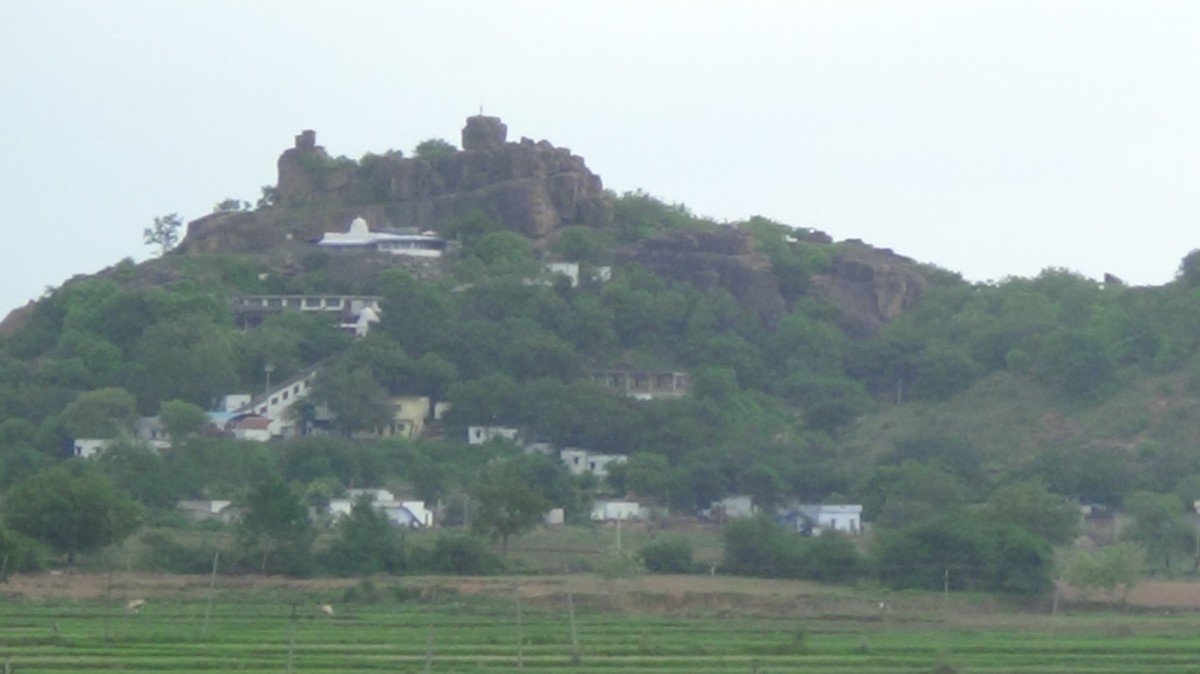
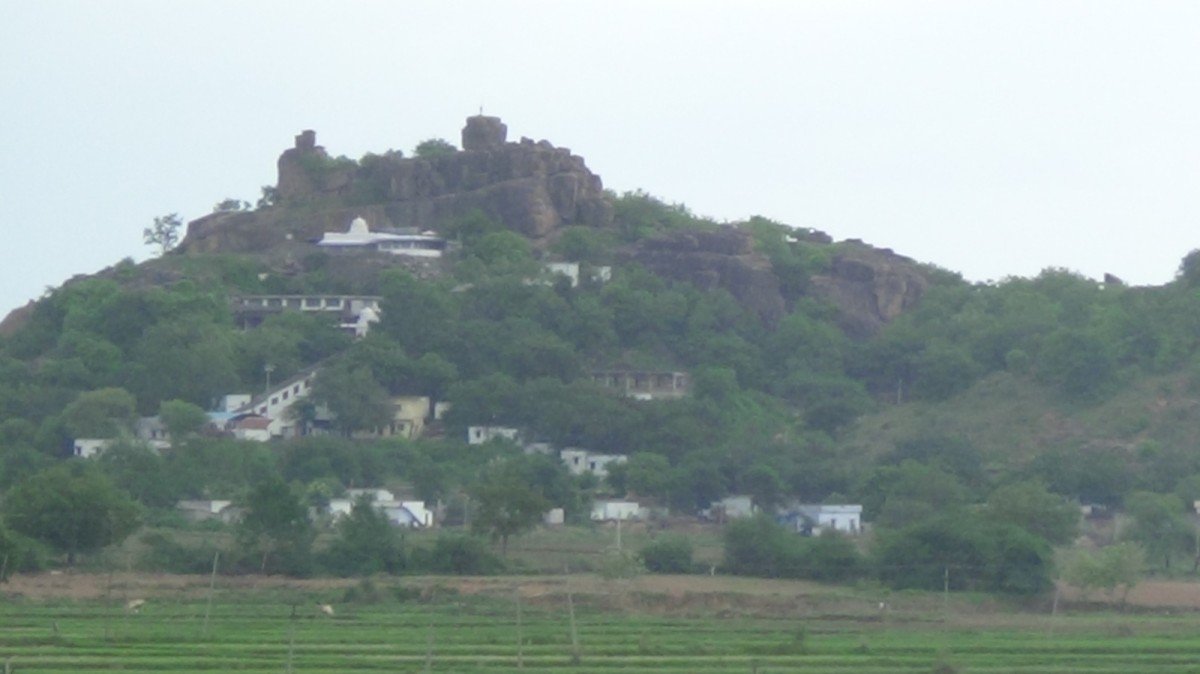
Chinna Satyanarayana Swamy Temple
General information
-
Ideal Duration:
2-3 Hours for Darshan and VratamPlace Type:
Religious and Pilgrimage Site: Temple and RiverEntry Fees:
No Entry Fee for Darshan: Like most Hindu temples, there is typically no fee for general entry (Darshan) to the temple complex. However, voluntary donations are always welcomed for the temple's maintenance and religious activities.
Vratam & Poo...No Entry Fee for Darshan: Like most Hindu temples, there is typically no fee for general entry (Darshan) to the temple complex. However, voluntary donations are always welcomed for the temple's maintenance and religious activities.
Vratam & Pooja Charges: Fees are charged for performing the special Satyanarayana Vratam itself. These fees are tiered, depending on the number of people in the family participating and the complexity of the arrangements required (e. g. , a simple 'Vratam' might cost a minimum of Rs.200 to Rs.500, while a special offering could be higher). These fees cover the cost of the raw materials, the priest's services, and the temple's upkeep.
Parking and Amenities: A nominal fee (e. g. , Rs.10 to Rs.30) may be charged for parking vehicles in the designated lot, especially during peak season like Karthika Masam. Additionally, small charges may apply for amenities like luggage storage or using a dedicated group hall for a large family's ritual and subsequent meal.
Timing:
Regular Timings: The temple generally opens early, around 5:30 AM, and remains open until the afternoon, approximately 1:30 PM, closing for a break. It reopens in the evening, around 3:30 PM, and closes after the final 'Aarti' at around 8:30 PM or 9:00 PM (Exact timings may...Regular Timings: The temple generally opens early, around 5:30 AM, and remains open until the afternoon, approximately 1:30 PM, closing for a break. It reopens in the evening, around 3:30 PM, and closes after the final 'Aarti' at around 8:30 PM or 9:00 PM (Exact timings may vary on festival days).
Ideal Visit Time: The Ideal Visit Time is during the early morning hours, between 6:00 AM and 9:00 AM, for a peaceful 'Darshan' and to witness the first rituals of the day. For a more atmospheric experience, the evening 'Aarti' (7:30 PM) is also highly recommended. The most crowded and spiritually vibrant time is during Karthika Masam.
Vratam Schedule: If planning a Vratam, it is best to check the temple's specific schedule, as 'Vratam' slots usually run from the morning to the early afternoon.
Special Events:
Karthika Masam Celebrations: The most significant event is the month-long celebration during Karthika Masam (October/November). Special extended 'Vratam' ceremonies are conducted daily, and the river Ghats come alive with rituals, massive gatherings, and the floating of lam...Karthika Masam Celebrations: The most significant event is the month-long celebration during Karthika Masam (October/November). Special extended 'Vratam' ceremonies are conducted daily, and the river Ghats come alive with rituals, massive gatherings, and the floating of lamps. The entire atmosphere is charged with devotion, and the number of pilgrims swells significantly during this period.
Sankranthi Festival: The festival of Sankranthi (January) is celebrated with enthusiasm, marking the harvest season. Special prayers and offerings are made, and community feasts are organized, where the focus is on celebrating prosperity and agricultural bounty, which is intrinsically linked to the temple's purpose.
Annual Anniversary (Kalyanotsavam): The temple celebrates its annual day (Kalyanotsavam or Utsavam) with a grand procession (Rathotsavam) of the deity's idol, accompanied by traditional music and dances. This event is a spectacular display of local culture and religious fervor, drawing large local and regional crowds.
Best Photo Spots:
Panoramic River Viewpoint: The high point of the 'Gutta' near the main temple's entrance offers a breathtaking, wide-angle shot of the holy Godavari river, perfect for capturing the landscape, especially at sunrise when the mist hangs low over the water, providing a dramatic...Panoramic River Viewpoint: The high point of the 'Gutta' near the main temple's entrance offers a breathtaking, wide-angle shot of the holy Godavari river, perfect for capturing the landscape, especially at sunrise when the mist hangs low over the water, providing a dramatic, ethereal backdrop.
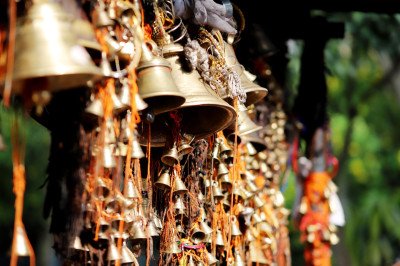
The Decorated Gopuram Entrance: The main entrance Gopuram, though not massive, is often colorfully decorated. This spot is ideal for close-up shots of the temple's architectural details, carvings of deities, and the temple bell, capturing the essence of the Dravidian style.
The Vratam Hall Windows: Shooting from the edges or windows of the 'Vratam' halls can capture the organized devotion of the families performing the ritual, focusing on the offerings, the flickering lamps, and the priests, providing a photo that tells a powerful story of faith and tradition.
Photo Gallery

Things To Do
-
Participating in the Satyanarayana Vratam: Booking a slot and sitting with your family for the elaborate 'Vratam' ceremony is the central activity. This ritual takes a couple of hours and involves listening to the story of Lord Satyanarayana, making offerings, and receiving prasad (consecrated food), which is a deep cultural and spiritual experience. It is a powerful way to absorb the temple's spiritual energy and seek blessings for a prosperous future, which can be done on any day but is especially profound on Purnima (Full Moon) days.
Taking a Holy Dip in the Godavari: Walking down the steps (known as Ghats) to the Godavari river is a must-do. Taking a Punya Snanam (holy bath) is considered a purification ritual before entering the main shrine. The river view from the ghats is magnificent, offering a chance for quiet reflec...Participating in the Satyanarayana Vratam: Booking a slot and sitting with your family for the elaborate 'Vratam' ceremony is the central activity. This ritual takes a couple of hours and involves listening to the story of Lord Satyanarayana, making offerings, and receiving prasad (consecrated food), which is a deep cultural and spiritual experience. It is a powerful way to absorb the temple's spiritual energy and seek blessings for a prosperous future, which can be done on any day but is especially profound on Purnima (Full Moon) days.
Taking a Holy Dip in the Godavari: Walking down the steps (known as Ghats) to the Godavari river is a must-do. Taking a Punya Snanam (holy bath) is considered a purification ritual before entering the main shrine. The river view from the ghats is magnificent, offering a chance for quiet reflection and to witness the serene flow of the river. Devotees often float lamps (Deepams) in the river in the evenings, creating a magical sight, though safety precautions must always be observed while in the water.
Temple Photography and Scenic Viewing: The picturesque setting atop the 'Gutta' offers fantastic panoramic views of the surrounding green landscape and the wide expanse of the Godavari. Spending time at the viewing points, especially during sunrise or sunset, provides excellent opportunities for scenic and architectural photography. Capturing the river, the sky, and the temple Gopuram in one frame is a popular activity.
Prasad and Local Delicacies: Sampling the delicious Prasadam offered by the temple is a rewarding experience. Beyond the temple, exploring the small eateries outside for local Telangana snacks and simple meals is highly recommended. These small shops often sell fresh, traditional sweets made with pure ghee and local ingredients, providing an authentic taste of the region's culinary tradition, which is a delightful sensory addition to the pilgrimage.
Shopping for Religious Paraphernalia: Browsing the many stalls outside the temple is a major activity. These stalls sell everything from colorful idols of various deities, sacred threads (Rakshas), incense sticks, flowers, and essential items for performing rituals. It's a great place to buy religious souvenirs and supplies for home worship, supporting the local vendors who depend on the pilgrim traffic.
Walking the Ghats and Quiet Reflection: Spending time on the river Ghats without the intent of taking a dip can be very relaxing. The sounds of the flowing water, the chanting from the temple, and the sight of other pilgrims performing their rituals create a unique, peaceful atmosphere ideal for meditation, journaling, or simply sitting in quiet contemplation, allowing the spiritual energy of the place to wash over you.
Visiting the Nearby Shiva Temple: Often, there is a smaller, affiliated Lord Shiva temple or shrine nearby. Visiting this complimentary shrine is considered essential by many pilgrims to complete the religious circuit, symbolizing the unity of Vishnu and Shiva. Finding and exploring this smaller, quieter shrine offers a different, more intimate experience of worship and exploration.
Information
-
Why Famous:
Spiritual Power of Lord Satyanarayana: The temple's primary fame rests on its dedication to Lord Satyanarayana, whose worship is associated with truth, prosperity, and blessings. Devotees specifically travel here to perform the Satyanarayana Vratam with their families, beli...Spiritual Power of Lord Satyanarayana: The temple's primary fame rests on its dedication to Lord Satyanarayana, whose worship is associated with truth, prosperity, and blessings. Devotees specifically travel here to perform the Satyanarayana Vratam with their families, believing the proximity to the holy Godavari river significantly enhances the 'Vratam's' efficacy, drawing in spiritual seekers from neighboring states like Maharashtra.
The Holy Godavari River Confluence: Its location on the banks of the Godavari is a major draw. The river is considered one of the seven holy rivers of India, and taking a purifying dip (known as Punya Snanam) at this site is a fundamental part of the pilgrimage. This riverbank is often used as a ritual spot for various ceremonies, which boosts the temple's fame.
Auspicious Karthika Masam Festivities: During the Karthika Masam (typically November), the temple is famous for attracting massive crowds, transforming into a bustling fair-like atmosphere. The rush of pilgrims during this month highlights its importance as a major regional religious hub. The community engagement and grand arrangements made for this month solidify its reputation as a place of great religious energy and celebration in the Mancherial area.
-
Architecture:
Dravidian and Local Telangana Temple Style: The architectural style of the Chinna Satyanarayana Swamy Temple is a beautiful amalgamation of traditional Dravidian elements, common in South Indian temples, integrated with local Telangana structural motifs.
Read MoreDravidian and Local Telangana Temple Style: The architectural style of the Chinna Satyanarayana Swamy Temple is a beautiful amalgamation of traditional Dravidian elements, common in South Indian temples, integrated with local Telangana structural motifs.
Mandapams and Pillars: The temple features a main Garbhagriha (sanctum sanctorum) housing the idol of Lord Satyanarayana, surrounded by a Pradakshina Patha (circumambulatory path). The exterior is adorned with intricate sculptures of deities and mythological scenes. The Mukha Mandapam (main hall) often features finely carved stone pillars that exhibit the detailed craftsmanship of local artisans, often telling stories from the Puranas.
Dimension and Structure: The temple complex is typically spread across a significant area (e. g.
, Temple Complex Area: approximately 1. 5 acres). The main temple structure, likely built with durable stone and mortar, stands tall, visible from the riverbank. The structure's design is optimized to withstand the climate and accommodate large crowds. The use of vibrant colors on the Gopuram (temple tower), though modest compared to massive South Indian temples, makes it stand out against the backdrop of the hilly terrain. The overall design emphasizes natural light and airflow, typical of traditional temple architecture. The complex also includes dedicated spaces for performing the Satyanarayana Vratam in groups, featuring robust, open-air halls designed for communal worship and feasting, which showcases a practical side of the architecture.
How To Reach:
By Air: The nearest major airport is Rajiv Gandhi International Airport (HYD) in Hyderabad (approx. 268 KMs). From the airport, one must take a pre-booked taxi, a local cab service, or an airport shuttle to the JBS Bus Stand in Hyderabad, and then board an express bus to M...By Air: The nearest major airport is Rajiv Gandhi International Airport (HYD) in Hyderabad (approx. 268 KMs). From the airport, one must take a pre-booked taxi, a local cab service, or an airport shuttle to the JBS Bus Stand in Hyderabad, and then board an express bus to Mancherial. From Mancherial, local transport or an auto-rickshaw is required for the final 32 KMs to Gudem Gutta.
By Train: The most convenient option is to take a train to Mancherial Railway Station (MCL). This station is well-connected to major cities in Telangana and India. Once you arrive at Mancherial Station, the temple is about 34 KMs away. You can easily hire an auto-rickshaw or a local taxi from the station for the direct trip to Gudem Gutta, which is a popular route, making the journey relatively simple and quick.
By Road: Mancherial is well-connected by National Highway (NH 63), and the road to Gudem Gutta is typically well-maintained. Direct bus services (TGSRTC) from major towns like Hyderabad, Karimnagar, and Nizamabad run frequently to Mancherial Bus Station. From there, frequent local buses or shared auto-rickshaws are available for the final leg to the temple, following the signs towards Luxettipet and then the specific turn-off for Gudem Gutta.
By Local Transport: From Mancherial town, shared auto-rickshaws (Taxis) and local private taxis are the most common ways to reach the temple. Given the distance, a fixed-fare return trip is advisable. Locals often use personal two-wheelers for a quick, scenic ride.
Weather and Best Time to Visit:
Different Types of Seasons: The Best Time to Visit is during the winter months, from October to March. The weather is pleasantly cool, making the 'Darshan', 'Vratam', and river activities very comfortable. The temperatures during this period are generally ideal for travel ...Different Types of Seasons: The Best Time to Visit is during the winter months, from October to March. The weather is pleasantly cool, making the 'Darshan', 'Vratam', and river activities very comfortable. The temperatures during this period are generally ideal for travel and exploration. The peak season is Karthika Masam (October/November), which offers the most vibrant, spiritually charged atmosphere, despite the larger crowds. The summer (April to June) is extremely hot, and it is best avoided due to the scorching sun.
Different Parts of the Day: The Ideal Visit Time is the early morning (6:00 AM to 9:00 AM) to avoid the afternoon heat, witness the first rituals, and enjoy the serenity of the Godavari river with morning mist. The evening time (for the 7:30 PM Aarti) also offers a beautiful, peaceful experience as the temple lights up and the river becomes dark, providing a tranquil close to the day.
Near Tourist Places:
1. Gandhari Khilla Fort (13 KMs) 2. Godavari Bridge (25 KMs) 3. Kawwal Wildlife Sanctuary (70 KMs) 4. Pranahita River Confluence (90 KMs) 5. Jagtial Fort (120 KMs) 6. Kaleshwaram Temple (150 KMs) 7. Dharmapuri Temple (70 KMs) 8. Kondagattu Anjaneya Swamy Temple (140 KMs) 9. Rallapet Lake (35 KMs) 10. Sripada Yellampalli Project (45 KMs)Tourism Tips
-
Health & Safety: Always carry a basic first-aid kit, especially for long waits during peak season. Be cautious when bathing in the Godavari River; the currents can be strong, so stay near the designated shallow areas and do not venture far. Protect yourself from the sun d...Health & Safety: Always carry a basic first-aid kit, especially for long waits during peak season. Be cautious when bathing in the Godavari River; the currents can be strong, so stay near the designated shallow areas and do not venture far. Protect yourself from the sun during the day with hats, sunglasses, and high-SPF sunscreen, as the open temple and river banks offer little shade.
Packing: Dress modestly, covering shoulders and legs, as is respectful in all Indian temples. Carry a light shawl or sweater, even in winter, for the early mornings or late evenings. Bring a reusable water bottle and fill it with purified water to stay hydrated. If planning a 'Vratam', you may want to bring your own new clothes for the ritual as per tradition.
Accommodation: While there are few formal hotels in the immediate Gudem Gutta village, Mancherial town, which is a short distance away, offers a range of mid-range and budget hotels. It is best to book your accommodation in Mancherial well in advance, especially during the festive season. You can choose from hotels near the Bus Stand or Railway Station for convenient travel to the temple.
Other Different Topics Heading: Respect the local customs and the sanctity of the place by maintaining silence in the main temple hall. Carry enough small denomination cash (rupees) for donations, small purchases, and auto-rickshaw fares. Always remove footwear before entering the temple and the dedicated 'Vratam' halls. Engage respectfully with the priests and the local vendors to gain a richer understanding of the temple's history and the area's culture.
Reviews
FAQs
Mancherial Itineray And Cost:-
Chinna Satyanarayana Swamy Temple Tourism:-
Information about New and Updated Locations() of Telangana Has Been Added :-
Card subtitle
Note:-
Information provided here in good Faith and for reference only.
Near Places
Anthargaon Temple
Some quick example text to build on the card title and make up the bulk of the card's content.
Go somewhere
Bokkalagutta View Point
Some quick example text to build on the card title and make up the bulk of the card's content.
Go somewhere
Chennur Town Temples
Some quick example text to build on the card title and make up the bulk of the card's content.
Go somewhere
Chinna Satyanarayana Swamy Temple
Some quick example text to build on the card title and make up the bulk of the card's content.
Go somewhere
Dhulikatta Buddhist Stupa
Some quick example text to build on the card title and make up the bulk of the card's content.
Go somewhere
Gandhari Khilla
Some quick example text to build on the card title and make up the bulk of the card's content.
Go somewhere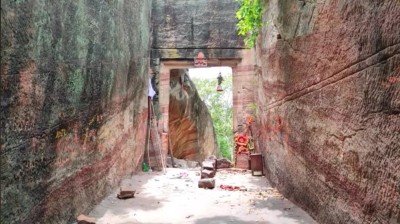
Gandhari Maisamma Temple
Some quick example text to build on the card title and make up the bulk of the card's content.
Go somewhere
Gauthameshwaralayam
Some quick example text to build on the card title and make up the bulk of the card's content.
Go somewhere
Godavari Bridge Mancherial
Some quick example text to build on the card title and make up the bulk of the card's content.
Go somewhere
Kadem Project
Some quick example text to build on the card title and make up the bulk of the card's content.
Go somewhere
Kawal Tiger Reserve
Some quick example text to build on the card title and make up the bulk of the card's content.
Go somewhere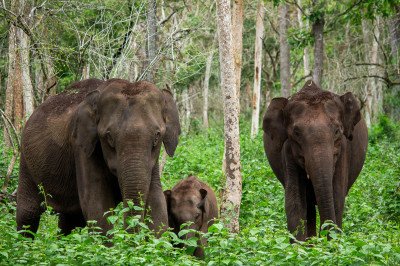
Mallaram Forest
Some quick example text to build on the card title and make up the bulk of the card's content.
Go somewhere
Mancherial Clock Tower
Some quick example text to build on the card title and make up the bulk of the card's content.
Go somewhere
Mancherial Collectorate
Some quick example text to build on the card title and make up the bulk of the card's content.
Go somewhere
Mancherial Goshala
Some quick example text to build on the card title and make up the bulk of the card's content.
Go somewhere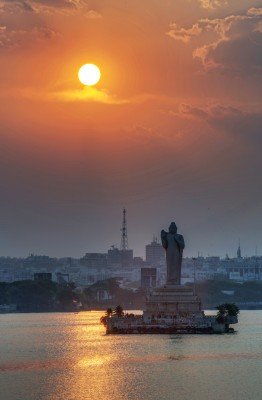
Mancherial Mini Tank Bund
Some quick example text to build on the card title and make up the bulk of the card's content.
Go somewherein Other Cities