Dabdabe Falls
General information
-
Ideal Duration:
3 to 4 hours (Including Trekking Time to the Falls):Place Type:
Waterfall/Trekking/Nature:Entry Fees:
Pure Nature - No Entry Fee: As a wild, undeveloped, and non-commercialized waterfall located deep within the protected forest area, Dabdabe Falls itself has No Official Entry Fee for viewing the cascade. The site is considered public natural land.
Read MorePure Nature - No Entry Fee: As a wild, undeveloped, and non-commercialized waterfall located deep within the protected forest area, Dabdabe Falls itself has No Official Entry Fee for viewing the cascade. The site is considered public natural land.
The Mandatory Cost of Access: The primary cost is the highly recommended (or sometimes mandatory) expense of hiring a local guide to navigate the challenging, unmarked, and rugged trek route through the dense forest. This fee is variable, but a full-day guide can cost between Rs.1,000 to Rs.2,500 for a group, which is a necessary safety and navigation expense.
Parking and Permits: Depending on where the road ends and the trek begins, there might be a small parking fee charged by a local landowner or the Forest Department for securing the vehicle. Trekkers should also inquire about the need for a formal Forest Department permit, which, if required, might involve a nominal fee (e. g. , Rs.50-Rs.100 per person) for access to the restricted forest zone. Overall, the entry to nature is free, but the necessary logistical support for safe access constitutes the major cost, emphasizing its status as a wilderness destination:Timing:
Regular Timings: Being a wild, natural waterfall, Dabdabe Falls has No Official Timings and is technically open 24 hours. However, for safety and practical purposes, the area should only be accessed between 8:00 AM and 5:00 PM. Trekking in the dark is highly dangerous due ...Regular Timings: Being a wild, natural waterfall, Dabdabe Falls has No Official Timings and is technically open 24 hours. However, for safety and practical purposes, the area should only be accessed between 8:00 AM and 5:00 PM. Trekking in the dark is highly dangerous due to the dense forest and unmarked, rugged trails.
Ideal Visit Time - Early Morning and Post-Monsoon: The ideal time for the trek is very early in the morning, starting around 7:00 AM, to complete the strenuous hike and enjoy the falls before noon, avoiding the hottest part of the day. The ideal season to visit is the immediate post-monsoon period, from September to November, when the waterfall is at its maximum volume, but the trekking trails are slightly less slippery than the peak monsoon months of July and August.
Avoid Monsoon Extremes: The peak of the monsoon, while offering the highest water flow, is the least ideal time for the trek due to very slippery trails, thick mud, and the risk of flash floods and leeches, requiring a greater level of caution and preparation.
Shortest Day Visit: Due to the lengthy and difficult trek, the total trip duration is almost a full day, meaning an early start is necessary to ensure one is safely out of the forest before dark:Special Events:
The Peak Monsoon Flow Spectacle: The special event at Dabdabe Falls is the natural phenomenon of its peak flow during the height of the South-West monsoon (July and August). During this time, the falls transforms from a strong cascade into a truly powerful, roaring curtain ...The Peak Monsoon Flow Spectacle: The special event at Dabdabe Falls is the natural phenomenon of its peak flow during the height of the South-West monsoon (July and August). During this time, the falls transforms from a strong cascade into a truly powerful, roaring curtain of water, a breathtaking, high-volume natural spectacle. This event is a pilgrimage for serious nature photographers and monsoon enthusiasts. The entire trekking path becomes significantly more challenging and dangerous, but the reward is witnessing the full, untamed fury and majesty of a monsoon waterfall, an annual display of raw natural power.
Local Village Harvest Festivals: While the falls itself does not host organized human events, the surrounding remote villages near Ballalarayana Durga may observe local harvest festivals (Holi, Ugadi, or local deity jaatres) that offer a unique cultural experience that can be combined with the trek. These small, authentic village celebrations are special events for a tourist seeking genuine local immersion:Best Photo Spots:
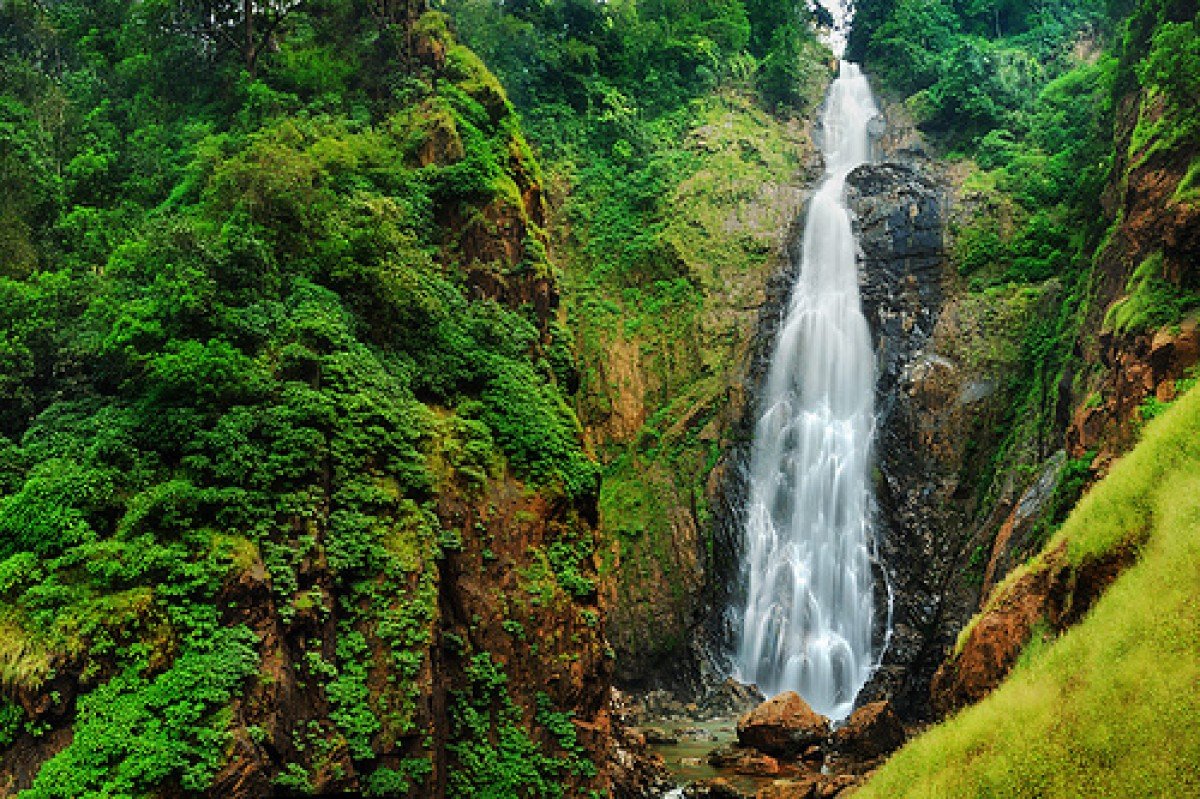
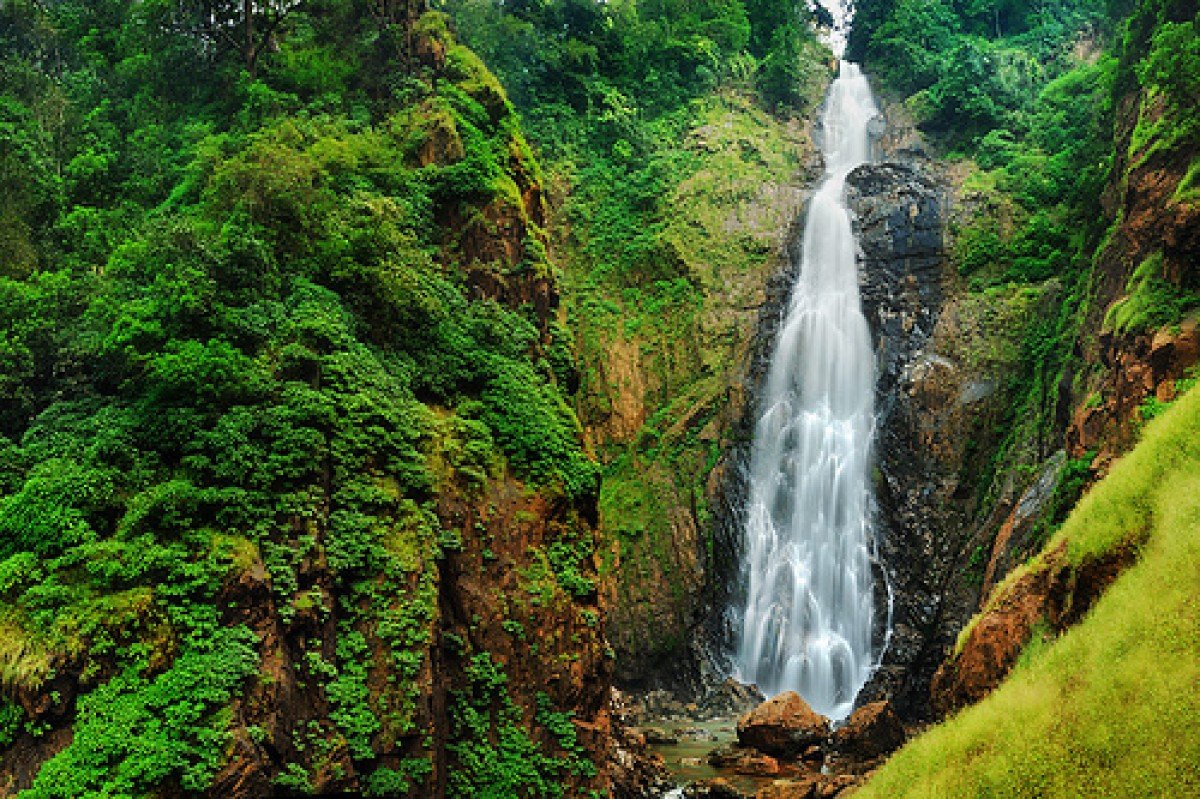
The Main Plunge View: The best photo spot is the vantage point directly across the plunge pool at the base of the waterfall, capturing the full vertical drop and the spread of the powerful cascade. This shot emphasizes the height and volume of the falls, especially in the p...The Main Plunge View: The best photo spot is the vantage point directly across the plunge pool at the base of the waterfall, capturing the full vertical drop and the spread of the powerful cascade. This shot emphasizes the height and volume of the falls, especially in the post-monsoon flow.
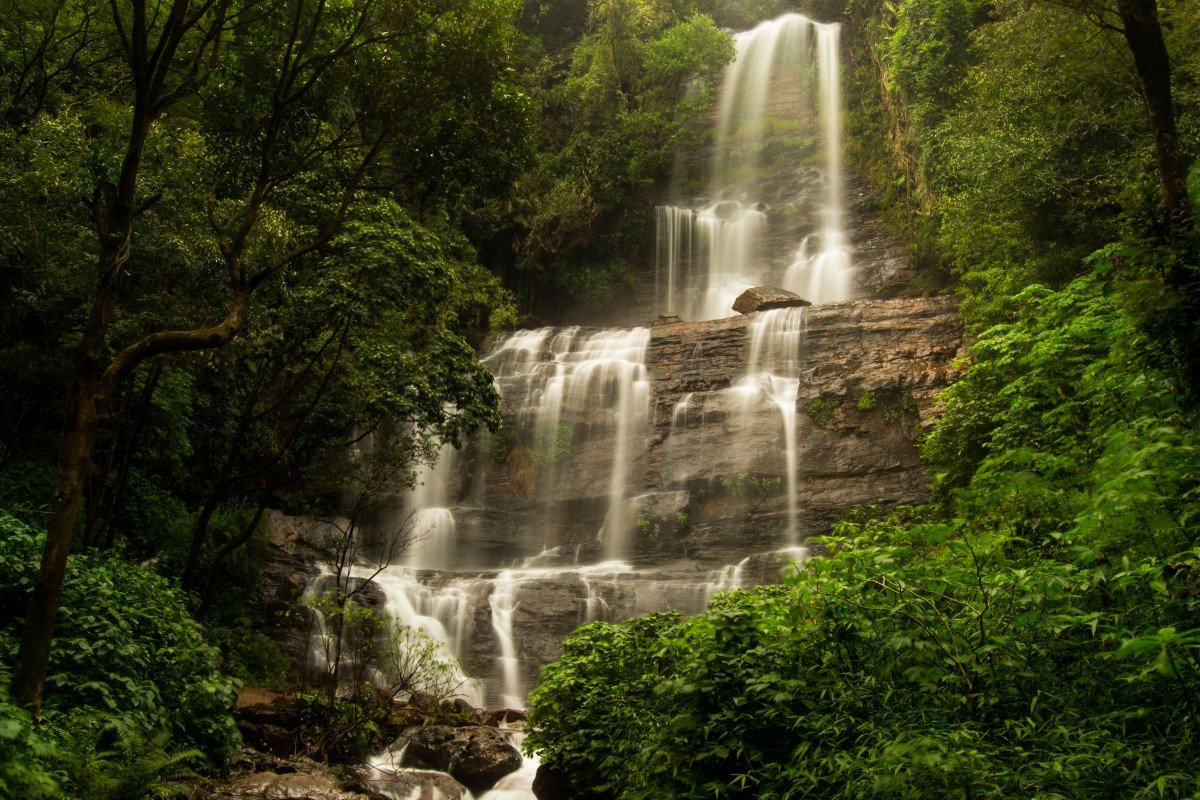
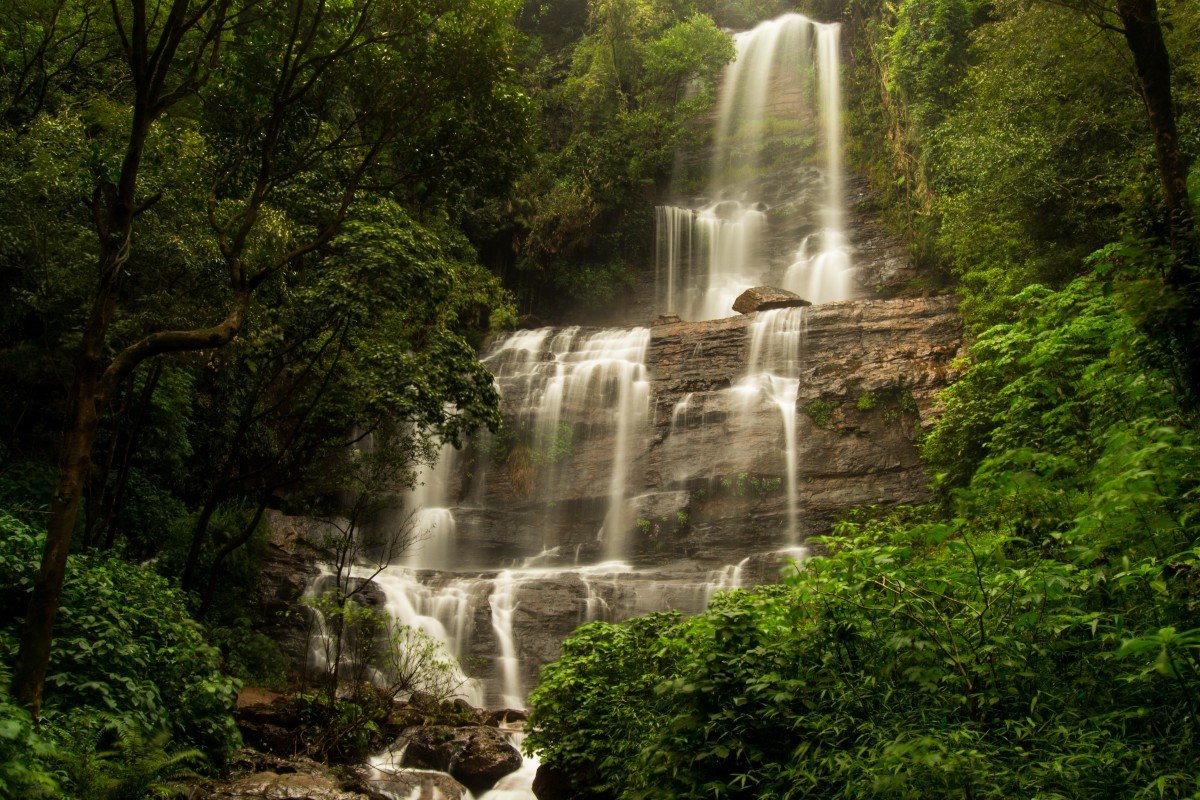
The Moss-Covered Grotto: Capturing the falls from within the surrounding, rock-strewn area, using the large, moss-covered boulders and the dense, low-hanging foliage as a natural frame, creates a moody, intimate, and raw wilderness shot that emphasizes the untouched nature of the location.
The Forest Trek Path: The trekking trail itself, especially the parts passing through the dark, dense Shola forest canopy, offers a great spot for atmospheric photos, capturing the shadows, the textured greenery, and the sense of deep exploration. This is perfect for capturing the 'journey' aspect.
The Upper Stream Details: The hidden upper stream pools, with their clear water, smooth, water-worn rocks, and specific endemic flora, offer excellent macro and detail shots, capturing the purity and intricacies of the high-altitude stream before it becomes the main cascade, a photo for the dedicated nature photographer.
The Sound-of-Water Shot: A great photo spot is to capture the falls with a slow shutter speed to achieve the silky-water effect, juxtaposing the misty, ethereal appearance of the water with the powerful auditory experience that gives the falls its name, a blend of visual and sensory storytelling:Photo Gallery
Things To Do
-
The Adventurous Trek to the Falls: The main activity is the challenging trek itself. This involves navigating dense Shola forests, crossing small streams, and hiking over rugged, uneven terrain. The journey is non-commercialized and requires high endurance and good trekking shoes. The total distance and time are variable, but expect a strenuous 2-3 hour hike one way from the nearest accessible road point, making it an all-day commitment.
Immersive Photography and Nature Capture: Dedicate substantial time to photography, capturing the raw power and beauty of the waterfall and the untouched forest surrounding it. The misty environment and the unique endemic flora provide excellent, moody photographic subjects, appealing to the serious nature photographer.
Natural Bathing and Relaxation: If the ...The Adventurous Trek to the Falls: The main activity is the challenging trek itself. This involves navigating dense Shola forests, crossing small streams, and hiking over rugged, uneven terrain. The journey is non-commercialized and requires high endurance and good trekking shoes. The total distance and time are variable, but expect a strenuous 2-3 hour hike one way from the nearest accessible road point, making it an all-day commitment.
Immersive Photography and Nature Capture: Dedicate substantial time to photography, capturing the raw power and beauty of the waterfall and the untouched forest surrounding it. The misty environment and the unique endemic flora provide excellent, moody photographic subjects, appealing to the serious nature photographer.
Natural Bathing and Relaxation: If the water flow is moderate and conditions are safe (primarily in the non-monsoon months), take a refreshing, invigorating dip in the natural plunge pool at the base of the falls. The cold, clear mountain water is highly revitalizing. Always check the current flow conditions and exercise extreme caution due to slippery rocks and potential flash floods during heavy rain.
Eco-Exploration and Bird Watching: Engage in quiet, mindful exploration of the surrounding forest to appreciate the rich biodiversity. This includes looking for unique bird species, insects, and rare medicinal plants that thrive in this secluded, high-altitude ecosystem, turning the trek into an ecological field trip.
Pack a Wilderness Picnic: Since there are no commercial eateries or stalls near the falls, a key activity is to pack a light, environmentally friendly picnic to enjoy near the waterfall's base, providing a well-deserved rest and a meal in a pristine natural setting. Remember the "Leave No Trace" principle, taking all garbage back.
Connecting with Local Guides: A crucial part of the activity is hiring and engaging with a local guide from the nearby villages. They not only ensure safety and navigation on the unmarked trails but also provide valuable insights into local lore, plant life, and the history of the forest, enriching the entire wilderness experience. This ensures a safe, respectful, and fully informed exploration of this truly hidden cascade, fulfilling the desire for an authentic, off-road adventure:
Information
-
Why Famous:
Untamed Wilderness and Power: Dabdabe Falls is famous primarily among seasoned trekkers and locals for its raw, untamed beauty and the sheer volume and power of its cascade, particularly during the monsoon. Unlike many easily accessed, tourist-saturated falls, its fame rest...Untamed Wilderness and Power: Dabdabe Falls is famous primarily among seasoned trekkers and locals for its raw, untamed beauty and the sheer volume and power of its cascade, particularly during the monsoon. Unlike many easily accessed, tourist-saturated falls, its fame rests on its secluded and pristine location deep within the dense Shola forests near Ballalarayana Durga.
The Thrill of the Trek: The difficult and demanding trek required to reach the falls is a major part of its appeal and fame. The journey, which involves navigating rugged terrain and thick vegetation, establishes it as an adventure destination that tests endurance and rewards the visitor with an unspoiled natural spectacle. It is known as a challenging, off-the-beaten-path experience.
Natural and Eco-Sensitive: Its fame is also rooted in its complete lack of commercialization and infrastructure, which appeals to eco-tourists and those who seek an authentic, deep immersion into the quiet solitude of the Western Ghats. The rich biodiversity of the surrounding forest, including unique flora and fauna, makes it famous among naturalists and environmental enthusiasts as a truly preserved habitat, contrasting with more accessible and developed waterfall sites in the region. The forceful sound of the water, which gives the falls its name, is a famous auditory experience of the remote wilderness: -
Architecture:
Natural Geological Architecture: Dabdabe Falls is an example of natural geological architecture, where the form and flow are entirely dictated by the hard rock strata and the powerful erosive force of the water.
The Cascade Structure: The fa...Natural Geological Architecture: Dabdabe Falls is an example of natural geological architecture, where the form and flow are entirely dictated by the hard rock strata and the powerful erosive force of the water.
The Cascade Structure: The falls is characterized by a high-volume flow that drops over a series of steps and large, vertical rock faces. The entire cascade system is estimated to be over 100 feet in cumulative height, though it's often described as a single, powerful drop from a significant height down a steep rock wall. The width of the cascade can vary dramatically from 10m to over 20m during the peak monsoon, spreading out across the rock face.
The Gorge and Plunge Pool: Over millennia, the water has carved a deep, though relatively small, plunge pool at the base. The gorge surrounding the falls is narrow and defined by the steep inclines of the Shola forest slopes, with rock faces covered in moss, ferns, and various endemic plant life. This natural architecture ensures the falls remain cool and misty. The surrounding forest, with its dense canopy, acts as a natural enclosure, creating a hidden, cathedral-like atmosphere.
Trail and Access: The 'architecture' of the trail leading to the falls is rugged and purely natural, composed of uneven forest floor, slippery rocks, and natural stream crossings. There are no constructed steps or viewing platforms, maintaining the spot's raw, undeveloped state. This lack of human intervention in the area's design highlights the falls as a truly wild and untamed monument of nature, emphasizing the forces of water and erosion as the master architects: -
How To Reach:
By Air: The nearest major airport is Mangaluru International Airport (IXE), approximately 150 KMS from the general Dabdabe Falls area (Kottigehara). From the airport, one would need to hire a private taxi to the town of Kottigehara or the falls' base village, which takes ab...By Air: The nearest major airport is Mangaluru International Airport (IXE), approximately 150 KMS from the general Dabdabe Falls area (Kottigehara). From the airport, one would need to hire a private taxi to the town of Kottigehara or the falls' base village, which takes about 3. 5 hours.
By Train: The nearest railway station is Mangaluru Central (MAQ) or Kadur (KDU), but the most practical railhead is Mangaluru due to its better road connectivity to the Kottigehara region. From the station, a private cab is necessary to reach the base of the falls.
By Road - From Chikmagalur: Dabdabe Falls is located approximately 65 KMS from Chikmagalur City Center, towards the Kottigehara and Ballalarayana Durga area, primarily via NH 173. The drive is scenic but requires a total of 2 to 2. 5 hours to reach the village near the trek start point. The road is good initially but turns rugged and unpaved near the base of the falls.
By Local Transport: There are infrequent local buses from Chikmagalur to towns like Kottigehara, but from there, one must hire a local jeep or taxi to get to the base village. The final leg of the journey, the trek through the dense forest, must be done on foot and requires a local guide due to the absence of a marked trail. This location is poorly serviced by standard public transport and is best reached by private hired vehicle followed by a strenuous trek with a guide: -
Weather and Best Time to Visit:
Seasonal Preference - Post-Monsoon Peak: The best time to visit Dabdabe Falls for both high water volume and safer trekking conditions is the immediate post-monsoon season, from September to November. During this time, the falls are gushing with maximum power, and the fores...Seasonal Preference - Post-Monsoon Peak: The best time to visit Dabdabe Falls for both high water volume and safer trekking conditions is the immediate post-monsoon season, from September to November. During this time, the falls are gushing with maximum power, and the forest is at its lushest, but the intensity of the rainfall has decreased, making the trails marginally less treacherous.
Peak Monsoon Power: The monsoon months of July and August offer the most dramatic and forceful flow of the cascade, but this is the riskiest time for trekking due to extremely slippery surfaces, leeches, and thick fog that can hide the trail, only recommended for seasoned, well-prepared adventurers.
The Dry Season Trek: The clear, cool weather of the winter months (December to February) is best for trekking comfort, as the trails are dry and the air is crisp, but the water flow in the falls may be significantly reduced, diminishing the spectacle.
Best Time of Day - Early Morning Trek: Due to the length and difficulty of the trek, the ideal time of day is to start very early, around 7:00 AM, to complete the strenuous ascent before the midday sun and ensure a safe, daylight descent before 5:00 PM, as trekking in this dense forest after dark is highly dangerous: -
Near Tourist Places:
Ballalarayana Durga Fort (10 KMS): Historic fort ruins requiring a separate trek.
Bandaje Arabi Falls (15 KMS): Powerful falls requiring a difficult trek.
Azhikunnu Viewpoint (12 KMS): A scenic, often-missed viewpoint.
Kottigehara (25 KMS): Nearest large village with amenities.
Charmadi Ghat (35 KMS): Famous scenic mountain pass.
Nanya Bhairaveshwara Temple (8 KMS): Ancient temple on the way.
Mudigere (40 KMS): A major town in the region.
Hornadu Temple (85 KMS): Famous Annapurneshwari temple.
Kyathanmakki Hill Station (45 KMS): A scenic off-road destination.
Hebbe Falls (55 KMS):
A major two-tiered waterfall near Kemmanagundi:
Tourism Tips
-
Health & Safety:
Mandatory Local Guide: Never attempt the trek to Dabdabe Falls without hiring an experienced local guide due to unmarked, confusing, and potentially dangerous trails.
Leech Protection: During...Health & Safety:
Mandatory Local Guide: Never attempt the trek to Dabdabe Falls without hiring an experienced local guide due to unmarked, confusing, and potentially dangerous trails.
Leech Protection: During the monsoon and post-monsoon, wear high ankle boots and use salt or a specialized spray for protection against leeches.
Slippery Rocks: The rocks near the falls are perpetually wet and extremely slippery; approach the water's edge with extreme caution.
Carry a Rope: If going with a trekking group, a good quality rope can be helpful for steep or slick sections. Carry a comprehensive first-aid kit, as help is hours away.
Packing Essentials: Pack waterproof bags for electronics, quick-drying clothing, extra layers (as the deep forest can be cold and damp), a light, non-slip backpack, high-grip trekking shoes (waterproof is better), and plenty of high-energy, non-perishable food and water. Carry a power bank and a headlamp or torch, even for a day trip.
Accommodation: Stay in the nearest town of Kottigehara or in a homestay near Ballalarayana Durga or Mudigere, as the falls are too remote for nearby commercial lodging. The base area only offers a parking spot.
Other Tips:
Leave No Trace: Practice strict Leave No Trace principles; carry out all trash. The pristine nature of the falls is its main draw.
Check Weather Forecasts: Avoid attempting the trek during periods of very heavy rainfall or strong winds.
Inform Someone: Always inform your homestay host or a reliable contact about your trekking plan, expected return time, and the name of your local guide for accountability and safety:
Reviews
FAQs
Chikmagalur Itineray And Cost:-
Other Places In Chikmagalur :-
Other States In India :-
Information about New and Updated Locations() of Karnataka Has Been Added :-
Card subtitle
Note:-
Information provided here in good Faith and for reference only.
Near Places
Ayyanakere Lake
Some quick example text to build on the card title and make up the bulk of the card's content.
Go somewhere
Baba Budangiri/Dattatreya Peetha
Some quick example text to build on the card title and make up the bulk of the card's content.
Go somewhere
Ballalarayana Durga Fort
Some quick example text to build on the card title and make up the bulk of the card's content.
Go somewhere
Bhadra Wildlife Sanctuary
Some quick example text to build on the card title and make up the bulk of the card's content.
Go somewhere
Coffee Museum Chikmagalur
Some quick example text to build on the card title and make up the bulk of the card's content.
Go somewhere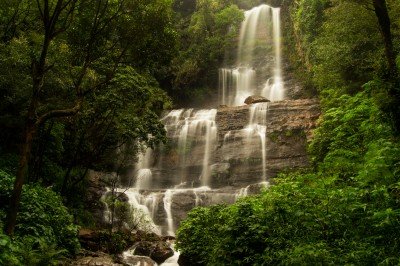
Dabdabe Falls
Some quick example text to build on the card title and make up the bulk of the card's content.
Go somewhere
Dantaramakki Lake
Some quick example text to build on the card title and make up the bulk of the card's content.
Go somewhere
Gadaikallu View Point
Some quick example text to build on the card title and make up the bulk of the card's content.
Go somewhere
Hebbe Falls
Some quick example text to build on the card title and make up the bulk of the card's content.
Go somewhere
Hirekolale Lake
Some quick example text to build on the card title and make up the bulk of the card's content.
Go somewhere
Honnamana Falls
Some quick example text to build on the card title and make up the bulk of the card's content.
Go somewhere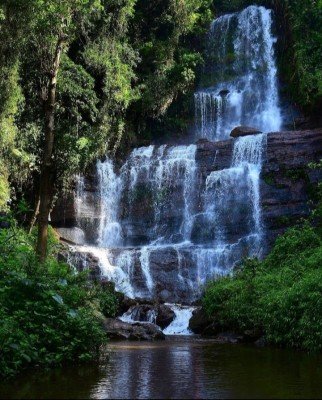
Jhari Waterfalls
Some quick example text to build on the card title and make up the bulk of the card's content.
Go somewhere
Manikyadhara Falls
Some quick example text to build on the card title and make up the bulk of the card's content.
Go somewhere
Mullayanagiri Peak
Some quick example text to build on the card title and make up the bulk of the card's content.
Go somewhere
Mullayyana Giri Twin Caves
Some quick example text to build on the card title and make up the bulk of the card's content.
Go somewhere
Nallur Lake
Some quick example text to build on the card title and make up the bulk of the card's content.
Go somewherein Other Cities