

Dainkund Peak
General information
-
Ideal Duration:
2-3 Hours (Trek and Summit Visit)Place Type:
Nature/Trekking/ReligiousEntry Fees:
No General Entry Fee: There is no ticket or entry fee required to access the Dainkund Peak trek route or the Pholani Mata Temple, as it is a natural public area and a spiritual site. This makes it an extremely cost-effective place to visit.
Par...No General Entry Fee: There is no ticket or entry fee required to access the Dainkund Peak trek route or the Pholani Mata Temple, as it is a natural public area and a spiritual site. This makes it an extremely cost-effective place to visit.
Parking Fees at Base: While there is no entry fee, you may be charged a nominal fee for parking your private vehicle or taxi at the designated parking area near the Air Force barrier at Lakkarmandi, which acts as the trek's starting point. This fee is usually managed by local bodies or forest departments.
Guide Charges: Although the trek is well-marked and relatively easy, if you hire a local guide, you will need to negotiate and pay their charges, which can range from Rs.500 to Rs.1000 depending on the season and your bargaining skills. This is an optional expense.
Camera Fees: There are no specific camera fees for photography, unlike some protected monuments. Visitors are free to bring and use their cameras and phones for personal photography without any additional charges, encouraging tourists to capture the stunning natural beauty.Timing:
Regular Timings: 10:00 AM to 4:00 PM is generally considered the safe and accessible period for the trek. Although the area is open, local authorities and the Air Force base restrict vehicular access outside these times, and it is safest to complete the trek before dark.Regular Timings: 10:00 AM to 4:00 PM is generally considered the safe and accessible period for the trek. Although the area is open, local authorities and the Air Force base restrict vehicular access outside these times, and it is safest to complete the trek before dark.
Ideal Visit Time: The morning hours, specifically from 9:00 AM to 1:00 PM, are the most ideal. The sky is usually clearest, offering the best panoramic views, and the weather is crisp and pleasant for trekking before the afternoon sun gets too warm in summer.
Security Considerations: Due to the proximity of the Indian Air Force base, the area is sensitive. Sticking to the official timings ensures you avoid potential issues related to restricted access or increased security patrols, especially during fog or low light conditions.Special Events:
Navratri and Pohlani Mata Fair: The most special and prominent event is the local fair and religious gathering held at the Pholani Mata Temple, often coinciding with the Navratri festival (typically in September/October or March/April). During this time, numerous local devo...Navratri and Pohlani Mata Fair: The most special and prominent event is the local fair and religious gathering held at the Pholani Mata Temple, often coinciding with the Navratri festival (typically in September/October or March/April). During this time, numerous local devotees undertake the trek, perform special rituals, and offer prayers and sacrifices to the goddess, creating a vibrant, spiritual atmosphere that contrasts with the usual serenity.
Air Force Day Observances: Though the base itself is restricted, on specific military-related observances, particularly Air Force Day (October 8th), the area near the base and surrounding checkpoints witnesses increased security and sometimes subtle ceremonial activities, which offers a unique, non-tourist-centric view of the station’s strategic importance and disciplined environment. This event is not officially tourist-facing but provides a distinct cultural insight.Best Photo Spots:
360-Degree Panoramic Viewpoint: The summit offers a spectacular platform to capture the complete mountainscape, including the snow-capped Pir Panjal mountains, the lush green Dhauladhar range, and the ribbon-like Ravi and Chenab rivers flowing in the valleys far below. Best...360-Degree Panoramic Viewpoint: The summit offers a spectacular platform to capture the complete mountainscape, including the snow-capped Pir Panjal mountains, the lush green Dhauladhar range, and the ribbon-like Ravi and Chenab rivers flowing in the valleys far below. Best Time is just after sunrise or late afternoon.
The Singing Trees Ridge Walk: The pathway that leads from the vehicle parking area towards the temple, where the breeze passes through the trees, is ideal for capturing atmospheric, misty forest scenes and close-up shots of the deodar and pine trees, emphasizing the 'Singing Hill' effect.
The Pholani Mata Temple Frame: The small, simple temple, set against the backdrop of the vast, open sky and the distant Himalayan ranges, provides a great contrast shot, highlighting the blend of spirituality and rugged nature. Use the simple stone structure to frame the grandeur of the mountains.
Windmill Silhouette View: Towards the west or north on a clear day, you can capture the silhouettes of the large wind turbines installed on the surrounding ridges, providing a modern contrast to the ancient mountain peaks.Photo Gallery
Things To Do
-
Trekking to the Peak: The 1. 5-3 km trek from Lakkarmandi to the summit is the main activity, classified as easy to moderate, winding through dense deodar forests and ascending to the spectacular viewpoint. This is an essential experience for all age groups, offering a physical challenge with an incredible scenic reward.
Visit the Pholani Mata Temple: Pay respects at the simple but spiritually significant temple dedicated to the local goddess, Pholani Mata, known for its unique enshrined Trishul instead of an idol. Spend time soaking in the tranquil and spiritual atmosphere at the mountain's highest point.
Photography and Nature Viewing: Utilize the 360-degree panoramic views for landscape photography. On a clear day, try to capture the flowing rivers like Ravi and Chenab, the vast valleys, an...Trekking to the Peak: The 1. 5-3 km trek from Lakkarmandi to the summit is the main activity, classified as easy to moderate, winding through dense deodar forests and ascending to the spectacular viewpoint. This is an essential experience for all age groups, offering a physical challenge with an incredible scenic reward.
Visit the Pholani Mata Temple: Pay respects at the simple but spiritually significant temple dedicated to the local goddess, Pholani Mata, known for its unique enshrined Trishul instead of an idol. Spend time soaking in the tranquil and spiritual atmosphere at the mountain's highest point.
Photography and Nature Viewing: Utilize the 360-degree panoramic views for landscape photography. On a clear day, try to capture the flowing rivers like Ravi and Chenab, the vast valleys, and the snow-covered Pir Panjal range. Bring binoculars for birdwatching and identifying distant mountain peaks.
Experience The Singing Hill: Stop, close your eyes, and listen to the 'singing' or 'whistling' sound created by the wind blowing through the dense pine and deodar forests, particularly along the ridge walk to the temple, which is a unique sensory experience.
Picnicking and Relaxation: Find a peaceful, designated spot along the well-paved trail to take a break, enjoy a packed lunch, and simply relax amidst the fresh mountain air and serene environment. This is a great family activity to bond with nature.
Winter Snow Experience: If visiting between December and February, enjoy walking through or playing in the deep snow that blankets the peak. The snowy landscape is a photographer's dream, offering an adventure-filled winter trek (requires caution and appropriate gear).
Hike towards Kalatop: For experienced trekkers, consider continuing the trek from Dainkund towards the Kalatop Wildlife Sanctuary, which is a longer, more challenging route requiring local guidance but rewarding with deep forest exploration and wildlife spotting opportunities.
Information
-
Why Famous:
Musical Breeze: The Singing Hill is its most famous moniker, earned because the dense deodar and pine forests covering the slopes act like a natural wind instrument, producing a soothing, musical sound as the breeze passes through the foliage, creating a unique, serene atmos...Musical Breeze: The Singing Hill is its most famous moniker, earned because the dense deodar and pine forests covering the slopes act like a natural wind instrument, producing a soothing, musical sound as the breeze passes through the foliage, creating a unique, serene atmosphere that draws visitors seeking tranquility.
Highest Point Panoramas: It is renowned for being the highest peak in the Dalhousie area (2,755m), offering unparalleled and clear 360-degree views of the magnificent snow-clad Pir Panjal range, the distant Dhauladhar peaks, and the deep, verdant Chamba valley, which are visible on a clear day, making it a spectacular photography spot.
Spiritual Significance: The presence of the sacred Pholani Mata Temple at the summit, which is a key pilgrimage site for locals who believe the goddess protects the region, adds a profound spiritual and cultural layer to the trek, appealing to visitors interested in local folklore and devotion. This mix of natural beauty, high-altitude views, and spiritual value solidifies its status as a top destination in Dalhousie. -
Architecture:
Pholani Mata Temple Design and Dimensions: The Pholani Mata Temple is a small, simple structure located at the highest point of the peak, built primarily using local materials like stone and wood, reflecting the traditional hill architecture of Himachal Pradesh. Its design ...Pholani Mata Temple Design and Dimensions: The Pholani Mata Temple is a small, simple structure located at the highest point of the peak, built primarily using local materials like stone and wood, reflecting the traditional hill architecture of Himachal Pradesh. Its design is characterized by its unadorned, minimalist aesthetic, placing spiritual focus over grandeur. The temple is unique because it famously lacks a traditional idol; instead, a sacred trident (Trishul) is enshrined and worshipped, representing the deity. The structure is typically a small, single-room shrine with a steeply sloped tin or slate roof to handle heavy snowfall. Dimension is relatively compact, estimated to be approximately 8 feet in width and 10-12 feet in length, with a height of around 10 feet at the peak of the roof.
Surrounding Infrastructure: The path leading to the temple is mostly a well-defined trekking trail, now partly paved with concrete steps, making the ascent safer and more structured, especially near the Indian Air Force station boundary. The architectural theme is one of functionality and respect for the natural environment, contrasting the simple stone temple with the more modern, utilitarian structures of the adjacent military base. The trek itself is the main 'architectural' feature, a path winding through the tall deodar and pine forests, offering natural viewpoints and rest stops. -
How To Reach:
By Air: The nearest major airport is Gaggal Airport (DHM) in Kangra, approximately 135 KM away, or the closer but less connected Pathankot Airport (IXP), about 85 KM away. From the airport, you must hire a pre-paid taxi or take a state transport bus to Dalhousie town (4-5 h...By Air: The nearest major airport is Gaggal Airport (DHM) in Kangra, approximately 135 KM away, or the closer but less connected Pathankot Airport (IXP), about 85 KM away. From the airport, you must hire a pre-paid taxi or take a state transport bus to Dalhousie town (4-5 hour drive).
By Train: The nearest railhead is Pathankot Railway Station (PTK/Junction), which is well-connected to major Indian cities like Delhi, Mumbai, and Jammu. From Pathankot, hire a taxi or take a public bus directly to Dalhousie (approx. 3 hours drive, 85 KM).
By Road: Dalhousie is well-connected by National and State Highways. You can drive or take an overnight luxury bus from Delhi (approx. 560 KM), Chandigarh (approx. 315 KM), or Amritsar (approx. 200 KM). From Dalhousie town, hire a local cab to the trek base at Lakkarmandi.
By Local Transport: From Dalhousie (Gandhi Chowk/Bus Stand), the most convenient way to reach the Dainkund Peak base (Lakkarmandi) is by hiring a local taxi. The 13-17 KM drive takes about 30-45 minutes. Local buses are available but less frequent; sharing a cab is a common and quick option. -
Weather and Best Time to Visit:
Summer Season (March to June): Best Time for clear skies, pleasant weather (15°C to 25°C), and ideal trekking conditions. The meadows are lush and covered with seasonal flowers, offering the most comfortable and visually rewarding visit for nature lovers and families.Summer Season (March to June): Best Time for clear skies, pleasant weather (15°C to 25°C), and ideal trekking conditions. The meadows are lush and covered with seasonal flowers, offering the most comfortable and visually rewarding visit for nature lovers and families.
Monsoon Season (July to August): Least Recommended time due to heavy rain, slippery trails, potential landslides, and limited visibility. However, the surroundings are exceptionally green and misty, appealing to a few dedicated monsoon enthusiasts.
Autumn Season (September to October): Excellent Time for visiting. The monsoon haze has cleared, providing crisp, exceptionally clear views of the distant Himalayan peaks, with temperatures remaining pleasant for trekking. This period offers fantastic photography opportunities.
Winter Season (November to February): Best Time for Snow Lovers. The peak receives heavy snowfall, transforming it into a pristine white landscape (sub-zero temperatures). The trek becomes challenging, requiring proper winter gear and caution, but the views of the snow-covered valley are stunningly beautiful.
Different Parts of the Day: Early Morning is ideal for clear, crisp views and the best chance to see the distant Kailash peak. Late Afternoon is best for capturing the warm glow of sunset and the dramatic shadows over the valleys before the park closes. -
Near Tourist Places:
1. Kalatop Wildlife Sanctuary (Approx. 4 KM via trek, 8 KM by road) 2. Khajjiar (The Mini Switzerland of India, Approx. 20 KM) 3. Lakkarmandi (Trek Base Camp, Approx. 2 KM) 4. Bakrota Hills (Viewpoints/Walk, Approx. 10 KM) 5. Panchpula (Waterfalls, Approx. 18 KM) 6. Satdhara Falls (Scenic Spot, Approx. 20 KM) 7. Subhash Baoli (Water Spring, Approx. 18 KM) 8. St. John's Church (Dalhousie, Approx. 17 KM) 9. Garam Sadak (Dalhousie Town Walk, Approx. 15 KM) 10. Chamera Lake (Water Sports/Viewpoint, Approx. 40 KM)
Tourism Tips
-
Health & Safety: Always carry a basic first-aid kit (band-aids, antiseptic), stay hydrated by carrying at least one liter of water per person, and wear comfortable, sturdy trekking shoes as the trail has rough patches and concrete steps. Trekking is easy/moderate, but pace ...Health & Safety: Always carry a basic first-aid kit (band-aids, antiseptic), stay hydrated by carrying at least one liter of water per person, and wear comfortable, sturdy trekking shoes as the trail has rough patches and concrete steps. Trekking is easy/moderate, but pace yourself. Due to the high altitude, walk slowly if you feel shortness of breath.
Packing Essentials: Even in summer, pack a light jacket or windcheater as the peak is very windy and the weather can change quickly. Carry sunglasses, sun cream, and a hat. A camera with a zoom lens is a must for capturing the distant peaks. If traveling in winter, include thermal wear, gloves, and a waterproof outer layer.
Accommodation: Accommodation is not available at the peak itself, only the Air Force base is there. Tourists should book hotels/homestays in Dalhousie town or nearby Kalatop, ensuring an early start for the trek. Kalatop Rest House or hotels in Lakkarmandi are the nearest stays.
Local Etiquette: Respect the sanctity of the Pholani Mata Temple; remove your shoes before entering and maintain silence. Since the trail runs next to a restricted Air Force area, do not take pictures of the military installations or wander off the marked paths, adhering strictly to all security instructions.
Other Tips: Start the trek early to maximize clear-sky views. Carry some snacks as there are limited vendors beyond the base of the trek. Confirm the latest road conditions with your hotel or driver, especially in winter or monsoon.
Reviews
FAQs
Dalhousie Itineray And Cost:-
Information about New and Updated Locations() of Himachal Pradesh Has Been Added :-
Card subtitle
Note:-
Information provided here in good Faith and for reference only.
All information and pictures will be updated soon, please keep visiting.
Near Places

Air Force Station Dalhousie Viewpoint
Some quick example text to build on the card title and make up the bulk of the card's content.
Go somewhere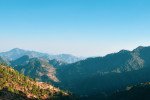
Bakrota Hills
Some quick example text to build on the card title and make up the bulk of the card's content.
Go somewhere
Bara Pathar
Some quick example text to build on the card title and make up the bulk of the card's content.
Go somewhere
Beeji's Park
Some quick example text to build on the card title and make up the bulk of the card's content.
Go somewhere
Chamera Lake & Chamera Dam
Some quick example text to build on the card title and make up the bulk of the card's content.
Go somewhere
Dainkund Peak
Some quick example text to build on the card title and make up the bulk of the card's content.
Go somewhere
Ganji Pahari
Some quick example text to build on the card title and make up the bulk of the card's content.
Go somewhere
Garam Sadak
Some quick example text to build on the card title and make up the bulk of the card's content.
Go somewhere
Jandri Ghat Palace
Some quick example text to build on the card title and make up the bulk of the card's content.
Go somewhere
Kalatop Wildlife Sanctuary
Some quick example text to build on the card title and make up the bulk of the card's content.
Go somewherein Other Cities