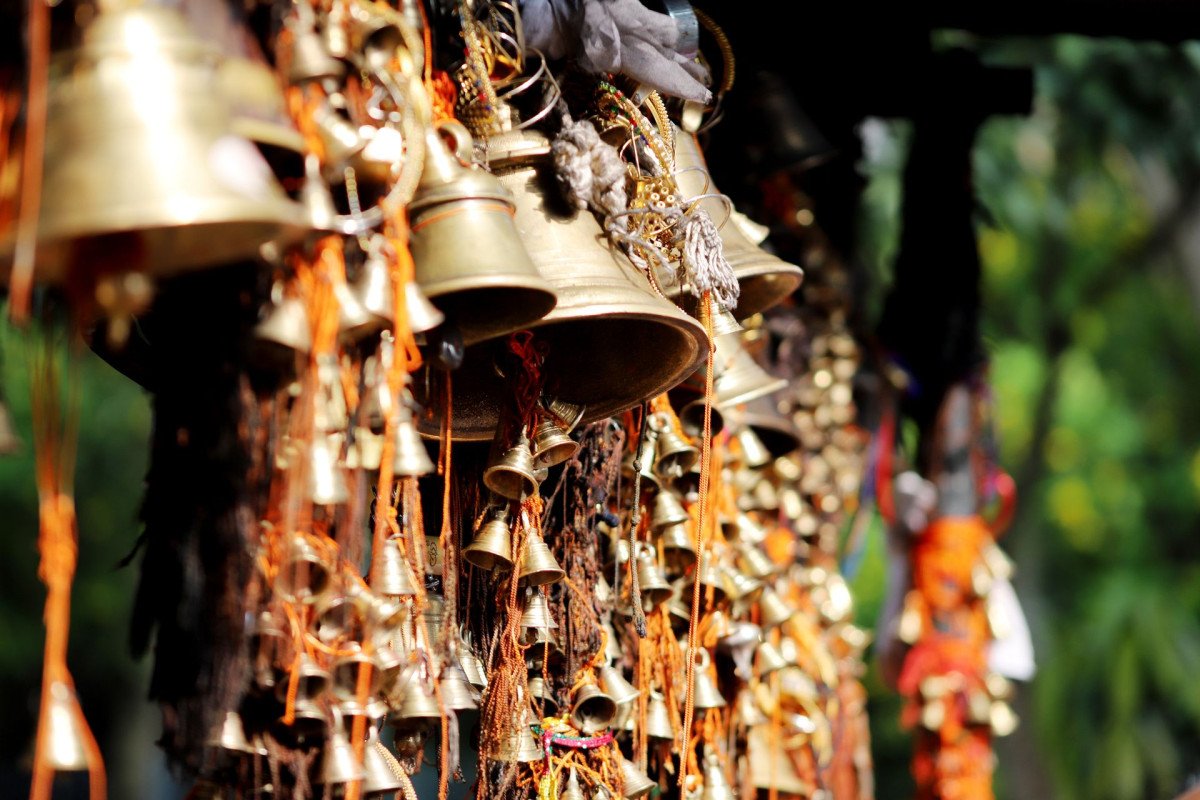
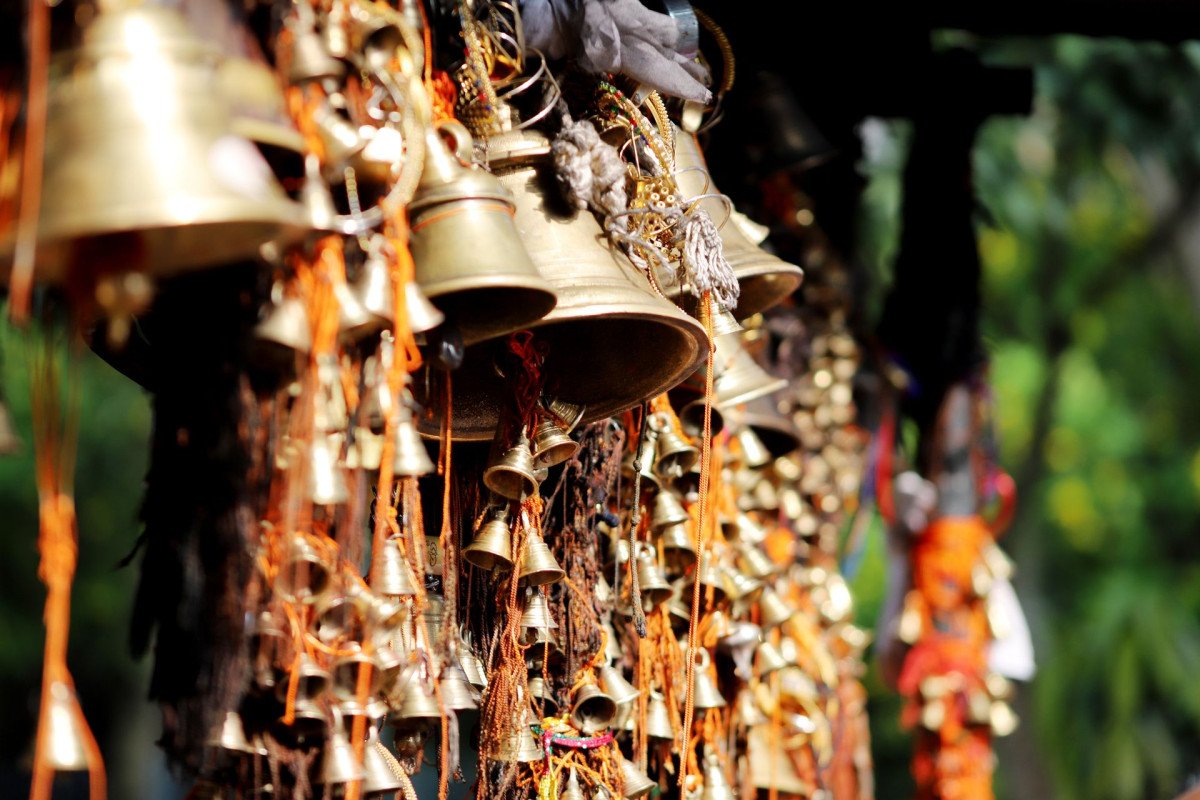
Danteshwari Temple
General information
-
Ideal Duration:
1 Hour (More during Festivals):Place Type:
Shakti Peetha, Royal Heritage, Cultural Nexus:Entry Fees:
No Mandatory Entrance Fee for Temple: As a place of active worship, there is no mandatory entry fee for devotees to enter the Danteshwari Temple. It is open to all visitors for Darshan (viewing of the deity).
Donations and Offerings: Visito...No Mandatory Entrance Fee for Temple: As a place of active worship, there is no mandatory entry fee for devotees to enter the Danteshwari Temple. It is open to all visitors for Darshan (viewing of the deity).
Donations and Offerings: Visitors are welcome to make voluntary donations (Dakshina) in the designated Hundi (donation box) or purchase Prasad (offering) from the stalls outside. There are no fixed fees, though some special pujas or rituals may require a small fee to the priests. The temple's maintenance relies on these voluntary contributions and the support of the royal family. Given its location within the Rajmahal complex, there is no separate complex entry fee, making it a highly accessible spiritual site. Beware of touts asking for excessive fees for guided services or special access.Timing:
Regular Timings: The temple is generally open from 5:30 AM to 1:00 PM and then again from 4:00 PM to 8:00 PM. The temple closes for a few hours in the afternoon.
Ideal Visit Time: The best time is during the early morning aarti (usually aro...Regular Timings: The temple is generally open from 5:30 AM to 1:00 PM and then again from 4:00 PM to 8:00 PM. The temple closes for a few hours in the afternoon.
Ideal Visit Time: The best time is during the early morning aarti (usually around 6:00 AM) or the evening aarti (usually around 7:00 PM) to experience the spiritual atmosphere at its peak. Avoid the afternoon closing hours.
Festival Timings: During the Bastar Dussehra festival (September/October), the timings are extended and highly specific to the rituals being performed. The temple remains open for much longer periods, sometimes late into the night.Special Events:
Bastar Dussehra: The most significant and unique event is the annual, 75-day-long Bastar Dussehra festival, which typically takes place between September and October (depending on the lunar calendar). This festival, dedicated to Goddess Danteshwari (and Devi Mavli), is a ma...Bastar Dussehra: The most significant and unique event is the annual, 75-day-long Bastar Dussehra festival, which typically takes place between September and October (depending on the lunar calendar). This festival, dedicated to Goddess Danteshwari (and Devi Mavli), is a massive tribal and cultural congregation. The temple is the epicenter for the main rituals, including the ceremonial movement of the deities, the grand procession of the massive wooden chariots, and various tribal ceremonies (Jogi Bisar, Kachan Gaadi, Maoli Parghao). The entire city's focus shifts here, transforming the atmosphere into a grand spectacle of devotion and tradition.Best Photo Spots:
The Palace Gateway Frame: The main entrance gate to the Rajmahal complex, framing the temple's Shikhara or a part of the main Mandapam. This shot connects the sacred with the historical administrative power.
Devotee Portraits: Respectfully ...The Palace Gateway Frame: The main entrance gate to the Rajmahal complex, framing the temple's Shikhara or a part of the main Mandapam. This shot connects the sacred with the historical administrative power.
Devotee Portraits: Respectfully capturing the devout faces and traditional attire of the local and tribal pilgrims, especially during the morning aarti or on a busy day. These photos tell a powerful story of faith and culture.
Architectural Details: Close-up shots of the pillar carvings, the temple roof finials, or the unique idol of the white-stone Goddess Danteshwari. Focus on the elements that show the blend of local and pan-Indian architectural styles.
The Chariot Workshop Area: The nearby site where the massive wooden chariots are constructed (usually near the Sirhasaar Bhawan) provides a unique, culturally rich photo opportunity, showcasing the scale of the festival preparation and the skill of local artisans.Photo Gallery
Things To Do
-
Spiritual Devotion and Rituals:
Offer Prayers and Seek Blessings: The primary activity is to offer prayers to Goddess Danteshwari and seek her blessings. The atmosphere of deep devotion is palpable, especially during morning and evening aarti sessions. Visitors can observe the unique local style of worship, which often incorporates tribal customs and music, distinguishing it from worship in other parts of India.
Observe the Temple Architecture: Spend time appreciating the architectural elements, especially the fusion of Nagara and local styles. Look for any ancient inscriptions or carved pillars in the Mandapam areas. Notice the difference in the idol's color (white) compared to the original temple in Dantewada (black), and reflect on the local significance of this distinction.Spiritual Devotion and Rituals:
Offer Prayers and Seek Blessings: The primary activity is to offer prayers to Goddess Danteshwari and seek her blessings. The atmosphere of deep devotion is palpable, especially during morning and evening aarti sessions. Visitors can observe the unique local style of worship, which often incorporates tribal customs and music, distinguishing it from worship in other parts of India.
Observe the Temple Architecture: Spend time appreciating the architectural elements, especially the fusion of Nagara and local styles. Look for any ancient inscriptions or carved pillars in the Mandapam areas. Notice the difference in the idol's color (white) compared to the original temple in Dantewada (black), and reflect on the local significance of this distinction.
Explore the Rajmahal Premises: Since the temple is inside the Rajmahal complex, take a respectful stroll around the outer areas of the Bastar Palace. While entry to the residential parts may be restricted, observing the historical perimeter walls, fortified gateways, and administrative buildings gives a sense of the former capital's grandeur. This is a quiet historical exploration often missed by tourists who rush in and out.
Witness Local Life and Devotee Gatherings: Observe the stream of local devotees, including tribal people, who come to the temple. This provides a genuine insight into the religious and cultural life of Jagdalpur. If visiting in the morning, one might see local vendors selling flowers and prasad, adding to the vibrant street life around the area.
Attend the Aarti Ceremony: Try to time your visit to attend the evening aarti. The sound of bells, conches, and devotional chants creates a powerful, spiritual, and sensory experience that is particularly memorable. The collective devotion during the ceremony is a moving spectacle.
Photography (Exterior): The exterior of the temple and the general atmosphere of the surrounding complex offer excellent photographic opportunities, capturing the intersection of history, religion, and local life. Frame the temple against the backdrop of the palace walls or capture the devout expressions of the pilgrims. Remember to be respectful and inquire before clicking pictures of people or inside the sanctum.
Learn the History: Hire a local guide or read up on the history of the Kakatiya dynasty and their connection to the goddess to enrich your visit. Understanding the temple's context as a royal Kuldevi significantly enhances the appreciation of its cultural weight.
Information
-
Why Famous:
The Epicenter of Bastar Dussehra: The primary reason for its fame in Jagdalpur is its critical role as the central worship site for the unique, 75-day-long Bastar Dussehra festival. All grand ceremonies, including the procession and the assembly of deities, revolve around t...The Epicenter of Bastar Dussehra: The primary reason for its fame in Jagdalpur is its critical role as the central worship site for the unique, 75-day-long Bastar Dussehra festival. All grand ceremonies, including the procession and the assembly of deities, revolve around this temple. This distinguishes it from the pan-Indian Dussehra.
Royal Patronage and Spiritual Power: It is revered as the Kuldevi of the Kakatiya kings, giving it immense historical and spiritual authority. The presence of the temple within the Rajmahal premises signifies the close connection between the ruling family and the goddess, seen as the protector of the kingdom.
Architectural Symbolism: The temple, though humble compared to other grand temples, represents the unique confluence of Hindu and indigenous tribal religious practices, symbolizing the religious syncretism of the region. The white stone idol in Jagdalpur is itself a unique feature that draws devotees. -
Architecture:
Fusion of Regional Styles: The temple architecture is a fascinating example of the regional blend of temple styles, though not as large as the one in Dantewada. It incorporates elements of the Nagara style, characterized by a curvilinear tower (Shikhara), combined with infl...Fusion of Regional Styles: The temple architecture is a fascinating example of the regional blend of temple styles, though not as large as the one in Dantewada. It incorporates elements of the Nagara style, characterized by a curvilinear tower (Shikhara), combined with influences from the Dravida (South Indian) style and indigenous Bastar tribal aesthetics. This fusion reflects the historical and cultural exchange in the region, particularly during the rule of the Kalachuri dynasty.
Structural Components and Material: The structure is typically divided into four main parts: the Garbha Griha (Sanctum Sanctorum), the Maha Mandap, the Mukhya Mandap, and the Sabha Mandap. The original structures were likely built using local materials like laterite stone and brick, with possible integration of wood for decorative and roofing elements. The entrance area often features pillars, and in some temples in the region, an ancient Garuda Pillar is found. The main idol of Goddess Danteshwari is finely chiseled out of black stone in the original temple, but the one in Jagdalpur is white stone, a notable distinction.
Dimension and Layout: While the exact dimensions vary, the Jagdalpur temple is smaller than its counterpart but located in a spacious courtyard within the Rajmahal complex. The layout is compact but follows the traditional Hindu temple design, leading the devotee from the open gathering space (Sabha Mandap) to the inner sanctum where the deity resides. The temple’s architectural strength lies in its historical material choice and its function as a central spiritual entity for the reigning dynasty, preserving the sacred space over centuries. -
How To Reach:
By Air: The nearest airport is Jagdalpur Airport (JGB), connected to Raipur and Hyderabad. The temple is approximately 8-10 KMS from the airport. Take a pre-paid taxi or auto-rickshaw; the journey takes about 20-30 minutes.
By Train: The ...By Air: The nearest airport is Jagdalpur Airport (JGB), connected to Raipur and Hyderabad. The temple is approximately 8-10 KMS from the airport. Take a pre-paid taxi or auto-rickshaw; the journey takes about 20-30 minutes.
By Train: The closest railway station is Jagdalpur Railway Station (JDP). The temple is very close, only 2-3 KMS away. An auto-rickshaw ride will take less than 10 minutes.
By Road: Jagdalpur is on the National Highway 30 network. The temple is centrally located near the Collectorate and the Rajmahal. It is a major landmark, and all local transport knows the location. For tourists from Raipur (approx. 300 KMS) or Visakhapatnam (approx. 315 KMS), follow the main city road towards the Rajmahal.
By Local Transport: Due to its central location, it is easily reachable by auto-rickshaws, cycle-rickshaws, and local shared transport from all parts of the city. If staying near the main market or Dalpat Sagar, it’s a short walk. -
Weather and Best Time to Visit:
Different Types of Seasons:
Winter Season (October to February): This is the best time to visit for comfortable weather, allowing easy and pleasant exploration of the temple and the adjacent Rajmahal area. Temperatures are cool and ideal for...Different Types of Seasons:
Winter Season (October to February): This is the best time to visit for comfortable weather, allowing easy and pleasant exploration of the temple and the adjacent Rajmahal area. Temperatures are cool and ideal for outdoor movement.
Monsoon Season (July to September): This period is highly significant as it coincides with the beginning and most of the Bastar Dussehra festival. Although the rain is heavy, the spiritual and cultural atmosphere is at its most vibrant. Visit in the monsoon for a unique cultural immersion, but expect rain.
Summer Season (March to June): This is the least favorable time due to the intense heat. Restrict your visit to early mornings.
Different Parts of the Day: The Ideal Visit Time is the early morning (6:00 AM to 8:00 AM) for a serene Darshan and to witness the morning rituals before the day's heat and crowd build up. The evening aarti is also highly recommended. -
Near Tourist Places:
Bastar Palace (on premises), Anthropological Museum (2 KMS), Dalpat Sagar Lake (1. 5 KMS), Lal Bagh (3 KMS), Jagannath Temple (1. 5 KMS), Shahid Park (2 KMS), Sirhasaar Bhawan (1 KM), Chitrakote Falls (38 KMS), Tirathgarh Falls (35 KMS), Kutumsar Caves (40 KMS).
Tourism Tips
-
Health & safety: Be aware of crowds, especially during the Dussehra festival, and keep valuables secure. Follow the priests' instructions inside the temple premises. The temple is relatively safe, being centrally located.
Packing: Dress co...Health & safety: Be aware of crowds, especially during the Dussehra festival, and keep valuables secure. Follow the priests' instructions inside the temple premises. The temple is relatively safe, being centrally located.
Packing: Dress code is modest; shoulders and knees should be covered out of respect for the religious site. You will need to remove footwear, so wear easy-to-remove sandals.
Accommodation: Plenty of hotels and lodges are available in the main Jagdalpur city area, within walking distance or a short ride from the temple. The central location offers convenience.
Other Different Topics heading:
Festival Awareness: If visiting during Dussehra, prepare for dense crowds, complex traffic arrangements, and high demand for accommodation. The cultural reward, however, is immense.
Guide Services: A local guide can greatly enhance your understanding of the temple's history, the Kakatiya dynasty, and the nuances of the Bastar Dussehra rituals.
Photography Rules: Always check with temple authorities before attempting to photograph inside the Garbha Griha. Exterior shots are generally acceptable.
Reviews
FAQs
Jagdalpur Itineray And Cost:-
Danteshwari Temple Tourism:-
Information about New and Updated Locations() of Chhattisgarh Has Been Added :-
Card subtitle
Note:-
Information provided here in good Faith and for reference only.
All information and pictures will be updated soon, please keep visiting.
Near Places
Anthropological Museum
Some quick example text to build on the card title and make up the bulk of the card's content.
Go somewhere
Archaeological Museum
Some quick example text to build on the card title and make up the bulk of the card's content.
Go somewhere
Bastar Palace
Some quick example text to build on the card title and make up the bulk of the card's content.
Go somewhere
Chitradhara Waterfalls
Some quick example text to build on the card title and make up the bulk of the card's content.
Go somewhere
Chitrakote Falls
Some quick example text to build on the card title and make up the bulk of the card's content.
Go somewhere
Dalpat Sagar Lake
Some quick example text to build on the card title and make up the bulk of the card's content.
Go somewhere
Dandak Caves
Some quick example text to build on the card title and make up the bulk of the card's content.
Go somewhere
Danteshwari Temple
Some quick example text to build on the card title and make up the bulk of the card's content.
Go somewhere
Jagdalpur
Some quick example text to build on the card title and make up the bulk of the card's content.
Go somewhere
Kanger Dhara
Some quick example text to build on the card title and make up the bulk of the card's content.
Go somewherein Other Cities