General information
Photo Gallery
Things To Do

@@Waterfall's Beauty and Location:: Bali Waterfall is a picturesque cascade hidden in the dense forests near Daporijo. It's a favorite spot for nature lovers and trekkers, offering a refreshing retreat away from the main town. The water tumbles down from a good height, creating a misty pool at the base. The journey to the waterfall itself is a delightful experience, passing through lush green landscapes and small tribal settlements. This area is relatively untouched by mass tourism, providing an authentic slice of the region's raw natural beauty. The serene environment and the rhythmic sound of falling water make it an ideal place for meditation and relaxation. The surrounding forest is part of the rich biodiversity of Arunachal Pradesh, home to various species of flora and fauna. Visitors often pack a picnic and spend several hours enjoying the cool air and pristine environment. It's a relatively moderate trek, making it accessible to most people with a basic fitness level. The experience is heavily dependent on the season, with the falls being most voluminous right after the monsoon season, usually around September to November. The tranquility and the sheer force of nature on display here are its main draws. The local community sometimes maintains the path, making it easier for visitors to reach the falls safely. The entire route is a beautiful showcase of the hilly terrain.
@@Major Tributary and Scenic Lifeline: The Subansiri River, a major tributary of the mighty Brahmaputra, is the geographical and cultural lifeline of the Upper Subansiri district. It flows majestically past the town of Daporijo, giving the town its identity and much of its scenic beauty. The river, whose name translates to "Gold River" in Assamese, is known for its powerful flow, clear to glacial-green waters, and the deep, rugged gorges it has carved through the Himalayas. For tourists, the Subansiri is a hub for thrilling adventure activities like white-water rafting and angling, especially during the winter months when the flow is manageable. The banks are also popular spots for camping and picnicking, offering panoramic views of the surrounding hills. Culturally, the river is central to the lives of the Tagin and Galo tribes, providing water for agriculture and being a subject of many local myths and legends. Its sheer scale and the raw, untamed nature of its environment make it a captivating natural feature.
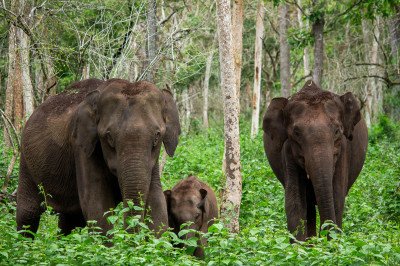
@@Rich Flora, Fauna, and Avifauna: The Kamala Reserve Forest, sometimes referred to as the Kamala Wildlife Sanctuary, is a significant protected area near Daporijo. It is a crucial biodiversity hotspot, home to a rich variety of tropical, temperate, and alpine forest ecosystems. The forest is particularly renowned among bird watchers for its diverse avifauna, including species like the Great Indian Pied Hornbill, Tragopan, and various pheasants. Beyond birds, the reserve is a habitat for various mammals, including the Indian elephant, Himalayan black bear, wild boar, and different species of monkeys and langurs. The lush, thick canopy and the pristine environment make it an ideal location for nature walks, trekking, and eco-tourism. The reserve is named after the Kamala River, a tributary in the region. Its protection is vital for maintaining the ecological balance of the Upper Subansiri district. The reserve offers a quiet escape into the unadulterated wilderness of Arunachal Pradesh, promoting a deep appreciation for the region's natural heritage.
@@Hub for Community Health and Services: The Tadak Dulom District Hospital Area is the location of the main Government District Hospital (GDH) serving the Upper Subansiri district. While not a conventional tourist spot, it is a vital part of the town's social and community infrastructure. The hospital complex, often including a nursing school or other public services, is a central hub for the health and well-being of the surrounding tribal communities, including the Tagin, Galo, and Hill Miris. A brief observation of the area provides an insight into the development and challenges of public health in the remote region of Arunachal Pradesh. The area is bustling with activity, as people from surrounding villages come for medical treatment, offering a chance to observe the diverse tribal groups interacting. The establishment is named after a prominent local personality. Its significance lies in its essential, non-commercial role as a pillar of community support and local government service provision.
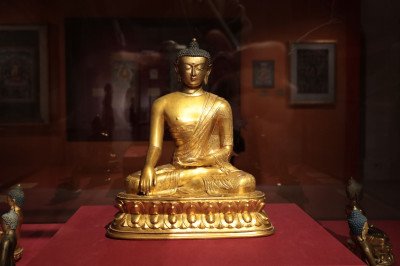
@@Showcase of Tribal Artifacts: The Daporijo Museum and Craft Centre serves as the principal repository of the rich and diverse cultural heritage of the Upper Subansiri District, focusing primarily on the local Tagin, Galo, and Hill Miri tribes. It features a fascinating collection of handicrafts, traditional weapons, and historical items, providing visitors with a crucial insight into the life, beliefs, and artistic talents of the indigenous communities. The exhibits help in understanding the complex tribal identity of this remote Himalayan region. @@The Art of Cane and Bamboo: The Craft Centre section of the museum is particularly famous for showcasing the intricate artistry involved in making products from cane and bamboo. The exhibits include everything from elaborate headgears and everyday baskets to the models and components used in building the region's famous suspension bridges. This focus highlights the profound importance of these natural materials in the tribes' sustainable way of life. @@Cultural Preservation and Education: Beyond displaying artifacts, the Centre is dedicated to the preservation and promotion of the local tribal art and craft forms, acting as a small educational hub. Visitors can often witness local artisans at work, perpetuating the traditional techniques for the next generation. It is the perfect place for a traveler to begin their cultural exploration of Daporijo before visiting the actual tribal villages.
@@Refreshing Stop on a Forest Trail: Nijam Waterfall is a less-known, likely seasonal or smaller cascade in the hills surrounding Daporijo. It is not a major tourist attraction like other regional falls but is popular among local residents as a hidden gem and a peaceful picnic spot. Its location is often deep within the forest, requiring a short, but sometimes challenging, trek to reach. The water volume fluctuates significantly; it is most impressive during and immediately after the monsoon season. A visit here is characterized by the pure, unadulterated feel of the mountain stream and the dense subtropical forest environment. The journey to Nijam is a mini-adventure, ideal for travelers who prioritize discovering secluded spots and enjoying nature in solitude. The air around the waterfall is clean and cool, offering a refreshing break. Like many waterfalls in the region, the surrounding area is rich in moss, ferns, and local vegetation, contributing to the area’s tranquil ambiance and pristine ecosystem. It represents the multitude of small, unnamed natural wonders that characterize the high-rainfall region of Arunachal Pradesh.
@@Cultural Significance and Construction: The Cane and Bamboo Suspension Bridge is a magnificent testament to the ingenious engineering and rich craftsmanship of the local Tagin and other tribes of Upper Subansiri. These bridges, often stretching hundreds of feet across the roaring Subansiri River, are constructed entirely from locally sourced cane and bamboo, without the use of any metal or modern machinery. This structure is more than just a crossing; it's a vital lifeline connecting tribal villages on either side of the river and a symbol of their harmonious relationship with nature. Walking across it is a thrilling and swaying experience that offers breathtaking views of the river and the surrounding mountains. The bridge requires constant maintenance by the community, reflecting a deep-seated tradition of communal effort. They stand as proud, living examples of sustainable, indigenous technology that has served the community for generations. The sheer scale and complexity, built purely from organic materials, make it a unique sight in the world. Visitors are often awestruck by the simplicity yet durability of the construction.
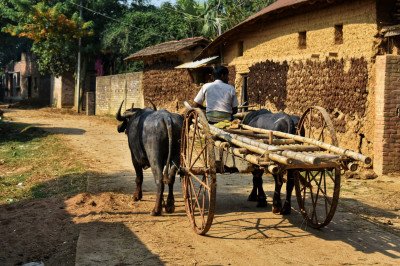
@@Culture and Traditional Donyi-Polo Faith: The Tagin Tribal Villages are the heart of the Upper Subansiri district's cultural landscape, as the Tagin tribe is the major inhabitant of the region. A visit to these villages, such as the ones near Ligu or Mori, offers an invaluable opportunity to witness the tribe's unique culture, traditional lifestyle, and the practice of the indigenous Donyi-Polo faith (worship of the Sun and Moon). The villagers primarily engage in agriculture (Jhum cultivation) and animal husbandry, and they are masters of bamboo and cane craftsmanship. Their traditional attire is simple yet distinctive. The villages are characterized by their unique chang-ghar houses on stilts and a deep sense of community. Their most important festival is Si-Donyi (celebrated in January). A journey to a Tagin village is a profound cultural encounter, requiring utmost respect and sensitivity from visitors, providing an educational and memorable experience far removed from mainstream tourism circuits.
Information
Tourism Tips
Reviews
FAQs
Daporijo-Arunachal-Pradesh-India Tourism:-
Information about New and Updated Locations() of Has Been Added :-
Card subtitle
Note:-
Information provided here in good Faith and for reference only.
All information and pictures will be updated soon, please keep visiting.