Dholwal Dam
General information
-
Ideal Duration:
1-2 Hours (for Dam Viewpoint and Backwaters)Place Type:
Dam & Reservoir (Nature, Scenic Viewpoint, Water BEntry Fees:
Public Access and Parking: There is No Formal Entry Fee for visiting the main dam viewpoint or the surrounding public area. Access to the dam's crest itself is typically restricted by the Irrigation Department due to safety concerns and is therefore Free but Prohibited. Ho...Public Access and Parking: There is No Formal Entry Fee for visiting the main dam viewpoint or the surrounding public area. Access to the dam's crest itself is typically restricted by the Irrigation Department due to safety concerns and is therefore Free but Prohibited. However, an unofficial parking fee of approximately Rs.20 - Rs.50 may be charged by local vendors or landowners near the main viewpoint area.
Hidden Costs and Activity Fees: Any specific activities like overnight camping on adjacent private properties or guided treks into the surrounding forests will incur separate, negotiated costs, typically ranging from Rs.800 to Rs.2,000 per person depending on the package. The primary attraction, the scenic view, remains free of charge for all visitors, making it a very affordable natural destination. Local tea and snack stalls operate in the vicinity with nominal pricing.Timing:
Regular Timings: The dam area and backwaters are generally accessible from 6:00 AM to 6:00 PM daily. Since it is an open-air natural and infrastructural spot, there are no strict gate timings, but it is highly discouraged to visit after sunset due to poor lighting, lack of ...Regular Timings: The dam area and backwaters are generally accessible from 6:00 AM to 6:00 PM daily. Since it is an open-air natural and infrastructural spot, there are no strict gate timings, but it is highly discouraged to visit after sunset due to poor lighting, lack of security, and the presence of wildlife. Visiting hours are effectively daylight hours.
Ideal Visit Time: The Ideal Visit Time is early morning (7:00 AM to 9:00 AM) for the clearest, most tranquil views and the best chance for bird watching. Late afternoon (4:00 PM to 6:00 PM) is also excellent for enjoying the sunset and cooler temperatures. Avoid the harsh midday sun (11:00 AM to 3:00 PM) for the best experience.
Monsoon Water Release: The time when the upstream Bhira Dam releases water, typically around 6:00 AM to 7:00 AM, is a special time to visit to witness the water's gushing sound, though this is further upstream than Dholwal Dam.Special Events:
The Dholwal Harvest Festival: Being primarily an irrigation dam, the local villages often celebrate a small, localized festival, typically in October or November after the Monsoon, to mark a good harvest season, thanking the water source. This is not a publicized event but ...The Dholwal Harvest Festival: Being primarily an irrigation dam, the local villages often celebrate a small, localized festival, typically in October or November after the Monsoon, to mark a good harvest season, thanking the water source. This is not a publicized event but a deep-rooted cultural celebration involving local folk dances, traditional music, and communal feasts held in the nearby villages like Rawalje or Dholwal.
Dam Overflows in Monsoon: During periods of very heavy rainfall, usually in July and August, the dam may reach its capacity and release water through the gates. This event is a spectacular, though sometimes restricted, sight of man-made and natural power. Locals gather to witness this engineering and natural marvel, making it a powerful, though unpredictable, seasonal event that showcases the dam's critical function.Best Photo Spots:
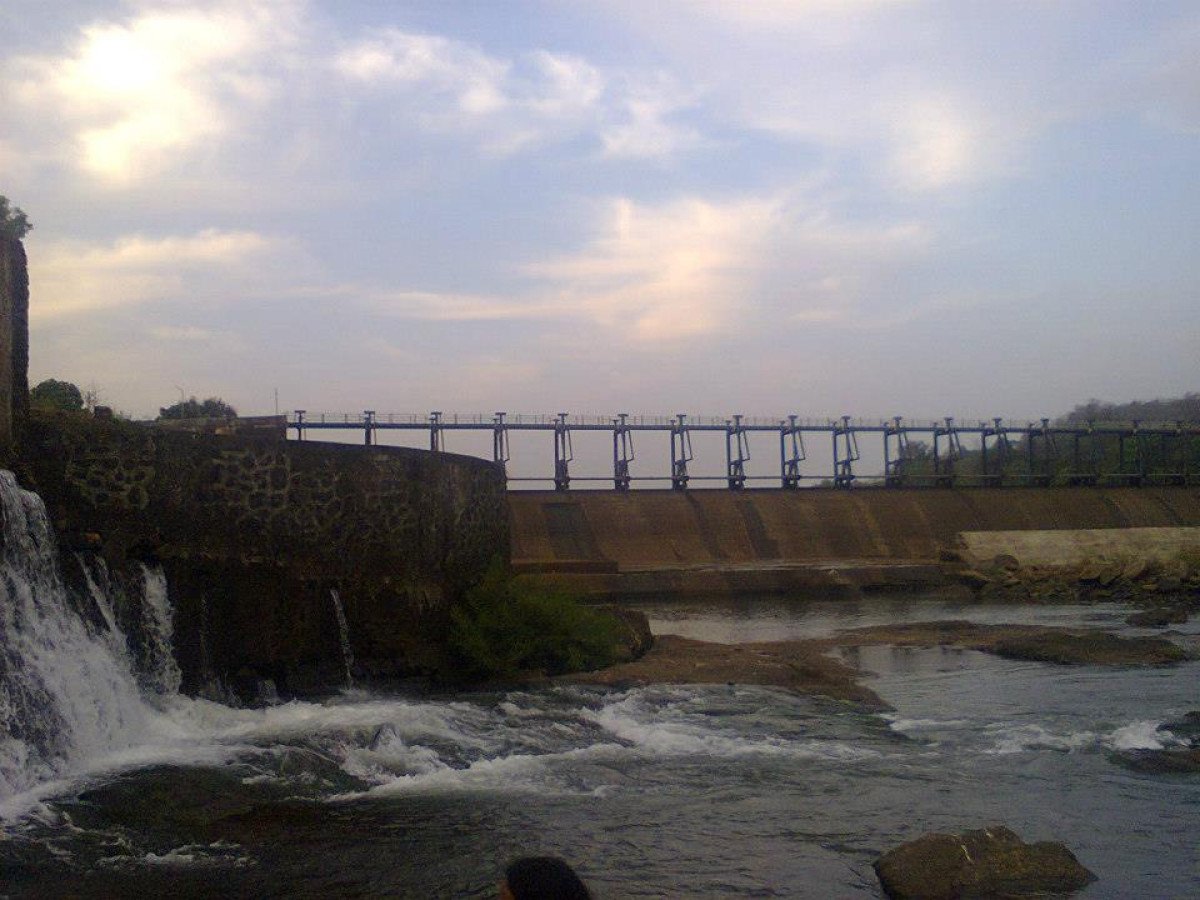
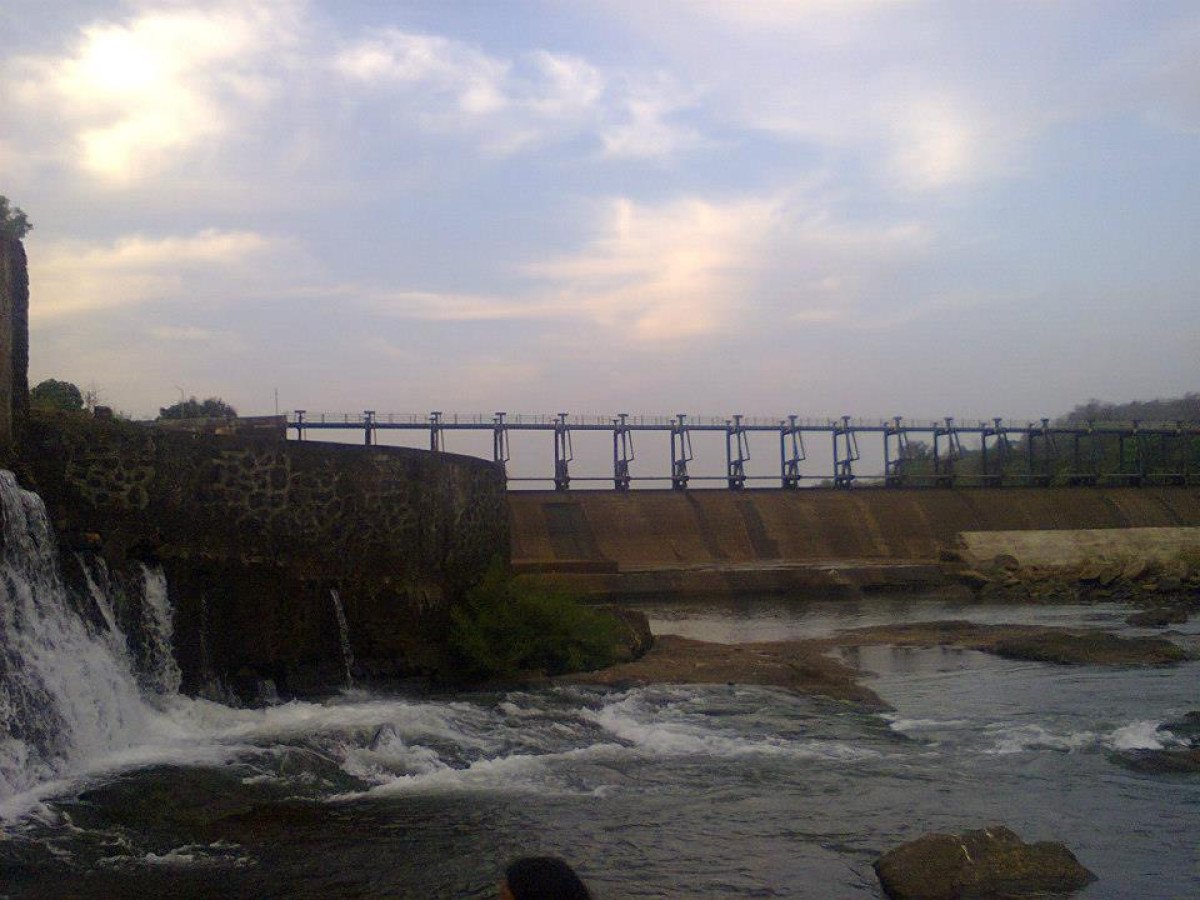
The Spillway and Gate Area: Capture the sheer scale of the dam's concrete structure, especially the spillway section. Focus on the textures of the stone and the angular lines to emphasize the engineering marvel. This spot is best for wide-angle, dramatic shots.The Spillway and Gate Area: Capture the sheer scale of the dam's concrete structure, especially the spillway section. Focus on the textures of the stone and the angular lines to emphasize the engineering marvel. This spot is best for wide-angle, dramatic shots.
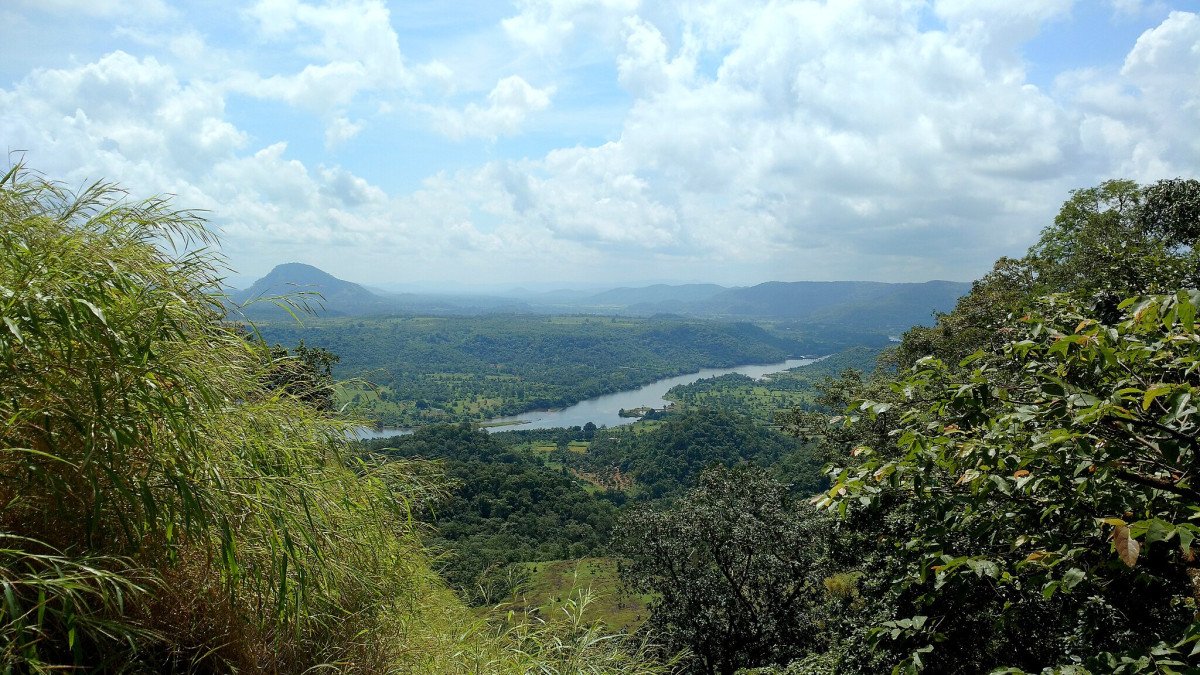
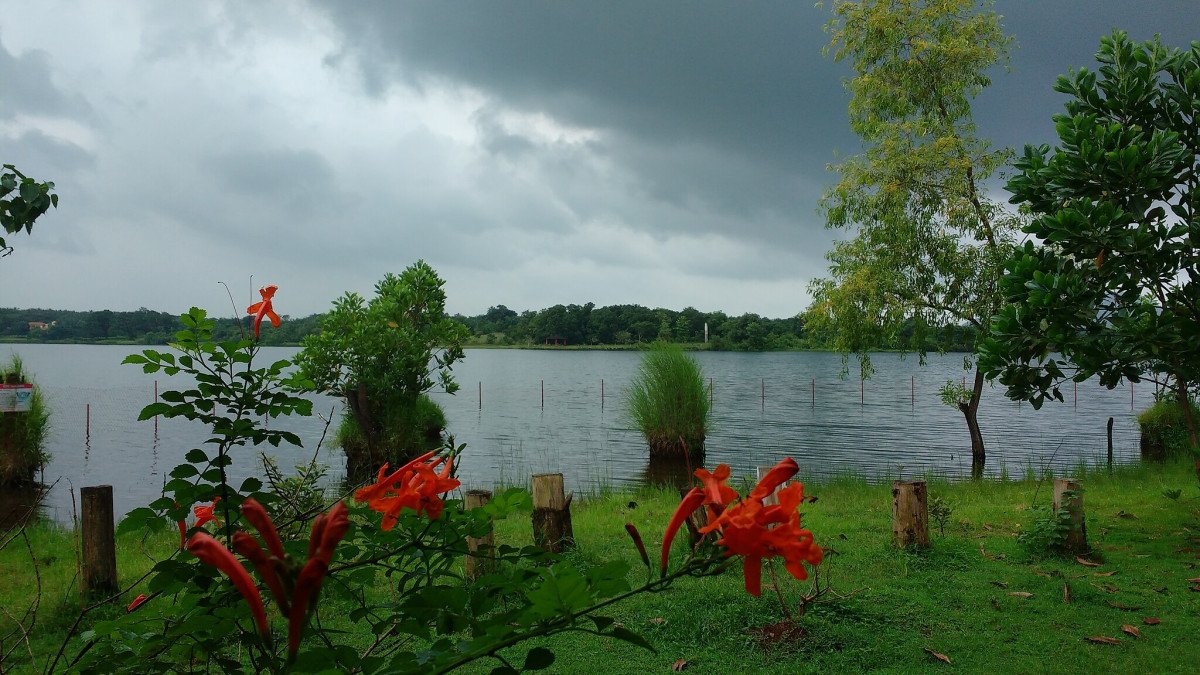
Panoramic View from the Approach Road: The highest point of the approach road to the dam offers a perfect vantage point to take in the vast, horseshoe-shaped reservoir flanked by the green Sahyadri hills. This is ideal for panoramic photographs, especially during the Golden Hour (Sunrise or Sunset).
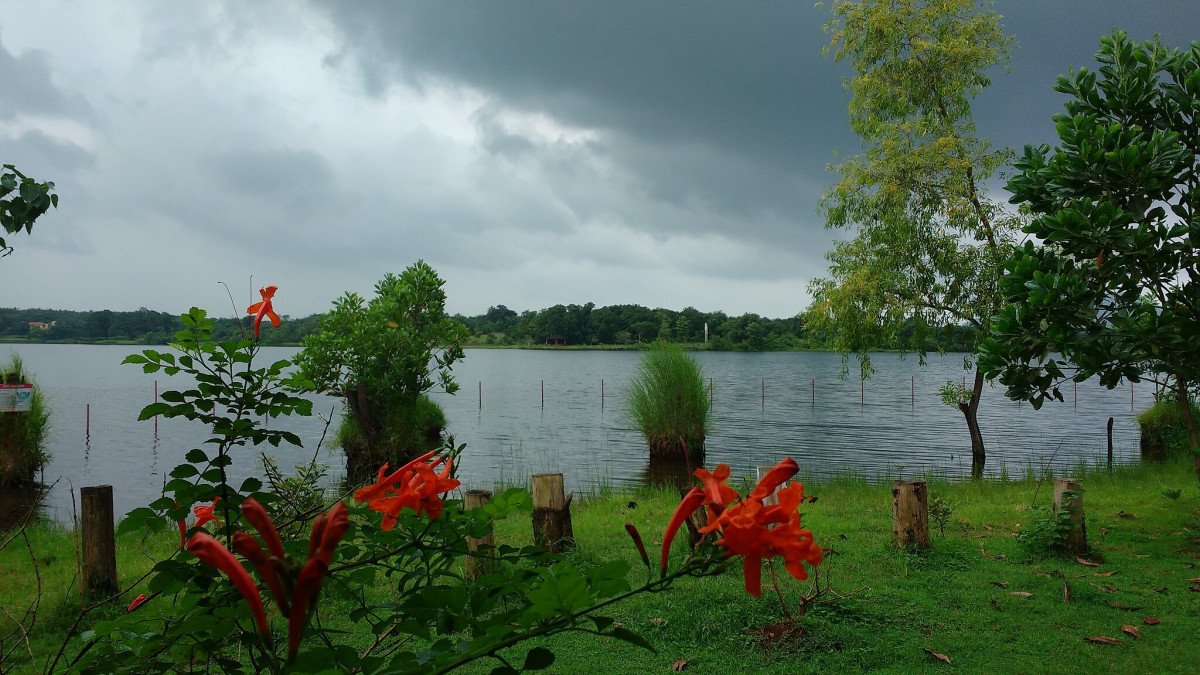
Backwater Shoreline Reflections: The still backwaters, particularly in the early morning, create mirror-like reflections of the surrounding hills and sky. This spot is perfect for capturing serene, minimalist shots, with the symmetrical reflection adding an artistic quality. Use a polarizing filter here to enhance the effect.
The Lush Green Hill Slopes: Focus your camera on the dense vegetation and the texture of the green, rain-fed hills that form the backdrop. Capture close-up shots of wildflowers or small waterfalls cascading down the slopes during the post-monsoon period. This provides a detailed, vibrant element to the portfolio.Photo Gallery
Things To Do
-
Strolling and Scenic Walking:
requirement: Enjoy a leisurely walk along the designated pathways near the dam's crest (where permitted) or along the approach roads. The morning and late afternoon are ideal for a scenic stroll, taking in the refreshing, unpolluted air and the spectacular views of the reservoir. A simple walk here is a profound experience in nature therapy, especially for those escaping urban noise.
Photography and Landscape Capture: The area is a paradise for landscape photography. Key focus areas include capturing the wide expanse of the blue backwaters, the contrast of the dark Sahyadri mountains against the sky, and the dynamic texture of the dam's structure. Early morning sunrise or the golden light of the sunset offers the most dramatic photographic opportunities.
...Strolling and Scenic Walking:
requirement: Enjoy a leisurely walk along the designated pathways near the dam's crest (where permitted) or along the approach roads. The morning and late afternoon are ideal for a scenic stroll, taking in the refreshing, unpolluted air and the spectacular views of the reservoir. A simple walk here is a profound experience in nature therapy, especially for those escaping urban noise.
Photography and Landscape Capture: The area is a paradise for landscape photography. Key focus areas include capturing the wide expanse of the blue backwaters, the contrast of the dark Sahyadri mountains against the sky, and the dynamic texture of the dam's structure. Early morning sunrise or the golden light of the sunset offers the most dramatic photographic opportunities.
Bird Watching Expeditions: Carry a pair of binoculars and a bird identification guide. The backwaters are a known habitat for various aquatic and terrestrial birds. Spend a few hours quietly observing the birdlife, particularly near the calmer, less disturbed inlets of the reservoir. This is a tranquil and rewarding activity.
Picnicking with Family and Friends: Designate a spot in the nearby shaded areas or on the backwater banks for a relaxing picnic. The peaceful environment is perfect for a family outing, a romantic couple's lunch, or a group get-together, offering a serene alternative to the adventure sports of the main town. Remember to bring a mat and your own food and carry all waste back.
Exploring Local Villages: Take a short detour to the small villages surrounding the dam like Dholwal itself. Interact with the friendly locals to understand the Konkan lifestyle, buy fresh local produce, and see the traditional houses, which provides a deep cultural insight often missed by speed-tourists. This offers a rich, grounding experience.
Nature Sketching and Painting: For artistic individuals, the dam and its surrounding landscape serve as an endless source of inspiration. Bring a sketchbook, watercolors, or an easel and spend a contemplative hour or two creating art en plein air. The varied textures of water, rock, and sky are exceptional subjects. This activity combines relaxation with creative expression.
Star Gazing at Night (Camping): While direct camping on the dam is prohibited, several farm stays or open grounds near the backwaters allow for night camping. The clear, unpolluted skies of the Raigad district make the dam backwaters a brilliant spot for star gazing, identifying constellations, and enjoying the quietude of a rural night. This is a particularly memorable activity for friends or couples.
Short Treks to Adjacent Hills: The hills bordering the reservoir are generally gentle in slope. Plan a short, guided trek (with local advice) up one of these smaller hills for a more elevated, expansive view of the entire valley and the water body. This adds a moderate physical challenge to the day's itinerary, rewarding the effort with unparalleled panoramic vistas.
Information
-
Why Famous:
Water Regulation Power: The dam is a crucial part of the Kundalika River water-release mechanism. This regulated water flow is precisely why Kolad is known as the only white-water rafting destination in Maharashtra that operates nearly all year round, unlike other spots tha...Water Regulation Power: The dam is a crucial part of the Kundalika River water-release mechanism. This regulated water flow is precisely why Kolad is known as the only white-water rafting destination in Maharashtra that operates nearly all year round, unlike other spots that depend solely on natural rainfall. This functional importance makes it a famous infrastructural landmark.
Breathtaking Natural Scenery: Its primary fame for tourists is the sheer beauty of the location. Unlike the bustling rafting point, the dam offers a serene and expansive view of the water meeting the Sahyadri range. The calm backwaters are perfect for reflection and provide an idyllic, cinematic landscape often used by local film crews and photographers, elevating its status beyond a mere irrigation project.
Bird Watching Haven: The clean environment and abundant water source make it a lesser-known but highly valued spot for bird watchers. Various resident and migratory birds, including kingfishers, egrets, and raptors, frequent the backwaters, making it famous among ecological enthusiasts who seek out tranquil, biodiverse locations away from the main adventure crowds. The sight of the overflow during the monsoon is also a famous, powerful natural display. -
Architecture:
Design and Construction: Dholwal Dam is typically a composite dam, featuring a central masonry or concrete section for the spillway and earthen embankments on the sides, a common design for multi-purpose irrigation projects in the region. This hybrid construction allows for...Design and Construction: Dholwal Dam is typically a composite dam, featuring a central masonry or concrete section for the spillway and earthen embankments on the sides, a common design for multi-purpose irrigation projects in the region. This hybrid construction allows for robust water containment while minimizing construction costs using locally sourced materials like earth and rock.
Dam Body Dimensions: The central concrete spillway section, which handles the overflow, may have a crest length of approximately 150 to 250 meters. The overall length, including the earthen wings, can stretch up to 1,000 to 1,500 meters. The height from the deepest foundation could be in the range of 25 to 35 meters. The precise dimensions are proprietary to the Irrigation Department, but its sizable structure holds a considerable volume of water, estimated to be several million cubic meters.
Reservoir and Embankment Features: The embankment's slope is carefully engineered for stability, typically featuring a flatter upstream slope and a steeper downstream slope, often covered with grass or rock-pitching for erosion control. The vast reservoir backwaters, while not part of the physical architecture, are an essential functional feature, often spanning over 5 to 7 square kilometers depending on the water level, reflecting the dam's massive water-holding capacity. -
How To Reach:
By Air: The nearest major airport is Chhatrapati Shivaji Maharaj International Airport (BOM) in Mumbai (120 Kms) or Pune International Airport (PNQ) in Pune (110 Kms). From either airport, one must hire a pre-booked taxi or use private transportation to reach Kolad, which t...By Air: The nearest major airport is Chhatrapati Shivaji Maharaj International Airport (BOM) in Mumbai (120 Kms) or Pune International Airport (PNQ) in Pune (110 Kms). From either airport, one must hire a pre-booked taxi or use private transportation to reach Kolad, which takes approximately 3-4 hours of driving time.
By Train: The nearest railway station is Kolad Railway Station (KOL) on the Konkan Railway route, located approximately 15 Kms from the dam site. Many express and local trains from Mumbai and Pune stop here. From the station, you can hire an auto-rickshaw or a local taxi. The journey from Mumbai is about 3 hours by train.
By Road: Dholwal Dam is well-connected by road, lying slightly off the Mumbai-Goa Highway (NH-66). The best option is to self-drive from Mumbai (120 Kms) or Pune (110 Kms), which takes around 3 hours. The road network is scenic and in decent condition. Follow the route towards Kolad and then take the local road towards Rawalje village.
By Local Transport: From Kolad village or town center, the most practical local transport is a shared jeep or a hired auto-rickshaw or cab. Since the dam is 15 Kms away, it is best to negotiate a return fare with the driver as public buses are infrequent on this specific rural route, especially closer to the dam site. -
Weather and Best Time to Visit:
Monsoon Season (June to September): This is arguably the most beautiful time. The entire landscape is intensely green, the dam is full, and the air is clean and misty. It is the best time for scenic photography, though road travel can be slow due to rain.Monsoon Season (June to September): This is arguably the most beautiful time. The entire landscape is intensely green, the dam is full, and the air is clean and misty. It is the best time for scenic photography, though road travel can be slow due to rain.
Winter Season (October to February): This is the most pleasant and popular time for overall tourism. The weather is cool and dry, perfect for strolling, picnics, and comfortable travel. It is the Best Time to Visit for bird watching. The temperatures range from 12Rs.C to 25Rs.C.
Summer Season (March to May): This season is hot and should be avoided, especially the midday hours. While the dam still holds water, the surrounding hills turn dry and brown, reducing the scenic appeal. Visit only during the early morning or late evening to escape the heat.
Different Parts of the Day: Sunrise provides the calmest water and the most beautiful golden light for reflections. Mid-day is the least ideal. Late Afternoon offers a pleasant environment for leisurely picnics and comfortable walks. -
Near Tourist Places:
Bhira Dam (Tata Powerhouse) (25 Kms):
Avchitgad Fort (30 Kms):
Ghosala Fort (35 Kms):
Sutarwadi Lake (10 Kms):
Kuda Caves (35 Kms):
Tamhini Ghat Waterfalls (40 Kms):
Tala Fort (45 Kms):
Kolad Museum (15 Kms):
Pali Ashtavinayak Temple (40 Kms):
Janjira Fort (80 Kms):
Tourism Tips
-
Health & Safety: Carry a First Aid Kit with basic medicines, mosquito repellent, and antiseptic cream, as the location is remote. Wear sturdy, non-slip footwear, especially during the monsoon. Inform locals or your accommodation about any long trek you plan to undertake. ...Health & Safety: Carry a First Aid Kit with basic medicines, mosquito repellent, and antiseptic cream, as the location is remote. Wear sturdy, non-slip footwear, especially during the monsoon. Inform locals or your accommodation about any long trek you plan to undertake. Keep a safe distance from the dam's water-release gates and signs.
Packing Essentials: Bring a reusable water bottle, as clean water is not always available. Carry a light jacket or shawl, even in winter, for the cool mornings and evenings. Pack a good quality camera with extra batteries and a tripod for long-exposure photography. Do not forget sunglasses, a hat, and high SPF sunscreen for daytime visits.
Accommodation Options: There are no hotels directly at the dam, but many excellent farm stays, resorts, and campsites are available near the Kolad village and along the Kundalika River. Options range from basic tents to luxurious bungalows. It is highly recommended to pre-book accommodation, especially during the peak winter and monsoon weekends.
Responsible Tourism: Dholwal Dam is a functional utility. Be respectful of the infrastructure and surrounding farmlands. Do not litter; carry all plastic and non-biodegradable waste back with you. Avoid shouting or playing loud music, as this disturbs the wildlife and the tranquility of the backwaters. Supporting local tea and snack vendors helps the community.
Reviews
FAQs
Kolad Itineray And Cost:-
Other Places In Kolad :-
Other States In India :-
Information about New and Updated Locations() of Maharashtra Has Been Added :-
Card subtitle
Note:-
Information provided here in good Faith and for reference only.
Near Places
Avchitgad Fort
Some quick example text to build on the card title and make up the bulk of the card's content.
Go somewhere
Ballaleshwar Pali Temple
Some quick example text to build on the card title and make up the bulk of the card's content.
Go somewhere
Bhira Dam
Some quick example text to build on the card title and make up the bulk of the card's content.
Go somewhere
Devkund Waterfalls
Some quick example text to build on the card title and make up the bulk of the card's content.
Go somewhere
Dholwal Dam
Some quick example text to build on the card title and make up the bulk of the card's content.
Go somewhere
Gaimukh
Some quick example text to build on the card title and make up the bulk of the card's content.
Go somewhere
Ghosala Fort
Some quick example text to build on the card title and make up the bulk of the card's content.
Go somewhere
Imagicaa Amusement Park
Some quick example text to build on the card title and make up the bulk of the card's content.
Go somewhere
Kashid Beach
Some quick example text to build on the card title and make up the bulk of the card's content.
Go somewhere
Kolad Museum
Some quick example text to build on the card title and make up the bulk of the card's content.
Go somewhere
Kuda Mandad Caves
Some quick example text to build on the card title and make up the bulk of the card's content.
Go somewhere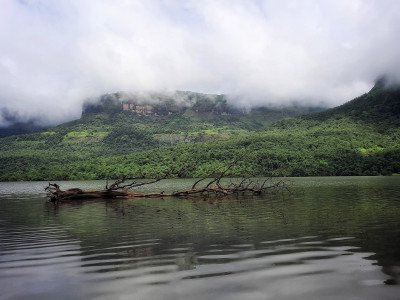
Kundalika River Rafting Point
Some quick example text to build on the card title and make up the bulk of the card's content.
Go somewhere
Murud Beach
Some quick example text to build on the card title and make up the bulk of the card's content.
Go somewhere
Murud Janjira Fort
Some quick example text to build on the card title and make up the bulk of the card's content.
Go somewhere
Plus Valley Trek
Some quick example text to build on the card title and make up the bulk of the card's content.
Go somewhere
Raigad Ropeway Station
Some quick example text to build on the card title and make up the bulk of the card's content.
Go somewherein Other Cities