General information
Photo Gallery
Things To Do
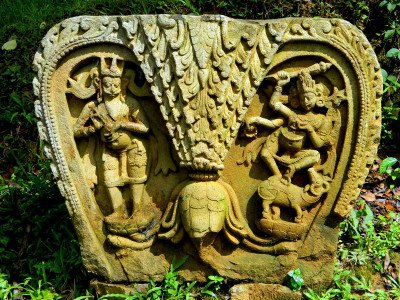
Barbarua Maidam is a significant historical site in Dibrugarh, Assam, representing the funerary architecture of the powerful Ahom Dynasty which ruled the region for nearly six centuries. The term 'Maidam' in the Ahom language literally means 'mound of the dead' and these structures are burial mounds, similar to Egyptian pyramids or medieval tumuli, built for the royalty and high-ranking officials. The Barbarua Maidam complex specifically consists of two main ancient graveyards, believed to be the final resting places of two prominent high-ranking Ahom officials, namely Deka Dihingia Barbarua and Bura Dihingia Barbarua. Additionally, there are smaller mounds nearby, which are thought to belong to common soldiers of the Ahom kingdom. Though now often used as a public park and gathering space, the site holds immense archaeological and historical value, offering a tangible link to the rich cultural legacy and societal structure of the Ahom era. Visiting the Maidam provides a serene and contemplative experience, allowing one to reflect on the historical grandeur and the ancient funerary practices of this long-reigning dynasty. The lush green surroundings of the site, common in Upper Assam, add to its tranquil atmosphere, making it a peaceful spot amidst the bustling development of Dibrugarh city. The site, situated close to the main highway, highlights the importance of this region during the Ahom rule. Its maintenance and recognition as a historical site help in preserving the memory of the Ahom kingdom's influence in Dibrugarh.
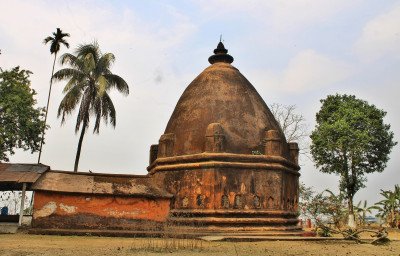
@@ Place Details: : Raidongia Dol is a magnificent historical monument that stands as a silent witness to the glorious reign of the Ahom Kingdom in Assam. Built in 1750 AD by the Ahom King Swargadeo Pramatta Singha, this temple was originally dedicated to the goddess Devi but eventually became a center for Lord Shiva worship. The site is located in the Lejai-Kalakhowa region and is deeply revered by the local population for its spiritual and historical significance. Legend has it that the temple was gifted as a dowry to the King's sister, Yamini, who was married to the Raidongia Barua, hence the name Raidongia Dol. The monument is surrounded by lush green paddy fields and a large, ancient pond known as the Raidongia Pukhuri, which adds to the tranquil beauty of the temple complex. Over the centuries, the structure has suffered the effects of time and weather, yet it retains its majestic aura and intricate stone carvings that depict various Hindu deities. The Archaeological Department of Assam has recognized it as a state-protected monument to ensure the preservation of its unique architectural style. Visiting Raidongia Dol provides a deep sense of connection to the medieval history of Northeast India, offering a peaceful escape from the hustle of modern city life. The temple courtyard often resonates with the sound of prayer bells, especially during festivals like Maha Shivratri, when thousands of devotees gather to seek blessings. The combination of its historical ruins, the surrounding natural landscape, and the spiritual energy of the place makes it a must-visit destination for anyone traveling through the Dibrugarh district. It serves as an educational site for students of history and a serene spot for those seeking a moment of reflection amidst the remnants of a powerful dynasty.

Sarumechlow and Bormechow Maidam are significant historical burial mounds located in the Lengeri Mouza area of Dibrugarh. These maidams (similar to the pyramids of Egypt, but of the Ahom royalty and nobility) serve as the resting places for the two queens of the powerful Ahom King Sukhampha Khura (reigned 1552-1603 AD). Sarumechlow and Bormechow were two of his queens, and their burial sites reflect the distinct and sophisticated funerary customs of the Ahom dynasty, who ruled Assam for nearly six centuries. The sites are essentially large, dome-shaped earthen mounds, often capped with a small pavilion (Chow) structure that has historically been damaged or lost over time. Surrounded by a tranquil and serene environment, often amidst lush greenery and sometimes adjacent to tea gardens, the maidams offer a peaceful retreat and a tangible link to the rich history of Upper Assam. They are protected and preserved as archaeological monuments, though they are often less developed for tourism compared to other Ahom sites like those in Sivasagar. Visiting them provides a quiet moment to reflect on the legacy of a dynasty that profoundly shaped the region's cultural and political identity. The site is valued by historians, archaeologists, and cultural enthusiasts. The peaceful surroundings, far from the city's noise, make it an ideal place for reflection and experiencing a different facet of Dibrugarh's heritage beyond the tea gardens and the Brahmaputra. The maidams underscore the importance of Dibrugarh in the larger Ahom narrative, despite the capital being elsewhere.
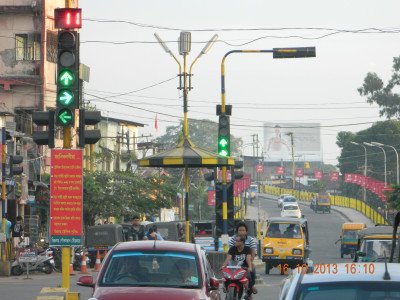
Thana Chariali is not a single tourist monument but rather the vibrant, bustling central junction and commercial hub of Dibrugarh city. It literally means "Police Station Crossroads" (Thana = Police Station, Chariali = Crossroads) and is named after the Dibrugarh Sadar Police Station located nearby. This area is the nerve center of the city, where commercial activity, administrative functions, and the daily lives of the local people converge. It's a place where the old and new seamlessly blend, from traditional small shops (known as pukias) selling local handicrafts and essentials to modern showrooms, banks, and corporate offices. The streets are always alive with the noise of commerce, the aroma of street food, and the colorful chaos of a thriving urban market. It serves as a crucial transit point, connecting various parts of the city and its surrounding areas. This is where you can truly experience the pulse of Dibrugarh, often called the "Tea City of India," as it's the gateway and supply center for the numerous tea estates in the region. The Chariali is surrounded by important institutions like the Dibrugarh Sadar Police Station, various banks, and is near the Dibrugarh Head Post Office. It is a hub for retail shopping, especially for clothing, electronics, and local Assamese products. While it is a place of business, it also holds social and cultural significance, often being the focal point for city events and public gatherings. A visit here is essential not just for shopping, but to understand the energy and local lifestyle of Upper Assam.
Lekai Chetia Maidam is a significant historical and cultural site in Dibrugarh, Assam. It is a traditional Ahom maidam, which are earthen mounds serving as burial vaults for Ahom royals and high-ranking officials. This specific Maidam is dedicated to Lekai Chetia, an influential officer who served under the great Ahom King, Swargodeo Pratapsingha, during the 17th century. The Ahom Kingdom ruled Assam for nearly 600 years, and these Maidams are powerful reminders of their legacy. While historically a burial site, the Lekai Chetia Maidam is now also revered as a 'Thaan' (a local term for a religious institution or sacred place), indicating a fusion of historical reverence and religious sanctity. This dual role makes it a unique destination. The surrounding area of the Maidam is notable for its picturesque, tranquil setting, being located near the famous Mankota Road. The site is often covered with lush greenery, resembling a serene, untouched landscape, which strongly appeals to nature lovers and those seeking peace away from the city's commotion. It stands as a monument of courage, loyalty, and the rich political history of the Ahom era. Visitors come here not just to witness a historical structure but also to experience a moment of calm and introspection. The maintenance of the site as a Thaan ensures its preservation and cultural continuity. The large grassy mound, a signature of Maidam architecture, is a focal point. The site is an integral part of Dibrugarh's historical map, connecting the present generation with the glorious past of the region. The Maidam's location, surrounded by the natural beauty typical of Upper Assam, adds to its charm, making it a must-visit for tourists exploring the 'Tea City of India'. Its cultural importance extends beyond just the grave; it is a repository of Assamese history and traditional beliefs.

@@Dinjoy Satra is a major religious and cultural landmark located near Chabua in the Dibrugarh district. It was founded by Aniruddha Dev, a prominent figure in the Moamoria rebellion and a dedicated disciple of the Vaishnavite faith. The Satra is famous for its strict adherence to the norms and traditions of Vaishnavism, serving as a sanctuary for spiritual seekers. The name "Dinjoy" is derived from the Dinjoy River, which once flowed nearby, adding to the spiritual significance of the site. This monastery is part of the Mayamara sect and has a unique history associated with the socio-political movements of the Ahom kingdom. The atmosphere inside the Satra is filled with the sounds of Borgeets (devotional songs) and the rhythmic beats of the Khol and Taal. It acts as a community center where local villagers gather for religious discussions and festivals. The institution has been instrumental in preserving the democratic and egalitarian values of the Moamoria movement. Visitors can witness the simple yet profound lifestyle of the resident monks, who dedicate their lives to the service of God and society. The Satra is surrounded by a peaceful landscape, offering a retreat from the noise of the city. It is particularly known for its grand celebrations during Pal Naam and Raas Mahotsav, where the entire region comes alive with devotion. The historical importance of Dinjoy Satra lies in its role as a center for social reform and spiritual awakening in Upper Assam. For a traveler, it offers a window into the deep-seated religious traditions that define the cultural fabric of Dibrugarh. The site is a living museum of faith, history, and Assamese identity.
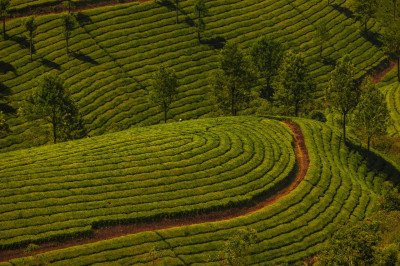
The Mancotta Tea Estate is one of the most historical and picturesque tea estates in Upper Assam, situated just a short drive from the city of Dibrugarh, often called the "Tea City of India." The estate covers a vast area of lush green plantations, famous for producing high-quality Assam Orthodox teas, known for their bright golden tips. The name "Mancotta" is said to mean the place where the Burmese were defeated, hinting at the region's historical significance. The estate is a living testament to the colonial legacy of tea cultivation in Assam, which began in the mid-19th century. The core attraction for visitors is the Mancotta Heritage Chang Bungalow, a charming colonial-era residence that was once the official home of the British superintendent managers. Surrounded by the tranquil landscape of endless tea bushes and a majestic, old Rain Tree, the estate offers a peaceful escape from the busy city life. In 2001, the sprawling manager's bungalow was converted into a heritage property, allowing tourists to experience the old-world charm and laid-back lifestyle of a planter. The experience includes guided walks through the aromatic gardens, understanding the tea manufacturing process at the factory (when operational), and simply relaxing in the serene ambiance. The estate perfectly captures the essence of Assam's tea culture, blending natural beauty with rich history and architectural heritage. It provides an immersive look into the life and traditions developed during the British Raj, making it a unique destination for travelers seeking both tranquility and cultural insight. The estate's continued dedication to orthodox tea production highlights its commitment to quality and tradition in the global tea industry.
The Dibrugarh Phoolbagan Ferry Ghat is much more than just a transportation hub; it is a vital nerve center for the social and economic life of Upper Assam. Located on the southern bank of the majestic Brahmaputra River, the ghat serves as the main point for ferry services connecting Dibrugarh with the northern bank, including districts like Dhemaji and further, linking to the world's largest river island, Majuli (via other points, or directly, depending on the river's condition and season). It is a bustling microcosm of Assamese culture, where the sound of boat engines blends with the chatter of vendors and travelers. The ghat handles a significant volume of traffic, including passengers, two-wheelers, and sometimes smaller four-wheelers, making it an essential conduit for local trade, tourism, and daily commute. The atmosphere changes throughout the day; a quiet, misty calm prevails during the early morning hours, which soon gives way to a vibrant flurry of activity as the first ferries depart. The sight of the wide, brown expanse of the Brahmaputra, particularly during sunrise or sunset, is captivating from this point. The river's bank here also plays a role in local recreational activities, offering a space for evening strolls and contemplation. It stands as a testament to the region's enduring reliance on the river for connectivity, a tradition that predates modern road and rail networks. It's an ideal spot to witness the raw power and immense scale of the Brahmaputra, often referred to as a flowing sea. The name "Phoolbagan" suggests its past connection to flower gardens, even though today it's dominated by the functional requirements of a busy jetty. The river's erosion is a continuous challenge here, influencing the ghat's exact physical location and structure, which often involves temporary or seasonally-adjusted pontoons. The experience offers a true flavor of the transport and trading ecosystem of the region.
Information
Tourism Tips
Reviews
FAQs
Dibrugarh-Assam-India Tourism:-
Other Places In :-
Other States In India :-
Information about New and Updated Locations() of Has Been Added :-
Card subtitle
Note:-
Information provided here in good Faith and for reference only.