...

FAQs On Samadhi Mandir of Srila Prabhupada

Mayapur, West Bengal, India
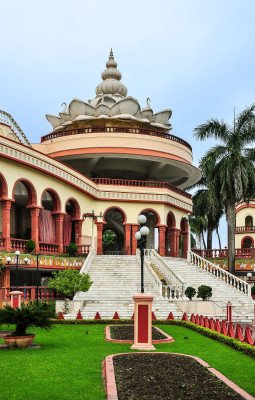
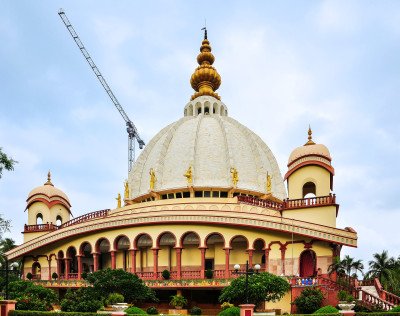
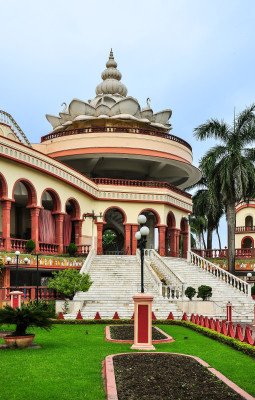
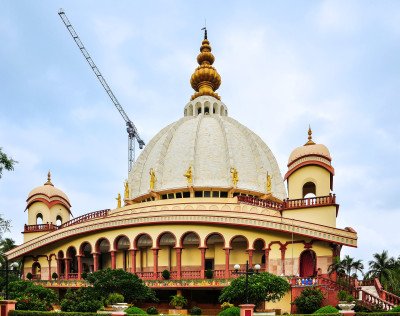
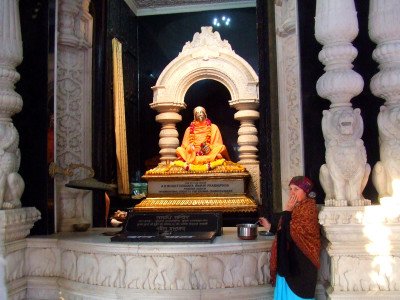
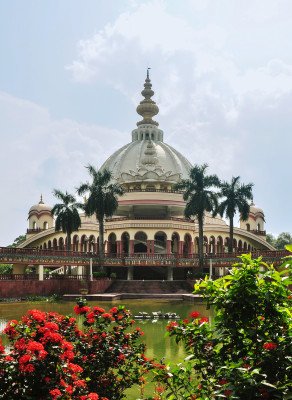
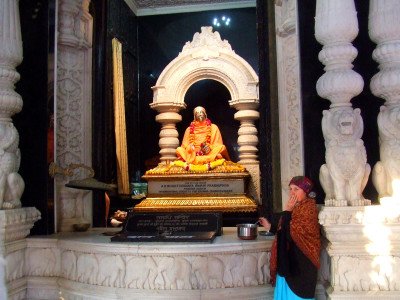
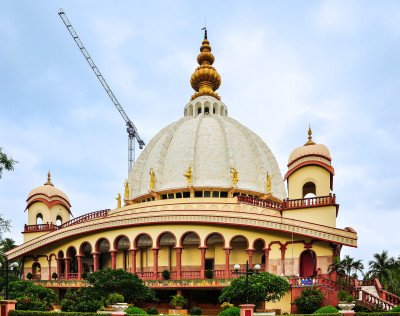
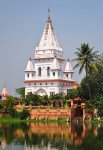
The Samadhi Mandir is the sacred memorial shrine housing the physical remains of A.C. Bhaktivedanta Swami Prabhupada, the founder-acharya of the International Society for Krishna Consciousness (ISKCON). Completed in the early 1990s, it has long been the primary focus of devotion on the Mayapur campu s before the rise of the TOVP. For millions of devotees worldwide, this site is the most significant spiritual place in Mayapur, as it represents the eternal presence of their spiritual master. The Mandir is a magnificent, pure white marble structure, combining elements of traditional Bengali and Indo-Saracenic architecture. The main chamber contains a beautiful, lifelike Murti (statue) of Srila Prabhupada sitting in meditation, before which devotees offer prayers and respects. The lower levels often host a museum or exhibit detailing his extraordinary life from his birth in Kolkata to his spiritual journey and eventual global propagation of the Hare Krishna movement at the age of 70. The atmosphere inside is intensely serene and contemplative, providing a quiet space for visitors to reflect on his monumental contribution to spirituality and human harmony.

Ans:- The Samadhi Mandir of Srila Prabhupada is a magnificent, pure white marble memorial shrine in Mayapur that houses the sacred remains of A.C. Bhaktivedanta Swami Prabhupada, the founder-acharya of the International Society for Krishna Consciousness (ISKCON). Completed in the early 1990s, this monument serves as the primary focal point of devotion for millions of followers worldwide. It is a place of pilgrimage, meditation, and reflection, where devotees come to honor the life, teachings, and global mission of their spiritual master in a serene and beautiful architectural setting that inspires profound spiritual contemplation.

Ans:- This location is of supreme importance because Mayapur is the birthplace of Lord Chaitanya, and Srila Prabhupada chose this holy land as the site for the international headquarters of his movement. The Samadhi Mandir represents the eternal presence of the founder, anchoring his mission in the very place where the tradition he spread originated. For devotees, it is more than a memorial; it is the heart of the community where they can feel close to their spiritual teacher, reflect on his profound impact on the world, and re-commit to his teachings.

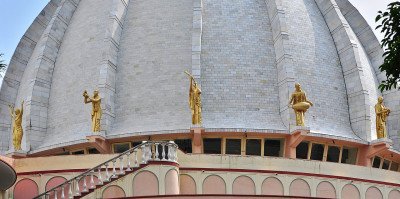
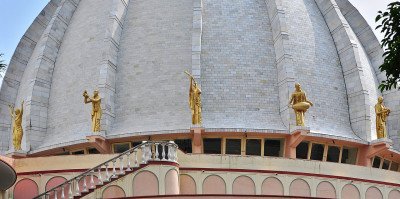
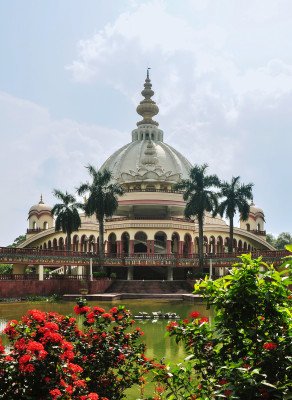
Ans:- The Samadhi Mandir is a blend of traditional Bengali and Indo-Saracenic architectural styles, featuring a majestic marble dome that dominates the Mayapur skyline. The structure is characterized by its brilliant white marble finish, intricate carvings, and an overall design that aims to be both grand and peaceful. The exterior is decorated with beautiful terracotta displays of Krishna's pastimes from the Srimad-Bhagavatam, while the interior is filled with light, grand chandeliers, and expansive marble floors, creating an atmosphere that is both awe-inspiring and conducive to deep, inward-focused meditation for all who visit.

Ans:- Inside the Samadhi Mandir, visitors can see a beautiful, lifelike brass murti (statue) of Srila Prabhupada sitting in a meditative posture, which is the center of the shrine. The interior also features marble interiors, grand chandeliers, and various displays. There is a museum and exhibition area that showcases Srila Prabhupada's life, his travels, his struggle to establish ISKCON, and his diverse literary contributions. These exhibits often include rare photographs, personal artifacts, and audio-visual presentations that walk visitors through the history of the movement and the extraordinary life of its founder-acharya in an engaging way.

Ans:- Yes, the Samadhi Mandir is a vibrant hub of daily spiritual activity. There are regular prayers, kirtans (devotional singing), and arati ceremonies held throughout the day. Notable programs include the early morning Guru Puja and Sandhya arati in the evening. These rituals are performed with great devotion and are open for the public to join. The atmosphere during these times is spiritually charged and deeply moving, providing a unique opportunity for visitors to experience the living devotional culture that Srila Prabhupada inspired and nurtured during his lifetime of service.

Ans:- There is generally no entry fee to visit the Samadhi Mandir. It is open to the public, welcoming visitors, pilgrims, and tourists from all walks of life to enter and pay their respects. As a sacred site of worship, it is maintained through the voluntary contributions and service of the community. Visitors are simply expected to maintain appropriate behavior, dress modestly, and respect the quiet, meditative environment that is intended for prayer and reflection. It is an inclusive space that invites everyone to experience its tranquil and spiritually uplifting environment without any financial barriers.

Ans:- The best time for a peaceful experience is early in the morning or during the mid-afternoon, when the crowds are generally thinner compared to the peak times of festival celebrations. Visiting during the early morning hours, such as for the morning kirtan, can be exceptionally serene, as the morning air is cool and the environment is filled with soft devotional music. Avoiding major festival weekends or large event dates can also help ensure a quieter and more intimate visit, allowing you to spend more time observing the architecture and reflecting in the museum gallery.

Ans:- Policies regarding photography can vary, but generally, while photography of the exterior architecture and gardens is encouraged, there are often restrictions on photography inside the main sanctum where the murti is located. This is to maintain the sanctity and quiet atmosphere of the prayer area. Visitors should always look for signs or ask a temple volunteer at the entrance before taking pictures. Being respectful of the rules allows everyone to have a distraction-free experience and ensures that the solemnity of the place of worship is preserved for all who come to pray.

Ans:- The term 'Pushpa Samadhi' refers to a memorial where the flowers or garlands used on the original Samadhi are kept, or which serves as a secondary shrine in honor of the departed saint. In this case, the memorial was constructed to celebrate the legacy and teachings of Srila Prabhupada. It is a place that physically represents his memory. Thousands of devotees visit this specific mandir as a way to connect with the presence of their spiritual master, viewing it as a sacred site where they can offer their prayers and express their eternal gratitude.

Ans:- Yes, the Samadhi Mandir complex includes a large basement auditorium equipped with a sound system and facilities for stage lighting. This space is frequently used for seminars, festivals, ISKCON film screenings, and cultural programs. It serves as an educational venue where visitors can learn more about the philosophy of Krishna consciousness, the life of Srila Prabhupada, and various topics related to Vedic culture. Educational groups, students, and spiritual seekers can often find organized sessions or lectures happening here, making the Mandir a center for both worship and intellectual development in the heart of Mayapur.

Ans:- You should plan to spend at least one to two hours to fully appreciate the Samadhi Mandir. This timeframe allows you to walk through the beautifully landscaped gardens, enter the main shrine to pay respects, spend time in the museum learning about the history of the movement, and perhaps sit for a while during a kirtan or in meditation. If there is a scheduled seminar or film playing in the auditorium, you might want to factor in extra time. It is a place that invites lingering, so having a flexible schedule will allow you to soak in the atmosphere.

Ans:- Yes, the Samadhi Mandir is surrounded by very beautiful and extensive gardens that are a major attraction for visitors. These gardens are meticulously maintained and feature a variety of plants, flowers, and walking paths that provide a calm and green environment. They are perfect for a quiet stroll or a moment of peaceful reflection away from the busy areas of the main temple complex. The contrast between the brilliant white marble of the Mandir and the lush greenery of the gardens creates a visually stunning and spiritually soothing space that is loved by guests.

Ans:- Yes, there are opportunities for visitors to engage in volunteer service at the Mandir and the surrounding ISKCON campus. This can range from helping with the maintenance of the gardens, assisting with visitors in the museum, to participating in service during festivals. Those interested in volunteering should inquire at the main guest services office in the temple complex. Volunteering is a common way for pilgrims to immerse themselves in the devotional life of Mayapur, allowing them to contribute their time and energy to the upkeep of the sacred grounds while gaining a deeper personal experience.

Ans:- Efforts have been made to make the major areas of the Mayapur complex, including the vicinity of the Samadhi Mandir, accessible. There are generally ramps and flat paths that allow for easier movement around the exterior gardens and the main floor of the temple areas. However, because it is a historic-style structure, some sections may have steps or unique layouts. It is advisable to contact the Mayapur visitor center or your hotel's travel desk beforehand to confirm the most accessible routes and ensure that someone can assist with navigation if needed during your visit.

Ans:- It is considered a 'must-visit' because the Samadhi Mandir is the largest memorial shrine of its kind in India and stands as a testament to one of the most influential spiritual movements of the modern era. It combines grand, inspiring architecture with a deeply moving personal history. Whether you are a devotee, a student of religion, or simply a tourist interested in grand architecture and peaceful places, the Mandir offers a profound experience that captures the essence of the spiritual heritage of Mayapur, making it an essential stop for anyone traveling through the West Bengal region.
Information about New and Updated Locations() of West Bengal Has Been Added :-
Card subtitle

Note:-

Information provided here in good Faith and for reference only.

All information and pictures will be updated soon, please keep visiting.

Near Places

...
Chand Kazi s Samadhi

Some quick example text to build on the card title and make up the bulk of the card's content.

Go somewhere
...
Goshala

Some quick example text to build on the card title and make up the bulk of the card's content.

Go somewhere

...
Samadhi Mandir of Srila Prabhupada

Some quick example text to build on the card title and make up the bulk of the card's content.

Go somewhere
...
Shri Chaitanya Math

Some quick example text to build on the card title and make up the bulk of the card's content.

Go somewhere
...
Shri Devananda Gaudiya Math

Some quick example text to build on the card title and make up the bulk of the card's content.

Go somewhere

...
Temple of the Vedic Planetarium

Some quick example text to build on the card title and make up the bulk of the card's content.

Go somewhere
...
Yoga Peeth

Some quick example text to build on the card title and make up the bulk of the card's content.

Go somewhere
in Other Cities