Ganol River
General information
-
Ideal Duration:
2-3 HoursPlace Type:
Natural, River, Picnic Spot, Hydro-EnergyEntry Fees:
Eco-Maintenance Donation: While there are no formal 'entry fees,' local communities in picnic-prone areas often charge a small, voluntary Eco-Maintenance Fee of Rs.20-Rs.50 per person or vehicle to support clean-up and upkeep of the riverside environment, ensuring its natural st...Eco-Maintenance Donation: While there are no formal 'entry fees,' local communities in picnic-prone areas often charge a small, voluntary Eco-Maintenance Fee of Rs.20-Rs.50 per person or vehicle to support clean-up and upkeep of the riverside environment, ensuring its natural state is preserved and litter is managed responsibly.
Parking & Utility Fees: Fees are sometimes charged for parking near the access points (Rs.50-Rs.100) and for the use of basic sanitation facilities or rest sheds provided by local enterprising families near the river.
Angling/Fishing Permit: If planning to angle, a local, informal permit or payment to the village head (Nokma) might be required to ensure sustainable fishing practices are followed.Timing:
Regular Timings: Sunrise to Sunset (Approx. 6:00 AM to 5:00 PM), though the area is always accessible as it is an open natural spot.
Ideal Visit Time: Early Morning (6:00 AM - 10:00 AM) for cool air and birdwatching, and Late Afternoon (3:0...Regular Timings: Sunrise to Sunset (Approx. 6:00 AM to 5:00 PM), though the area is always accessible as it is an open natural spot.
Ideal Visit Time: Early Morning (6:00 AM - 10:00 AM) for cool air and birdwatching, and Late Afternoon (3:00 PM - 5:00 PM) for photography and picnicking. Avoid visiting after dark.
Safety Timings: During the Monsoon season (June to September), the river should be avoided in the Afternoon and Night as water levels can rise dangerously fast without warning.Special Events:
Local Festivals and Rituals: The Wangala harvest festival in October or November, though celebrated in dedicated fields like Asanang, often sees local villagers perform thanksgiving rituals at the riverbank, expressing gratitude for the water and harvest.
Read MoreLocal Festivals and Rituals: The Wangala harvest festival in October or November, though celebrated in dedicated fields like Asanang, often sees local villagers perform thanksgiving rituals at the riverbank, expressing gratitude for the water and harvest.
Community Fishing Events: Occasionally, the community organizes controlled fishing events (Chibra or Wari fishing) where traditional nets and methods are used, which are major social and collective activities, drawing people from surrounding villages.
Religious Ceremonies: The river is used for local religious and cultural rites, including immersion ceremonies and traditional healing practices, usually held in the Early Morning hours.Best Photo Spots:
The Confluence Point: The spot where the Ganol River meets the Rongram River (Chibragre) offers a stunning view of two distinct water bodies merging, surrounded by huge, scenic rocks.
Sunrise/Sunset Reflection: The wide bends of the river, w...The Confluence Point: The spot where the Ganol River meets the Rongram River (Chibragre) offers a stunning view of two distinct water bodies merging, surrounded by huge, scenic rocks.
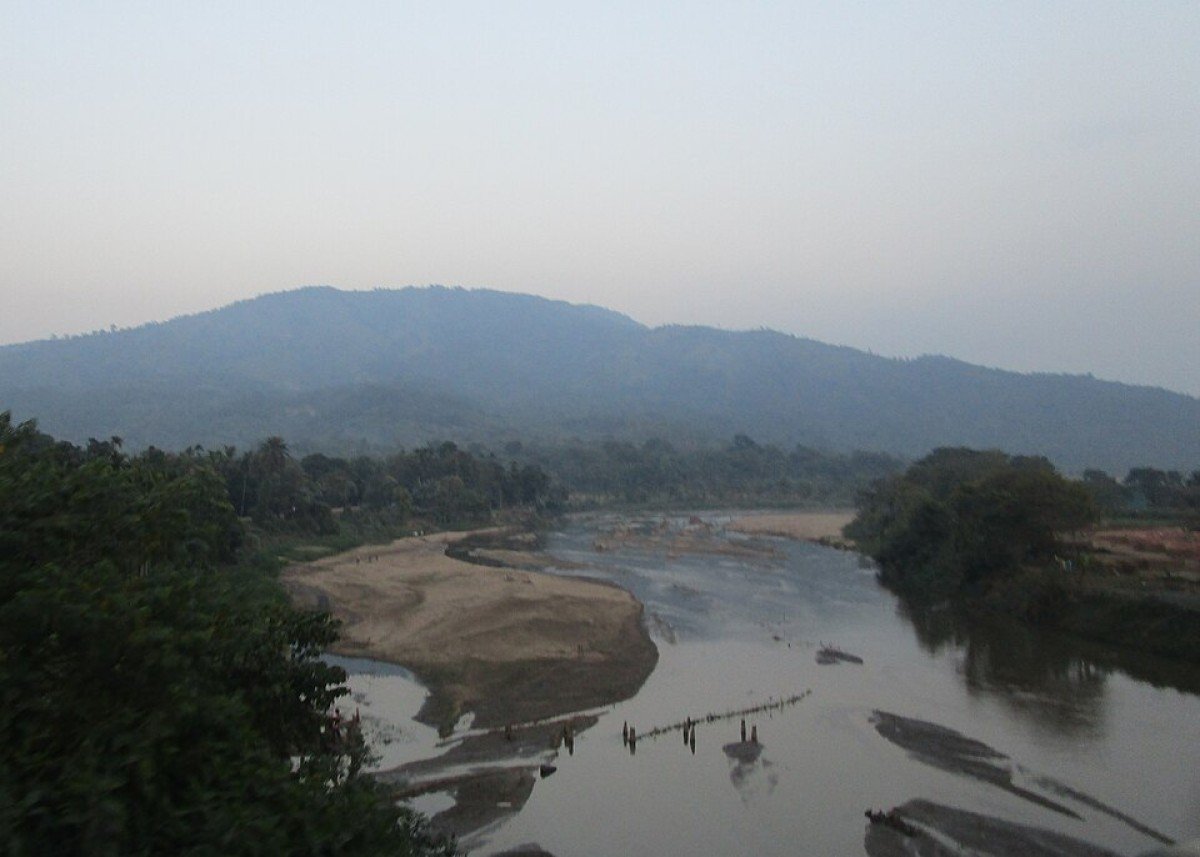
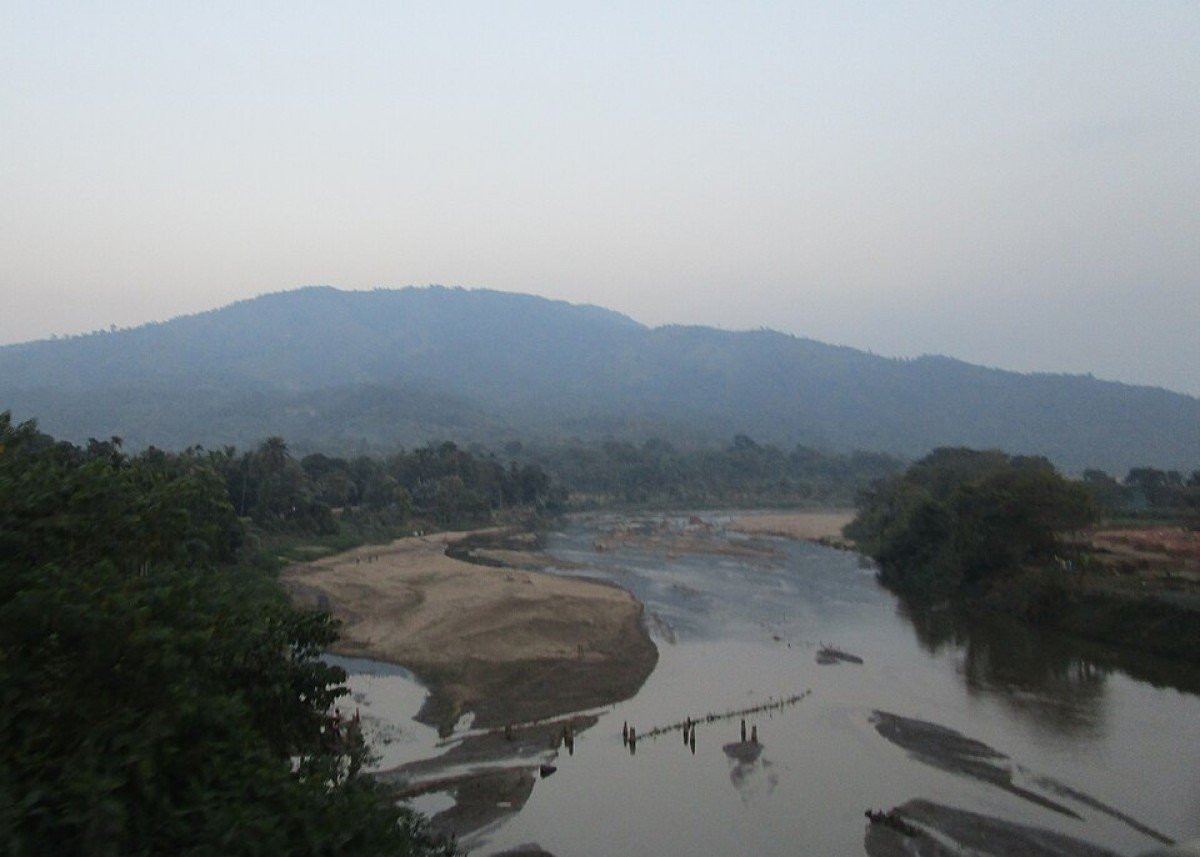
Sunrise/Sunset Reflection: The wide bends of the river, where the water is calm, provide perfect reflective surfaces for capturing the intense colors of the Garo Hills sunrise or sunset.
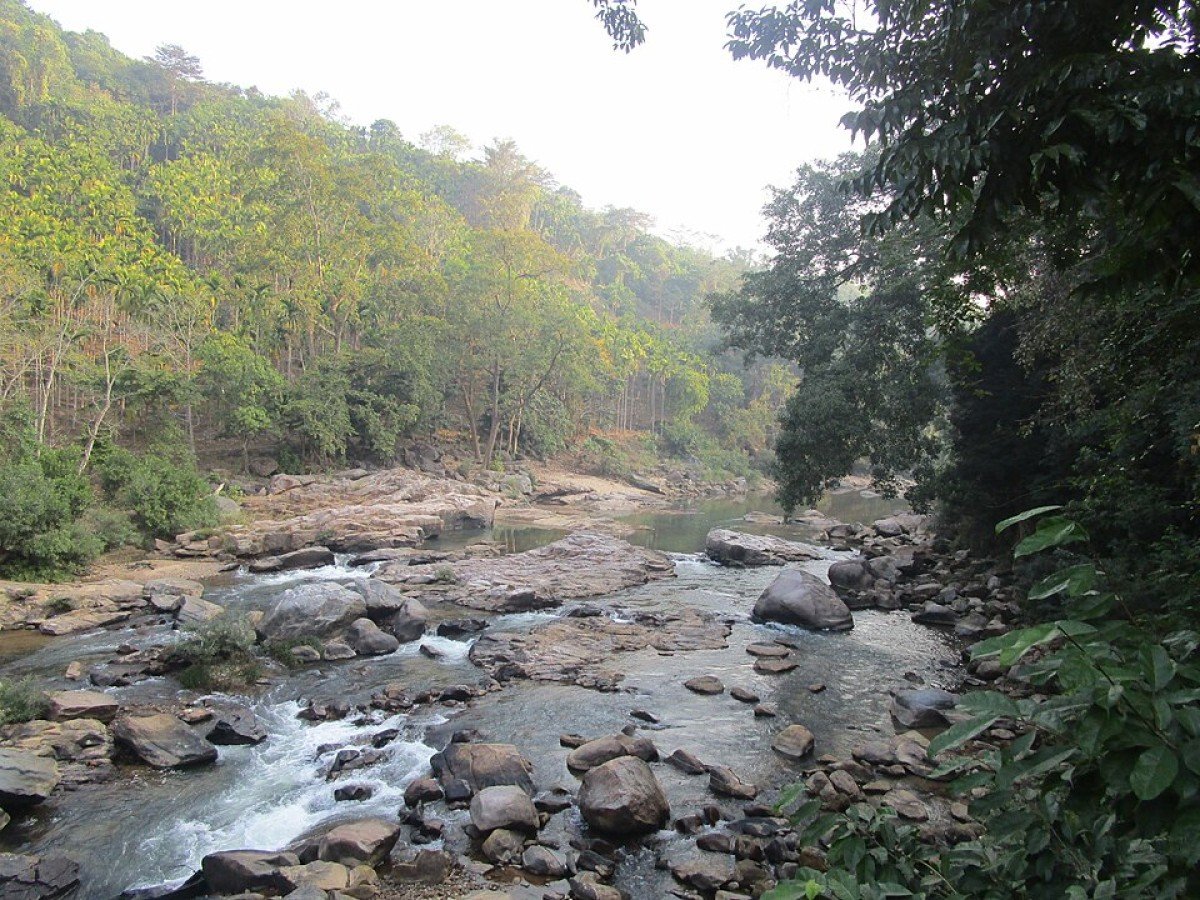
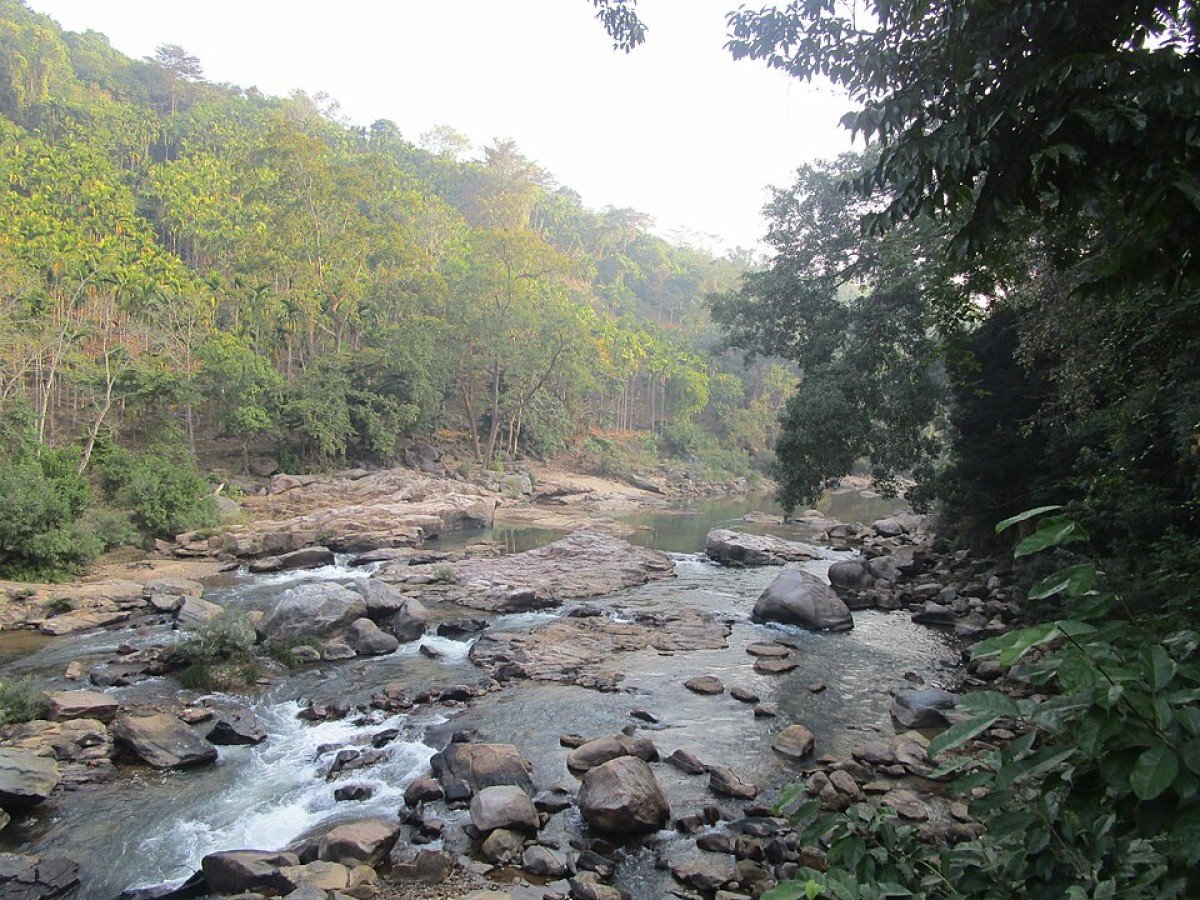
Rocky Foreground: Any large, flat, water-worn boulder in the river bed that can be used as a foreground element against the backdrop of the forested hills and clear blue sky.Photo Gallery
Things To Do
-
River Activities: Angling in the deep pools, Swimming in the clear water (with caution and local guidance), Rock Hopping along the smooth boulders, Bird Watching (especially for riverine birds and raptors), Nature Photography of the water and the surrounding forested hills, Meditative Relaxation by the calming sound of the running water, Picnicking and enjoying local cuisine on the flat river stones, Exploration of the bank for historical artifacts (observing, not collecting), Trekking along the river trails that wind into the nearby hills, Camping on suitable, high-ground river banks during the dry season, Studying the unique river ecosystem and its flora/fauna, Watching the sunset reflect off the water's surface, a truly peaceful experience, and finally Interacting with local fishermen to learn traditional methods. ...River Activities: Angling in the deep pools, Swimming in the clear water (with caution and local guidance), Rock Hopping along the smooth boulders, Bird Watching (especially for riverine birds and raptors), Nature Photography of the water and the surrounding forested hills, Meditative Relaxation by the calming sound of the running water, Picnicking and enjoying local cuisine on the flat river stones, Exploration of the bank for historical artifacts (observing, not collecting), Trekking along the river trails that wind into the nearby hills, Camping on suitable, high-ground river banks during the dry season, Studying the unique river ecosystem and its flora/fauna, Watching the sunset reflect off the water's surface, a truly peaceful experience, and finally Interacting with local fishermen to learn traditional methods.
Information
-
Why Famous:
Ganol is famous for Source of Hydro Power: The river is home to the Ganol Hydro Electric Project (Concrete Gravity Dam and Powerhouse), a key infrastructure project in the state of Meghalaya, symbolizing progress and sustainable energy production.
Read MoreGanol is famous for Source of Hydro Power: The river is home to the Ganol Hydro Electric Project (Concrete Gravity Dam and Powerhouse), a key infrastructure project in the state of Meghalaya, symbolizing progress and sustainable energy production.
Neolithic Site: The surrounding valley is recognized as a significant Neolithic archaeological site, providing essential insights into the pre-historic life of the Garo people.
Natural Beauty and Picnics: Its rocky banks, clear water, and numerous natural pools, especially near Chibragre (where it meets the Rongram River), make it a primary weekend and holiday picnic destination for the residents of Tura and Rongram.Architecture:
Introduction to Natural Architecture: The Ganol River's architecture is purely natural, sculpted by millennia of erosion, defined by large, smooth, dark grey, and reddish-brown river boulders.
Geological Dimension: The river bed and banks ex...Introduction to Natural Architecture: The Ganol River's architecture is purely natural, sculpted by millennia of erosion, defined by large, smooth, dark grey, and reddish-brown river boulders.
Geological Dimension: The river bed and banks expose ancient geological strata, primarily hard igneous rock, with a river channel width that can range from 30 meters during the dry season to over 100 meters during the intense Monsoon months.
Natural Dams and Pools: The natural architecture features large rock formations that act as weirs, creating deep, cold, emerald-green pools known locally as waris or chibras. These pools are natural swimming holes and angling spots. The river’s course often cuts through steep gorges, showcasing the powerful, self-carving nature of water.How To Reach:
By Air: Fly to Lokpriya Gopinath Bordoloi International Airport (GAU) in Guwahati, Assam (Approx. 220 KMS away). From Guwahati, hire a taxi or take a shared sumo/bus towards Tura.
By Train: The nearest major railway station is Guwahati Rai...By Air: Fly to Lokpriya Gopinath Bordoloi International Airport (GAU) in Guwahati, Assam (Approx. 220 KMS away). From Guwahati, hire a taxi or take a shared sumo/bus towards Tura.
By Train: The nearest major railway station is Guwahati Railway Station (GHY). From Guwahati, proceed by road. A closer, though smaller, station is Mendipathar Railway Station (Approx. 120 KMS), but connectivity to Rongram is less frequent.
By Road: Rongram is on the main Tura–Williamnagar road (NH-51 or similar State Highway). From Tura, hire a local taxi or shared sumo/bus. The river access point near Chibragre is well-known.
By Local Transport: From Tura, shared jeeps/sumos heading towards Williamnagar or the Rongram Block Office will drop you off near the river access points. A dedicated auto-rickshaw (or a reserved taxi) is the most comfortable option.Weather and Best Time to Visit:
Different Seasons: Winter (November to February) is the Best Time for clear skies, low water levels, and pleasant temperatures for picnics and camping. Post-Monsoon (September to October) offers a lush green landscape and a moderate water flow. The Monsoon season (June to ...Different Seasons: Winter (November to February) is the Best Time for clear skies, low water levels, and pleasant temperatures for picnics and camping. Post-Monsoon (September to October) offers a lush green landscape and a moderate water flow. The Monsoon season (June to August) is High Risk due to flash floods, but the views of the swollen river are dramatic.
Different Parts of the Day: Morning is best for solitude, the freshest air, and clear reflection photography. Afternoon is suitable for picnics, but the sun can be intense. Late Afternoon is ideal for golden hour photography and a relaxing wind-down.Near Tourist Places:
Tura Peak (10 KMS), Pelga Falls (18 KMS), Nokrek National Park (25 KMS), Tosekgre Village (20 KMS), Chandigre Rural Tourist Resort (15 KMS), Rombagre (30 KMS), Rongbang Dare Falls (40 KMS), Sakal Aduma Viewpoint (15 KMS), Wachi Wari Fish Sanctuary (22 KMS), Damalgre (12 KMS).Tourism Tips
-
Health & safety: Always carry a basic First-Aid Kit, wear sturdy, anti-slip footwear for navigating the wet, slippery rocks, and Never Swim alone or immediately after heavy rainfall.
Packing: Pack Sunscreen, a Hat, Insect Repellent, a reusab...Health & safety: Always carry a basic First-Aid Kit, wear sturdy, anti-slip footwear for navigating the wet, slippery rocks, and Never Swim alone or immediately after heavy rainfall.
Packing: Pack Sunscreen, a Hat, Insect Repellent, a reusable Water Bottle (as the water, though clear, is not safe for direct consumption), and a Raincoat or umbrella regardless of the season, due to the unpredictable hill weather.
Accommodation: Accommodation is best sought in the main town of Tura (approx. 10 KMS) where hotels and guesthouses are readily available. Limited homestay options may be available in the nearby villages like Chandigre.
Other Different Topics: Respect Local Customs (especially near temples or ritual sites), Carry Cash for local transport/market purchases, and Do Not Litter—carry all trash back with you to preserve the natural beauty.
Reviews
FAQs
Rongram Itineray And Cost:-
Other Places In Rongram :-
Other States In India :-
Information about New and Updated Locations() of Meghalaya Has Been Added :-
Card subtitle
Note:-
Information provided here in good Faith and for reference only.
Near Places

Asananggre
Some quick example text to build on the card title and make up the bulk of the card's content.
Go somewhere
Balamdak Beach
Some quick example text to build on the card title and make up the bulk of the card's content.
Go somewhere
Chandigre Village Resort
Some quick example text to build on the card title and make up the bulk of the card's content.
Go somewhere
Chibragre Beach
Some quick example text to build on the card title and make up the bulk of the card's content.
Go somewhere
Darpong Falls
Some quick example text to build on the card title and make up the bulk of the card's content.
Go somewhere
Garobadha Viewpoint
Some quick example text to build on the card title and make up the bulk of the card's content.
Go somewhere
Ittanil Cave
Some quick example text to build on the card title and make up the bulk of the card's content.
Go somewhere
Nangalbibra Falls
Some quick example text to build on the card title and make up the bulk of the card's content.
Go somewhere
Naringre Village
Some quick example text to build on the card title and make up the bulk of the card's content.
Go somewhere
Pelga Falls
Some quick example text to build on the card title and make up the bulk of the card's content.
Go somewhere
Rong'bang Falls
Some quick example text to build on the card title and make up the bulk of the card's content.
Go somewhere
Rongram Christian Church
Some quick example text to build on the card title and make up the bulk of the card's content.
Go somewhere
Rongram Market
Some quick example text to build on the card title and make up the bulk of the card's content.
Go somewhere
Rongram River Side
Some quick example text to build on the card title and make up the bulk of the card's content.
Go somewhere
Rongrenggre
Some quick example text to build on the card title and make up the bulk of the card's content.
Go somewhere
Sankur
Some quick example text to build on the card title and make up the bulk of the card's content.
Go somewherein Other Cities