Ganpatipule Beach
General information
-
Ideal Duration:
2 to 3 Hours (Excluding Temple Visit)Place Type:
Beach/Pilgrimage/AdventureEntry Fees:
Beach Access and General Entry Fees: Ganpatipule Beach has No Entry Fee for general public access. As a public beach and major pilgrimage center, the government ensures free and open access to the shore for all tourists and devotees. This makes enjoying the white sand, sun...Beach Access and General Entry Fees: Ganpatipule Beach has No Entry Fee for general public access. As a public beach and major pilgrimage center, the government ensures free and open access to the shore for all tourists and devotees. This makes enjoying the white sand, sun, and sea breeze entirely free of charge, promoting broad tourism and accessibility for all income levels.
Water Sports and Activity Pricing: The main cost incurred at Ganpatipule Beach is for the optional Water Sports activities. The prices for these services are determined by private operators and can vary based on the season and demand. For example, a single ride for Jet Skiing might cost around Rs.200-Rs.300, a Banana Boat Ride could be about Rs.100-Rs.150 per person, and Parasailing is usually the most expensive, often ranging from Rs.1000-Rs.1500 per person for a short session. Visitors should budget for these optional adventure costs.
Camel/Horse Ride Charges: Short rides along the beach on a camel or horse are available for a small fee, typically between Rs.50 and Rs.100 for a brief trip, catering primarily to families and children seeking a fun, simple activity.
Parking and Miscellaneous Fees: Similar to other beaches, a nominal fee might be charged for vehicle parking in designated areas. Additionally, there are small, optional fees for services such as renting changing rooms, shower facilities, or public restrooms near the beach, which are managed by local vendors or organizations.Timing:
Regular Timings: Ganpatipule Beach is a public beach and is technically open 24 hours. However, for safety and administrative purposes, particularly concerning water sports, the commercial activities and the presence of lifeguards are primarily between 6:00 AM and 6:00 PM (...Regular Timings: Ganpatipule Beach is a public beach and is technically open 24 hours. However, for safety and administrative purposes, particularly concerning water sports, the commercial activities and the presence of lifeguards are primarily between 6:00 AM and 6:00 PM (sunrise to sunset). Swimming in the sea or engaging in water sports is strictly discouraged after sunset. The beach remains safe for walks due to the nearby temple, but the main activities cease by evening.
Ideal Visit Time - Adventure Focus: The Ideal Time to Visit for water sports and adventure activities is the late morning (10:00 AM to 1:00 PM) and early afternoon (3:00 PM to 5:00 PM), when the sun is out, and the operators are fully functional. The sea is usually calmer in the morning.
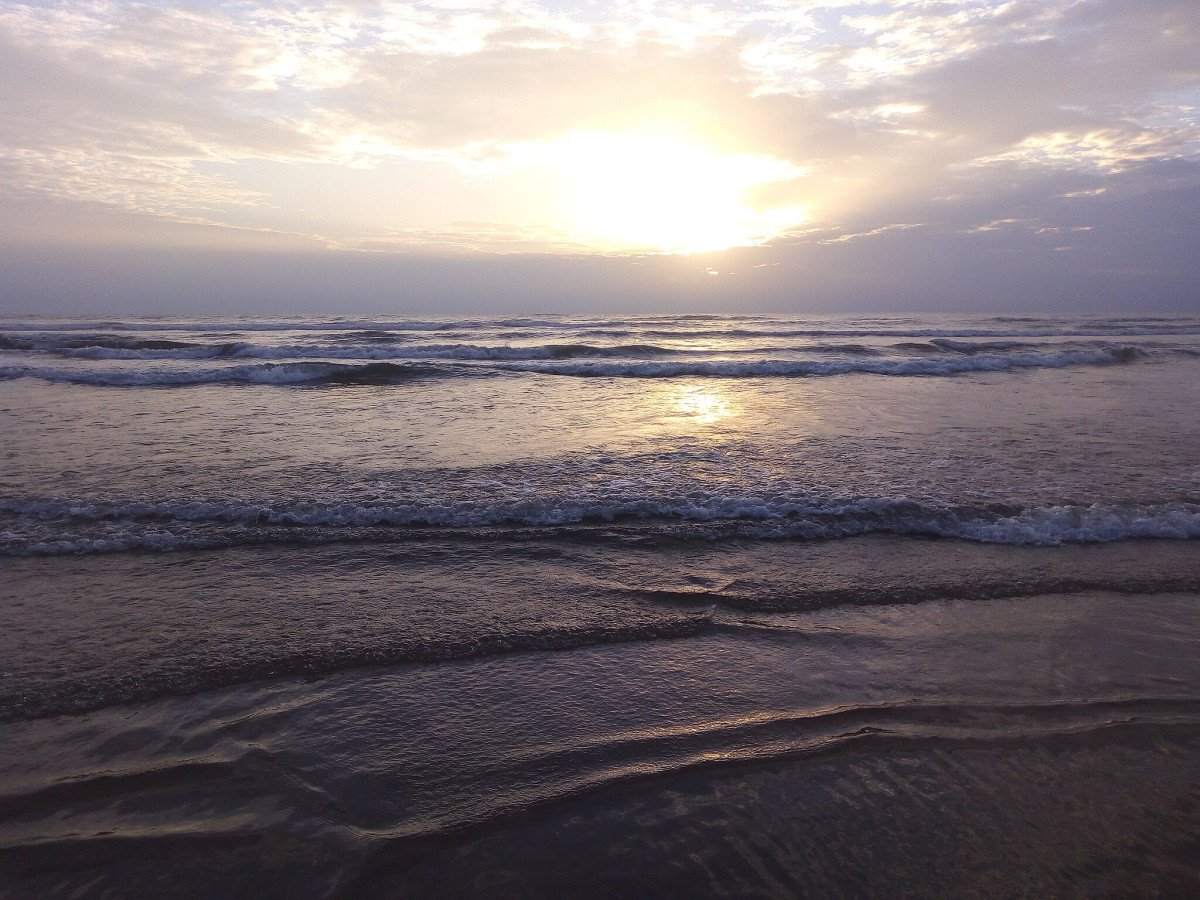
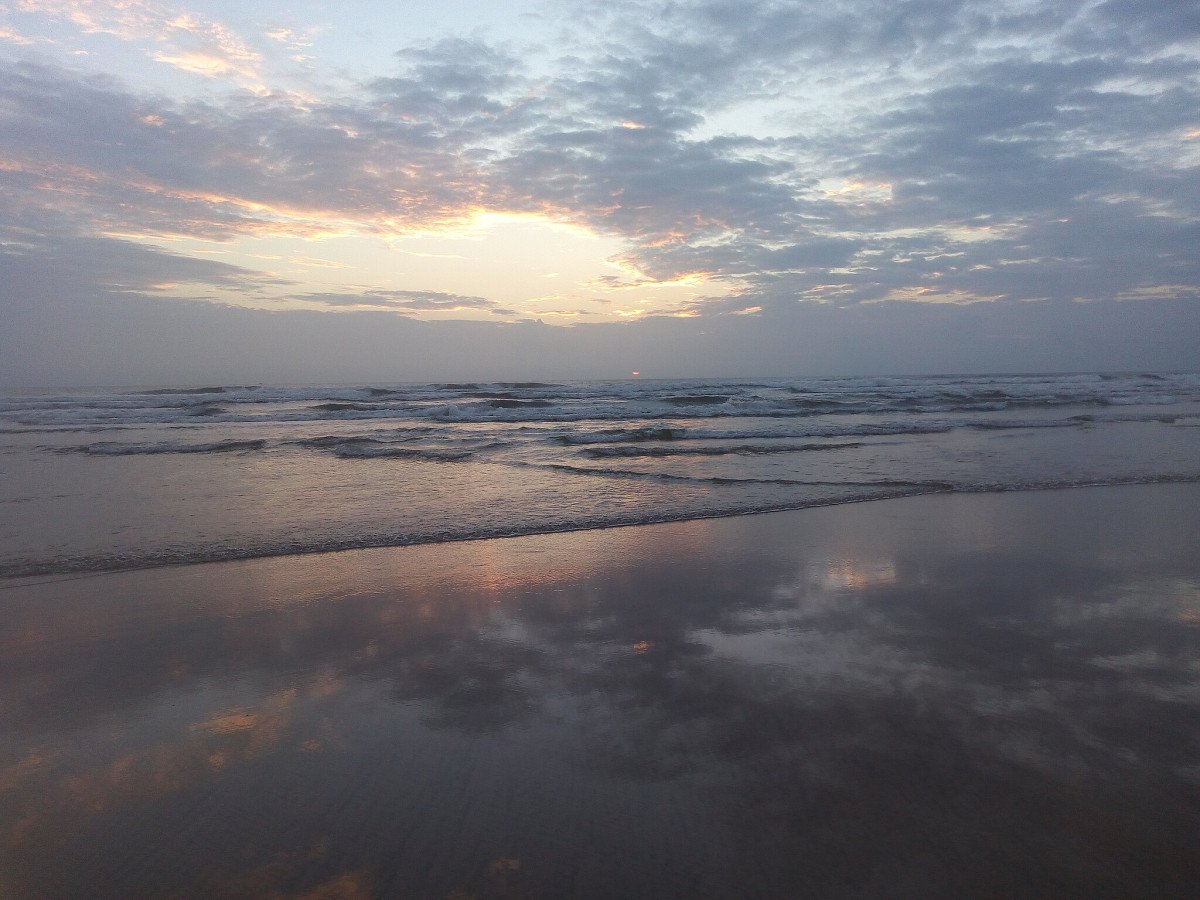
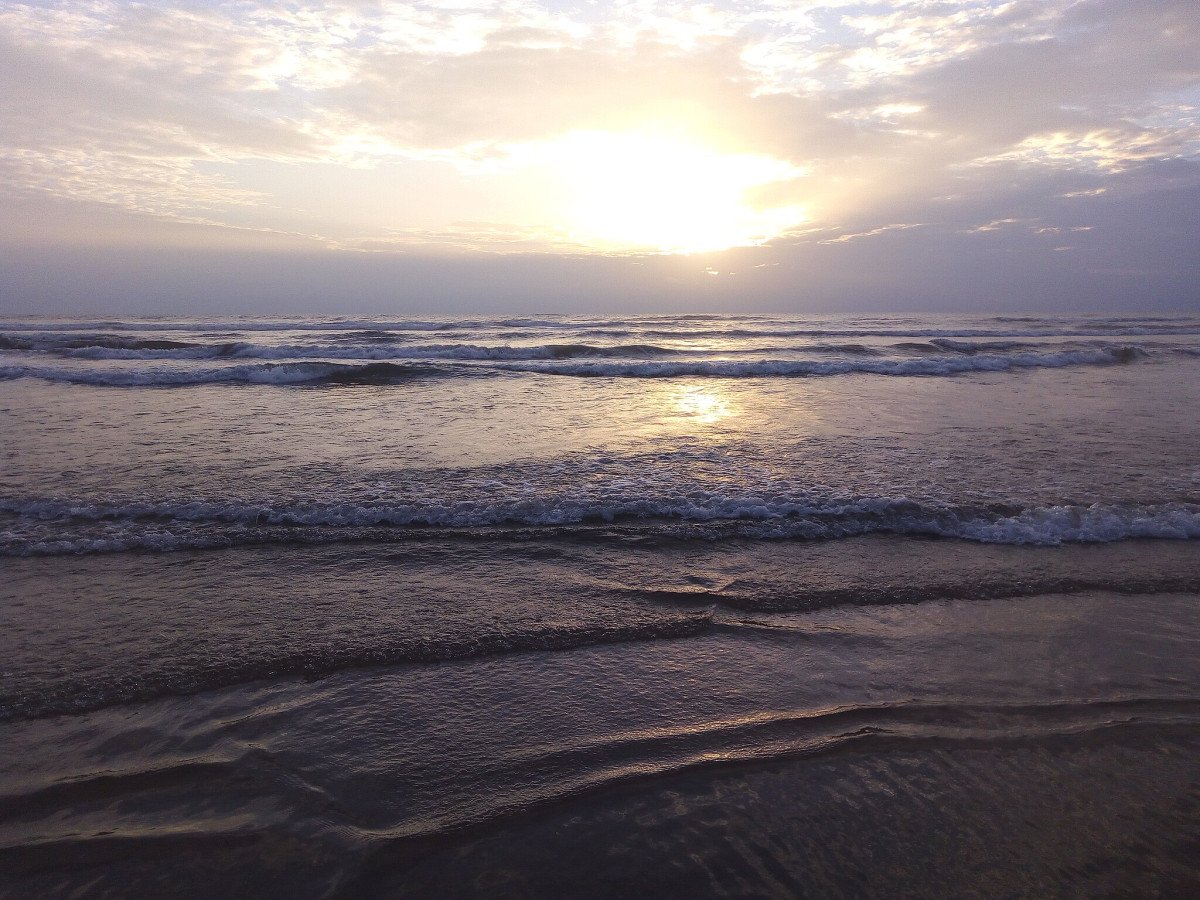
Ideal Visit Time - Spiritual and Scenic Focus: For a blend of spiritual experience and scenic beauty, the best time to visit is during the early morning (6:00 AM to 8:00 AM) or the late evening (5:00 PM to 7:00 PM). The morning offers a peaceful ambiance and a less crowded beach post-temple visit, while the evening is perfect for viewing the famous sunset and enjoying the cool sea breeze.
Ideal Visit Time - Crowd Management: To avoid the largest crowds, particularly during the festive seasons and weekends, a weekday mid-morning visit is advisable. The beach is most crowded around the temple area, especially after the noon Aarti (1:00 PM onwards).Special Events:
The Magh Chaturthi Fair: The single most important and special event at Ganpatipule is the massive fair (Jatra/Utsav) held during Magh Chaturthi (the fourth day of the bright half of the Magh month, usually falling in February or March). This festival is celebrated with imm...The Magh Chaturthi Fair: The single most important and special event at Ganpatipule is the massive fair (Jatra/Utsav) held during Magh Chaturthi (the fourth day of the bright half of the Magh month, usually falling in February or March). This festival is celebrated with immense fervor, drawing thousands of devotees from all over Maharashtra and India. The temple's premises are decorated, and special Pujas (worship) and Aarti are performed. The main event is a grand procession where the idol of Lord Ganesha is taken out in a chariot, followed by the devotees, creating a vibrant, spiritual spectacle. This event is the highlight of the annual calendar.
Ganesh Chaturthi Celebrations: The festival of Ganesh Chaturthi (usually in August or September), which celebrates the birth of Lord Ganesha, is also a special event, though the scale is slightly smaller than the Magh Chaturthi fair. The temple complex is beautifully decorated, and special rituals are performed for 10 days. Devotees gather for continuous chanting and cultural programs, culminating in the immersion of local clay idols. The beach area is packed during this time, creating a festive atmosphere where spirituality and communal joy merge.
Tripuri Pournima Lighting: The full moon night of Kartik month (Tripuri Pournima, usually in November), is a special event where the temple complex is illuminated with thousands of lamps (diyas). The towering Deepmala (lamp pillars) are lit up, creating a spectacular, sparkling décor that transforms the temple into a breathtaking sight against the dark sky. This evening event is a visual treat for devotees and photographers alike.Best Photo Spots:
The Temple and Beach Combination Shot: The most iconic and best photo spot is where the Swayambhu Ganpati Temple meets the white-sand beach. Stand slightly back on the beach to capture the temple's structure, the temple flag, and the idol's bronze mouse, with the waves and ...The Temple and Beach Combination Shot: The most iconic and best photo spot is where the Swayambhu Ganpati Temple meets the white-sand beach. Stand slightly back on the beach to capture the temple's structure, the temple flag, and the idol's bronze mouse, with the waves and the expanse of the Arabian Sea in the background. This shot perfectly encapsulates the spiritual and natural synergy of Ganpatipule. Best captured during the golden hour of sunrise or late afternoon.
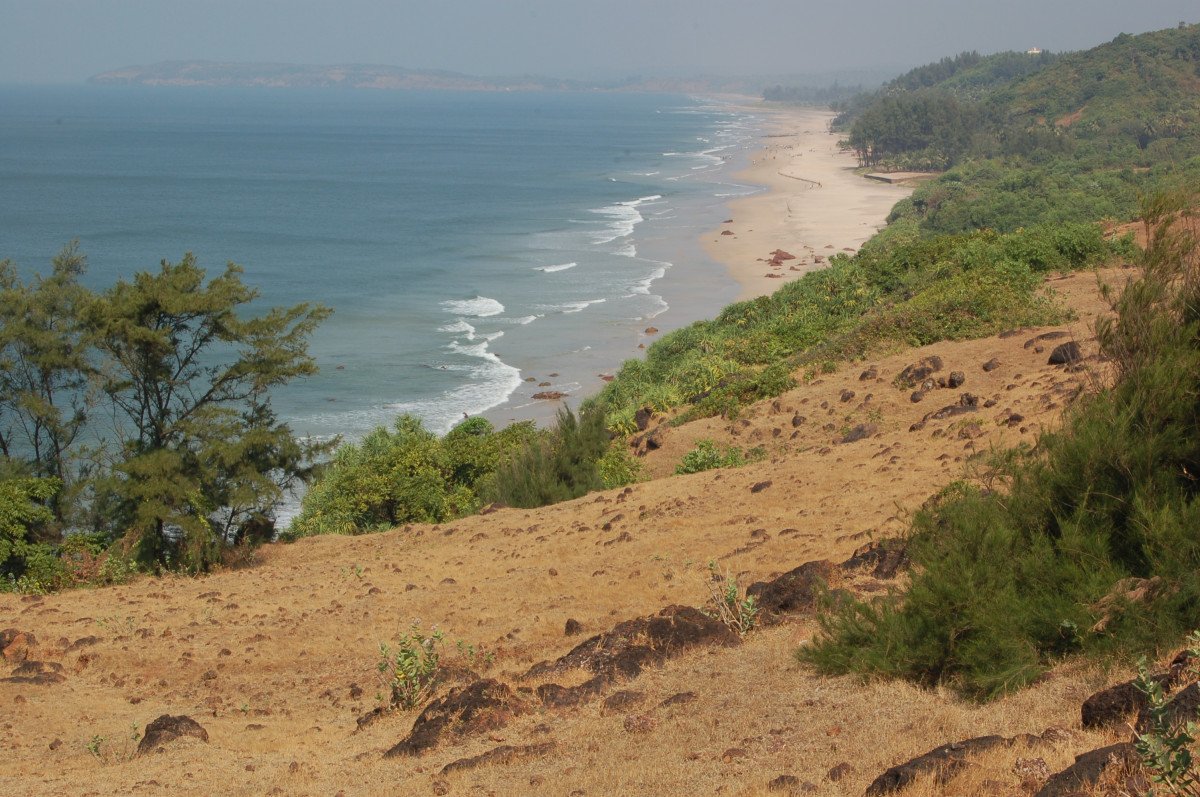
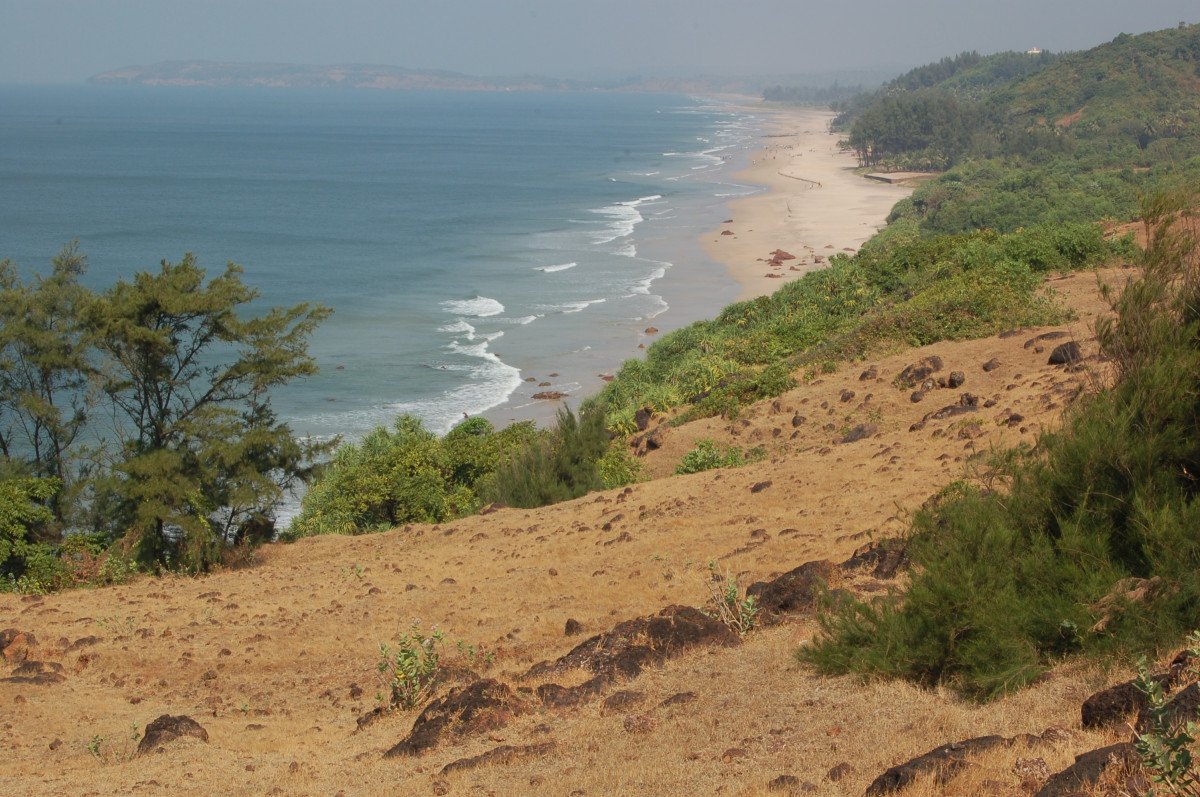
The Pradakshina Path Vistas: The 1 KM long circumambulation path around the hill offers multiple, unparalleled photo spots. Halfway up, you can capture a high-angle, panoramic view of the entire Ganpatipule Beach shoreline, showcasing its crescent shape and the colorful beach activities. This elevated vantage point is excellent for wide-angle landscape shots and capturing the sunset over the horizon with the temple in the foreground.
Water Sports Action Shots: The central beach area, where water sports are conducted, is the best spot for dynamic, action-packed photography. Capture the thrill of Jet Skiing, the laughter on the Banana Boat Rides, or the person Parasailing high above the sea. Using a faster shutter speed is recommended here to freeze the motion and capture the energy of the adventure seekers.
The Konkani Food Shack Corner: The area where the local shacks sell their authentic Konkani food and snacks offers a vibrant cultural photo opportunity. Capture close-ups of the colorful plates of Modak, the traditional preparation of Solkadhi, or the smiling faces of the local vendors and families enjoying their meals. This spot captures the lively, culinary side of the Ganpatipule experience.Photo Gallery
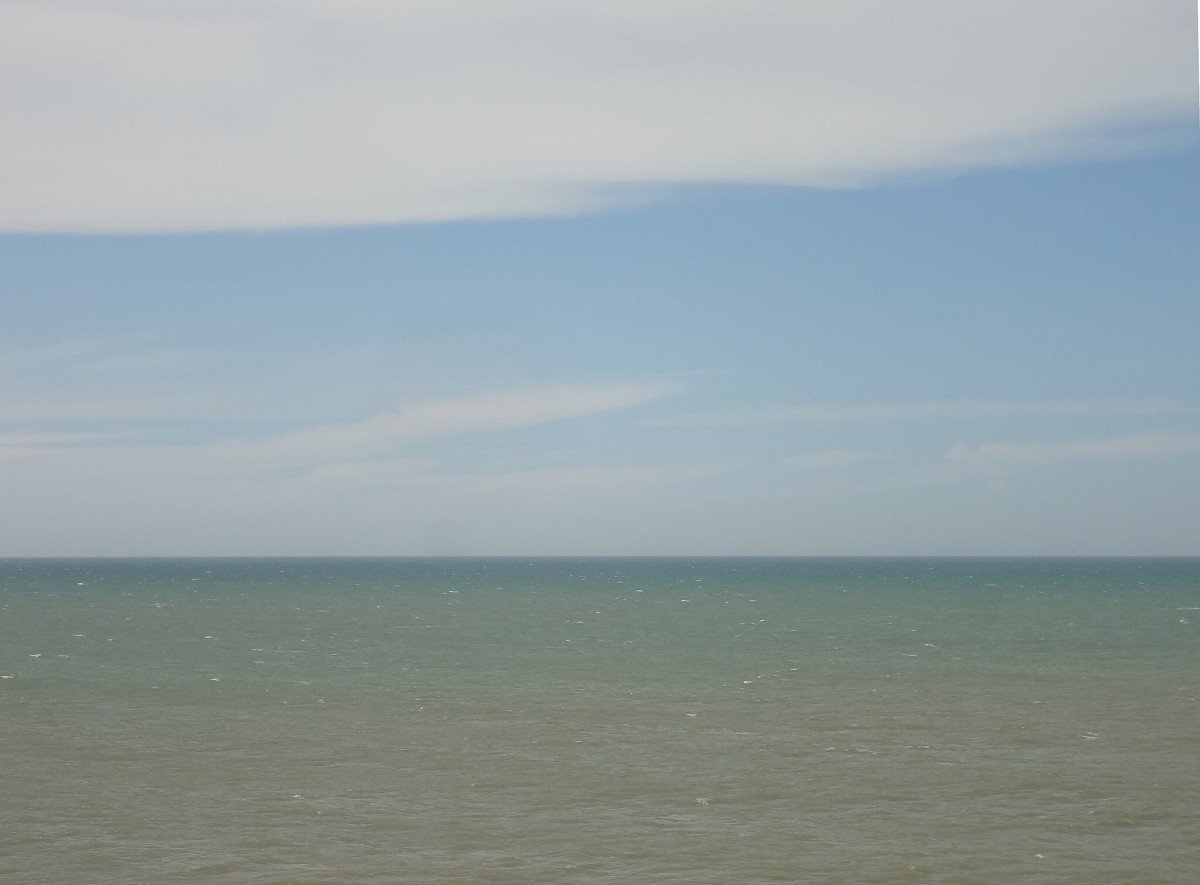
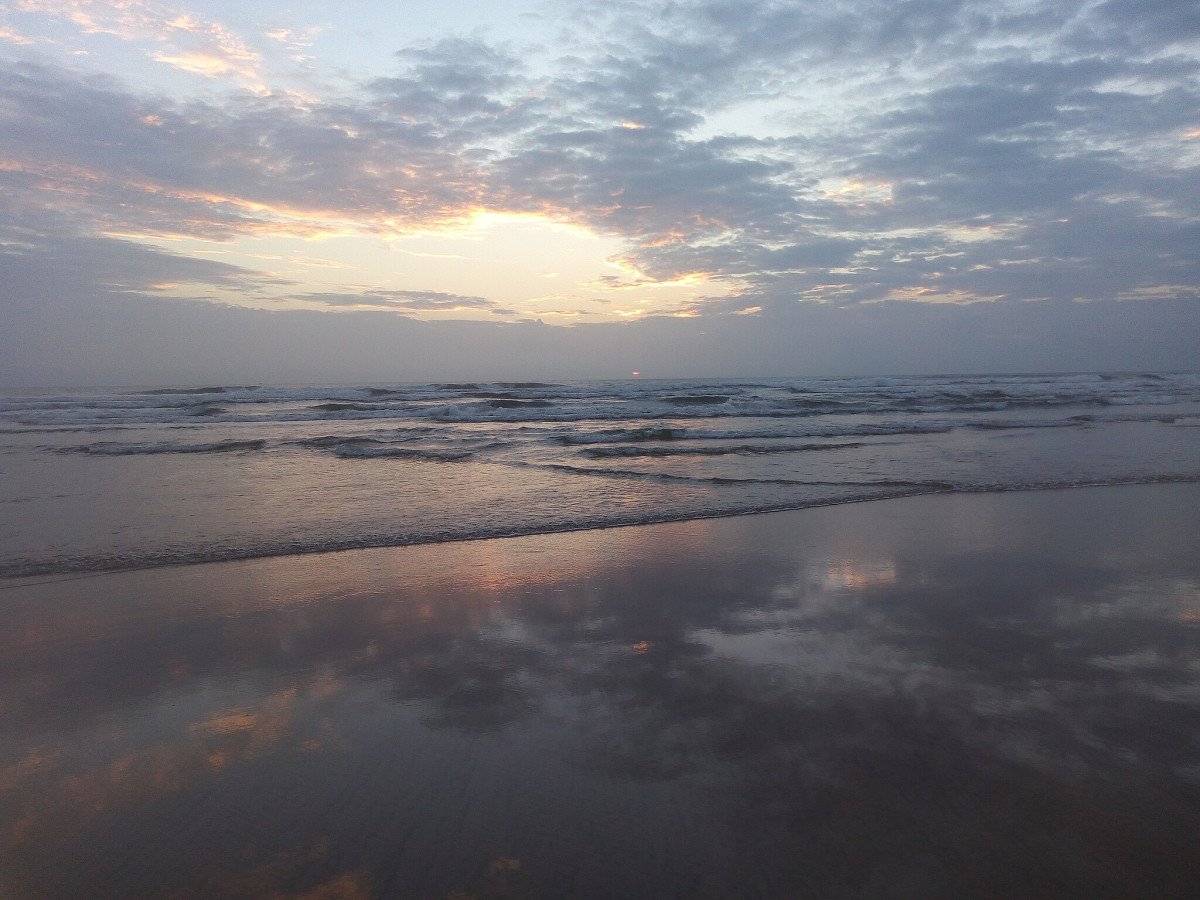
Things To Do
-
Water Sports and Adventure: Ganpatipule Beach is an excellent destination for adventure seekers, offering a wide array of thrilling water sports. You can indulge in Jet Skiing, a high-speed ride over the waves; a fun and cooperative Banana Boat Ride with family and friends; or Bumper Boat rides. For a spectacular aerial view of the temple and the coastline, Parasailing is a highly recommended activity. Always use licensed operators and inquire about safety measures.
Spiritual Circumambulation (Pradakshina): A fundamental thing to do for any visitor, especially pilgrims, is to perform the Pradakshina (circumambulation) of the sacred hill behind the Swayambhu Ganpati Temple. This is a 1 KM walk around the entire hill. The path is well-paved and offers continuous, stunning views of the Arabian Sea. It is a perfect blend of s...Water Sports and Adventure: Ganpatipule Beach is an excellent destination for adventure seekers, offering a wide array of thrilling water sports. You can indulge in Jet Skiing, a high-speed ride over the waves; a fun and cooperative Banana Boat Ride with family and friends; or Bumper Boat rides. For a spectacular aerial view of the temple and the coastline, Parasailing is a highly recommended activity. Always use licensed operators and inquire about safety measures.
Spiritual Circumambulation (Pradakshina): A fundamental thing to do for any visitor, especially pilgrims, is to perform the Pradakshina (circumambulation) of the sacred hill behind the Swayambhu Ganpati Temple. This is a 1 KM walk around the entire hill. The path is well-paved and offers continuous, stunning views of the Arabian Sea. It is a perfect blend of spiritual ritual, light trekking, and scenic photography, connecting the temple's sanctity with the natural environment.
Temple Visit and Darshan: The core activity is visiting the Swayambhu Ganpati Temple to seek the blessings of the West-facing Lord Ganesha. Participate in the morning (5:00 AM), noon (12:00 PM), or evening (7:00 PM) Aarti (prayer ritual) for a deeply spiritual experience. Don't forget to perform the ritual of whispering your wishes to the bronze mouse (Mooshak Raj) near the main gate.
Sunbathing and Beach Relaxation: The pristine, white sand makes Ganpatipule Beach perfect for sunbathing. Find a quiet spot, lay down a mat, and soak up the sun and the sea breeze. The beach is long enough to find a secluded area, especially towards the northern end. This is also a great location for building sandcastles or simply relaxing and watching the waves.
Camel and Horse Rides: For a leisurely activity, especially popular with families and children, you can take a short ride on a camel or a horse along the shoreline. These rides are offered by local vendors, providing a fun, traditional seaside experience and a great photo opportunity.
Sampling Konkani Cuisine: A visit to Ganpatipule is incomplete without indulging in the local Konkani culinary delights. Make sure to try the Ukdiche Modak (steamed sweet dumplings), the local Fish Curry and Rice, and the refreshing drink Solkadhi (made from kokum and coconut milk) at the local shacks and restaurants like MTDC Resort Restaurant. A unique thing to do is to try the complimentary Khichdi Prasad offered at the temple premises between 12:30 PM and 2:00 PM.
Shopping for Local Wares: Explore the local market area near the temple and bus stand. Things to buy include local cashews, delicious Alphonso mango products (pulp, pickles) during the season (March to May), and Kokum-based products. You can also find souvenirs and local handicrafts.
Visit Malgund and Kavi Keshavsoot Smarak: Take a short trip to the nearby village of Malgund (about 3 KM away) to visit the birthplace of the famous Marathi poet, Kavi Keshavsoot, which has been converted into a memorial (Smarak). This offers a cultural and literary diversion from the beach.
Information
-
Why Famous:
The Confluence of Temple and Sea: Ganpatipule Beach's primary fame rests on the unique presence of the Swayambhu Ganpati Temple right on its shores. This fusion of a major pilgrimage site with a beautiful white-sand beach is incredibly rare, making it a sacred as well as a ...The Confluence of Temple and Sea: Ganpatipule Beach's primary fame rests on the unique presence of the Swayambhu Ganpati Temple right on its shores. This fusion of a major pilgrimage site with a beautiful white-sand beach is incredibly rare, making it a sacred as well as a leisure destination. It is famous for allowing devotees to perform their prayers and then immediately immerse themselves in the tranquility of the sea.
White Sand Rarity: The beach is celebrated for being one of the few white-sand beaches along the lengthy Konkan coast, comparable to the famous Kashid Beach. This distinct, bright sand gives the water a stunning turquoise appearance and makes the beach aesthetically superior, cementing its reputation as a coastal gem in Maharashtra.
Spiritual Circumambulation: The 1 KM long Pradakshina (circumambulation) path around the sacred hill behind the temple is a unique feature that adds to the beach's renown. Performing this walk, which offers continuous panoramic views of the sea and the coastal town, is considered highly auspicious and is a central reason why pilgrims visit, combining a spiritual trek with breathtaking natural scenery.
Adventure Water Sports Hub: Despite its spiritual context, the beach is also famous as a hub for various water sports activities like jet-skiing, banana boat rides, and parasailing, offering a complete holiday experience that caters to both the devout and the adventurous traveler, further boosting its fame as a multifaceted destination. -
Architecture:
The primary 'architecture' here is the natural landscape itself, defined by its geological features. Bhandarpule Beach is a picturesque, approximately 2 KM long stretch of sand nestled between two prominent laterite rock formations or small hillocks that define its boundaries. The unique white-to-...The primary 'architecture' here is the natural landscape itself, defined by its geological features. Bhandarpule Beach is a picturesque, approximately 2 KM long stretch of sand nestled between two prominent laterite rock formations or small hillocks that define its boundaries. The unique white-to-light-gray sand composition is a key feature, contrasting with the typical darker sands found on other parts of the Konkan coast. The littoral zone is shaped by the gentle slope leading into the Arabian Sea.
Vegetation and Windbreaks: The shoreline is lined with dense plantations of Suru (Casuarina Equisetifolia) trees, which act as a natural windbreak and provide a visual boundary. These tall, slender trees create a uniform green backdrop against the white sand and blue sea.
Geological Formations: The small hill on the northern side offers an elevated viewpoint, which is a natural 'architectural element' providing panoramic views of the coastal strip and the ocean. The dimensions of the beach, being long and relatively narrow, contribute to its secluded, corridor-like feeling. The laterite rock base, common to the Ratnagiri region, is visible in the adjacent hills, grounding the soft sand of the beach in the region's hard, red geology. The overall environment follows the typical Konkan coastal structure: an alluvial/sandy strip backed by hills and dense coastal flora, making its inherent, natural structure the most significant 'architecture' on display. -
How To Reach:
By Air: To reach Ganpatipule Beach, the primary airport is Chhatrapati Shivaji International Airport in Mumbai (BOM), about 343 KM away. A closer, though less frequently serviced, option is Ratnagiri Airport (RTC), about 30 KM away. After landing, the journey continues By ...By Air: To reach Ganpatipule Beach, the primary airport is Chhatrapati Shivaji International Airport in Mumbai (BOM), about 343 KM away. A closer, though less frequently serviced, option is Ratnagiri Airport (RTC), about 30 KM away. After landing, the journey continues By Road. From Mumbai, it’s a long but scenic drive. From Ratnagiri Airport, the most direct route is hiring a prepaid taxi or a local cab service.
By Train: The nearest and most convenient railway junction is Ratnagiri Railway Station (RN), located approximately 30 KM from Ganpatipule. Ratnagiri is a major halt on the Konkan Railway route, with excellent connectivity to metro cities across India. Upon arrival, you can easily find plenty of local State Transport (ST) buses that frequently run between Ratnagiri and Ganpatipule Bus Stand. Private taxis and larger tourist vehicles are also available for hire, with the journey taking roughly 1 hour. The bus stand and the beach are within a short walking distance (1 KM) of each other.
By Road: Ganpatipule is well-connected to major Maharashtra cities via an extensive road network, primarily NH 66. The road trip from Pune (approx. 330 KM) or Mumbai (approx. 375 KM) is popular for its picturesque routes. Maharashtra State Road Transport Corporation (MSRTC) runs regular and frequent bus services, including semi-luxury and ordinary buses, directly to the Ganpatipule Bus Stand from Ratnagiri, Mumbai, Pune, and other regional centers. The beach is a mere 1 KM walk from the main bus stand.
By Local Transport: Within Ganpatipule, the beach is within walking distance from the temple and the bus stand (1 KM). For exploring nearby areas like Malgund or other beaches, the most common local transports are auto-rickshaws (tuktuks) and local taxis/cabs. Fares should be negotiated beforehand. Tourists can also rent bicycles or two-wheelers for flexible local commuting. -
Weather and Best Time to Visit:
Seasonal Preference - Winter (October to March): The Best Time to Visit Ganpatipule Beach is the Winter season, from October to March. The weather is dry, sunny, and very comfortable, with temperatures ranging from 16°C to 30°C. This pleasant climate is perfect for enjoy...Seasonal Preference - Winter (October to March): The Best Time to Visit Ganpatipule Beach is the Winter season, from October to March. The weather is dry, sunny, and very comfortable, with temperatures ranging from 16°C to 30°C. This pleasant climate is perfect for enjoying all activities: water sports, temple visits, the Pradakshina walk, and evening beach relaxation. The major fair of Magh Chaturthi also falls in this period (February/March), making it a time of high spiritual activity.
Seasonal Preference - Monsoon (June to September): The Monsoon season offers a dramatic, green, and spiritual experience. While the rough sea restricts water activities, the lush landscape is breathtaking, and the famous sight of the high tide waters nearing the temple's base can be witnessed. This is the ideal time for travelers who prioritize natural beauty and spirituality over adventure sports.
Seasonal Avoidance - Summer (April to May): Summer is the least ideal time for beach activities due to high temperatures (often exceeding 35°C) and oppressive humidity. The intense heat makes prolonged outdoor exposure uncomfortable. If you must visit, focus on the temple in the morning and evening, and use the beach only for sunset viewing.
Part of the Day - The Sunrise Spiritual Hour: The Best Part of the Day for a spiritual and serene experience is the early morning (5:00 AM to 7:00 AM), coinciding with the first Aarti at the temple. The beach is calm, and the air is pure, providing the perfect ambiance for a peaceful walk or meditation before the crowds arrive.
Part of the Day - The Sunset Scenic Hour: The late afternoon/evening (5:00 PM to 7:00 PM) is the most popular time for leisure, activities, and watching the magnificent sunset over the sea. This time is also ideal for the Pradakshina walk as the heat subsides. -
Near Tourist Places:
1. Swayambhu Ganpati Temple (Adjacent/0. 1 KM) 2. Prachin Konkan Museum (0. 6 KM) 3. Malgund Beach (3 KM) 4. Kavi Keshavsoot Smarak, Malgund (3 KM) 5. Bhandarpule Beach (3. 5 KM) 6. Aare Ware Beach (5 KM) 7. Jaigad Fort and Lighthouse (15 KM - by road) 8. Ratnagiri City (35 KM) 9. Ratnadurg Fort (36 KM) 10. Thiba Palace, Ratnagiri (36 KM) 11. Pawaskhind (Pavas) Ashram (40 KM) 12. Velneshwar Temple & Beach (70 KM)
Tourism Tips
-
Health & Safety: Safety is crucial, especially when engaging in Water Sports. Always use certified operators and wear the provided safety gear (life jackets). Swimming is permitted but should be done in designated areas where lifeguards are present, and never venture too d...Health & Safety: Safety is crucial, especially when engaging in Water Sports. Always use certified operators and wear the provided safety gear (life jackets). Swimming is permitted but should be done in designated areas where lifeguards are present, and never venture too deep or swim after dark. For Health, maintain hydration, especially if spending time in the sun. Be wary of unauthorized food stalls; choose reputable shacks. The area around the temple is crowded, so be mindful of your belongings.
Packing Essentials: Packing should include light, quick-drying clothing suitable for the beach and temple. Since you will be visiting the temple, women should carry a shawl or scarf to cover their shoulders, and men should wear full pants or dhoti inside the main temple premises. Essential items include good sunscreen, a hat, a towel, and comfortable sandals/slippers for the beach, which are easy to take off before entering the temple.
Accommodation: Ganpatipule is a major tourist destination and offers a wide range of Accommodation options. The government-run MTDC Resort is a popular choice, offering sea views. There are numerous private hotels, resorts, and lodges to suit all budgets, from luxury to basic. For a budget-friendly and culturally immersive stay, the temple's own Bhaktnivas (pilgrim lodging) is an option. During the peak season (November to March) and festivals like Magh Chaturthi, advance booking (at least 1-2 months) is strongly recommended. Other Important Tips - Temple Etiquette and Shopping: When visiting the temple, dress modestly and remove your footwear outside. Ensure you store them safely or use the designated stand. The temple complex and beach are heavily visited, so be patient and respectful of others, especially during Aarti times. When shopping at local markets, politely bargain for a fair price. Try the complimentary Khichdi Prasad for a true taste of the local spiritual community.
Reviews
FAQs
Ganpatipule Itineray And Cost:-
Ganpatipule Beach Tourism:-
Information about New and Updated Locations() of Maharashtra Has Been Added :-
Card subtitle
Note:-
Information provided here in good Faith and for reference only.
All information and pictures will be updated soon, please keep visiting.
Near Places
Ambolgad Beach
Some quick example text to build on the card title and make up the bulk of the card's content.
Go somewhere
Anjarle Beach
Some quick example text to build on the card title and make up the bulk of the card's content.
Go somewhere
Arey Ware Beach
Some quick example text to build on the card title and make up the bulk of the card's content.
Go somewhere
Bhandarpule Beach
Some quick example text to build on the card title and make up the bulk of the card's content.
Go somewhere
Chiplun
Some quick example text to build on the card title and make up the bulk of the card's content.
Go somewhere
Dabhol
Some quick example text to build on the card title and make up the bulk of the card's content.
Go somewhere
Dapoli
Some quick example text to build on the card title and make up the bulk of the card's content.
Go somewhere
Ganeshghule Beach
Some quick example text to build on the card title and make up the bulk of the card's content.
Go somewhere
Ganpatipule Beach
Some quick example text to build on the card title and make up the bulk of the card's content.
Go somewhere
Guhagar Beach
Some quick example text to build on the card title and make up the bulk of the card's content.
Go somewherein Other Cities