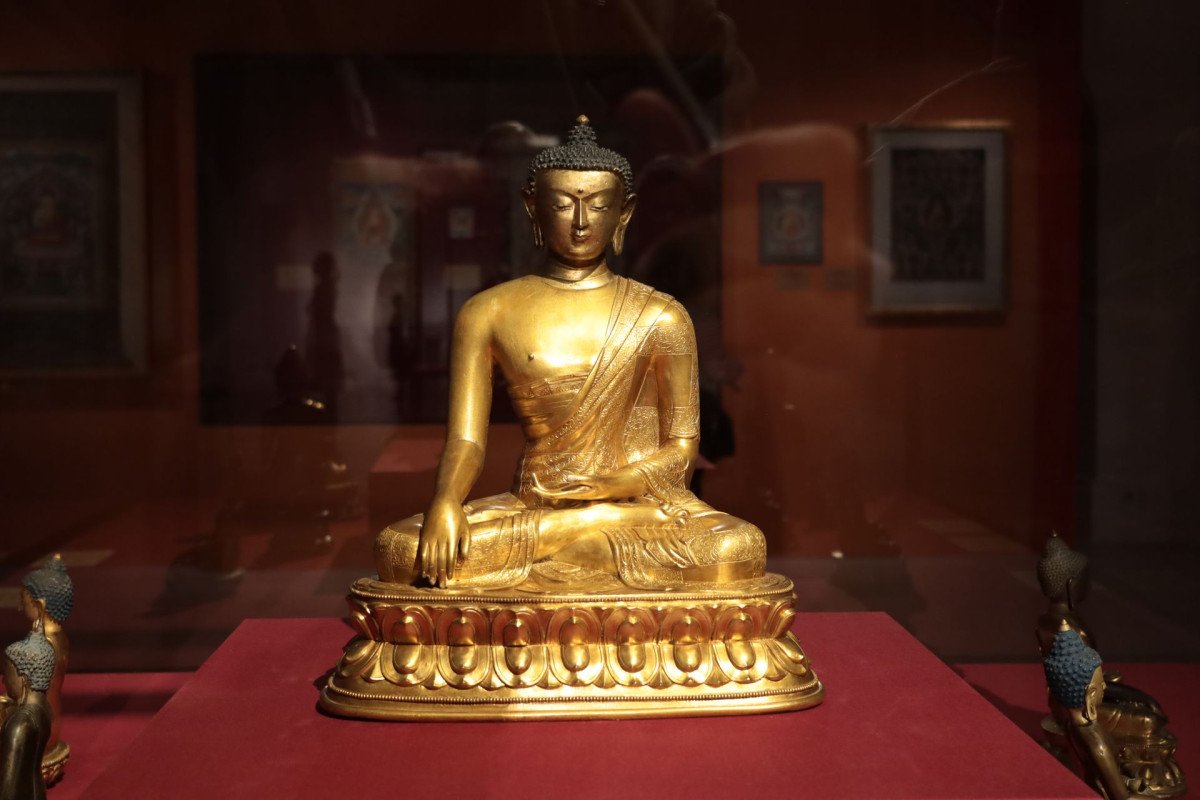
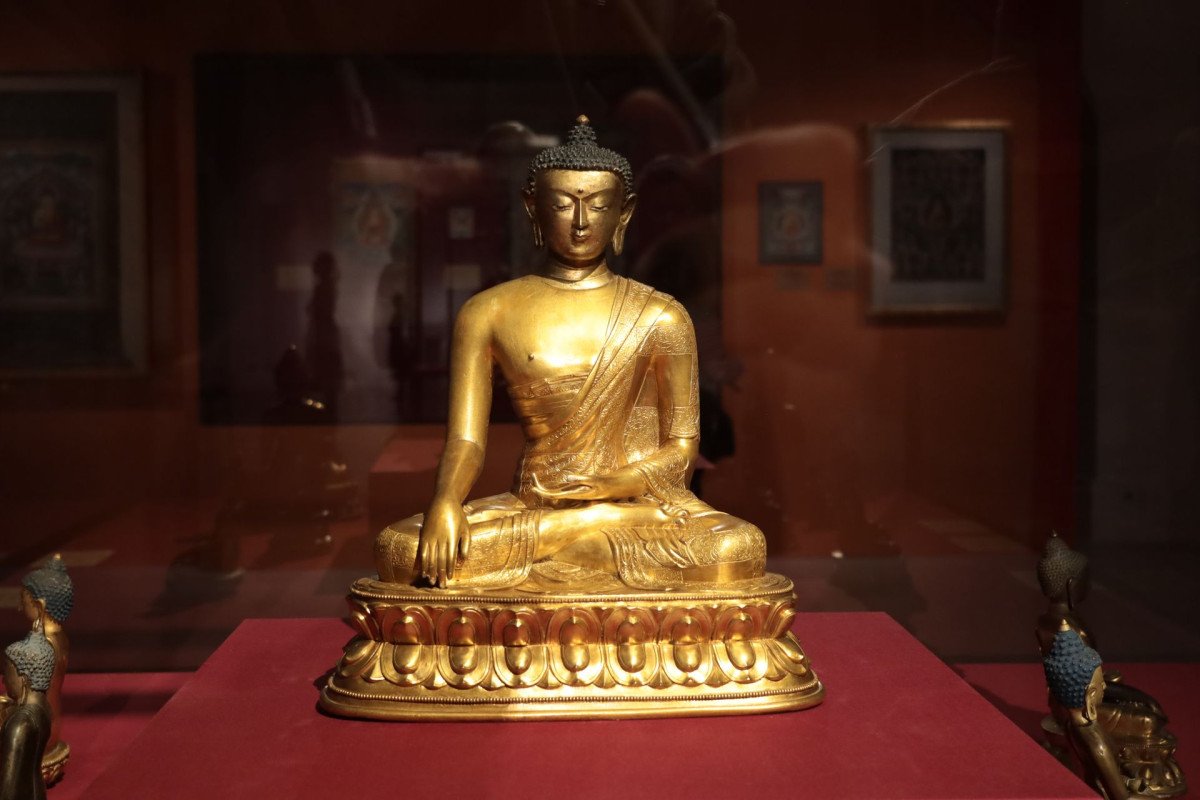
Government Museum
General information
-
Ideal Duration:
1 - 1. 5 HoursPlace Type:
Educational and Heritage Site: Museum and AquariEntry Fees:
The Nominal Educational Fee: There is usually a very nominal entry fee for the Government Museum.
Adult/Child Fee: The fee is typically low, around Rs.10 to Rs.50 per adult, and even lower for children or students, as the facility's purpose is e...The Nominal Educational Fee: There is usually a very nominal entry fee for the Government Museum.
Adult/Child Fee: The fee is typically low, around Rs.10 to Rs.50 per adult, and even lower for children or students, as the facility's purpose is educational and public service.
Camera Fee: A separate, small fee may be charged for carrying a still camera (Rs.25 to Rs.50), and a higher fee for a video camera, to contribute to the cost of maintaining the exhibits.
No-Charge Motivation: The low and nominal fee structure reflects the government's aim to make the island's heritage accessible to all, prioritizing education and cultural appreciation over commercial revenue. The fees directly contribute to the conservation and maintenance of the collections.Timing:
Standard Government Working Hours: The museum follows a standard operational schedule, primarily on weekdays.
Regular Timings: Typically open from 9:30 AM to 1:00 PM and 2:00 PM to 4:30 PM on Weekdays. The museum is usually closed on Sunday...Standard Government Working Hours: The museum follows a standard operational schedule, primarily on weekdays.
Regular Timings: Typically open from 9:30 AM to 1:00 PM and 2:00 PM to 4:30 PM on Weekdays. The museum is usually closed on Sundays and public holidays.
Ideal Visit Time: The best time to visit is the mid-morning (10:30 AM), as it provides a cool, comfortable environment to explore the exhibits before the lunch break closure and the peak heat of the day.
Avoid Lunch: Be sure to exit or finish browsing before the 1:00 PM closing time for the lunch hour.
Check for Saturday: Opening hours on Saturdays can be variable or shorter, so it is best to confirm locally.
School Groups: Be aware that it may be busy in the early morning if a local school group is visiting.Special Events:
Heritage Weeks and Conservation Awareness: Special events are linked to education, conservation, and national heritage.
World Heritage Day: Events or special exhibitions might be organized around World Heritage Day (April 18) or during a Mus...Heritage Weeks and Conservation Awareness: Special events are linked to education, conservation, and national heritage.
World Heritage Day: Events or special exhibitions might be organized around World Heritage Day (April 18) or during a Museum Week to promote the preservation of the island’s unique heritage.
Marine Conservation Seminars: The museum often serves as the venue for government-organized seminars, workshops, or awareness campaigns on marine conservation, coral reef protection, and sustainable fishing practices, attracting local experts and visiting scientists.
National Science Day: Special displays or presentations showcasing the marine science aspects of the collection are sometimes organized on National Science Day (February 28).
School Group Days: The museum may have specific days dedicated to local school group visits, which, while busy, offer a chance to observe the local community engaging with their heritage.Best Photo Spots:
The Skeleton and the Coral Showcase: The best photos capture the unique marine specimens and the cultural items.
The Whale Skeleton: A wide-angle shot of the whale skeleton (if on display), capturing its sheer size and scale within the museu...The Skeleton and the Coral Showcase: The best photos capture the unique marine specimens and the cultural items.
The Whale Skeleton: A wide-angle shot of the whale skeleton (if on display), capturing its sheer size and scale within the museum setting, is a key photo opportunity.
Coral Close-ups: Detailed, non-flash photographs of the preserved coral specimens, showcasing the incredible variety of colors, textures, and forms found in the Lakshadweep reefs.
Traditional Boat Models: Photos of the detailed, miniature models of traditional island boats, highlighting their design and the maritime history they represent.
The Museum Exterior: A clear shot of the museum building and its official sign, establishing the location of this significant educational spot.
Cultural Artifact Showcase: A framed photo of the traditional ornaments or tools, capturing the detail and craftsmanship of the islanders' cultural products.Photo Gallery
Things To Do
-
Learning and Cultural Exploration: Activities should be focused on cultural and natural history absorption.
Exploring the Marine Exhibits: Spend time studying the preserved fish and the variety of coral species. Use the museum as a learning opportunity to identify the life you will see (or have seen) during snorkeling or diving.
Understanding Cultural Artifacts: Examine the traditional tools, boat models, and ornaments to gain an understanding of the island's unique lifestyle, traditional economy (fishing and coir), and social customs.
Reading the History: Take time to read all the information panels and descriptions, which provide the historical timeline and anthropological context for the islands.
Taking Notes: The museum is a...Learning and Cultural Exploration: Activities should be focused on cultural and natural history absorption.
Exploring the Marine Exhibits: Spend time studying the preserved fish and the variety of coral species. Use the museum as a learning opportunity to identify the life you will see (or have seen) during snorkeling or diving.
Understanding Cultural Artifacts: Examine the traditional tools, boat models, and ornaments to gain an understanding of the island's unique lifestyle, traditional economy (fishing and coir), and social customs.
Reading the History: Take time to read all the information panels and descriptions, which provide the historical timeline and anthropological context for the islands.
Taking Notes: The museum is an excellent place for students and researchers to take detailed notes on the specific species and historical periods covered.
Photography of Exhibits: Take non-flash photos of the exhibits (where permitted) for personal reference, focusing on the whale skeleton and the intricate handicrafts.
Visiting the Marine Aquarium: The museum is often located adjacent to or is the same facility as the Marine Aquarium, so combine the two visits to maximize the marine learning experience.
Purchasing a Guidebook: See if the museum offers any small guidebooks or informational pamphlets about the local history or marine life for further reading.
A Quiet Break: Use the cool, quiet environment of the museum as a refreshing break from the midday sun and a peaceful space for reflection.
Information
-
Why Famous:
The Archival of Coral Wonders and Island Life: The museum is famous for being the single best repository for understanding the region's dual identity.
Marine Biodiversity Showcase: Its primary fame comes from its extensive collection of cora...The Archival of Coral Wonders and Island Life: The museum is famous for being the single best repository for understanding the region's dual identity.
Marine Biodiversity Showcase: Its primary fame comes from its extensive collection of corals, shells, and preserved fish specimens, offering a detailed, accessible view of the underwater life that is difficult to see during a regular dive. The whale skeleton is often a star attraction.
Cultural History Insight: It is famous for chronicling the unique socio-cultural history of the islanders, showcasing their traditional boats, fishing methods, and indigenous attire. It provides the only comprehensive cultural context for the islands.
Educational Hub: The museum is a crucial educational resource for local students and a key reference point for researchers and tourists interested in the history of Lakshadweep.
Conserving the Past: Its fame also stems from its role as a conservation center, working to catalogue and protect both the fragile natural specimens and the historical artifacts from the island's past. The museum acts as a visual 'pre-dive briefing' for the ecosystem visitors are about to encounter. -
Architecture:
Functional Design for Preservation and Display: The museum is housed in a modern, yet modestly sized building, designed for the preservation and systematic display of delicate marine and cultural artifacts.
Climate-Controlled Environment: Th...Functional Design for Preservation and Display: The museum is housed in a modern, yet modestly sized building, designed for the preservation and systematic display of delicate marine and cultural artifacts.
Climate-Controlled Environment: The architecture includes features for maintaining a controlled interior environment to protect the fragile exhibits, particularly the preserved fish and coral specimens, from the tropical humidity.
Dimension and Layout: The museum is typically laid out across a few halls or rooms. The floor plan is simple and sequential, guiding visitors through the various collections—often starting with maritime history and moving to natural history (marine) and then cultural anthropology. The size is small and manageable, reflecting the compact nature of island facilities.
Dedicated Display Cases: The structural design focuses on maximizing the use of space for secure, well-lit display cases, which are essential for showcasing the vast array of shells, corals, and preserved specimens clearly and safely.
Whale Skeleton Display: A prominent architectural feature, where space permits, is the area dedicated to displaying the skeleton of a whale, which requires a high ceiling and specific structural support to be presented effectively. The building's function is purely educational and conservational. -
How To Reach:
Accessing the Central Archive: The museum is conveniently located in the center of the Kavaratti main settlement.
By Air: Fly to Agatti Aerodrome (AGX) from Kochi (Kerala). The distance from Agatti to Kavaratti is approximately 54 KMS by se...Accessing the Central Archive: The museum is conveniently located in the center of the Kavaratti main settlement.
By Air: Fly to Agatti Aerodrome (AGX) from Kochi (Kerala). The distance from Agatti to Kavaratti is approximately 54 KMS by sea.
By Train: Nearest major railway station is Ernakulam Junction (ERS) in Kochi.
By Road: No road connection to the mainland.
By Local Transport: The museum is situated in the administrative and commercial heart of Kavaratti, often adjacent to the main road or close to the tourism office and the Marine Aquarium. It is easily reachable by walking (5 minutes) from the central town area or the jetty. Local transport like bicycles, scooters, or autorickshaws can take you there quickly. Its central location makes it an ideal first stop on an island tour, providing the necessary context before exploring the beaches and religious sites.
Easy Combination: The proximity to the Government Craft Center makes it efficient to combine both visits on the same morning. -
Weather and Best Time to Visit:
Cool Hours for Learning: Visit during the cool, dry season and the coolest part of the day for maximum comfort.
Cool Season (October to March): This season offers the most comfortable temperature for walking to the museum and for a pleasant ...Cool Hours for Learning: Visit during the cool, dry season and the coolest part of the day for maximum comfort.
Cool Season (October to March): This season offers the most comfortable temperature for walking to the museum and for a pleasant interior experience.
Different Parts of the Day: The mid-morning is the ideal time to visit—the light is good, the building is cool, and it is a good break from the sun after an early morning walk. Afternoons are also fine but can be warmer, making the air-conditioned environment all the more welcome.
Weekday Priority: A weekday visit ensures the museum is open and fully operational, including the possibility of staff being available for questions. -
Near Tourist Places:
Nearby Cultural and Nature Spots: Marine Aquarium (0. 1 KM), Government Craft Center (0. 5 KM), Kavaratti Beach (1 KM), Ajara and Jamnath Mosque (1 KM), Ujra Mosque (2. 5 KMS), PM Sayeed Park (0. 7 KM), Lagoon Viewpoint (1 KM), Desalination Plant (3 KMS), Dolphin Dive Center (3 KMS), Tsunami Memorial (2 KMS).
Tourism Tips
-
Respecting Artifacts and Logistics: Follow all museum rules and be prepared for the remote island location.
Health & Safety: The interior is usually climate-controlled, offering a cool respite. Be careful not to trip over any display barrie...Respecting Artifacts and Logistics: Follow all museum rules and be prepared for the remote island location.
Health & Safety: The interior is usually climate-controlled, offering a cool respite. Be careful not to trip over any display barriers.
Packing: Leave large bags or backpacks outside in the designated area (if available) or with the attendant. Carry a light jacket or shawl for the climate-controlled interior.
Accommodation: Located near central accommodations, reducing travel time.
Other Different Topics Heading:
No Touching Rule: Strictly follow the 'Do Not Touch' rule for all artifacts and specimens to ensure their preservation.
Photography Etiquette: Use non-flash photography only, as flash can damage fragile artifacts and specimens. Respect the camera fee if charged.
Interacting with Curators: If you are a serious researcher, call ahead to see if the curator or any expert staff is available for in-depth questions.
Marine Aquarium: Remember to check if the museum ticket also covers the entry to the adjacent Marine Aquarium (if separate).
Reviews
FAQs
Kavaratti Itineray And Cost:-
Government Museum Tourism:-
Information about New and Updated Locations() of Lakshadweep Has Been Added :-
Card subtitle
Note:-
Information provided here in good Faith and for reference only.
All information and pictures will be updated soon, please keep visiting.
Near Places

Ajara and Jamnath Mosque
Some quick example text to build on the card title and make up the bulk of the card's content.
Go somewhere
Desalination Plant
Some quick example text to build on the card title and make up the bulk of the card's content.
Go somewhere
Dolphin Dive Center
Some quick example text to build on the card title and make up the bulk of the card's content.
Go somewhere
Friday Mosque
Some quick example text to build on the card title and make up the bulk of the card's content.
Go somewhere
Government Craft Center
Some quick example text to build on the card title and make up the bulk of the card's content.
Go somewhere
Government Museum
Some quick example text to build on the card title and make up the bulk of the card's content.
Go somewhere
Kavaratti Beach
Some quick example text to build on the card title and make up the bulk of the card's content.
Go somewhere
Kavaratti Lighthouse
Some quick example text to build on the card title and make up the bulk of the card's content.
Go somewhere
Lagoon surrounding Kavaratti
Some quick example text to build on the card title and make up the bulk of the card's content.
Go somewhere
Lagoon Viewpoint
Some quick example text to build on the card title and make up the bulk of the card's content.
Go somewherein Other Cities