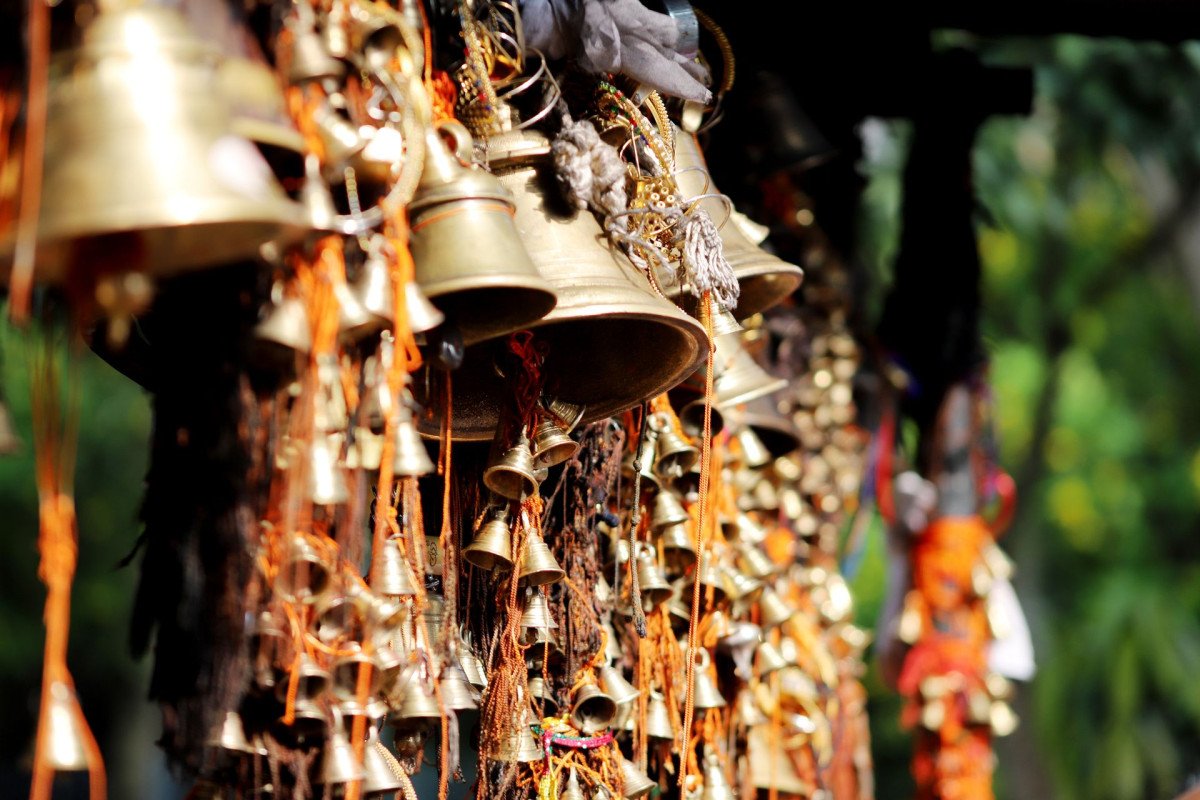
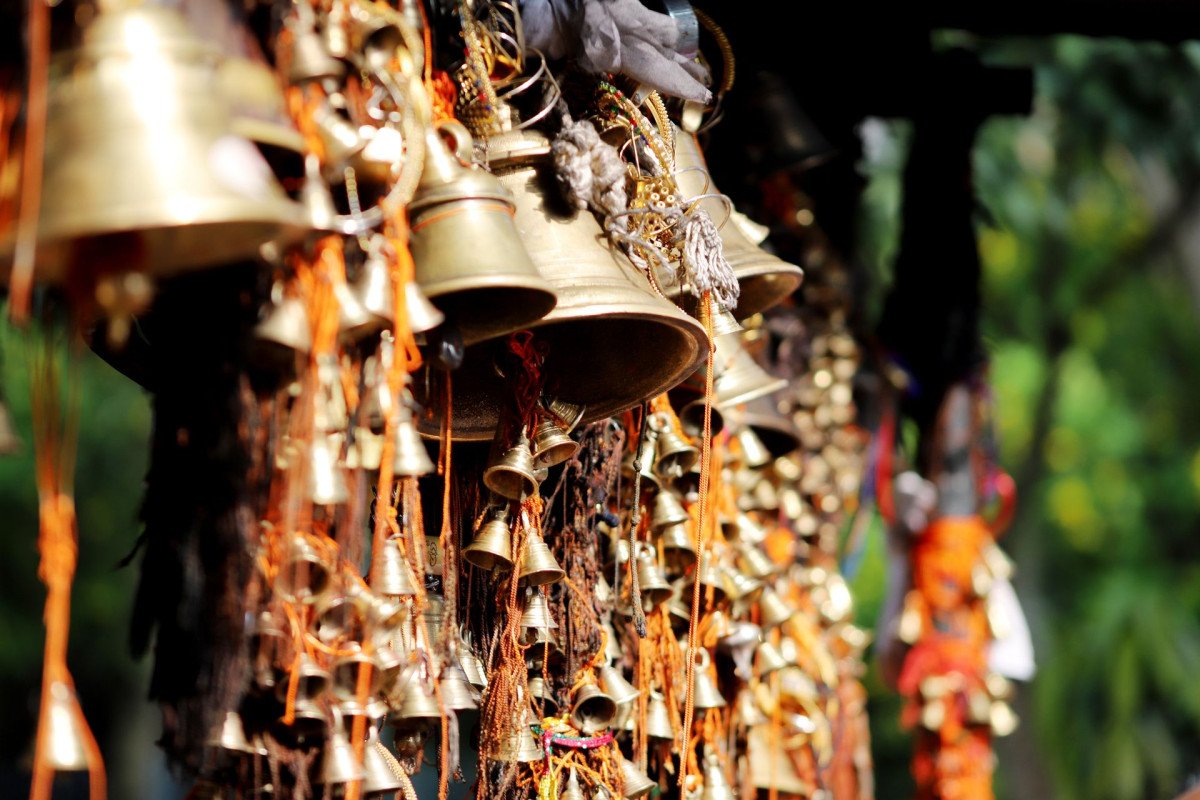
Hadimba Devi Temple
General information
-
Ideal Duration:
1-2 hours (including a walk in the surrounding forest)Place Type:
Temple/Historical LandmarkEntry Fees:
General Entry: No official entry fee is charged for the main Hadimba Devi Temple:
It is a place of worship and is free to enter:
Forest Park Fee: A small, nominal fee (Rs.10 - Rs.50) is sometimes charged for entry...General Entry: No official entry fee is charged for the main Hadimba Devi Temple:
It is a place of worship and is free to enter:
Forest Park Fee: A small, nominal fee (Rs.10 - Rs.50) is sometimes charged for entry into the surrounding Dhungri Van Vihar (park/forest area) or the path leading to the temple:
Camera/Photography Fee: No specific fee for regular photography, but professional video recording may require permission/fee:
Yak Photo Fee: The charge for posing with the local yaks and rabbits is typically negotiated with the animal owners and is separate from the temple's operations:Timing:
Regular Timings: 8:00 AM to 6:00 PM (The main temple is open during these hours, though the surrounding park/area may be accessible longer):
Ideal Visit Time: Early morning (8:00 AM - 10:00 AM) to avoid large crowds and enjoy the tranquil atm...Regular Timings: 8:00 AM to 6:00 PM (The main temple is open during these hours, though the surrounding park/area may be accessible longer):
Ideal Visit Time: Early morning (8:00 AM - 10:00 AM) to avoid large crowds and enjoy the tranquil atmosphere and excellent lighting for photography:
During Dhungri Mela: The timing may be extended, but the crowds will be substantial:
Late Afternoon: Peaceful for reflection and observing the sunset colors on the surrounding hills:Special Events:
Dhungri Mela (Hadimba Devi Fair): The most significant event, celebrated annually around the 14th-16th of May, drawing large crowds, cultural performances, and a ceremonial procession of the Goddess's idol:
Navratri Celebrations: The temple h...Dhungri Mela (Hadimba Devi Fair): The most significant event, celebrated annually around the 14th-16th of May, drawing large crowds, cultural performances, and a ceremonial procession of the Goddess's idol:
Navratri Celebrations: The temple holds special, fervent prayers and ceremonial processions during the Hindu festival of Navratri, celebrating Goddess Durga (whom Hadimba is believed to have merged with):
Local Seasonal Festivals: Various agricultural and harvest festivals are celebrated by the local Kullu community here, marked by traditional music, dance, and ritual offerings to the deity:Best Photo Spots:
Frontal Viewpoint: The wide-angle shot that captures the entire four-tiered wooden Pagoda structure with the towering cedar trees framing it against the sky, especially beautiful under fresh snow:
The Wooden Carved Door: Close-up shots of the...Frontal Viewpoint: The wide-angle shot that captures the entire four-tiered wooden Pagoda structure with the towering cedar trees framing it against the sky, especially beautiful under fresh snow:
The Wooden Carved Door: Close-up shots of the intricate, 16th-century carvings on the wooden entrance, highlighting the detailed craftsmanship and mythological figures:
The Forest Pathway: The serene, tree-lined path leading up to the temple from the main road, perfect for capturing a sense of tranquil immersion in nature:
The Ghatotkacha Temple: The smaller, quieter temple nearby offers a different architectural focus and is less crowded for peaceful shots:
The Roof Line: Capturing the metal conical roof (Shikhara) against a clear, blue Himalayan sky, emphasizing the unique design element:Photo Gallery
Things To Do
-
Seeking Blessings: Offer prayers at the main temple and the nearby Ghatotkacha shrine for a spiritual experience and to observe local worship rituals:
Photography: Capture the stunning wooden Pagoda architecture, framed by the towering deodar and cedar trees, especially in the early morning light:
Walking in Dhungri Van Vihar: Spend time strolling through the surrounding dense pine and cedar forest, enjoying the cool, fresh air and the tranquil atmosphere:
Interacting with Yaks: Posing for pictures with the local Himalayan yaks and rabbits, often adorned with colorful woolen clothing, near the temple entrance (nominal fee applies):
Visiting the Museum: Check out the nearby Museum of Himachal Culture and Folk Art which is just a short...
Information
-
Why Famous:
Unique Architecture: It is widely famous for its rare, striking four-tiered Pagoda-style wooden architecture, which stands out beautifully against the backdrop of the dense cedar forest:
Mythological Significance: It draws thousands of pilgri...Unique Architecture: It is widely famous for its rare, striking four-tiered Pagoda-style wooden architecture, which stands out beautifully against the backdrop of the dense cedar forest:
Mythological Significance: It draws thousands of pilgrims as it is dedicated to Hadimba Devi, a revered local goddess and character from the Hindu epic, the Mahabharata:
Peaceful Setting: Its location in the serene Dhungri forest, away from the town's clamor, makes it a tranquil place for meditation and reflection:
Local Deity: It is the epicenter of worship for the local Kullu people, who consider Hadimba their protecting deity, giving it immense cultural weight: -
Architecture:
Architectural Style: The temple is a fine example of traditional Himalayan Pagoda architecture, a style common in the region but highly distinct:
Structure & Materials: It is a four-tiered structure built primarily of deodar wood and stone, s...Architectural Style: The temple is a fine example of traditional Himalayan Pagoda architecture, a style common in the region but highly distinct:
Structure & Materials: It is a four-tiered structure built primarily of deodar wood and stone, sitting atop the cave shrine: The wooden doors are intricately carved with figures of Hindu deities and scenes from the Mahabharata: The first three roofs are covered with wooden shingles, while the topmost roof is a conical metallic umbrella or Shikhara (peak):
Dimensions: The total height of the temple's wooden tower is approximately 24 meters (about 80 feet): The sanctum sanctorum houses a footprint carved on a rock where Hadimba Devi is said to have meditated, rather than a conventional idol:
Woodwork Craftsmanship: The intricate and rich carvings on the wooden facade, including animal heads (like buffaloes) and mythological symbols, are a testament to the master craftsmanship of the 16th century: -
How To Reach:
By Air: Fly to Bhuntar Airport (Kullu-Manali Airport), which is approx 50 KMs away: Hire a taxi directly to the temple or to a hotel near the Mall Road:
By Train: Nearest major station is Chandigarh Railway Station (310 KMs): -
Near Tourist Places:
Mall Road (approx. 2 KMs), Old Manali (approx. 1 KM), Manu Temple (approx. 3 KMs via trek), Museum of Himachal Culture and Folk Art (approx. 0. 2 KMs), Van Vihar National Park (approx. 3 KMs), Vashisht Temple (approx. 4 KMs), Siyali Mahadev Temple (approx. 3 KMs), Beas River (approx. 3 KMs), Manali Wildlife Sanctuary (approx. 2 KMs), Jogini Waterfall (approx.
5 KMs):
Tourism Tips
-
Health & safety: The area is safe, but be cautious of stray animals near the temple: Wear sturdy footwear for the short walk/hike through the forest path:
Packing: Carry a light jacket, even in summer, as the forest area is much cooler: A hat...
Reviews
Manali Itineray And Cost:-
Hadimba Devi Temple Tourism:-
Information about New and Updated Locations() of Himachal Pradesh Has Been Added :-
Card subtitle
Note:-
Information provided here in good Faith and for reference only.
All information and pictures will be updated soon, please keep visiting.
Near Places
Anjani Mahadev Temple
Some quick example text to build on the card title and make up the bulk of the card's content.
Go somewhere
Arjun Gufa
Some quick example text to build on the card title and make up the bulk of the card's content.
Go somewhere
Atal Tunnel
Some quick example text to build on the card title and make up the bulk of the card's content.
Go somewhere
Beas Kund
Some quick example text to build on the card title and make up the bulk of the card's content.
Go somewhere
Beas River
Some quick example text to build on the card title and make up the bulk of the card's content.
Go somewhere
Bhrigu Lake
Some quick example text to build on the card title and make up the bulk of the card's content.
Go somewhere
Club House
Some quick example text to build on the card title and make up the bulk of the card's content.
Go somewhere
Gulaba
Some quick example text to build on the card title and make up the bulk of the card's content.
Go somewhere
Hadimba Devi Temple
Some quick example text to build on the card title and make up the bulk of the card's content.
Go somewhere
Jagatsukh Village
Some quick example text to build on the card title and make up the bulk of the card's content.
Go somewherein Other Cities