Hassan Valley
General information
-
Ideal Duration:
3 to 5 Hours (For Trekking):Place Type:
Nature, Trekking, Ecotourism, Wildlife Sanctuary ZEntry Fees:
No General Entry Fee: There is generally no specific entry fee required for simply viewing the valley or walking on public access roads surrounding it:
Sanctuary Permit: If entering the core areas or designated trails of the Shimla Water Catc...No General Entry Fee: There is generally no specific entry fee required for simply viewing the valley or walking on public access roads surrounding it:
Sanctuary Permit: If entering the core areas or designated trails of the Shimla Water Catchment Wildlife Sanctuary that overlaps with the valley, a nominal permit fee may be required, typically around INR 100 per person for Indian nationals:
Guide/Trekker Fee: Hiring a local, certified trekking guide (highly recommended for safety) will incur charges, which can range from INR 1500 to INR 3000 for a full-day guided trek:Timing:
Nature's Own Timings: The valley itself has no fixed 'open' and 'close' times, but for safety, trekking or exploration should be limited to Daylight Hours (Sunrise to Sunset):
Ideal Visit Time: The best time is during the early morning (7:00 ...Nature's Own Timings: The valley itself has no fixed 'open' and 'close' times, but for safety, trekking or exploration should be limited to Daylight Hours (Sunrise to Sunset):
Ideal Visit Time: The best time is during the early morning (7:00 AM to 11:00 AM) for the clearest views, fresh air, and best chance of bird and wildlife sightings, and to avoid the midday heat:
Monsoon Caution: Visiting during heavy monsoon (July-August) is strongly discouraged due to extremely slippery trails, potential rock falls, and leech activity:Special Events:
Seasonal Forest Fairs: While no specific major event occurs in the deep valley itself, the surrounding villages and forest communities, particularly during the onset of the Monsoon or at Harvest time (October/November), hold small, localized festivals celebrating the forest ...Seasonal Forest Fairs: While no specific major event occurs in the deep valley itself, the surrounding villages and forest communities, particularly during the onset of the Monsoon or at Harvest time (October/November), hold small, localized festivals celebrating the forest gods and nature's bounty:
Forest Department Awareness Drives: Occasionally, the local Forest Department conducts awareness programs or guided nature walks, especially around World Environment Day (June 5th), promoting conservation efforts in the catchment area:Best Photo Spots:
The Deodar Giant Alley: The path where the massive Deodar trees form a natural, arching canopy, creating a dark, dramatic tunnel effect:
Ridge Line Overlooks: Specific points along the ridge separating the valley from the main Mashobra town o...The Deodar Giant Alley: The path where the massive Deodar trees form a natural, arching canopy, creating a dark, dramatic tunnel effect:
Ridge Line Overlooks: Specific points along the ridge separating the valley from the main Mashobra town offer wide, unobstructed landscape views of the rolling green hills stretching into the distance:
Misty Morning Vistas: Shooting the valley on a misty or cloudy morning, where the forest layers appear to float in the fog, provides highly atmospheric and ethereal photos:Photo Gallery
Things To Do
-
Serious Nature Trekking: Undertake an all-day, guided trek through the deep forests: Focus on the more challenging slopes, requiring sturdy footwear and physical fitness:
Photography of Himalayan Flora: Dedicate time to macro and wide-angle photography, capturing the enormous Deodar trunks, the forest floor ecosystem, and the dense canopy layers:
Meditation and Forest Bathing: The extreme quiet and the distinct, refreshing scent of the Cedar and Pine trees make it an ideal spot for meditation or Shinrin-yoku (forest bathing), promoting mental well-being:
Wildlife Spotting: Go on a pre-dawn or late-afternoon nature walk with a local guide to attempt spotting the area's shy wildlife, such as the Goral or the Barking Deer:
Carry a Sketchboo...Serious Nature Trekking: Undertake an all-day, guided trek through the deep forests: Focus on the more challenging slopes, requiring sturdy footwear and physical fitness:
Photography of Himalayan Flora: Dedicate time to macro and wide-angle photography, capturing the enormous Deodar trunks, the forest floor ecosystem, and the dense canopy layers:
Meditation and Forest Bathing: The extreme quiet and the distinct, refreshing scent of the Cedar and Pine trees make it an ideal spot for meditation or Shinrin-yoku (forest bathing), promoting mental well-being:
Wildlife Spotting: Go on a pre-dawn or late-afternoon nature walk with a local guide to attempt spotting the area's shy wildlife, such as the Goral or the Barking Deer:
Carry a Sketchbook: The magnificent scale and depth of the valley's forests are a perfect subject for sketching or landscape painting:
Eco-Study Tour: Participate in an organized eco-tour focused on the hydrology and biodiversity of the Water Catchment Area to learn about its crucial ecological role:
Picnic at the Edge: Set up a quiet picnic lunch at the valley's edge (near the main road entrance to the forest) to enjoy the panoramic views without entering the deepest parts:
Information
-
Why Famous:
Dense Deodar Forests: It is renowned for having some of the most dense and tall stands of Deodar (Himalayan Cedar) trees in the Shimla circle, which are a major component of the Shimla Water Catchment Wildlife Sanctuary:
Pristine Ecosystem: T...Dense Deodar Forests: It is renowned for having some of the most dense and tall stands of Deodar (Himalayan Cedar) trees in the Shimla circle, which are a major component of the Shimla Water Catchment Wildlife Sanctuary:
Pristine Ecosystem: The valley is famous for being an ecologically sensitive and relatively untouched area, making it a habitat for rich and varied Himalayan birdlife (including pheasants and Himalayan eagles) and occasional sightings of mammals like the barking deer:
Trekking Isolation: It offers a truly isolated trekking experience compared to the main Kufri/Mahasu routes, attracting serious hikers who desire solitude and a challenging, immersive walk in the wilderness: -
Architecture:
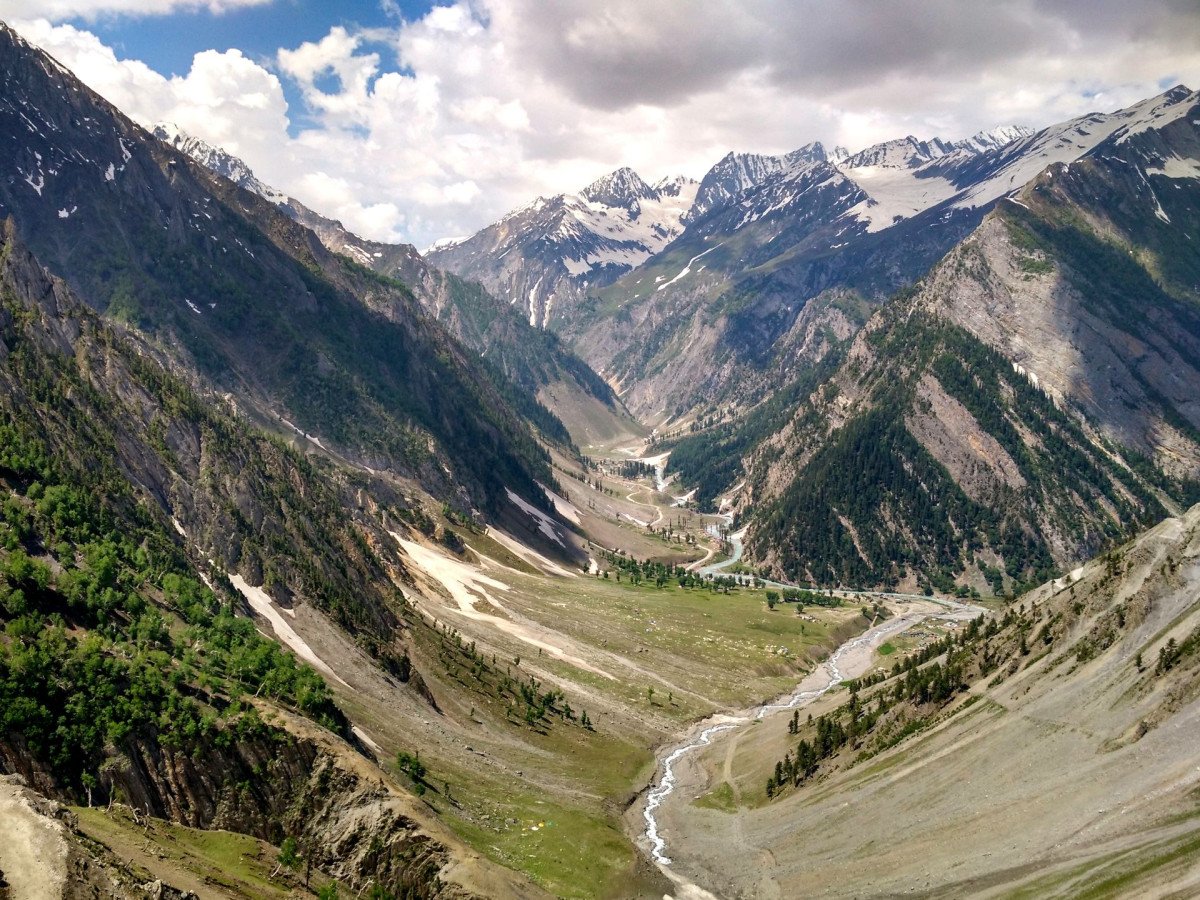
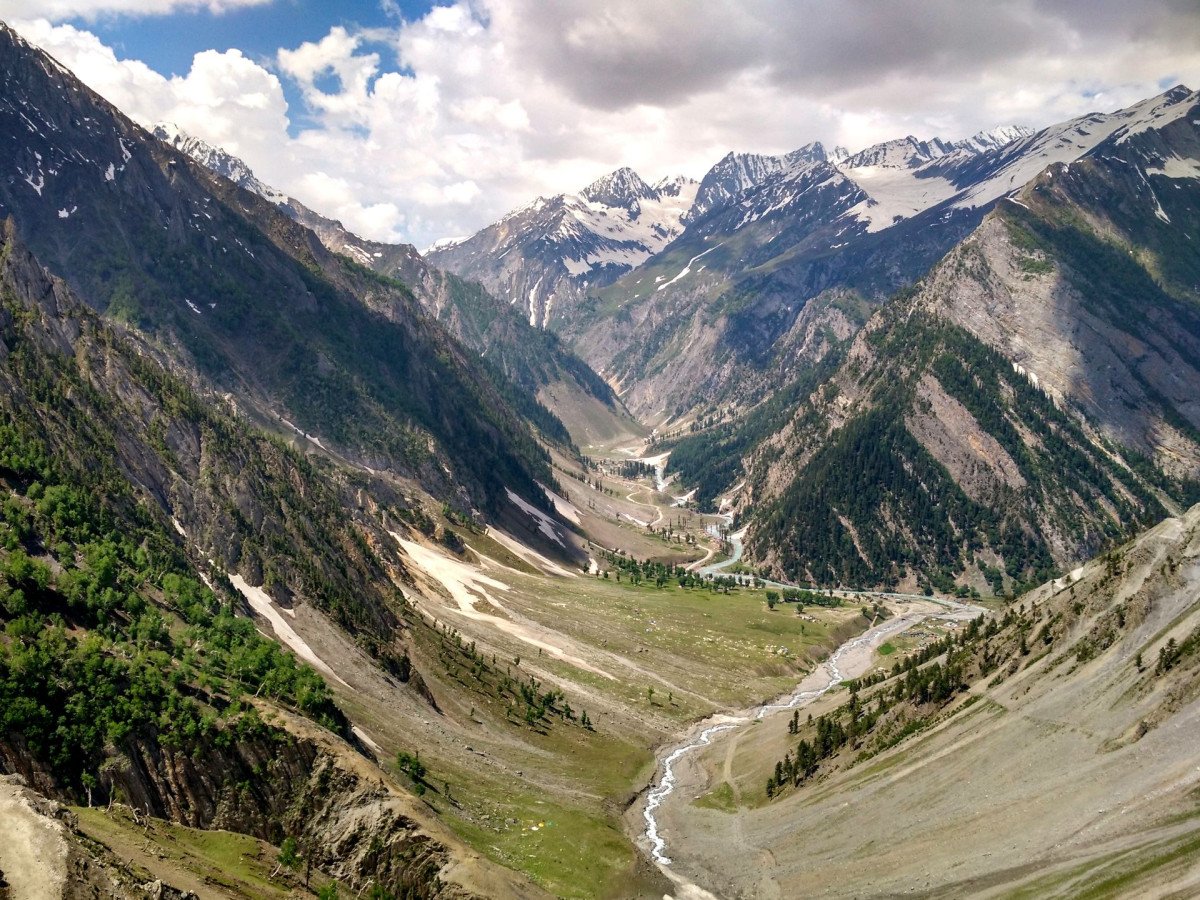
Natural and Forest Ecosystem: The valley's 'architecture' is purely natural, defined by its incredible verticality and the dense layering of its forest cover:
Flora and Density: It is dominated by massive Himalayan Deodar (Cedar), which can r...Natural and Forest Ecosystem: The valley's 'architecture' is purely natural, defined by its incredible verticality and the dense layering of its forest cover:
Flora and Density: It is dominated by massive Himalayan Deodar (Cedar), which can reach heights of over 50 meters, creating a thick, dark, and damp under-canopy: Interspersed are tall Pine and broadleaf Oak trees: The 'design' of the valley is a natural watershed, with water runoff patterns carving deep gorges and streams:
Absence of Traditional Structures: Unlike other places, there are very few or no permanent traditional Kath-Kuni style structures here, preserving its completely raw, untamed look: The primary 'dimensions' are the sheer scale of the vertical drop and the expansive, uninterrupted tree cover: -
How To Reach:
By Air:
Nearest is Jubbarhatti Airport (SLV): Hire a taxi to Mashobra and then proceed towards the Reserve Forest area where the valley paths begin (approx 35-40 KMS from SLV):
By Train: Nearest major station ...By Air:
Nearest is Jubbarhatti Airport (SLV): Hire a taxi to Mashobra and then proceed towards the Reserve Forest area where the valley paths begin (approx 35-40 KMS from SLV):
By Train: Nearest major station is Kalka (KLK), connecting to the narrow-gauge Shimla Railway Station (SML): From Shimla, hire a local cab to take you along the main road where you can stop to view the valley, or to the starting point of a trek:
By Road: The valley flanks the main road leading from Shimla through Mashobra and beyond: Private car or hired taxi is the most convenient way to stop at various viewpoints along this road (NH-5): Look for turn-offs or view-points near the Reserve Forest Sanctuary entrance:
By Local Transport: Local buses and shared taxis plying the Shimla-Mashobra-Naldehra/Kufri route pass close to the valley and can drop you at various points: -
Weather and Best Time to Visit:
Post-Monsoon Clarity: September to November is highly recommended for its lush green appearance, dry trails, and the clearest views of the distant peaks due to the washing away of the monsoon haze:
Summer Trekking: April to June is excellent ...Post-Monsoon Clarity: September to November is highly recommended for its lush green appearance, dry trails, and the clearest views of the distant peaks due to the washing away of the monsoon haze:
Summer Trekking: April to June is excellent for comfortable trekking temperatures (15°C to 25°C), though the views may be slightly hazier than the autumn months:
Avoid Monsoon: July and August should be avoided due to the constant, heavy rainfall and treacherous trail conditions:
Ideal Part of the Day: Sunrise is the most spectacular time to capture the mist rising from the valley floor, creating a stunning visual effect: -
Near Tourist Places:
Shimla Water Catchment Wildlife Sanctuary (0 KMS), Reserve Forest Sanctuary (1 KMS), Fagu (10 KMS), Kufri (11 KMS), Naldehra (15 KMS), Theog (15 KMS), Craignano Nature Park (5 KMS), Kiar Koti Village (6 KMS), Shali Tibba Base (18 KMS), Himalayan Nature Park, Kufri (11 KMS):
Tourism Tips
-
Health & Safety: Always trek with a local guide as trails are unmarked and steep: Carry a fully charged phone, compass/GPS, and sufficient food/water: Be aware of low visibility and thick fog which can descend quickly:
Packing Essentials: Tre...Health & Safety: Always trek with a local guide as trails are unmarked and steep: Carry a fully charged phone, compass/GPS, and sufficient food/water: Be aware of low visibility and thick fog which can descend quickly:
Packing Essentials: Trekking Poles are highly recommended for stability on steep slopes:
Wear waterproof, high-ankled hiking boots: Carry rain gear (poncho/jacket) even if the sky is clear, as weather changes rapidly:
Accommodation: Stay in eco-friendly homestays or resorts in Mashobra or Chharabra for easy morning access to the trails:
Other Tips:
Leave No Trace: The valley is a protected area, so carry all trash out with you: Inform your hotel or a local contact of your planned route and expected return time before starting a deep-forest trek:
Reviews
FAQs
Mashobra Itineray And Cost:-
Information about New and Updated Locations() of Himachal Pradesh Has Been Added :-
Card subtitle
Note:-
Information provided here in good Faith and for reference only.
All information and pictures will be updated soon, please keep visiting.
Near Places

Craignano
Some quick example text to build on the card title and make up the bulk of the card's content.
Go somewhere
Hassan Valley
Some quick example text to build on the card title and make up the bulk of the card's content.
Go somewhere
Kiar Koti
Some quick example text to build on the card title and make up the bulk of the card's content.
Go somewhere
Mahasu Devta Temple
Some quick example text to build on the card title and make up the bulk of the card's content.
Go somewhere
Mahasu Peak
Some quick example text to build on the card title and make up the bulk of the card's content.
Go somewhere
Mt. Jhighu
Some quick example text to build on the card title and make up the bulk of the card's content.
Go somewhere
Reserve Forest Sanctuary
Some quick example text to build on the card title and make up the bulk of the card's content.
Go somewhere
Shaily Peak
Some quick example text to build on the card title and make up the bulk of the card's content.
Go somewhere
Shimla Water Catchment Wildlife Sanctuary
Some quick example text to build on the card title and make up the bulk of the card's content.
Go somewhere
Tattapani
Some quick example text to build on the card title and make up the bulk of the card's content.
Go somewherein Other Cities