


Hazar Kothari
General information
-
Ideal Duration:
30 minutes (Viewpoint only)Place Type:
Heritage, Fortification, Military ArchitectureEntry Fees:
Part of Bidar Fort Complex Entry: There is no separate entry fee for the Hazar Kothari itself, as it is a component of the vast Bidar Fort complex. The general fee for the fort complex, administered by the Archaeological Survey of India (ASI), is typically INR 25 per person...Part of Bidar Fort Complex Entry: There is no separate entry fee for the Hazar Kothari itself, as it is a component of the vast Bidar Fort complex. The general fee for the fort complex, administered by the Archaeological Survey of India (ASI), is typically INR 25 per person for Indian citizens and INR 300 for foreign tourists. This nominal fee contributes to the maintenance and preservation of all monuments within the fort perimeter.
Additional Camera Charges: There are often minor charges for carrying still cameras (around INR 25), and significantly higher charges for professional video cameras, though these rules vary. Entry is free for children under the age of 15.Timing:
Daily Open Hours: The structure is technically open during the operational hours of the Bidar Fort, which are generally from 9:00 AM to 6:00 PM daily, seven days a week, though access to the actual tunnel is usually barred.
Ideal Visit Time:...Daily Open Hours: The structure is technically open during the operational hours of the Bidar Fort, which are generally from 9:00 AM to 6:00 PM daily, seven days a week, though access to the actual tunnel is usually barred.
Ideal Visit Time: The best time to visit the fort area, including the Hazar Kothari site, is during the early morning (9:00 AM to 11:00 AM) or late afternoon (4:00 PM to 6:00 PM) to avoid the harsh midday sun. Fridays tend to be less crowded.Special Events:
Bidar Fort Foundation Day: The structure itself does not host a specific public event, but it is a key historical point mentioned during guided heritage walks organized by the ASI or local tourism groups, especially around April, marking the annual foundation day of the fort...Bidar Fort Foundation Day: The structure itself does not host a specific public event, but it is a key historical point mentioned during guided heritage walks organized by the ASI or local tourism groups, especially around April, marking the annual foundation day of the fort or general heritage celebrations in Bidar.Best Photo Spots:
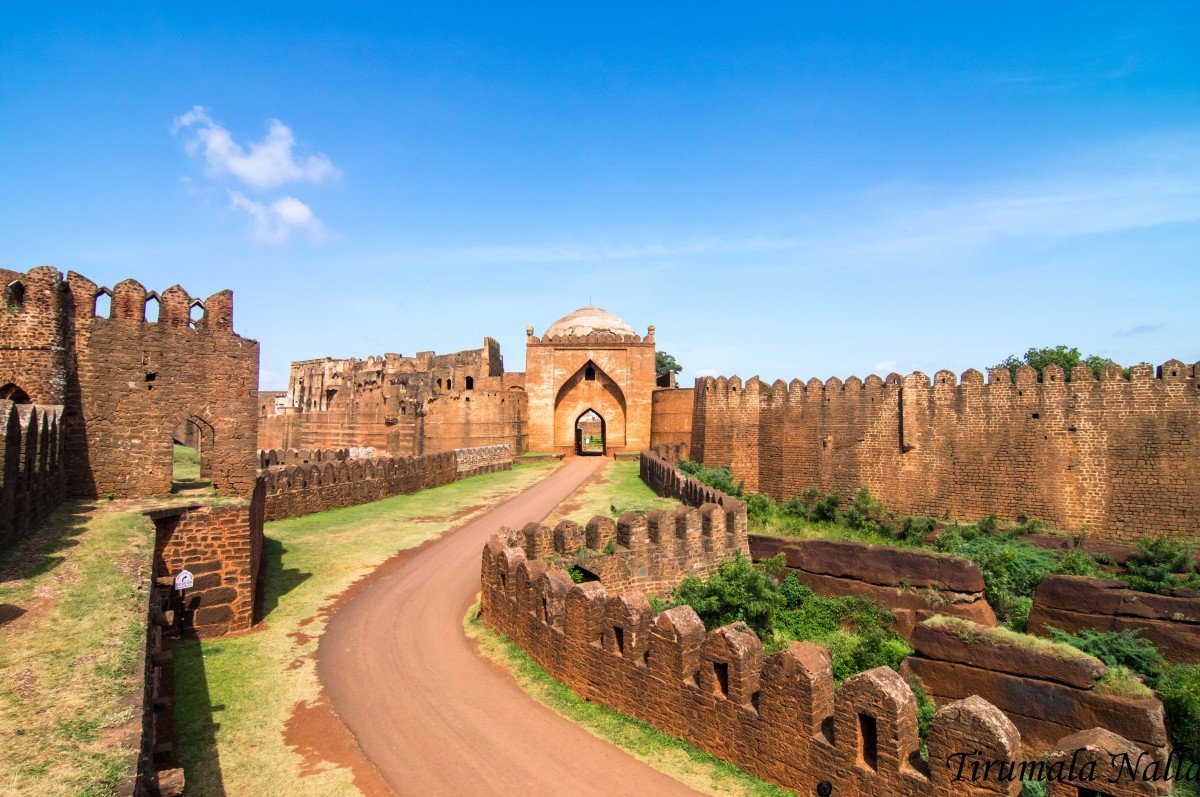
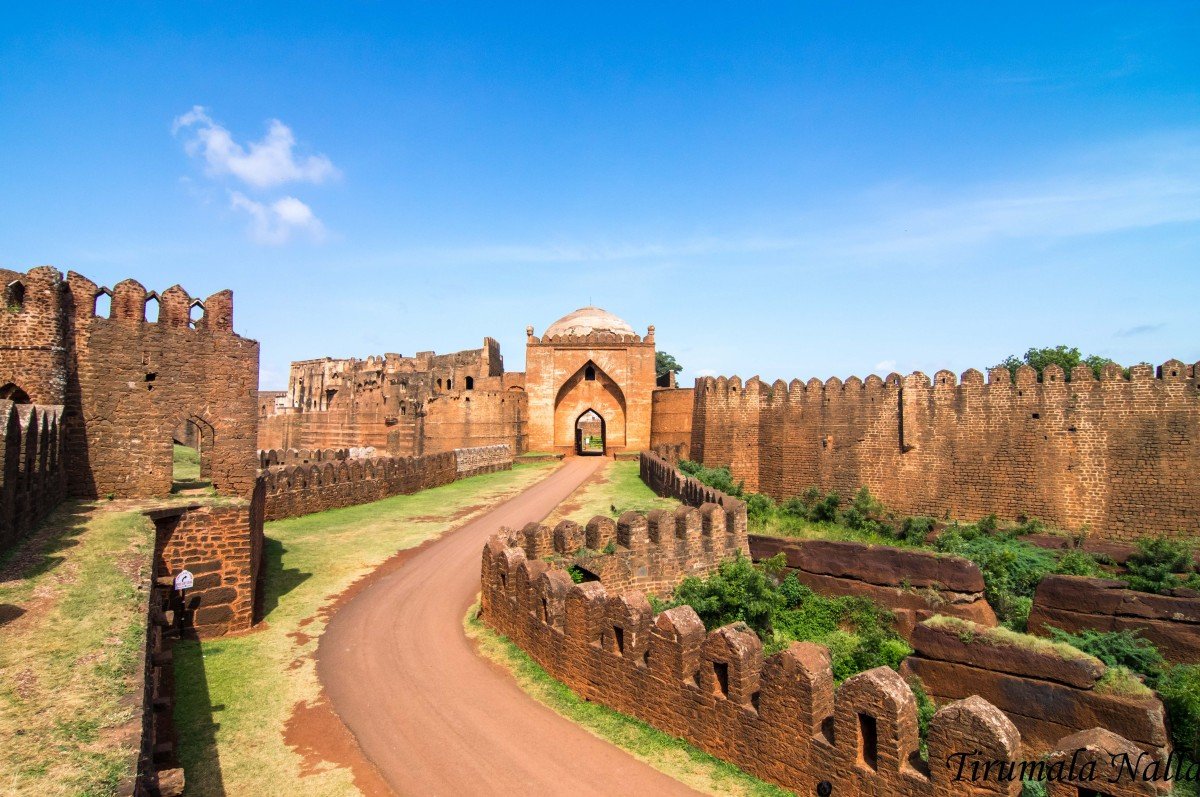
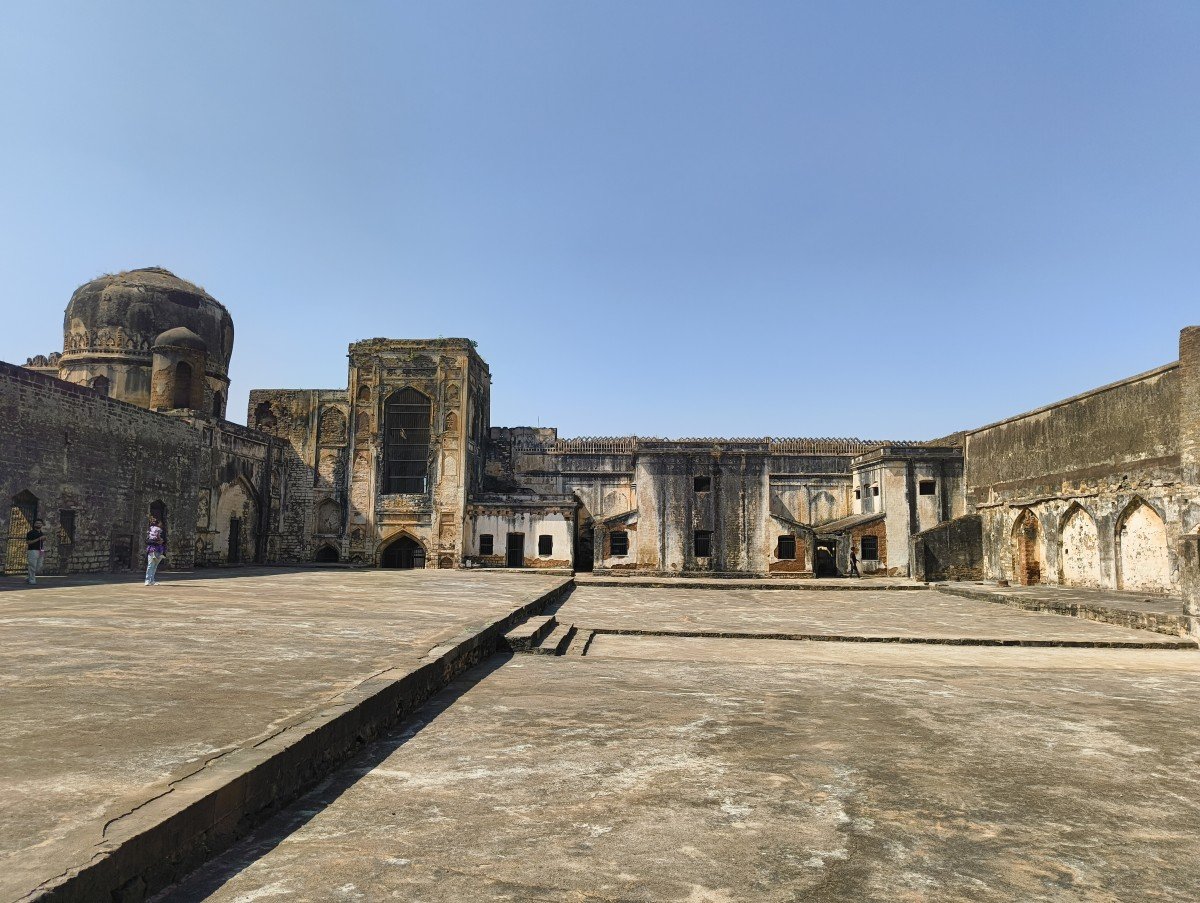
Near Takht Mahal Ruins: The best photo spot is the signage area near the ruins of the Takht Mahal, framing the passage opening (if visible) with the majestic royal palace ruins in the background.
Fort Rampart Panorama: Since the structure is...Near Takht Mahal Ruins: The best photo spot is the signage area near the ruins of the Takht Mahal, framing the passage opening (if visible) with the majestic royal palace ruins in the background.
Fort Rampart Panorama: Since the structure is underground, another excellent photo opportunity is from the fort ramparts nearby, capturing a panoramic view of the plain where an escaping royal party would have emerged.
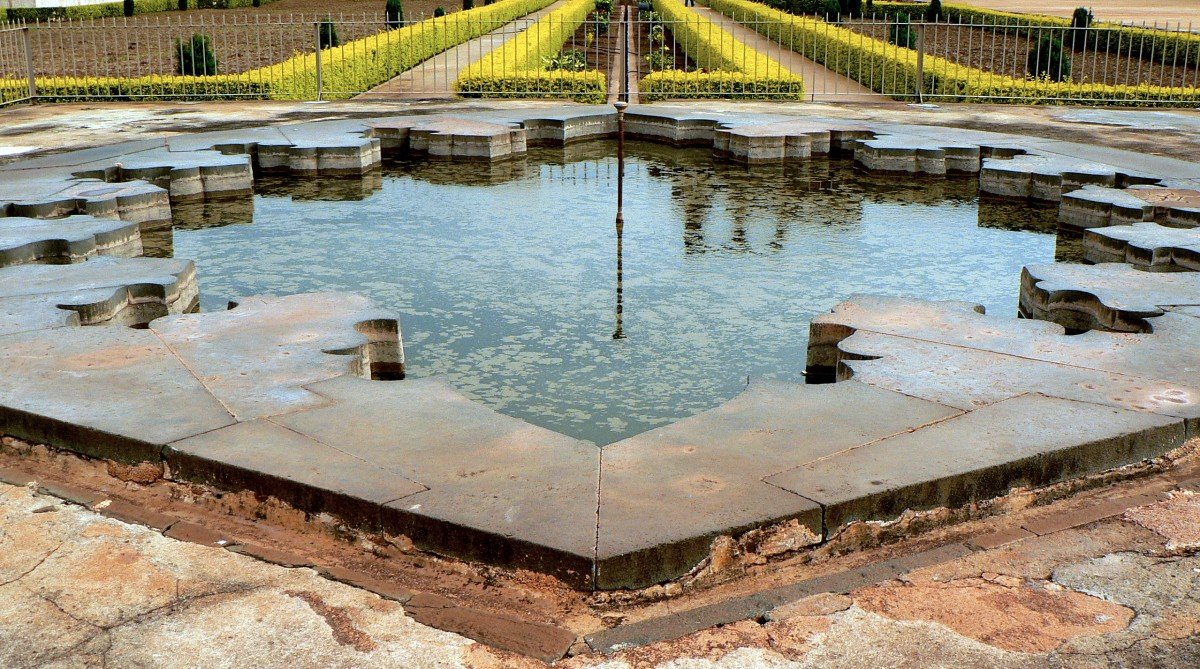
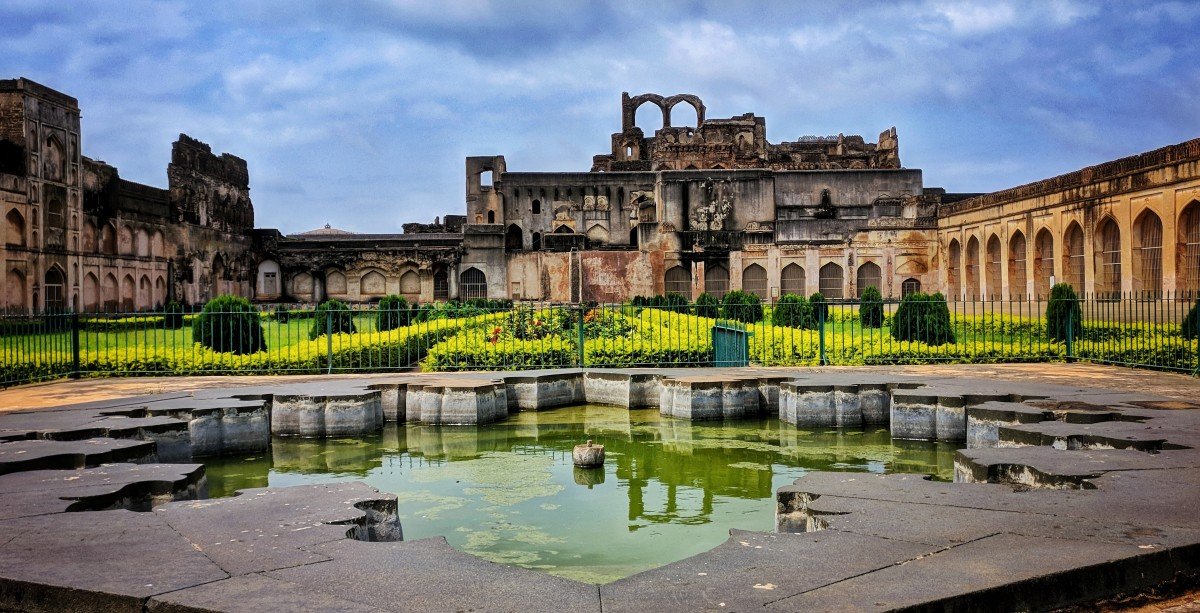
Sunset Framing: A sunset shot framing the ruined walls of the fort adjacent to the Hazar Kothari site provides a dramatic and evocative image, symbolizing the fall of a great empire.Photo Gallery
Things To Do
-
Contemplate Deccan History: Stand near the entrance/signage and contemplate the desperate historical scenarios that would have required its use, imagining the royal household escaping in secrecy. Explore the surrounding ruins of the Takht Mahal and the fortifications to understand the political context of its necessity. Study the fort map to locate its position relative to the innermost palaces and the outer walls to appreciate the distance of the escape route. Take wide-angle photographs of the surrounding ramparts, using the knowledge of the underground structure to frame a shot that symbolizes the layers of defense and secrecy. Hire a local, knowledgeable guide who can narrate the specific legends and historical accounts (though perhaps exaggerated) tied to the tunnel's purpose and its use by various sultans during the collapse of the Bahmani Sultanate and...Contemplate Deccan History: Stand near the entrance/signage and contemplate the desperate historical scenarios that would have required its use, imagining the royal household escaping in secrecy. Explore the surrounding ruins of the Takht Mahal and the fortifications to understand the political context of its necessity. Study the fort map to locate its position relative to the innermost palaces and the outer walls to appreciate the distance of the escape route. Take wide-angle photographs of the surrounding ramparts, using the knowledge of the underground structure to frame a shot that symbolizes the layers of defense and secrecy. Hire a local, knowledgeable guide who can narrate the specific legends and historical accounts (though perhaps exaggerated) tied to the tunnel's purpose and its use by various sultans during the collapse of the Bahmani Sultanate and the rise of the Barid Shahis. View the external fortifications from the southern side, trying to identify where the passage would have terminated outside the main wall. Research similar escape tunnels in other Deccan forts (Gulbarga, Golconda) to place the Hazar Kothari within a broader regional military architectural tradition.
Information
-
Why Famous:
Strategic Royal Escape Route: It is famous as the secret emergency exit or escape tunnel for the Bahmani and Barid Shahi royal families. This function makes it a fascinating point of historical intrigue. The strategic positioning near the Takht Mahal emphasizes its crucial...Strategic Royal Escape Route: It is famous as the secret emergency exit or escape tunnel for the Bahmani and Barid Shahi royal families. This function makes it a fascinating point of historical intrigue. The strategic positioning near the Takht Mahal emphasizes its crucial role in the survival of the dynasty.
Military Engineering Marvel: The structure represents a marvel of medieval military engineering and underground water-harvesting technology, as such tunnels often doubled as part of the fort's overall subterranean network. The story associated with it captures the imagination, giving it a unique fame among the fort's monuments. -
Architecture:
Underground Military Architecture: The architecture of Hazar Kothari is purely utilitarian and military-focused, designed for secrecy and defensive retreat. It consists of an underground hall that transitions into a long, winding tunnel or passage leading toward the outer p...Underground Military Architecture: The architecture of Hazar Kothari is purely utilitarian and military-focused, designed for secrecy and defensive retreat. It consists of an underground hall that transitions into a long, winding tunnel or passage leading toward the outer perimeter walls of the fort.
Dimension: Its exact dimensions are unverified due to restricted access, but the network is extensive enough to facilitate the movement of several people in an emergency. The hall would have been designed for a temporary assembly, built from the same sturdy laterite rock and lime mortar as the main fort walls, ensuring stability against potential bombardment. The structure is an example of the sophisticated underground engineering that characterized Persian and Turkish-influenced military architecture in the Deccan. It lacks the decorative elements of the palaces, focusing entirely on a dark, concealed, and robust passageway, blending seamlessly with the fort's foundational rock.
Focus on Concealment: The primary architectural feature is its concealment, utilizing the plateau's natural rock formation. -
How To Reach:
By Air: The nearest major airport is Rajiv Gandhi International Airport (HYD) in Hyderabad, approximately 140 KMS away. From HYD, you can hire a direct taxi or take a bus to Bidar. A domestic airport is available in Bidar for specific routes.
...By Air: The nearest major airport is Rajiv Gandhi International Airport (HYD) in Hyderabad, approximately 140 KMS away. From HYD, you can hire a direct taxi or take a bus to Bidar. A domestic airport is available in Bidar for specific routes.
By Train: Bidar Railway Station (BIDR) is well-connected to major cities like Hyderabad, Bengaluru, Mumbai, and Delhi. Taxis or auto-rickshaws are easily available outside the station, which is about 3 KMS from the fort.
By Road: Bidar is connected by National Highways (NH-65, NH-50). Regular KSRTC (Karnataka State Road Transport Corporation) and private buses run from Hyderabad (3. 5 hours), Kalaburagi (Gulbarga), and Latur. The fort is a short auto-rickshaw ride from the Bidar city bus stand.
By Local Transport: Within Bidar, auto-rickshaws and cycle-rickshaws are the primary modes of local transport and are readily available for the short journey to the fort. -
Weather and Best Time to Visit:
Winter Season (October - March): This is the most ideal period, offering cool and pleasant weather, perfect for extensive outdoor exploration of the fort complex.
Monsoon Season (June - September): The fort complex is very scenic with lush g...Winter Season (October - March): This is the most ideal period, offering cool and pleasant weather, perfect for extensive outdoor exploration of the fort complex.
Monsoon Season (June - September): The fort complex is very scenic with lush greenery, but the underground passage area might be slippery; however, the weather is mild.
Different Parts of the Day: Early morning (9 AM - 11 AM) is best for photography, avoiding crowds, and comfortable walking. Late afternoon (4 PM - 6 PM) is best for capturing the sunset over the fort walls. -
Near Tourist Places:
Rangeen Mahal (0. 2 KMS), Takht Mahal (0. 1 KMS), Gagan Mahal (0. 3 KMS), Solah Khamba Masjid (0. 4 KMS), Diwan-i-Aam (0. 3 KMS), Mahammud Gawan Madarsa (2. 5 KMS), Chaubara (2 KMS), Gurudwara Nanak Jhira Sahib (4 KMS), Bahmani Tombs (4 KMS), Papnash Shiva Temple (6 KMS)
Tourism Tips
-
Health & Safety: Wear sturdy, closed-toe footwear as the fort area is rocky and uneven. Carry water, especially during the summer. Be cautious when walking over ruins and near steps.
Packing: Carry a hat or umbrella for sun protection, sun...Health & Safety: Wear sturdy, closed-toe footwear as the fort area is rocky and uneven. Carry water, especially during the summer. Be cautious when walking over ruins and near steps.
Packing: Carry a hat or umbrella for sun protection, sunglasses, and a good camera. Bring binoculars for better viewing of the intricate upper wall carvings.
Accommodation: Stay in the Bidar city area for easy access. Options range from budget lodges to mid-range hotels like Hotel Shiva International or Sapna International.
Other Tips: Hire an official ASI guide at the fort entrance to get the full historical context of the Hazar Kothari and its relation to the other palaces. Bargain politely with auto-rickshaw drivers.
Reviews
FAQs
Bidar Itineray And Cost:-
Other Places In Bidar :-
Other States In India :-
Information about New and Updated Locations() of Karnataka Has Been Added :-
Card subtitle
Note:-
Information provided here in good Faith and for reference only.
Near Places
Ahmad Shah Wali Bahman Tomb
Some quick example text to build on the card title and make up the bulk of the card's content.
Go somewhere
Anubhava Mantapa
Some quick example text to build on the card title and make up the bulk of the card's content.
Go somewhere
Bahmani Tombs
Some quick example text to build on the card title and make up the bulk of the card's content.
Go somewhere
Barid Shahi Tombs
Some quick example text to build on the card title and make up the bulk of the card's content.
Go somewhere
Basavakalyan Fort
Some quick example text to build on the card title and make up the bulk of the card's content.
Go somewhere
Basaveshwara Circle
Some quick example text to build on the card title and make up the bulk of the card's content.
Go somewhere
Bidar Fort
Some quick example text to build on the card title and make up the bulk of the card's content.
Go somewhere
Chaubara Tower
Some quick example text to build on the card title and make up the bulk of the card's content.
Go somewhere
Chaukhandi of Hazrat Khalil Ullah
Some quick example text to build on the card title and make up the bulk of the card's content.
Go somewhere
Dev Dev Vana
Some quick example text to build on the card title and make up the bulk of the card's content.
Go somewhere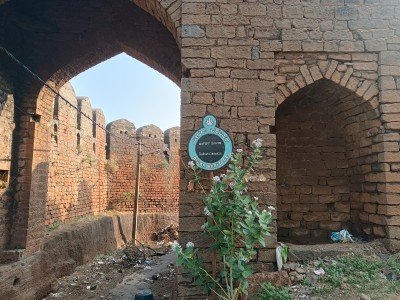
Dulhan Darwaza
Some quick example text to build on the card title and make up the bulk of the card's content.
Go somewhere
Fateh Darwaza
Some quick example text to build on the card title and make up the bulk of the card's content.
Go somewhere
Gumbaz Darwaza
Some quick example text to build on the card title and make up the bulk of the card's content.
Go somewhere
Guru Nanak Jhira Sahib
Some quick example text to build on the card title and make up the bulk of the card's content.
Go somewhere
Hazar Kothari
Some quick example text to build on the card title and make up the bulk of the card's content.
Go somewhere
Karanja Dam
Some quick example text to build on the card title and make up the bulk of the card's content.
Go somewherein Other Cities