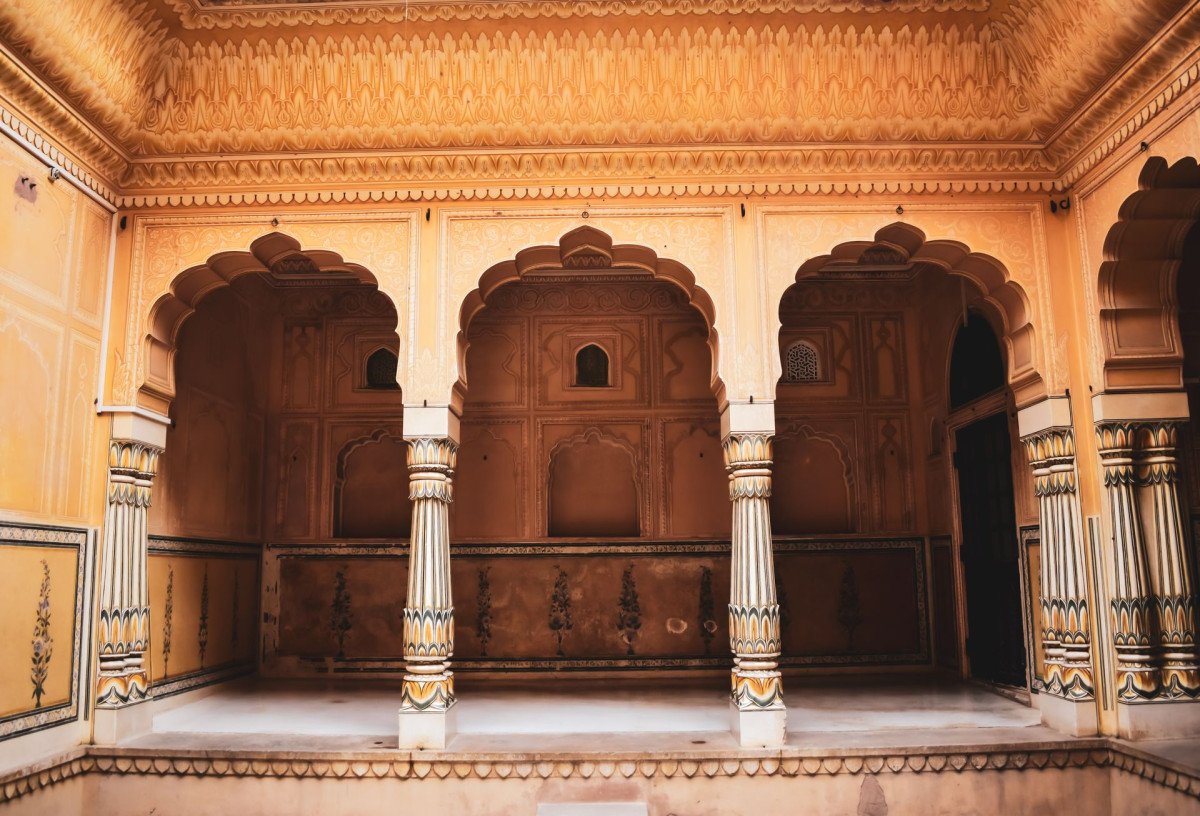
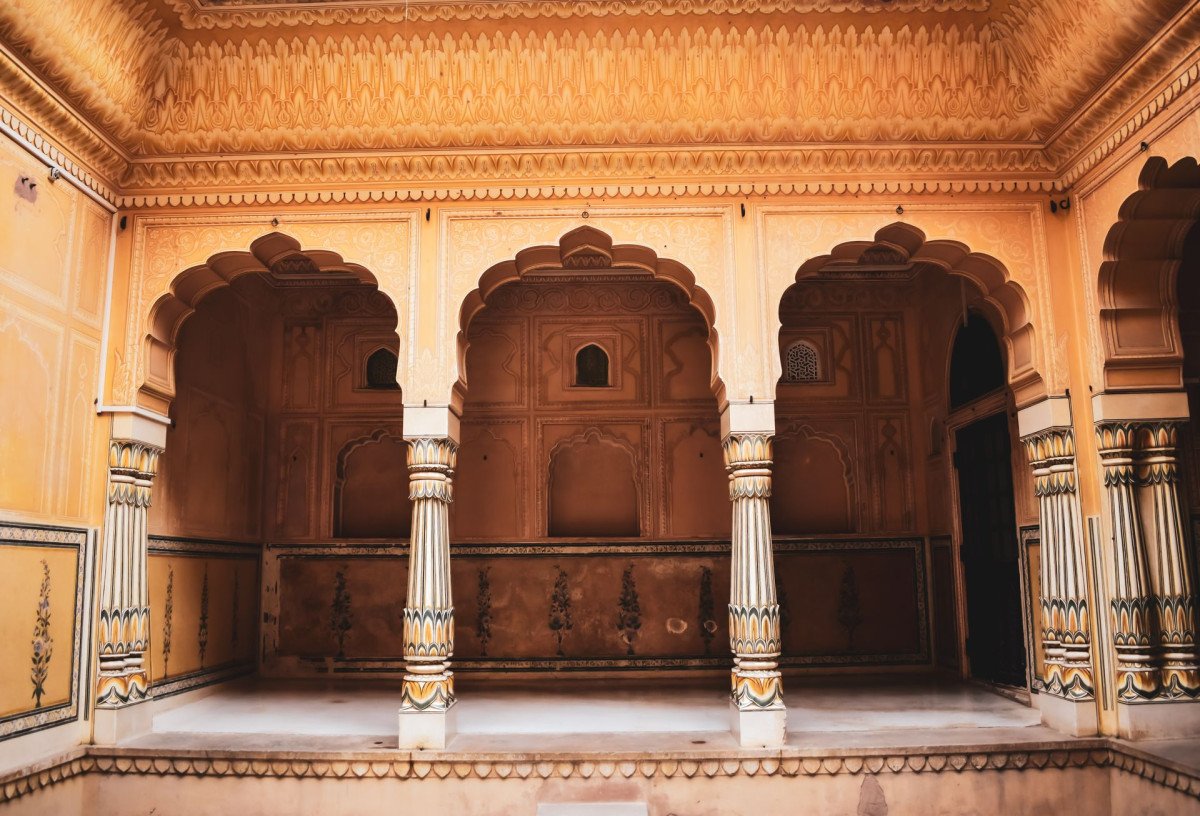
Hosdurg Fort
General information
-
Ideal Duration:
2 to 3 Hours.Place Type:
Historical Fort & Heritage SEntry Fees:
General Admission: There is currently no formal entry fee to visit the ruins of Hosdurg Fort. However, donations are welcomed at the temple and the ashram.
Professional Photography: If you are carrying professional video equipment or plann...General Admission: There is currently no formal entry fee to visit the ruins of Hosdurg Fort. However, donations are welcomed at the temple and the ashram.
Professional Photography: If you are carrying professional video equipment or planning a commercial shoot, you may need to obtain prior permission from the local administrative offices located within the fort.Timing:
Regular Visiting Hours: The fort is generally open to the public from 08:00 AM to 06:00 PM every day. However, since government offices and temples are located inside, some areas might have restricted access after dark.
Ideal Visit Time: T...Regular Visiting Hours: The fort is generally open to the public from 08:00 AM to 06:00 PM every day. However, since government offices and temples are located inside, some areas might have restricted access after dark.
Ideal Visit Time: The best time to visit is either early in the morning at 08:30 AM or in the late afternoon around 04:30 PM to avoid the midday heat.Special Events:
Maha Shivaratri Celebrations: The most significant event at the fort revolves around the Karpooreshwara Temple during Maha Shivaratri. Thousands of devotees gather for night-long prayers, traditional music, and cultural performances within the fort walls.Maha Shivaratri Celebrations: The most significant event at the fort revolves around the Karpooreshwara Temple during Maha Shivaratri. Thousands of devotees gather for night-long prayers, traditional music, and cultural performances within the fort walls.
Independence Day Parade: Being a site for government offices, the fort serves as a primary location for regional Independence Day and Republic Day celebrations, featuring flag hoisting and local school parades.Best Photo Spots:
The Main Round Bastion: This spot offers the most iconic view of the fort’s architecture. Capturing the curve of the bastion with the long stretch of the wall behind it creates a sense of scale.
Sunset from the Ramparts: During the late ...The Main Round Bastion: This spot offers the most iconic view of the fort’s architecture. Capturing the curve of the bastion with the long stretch of the wall behind it creates a sense of scale.
Sunset from the Ramparts: During the late afternoon, the setting sun casts a golden glow on the laterite stones, making it the perfect time for landscape shots.
The Entrance of Nityananda Ashram: The intricate entrance and the surrounding greenery provide a serene and culturally rich background for portraits.Photo Gallery
Things To Do
-
Historical Exploration: Visitors can spend hours walking along the massive laterite walls and exploring the ruined bastions. It is a great place to learn about the 18th-century military tactics of the Ikkeri kings.
Photography: The weathered orange-red laterite walls against the backdrop of the blue sky provide excellent opportunities for historical and architectural photography.
Visit the Karpooreshwara Temple: Pay your respects at this ancient Shiva temple located inside the fort, which offers a peaceful atmosphere away from the town's noise.
Explore the Nityananda Ashram: Walk down to the ashram to see the incredible rock-cut caves and experience the spiritual vibe of the place where Swami Nityananda spent many years.
Nature Wal...Historical Exploration: Visitors can spend hours walking along the massive laterite walls and exploring the ruined bastions. It is a great place to learn about the 18th-century military tactics of the Ikkeri kings.
Photography: The weathered orange-red laterite walls against the backdrop of the blue sky provide excellent opportunities for historical and architectural photography.
Visit the Karpooreshwara Temple: Pay your respects at this ancient Shiva temple located inside the fort, which offers a peaceful atmosphere away from the town's noise.
Explore the Nityananda Ashram: Walk down to the ashram to see the incredible rock-cut caves and experience the spiritual vibe of the place where Swami Nityananda spent many years.
Nature Walk: The fort area is covered with lush green trees and local flora, making it an ideal spot for a leisurely morning or evening walk.
Picnic with Family: The open spaces and the shade of the large trees make it a popular spot for families to relax and have a quiet picnic while enjoying the historical ambiance.
Visit the nearby Laxmi Venkataramana Temple: This temple is another architectural beauty located close to the fort that tourists often include in their itinerary to experience the local religious culture.
Information
-
Why Famous:
Sub Place Why Famous:
Historical Significance of the Nayakas: The fort is world-renowned as a symbol of the Keladi Nayaka dynasty's power in Kerala. It represents a time when the Ikkeri kings expanded their territory to control the lucrative...Sub Place Why Famous:
Historical Significance of the Nayakas: The fort is world-renowned as a symbol of the Keladi Nayaka dynasty's power in Kerala. It represents a time when the Ikkeri kings expanded their territory to control the lucrative spice trade.
Spiritual Integration: It is uniquely famous for housing the Nityananda Ashram, which contains 45 caves carved out of a single rock. This combination of a military fort and a spiritual sanctuary is rare.
Cultural Landmark: The fort serves as a backdrop for various local cultural narratives and has been featured in several regional films and historical documentaries due to its imposing aesthetic. -
Architecture:
Structural Design and Dimensions: The fort is primarily constructed using finely dressed laterite stones and mud mortar, which was the standard building material in the Malabar region due to its local availability and durability. The fort's layout is roughly square in shap...Structural Design and Dimensions: The fort is primarily constructed using finely dressed laterite stones and mud mortar, which was the standard building material in the Malabar region due to its local availability and durability. The fort's layout is roughly square in shape, covering a significant area of approximately 15 acres. One of its most distinctive architectural features is the series of seven massive round bastions that provided a wide-angle view for the sentries to monitor any approaching threats from land or sea.
Defensive Elements: The walls of the fort are exceptionally thick, designed to withstand cannon fire, and are topped with battlements that allowed soldiers to take cover while returning fire. The main entrance was strategically designed with a zig-zag path to slow down invading cavalry or infantry. Inside, you can still find remnants of the vaulted chambers and the stone-flagged courtyards. The Karpooreshwara Temple within the fort displays traditional Kerala temple architecture with its slanting tiled roofs and intricate wood carvings. -
How To Reach:
By Air: The nearest airport is Mangalore International Airport, located approximately 95 km away. From there, you can take a pre-paid taxi directly to Kanhangad.
By Train: Kanhangad Railway Station is the nearest railhead, located just 5 k...By Air: The nearest airport is Mangalore International Airport, located approximately 95 km away. From there, you can take a pre-paid taxi directly to Kanhangad.
By Train: Kanhangad Railway Station is the nearest railhead, located just 5 km from the fort. It is a major station where most express trains between Mangalore and Kochi stop.
By Road: Kanhangad is well-connected by National Highway 66. Regular KSRTC and private buses ply from Kasaragod, Kannur, and Mangalore.
By Local Transport: Once in Kanhangad town, you can easily find auto-rickshaws or local buses that will drop you right at the entrance of the fort. -
Weather and Best Time to Visit:
Seasonal Overview: The best season to visit is during the winter months from October to March. During this time, the weather is pleasant and dry, making it comfortable to explore the outdoor ruins.
Time of Day: Early mornings are best for ...Seasonal Overview: The best season to visit is during the winter months from October to March. During this time, the weather is pleasant and dry, making it comfortable to explore the outdoor ruins.
Time of Day: Early mornings are best for peace and birdwatching, while late evenings provide the best lighting for photography and a cool breeze from the nearby coast. -
Near Tourist Places:
1. Bekal Fort (12 km), 2. Bekal Beach (13 km), 3. Anandashram (5 km), 4. Pallikere Beach (14 km), 5. Chandragiri Fort (25 km), 6. Kappil Beach (18 km), 7. Nileshwaram Backwaters (10 km), 8. Ranipuram Hills (45 km), 9. Kottancheri Hills (35 km), 10. Madhur Temple (32 km).
Tourism Tips
-
Health & Safety: Wear sturdy walking shoes as the terrain inside the fort is uneven and the stones can be slippery during the monsoon. Carry a basic first-aid kit and insect repellent.
Packing: Bring a hat, sunglasses, and high-SPF sunscre...Health & Safety: Wear sturdy walking shoes as the terrain inside the fort is uneven and the stones can be slippery during the monsoon. Carry a basic first-aid kit and insect repellent.
Packing: Bring a hat, sunglasses, and high-SPF sunscreen to protect yourself from the tropical sun. A reusable water bottle is essential as there are limited shops inside the fort.
Accommodation: There are several budget and mid-range hotels in Kanhangad town. For a luxury experience, you can stay at the resorts near Bekal Beach, which is a short drive away.
Cash & Connectivity: Keep some cash for local transport and offerings at the temple; there are plenty of ATMs in Kanhangad market. Mobile connectivity is excellent throughout the fort area.
Reviews
FAQs
Kasaragod Itineray And Cost:-
Information about New and Updated Locations() of Kerala Has Been Added :-
Card subtitle
Note:-
Information provided here in good Faith and for reference only.
All information and pictures will be updated soon, please keep visiting.
Near Places
Adhur Gopalakrishna Temple
Some quick example text to build on the card title and make up the bulk of the card's content.
Go somewhere
Ananthapura Lake Temple
Some quick example text to build on the card title and make up the bulk of the card's content.
Go somewhere
Arayi Temple
Some quick example text to build on the card title and make up the bulk of the card's content.
Go somewhere
Arikady Fort
Some quick example text to build on the card title and make up the bulk of the card's content.
Go somewhere
Azhithala Beach
Some quick example text to build on the card title and make up the bulk of the card's content.
Go somewhere
Bela Church
Some quick example text to build on the card title and make up the bulk of the card's content.
Go somewhere
Chandragiri Fort
Some quick example text to build on the card title and make up the bulk of the card's content.
Go somewhere
Chembirika Beach
Some quick example text to build on the card title and make up the bulk of the card's content.
Go somewhere
Cheruvathur
Some quick example text to build on the card title and make up the bulk of the card's content.
Go somewhere
Hosdurg Fort
Some quick example text to build on the card title and make up the bulk of the card's content.
Go somewherein Other Cities