

Jingmaw
General information
-
Ideal Duration:
1 Full DayPlace Type:
Cultural VillageEntry Fees:
Village Access: There is no entry fee to visit Jingmaw village. It is a public residential area. However, if you hire a local guide, expect to pay around 500 INR for a half-day tour. Donations to the community hall or local church are voluntary but appreciated to support ...Village Access: There is no entry fee to visit Jingmaw village. It is a public residential area. However, if you hire a local guide, expect to pay around 500 INR for a half-day tour. Donations to the community hall or local church are voluntary but appreciated to support village development.Timing:
Village Life: Jingmaw is best visited between 08:00 AM and 04:00 PM to see the villagers at work. Avoid late evening visits to respect the privacy of the residents.
Ideal Visit Time: Early morning on a Saturday is great to see the local mar...Village Life: Jingmaw is best visited between 08:00 AM and 04:00 PM to see the villagers at work. Avoid late evening visits to respect the privacy of the residents.
Ideal Visit Time: Early morning on a Saturday is great to see the local market activity before it gets too hot.Special Events:
Bhoi Harvest Festival: This local event in Jingmaw celebrates the successful harvest of pineapples and ginger. It involves community feasts, traditional "Shad Suk Mynsiem" dances, and the display of the finest local produce, usually in August.
...Bhoi Harvest Festival: This local event in Jingmaw celebrates the successful harvest of pineapples and ginger. It involves community feasts, traditional "Shad Suk Mynsiem" dances, and the display of the finest local produce, usually in August.
Village Fair: A colorful annual fair where local artisans sell their crafts and traditional games are played to foster community spirit.Best Photo Spots:
The Megalith Circle: The ancient stone monuments in the forest provide a mystical and historical backdrop for portraits.
Pineapple Hillside: A wide-angle shot of the terraced pineapple plantations during the golden hour is a quintessential R...The Megalith Circle: The ancient stone monuments in the forest provide a mystical and historical backdrop for portraits.
Pineapple Hillside: A wide-angle shot of the terraced pineapple plantations during the golden hour is a quintessential Ri Bhoi image.
Traditional Village Gate: The bamboo-crafted entrance to the village offers a beautiful cultural frame for street photography.Photo Gallery
Things To Do
-
Cultural Immersion: Spend your day interacting with the villagers of Jingmaw. Learn about their matrilineal system where the youngest daughter inherits the ancestral property. This unique social structure is a fascinating subject for any traveler interested in human sociology.
Agri-Tourism: Visit the pineapple and ginger plantations that line the hills. Depending on the season, you can help with the harvest or simply learn about the organic farming methods used by the Bhoi people. Tasting a freshly picked pineapple is an experience that cannot be matched by store-bought fruit.
Trekking to Monoliths: Take a guided trek into the surrounding forests to find the ancient megaliths. These stone structures tell stories of the tribe's ancestors and their spiritual beliefs. It is a journey through t...Cultural Immersion: Spend your day interacting with the villagers of Jingmaw. Learn about their matrilineal system where the youngest daughter inherits the ancestral property. This unique social structure is a fascinating subject for any traveler interested in human sociology.
Agri-Tourism: Visit the pineapple and ginger plantations that line the hills. Depending on the season, you can help with the harvest or simply learn about the organic farming methods used by the Bhoi people. Tasting a freshly picked pineapple is an experience that cannot be matched by store-bought fruit.
Trekking to Monoliths: Take a guided trek into the surrounding forests to find the ancient megaliths. These stone structures tell stories of the tribe's ancestors and their spiritual beliefs. It is a journey through time and nature.
Local Craft Workshop: Many households in Jingmaw engage in bamboo weaving and traditional textile making. You can observe the intricate process of creating baskets, mats, and the "Dhara" (traditional attire). Buying these directly from the artisans supports the local economy.
Culinary Exploration: Try the local Bhoi cuisine at a village home or a small eatery. Dishes like Jadoh (rice cooked with meat) and Dohkhlieh (pork salad) are staples. Don't forget to try the local rice beer if you are visiting during a festive occasion.
Birding in the Hills: The diverse vegetation around the village attracts a variety of hill birds. With a pair of binoculars, you can spot sunbirds, bulbuls, and the occasional hornbill in the canopy of the larger trees.
Meditation and Yoga: The absolute silence of Jingmaw makes it an ideal place for spiritual practices. Find a quiet spot by a stream or under a large banyan tree to practice mindfulness and rejuvenate your soul away from the city's noise.
Information
-
Why Famous:
Traditional Heritage: Jingmaw is famous for being a living museum of Khasi-Bhoi culture. Unlike more commercialized parts of Meghalaya, this village has retained its ancient traditions, from its unique dialect to its traditional attire. It is a place where researchers and ...Traditional Heritage: Jingmaw is famous for being a living museum of Khasi-Bhoi culture. Unlike more commercialized parts of Meghalaya, this village has retained its ancient traditions, from its unique dialect to its traditional attire. It is a place where researchers and tourists come to understand the matrilineal social structure and the indigenous governance systems that are still active today.
Pineapple Hub: The village is also famous for its organic pineapple cultivation. The "Kew" and "Queen" varieties grown here are known for their exceptional sweetness and are exported to various parts of India. The sight of vast pineapple orchards covering the hillsides during the harvest season in July and August is a major draw for agri-tourists seeking a taste of authentic local produce. -
Architecture:
Architecture of Jingmaw: Jingmaw showcases indigenous Khasi-Bhoi architecture, characterized by the use of locally sourced materials like bamboo, timber, and thatch. Most traditional houses are built on raised wooden platforms (stills) to protect against dampness and wild a...Architecture of Jingmaw: Jingmaw showcases indigenous Khasi-Bhoi architecture, characterized by the use of locally sourced materials like bamboo, timber, and thatch. Most traditional houses are built on raised wooden platforms (stills) to protect against dampness and wild animals. A typical community hall in Jingmaw measures about 40x25 feet and features a steeply pitched roof to shed heavy rainwater.
Stone Work: The village also features ancient megalithic structures, including vertical menhirs and horizontal dolmens, which serve as memorial stones. These stone monuments are precisely placed and can stand up to 10 feet tall, representing the megalithic culture that is unique to this region of India. -
How To Reach:
By Air: Use Umroi Airport (30 KMS) or Guwahati Airport (85 KMS). Taxis are readily available from both locations.
By Train: Arrive at Guwahati Railway Station (70 KMS). From the station, hire a private cab for a direct trip to Jingmaw via ...By Air: Use Umroi Airport (30 KMS) or Guwahati Airport (85 KMS). Taxis are readily available from both locations.
By Train: Arrive at Guwahati Railway Station (70 KMS). From the station, hire a private cab for a direct trip to Jingmaw via Nongpoh.
By Road: Take the NH-6 to Nongpoh and then take the local arterial road toward Jingmaw. The road is well-paved but narrower than the highway.
By Local Transport: From Nongpoh market, local "Auto-rickshaws" or small taxis (Maruti 800s) can take you to the village in about 20 minutes. -
Weather and Best Time to Visit:
Seasons: Harvest Season (July - August) is the most vibrant time to see the pineapple orchards. Winter (November to February) offers the best weather for trekking and village walks. Spring (March - April) is beautiful when the wild flowers bloom around the village.Seasons: Harvest Season (July - August) is the most vibrant time to see the pineapple orchards. Winter (November to February) offers the best weather for trekking and village walks. Spring (March - April) is beautiful when the wild flowers bloom around the village.
Parts of the Day: Morning (9 AM - 11 AM) is the best time to see the village activities and the market. Late Afternoon (3 PM - 5 PM) is ideal for a quiet walk. -
Near Tourist Places:
1. Nongpoh Market (10 KM), 2. Thrills Fun Park (15 KM), 3. Dwar Ksuid (20 KM), 4. Umiam Lake (30 KM), 5. Kyrdemkulai (25 KM), 6. Nongkhyllem Sanctuary (40 KM), 7. Umden Silk Village (22 KM), 8. Marngar Lake (12 KM), 9. Shillong (55 KM), 10. Guwahati (65 KM).
Tourism Tips
-
Health & Safety: Stay hydrated and carry bottled water. The village is safe, but always inform your guide or a local before heading into deep forest trails.
Packing: Wear modest clothing to respect local culture. A sturdy pair of trekking ...Health & Safety: Stay hydrated and carry bottled water. The village is safe, but always inform your guide or a local before heading into deep forest trails.
Packing: Wear modest clothing to respect local culture. A sturdy pair of trekking shoes is a must. Bring a rain poncho as it can rain anytime in Meghalaya.
Accommodation: Look for local homestays in Jingmaw or nearby Nongpoh to experience the local hospitality and food firsthand.
Cash & Connectivity: Cash is king in the village. ATMs are only available at the highway junction. Mobile signals can be weak in some valley areas, so download offline maps.
Cultural Etiquette: Always ask for permission before taking photos of the local people or their homes. They are friendly but value their privacy.
Reviews
FAQs
Nongpoh Itineray And Cost:-
Other Places In Nongpoh :-
Other States In India :-
Information about New and Updated Locations() of Meghalaya Has Been Added :-
Card subtitle
Note:-
Information provided here in good Faith and for reference only.
Near Places

Baniun Waterfall
Some quick example text to build on the card title and make up the bulk of the card's content.
Go somewhere
Barapani River
Some quick example text to build on the card title and make up the bulk of the card's content.
Go somewhere
Dwarksuid
Some quick example text to build on the card title and make up the bulk of the card's content.
Go somewhere
Jingmaw
Some quick example text to build on the card title and make up the bulk of the card's content.
Go somewhere
Kyrdemkulai
Some quick example text to build on the card title and make up the bulk of the card's content.
Go somewhere
Lum Sohpetbneng Peak
Some quick example text to build on the card title and make up the bulk of the card's content.
Go somewhere
Madan Laban
Some quick example text to build on the card title and make up the bulk of the card's content.
Go somewhere
Mawhati
Some quick example text to build on the card title and make up the bulk of the card's content.
Go somewhere
Mawroh Viewpoint
Some quick example text to build on the card title and make up the bulk of the card's content.
Go somewhere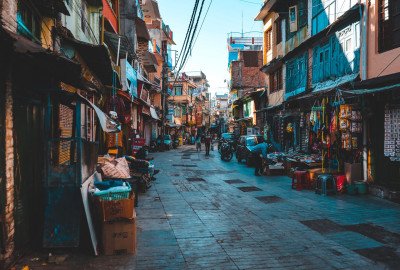
Nongpoh Bazaar
Some quick example text to build on the card title and make up the bulk of the card's content.
Go somewhere
Nongpoh Catholic Church
Some quick example text to build on the card title and make up the bulk of the card's content.
Go somewhere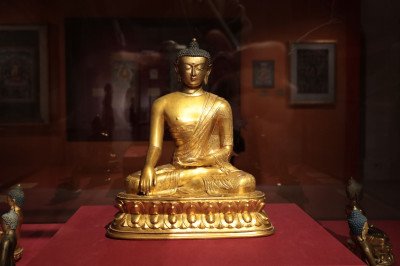
Ri-Bhoi District Museum
Some quick example text to build on the card title and make up the bulk of the card's content.
Go somewhere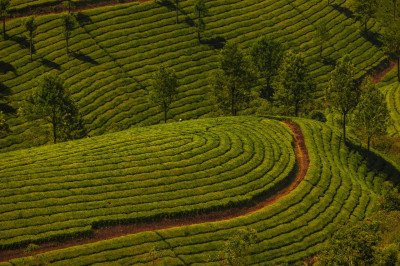
Ri-Bhoi Tea Estate
Some quick example text to build on the card title and make up the bulk of the card's content.
Go somewhere
Sankhat
Some quick example text to build on the card title and make up the bulk of the card's content.
Go somewhere
Sohliya Farm
Some quick example text to build on the card title and make up the bulk of the card's content.
Go somewhere
Thangskai
Some quick example text to build on the card title and make up the bulk of the card's content.
Go somewherein Other Cities