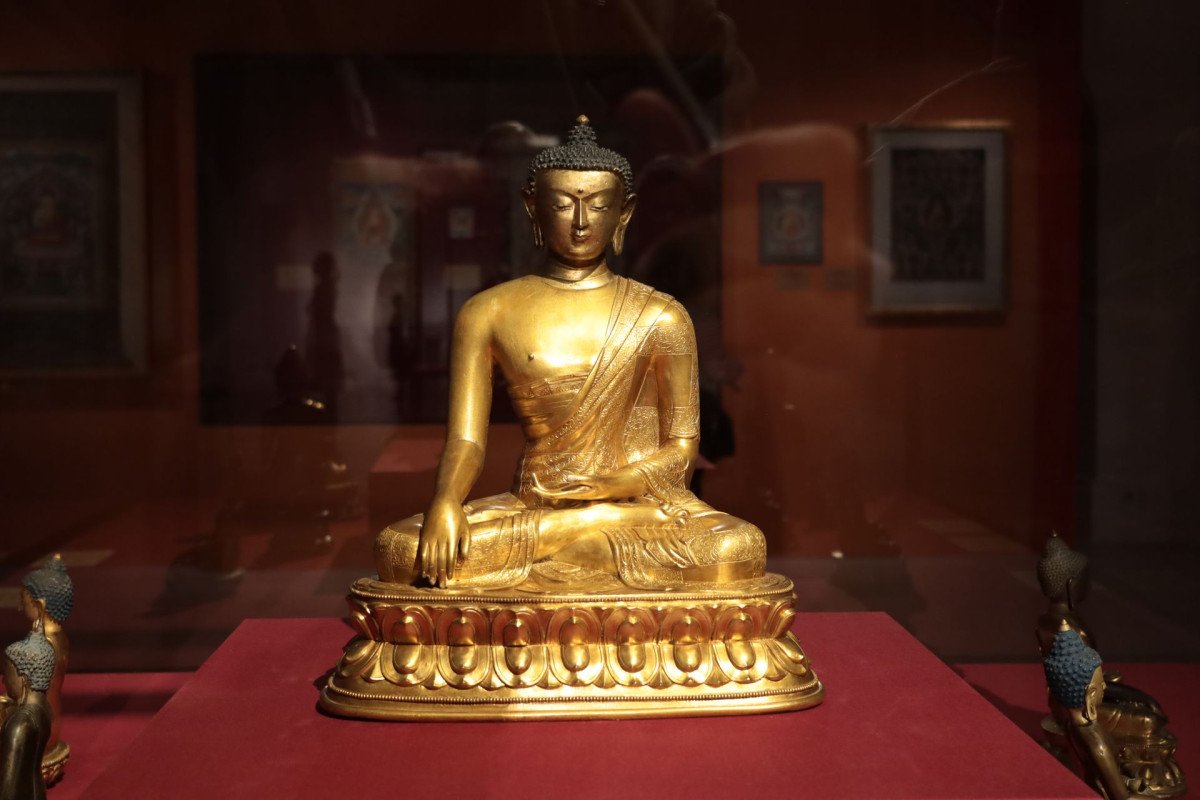
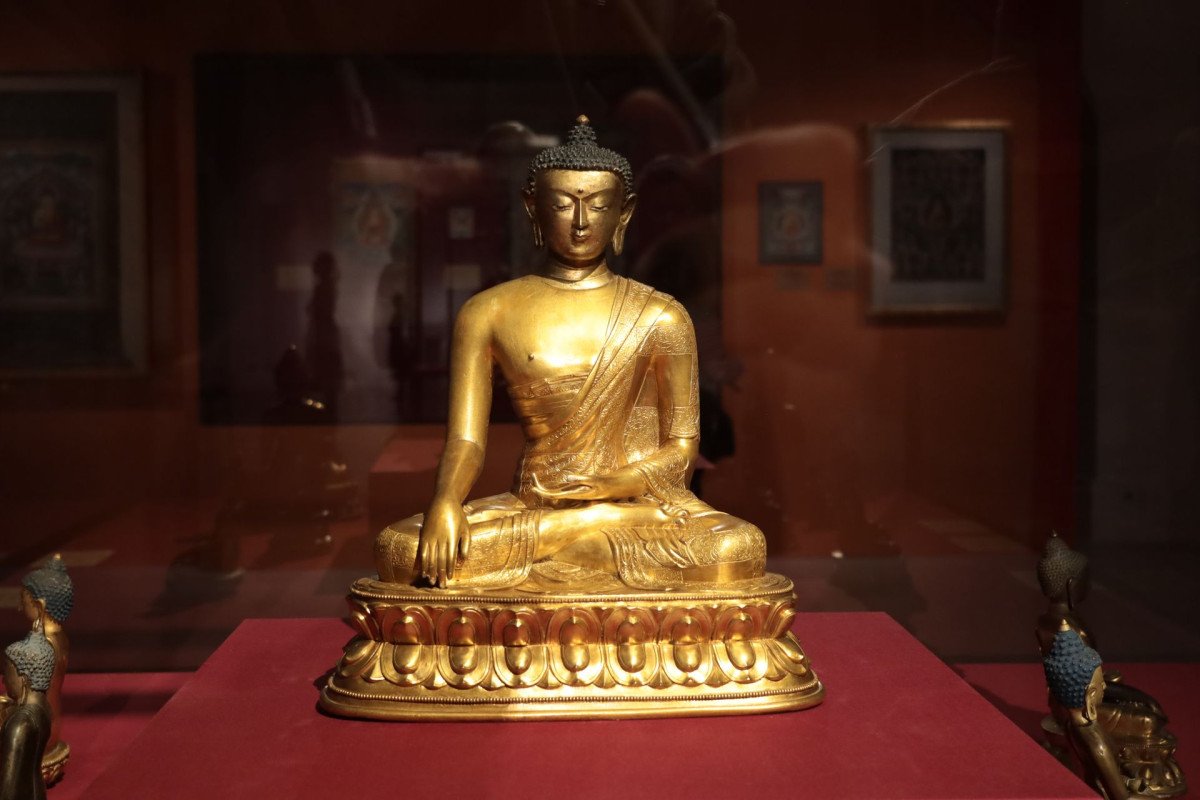
Jowai District Museum
General information
-
Ideal Duration:
1 Hour - 1.
5 Hours:Place Type:
Museum, Cultural, Historical:Entry Fees:
Entry Fee Structure:The Entry Fee to the Jowai District Museum is typically very nominal to encourage local visitors and students. For Indian Nationals, the fee is usually around Rs.10 - Rs.20 per person. For Foreign Tourists, the fee is generally higher, ranging from Rs.50 - Rs.1...Entry Fee Structure:The Entry Fee to the Jowai District Museum is typically very nominal to encourage local visitors and students. For Indian Nationals, the fee is usually around Rs.10 - Rs.20 per person. For Foreign Tourists, the fee is generally higher, ranging from Rs.50 - Rs.100 per person.
Student/Group Discounts:Often, there is a Reduced Fee or sometimes free entry for Students with valid ID cards and for large educational Groups (check in advance). This promotes the museum as a learning center.
Camera/Photography Fees:A small, separate fee might be charged for carrying a Still Camera (e. g. , Rs.20 - Rs.50). Video Cameras or professional photography often require a substantially higher fee or a special permit, which can range from a few hundred to a couple of thousand rupees, depending on the purpose. Always inquire about the current policy at the ticket counter.
Other Fees:There are no other typical entry-related fees. The museum is a budget-friendly destination focused on public education and cultural heritage preservation. The revenue from the fees goes towards the maintenance and acquisition of new artifacts, supporting the museum's mission. :Timing:
Regular Timings:The museum is generally open on Weekdays (Tuesday to Saturday) from around 10:00 AM to 4:30 PM. It is typically Closed on Sundays and Mondays and on major public or state holidays. It is always best to verify the current timings with the local authorities o...Regular Timings:The museum is generally open on Weekdays (Tuesday to Saturday) from around 10:00 AM to 4:30 PM. It is typically Closed on Sundays and Mondays and on major public or state holidays. It is always best to verify the current timings with the local authorities or a tourism office before visiting, as museum hours can be inconsistent.
Ideal Visit Time:The Ideal Visit Time is during the morning hours, shortly after opening (10:00 AM to 12:00 PM), as this time is generally quieter, allowing for a more reflective and unhurried exploration of the exhibits. Visiting during the week is better than Saturday, which might be busier with local families. The museum is a compact space, making it easy to visit throughout the day without the worry of excessive crowds, except perhaps during a local school trip. Avoid the lunch hour if possible, as some staff may be unavailable.
Seasonal Timing:Visiting in the late Autumn (October and November) offers a pleasant experience, combining good weather for travel with comfortable indoor conditions for viewing the displays. The focus is always on checking the day of the week, given the typical Sunday/Monday closure. :Special Events:
Annual Arts and Artifact Acquisition Drive:A special, though non-public event, is the annual process where the Directorate of Arts and Culture holds an Artifact Purchase Committee Meeting to acquire historically relevant items from local sellers. While tourists cannot atten...Annual Arts and Artifact Acquisition Drive:A special, though non-public event, is the annual process where the Directorate of Arts and Culture holds an Artifact Purchase Committee Meeting to acquire historically relevant items from local sellers. While tourists cannot attend the committee, the time leading up to it might see a surge in public interest and local media coverage about potential new acquisitions, raising the museum’s profile temporarily.
Exhibits Tied to Behdienkhlam:The museum may host Special Thematic Exhibits that coincide with major cultural festivals, particularly the Behdienkhlam Festival in July. These temporary displays focus on the specific costumes, rituals, and history associated with the festival, offering a timely and detailed educational experience.
Local History Seminars:Occasionally, the museum or the Directorate organizes Small Seminars or Talks by local historians or scholars on the history of the Jaintia Hills. These academic gatherings are special events that provide deep, scholarly insights into the museum's collection and the local history. These events are usually advertised locally and are a fantastic opportunity for serious history buffs. :Best Photo Spots:
Ethnographic Displays:The clean lines and careful lighting of the Main Ethnographic Display Cases offer excellent photo opportunities for still-life shots of the ornaments, textiles, and tools. Focus on the textures and intricate details of the handmade items.Ethnographic Displays:The clean lines and careful lighting of the Main Ethnographic Display Cases offer excellent photo opportunities for still-life shots of the ornaments, textiles, and tools. Focus on the textures and intricate details of the handmade items.
The Museum Entrance Façade:The Entrance and Façade of the Museum (if architecturally interesting) can serve as a nice photo spot, framing the visitor against a civic landmark. This is a common practice to document the visit to an important institution.
The Local Art Gallery Corner:If a temporary art exhibit is present, the Local Art Gallery Corner provides a chance for more artistic and abstract shots, focusing on the interplay of color and form in the contemporary work.
Interior Wide Shots (Without Flash):Capturing a respectful, Wide-Angle Shot of the Main Gallery (ensuring no flash is used and crowds are minimal) can convey the overall atmosphere and the density of the cultural collection, giving context to the museum's interior space.
Artifact Close-ups:Focusing on the Unique Ornaments or Headgear with a shallow depth of field can highlight the craftsmanship and the unique cultural identity they represent, providing engaging close-up shots. :Photo Gallery
Things To Do
-
Studying the Ethnographic Exhibits:Spend time Examining the Traditional Jaintia Attire and Ornaments, paying close attention to the materials, patterns, and the socio-cultural significance of each piece, such as items worn during the Behdienkhlam festival. This is the core of the museum's offerings.
Appreciating Local Craftsmanship:Focus on the details of the Handcrafted Tools and Weapons, such as the metalwork or the bamboo/cane products, to appreciate the skill and practicality of the local artisans. Look for the indigenous farming implements to understand the agricultural life of the Pnar people.
Reading the Historical Context:Carefully Read the Display Panels and Captions to understand the historical context of the Jaintia Kingdom, its leaders, and its relationship with the neighboring king...Studying the Ethnographic Exhibits:Spend time Examining the Traditional Jaintia Attire and Ornaments, paying close attention to the materials, patterns, and the socio-cultural significance of each piece, such as items worn during the Behdienkhlam festival. This is the core of the museum's offerings.
Appreciating Local Craftsmanship:Focus on the details of the Handcrafted Tools and Weapons, such as the metalwork or the bamboo/cane products, to appreciate the skill and practicality of the local artisans. Look for the indigenous farming implements to understand the agricultural life of the Pnar people.
Reading the Historical Context:Carefully Read the Display Panels and Captions to understand the historical context of the Jaintia Kingdom, its leaders, and its relationship with the neighboring kingdoms and the colonial powers. This provides essential background for visiting other historical sites in Jowai.
Seeking Knowledge from Staff:Politely Inquire with the Museum Staff about the most unique or recently acquired artifacts and the stories behind them. This can lead to viewing special items or gaining deeper knowledge not available to the general public.
Supporting Local Art:If there is a temporary gallery, Spend Time with the Contemporary Art exhibits and consider supporting the local artists by inquiring about purchasing their work, if available.
Documenting Artifacts (Photo Policy Permitting):If permitted, Take Respectful Photographs of the exhibits for personal reference and study (without flash to protect artifacts). Check the museum's photography policy at the entrance.
Researching Beforehand:To maximize the visit, Conduct Prior Research on the Pnar tribe's culture and history to better connect the physical artifacts with the knowledge gained. :
Information
-
Why Famous:
Preservation of Pnar Culture:The museum is primarily famous for being the Chief Custodian of Pnar (Jaintia) Material Culture and history, preserving rare artifacts that document the traditional life of the indigenous tribe, including their unique textiles, jewelry, and weapo...Preservation of Pnar Culture:The museum is primarily famous for being the Chief Custodian of Pnar (Jaintia) Material Culture and history, preserving rare artifacts that document the traditional life of the indigenous tribe, including their unique textiles, jewelry, and weaponry. It is a vital educational resource on the local heritage.
Ethnographic Collections:It is renowned for its Ethnographic Collection, showcasing the unique dresses, ornaments (like the Khadu), and daily household items used by the Jaintia people over centuries. This collection provides invaluable insights into the distinct social and cultural practices of the tribe.
Historical Documentation:The museum plays a critical role in Documenting the History of the Jaintia Kingdom and its connection with the larger regional history, including the period of British rule and the freedom struggle. Its historical archives, though small, are of great scholarly importance.
Central Civic Location:Its location near the District Commissioner's Office and other government buildings makes it a recognized civic landmark in Jowai, symbolizing the government's commitment to promoting and protecting local arts and culture.
Showcasing Local Art:Occasionally, the inclusion of a small Local Art Gallery provides exposure to contemporary Jaintia artists, connecting traditional themes with modern artistic expression, adding to its renown as a cultural hub. : -
Architecture:
Museum Architectural Style:The Jowai District Museum is typically housed in a modern or semi-modern building within the government office complex, reflecting a more functional, contemporary Indian institutional architectural style rather than a traditional or historical desi...Museum Architectural Style:The Jowai District Museum is typically housed in a modern or semi-modern building within the government office complex, reflecting a more functional, contemporary Indian institutional architectural style rather than a traditional or historical design. The emphasis is on utility, security, and display space.
Functional Layout and Dimension:The structure generally consists of a single or two-story building designed with a practical layout featuring secure galleries and exhibition halls. The floor plan is straightforward, designed to guide visitors through chronological or thematic displays. While specific historical dimensions are unavailable, the overall building is of a modest size, perhaps approximately 30 meters by 15 meters, with clean lines and simple concrete and plaster finishes.
Internal Display Design:The interior architecture is focused on museum functionality. Exhibits utilize simple display cases, pedestals, and wall-mounted panels. The lighting is typically functional, designed to protect the artifacts from direct sunlight while ensuring clear visibility. The design aesthetic is minimalist to prioritize the artifacts themselves, often using neutral colors on the walls to make the colorful ethnographic items stand out. Accessibility features like ramps or elevators (if multi-story) are often incorporated due to its governmental location. The architecture is a departure from traditional local construction, favoring durability and public utility. : -
How To Reach:
By Air:The nearest airport is Lokpriya Gopinath Bordoloi International Airport (GAU) in Guwahati, Assam, approximately 175 KMS away. Travelers must take a taxi or shared cab from GAU to Guwahati city and then a connecting private or shared taxi to Jowai via NH6. The total ...By Air:The nearest airport is Lokpriya Gopinath Bordoloi International Airport (GAU) in Guwahati, Assam, approximately 175 KMS away. Travelers must take a taxi or shared cab from GAU to Guwahati city and then a connecting private or shared taxi to Jowai via NH6. The total journey time is around 5-6 hours. Shillong Airport (SHL) is closer (80 KMS) but less connected. A taxi from SHL to Jowai takes about 2. 5 hours.
By Train:The nearest major railway station is Guwahati Railway Station (GHY), about 156 KMS from Jowai. From GHY, easily hire a private cab or a shared Sumo taxi heading directly to Jowai. The road journey is about 4-5 hours. Shared taxis are the most common and cost-effective method of travel.
By Road:Jowai is well-connected by NH6 to Shillong (66 KMS). Regular state buses (MTC) and private/shared taxis run between the two cities. The museum is located in the central Jowai town, near the D. C. Office, which is a key landmark. Ask the driver to drop you at the D. C. Office complex.
By Local Transport:Within Jowai, the D. C. Office Complex is well-known. From the central market (Iawmusiang), the museum is easily reachable by a short local taxi ride or a pleasant walk (15-20 minutes) on the main road. Local taxis are the most convenient mode of internal transport. Ensure you know the opening times, as the complex may have security gates. : -
Weather and Best Time to Visit:
By Seasons:The Best Time to Visit the indoor museum is during the slightly less-visited Monsoon Season (June to September), as it provides an excellent cultural activity to enjoy when outdoor sightseeing is difficult due to heavy rains. The temperatures are mild, ranging fr...By Seasons:The Best Time to Visit the indoor museum is during the slightly less-visited Monsoon Season (June to September), as it provides an excellent cultural activity to enjoy when outdoor sightseeing is difficult due to heavy rains. The temperatures are mild, ranging from 17°C to 24°C. The traditional peak season, Winter (October to March), also offers very pleasant conditions for the overall trip. Avoid Mondays and Sundays, as the museum is typically closed on these days.
By Day:The Ideal Part of the Day is the Morning (10:00 AM to 12:00 PM). Early hours usually mean fewer crowds, including local school groups, allowing for a more peaceful and contemplative viewing experience of the delicate artifacts. The museum's smaller size means a few hours are sufficient. Visiting right after lunch (1:00 PM to 3:00 PM) is also a good option for quieter time before closing. : -
Near Tourist Places:
Kiang Nangbah Monument (0. 5 KMS - Historical Landmark) Iawmusiang Market (1. 5 KMS - Commercial Hub) Jowai Presbyterian Church (1. 5 KMS - Old Church) Syntu Ksiar (2. 5 KMS - River Confluence) Myntdu River Bank (3 KMS - Nature View) Ialong Park (8 KMS - Eco-Park) Tyrshi Falls (10 KMS - Waterfalls) Thadlaskein Lake (15 KMS - Scenic Lake) Nartiang Monoliths (24 KMS - Historical Site) Krang Suri Falls (30 KMS - Blue Waterfalls):
Tourism Tips
-
Health & Safety (Artifact Handling):Do Not Touch any of the artifacts, even if they appear to be in open displays. Maintain a respectful distance to preserve these historical items. Always heed the instructions of the museum staff. If you feel unwell, the museum is close ...Health & Safety (Artifact Handling):Do Not Touch any of the artifacts, even if they appear to be in open displays. Maintain a respectful distance to preserve these historical items. Always heed the instructions of the museum staff. If you feel unwell, the museum is close to the town center and basic medical facilities.
Packing (Museum Specific):Leave large bags and backpacks in your vehicle or at the entrance cloakroom (if available), as they are usually not permitted inside the galleries. Bring Reading Glasses if needed, as the exhibit text panels can be small. Carry your camera, but be prepared to pay the necessary photography fee and Do Not Use Flash.
Accommodation (Jowai General):Select accommodation in Jowai that is centrally located to minimize travel time to civic landmarks like the D. C. Office complex. Confirm the availability of hot water, which is important during the cold Winter months.
Cultural Sensitivity:Respect the cultural context of the exhibits. Remember that the items are not merely decorations but represent the heritage and daily life of the local Jaintia people. Dress modestly, especially in any governmental or institutional setting.
Time Management:The museum is relatively small, so plan to spend 1 to 1. 5 hours here. Do not budget an entire day. Combine the visit with other nearby central attractions like Iawmusiang Market or the Kiang Nangbah Monument for an efficient itinerary. :
Reviews
FAQs
Jowai Itineray And Cost:-
Jowai District Museum Tourism:-
Information about New and Updated Locations() of Meghalaya Has Been Added :-
Card subtitle
Note:-
Information provided here in good Faith and for reference only.
All information and pictures will be updated soon, please keep visiting.
Near Places

Hangne Die Cave System
Some quick example text to build on the card title and make up the bulk of the card's content.
Go somewhere
Ialong Park
Some quick example text to build on the card title and make up the bulk of the card's content.
Go somewhere
Iawmusiang Market
Some quick example text to build on the card title and make up the bulk of the card's content.
Go somewhere
Iooksi Kupli Park
Some quick example text to build on the card title and make up the bulk of the card's content.
Go somewhere
Jarain Pitcher Plant Lake
Some quick example text to build on the card title and make up the bulk of the card's content.
Go somewhere
Jowai District Museum
Some quick example text to build on the card title and make up the bulk of the card's content.
Go somewhere
Jowai Presbyterian Church
Some quick example text to build on the card title and make up the bulk of the card's content.
Go somewhere
Kiang Nangbah Monument
Some quick example text to build on the card title and make up the bulk of the card's content.
Go somewhere
Lalong Park
Some quick example text to build on the card title and make up the bulk of the card's content.
Go somewhere
Larang Viewpoint
Some quick example text to build on the card title and make up the bulk of the card's content.
Go somewherein Other Cities