

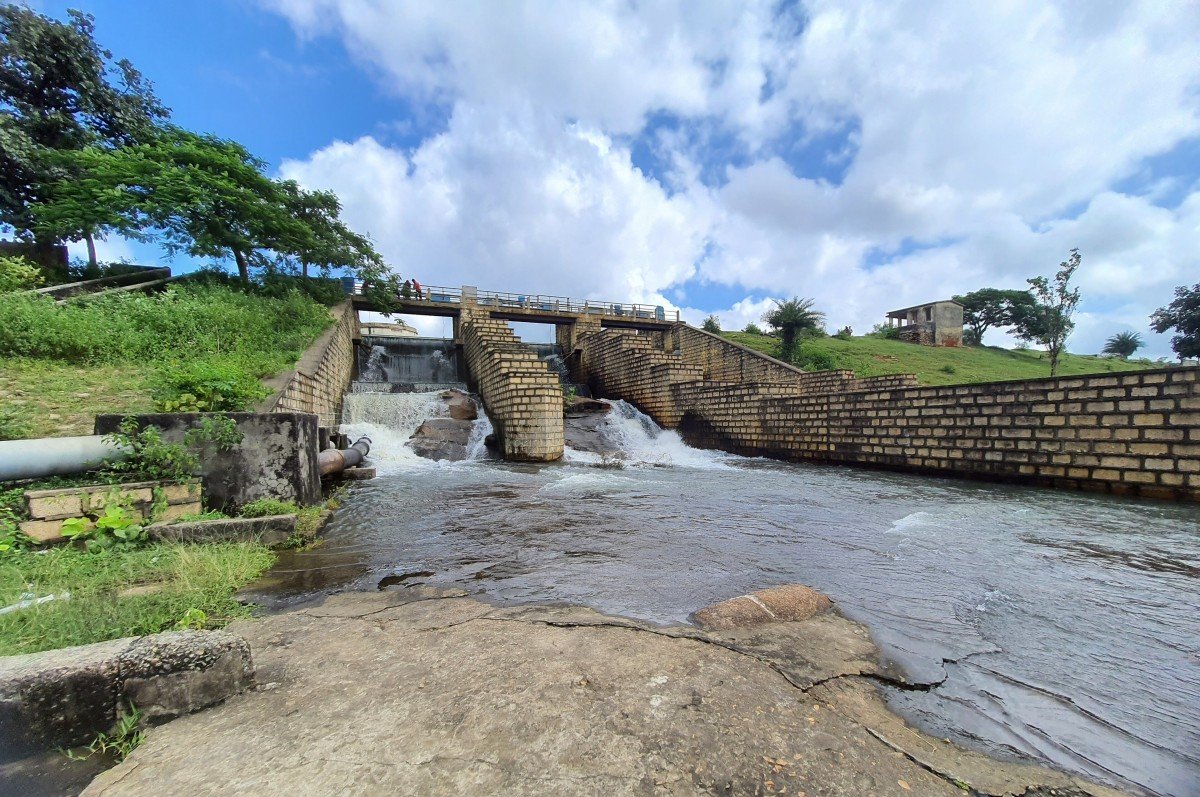
Karma Big Waterfall
General information
-
Ideal Duration:
3 to 4 hours (Including travel time from Giridih city for a focused visit and picnic).Place Type:
Nature, Waterfall, Picnic Spot, Local TourismEntry Fees:
Fees for Waterfalls: Currently, the Karma Big Waterfall has no official entry fee as it is a less-developed, community-managed natural site, unlike major tourist attractions like Usri Falls which often have a nominal fee for park maintenance:
Par...Fees for Waterfalls: Currently, the Karma Big Waterfall has no official entry fee as it is a less-developed, community-managed natural site, unlike major tourist attractions like Usri Falls which often have a nominal fee for park maintenance:
Parking and Local Services: Visitors might encounter a small, informal fee for parking a vehicle, which is typically collected by a local villager to manage the roadside parking area, ranging from Rs.20 to Rs.50 per vehicle:
Photography/Videography Fees: There are no separate fees for personal photography or videography, but professional or commercial filming might require permits from the local authorities, though this is rare for this location.Timing:
Regular Timings: The waterfall is officially open from Sunrise to Sunset; most visitors arrive between 8:00 AM and 4:
00 PM: It is highly advised not to stay after dark as the area is remote and lacks street lighting.
Read MoreRegular Timings: The waterfall is officially open from Sunrise to Sunset; most visitors arrive between 8:00 AM and 4:
00 PM: It is highly advised not to stay after dark as the area is remote and lacks street lighting.
Ideal Visit Time: The most ideal visit time is the early morning (9:00 AM to 11:00 AM) for the best light for photography and to enjoy the cool, quiet atmosphere before any crowds arrive, or the late afternoon (2:00 PM to 4:00 PM) to catch the sun setting over the surrounding hills.Special Events:
Local Makar Sankranti Picnics: While there are no major, large-scale government-organized festivals, the area becomes a focal point for local celebrations, particularly in the month of January around Makar Sankranti, when families and community groups choose it as a prime pi...Local Makar Sankranti Picnics: While there are no major, large-scale government-organized festivals, the area becomes a focal point for local celebrations, particularly in the month of January around Makar Sankranti, when families and community groups choose it as a prime picnic spot:
Post-Monsoon Community Gatherings: The period from October to November, when the weather is ideal and the waterfall flow is still strong, sees a significant increase in local community gatherings and small private events like birthday celebrations or reunions:
Annual Village Fairs (Nearby): Sometimes, small, traditional village fairs (Mela) are held in nearby localities, offering a cultural side trip for visitors to the waterfall, often featuring local crafts and food stalls.Best Photo Spots:
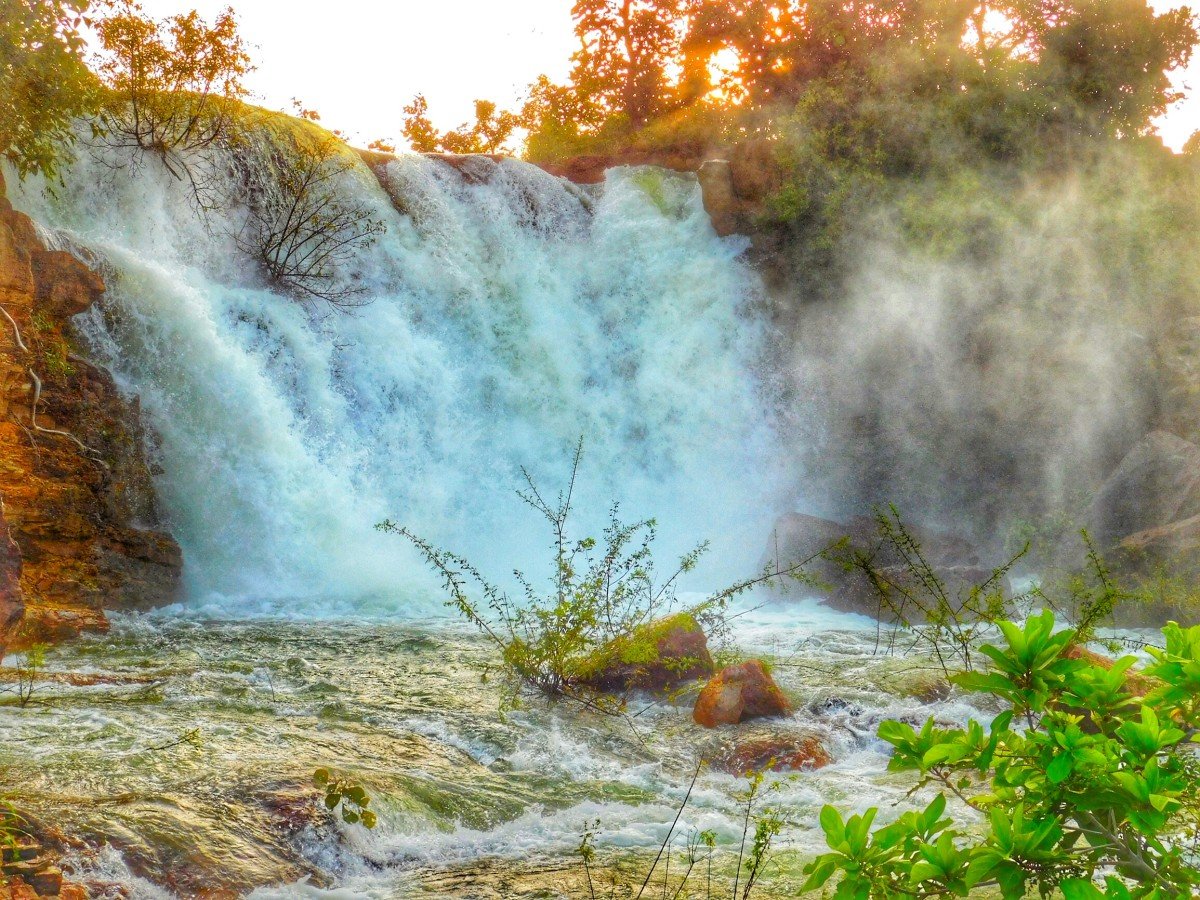
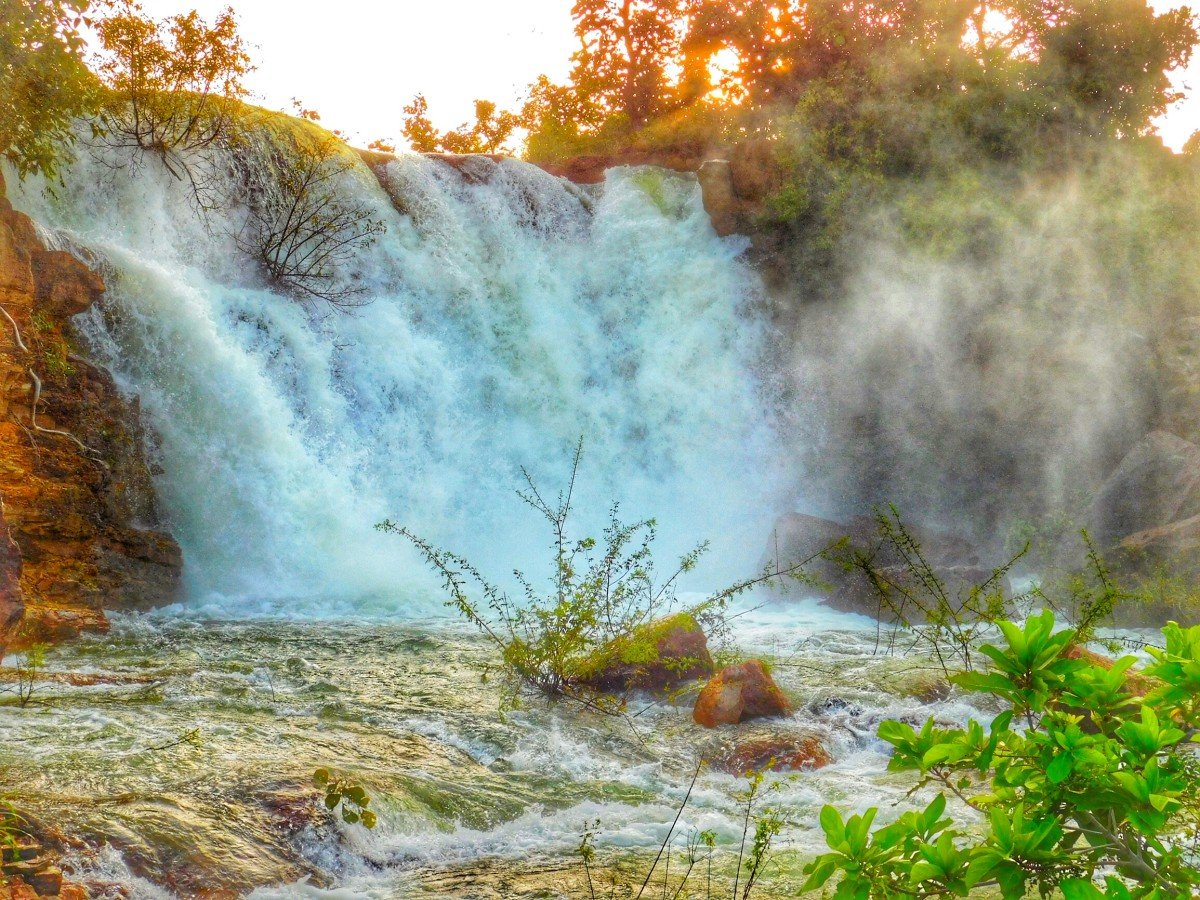
The Base Pool: The best spot for a classic, wide-angle shot capturing the full cascade and the spray is from the flat, rock area immediately next to the main pool at the base of the falls, often requiring careful footing to reach:
Mid-Level Rocky...The Base Pool: The best spot for a classic, wide-angle shot capturing the full cascade and the spray is from the flat, rock area immediately next to the main pool at the base of the falls, often requiring careful footing to reach:
Mid-Level Rocky Ledge: A slightly elevated rocky ledge provides a great perspective shot looking down at the flow of the water and the riverbed below, perfect for emphasizing the height and the tiered structure:
Forest Edge Framing: Use the surrounding dense trees and lush foliage from the pathway to frame the waterfall, creating a beautiful contrast between the dark green of the forest and the white, rushing water:
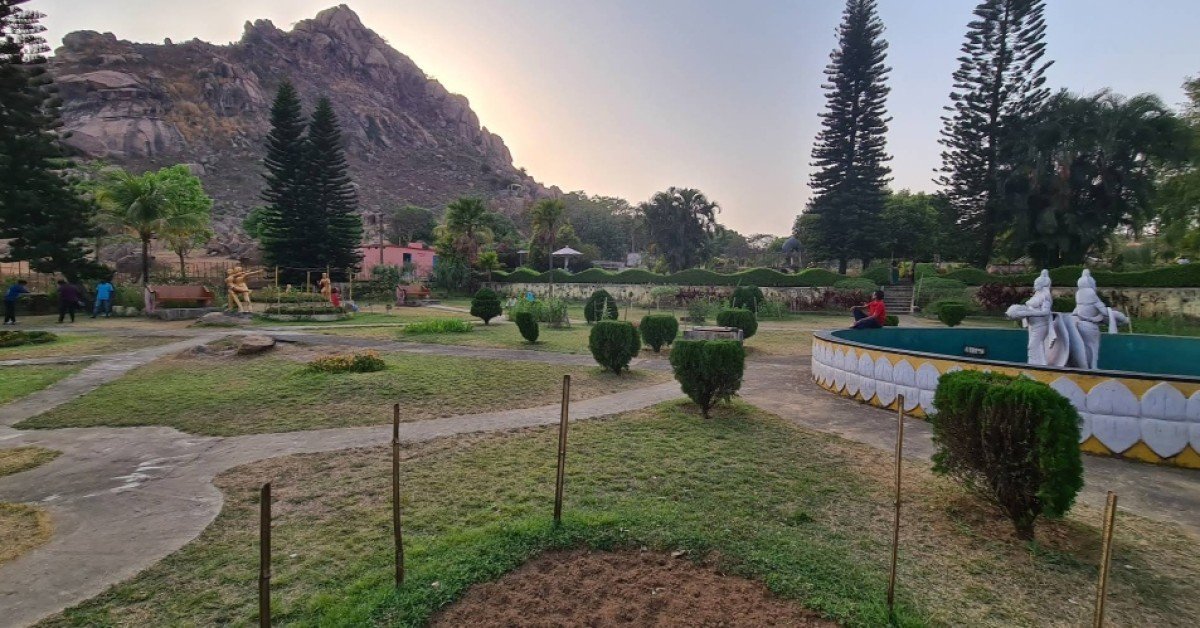
Macro Detail Shots: Focus on the polished surfaces of the ancient gneiss rock and the intricate patterns created by the flowing water, which are unique to this specific geological location.Photo Gallery

Things To Do
-
Picnicking and Relaxation: The most popular activity is picnicking with family and friends, with several flat, rocky areas along the stream ideal for setting up a meal and enjoying the cool air:
Nature Photography: The lush greenery, the cascading water, and the unique rock formations offer excellent opportunities for landscape and nature photography, especially during the golden hours of sunrise and sunset:
Short Nature Trails: Explore the unmarked short trails around the falls (with caution) to discover different vantage points of the cascade and the surrounding dense forest:
Wading and Water Play: During periods of low to moderate flow, wading in the shallow pools at the base of the falls or in the calmer parts of the stream is a popular way to cool off (always e...Picnicking and Relaxation: The most popular activity is picnicking with family and friends, with several flat, rocky areas along the stream ideal for setting up a meal and enjoying the cool air:
Nature Photography: The lush greenery, the cascading water, and the unique rock formations offer excellent opportunities for landscape and nature photography, especially during the golden hours of sunrise and sunset:
Short Nature Trails: Explore the unmarked short trails around the falls (with caution) to discover different vantage points of the cascade and the surrounding dense forest:
Wading and Water Play: During periods of low to moderate flow, wading in the shallow pools at the base of the falls or in the calmer parts of the stream is a popular way to cool off (always exercise extreme caution, especially with children):
Meditation and Peace: The site's tranquil nature makes it an ideal spot for quiet reflection, meditation, or simply reading a book in the peaceful soundscape of the water:
Local Interactions: Engage with the handful of local villagers you might meet to learn about the waterfall's local name or history, enhancing the authentic experience:
Seasonal Stream Trekking: For the adventurous, a short trek upstream, following the water flow, can reveal more small cascades and untouched spots, but this requires sturdy footwear and good balance.
Information
-
Why Famous:
Tranquil Escape: It is famous primarily among local residents of Giridih and nearby towns as an unspoiled and easily accessible spot for a day trip or picnic, away from the commercialization seen at larger sites:
Monsoon Glory: The waterfall'...Tranquil Escape: It is famous primarily among local residents of Giridih and nearby towns as an unspoiled and easily accessible spot for a day trip or picnic, away from the commercialization seen at larger sites:
Monsoon Glory: The waterfall's peak flow after the heavy July and August rains is one of its major draws, transforming it from a gentle trickle into a powerful, photogenic cascade: The thick, natural canopy surrounding the area provides a cool, shaded environment:
Authentic Nature: Its fame lies in its authenticity—it's one of the lesser-known natural spots in the district, appealing to those who prefer a quiet communion with nature over large crowds: The area offers a stark contrast to the religious prominence of the nearby Parasnath Hills, serving as a purely scenic attraction. -
Architecture:
Natural Geology: The architecture here is purely natural geology, primarily featuring the characteristic gneissic rock complex of the Chota Nagpur Plateau: The waterfall cascades over ancient, polished granite and gneiss rocks, which have been eroded and shaped by the relen...Natural Geology: The architecture here is purely natural geology, primarily featuring the characteristic gneissic rock complex of the Chota Nagpur Plateau: The waterfall cascades over ancient, polished granite and gneiss rocks, which have been eroded and shaped by the relentless flow of water over millennia: This creates a tiered or stepped formation rather than a single vertical drop, allowing the water to rush down in multiple streams:
Dimension: Exact geological dimensions are not officially recorded, but the cascade likely drops over a total vertical height of between 30 to 50 feet (approximately 9-15 meters) across its various tiers: The width of the water flow is highly dependent on the season, ranging from a few feet in dry months to a wide, roaring torrent during the monsoon: There are minimal man-made structures, which is a key part of its appeal, preserving its natural state and rustic charm for visitors. -
How To Reach:
By Air: The nearest major airport is Birsa Munda Airport (IXR) in Ranchi (approx. 250 KMS away) or Netaji Subhas Chandra Bose International Airport (CCU) in Kolkata (approx.
370 KMS away): From the airport, hire a pre-booked taxi or take a ...By Air: The nearest major airport is Birsa Munda Airport (IXR) in Ranchi (approx. 250 KMS away) or Netaji Subhas Chandra Bose International Airport (CCU) in Kolkata (approx.
370 KMS away): From the airport, hire a pre-booked taxi or take a train/bus to Giridih, then follow local transport:
By Train: The nearest major railway station is Giridih Railway Station (GRD), which has direct or connecting trains from major cities: From GRD, hire a cab or auto-rickshaw for the approximately 25-30 KMS journey to the falls, which takes about an hour:
By Road: Giridih is well-connected by a National Highway network, particularly the NH 114A and NH 19 (old NH 2 or Grand Trunk Road): Drive to Giridih city, and then take the local road towards Rangamati/Karma: The road conditions on the final stretch to the falls can be rustic:
By Local Transport: From the Giridih bus stand or railway station, the best option is to hire a dedicated cab or a large auto-rickshaw (Tuk-Tuk) for a return trip, as public transport options to this specific, remote location are infrequent and unreliable. -
Weather and Best Time to Visit:
Different Types of Seasons: The best time to visit is during the post-monsoon and winter seasons, specifically from October to March: Monsoon (July to September) offers the fullest water flow and lush greenery but makes the rocks slippery and the final approach difficult: Wi...Different Types of Seasons: The best time to visit is during the post-monsoon and winter seasons, specifically from October to March: Monsoon (July to September) offers the fullest water flow and lush greenery but makes the rocks slippery and the final approach difficult: Winter (November to February) provides the most pleasant, cool weather for picnics and exploration:
Different Parts of the Day: Early Morning is best for solitude and soft light for photography, while Late Afternoon is ideal for picnics and enjoying the sunset colors on the surrounding landscape. -
Near Tourist Places:
1. Dalia Mini Waterfall (approx. 10 KMS), 2. Kajra Park (approx. 14 KMS), 3. Dabarsaini Hill (approx. 18 KMS), 4. Khandoli Dam (approx. 22 KMS) - Major Tourist Spot, 5. Jitkundi Water Reservoirs (approx. 22 KMS), 6. Gorhand Dam (approx. 30 KMS), 7. Usri Falls (approx. 33 KMS) - Major Tourist Spot, 8. Khambhra Dam (approx. 34 KMS), 9. Water Fall Badki Lutiyano (approx. 37 KMS), 10. Parasnath Hills/Parasnath Wildlife Sanctuary (approx. 37-40 KMS) - Major Pilgrimage Site.
Tourism Tips
-
Health & safety: Always wear sturdy, non-slip footwear as the rocks around the waterfall are extremely slippery; avoid venturing into deep water pools, especially during the monsoon: Carry a basic first-aid kit, insect repellent, and sufficient drinking water:Health & safety: Always wear sturdy, non-slip footwear as the rocks around the waterfall are extremely slippery; avoid venturing into deep water pools, especially during the monsoon: Carry a basic first-aid kit, insect repellent, and sufficient drinking water:
Packing: Pack light but include a waterproof bag for electronics, a wide-brimmed hat, sunscreen, and layers of clothing, even in winter, as the temperature can vary: Carry a power bank as phone signal can be intermittent:
Accommodation: The best accommodation is available in Giridih City (Hotel Meer Residency or Hotel Ashoka International are examples) where hotels and guesthouses offer better amenities, as there are no formal lodging options near the waterfall itself:
Other Different Topics: Always hire a local driver/guide or get clear directions before starting, as signage for the Karma Big Waterfall may be minimal: Respect the natural environment by carrying back all your litter, helping preserve the site's pristine condition: It is wise to carry cash as local vendors (if present) and local transport do not accept digital payments.
Reviews
FAQs
Giridih Itineray And Cost:-
Karma Big Waterfall Tourism:-
Information about New and Updated Locations() of Jharkhand Has Been Added :-
Card subtitle
Note:-
Information provided here in good Faith and for reference only.
All information and pictures will be updated soon, please keep visiting.
Near Places
Asteroid Lake
Some quick example text to build on the card title and make up the bulk of the card's content.
Go somewhere
Barakar Pool
Some quick example text to build on the card title and make up the bulk of the card's content.
Go somewhere
Chirkiya Dam
Some quick example text to build on the card title and make up the bulk of the card's content.
Go somewhere
Dabarsaini Hill
Some quick example text to build on the card title and make up the bulk of the card's content.
Go somewhere
Dalia Mini Waterfall
Some quick example text to build on the card title and make up the bulk of the card's content.
Go somewhere
Dandai Dam
Some quick example text to build on the card title and make up the bulk of the card's content.
Go somewhere
Devari Temple
Some quick example text to build on the card title and make up the bulk of the card's content.
Go somewhere
Gadi Chhat Puja Talab
Some quick example text to build on the card title and make up the bulk of the card's content.
Go somewhere
Gadi Srirampur Palace
Some quick example text to build on the card title and make up the bulk of the card's content.
Go somewhere
Giridih Science Centre
Some quick example text to build on the card title and make up the bulk of the card's content.
Go somewherein Other Cities