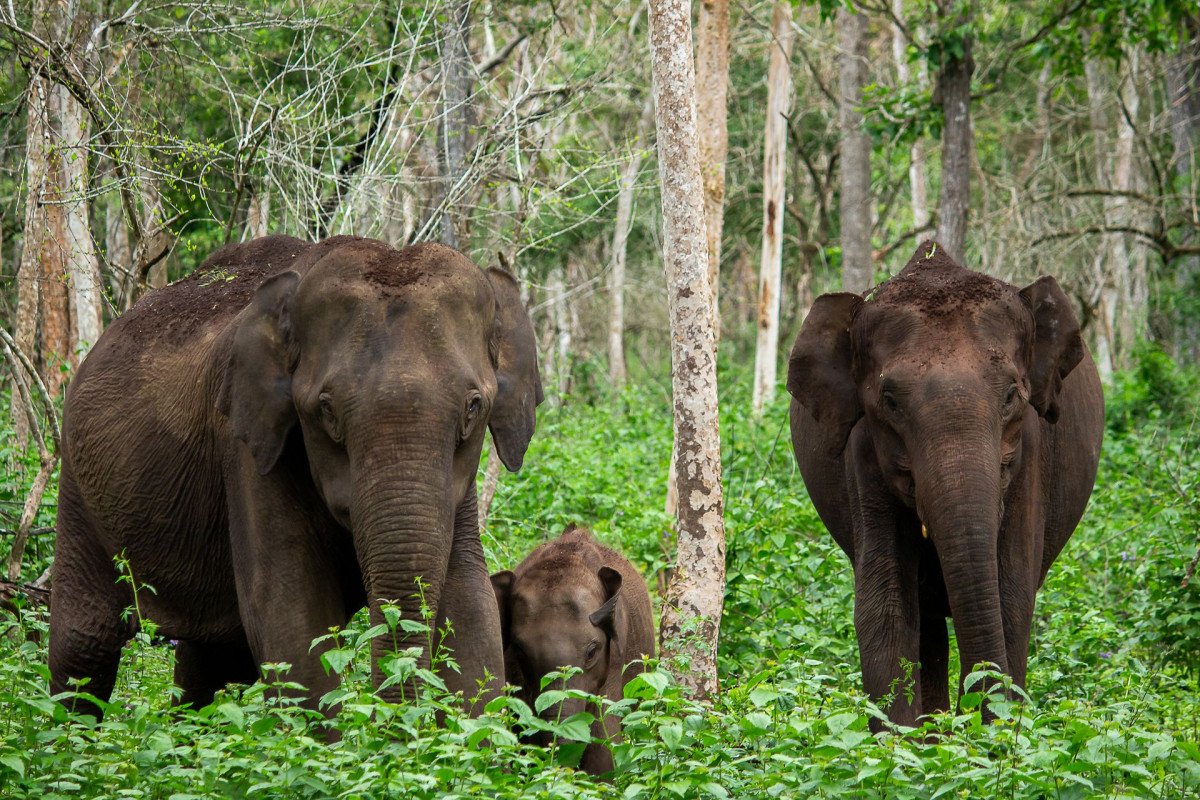
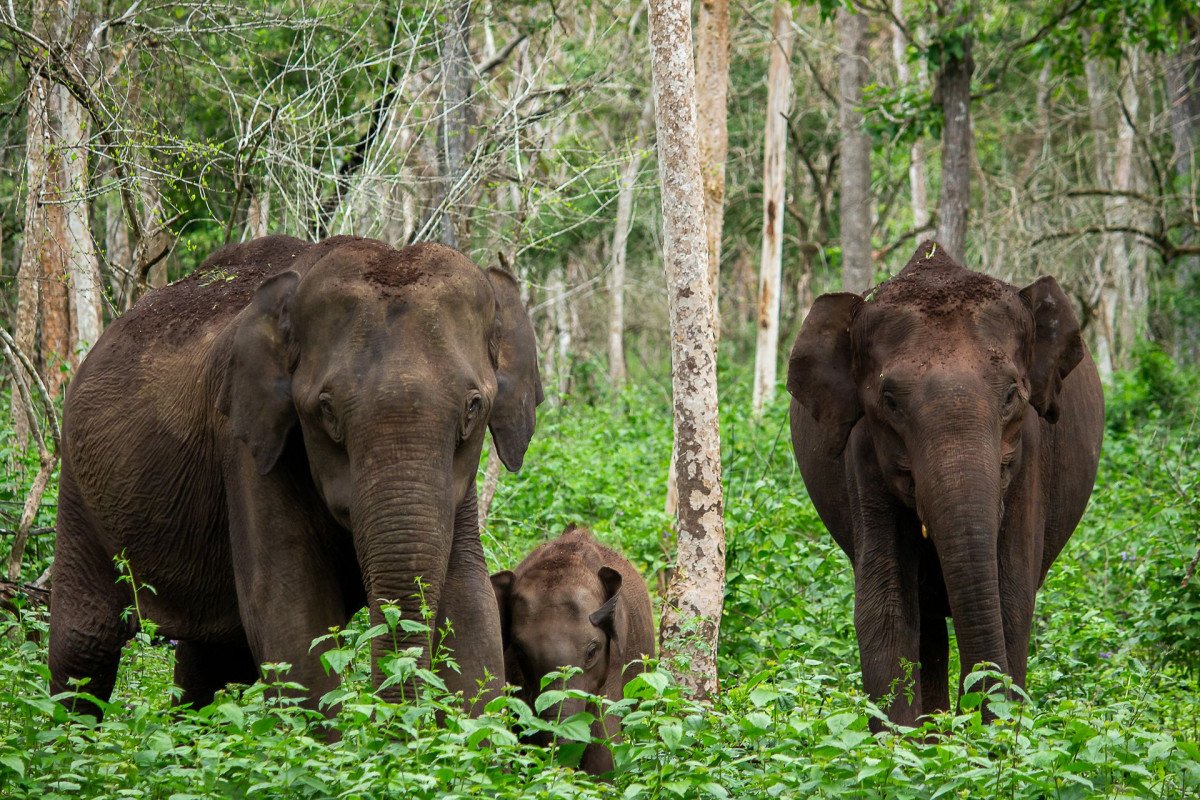
Kiala Forest
General information
-
Ideal Duration:
2. 5 to 4 HoursPlace Type:
Nature & Wildlife / Trekking / PhotographyEntry Fees:
Forest Entry Fee: There is generally No specific entry fee to walk the public/peripheral trails of the Kiala Forest, as it is a large, natural area. However, accessing certain reserve or protected areas may require a nominal permit fee from the Forest Department, possibly a...Forest Entry Fee: There is generally No specific entry fee to walk the public/peripheral trails of the Kiala Forest, as it is a large, natural area. However, accessing certain reserve or protected areas may require a nominal permit fee from the Forest Department, possibly around Rs.50-100.
Guide Fee: The primary cost for a serious trek is hiring an authorized Local Guide for safety and navigation, which is highly recommended. A guide's fee can vary widely but is a necessary safety expense for deeper exploration.
Vehicle Charges: If you hire a private vehicle to take you deep into the forest area (away from the main road), you will have to pay the negotiated fare for the vehicle and the driver's waiting time.
Estimated Total Cost: For a casual visit or short walk on the main trails, the cost is minimal (mostly transport). For a full, guided trek, budget for the guide's expertise and the time commitment. The emphasis is on preservation.Timing:
Regular Timings: As a natural forest, Kiala Forest is technically open from Dawn to Dusk. A recommended visiting window for safety and daylight trekking is from 9:00 AM to 5:00 PM. It is strictly advised not to enter the deep forest after sunset.
Read MoreRegular Timings: As a natural forest, Kiala Forest is technically open from Dawn to Dusk. A recommended visiting window for safety and daylight trekking is from 9:00 AM to 5:00 PM. It is strictly advised not to enter the deep forest after sunset.
Ideal Visit Time: The best time to start a trek is the Early Morning (9:00 AM). This allows ample time to cover the trails, enjoy the quietest part of the day, and increase the chances of spotting birds and wildlife. The mid-day sun can be strong on exposed paths.
Best Season: The ideal seasons are Spring (March-May) when the weather is pleasant and wildflowers bloom, and Autumn (September-November) for clear skies and stunning views. Monsoon makes the trails slippery and treacherous, and deep Winter brings heavy snow, making access very difficult.
Sunlight Factor: The sun is quickly blocked by the dense canopy. Plan to use the most sunny part of the day (mid-day) for photography and ensure you start your return before the light fades around 4:00 PM.Special Events:
Local Village Fairs (Mela): The forest acts as a natural backdrop for the traditional village fairs (Mela) held in the surrounding Kotkhai Valley villages, especially after the harvest season (October-November). These events involve local deities, music, and traditional dan...Local Village Fairs (Mela): The forest acts as a natural backdrop for the traditional village fairs (Mela) held in the surrounding Kotkhai Valley villages, especially after the harvest season (October-November). These events involve local deities, music, and traditional dancing.
Forest Department Awareness Drives: The Forest Department occasionally uses the peripheral areas of the Kiala Forest to conduct public awareness drives, tree-planting events, or nature walks, usually on World Environment Day (June 5th), inviting locals and tourists.
Treasure Hunts/Orienteering: Adventure groups sometimes get permits to host organized, supervised treasure hunts or orienteering events within the safer, marked trails of the forest, combining physical activity with nature exploration.
Botanical Exploration Trips: Academic and research groups may organize specialized botanical trips into the deeper parts of the forest, especially during the blooming season (May-July), to study the endemic high-altitude flora, a serious special event.Best Photo Spots:
The Towering Deodar Trunk: The best spot is a close-up, upward-angled shot of the massive trunk and canopy of an ancient Deodar or Pine tree. This captures the sheer scale and majesty of the forest's primary architectural feature.
The Dappled L...The Towering Deodar Trunk: The best spot is a close-up, upward-angled shot of the massive trunk and canopy of an ancient Deodar or Pine tree. This captures the sheer scale and majesty of the forest's primary architectural feature.
The Dappled Light Trail: Find a section of the forest trail where the sunlight filters through the dense canopy, creating beautiful, scattered patches of light on the path. This creates a highly atmospheric, moody, and ethereal photo, perfect for a nature portrait.
The Mist and Fog Scene: If visiting on a misty or foggy day (common in monsoon or early winter), capture the deep, eerie look of the forest as the fog hangs among the tall trees, creating a dramatic, mysterious, and silent photo.
Wildflower and Moss Close-Ups: Get down low and focus on the tiny details—a patch of bright green moss on an old tree or a cluster of small, high-altitude wildflowers—showcasing the delicate, hidden biodiversity of the forest floor.Photo Gallery
Things To Do
-
Nature Trekking and Hiking: Engage in a proper trek along the forest's natural, winding trails. This is a moderately challenging activity perfect for fitness enthusiasts. Always use proper footwear and consider hiring a local guide for safety and navigation. (Approx ).
Nature Photography: The dense forest, especially the towering Deodar trees, provides exceptional opportunities for nature photography. Focus on macro shots of the unique forest flora, the light dappling through the canopy, and the misty atmosphere. (Approx ).
Bird and Animal Spotting: Practice quiet observation to spot wild Himalayan birds in the canopy and smaller animals like squirrels and the occasional deer in the undergrowth. This is a genuine wildlife experience, requiring patience and silence. (Approx ).Nature Trekking and Hiking: Engage in a proper trek along the forest's natural, winding trails. This is a moderately challenging activity perfect for fitness enthusiasts. Always use proper footwear and consider hiring a local guide for safety and navigation. (Approx ).
Nature Photography: The dense forest, especially the towering Deodar trees, provides exceptional opportunities for nature photography. Focus on macro shots of the unique forest flora, the light dappling through the canopy, and the misty atmosphere. (Approx ).
Bird and Animal Spotting: Practice quiet observation to spot wild Himalayan birds in the canopy and smaller animals like squirrels and the occasional deer in the undergrowth. This is a genuine wildlife experience, requiring patience and silence. (Approx ).
Forest Bathing (Shinrin-Yoku): Embrace the Japanese concept of forest bathing. Simply walk slowly, breathe deeply, and consciously connect with the sights, sounds, and smells of the pristine forest for a deeply restorative and meditative experience. (Approx ).
Identifying Trees and Plants: Bring a field guide (or use a mobile app) to identify the various species of Deodar, Pine, and other indigenous trees and shrubs. This adds an educational layer to your walk through the wild. (Approx ).
Picnicking in Designated Clearings: Find a clear, safe, and designated spot for a peaceful picnic lunch amidst the trees. Remember to carry all trash back with you to maintain the forest's pristine condition. (Approx ).
Combining with Fagu Visit: Since the forest is near the road leading towards Fagu, combine your forest trek with a short drive to the village of Fagu for more scenic views and a taste of local village life. (Approx ).
Information
-
Why Famous:
Pristine Wilderness: Famous for its status as a pristine, relatively untouched stretch of dense Deodar and Pine forest, offering an authentic experience of the Himalayan wilderness away from the crowds.
Trekking Trails: It is renowned among ...Pristine Wilderness: Famous for its status as a pristine, relatively untouched stretch of dense Deodar and Pine forest, offering an authentic experience of the Himalayan wilderness away from the crowds.
Trekking Trails: It is renowned among serious hikers and nature lovers for its quiet, winding natural trails that offer challenging and rewarding trekking opportunities.
Nature Photography: The forest's dense, atmospheric quality and the towering trees make it a highly famous and sought-after location for professional and amateur nature photography.
Unique Location: Located in the scenic Kotkhai Valley, its slightly remote setting contributes to its fame as a tranquil, deeply natural retreat. The pure mountain air is a huge draw. -
Architecture:
Natural Canopy Structure: The Kiala Forest's 'architecture' is entirely natural, dominated by its massive, towering trees—primarily Deodar (Himalayan Cedar) and Pine. The dense canopy forms the structure, creating a dark, cool, and layered roof over the forest floor.
...Natural Canopy Structure: The Kiala Forest's 'architecture' is entirely natural, dominated by its massive, towering trees—primarily Deodar (Himalayan Cedar) and Pine. The dense canopy forms the structure, creating a dark, cool, and layered roof over the forest floor.
Dominant Species and Dimensions: The Deodar trees are the dominant architectural feature, with some specimens reaching heights of over 100 feet and possessing trunks with diameters of up to 6-8 feet. The 'flooring' is the natural forest litter and soft earth trails. The trails themselves are natural pathways, not paved structures.
Geographic Dimension: The forest covers a significant area in the Kotkhai Valley and its surrounding slopes. The structural integrity is the ecosystem itself, offering a quiet, majestic, and completely organic design based on mature, high-altitude tree growth. The atmosphere is that of a grand, natural cathedral. -
How To Reach:
By Air: Fly to Jubberhatti Airport (SLV) near Shimla, which is the closest at approximately 30 KMS from Kufri (the nearest town). From the airport, hire a pre-paid taxi to Kufri. Kiala Forest is slightly further, in the general direction of the Kotkhai Valley and the Masho...By Air: Fly to Jubberhatti Airport (SLV) near Shimla, which is the closest at approximately 30 KMS from Kufri (the nearest town). From the airport, hire a pre-paid taxi to Kufri. Kiala Forest is slightly further, in the general direction of the Kotkhai Valley and the Mashobra area, requiring a dedicated cab from Kufri or Shimla. Chandigarh Airport (IXC) is the major alternative, requiring a 4-5 hour private taxi ride to the forest's general area.
By Train: Take the broad-gauge train to Kalka (KLK), and then transfer to the narrow-gauge Toy Train to Shimla (SML). From Shimla, Kiala Forest is located further afield than the main Kufri tourist circuit. It is best to hire a private taxi from Shimla or Kufri that knows the specific region near Kotkhai Valley and Mashobra to take you to the forest's accessible trails.
By Road: Reaching the forest requires driving on smaller district roads off the main National Highway NH-5, as it is located in the Kotkhai Valley. From Shimla or Kufri, a self-driven car or a hired taxi is the only practical way. Public buses may only drop you off on the main highway, requiring a long walk or a separate local taxi to the actual forest entrance/trails. Ensure your driver is familiar with the region.
By Local Transport: Local transport is not readily available to the deep forest trails. For a general walk near the edges, a local taxi can drop you off from Kufri (about 8-10 KMS away). For serious trekking deep inside, you must arrange a private taxi for drop-off and pickup, or go with an organized trekking group that handles transportation. Walking from Kufri is too long. -
Weather and Best Time to Visit:
Summer Season (April to June): A good time to visit for long, comfortable trekking. The forest is green, and the pleasant temperatures (ranging from 15°C to 25°C) are ideal for strenuous walking and nature exploration. The chance of spotting birds is high.Summer Season (April to June): A good time to visit for long, comfortable trekking. The forest is green, and the pleasant temperatures (ranging from 15°C to 25°C) are ideal for strenuous walking and nature exploration. The chance of spotting birds is high.
Monsoon Season (July to August): Not recommended for deep treks. The trails become extremely slippery, muddy, and dangerous, and leeches can be present. Views are often obscured by fog. However, the forest is at its lushest and most vibrant green.
Autumn Season (September to November): The absolute best time for trekking. The trails are drier, the skies are clear, and the cool, fresh air is perfect for long, sustained walks. The forest atmosphere is clean and serene, offering the best conditions for deep nature immersion.
Winter Season (December to March): Can be very challenging. Heavy snowfall in the upper areas makes trails impassable or extremely difficult. Only experienced, well-equipped trekkers with local guides should attempt it, as the beauty of the snow is matched by the difficulty of the terrain.
Best Part of the Day: Early Morning (9:00 AM is a great starting time). The cool temperature and the soft light filtering through the trees create the best conditions for both trekking endurance and dramatic nature photography. -
Near Tourist Places:
Fagu Village (5 KMS)Theog (15 KMS)Mashobra (8 KMS)Naldehra (17 KMS)Kufri Fun World (8 KMS)Chini Bangla (8 KMS)Himalayan Nature Park (9 KMS)Indira Tourist Park (9 KMS)Mahasu Peak (9 KMS - via trek/pony)Green Valley (15 KMS)Hattu Peak (45 KMS - near Narkanda)
Tourism Tips
-
Health & Safety: Do Not venture deep into the forest alone; hire a certified local guide for safety and to avoid getting lost. Be alert for local wildlife and never attempt to approach them. Sturdy, waterproof trekking boots are mandatory, especially in the uneven terrain...Health & Safety: Do Not venture deep into the forest alone; hire a certified local guide for safety and to avoid getting lost. Be alert for local wildlife and never attempt to approach them. Sturdy, waterproof trekking boots are mandatory, especially in the uneven terrain. (Approx ).
Packing Essentials: Carry a full water supply, as there are no facilities inside the forest. A basic trekking pole is highly useful on steep inclines. A fully charged phone (with a power bank) is essential for GPS/emergency use. Wear neutral, dark-colored clothing for the best bird and animal viewing. (Approx ).
Accommodation Options: No accommodation is available in the forest. Stay in Kufri or the beautiful nearby village of Fagu, which offers peaceful homestays and resorts with easy access to the forest's entrance road. Consider staying near Kotkhai for a truly secluded experience. (Approx ).
Eco-Tourism Tip: Practice strict 'Leave No Trace' principles. Carry out all your trash (even biodegradable items) with you. Do not pick flowers or disturb the natural environment, helping to preserve the forest's pristine condition for future generations. (Approx ).
Reviews
FAQs
Kufri Itineray And Cost:-
Information about New and Updated Locations() of Himachal Pradesh Has Been Added :-
Card subtitle
Note:-
Information provided here in good Faith and for reference only.
All information and pictures will be updated soon, please keep visiting.
Near Places

Chini Bangla
Some quick example text to build on the card title and make up the bulk of the card's content.
Go somewhere
Green Valley
Some quick example text to build on the card title and make up the bulk of the card's content.
Go somewhere
Himalayan Nature Park
Some quick example text to build on the card title and make up the bulk of the card's content.
Go somewhere
Hip Hip Hurray Amusement Park
Some quick example text to build on the card title and make up the bulk of the card's content.
Go somewhere
Indira Tourist Park
Some quick example text to build on the card title and make up the bulk of the card's content.
Go somewhere
Kiala Forest
Some quick example text to build on the card title and make up the bulk of the card's content.
Go somewhere
Kufri Adventure Resort
Some quick example text to build on the card title and make up the bulk of the card's content.
Go somewhere
Kufri Fun World
Some quick example text to build on the card title and make up the bulk of the card's content.
Go somewhere
Kufri Horse Riding Point
Some quick example text to build on the card title and make up the bulk of the card's content.
Go somewhere
Kufri Main Bazar
Some quick example text to build on the card title and make up the bulk of the card's content.
Go somewherein Other Cities