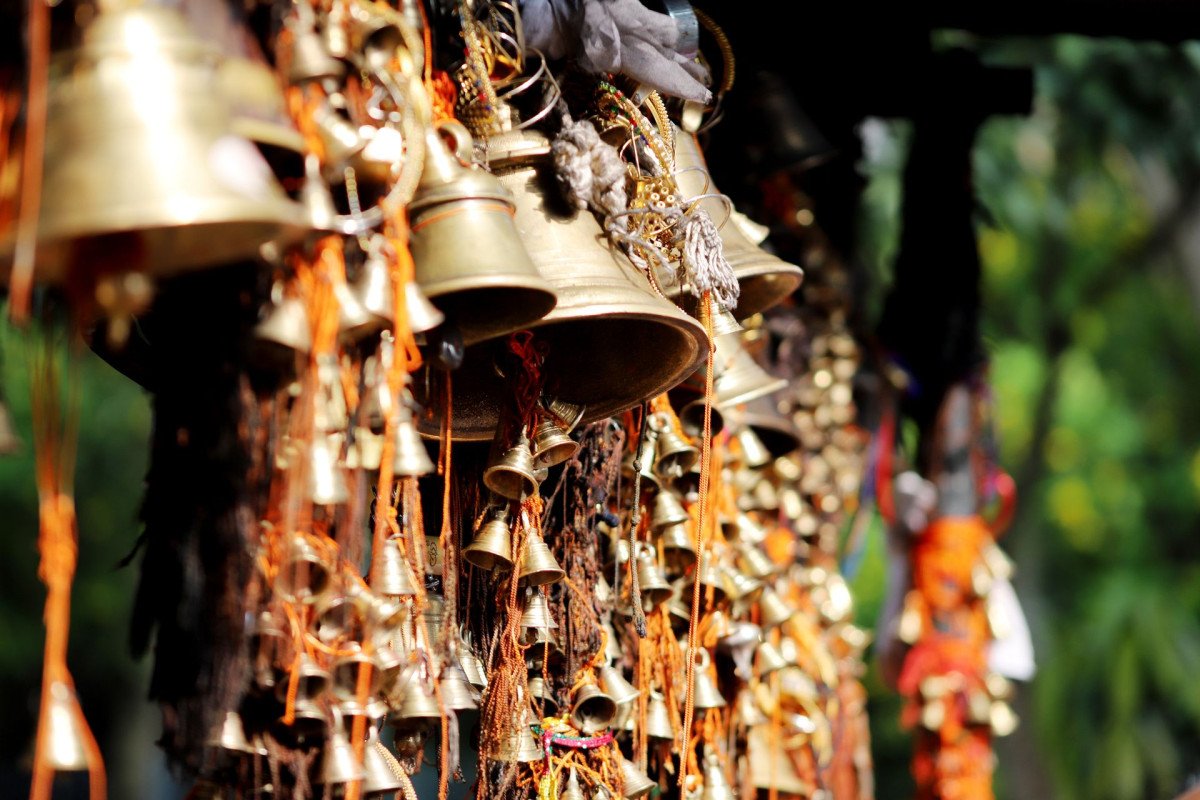
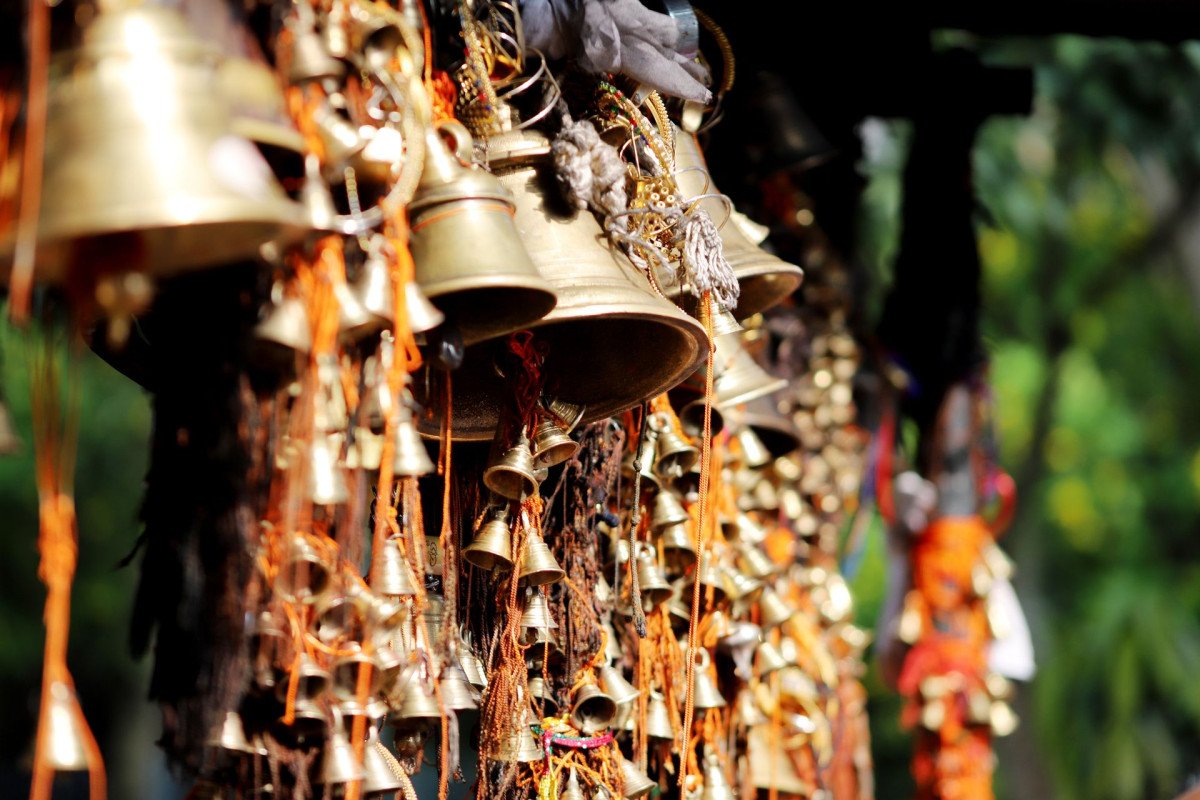
Kukke Subrahmanya Temple
General information
-
Ideal Duration:
2 to 3 Hours (excluding pooja time).Place Type:
Religious / Pilgrimage Site.Entry Fees:
Free Darshan: Entry to the temple is free for everyone. However, special sevas and poojas like Sarpa Samskara have specific fees ranging from Rs.1500 to Rs.3000, which must be booked in advance on the official website. ...Free Darshan: Entry to the temple is free for everyone. However, special sevas and poojas like Sarpa Samskara have specific fees ranging from Rs.1500 to Rs.3000, which must be booked in advance on the official website.Timing:
Temple Hours: The temple is open from 5:00 AM to 8:00 PM daily.
Ideal Visit Time: Visit during the early morning Abhishekam at 6:00 AM or the evening Aarti at 7:00 PM for the most spiritual experience. ...Temple Hours: The temple is open from 5:00 AM to 8:00 PM daily.
Ideal Visit Time: Visit during the early morning Abhishekam at 6:00 AM or the evening Aarti at 7:00 PM for the most spiritual experience.Special Events:
Champa Shashti: This is the biggest festival, celebrated in November or December. It involves a grand car festival (Rathotsava) and thousands of lamps being lit, creating a divine spectacle that shouldn't be missed. ...Champa Shashti: This is the biggest festival, celebrated in November or December. It involves a grand car festival (Rathotsava) and thousands of lamps being lit, creating a divine spectacle that shouldn't be missed.Best Photo Spots:
The Main Gopuram: The tall entrance tower against the blue sky is a classic shot.
Kumaradhara River: Photos of the river with the Kumara Parvatha mountain in the background capture the essence of the temple's sacred geography. ...The Main Gopuram: The tall entrance tower against the blue sky is a classic shot.
Kumaradhara River: Photos of the river with the Kumara Parvatha mountain in the background capture the essence of the temple's sacred geography.Photo Gallery
Things To Do
-
Ritual Participation: The most important thing to do is participate in the various sevas like Sarpa Samskara. Even if you are not performing a ritual, observing the Vedic traditions is culturally enriching.
Holy Dip: Visit the Kumaradhara River for a ritual bath. The water is considered sacred and is a refreshing start to your temple visit.
Temple Exploration: Walk through the various halls and admire the intricate wood and stone carvings that narrate stories from the Puranas.
Feed the Fish: Go to the designated spots on the river to feed the sacred fish, an activity that is both calming and traditional.
Visit Adi Subrahmanya: Take a short 250-meter walk to the original shrine to see the ancient anthills that are worshipped the...Ritual Participation: The most important thing to do is participate in the various sevas like Sarpa Samskara. Even if you are not performing a ritual, observing the Vedic traditions is culturally enriching.
Holy Dip: Visit the Kumaradhara River for a ritual bath. The water is considered sacred and is a refreshing start to your temple visit.
Temple Exploration: Walk through the various halls and admire the intricate wood and stone carvings that narrate stories from the Puranas.
Feed the Fish: Go to the designated spots on the river to feed the sacred fish, an activity that is both calming and traditional.
Visit Adi Subrahmanya: Take a short 250-meter walk to the original shrine to see the ancient anthills that are worshipped there.
Trek to Kumara Parvatha: For the adventurous, the temple serves as the starting point for the famous Kumara Parvatha Trek, one of the toughest in the state.
Shopping for Souvenirs: The streets leading to the temple are lined with shops selling traditional crafts, sandalwood products, and religious artifacts.
Information
-
Why Famous:
Naga Dosha Healing: The temple is internationally famous as the primary center for Sarpa Samskara and Naga Dosha rituals. It is believed that no other temple in India holds as much power over serpent-related spiritual issues.
Mythological Signi...Naga Dosha Healing: The temple is internationally famous as the primary center for Sarpa Samskara and Naga Dosha rituals. It is believed that no other temple in India holds as much power over serpent-related spiritual issues.
Mythological Significance: It is famous for its connection to the Mahabharata and the Skanda Purana, where it is mentioned as a place of salvation (Mukthi Sthala). The presence of the holy Kumaradhara River adds to its fame, as the water is believed to cure skin diseases and wash away sins. It remains a cornerstone of Hindu faith in the region. -
Architecture:
The Dravidian and Coastal Fusion: Kukke Subrahmanya Temple features a stunning gopuram (entrance tower) that stands approximately 60 feet tall, adorned with intricate sculptures of deities. The inner sanctum (Garbhagudi) is built with granite and topped with a gold-plated k...The Dravidian and Coastal Fusion: Kukke Subrahmanya Temple features a stunning gopuram (entrance tower) that stands approximately 60 feet tall, adorned with intricate sculptures of deities. The inner sanctum (Garbhagudi) is built with granite and topped with a gold-plated kalasha. A unique architectural feature is the Silver Garuda Kamba, a pillar standing between the sanctum and the entry to protect devotees from the poisonous breath of Vasuki. The temple dimensions cover a vast courtyard with wooden pillared hallways (Mantapas) that showcase the traditional craftsmanship of South India. -
How To Reach:
By Air: Mangaluru is the nearest airport (115 KMS).
By Train: Subrahmanya Road (SBHR) is the nearest station, 7 KMS from the temple.
By Road: Direct KSRTC buses are available from all major cities.
<...By Air: Mangaluru is the nearest airport (115 KMS).
By Train: Subrahmanya Road (SBHR) is the nearest station, 7 KMS from the temple.
By Road: Direct KSRTC buses are available from all major cities.
By Local Transport: Shared autos and taxis are available from the railway station to the temple. -
Weather and Best Time to Visit:
Winter: September to March is the most comfortable time for pilgrimage.
Monsoon: July and August are beautiful but very wet.
Time of Day: Early Morning (before 8 AM) is best to avoid long queues and particip...Winter: September to March is the most comfortable time for pilgrimage.
Monsoon: July and August are beautiful but very wet.
Time of Day: Early Morning (before 8 AM) is best to avoid long queues and participate in morning rituals. -
Near Tourist Places:
Adi Subrahmanya (1 KM), Kumaradhara River (2 KMS), Kumara Parvatha (Start Point), Biladwara Cave (1 KM), Matsya Tirtha (3 KMS), Bisle View Point (25 KMS), Dharmasthala (55 KMS), Mallalli Falls (35 KMS), Southadka Temple (45 KMS), Sakleshpur (75 KMS).
Tourism Tips
-
Health and Safety: Follow the temple dress code (men must remove shirts for inner sanctum). Keep hydrated in the queues.
Packing: Carry traditional Indian wear. Bring a small bag for footwear.
Accommodation:Health and Safety: Follow the temple dress code (men must remove shirts for inner sanctum). Keep hydrated in the queues.
Packing: Carry traditional Indian wear. Bring a small bag for footwear.
Accommodation: Numerous temple lodges and private hotels are available in Subrahmanya village.
Cash and Connectivity: Several ATMs are available in the village. Mobile connectivity is good.
Reviews
FAQs
Sakleshpur Itineray And Cost:-
Kukke Subrahmanya Temple Tourism:-
Information about New and Updated Locations() of Karnataka Has Been Added :-
Card subtitle
Note:-
Information provided here in good Faith and for reference only.
All information and pictures will be updated soon, please keep visiting.
Near Places

Agni Gudda Hill
Some quick example text to build on the card title and make up the bulk of the card's content.
Go somewhere
Arekere Sun Set Viewpoint
Some quick example text to build on the card title and make up the bulk of the card's content.
Go somewhere
Betta Byraveshwara Temple
Some quick example text to build on the card title and make up the bulk of the card's content.
Go somewhere
Bisle Reserve Forest & View Point
Some quick example text to build on the card title and make up the bulk of the card's content.
Go somewhere
Coco Waterfall
Some quick example text to build on the card title and make up the bulk of the card's content.
Go somewhere
Dhoda Hadalu Water Falls
Some quick example text to build on the card title and make up the bulk of the card's content.
Go somewhere
Donigal Small Falls
Some quick example text to build on the card title and make up the bulk of the card's content.
Go somewhere
Green Route Railway Trek
Some quick example text to build on the card title and make up the bulk of the card's content.
Go somewhere
Jenukal Gudda
Some quick example text to build on the card title and make up the bulk of the card's content.
Go somewhere
Kukke Subrahmanya Temple
Some quick example text to build on the card title and make up the bulk of the card's content.
Go somewherein Other Cities