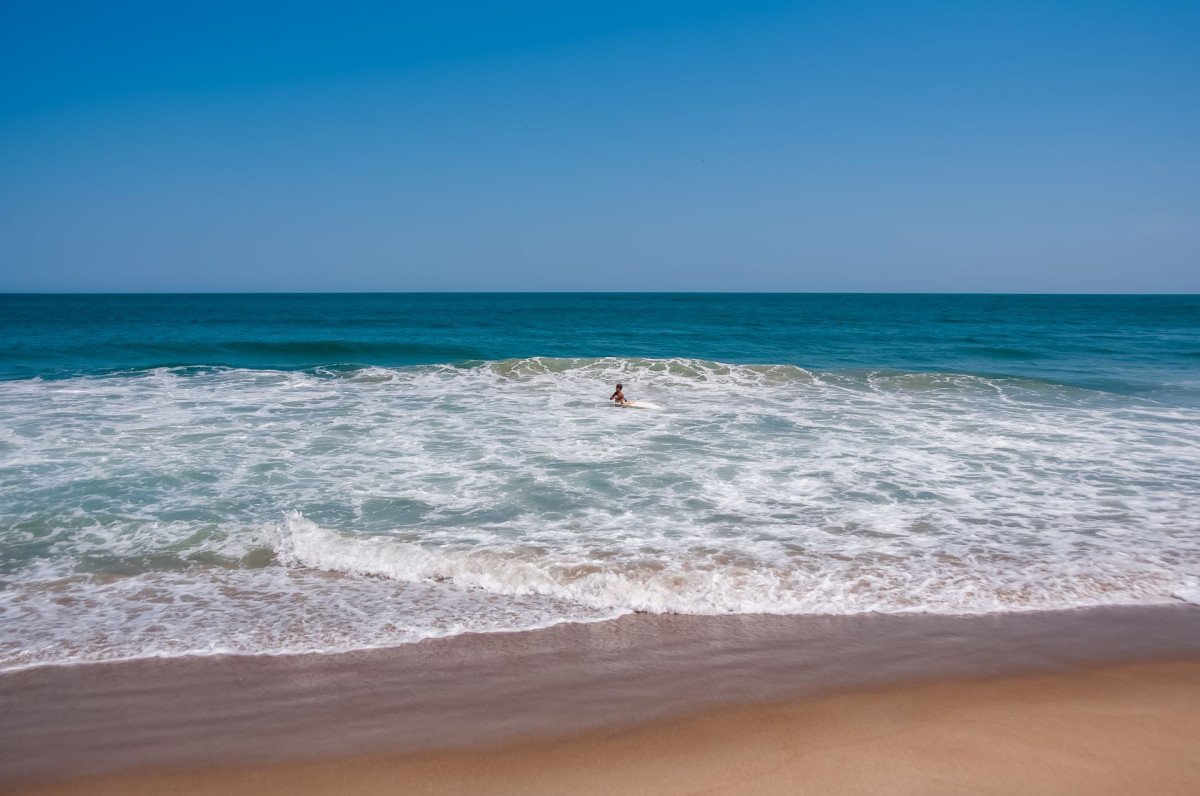
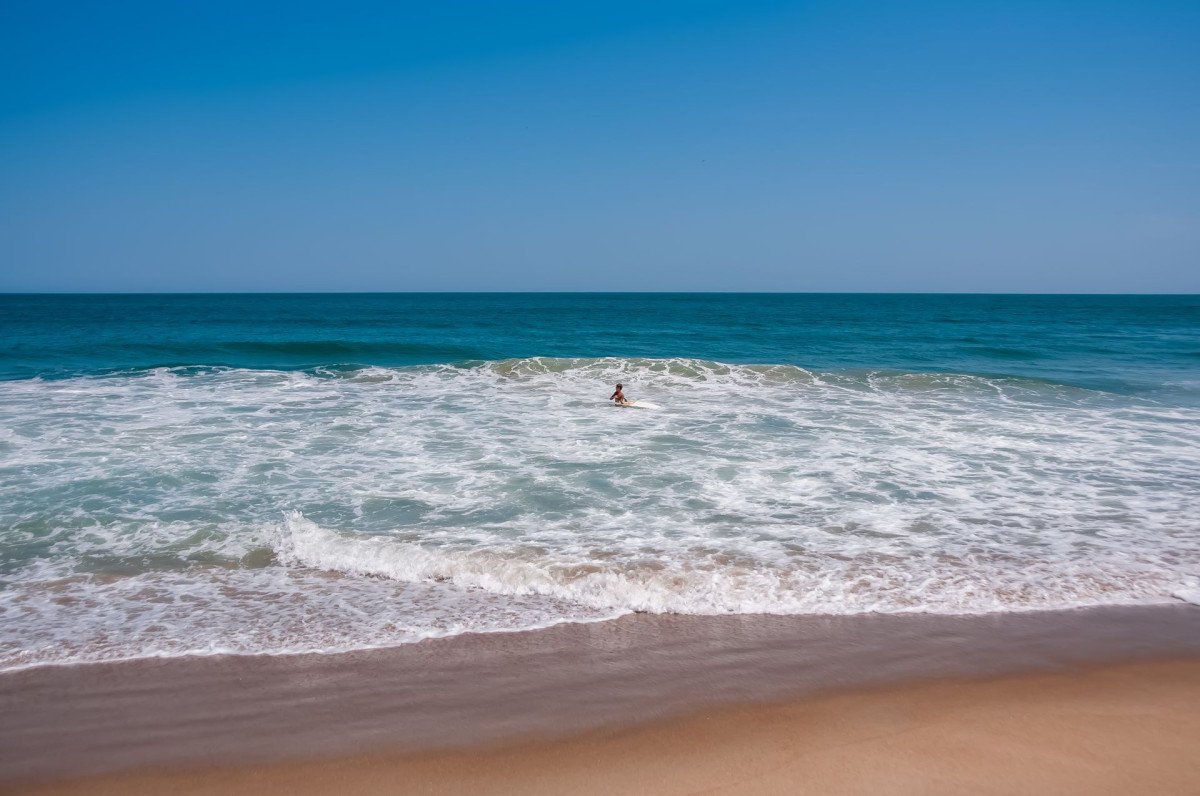
Lal Kankra Beach
General information
-
Ideal Duration:
1 to 2 hours (Observation Time)Place Type:
Wildlife Reserve, Ecological ZoneEntry Fees:
Completely Free Access: Lal Kankra Beach is an ecological zone and is completely free to access. There are absolutely no entry fees, camera fees, or parking fees for the natural environment. The only 'cost' is the time and effort required to walk or travel to the remote sp...Completely Free Access: Lal Kankra Beach is an ecological zone and is completely free to access. There are absolutely no entry fees, camera fees, or parking fees for the natural environment. The only 'cost' is the time and effort required to walk or travel to the remote spot.
Guiding Services: Tourists sometimes hire a local resort guide or auto-rickshaw driver to ensure they reach the correct, optimal spot for viewing the crabs at the right low tide hour. Any fee paid here is a service charge for the guide's time and tide knowledge, not an official fee for the location.
Zero Commercialization: Since the area is purely ecological, there are no permanent shops or vendors. Therefore, there are no charges for seating, snacks, or bottled water; all supplies must be carried in by the visitor. This reinforces the pristine, non-commercial nature of the area.
Conservation Donations (Voluntary): Occasionally, local environmental groups may be present, seeking voluntary donations to support coastal cleanup and conservation efforts focused on protecting the crab habitats. Contributing is entirely discretionary but highly encouraged to support the preservation of this unique zone.Timing:
Regular Timings: The zone is open 24 hours, but due to its isolation and the need for high visibility for wildlife spotting, visits are recommended only between 6:00 AM and 5:00 PM.
Ideal Visit Time - Low Tide: The most ideal and only p...Regular Timings: The zone is open 24 hours, but due to its isolation and the need for high visibility for wildlife spotting, visits are recommended only between 6:00 AM and 5:00 PM.
Ideal Visit Time - Low Tide: The most ideal and only practical time to visit is during the specific low tide cycle. The crabs only emerge on the freshly exposed, wet sand, which happens twice daily. Consulting the local tide chart is essential for a successful visit.
Ideal Visit Time - Midday: Contrary to normal beach advice, the midday hours (11:00 AM 2:00 PM) on a sunny, warm day can sometimes see the highest concentration of crab activity, as the warmth encourages them to leave their burrows. However, the light for photography is harsher.
Ideal Visit Time - Early Morning: The early morning, just after sunrise, is also excellent, as the sand is undisturbed, and the low light is perfect for photography, making it the most balanced time for a quiet, rewarding visit.Special Events:
Crab Mass Emergence Event: The special event is the daily, recurring mass emergence of the crabs during the low tide. While happening daily, the size and brilliance of the spectacle are maximized on specific days when the tides are extremely low and the weather is calm, cre...Crab Mass Emergence Event: The special event is the daily, recurring mass emergence of the crabs during the low tide. While happening daily, the size and brilliance of the spectacle are maximized on specific days when the tides are extremely low and the weather is calm, creating a temporary, natural red carpet that covers the beach.
Bird Arrival Peak: The peak arrival and feeding of migratory bird flocks around November and December is a special ecological event. The sight of hundreds of birds sharing the intertidal zone with the mass of red crabs creates a beautiful and vibrant wildlife gathering unique to the deltaic zone, attracting dedicated nature lovers.
Post-Monsoon Sand Patterns: After the strong currents and rain of the Monsoon season subside (October), the receding tides often leave behind the most pristine, beautifully sculpted sand formations. This post-storm environment creates the best natural canvas for the crabs' activity, leading to a period of intense, clean, and photogenic pattern creation.Best Photo Spots:
Extreme Low-Angle Macro: Use a macro setting or place the camera very low to the sand to capture a wide shot that emphasizes the scale of the crabs and the density of the red color. Focus on a single crab, using a very shallow depth of field, with the thousands of other cra...Extreme Low-Angle Macro: Use a macro setting or place the camera very low to the sand to capture a wide shot that emphasizes the scale of the crabs and the density of the red color. Focus on a single crab, using a very shallow depth of field, with the thousands of other crabs blurring into a red background for an impactful image.
The Pattern Foreground: Focus specifically on the geometric patterns left by the filtering crabs. Use the patterns as the primary foreground element, leading the eye towards the clean expanse of the wet sand and the distant, blurred line of the gentle waves. This shot emphasizes the artistry of the wildlife.
The Human-Crab Contrast: Capture a shot of a patient tourist sitting still (perhaps in silhouette) on the dry sand, with the thriving, active colonies of red crabs visible in the foreground once the tourist's stillness has encouraged them to emerge. This image beautifully contrasts the patient human observer with the vibrant, wild life they are there to witness.
Sunrise/Sunset Red-on-Red: Photograph the crabs against the setting or rising sun. The golden or red light will naturally enhance the red color of the crabs, creating a super-saturated and highly dramatic photo that makes the beach look almost painted, perfect for striking nature photography.Photo Gallery
Things To Do
-
Quiet Crab Observation: The primary activity is quiet observation. Find a spot on the dry sand, sit down, and remain still and silent for at least 15 minutes. The crabs, sensing the lack of threat, will begin to emerge in large numbers, allowing you to witness the natural phenomenon unfold around you. Patience is key.
Wildlife Photography (Zoom): Bring a camera with a telephoto or high-zoom lens. Since you must stay still and maintain distance to prevent the crabs from retreating, using a zoom lens is essential for high-quality, close-up shots of the crabs, their burrows, and the sand patterns. Do not approach the crabs too closely.
Finding the Perfect Sand Pattern: Actively walk the undisturbed parts of the low-tide line to find the most visually striking and intricate pellet patt...Quiet Crab Observation: The primary activity is quiet observation. Find a spot on the dry sand, sit down, and remain still and silent for at least 15 minutes. The crabs, sensing the lack of threat, will begin to emerge in large numbers, allowing you to witness the natural phenomenon unfold around you. Patience is key.
Wildlife Photography (Zoom): Bring a camera with a telephoto or high-zoom lens. Since you must stay still and maintain distance to prevent the crabs from retreating, using a zoom lens is essential for high-quality, close-up shots of the crabs, their burrows, and the sand patterns. Do not approach the crabs too closely.
Finding the Perfect Sand Pattern: Actively walk the undisturbed parts of the low-tide line to find the most visually striking and intricate pellet patterns left by the feeding crabs. These natural sand creations are fleeting, and capturing a photograph of a pristine pattern is a rewarding exercise in nature observation and art appreciation.
Environmental Education: Use the visit as a chance to learn about the coastal ecosystem. Try to identify the types of birds feeding on the periphery and understand the role of the ghost crabs in aerating the sand and cleaning the beach. This adds an educational layer to the simple leisure trip.
Sunrise Viewing with Crabs: Visit the area just as the sun is rising over the Bay of Bengal. The low, golden hour light beautifully illuminates the red crabs and the wet sand, providing the absolute best light conditions for high-contrast and dramatic nature photography.
Long Distance Trekking: Treat the visit as the destination for a long, healthy, and quiet trek along the beach, starting from your resort in Mandarmani or Tajpur. The journey to this isolated spot is as rewarding as the destination itself, providing excellent exercise and solitude.
Meditation and Solitude: Since the area is remote and requires silence, it is an ideal location for seated meditation or quiet contemplation. The natural soundscape of the waves and the wind, without any human noise, is profoundly relaxing and spiritually cleansing.
Drawing and Sketching: For artists, this beach provides unique natural subject matter. Bring a small sketch pad and pencils to capture the unusual crescent shapes of the burrows and the geometric patterns of the sand, providing a unique artistic challenge found nowhere else on the coast.
Responsible Beachcombing: Collect only non-living debris, like sea glass or driftwood. Refrain from taking any shells or sand dollars that might be housing live creatures. The remote location ensures better finds, but the principle of leaving the habitat undisturbed must be upheld.
Hotels
● Budget Homestay F
Address: Lane 4, Lal Kankra, Mandarmani
Distance: 2.0 km
Details: Budget Homestay F brings the charm of local hospitality to visitors. This modest guesthouse provides a warm, homely environment with clean rooms and s...
● Budget Hostel I
Address: Near Village, Lal Kankra, Mandarmani
Distance: 2.5 km
Details: Budget Hostel I is an ideal spot for backpackers and solo travelers seeking an affordable place to sleep. The hostel features clean, dorm-style and pr...
● Budget Inn C
Address: Main Road, Lal Kankra, Mandarmani
Distance: 1.5 km
Details: Budget Inn C provides a simple and convenient stay for budget-conscious travelers visiting the Lal Kankra area. The property focuses on basic comfort,...
● Luxury Resort A
Address: Lal Kankra Beach, Mandarmani, WB
Distance: 0.5 km
Details: Luxury Resort A offers an elite beachfront experience at Lal Kankra. This hotel is designed for travelers seeking premium comfort, offering spacious s...
● Luxury Resort G
Address: Lal Kankra Beach Road, Mandarmani
Distance: 0.4 km
Details: Luxury Resort G is a top-tier destination that redefines comfort in Mandarmani. With its elegant architecture and direct access to Lal Kankra Beach, g...
● Luxury Suite J
Address: Beach View, Lal Kankra, Mandarmani
Distance: 0.1 km
Details: Luxury Suite J provides an exclusive beachfront retreat. This establishment offers opulent suites that feature private balconies overlooking the vast ...
● Luxury Villa D
Address: Sea Front, Lal Kankra, Mandarmani
Distance: 0.2 km
Details: Luxury Villa D stands as a premier destination for those craving exclusive beach living. Located steps from Lal Kankra, this villa features high-end d...
● Mid-Range Hotel B
Address: Near Lal Kankra, Mandarmani, WB
Distance: 1.0 km
Details: Mid-Range Hotel B is a comfortable and well-maintained property situated near the beautiful Lal Kankra Beach. It offers guests a perfect balance of qu...
● Mid-Range Lodge H
Address: Main Lal Kankra Rd, Mandarmani
Distance: 1.2 km
Details: Mid-Range Lodge H is a reliable and welcoming establishment near Lal Kankra. This lodge focuses on providing comfort without unnecessary frills, makin...
● Mid-Range Stay E
Address: Lal Kankra Entrance, Mandarmani
Distance: 0.8 km
Details: Mid-Range Stay E offers a cozy and inviting atmosphere for tourists. Located conveniently near Lal Kankra, it provides comfortable rooms that feature ...
Show AllInformation
-
Why Famous:
Massive Concentration of Red Crabs: Its fame is entirely built upon the unprecedented, massive concentration of the bright red ghost crabs. The sheer volume of these creatures that emerge during low tide gives the sand a fleeting, intense red hue, a visual spectacle that is...Massive Concentration of Red Crabs: Its fame is entirely built upon the unprecedented, massive concentration of the bright red ghost crabs. The sheer volume of these creatures that emerge during low tide gives the sand a fleeting, intense red hue, a visual spectacle that is hard to match anywhere else on the Indian coast and is the ultimate draw for tourists.
A Photographer's Paradise: The area has become famous among wildlife and nature photographers because the unique color contrast (red crabs on yellow sand, set against the blue sea) and the geometric patterns left by the feeding crabs provide stunning, high-contrast, and unique photographic material that is instantly recognizable as the Mandarmani coast.
Ecological Sensitivity: The area is becoming known for its high ecological sensitivity. It acts as a natural laboratory for observing coastal intertidal life, attracting researchers, environmentalists, and curious tourists who value preserving this fragile habitat against the encroachment of commercial development, highlighting its importance as a natural reserve.
The Quiet, Pristine Shore: Because it requires effort to reach and the activity must be quiet, the Lal Kankra Beach is famous for its absolute solitude and pristine quality. This untouched environment is a welcome break from the noise of the resort areas and is highly valued by visitors seeking a true, peaceful encounter with the ocean's wildlife. -
Architecture:
The Artistry of Nature's Design:
Subterranean Crab Architecture: The most prominent 'architecture' in this zone is the intricate, invisible subterranean tunnel network created by the crabs. Their tiny, vertical, and horizontal burrows, ...The Artistry of Nature's Design:
Subterranean Crab Architecture: The most prominent 'architecture' in this zone is the intricate, invisible subterranean tunnel network created by the crabs. Their tiny, vertical, and horizontal burrows, which extend deep into the sand, form a massive, unseen city beneath the surface. The visible remnants are the small, raised, sand-pellet chimneys and the delicate, geometric sand patterns they leave when feeding, which are themselves a form of fleeting, natural artwork.
Lack of Man-Made Structures: The defining architectural principle here is the absence of permanent human structures. To preserve the fragile ecosystem necessary for the crabs, there are no resorts, shacks, parking lots, or retaining walls in this designated Lal Kankra zone. The only man-made element is the occasional temporary bamboo tripod or wooden marker used by local guides or environmentalists to define the area, emphasizing the zone s protected, natural state.
The Intertidal Mudflats: The area often merges into mudflats near the estuary, which are architecturally defined by their flat, low elevation and soft, silty composition. This specific environment is crucial, as the rich, fine mud contains the nutrients the crabs feed on. These natural, soft banks, which shift and rebuild with every tide, are a dynamic, living structure essential to the crabs' habitat. The preservation of this soft-sand habitat is vital for the continued spectacle. -
How To Reach:
By Air, Train, and Main Road: The main journey is the same as reaching Mandarmani and Tajpur (Kolkata CCU to Ramnagar/Digha by train/road). The final leg of the journey is the most important for this specific spot.
By Local Transport (Low ...By Air, Train, and Main Road: The main journey is the same as reaching Mandarmani and Tajpur (Kolkata CCU to Ramnagar/Digha by train/road). The final leg of the journey is the most important for this specific spot.
By Local Transport (Low Tide): The area is approximately 5 KM from the central Mandarmani resorts. During the strict low tide window, you can hire a local beach jeep or ATV to drive along the hard-packed sand to the nearest accessible point. The journey is short (10-15 minutes), but you must start the return trip promptly.
By Local Transport (High Tide): During high tide, the sand is soft or covered, and driving is impossible. The only way to reach the area is via the local coastal access road leading off the main highway, followed by a long walk of up to 2 KM from the nearest parking point, as the resort road infrastructure does not extend to this remote zone.
By Trekking: Many visitors opt for a long trek (approx. 5 KM to 7 KM) along the shoreline from their resort. This provides the best opportunity for a quiet, non-disruptive arrival, ensuring the crabs are not scared off by the vehicle noise. -
Weather and Best Time to Visit:
Winter Season (October to February): This is the best time to visit due to the pleasant weather, which makes the long walk or open-air drive comfortable. The calmness of the sea during this season often leads to the most stable and pristine sand conditions, ideal for crab v...Winter Season (October to February): This is the best time to visit due to the pleasant weather, which makes the long walk or open-air drive comfortable. The calmness of the sea during this season often leads to the most stable and pristine sand conditions, ideal for crab viewing.
Summer Season (March to May): Summer is challenging due to the need to walk long distances on exposed, hot sand. If visiting, be sure to wear a hat, carry ample water, and restrict the visit to the first 2 hours after sunrise.
Monsoon Season (June to September): The Monsoon makes the sand soft, unstable, and often completely submerged during high tide, potentially making the area inaccessible. The visibility of the crabs is also poor due to the rain and strong waves. This is the least recommended time for a dedicated visit.
Different Parts of the Day - Low Tide Focus: The quality of the low tide (the lowest being best) is far more important than the time of day. Consult the lunar cycle to find the lowest tides, as these expose the largest, firmest sand area, maximizing the crab presence. -
Near Tourist Places:
Mandarmani Beach (Central Resort Hub): 5 KM
Tajpur Beach (Quiet beach, paragliding): 4 KM Mandarmani Mohana (Estuary) (River meeting sea): 2 KM
Shankarpur Beach (Active fishing harbor): 10 KM
Udaipur Beach (Scenic border beach): 29 KM
Contai (Local town, historic temple): 35 KM
Jalpaiguri Sea Beach: 4 KM (Local area)
New Digha Sea Beach (Developed beach): 26 KM
Old Digha Sea Beach (Original tourist spot): 27 KM
Ramnagar Bengal (Railway town): 12 KM
Tourism Tips
-
Health & Safety - Isolation: This area is isolated with zero rescue services or shops. Do not go alone, and ensure your phone is fully charged. Tell your resort staff or guide where you are going and when you expect to return.
Health & Sa...Health & Safety - Isolation: This area is isolated with zero rescue services or shops. Do not go alone, and ensure your phone is fully charged. Tell your resort staff or guide where you are going and when you expect to return.
Health & Safety - Footwear: Wear closed, sturdy, water-resistant sandals or shoes, as the remote area may contain sharp shells, debris, or unstable mudflats near the estuary. Avoid going barefoot.
Crab Etiquette: Do not chase, harass, or attempt to touch the crabs. This stresses the animals and ruins the experience for everyone, as they immediately retreat underground. Move slowly, remain still, and watch them from a respectful distance to guarantee their reappearance.
Zero Trace Policy: Carry out all waste, including food scraps and water bottles. The area is a fragile, pristine ecosystem, and the goal is to leave absolutely no trace of human presence behind to protect the crab habitat.
Guide Recommended: Hiring a local guide or driver who knows the daily tide schedule is highly recommended to ensure you reach the optimal spot and leave safely before the tide rushes back in and makes the beach road dangerous.
Reviews
FAQs
Ans:- The best time to visit Lal Kankra Beach is during the winter months, specifically from November to February. During this period, the weather is pleasantly cool and comfortable, making it ideal for beach activities, sightseeing, and enjoying the serene coastal atmosphere. Avoiding the monsoon season is advisable due to high tides and heavy rainfall, while the summer months can be quite hot and humid, potentially limiting outdoor exploration and relaxation time on the beach.Ans:- To reach Lal Kankra Beach from Kolkata, you can drive via the NH16 and NH116B, which typically takes around 4 to 5 hours depending on traffic conditions. Alternatively, you can take a train from Howrah or Sealdah station to Contai or Digha, and from there, hire a local taxi or auto-rickshaw to reach your destination. Shared transport options are also available, providing a convenient and budget-friendly way to reach this popular coastal getaway in West Bengal.Ans:- Yes, there are numerous accommodation options near Lal Kankra Beach ranging from budget-friendly guesthouses and homestays to luxury beach resorts. Most of these properties offer stunning views of the Bay of Bengal, allowing guests to experience the tranquil coastal lifestyle. It is recommended to book your stay in advance, especially during weekends and peak holiday seasons, to ensure availability and secure the best rates for a comfortable and memorable beachside vacation experience.Ans:- While the beach at Lal Kankra Beach is beautiful, it is generally recommended to exercise caution when swimming. The sea can have strong currents and unpredictable tides, especially during high tide. It is always best to check with local lifeguards or hotel staff about the current sea conditions before entering the water. Families with children should remain particularly vigilant and ensure that swimming activities occur only in designated safe areas or shallow parts of the beach under supervision.Ans:- Beyond the main beach area, nearby attractions include the serene Mandarmani Mohana where the river meets the sea, various local fishing villages that offer a glimpse into the traditional coastal lifestyle, and nearby popular tourist spots like Digha and Tajpur. Visitors can also enjoy local seafood delicacies, engage in water sports where available, or simply relax and witness breathtaking sunrise and sunset views. The area is perfect for those looking to escape the hustle of city life.Ans:- Driving on the beach at Lal Kankra Beach has historically been a popular activity for tourists seeking a unique experience. However, it is essential to be aware of local regulations, as authorities have increasingly imposed restrictions to protect the beach ecosystem and ensure visitor safety. Always check with local authorities or your resort before attempting to drive on the sand, and ensure your vehicle is suitable for beach terrain to avoid getting stuck in soft, wet sand.Ans:- Depending on the season and specific beach section, visitors might find various water sports activities such as jet skiing, banana boat rides, and parasailing. These activities are typically managed by local operators and are subject to weather and tidal conditions. It is advisable to inquire about safety protocols, life jacket availability, and operator credentials before participating in any water sports. Engaging in these activities can add a thrilling element to your beach vacation while enjoying the scenic views.Ans:- There are several restaurants and food stalls near Lal Kankra Beach that specialize in authentic Bengali cuisine and fresh seafood. Visitors can enjoy dishes like fish curry, fried prawns, and various crab preparations, often sourced directly from the local catch. Many beach resorts also feature in-house restaurants that serve a mix of Indian, Chinese, and continental dishes. Dining by the beach, especially in the evening with a gentle sea breeze, is a quintessential part of the Mandarmani experience.Ans:- The coastal environment at Lal Kankra Beach is characterized by its wide, flat beach and vibrant ecosystem, which includes mangroves and diverse marine life. It is crucial for tourists to practice responsible tourism by avoiding littering and respecting the natural surroundings. Protecting this delicate coastal zone helps maintain the area's beauty and biodiversity for future generations. Engaging in sustainable travel habits, such as minimizing plastic use, significantly contributes to the conservation of this unique and tranquil destination in West Bengal.Ans:- Yes, Lal Kankra Beach tends to attract a significant number of visitors during weekends and public holidays, as it is a popular weekend getaway for people living in and around Kolkata. If you prefer a quieter and more peaceful experience, it is highly recommended to plan your visit on weekdays. Mid-week trips often offer a more relaxing atmosphere, better availability of accommodation, and a more intimate connection with the serene beauty of the beach and the surrounding coastal landscape.Ans:- When visiting Lal Kankra Beach, it is advisable to carry essential items such as comfortable cotton clothing, sunscreen, sunglasses, a wide-brimmed hat, and insect repellent. If you plan to spend time in the water, bring swimwear and an extra set of clothes. Don't forget your camera to capture the stunning coastal scenery. Additionally, carry some cash for local purchases, as some smaller vendors might not accept digital payments, and always keep a basic first-aid kit handy for emergencies.Ans:- Absolutely, Lal Kankra Beach is an excellent destination for a family trip, offering wide open spaces for children to play, safe areas for walking along the shore, and numerous family-oriented resorts. Families can enjoy quality time together building sandcastles, watching the sunrise, and exploring the nearby coastal attractions. With a variety of accommodation options, it is easy to find a place that suits the needs of both adults and children, making it a stress-free and enjoyable getaway for everyone.Ans:- Yes, Lal Kankra Beach is a photographer's paradise, offering endless opportunities for capturing the vast coastline, the horizon meeting the sea, and the stunning play of light during sunrise and sunset. The presence of local fishing boats, wide stretches of sand, and the unique flora near the coastline provide excellent compositions. Early morning and late afternoon are the best times for photography, when the lighting is soft and golden, enhancing the natural beauty of this picturesque destination.Ans:- Mobile network coverage at Lal Kankra Beach is generally decent, with most major telecom providers offering 4G connectivity. However, depending on the specific location of your resort and how far it is from the main area, signal strength can occasionally fluctuate. While you should be able to make calls and access the internet without significant issues, it is a good idea to download important maps or information offline before arriving, just to ensure you stay connected throughout your trip.Ans:- While Lal Kankra Beach is more of a tranquil beach destination than a shopping hub, there are small local markets where you can buy essential items, fresh seafood, and some local handicrafts. You might find stalls selling souvenirs, seashells, and local snacks. Exploring these small markets is a great way to interact with the local community and get a taste of the region's culture, though you should not expect large-scale shopping malls or extensive retail outlets in the immediate area.Mandarmani Itineray And Cost:-
Lal Kankra Beach Tourism:-
Information about New and Updated Locations() of West Bengal Has Been Added :-
Card subtitle
Note:-
Information provided here in good Faith and for reference only.
All information and pictures will be updated soon, please keep visiting.
Near Places

Lal Kankra Beach
Some quick example text to build on the card title and make up the bulk of the card's content.
Go somewhere
Mandarmani Beach
Some quick example text to build on the card title and make up the bulk of the card's content.
Go somewhere
Mandarmani Mohana
Some quick example text to build on the card title and make up the bulk of the card's content.
Go somewhere
Shankarpur Beach
Some quick example text to build on the card title and make up the bulk of the card's content.
Go somewhere
Tajpur Beach
Some quick example text to build on the card title and make up the bulk of the card's content.
Go somewherein Other Cities