Mawjymbuin Cave
General information
-
Ideal Duration:
1 Hour to 1. 5 Hours.Place Type:
Natural Cave/Pilgrimage Site.Entry Fees:
Adult Entry Fee:: Typically, the entry fee for Indian citizens is a very nominal amount, often around INR 10 to INR 30 per person. This fee is used for the maintenance and lighting of the cave.
Camera Fees:: There is usually No Camera Fee f...Adult Entry Fee:: Typically, the entry fee for Indian citizens is a very nominal amount, often around INR 10 to INR 30 per person. This fee is used for the maintenance and lighting of the cave.
Camera Fees:: There is usually No Camera Fee for personal photography, but visitors should confirm this at the ticket counter.
Parking and Guide Fees:: A small parking charge (around INR 10 to INR 20) is applied for vehicles. Hiring a local guide or flashlight may incur an additional charge (around INR 50 to INR 100). The pricing is deliberately kept low to encourage pilgrimage and tourism.
Foreigner Fee:: Foreign visitors may be charged a slightly higher but still nominal fee, often around INR 100.Timing:
Regular Timings:: Open daily from 8:30 AM to 5:30 PM. The cave is not open after dark due to safety concerns related to internal navigation.
Ideal Visit Time:: Mid-morning (10:00 AM to 1:00 PM) is ideal, as the initial chill wears off and t...Regular Timings:: Open daily from 8:30 AM to 5:30 PM. The cave is not open after dark due to safety concerns related to internal navigation.
Ideal Visit Time:: Mid-morning (10:00 AM to 1:00 PM) is ideal, as the initial chill wears off and the natural light can occasionally penetrate the entrance, reducing the need for artificial lighting. It is generally less crowded than in the afternoon.
Best Season Timings:: The Winter months (October to March) are the most comfortable and safe for caving, as the internal water levels are lowest. During the Monsoon (June to September), the cave can become partially flooded or dangerously slippery and is best avoided, particularly during heavy downpours.Special Events:
Shravan Mela/Yatra:: During the Hindu holy month of Shravan (usually July/August in the Gregorian calendar, though this is the peak monsoon), the cave becomes a major site for a Kanwar Yatra and Mela. Thousands of pilgrims visit to offer water and prayers to the Shivlingam....Shravan Mela/Yatra:: During the Hindu holy month of Shravan (usually July/August in the Gregorian calendar, though this is the peak monsoon), the cave becomes a major site for a Kanwar Yatra and Mela. Thousands of pilgrims visit to offer water and prayers to the Shivlingam. This is a special, but extremely crowded and challenging, time to visit.
Local Religious Observances:: Smaller, less-publicized religious ceremonies are often held by local Khasi and Hindu communities throughout the year, often centered on the agricultural cycle or local community celebrations, reflecting a harmonious blend of traditions.Best Photo Spots:
The Entrance Portal:: The vast, cathedral-like entrance (46m wide) is the best spot for an imposing, wide-angle shot, capturing the scale of the cave against the human element of the visitors.
The Shivlingam Highlight:: Focus your camera on ...The Entrance Portal:: The vast, cathedral-like entrance (46m wide) is the best spot for an imposing, wide-angle shot, capturing the scale of the cave against the human element of the visitors.
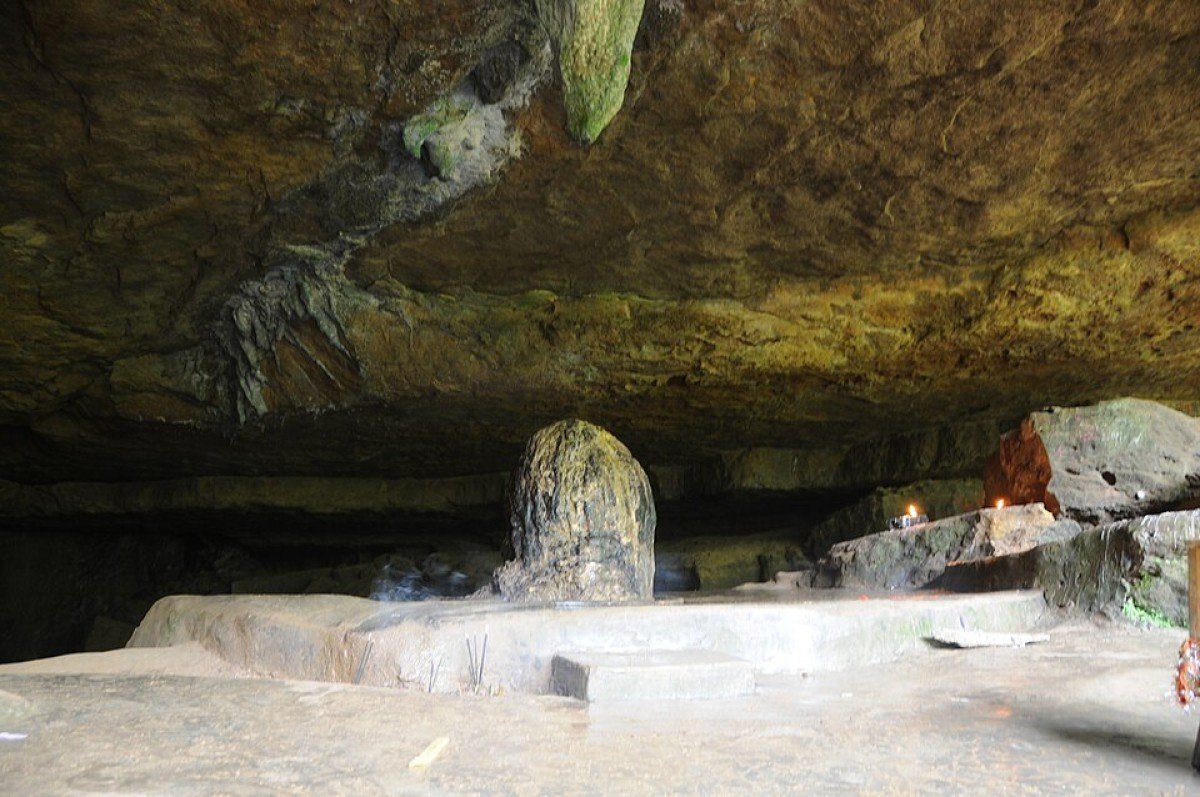
The Shivlingam Highlight:: Focus your camera on the illuminated stalagmite and the overhead Gomukha formation. A slight underexposure can enhance the dramatic lighting and highlight the spiritual focus.
Textural Close-ups:: Capture the detailed texture of the flowstones and draperies on the walls, using the artificial lighting to create deep shadows and highlights that emphasize their age and formation.Photo Gallery
Things To Do
-
Pilgrimage and Prayer:: For Hindu devotees, the primary activity is performing darshan (viewing) of the Shivlingam and offering prayers. The cave provides a unique spiritual atmosphere for quiet contemplation and reverence.
Cave Exploration and Trekking:: Navigate the main path of the cave, observing the magnificent stalactite and stalagmite formations. Be prepared for a damp, slightly slippery surface and potential wading through shallow water in certain sections. The trek is short but requires focus.
Geology and Speleology Study:: Take time to examine the different types of rock formations. Identify the various speleothems (columns, flowstones, draperies) and consider the geological forces (water, acid, time) that shaped them. It's a living example of geomorphology.
Read MorePilgrimage and Prayer:: For Hindu devotees, the primary activity is performing darshan (viewing) of the Shivlingam and offering prayers. The cave provides a unique spiritual atmosphere for quiet contemplation and reverence.
Cave Exploration and Trekking:: Navigate the main path of the cave, observing the magnificent stalactite and stalagmite formations. Be prepared for a damp, slightly slippery surface and potential wading through shallow water in certain sections. The trek is short but requires focus.
Geology and Speleology Study:: Take time to examine the different types of rock formations. Identify the various speleothems (columns, flowstones, draperies) and consider the geological forces (water, acid, time) that shaped them. It's a living example of geomorphology.
Photography:: Capture the dramatic lighting and the unique shapes of the rock formations. A wide-angle lens is useful for the large entrance chamber, and a flashlight can help highlight specific details inside.
Note: Flash photography should be used judiciously to protect the integrity of the ecosystem.
Engage with Guides:: Hire a local guide available at the entrance. They can point out subtle formations, provide safety tips for navigating the slippery parts, and share local stories and legends associated with the cave.
Post-Cave Refreshments:: After the cool, damp cave experience, enjoy a hot cup of tea or instant noodles from the small stalls usually located near the entrance/parking area. This simple act provides warmth and a chance to reflect on the experience.
Observe the Gomukha:: Spend a moment observing the stalactite shaped like a cow's udder, which constantly drips water onto the Shivlingam. This is a central, sacred part of the local legend.
Information
-
Why Famous:
The Natural Shivlingam:: The cave's primary claim to fame is the colossal stalagmite inside that has naturally formed into the shape of a Shivlingam. This makes it an important and revered pilgrimage site for Hindus, who visit in large numbers, especially during the holy mo...The Natural Shivlingam:: The cave's primary claim to fame is the colossal stalagmite inside that has naturally formed into the shape of a Shivlingam. This makes it an important and revered pilgrimage site for Hindus, who visit in large numbers, especially during the holy month of Shravan. The constant water dripping from the overhead rock (gomukha) is considered a divine blessing.
Wettest Place Geology:: It is a rare example of a well-formed limestone cave system existing in the world's highest rainfall area. The constant, heavy precipitation accelerates the chemical dissolution process that forms the cave and the unique speleothems, making it a natural geological laboratory for the effects of hyper-humid conditions.
Adventure and Mysticism:: The cave is famous for offering a blend of easy accessibility and a sense of deep adventure. The initial entrance is grand, but the inner passages are narrow and require slight stooping or crawling, appealing to adventure seekers. The dark, damp environment and unique rock formations create a mystical, otherworldly experience. -
Architecture:
Karst Architecture and Dimensions:: Mawjymbuin Cave exhibits classic Karst architecture, meaning it was formed by the dissolution of soluble rocks (calcareous sandstone in this case). The entrance portal is notably wide and high, documented as approximately 46 meters wide a...Karst Architecture and Dimensions:: Mawjymbuin Cave exhibits classic Karst architecture, meaning it was formed by the dissolution of soluble rocks (calcareous sandstone in this case). The entrance portal is notably wide and high, documented as approximately 46 meters wide and 4. 6 meters high, providing an awe-inspiring first impression.
Internal Structures:: The internal architecture is characterized by numerous speleothems. The Stalagmites (rising from the floor) and Stalactites (hanging from the ceiling) are the dominant feature, formed by calcium carbonate deposition. The most significant structure is the massive Shivlingam stalagmite, standing several feet tall, which is the spiritual focal point.
Pathway Infrastructure:: The main route within the cave has been partially improved for tourism with concrete or paved paths and basic incandescent lighting, though the floor remains naturally wet and uneven, requiring careful navigation. The total navigable section for tourists is generally a few hundred meters. -
How To Reach:
By Air:: Fly to Lokpriya Gopinath Bordoloi International Airport (GAU) in Guwahati, Assam (Approx. 165 KMS). From Guwahati, hire a private taxi directly to Mawsynram, taking approximately 5-6 hours. The cave is just 3 KMS from the main village.
Read MoreBy Air:: Fly to Lokpriya Gopinath Bordoloi International Airport (GAU) in Guwahati, Assam (Approx. 165 KMS). From Guwahati, hire a private taxi directly to Mawsynram, taking approximately 5-6 hours. The cave is just 3 KMS from the main village.
By Train:: The nearest major railhead is Guwahati Railway Station (GHY) (Approx. 160 KMS). From the station, take a connecting bus or shared taxi to Shillong, and then a dedicated local taxi to Mawsynram and the cave.
By Road:: Mawsynram is approximately 60 KMS from Shillong. Shared taxis (Sumos) and buses run regularly from the Anjali Taxi Stand in Shillong to the Mawsynram taxi stand. From the Mawsynram center, the cave is only a short 5-minute drive or a 30-minute walk along the Mawjymbuiñ Rd. The road to the cave is clearly signposted.
By Local Transport:: Local shared or private taxis are readily available in Mawsynram village for the short ride to the cave entrance. The walk is also manageable for most, but the road is narrow.Weather and Best Time to Visit:
Different Seasons:: Winter (October to February) is the Best Time for cave exploration due to low water levels and comfortable external temperatures. The Monsoon season (July-August) should be avoided due to the risk of slippery paths, higher internal water levels, and the ...Different Seasons:: Winter (October to February) is the Best Time for cave exploration due to low water levels and comfortable external temperatures. The Monsoon season (July-August) should be avoided due to the risk of slippery paths, higher internal water levels, and the intensity of the downpour.
Different Parts of the Day:: Mid-morning is ideal for combining low crowds with comfortable temperatures. Avoid the cave late in the afternoon, as low light can make the internal passages seem darker and more difficult to navigate.Near Tourist Places:
Green Valley Viewpoint (2 KMS), Lum Symper Peak (7 KMS), Mawsynram Falls/Khreng Khreng (5 KMS), Jakrem Hot Springs (18 KMS), Split Rock (22 KMS), Mawlyngbna (25 KMS), Mawsynram Market (3 KMS), Photographers' Viewpoint (5 KMS), Cherrapunji (55 KMS), Nongkhnum Island (95 KMS).Tourism Tips
-
Health & Safety:: Wear high-grip, waterproof shoes. The stone path is almost always wet and extremely slippery. Watch your head, as the ceilings in some internal passages can be quite low. Carry a reliable flashlight, even though basic lighting is provided. Follow the in...Health & Safety:: Wear high-grip, waterproof shoes. The stone path is almost always wet and extremely slippery. Watch your head, as the ceilings in some internal passages can be quite low. Carry a reliable flashlight, even though basic lighting is provided. Follow the instructions of the local guides strictly.
Packing:: Carry minimal luggage inside the cave, as some passages require a squeeze. A dry bag or waterproof cover for electronics is non-negotiable due to the constant dripping. A light jacket is useful as the temperature inside is consistently cooler and damper than outside.
Accommodation:: Stay in a homestay or guesthouse in the immediate Mawsynram village to be close to the site and have early access. Options are basic but comfortable and authentic. Shillong is too far for a convenient start to the day.
Other Different Topics Heading::
Respect and Reverence: Treat the cave as a sacred site, especially the Shivlingam formation. Do not touch or disturb the natural formations, as it takes millions of years for them to grow.
Photography: Use a camera strap to prevent dropping gear on the wet floor.
Avoid Overcrowding: If you visit during the Shravan Mela, be prepared for long queues and a crowded experience.
Reviews
FAQs
Mawsynram Itineray And Cost:-
Other Places In Mawsynram :-
Other States In India :-
Information about New and Updated Locations() of Meghalaya Has Been Added :-
Card subtitle
Note:-
Information provided here in good Faith and for reference only.
Near Places

Balancing Rock, Mawsynram
Some quick example text to build on the card title and make up the bulk of the card's content.
Go somewhere
Green Valley, Mawsynram
Some quick example text to build on the card title and make up the bulk of the card's content.
Go somewhere
Jakrem
Some quick example text to build on the card title and make up the bulk of the card's content.
Go somewhere
Krem Mawmluh
Some quick example text to build on the card title and make up the bulk of the card's content.
Go somewhere
Krem Puri
Some quick example text to build on the card title and make up the bulk of the card's content.
Go somewhere
Lyngksiar Falls
Some quick example text to build on the card title and make up the bulk of the card's content.
Go somewhere
Mawsynram Catholic Church
Some quick example text to build on the card title and make up the bulk of the card's content.
Go somewhere
Mawsynram Market
Some quick example text to build on the card title and make up the bulk of the card's content.
Go somewhere
Mawsynram Village
Some quick example text to build on the card title and make up the bulk of the card's content.
Go somewhere
Mawten Falls
Some quick example text to build on the card title and make up the bulk of the card's content.
Go somewhere
Nohsngithiang Falls Viewpoint
Some quick example text to build on the card title and make up the bulk of the card's content.
Go somewhere
Photographers' Viewpoint
Some quick example text to build on the card title and make up the bulk of the card's content.
Go somewhere
Saitsohpen Village
Some quick example text to build on the card title and make up the bulk of the card's content.
Go somewhere
Shella Village
Some quick example text to build on the card title and make up the bulk of the card's content.
Go somewhere
Thangkharang Park
Some quick example text to build on the card title and make up the bulk of the card's content.
Go somewhere
Umdihar Falls
Some quick example text to build on the card title and make up the bulk of the card's content.
Go somewherein Other Cities