

Mountain View Point Jhumra Pahar
General information
-
Ideal Duration:
2-3 Hours (Requires a slightly longer visit due to the more remote location and moderate trek)Place Type:
Hilltop View Point, Nature, Trekking/Hiking, AdvenEntry Fees:
Direct Viewpoint Access Fee: There are no mandatory entry fees to visit the Mountain View Point Jhumra Pahar. It is a natural landmark and public access point, freely open to all visitors. The local authorities do not charge for accessing the hiking trail or the summit.Direct Viewpoint Access Fee: There are no mandatory entry fees to visit the Mountain View Point Jhumra Pahar. It is a natural landmark and public access point, freely open to all visitors. The local authorities do not charge for accessing the hiking trail or the summit.
Local Trail Maintenance Contribution: Occasionally, local community members or a small self-help group may ask for a small, voluntary contribution for the maintenance of the basic trail or for local development.
Note: This is generally an optional, nominal amount and should not be confused with an official entry fee. It is entirely up to the visitor's discretion to offer a small amount, such as Rs.10 to Rs.20.
Parking and Vehicle Charges: Given the isolated nature of the spot, there is no formal parking lot. Visitors usually park their vehicles at the base of the hill near Jumara village. If a local resident offers to watch the vehicle, a small, negotiated fee might be applicable.
Tip: It is wise to park in a safe, visible spot. There are no large-scale, official parking fees typically charged here.
Guided Trekking Fees (Optional): If visitors choose to hire a local guide for the trek up Jhumra Pahar (which is advisable due to the rough terrain), the payment for the guide’s service will be an associated cost.
Note: This is a service fee, not an entry fee. Guide charges are subject to negotiation, typically ranging from Rs.300 to Rs.800 for a group, depending on the duration and the guide's expertise.Timing:
Regular Operating Hours: As a natural, undeveloped spot, Mountain View Point Jhumra Pahar does not have official opening and closing times. It is accessible 24/7. However, for safety reasons and practical trekking, visitors are strongly recommended to limit their visit bet...Regular Operating Hours: As a natural, undeveloped spot, Mountain View Point Jhumra Pahar does not have official opening and closing times. It is accessible 24/7. However, for safety reasons and practical trekking, visitors are strongly recommended to limit their visit between Sunrise (around 5:00 AM) and Sunset (around 6:00 PM). Trekking in complete darkness is highly discouraged due to the rough, unlit terrain.
Ideal Time for Trekking and Views: The absolute best time to begin the trek is just before sunrise or in the early morning (between 5:00 AM and 7:00 AM) to catch the stunning morning light and avoid the midday heat. Similarly, starting the climb around 4:00 PM allows ample time to reach the top, enjoy the scenic sunset, and safely descend before darkness sets in. These times offer the most comfortable trekking temperature and the best photographic light.
Peak Heat and Midday Timing: Visiting during the peak hours of the day (between 11:00 AM and 3:00 PM), especially during the summer, is highly discouraged. The sun is very strong, and the exposed rocky slopes can radiate heat, leading to fatigue and dehydration. If a midday visit is unavoidable, ensure you are well-hydrated and protected from the sun.
Seasonal Timing Variations: During the winter months (November to February), the weather is mild throughout the day, making a visit possible at any time. In the monsoon, aim for a time when the rain has stopped and the path is not too wet, typically in the late morning after a short drizzle or in the early afternoon, but always check the weather.Special Events:
Local Tribal Harvest Festivals: While Jhumra Pahar does not host large, organized religious festivals like Maya Tungri, it serves as a gathering point for local tribal communities from Jumara and neighboring villages to celebrate their harvest and nature-related festivals. ...Local Tribal Harvest Festivals: While Jhumra Pahar does not host large, organized religious festivals like Maya Tungri, it serves as a gathering point for local tribal communities from Jumara and neighboring villages to celebrate their harvest and nature-related festivals. These informal celebrations, which may include unique folk music and dance performances, occur sporadically, often in the post-monsoon or pre-harvest seasons, and are a rare sight for tourists.
Community Picnics and Gatherings: The New Year's Day (January 1st) and occasional religious or community events see local families and groups organize large-scale picnics and informal gatherings at the base or summit of the hill. These events are characterized by shared meals, music, and an atmosphere of communal celebration, making the area lively on those specific days, even without a formal event schedule.
Monsoon Trekking/Nature Walks (Local Groups): During the lush monsoon months, local adventure and nature groups often organize special guided treks and nature walks up Jhumra Pahar. These are 'special events' in a tourism context, focused on appreciating the renewed greenery and misty environment. These walks often include expert commentary on the local flora and fauna, transforming a simple trek into an educational outing.
Occasional Political or Social Rallies: Being a prominent high ground in the locality, Jhumra Pahar can sometimes become the venue for small political rallies or social awareness campaigns organized by local leaders or NGOs, utilizing the natural backdrop for public addresses. These events are irregular and usually short-lived but mark a deviation from the hill's usual tranquility.Best Photo Spots:
The Summit’s Central Rock Plateau: The highest point of the mountain, typically a large, relatively flat rock plateau, is the prime photo spot.The Summit’s Central Rock Plateau: The highest point of the mountain, typically a large, relatively flat rock plateau, is the prime photo spot.
Tip: Use this spot to capture the full 360-degree panorama, emphasizing the curvature of the earth and the distant horizon line. It is perfect for wide-angle landscape shots, and having a person stand on the edge (safely) can perfectly illustrate the sense of scale and height.
Sunrise/Sunset Silhouette Spot: Position yourself on the eastern or western edge of the summit, depending on the time of day, to capture the spectacular sunrise or sunset.
Tip: This is the ideal location for taking silhouette photos of people, creating a dramatic contrast against the fiery colors of the sky, a classic and powerful shot that highlights the vastness of the view.
The Rugged Rock Formations for Texture: The trail and the summit are adorned with large, weathered rocks and boulders.
Tip: Focus on the close-up texture and patterns of these rocks. They can be used as strong foreground elements to frame a scenic background, adding a sense of ruggedness and depth to the landscape photographs.
The Trekking Trail Vantage Points: Select spots along the ascent trail, particularly where the path is steep or winding.
Tip: Photographing the trail itself, leading up or down through the forest, is great for capturing the sense of journey and adventure. Including a hiker in the frame can give a sense of dynamism and scale to the path.
The Forest Canopy Overlook: From the summit, the view of the dense green forest canopy covering the lower slopes is beautiful.
Tip: This vantage point is excellent for nature close-ups or capturing the patterns of the foliage. Look for small breaks in the canopy to frame a shot of the distant plains or valleys, focusing on the layers of green.
View of the Distant Horizon and Haze: On a clear day, the distant plains and horizon line are visible, often with a slight atmospheric haze.
Tip: Use a long lens to zoom in and capture the layered look of the hills receding into the distance, using the atmospheric perspective to create depth in your shots, which works exceptionally well at midday.Photo Gallery
Things To Do
-
The Summit Trekking Challenge: The primary activity is the trek to the Mountain View Point summit. This is a moderate-level hike, depending on the route chosen. Visitors should aim to conquer the peak for the rewarding views. The trek involves navigating natural, rocky paths, which should be done with caution. Carrying a walking stick can be helpful.
Tip: Start the trek early in the morning to avoid the heat.
Panoramic Landscape Photography: Given the extensive 360-degree views, photography is a major activity. Capture the rolling hills, the dense forests, and the vast, clear sky. The unobstructed views are perfect for telephoto lens shots of distant landmarks and wide-angle shots of the horizon. Focus on the interplay of light and shadow, especially during the golden hours.The Summit Trekking Challenge: The primary activity is the trek to the Mountain View Point summit. This is a moderate-level hike, depending on the route chosen. Visitors should aim to conquer the peak for the rewarding views. The trek involves navigating natural, rocky paths, which should be done with caution. Carrying a walking stick can be helpful.
Tip: Start the trek early in the morning to avoid the heat.
Panoramic Landscape Photography: Given the extensive 360-degree views, photography is a major activity. Capture the rolling hills, the dense forests, and the vast, clear sky. The unobstructed views are perfect for telephoto lens shots of distant landmarks and wide-angle shots of the horizon. Focus on the interplay of light and shadow, especially during the golden hours.
Relaxation and Unwinding: Due to its peaceful and remote setting, the viewpoint is an excellent place to simply sit, relax, and enjoy the tranquility. Bring a book, listen to music, or just observe the scenery. The pure, unpolluted air and the quiet of the mountain offer a perfect opportunity for mental unwinding and stress reduction.
Bird Watching and Nature Spotting: The surrounding forest makes Jhumra Pahar an ideal spot for nature lovers. Bring binoculars to engage in bird watching, looking for various regional bird species. Also, keep an eye out for unique plants, trees, and wildflowers on the slopes, documenting the diverse mountain ecology.
Picnic and Outdoor Meal: Pack a hearty picnic lunch or snacks to enjoy at the summit. Eating with such a breathtaking view enhances the experience significantly.
Remember to be a responsible tourist: carry back all trash, leaving the mountain as pristine as you found it.
Stargazing (for cautious, experienced groups): On clear, moonless nights, the isolated location of Jhumra Pahar, far from city lights, offers fantastic conditions for stargazing. This activity should only be attempted by experienced groups with local guidance and strict safety measures, as navigating the hill in the dark is risky.
Exploration of Local Trails: If time permits, explore some of the adjacent, rough trails that branch off from the main path. These explorations allow for a deeper immersion into the mountain's forest and can lead to smaller, secluded clearings or better vantage points, enhancing the sense of discovery and adventure.
Sketching or Painting the Landscape: For artists, the beautiful landscape provides endless inspiration. Bring a sketchbook or a watercolor set to capture the scenic views or the rugged texture of the rocks in a more creative and personal way, offering a memorable souvenir of the visit.
Fitness and Adventure Challenge: Treat the visit as a personal fitness challenge. Time your ascent and descent, or use the rugged terrain for an invigorating physical workout. The clean air and challenging climb are excellent for physical and mental well-being.
Sun-tracking and Time Lapse: Set up a camera at a fixed point to capture a time-lapse of the sunrise or sunset. This provides a dramatic visual record of the day beginning or ending over the vast horizon, a technically rewarding activity for photography enthusiasts.
Information
-
Why Famous:
Uninterrupted Panoramic Views: Jhumra Pahar is becoming famous for offering a truly expansive and virtually uninterrupted 360-degree view of the Chota Nagpur Plateau landscape. Because of its relatively remote location, the view is less obscured by modern construction compa...Uninterrupted Panoramic Views: Jhumra Pahar is becoming famous for offering a truly expansive and virtually uninterrupted 360-degree view of the Chota Nagpur Plateau landscape. Because of its relatively remote location, the view is less obscured by modern construction compared to viewpoints closer to the city, making it a favorite for those seeking untouched natural scenery and providing a sense of genuine wilderness.
The Off-the-Beaten-Path Experience: The main draw for many is its status as an 'off-the-beaten-path' destination. Its relative obscurity compared to more popular sites like Rajrappa or Patratu attracts adventure seekers, trekkers, and travelers who prefer solitude and a more rugged, authentic experience away from large tourist crowds. The trek up the mountain is an adventure in itself.
Spectacular Sunrise and Sunset Spot: Much like other hilltops, Jhumra Pahar is renowned for its spectacular displays of color during sunrise and sunset. Its elevation provides a dramatic setting for watching the light change across the vast, undulating landscape, making it a romantic and memorable spot that visitors frequently share on social media, thereby increasing its fame.
Local Significance and Trekking Challenge: For the local people of Jumara and surrounding villages, the mountain is a significant landmark. It is also famous among the local youth and fitness enthusiasts as a moderate trekking challenge. Reaching the summit after a fulfilling climb is seen as a rewarding accomplishment, contributing to its local popularity and reputation as a challenging but accessible peak. -
Architecture:
A Naturally Formed Viewpoint: Mountain View Point Jhumra Pahar is primarily a natural rock formation and does not possess any major man-made architectural structures. The 'architecture' here is the grand design of nature itself—a hilltop formed from millions of years of g...A Naturally Formed Viewpoint: Mountain View Point Jhumra Pahar is primarily a natural rock formation and does not possess any major man-made architectural structures. The 'architecture' here is the grand design of nature itself—a hilltop formed from millions of years of geological processes. The view point platform consists of large, flat or slightly uneven rock surfaces.
Minimal Man-Made Enhancements: Unlike heavily commercialized viewpoints, the top of Jhumra Pahar features minimal human intervention. There are no elaborate temples, railings, or dedicated viewing decks. Any structures present are likely to be small, simple shrines or cairns made by local communities, usually less than 2 meters in height, and often made of piled stones or simple concrete.
Trail and Access Structure: The access to the top is via a relatively rough and unpaved trail or a path of natural rock, which is the main structural element of the visitor experience. The trail is an informal path, not a formally built set of steps, providing a more authentic trekking experience. The total distance of the main climbing path is highly variable but often involves a few hundred meters of steep ascent.
The Panoramic "Platform" Dimension: The area designated as the viewpoint is a naturally large, irregularly shaped clearing on the summit. This panoramic viewing area may span an approximate area of 50 meters by 30 meters, providing multiple angles for viewing the landscape without being restricted by artificial barriers. The surrounding forest acts as a natural boundary and visual frame for the expansive views. -
How To Reach:
By Air: The nearest major airport is Birsa Munda Airport (IXR) in Ranchi, approximately 60-65 Kms from Jhumra Pahar. After landing at the Ranchi airport, you should hire a pre-paid taxi or a private cab for the direct journey. The drive will take about 2 to 2. 5 hours. In...By Air: The nearest major airport is Birsa Munda Airport (IXR) in Ranchi, approximately 60-65 Kms from Jhumra Pahar. After landing at the Ranchi airport, you should hire a pre-paid taxi or a private cab for the direct journey. The drive will take about 2 to 2. 5 hours. Instruct the driver to head towards Ramgarh via the NH-33 and then proceed to Jumara village. Since the viewpoint is remote, a reliable, hired car is the best option from the airport.
By Train: The closest main railway station is the Ramgarh Cantonment Railway Station (RMT). This station connects Ramgarh to all major Indian cities. Jhumra Pahar is located approximately 22 Kms from the station. From the station, you will need to hire a local taxi or a motorized auto-rickshaw. The journey by road from the station to the base of the mountain will take about 45 minutes to 1 hour. Ensure the taxi driver is familiar with the route to Jumara Pahar as it is a less-frequented spot.
By Road: Jhumra Pahar is accessible by road, located off a state highway or major district road that connects to the main NH-33 (Ranchi-Ramgarh Highway). Driving is the most flexible option. From Ramgarh town, the route involves a drive of approximately 22 Kms to Jumara village. The last few kilometers to the base of the mountain may involve a rough, unpaved road, which might be challenging for vehicles with low ground clearance. It is advisable to use a robust vehicle like an SUV or hire a local jeep/taxi.
By Local Transport: From Ramgarh town or the railway station, you can hire a local auto-rickshaw or a shared tempo/taxi to Jumara village. Given the distance and remote location, a shared auto is an inexpensive but less comfortable option. For a hassle-free trip, it's highly recommended to hire a private taxi for a round trip and ask the driver to wait while you complete the trek. The local transport may not go all the way to the trailhead, requiring a final short walk, and getting return transport from Jumara can be difficult. -
Weather and Best Time to Visit:
The Winter Season (October to February): This is the most ideal time to visit Mountain View Point Jhumra Pahar. The weather is cool, dry, and highly conducive for trekking, with daytime temperatures ranging from a comfortable 15°C to 28°C. The air is clear, resulting in ...The Winter Season (October to February): This is the most ideal time to visit Mountain View Point Jhumra Pahar. The weather is cool, dry, and highly conducive for trekking, with daytime temperatures ranging from a comfortable 15°C to 28°C. The air is clear, resulting in the most expansive and sharpest views across the plains and distant hills. November and December are particularly perfect for a long, satisfying trek.
The Summer Season (March to June): The summer should be generally avoided for a full-day visit due to the scorching heat and high sun exposure on the trek path. Temperatures can easily exceed 40°C. The best time for a summer visit is strictly limited to the very early morning (5:00 AM to 7:00 AM) for sunrise views or the late evening (5:00 PM to 6:30 PM) for sunset. Carry double the normal amount of water if visiting in summer.
The Monsoon Season (July to September): The mountains are at their lushest and most beautiful in the monsoon, often covered in mist and fog, creating a mystical atmosphere. However, the trekking trails become very slippery and dangerous, and visibility can be severely reduced. Visitors in this season should exercise extreme caution, wear appropriate gear, and only ascend on clear days. The best time during monsoon is right after a light rain, which enhances the green view but avoids the heavy downpour and muddy paths.
Different Parts of the Day:
Sunrise and Sunset: The early morning (Sunrise) and late afternoon (Sunset) are the most rewarding times of the day for visiting. The soft light during these 'golden hours' is excellent for photography, and the temperatures are the most pleasant for the climb. A midday visit should only be considered during the peak of winter when the temperature is moderate, and even then, the light can be harsh for scenic photography. -
Near Tourist Places:
Maya Tungri View Point: Approx. 22 Kms (Another popular hilltop with a temple) Rajrappa Kali Mandir: Approx. 45 Kms (Major Shakti Peeth temple) Patratu Valley/Patratu Dam: Approx. 40 Kms (Scenic drive and large reservoir) Sikidiri Ghati: Approx.
15 Kms (Famous road loops) Masmohna View Point: Approx. 30 Kms (Scenic viewpoint) Ramgarh Cantonment Area: Approx. 22 Kms (Town center) Ptps Dam (Patratu Thermal Power Station Dam): Approx.
15 Kms (Reservoir) Kuju Shiv Mandir: Approx.
12 Kms (Local temple) Lari: Approx. 18 Kms (Nearby village with historical significance) Hazaribagh National Park: Approx. 55 Kms (Wildlife and forest reserve)
Tourism Tips
-
Health & Safety Tips: The climb up Jhumra Pahar is a moderate trek on unpaved, natural terrain, which requires caution. Wear sturdy trekking or hiking boots with excellent grip. Do not attempt to climb alone; always go in a group or hire a local guide, as the trails are n...Health & Safety Tips: The climb up Jhumra Pahar is a moderate trek on unpaved, natural terrain, which requires caution. Wear sturdy trekking or hiking boots with excellent grip. Do not attempt to climb alone; always go in a group or hire a local guide, as the trails are not marked. Carry a fully charged mobile phone and a power bank, as the area is remote. Be mindful of the possibility of local wildlife and insects in the dense scrub forest—consider carrying insect repellent. Carry enough drinking water for the entire trek and the time at the top, as there are no shops available. Descend well before dark as the path is unlit and dangerous at night.
Packing Essentials: A small, lightweight backpack is essential for the trek. Pack layers of clothing, especially a light jacket for the summit as it can be windy. Essential items include a first-aid kit, a headlamp or torch, sunscreen, a hat, and sunglasses. Bring a camera and potentially a light tripod for landscape photography. If visiting during the monsoon, carry a rain jacket or poncho. Pack energy-rich snacks like nuts and protein bars.
Accommodation Options: Since the viewpoint is remote, there are no hotels at or near Jumara Pahar. The best option is to secure accommodation in Ramgarh town (approx. 22 Kms away). Ramgarh offers a range of options from basic guesthouses to mid-range hotels. Alternatively, the capital city of Ranchi (approx. 60 Kms away) has more premium and varied options, and the viewpoint can be visited as a long day trip from there. Always book your stay in advance, particularly during the peak season from October to February.
Other Essential Tips for Tourists: Hire a local guide from Jumara village for a safer and more informative experience, as they know the best routes and local lore. Respect the natural environment—carry all trash back with you and do not disturb the local flora and fauna. Inform your hotel or a local contact about your trekking plan and expected return time. Bargain respectfully and finalize the price with local taxi/auto drivers for the round trip, including waiting time, before you start. Due to the limited commercialization, carry enough cash, as digital payment options might not be available in the remote village.
Reviews
FAQs
Ramgarh Itineray And Cost:-
Mountain View Point Jhumra Pahar Tourism:-
Other Places In Ramgarh :-
Other States In India :-
Information about New and Updated Locations() of Jharkhand Has Been Added :-
Card subtitle
Note:-
Information provided here in good Faith and for reference only.
Near Places
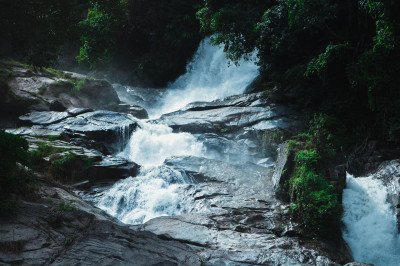
Bhukhi Falls
Some quick example text to build on the card title and make up the bulk of the card's content.
Go somewhere
Bujurg Jamira
Some quick example text to build on the card title and make up the bulk of the card's content.
Go somewhere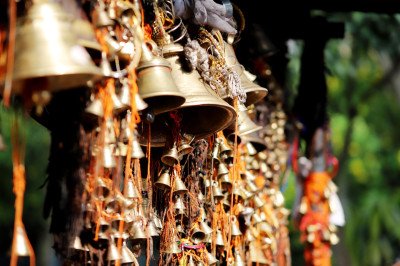
Chinnamasta Temple, Rajrappa
Some quick example text to build on the card title and make up the bulk of the card's content.
Go somewhere
Dhordhoria Waterfall
Some quick example text to build on the card title and make up the bulk of the card's content.
Go somewhere
Golla
Some quick example text to build on the card title and make up the bulk of the card's content.
Go somewhere
Gosay Bandh Chhotki Pona
Some quick example text to build on the card title and make up the bulk of the card's content.
Go somewhere
Hanuman Fall
Some quick example text to build on the card title and make up the bulk of the card's content.
Go somewhere
Hot Water Spring
Some quick example text to build on the card title and make up the bulk of the card's content.
Go somewhere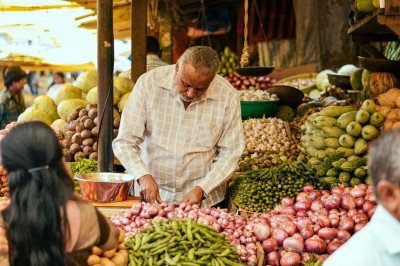
Indira Market
Some quick example text to build on the card title and make up the bulk of the card's content.
Go somewhere
Jharkhand War Memorial
Some quick example text to build on the card title and make up the bulk of the card's content.
Go somewhere
Khaira Manjhi Dwar
Some quick example text to build on the card title and make up the bulk of the card's content.
Go somewhere
Kinni Pahad View Point
Some quick example text to build on the card title and make up the bulk of the card's content.
Go somewhere
Lalki Ghati
Some quick example text to build on the card title and make up the bulk of the card's content.
Go somewhere
Ma Parvati Temple
Some quick example text to build on the card title and make up the bulk of the card's content.
Go somewhere
Masmohna View Point
Some quick example text to build on the card title and make up the bulk of the card's content.
Go somewhere
Maya Tungri View Point
Some quick example text to build on the card title and make up the bulk of the card's content.
Go somewherein Other Cities