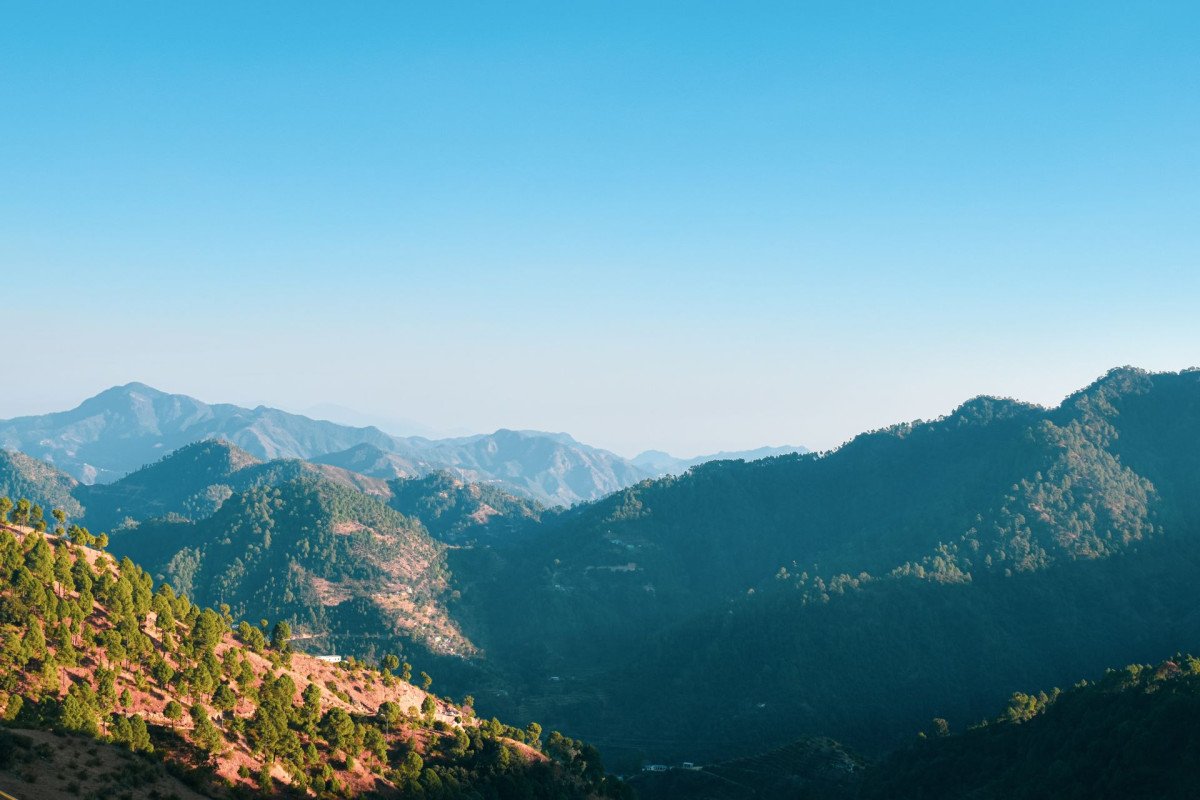
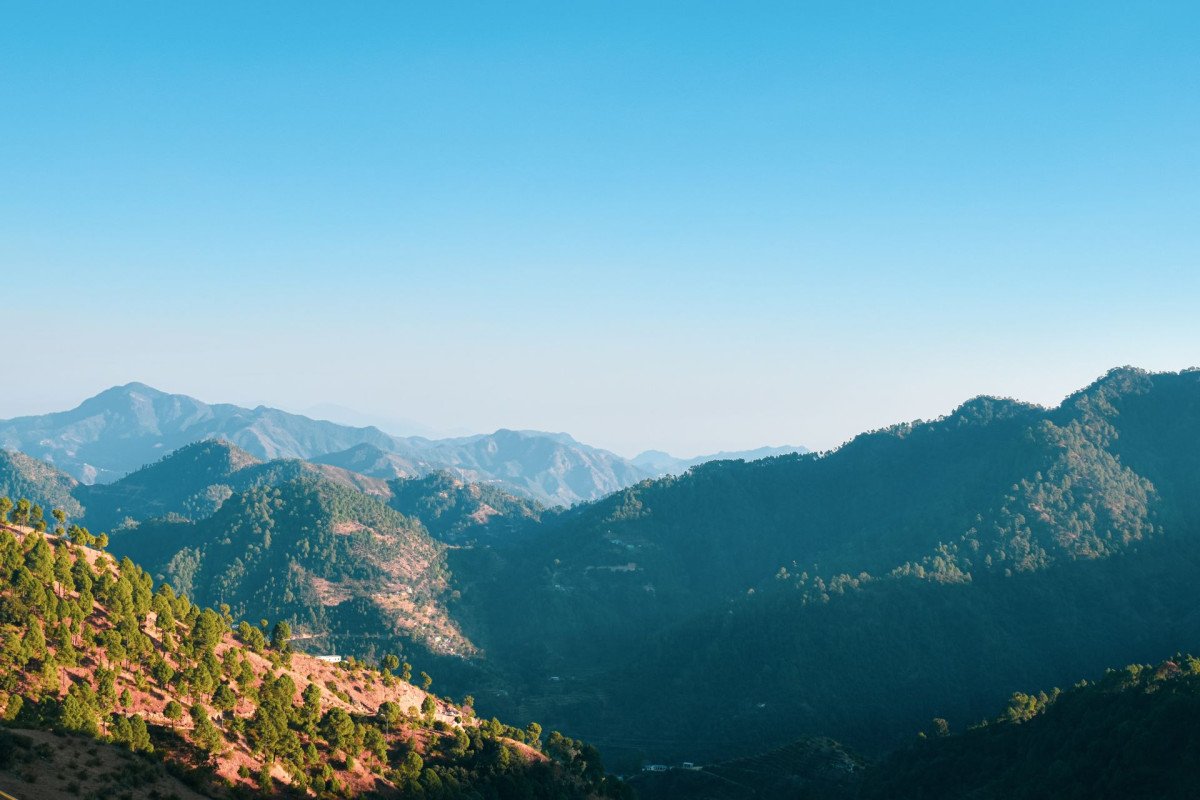
Patia Hills
General information
-
Ideal Duration:
3 to 5 hours, covering the ascent, summit rest, and descent.Place Type:
Natural Landmark & Trekking SpotEntry Fees:
General Admission Policy: There is absolutely no entry fee charged for visiting Patia Hills or trekking the trails, as the site is managed by the local village committees and is considered a public natural resource and spiritual site for all. The welcoming nature of the com...General Admission Policy: There is absolutely no entry fee charged for visiting Patia Hills or trekking the trails, as the site is managed by the local village committees and is considered a public natural resource and spiritual site for all. The welcoming nature of the community ensures free access for everyone wishing to explore the natural beauty or visit the shrines.
Voluntary Contribution for Maintenance: While no mandatory fee exists, visitors are strongly encouraged to offer a small voluntary contribution (Seva Nivedan) at the base of the Maa Mangala shrine. This contribution, usually a token amount like Rs.10 or Rs.20, is used directly by the local temple committee for the daily upkeep, lighting, and general cleanliness of the hill's spiritual area, ensuring the site remains pristine for future visitors.
Parking and Guiding Fees: There are no formalized parking structures, so parking by the roadside near Patia village is free. However, if you hire a local guide (recommended for first-time visitors for safety and local knowledge), their fee is negotiable, typically ranging from Rs.300 to Rs.500 for a half-day trek. This is a payment for a service, not a formal entry charge. The total absence of government-levied fees makes this an extremely accessible destination for budget-conscious travelers, emphasizing that the focus here is purely on nature and spirituality, free from commercial exploitation.Timing:
Regular Timings: The hills are generally accessible 24 hours a day; however, for safety and practical purposes, the site is best visited between 5:00 AM and 6:00 PM (Daylight Hours) when visibility is good.
Ideal Visit Time: The ideal time ...Regular Timings: The hills are generally accessible 24 hours a day; however, for safety and practical purposes, the site is best visited between 5:00 AM and 6:00 PM (Daylight Hours) when visibility is good.
Ideal Visit Time: The ideal time to start the trek is early morning (5:30 AM to 8:00 AM) to catch the sunrise and avoid the mid-day heat. For a quick visit or photography, the late afternoon (4:00 PM to 6:00 PM) is also excellent.
Seasonal Variation in Timings: During the winter months (November to February), when daylight is shorter and temperatures are cooler, the safe visiting window closes earlier, around 5:30 PM. Conversely, during the summer months (March to June), starting the trek no later than 6:00 AM is crucial due to the intense heat radiating off the laterite rocks, making a mid-day visit unsafe and highly strenuous. The lack of artificial lighting makes nocturnal visits highly risky.Special Events:
Makar Sankranti Festivities: The most significant special event at Patia Hills is the vibrant celebration of Makar Sankranti (usually in January). The event draws thousands of devotees who undertake a climb to the main shrine on the hill, often lighting small lamps and offe...Makar Sankranti Festivities: The most significant special event at Patia Hills is the vibrant celebration of Makar Sankranti (usually in January). The event draws thousands of devotees who undertake a climb to the main shrine on the hill, often lighting small lamps and offering traditional food items. This day features local kirtan (devotional music) groups and folk dances, transforming the usually quiet site into a lively cultural fair, lasting from dawn till late evening.
Annual Village Fair: The annual village fair of Patia, typically held in April or May after the harvest season, often culminates with a ritualistic procession to the hill. This fair showcases traditional handicrafts, local culinary delights, and community sports, providing a rich, immersive cultural experience distinct from routine temple activities, attracting visitors from all parts of Bhadrak district.Best Photo Spots:
The Summit Vista Point: The absolute best location is the highest accessible point, offering a complete 360-degree view. From here, you can capture the extensive plains, the distant Baitarani River course (if visible), and the whole contour of the hill range. Use a wide-an...The Summit Vista Point: The absolute best location is the highest accessible point, offering a complete 360-degree view. From here, you can capture the extensive plains, the distant Baitarani River course (if visible), and the whole contour of the hill range. Use a wide-angle lens to capture the vastness.
Best shot: panoramic sunrise or sunset.
Laterite Rock Formations: Look for the unique, deeply pitted, and reddish-orange laterite rock faces, especially on the western slope. These offer stunning textural contrast, particularly when photographed under the direct light of the mid-morning sun. Close-up shots focusing on the geological texture make for abstract and powerful images.
The Temple Foreground: The small Maa Mangala shrine provides an excellent cultural photo opportunity. Frame the temple against the backdrop of the rolling hills or the sky, using the temple's simple, rustic architecture as a foreground element. Try to capture the devotional atmosphere, particularly during prayer times, focusing on the offerings and the traditional attire of the devotees, always respecting their privacy.
The Canopy Shots: The dense patches of forest allow for beautiful shots capturing the sun filtering through the leaves (sun flares or bokeh effects). These nature shots are best taken early in the morning when the dew is still present on the leaves, giving the images a fresh, vibrant feel.Photo Gallery
Things To Do
-
Trekking and Hiking Adventures: Embark on a challenging yet rewarding trek to the summit of Patia Hills. The primary trail, while lacking formal markers, is easily navigable, taking roughly two hours for a reasonably fit person. Always start your hike early in the morning to avoid the intense heat, especially between March and June. Wear sturdy footwear and carry plenty of water. The diverse terrain offers varying gradients, from gradual slopes ideal for beginners to steeper sections demanding more effort. Consider hiring a local guide from Patia village for the most efficient and safest route.
Photography and Landscape Capture: The summit and various viewpoints along the trail offer exceptional opportunities for landscape photography. The best times are during the golden hours—shortly after sunrise and before sunset—wh...Trekking and Hiking Adventures: Embark on a challenging yet rewarding trek to the summit of Patia Hills. The primary trail, while lacking formal markers, is easily navigable, taking roughly two hours for a reasonably fit person. Always start your hike early in the morning to avoid the intense heat, especially between March and June. Wear sturdy footwear and carry plenty of water. The diverse terrain offers varying gradients, from gradual slopes ideal for beginners to steeper sections demanding more effort. Consider hiring a local guide from Patia village for the most efficient and safest route.
Photography and Landscape Capture: The summit and various viewpoints along the trail offer exceptional opportunities for landscape photography. The best times are during the golden hours—shortly after sunrise and before sunset—when the light is soft, highlighting the vibrant reds of the laterite soil and the deep greens of the forest canopy. Focus your lenses on the distant horizon, capturing the sweeping agricultural fields and the miniature appearance of the villages below. The small temples also provide excellent cultural photo subjects.
Birdwatching and Nature Study: The dense scrub forest on the hills is a haven for numerous indigenous and migratory bird species, particularly during the winter months. Bring a good pair of binoculars and a nature guide. Spend time quietly observing the activity around the few perennial streams or water pockets. You are likely to spot species like the Indian Paradise Flycatcher, various drongos, and localized babblers. Documenting the unique flora, including medicinal plants and specific local shrubs, is another engaging activity for naturalists.
Meditative Retreat and Contemplation: Due to the profound silence and distance from traffic noise, Patia Hills serves as an ideal spot for meditation and quiet contemplation. Find a secluded rock or a shaded area on one of the plateaus, and spend an hour or two in silence, absorbing the tranquility. This activity is best done mid-week when visitor traffic is minimal, allowing for an undisturbed connection with nature and self.
Picnicking and Relaxing: The base and the lower slopes of the hills have several cleared areas perfect for a short family picnic. Pack your lunch and enjoy a meal in the lap of nature. Remember to carry all your waste back with you to maintain the spot's pristine condition. This is particularly popular on Sunday afternoons among local families.
Local Cultural Interaction: Stop by Patia village before or after your trek. Engage with the local residents, who are generally very welcoming. Learning about their traditions, especially the stories and myths associated with the hills, can enrich your visit immensely and provide authentic insights into rural Odisha life.
Exploring Local Shrines: Visit the small Maa Mangala temple on the hill. Offer your prayers and observe the local rituals. The atmosphere is generally vibrant during Tuesday and Saturday worship, giving you a chance to experience local religious fervor firsthand and understand the deep spiritual bond the villagers share with this sacred location.
Information
-
Why Famous:
Historical Association: Patia Hills are famous locally for being a silent witness to minor historical skirmishes and local resistance during the pre-independence era, though these stories are mostly passed down through oral tradition rather than documented texts. The hill p...Historical Association: Patia Hills are famous locally for being a silent witness to minor historical skirmishes and local resistance during the pre-independence era, though these stories are mostly passed down through oral tradition rather than documented texts. The hill provided a strategic vantage point for observing movement in the plains.
Spiritual Sanctuary: It is particularly renowned for the small shrine dedicated to Maa Mangala, which draws devotees from surrounding villages. The belief in the deity's protective powers is deeply ingrained in the local community, making it a powerful spiritual hub, especially during the Purnima and Sankranti festivals.
Untouched Biodiversity: The hills are also celebrated for their relatively untouched micro-climate and biodiversity, offering a safe haven for local flora and fauna, including rare medicinal herbs and unique insect species that thrive away from agricultural pesticides. The serene environment acts as a natural magnet for birdwatchers and local naturalists who document the seasonal changes. -
Architecture:
Geological Formation and Material: The architectural significance of Patia Hills lies primarily in its natural structure rather than man-made constructions. The hills themselves are a testament to the region's ancient geological history, being predominantly composed of late...Geological Formation and Material: The architectural significance of Patia Hills lies primarily in its natural structure rather than man-made constructions. The hills themselves are a testament to the region's ancient geological history, being predominantly composed of laterite stone, known for its reddish hue, and robust quartzite. The visible layers and fissures in the rock face act as natural architectural features.
The Temple Dimension: A small, historically significant Maa Mangala temple sits on one of the mid-level plateaus. This temple is typically a small, single-room structure (approximately 6 meters long by 4 meters wide) constructed from locally sourced laterite bricks and finished with a simple lime plaster. The temple's modest Dimensions emphasize its spiritual rather than grand aesthetic purpose, often featuring a simple pyramidal roof and a single arched entrance.
Natural Stairways: The trekking paths, though natural, function architecturally as integrated stairways, winding around the contours of the hill. These paths are maintained by the friction of foot traffic, making them sturdy and reliable. The overall Dimensions of the hill span several square KMS, dominating the local skyline and serving as a natural beacon for the entire Patia region. The simplicity of the temple and the raw power of the rock make it an example of nature and modest faith-based building coexisting harmoniously in the rugged Odisha terrain. -
How To Reach:
By Air: The nearest major airport is Biju Patnaik International Airport (Bhubaneswar) (BBI), located approximately 165 KMS from Bhadrak. From the airport, visitors can hire a pre-paid taxi or take a bus or train to Bhadrak. The road journey takes about 3. 5 to 4 hours.By Air: The nearest major airport is Biju Patnaik International Airport (Bhubaneswar) (BBI), located approximately 165 KMS from Bhadrak. From the airport, visitors can hire a pre-paid taxi or take a bus or train to Bhadrak. The road journey takes about 3. 5 to 4 hours.
By Train: Bhadrak Railway Station (BHC) is a major junction on the Howrah–Chennai main line and is exceptionally well-connected to major cities across India including Kolkata, Chennai, New Delhi, and Mumbai. From Bhadrak Station, Patia Hills are about 25 KMS away. You can hire an auto-rickshaw or taxi to reach the spot.
By Road: Bhadrak is well-connected by National Highway 16 (NH16), which links Kolkata to Chennai. Regular public and private bus services run from major cities in Odisha and West Bengal to the Bhadrak Bus Stand. From Bhadrak city, take the local road towards Patia village. A well-maintained road, though mostly single-lane, leads close to the base of the hills.
By Local Transport: Within Bhadrak, the most common and convenient way to reach Patia Hills is by hiring a private taxi or a motor Auto-rickshaw (Tuk-Tuk). Negotiate the fare beforehand, typically costing around Rs.500 to Rs.700 for a round trip with waiting time. Local cycle-rickshaws are available only up to Patia village square due to the distance. Ensure the hired vehicle is suitable for unpaved sections near the hill's base. -
Weather and Best Time to Visit:
Different Types of Seasons: The absolute best time to visit is during the Winter season (from late October to February). The weather is pleasantly cool, dry, and ideal for strenuous outdoor activities like trekking. The average temperature ranges from 15Rs.C to 25Rs.C. The vi...Different Types of Seasons: The absolute best time to visit is during the Winter season (from late October to February). The weather is pleasantly cool, dry, and ideal for strenuous outdoor activities like trekking. The average temperature ranges from 15Rs.C to 25Rs.C. The views are generally crystal clear, enhancing the photography experience. The Monsoon season (July to September) makes the hills lush and green, but trekking is extremely hazardous due to slippery laterite rocks and overgrown paths. The Summer season (March to June) should be avoided as daytime temperatures often exceed 40Rs.C, making any activity painful and potentially dangerous, although early morning visits are still possible.
Different Parts of the Day: As a hill trek, the early morning (Sunrise to 10:00 AM) is unanimously the best time. The cool air and the mesmerizing sunrise from the summit are highly rewarding. The late afternoon (4:00 PM to 6:00 PM) is a great secondary choice, perfect for a relaxing sunset view without the intense physical strain of a full trek, offering soft, beautiful lighting for photography. -
Near Tourist Places:
Akhandalamani Temple (45 KMS), Dhamra Port (80 KMS), Chandbali (50 KMS), Aradi (40 KMS), Bhadrakali Temple (25 KMS), Laxminarayan Temple (15 KMS), Kuansh (10 KMS), Nangali (30 KMS), Gopinath Temple (Patia Village, 3 KMS), Salandi River Embankment (18 KMS).
Tourism Tips
-
Health & safety: Always carry a small first-aid kit containing antiseptic wipes, pain relievers, and bandages for minor scrapes, as the terrain is rugged. Inform a local contact or family member about your planned route and expected return time before starting the trek. Be...Health & safety: Always carry a small first-aid kit containing antiseptic wipes, pain relievers, and bandages for minor scrapes, as the terrain is rugged. Inform a local contact or family member about your planned route and expected return time before starting the trek. Beware of snakes during the monsoon season and never wander off the known paths, especially near dense vegetation. Carry sufficient water, at least 2 liters per person, as there are no reliable sources on the upper hill.
Packing: Pack light but include essentials like sturdy, closed-toe trekking shoes with good grip, a hat or cap, sunglasses, and high-SPF sunscreen. For winter visits, carry a light jacket as the top can be breezy. A camera, binoculars, and a power bank are highly recommended. If visiting during Monsoon, pack a waterproof jacket or poncho. Do not forget mosquito repellent, especially if planning to stay past sunset.
Accommodation: Since Patia Hills is a nature spot, there are no lodging options nearby. The best accommodation is available in Bhadrak city center, offering a range of hotels from budget to mid-range (Hotel Ambika or Hotel Ganga are popular choices). Book your stay in Bhadrak and travel to the hills as a day trip.
Other Different Topics: Respect the local customs and the sanctity of the shrines; dress modestly if visiting the temple. Do not litter; carry all non-biodegradable waste back to Bhadrak city for proper disposal. Engage respectfully with local villagers if seeking directions or guidance. Cell phone network connectivity can be intermittent or weak on the summit, so plan communication accordingly. Always prioritize safety over attempting difficult climbs or shortcuts.
Reviews
FAQs
Bhadrak Itineray And Cost:-
Information about New and Updated Locations() of Odisha Has Been Added :-
Card subtitle
Note:-
Information provided here in good Faith and for reference only.
All information and pictures will be updated soon, please keep visiting.
Near Places
Akhandalamani Temple
Some quick example text to build on the card title and make up the bulk of the card's content.
Go somewhere
Baba Akhandalamani Temple
Some quick example text to build on the card title and make up the bulk of the card's content.
Go somewhere
Baba Jagannath Temple
Some quick example text to build on the card title and make up the bulk of the card's content.
Go somewhere
Baligadi Beach
Some quick example text to build on the card title and make up the bulk of the card's content.
Go somewhere
Banta Town Museum
Some quick example text to build on the card title and make up the bulk of the card's content.
Go somewhere
Barunabanta Hill
Some quick example text to build on the card title and make up the bulk of the card's content.
Go somewhere
Bhadrak Town Park
Some quick example text to build on the card title and make up the bulk of the card's content.
Go somewhere
Bhairabi Temple
Some quick example text to build on the card title and make up the bulk of the card's content.
Go somewhere
Bhitarkanika National Park
Some quick example text to build on the card title and make up the bulk of the card's content.
Go somewhere
Charampa Shiva Temple
Some quick example text to build on the card title and make up the bulk of the card's content.
Go somewherein Other Cities