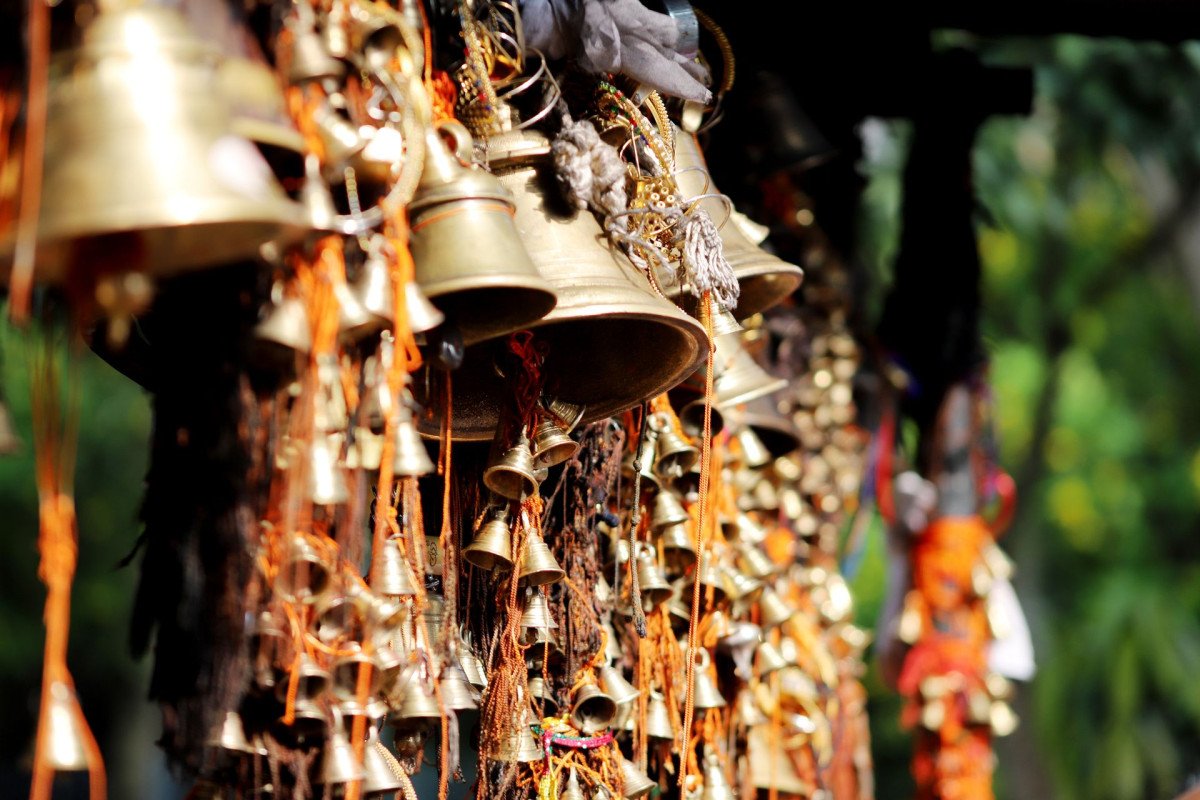
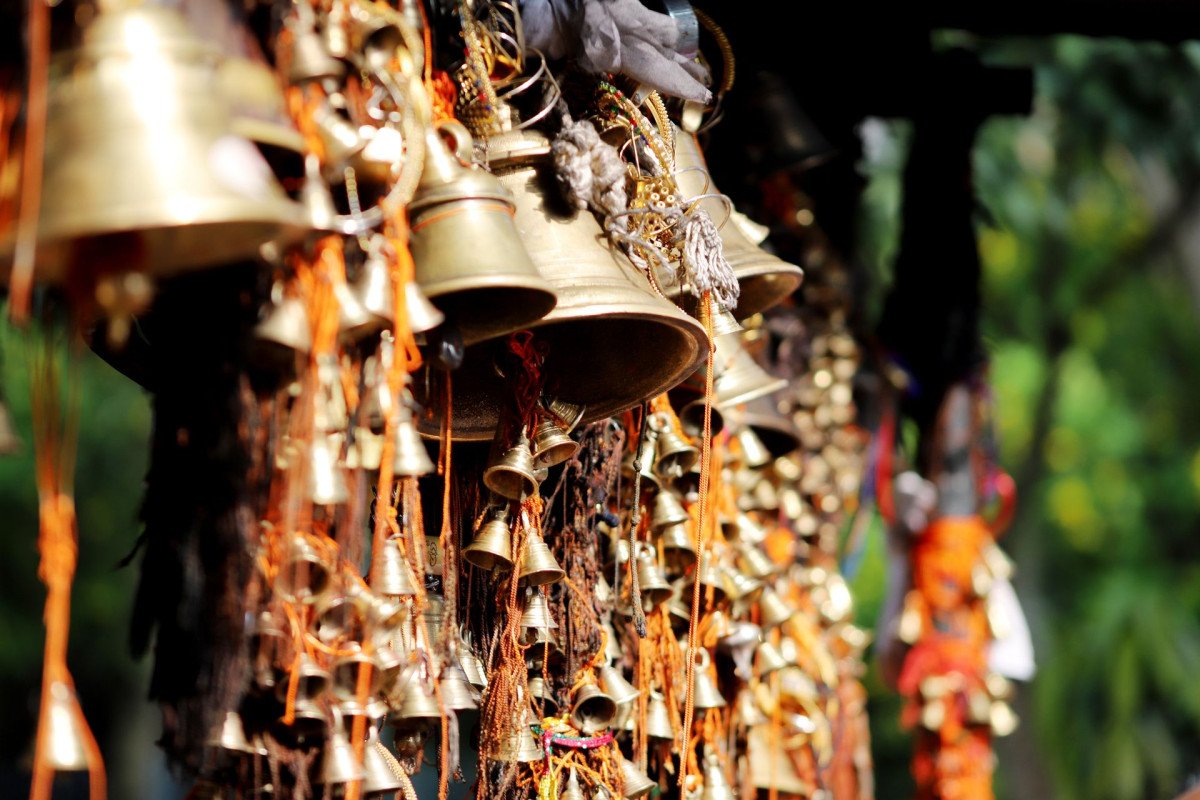
Pisharnath Temple
General information
-
Ideal Duration:
1. 5 to 2 hoursPlace Type:
Spiritual and Historical SiteEntry Fees:
Matheran Municipal Tax: While the temple itself does not charge an entry fee, every visitor entering the Matheran hill station boundary at Dasturi Naka must pay a compulsory Municipal Tourist Tax. This fee is approximately Rs.50 per adult and Rs.25 per child (subject to revisio...Matheran Municipal Tax: While the temple itself does not charge an entry fee, every visitor entering the Matheran hill station boundary at Dasturi Naka must pay a compulsory Municipal Tourist Tax. This fee is approximately Rs.50 per adult and Rs.25 per child (subject to revision). This mandatory tax is crucial for the maintenance of the environment, trails, and general infrastructure of this Eco-Sensitive Zone.
Other Associated Costs: There are no specific tickets for the temple, but visitors might incur costs for religious offerings (Pooja materials) that can be purchased from small stalls outside. The cost for these offerings, such as flowers and coconut, is nominal, generally ranging from Rs.20 to Rs.100. The total visit is economically accessible for all.
The Horse and Hand-Pulled Rickshaw Fees: Although the temple is a walking distance, some tourists prefer to hire horses or hand-pulled rickshaws. The cost for this local transport to and from the temple will vary based on negotiation and starting point, typically ranging from Rs.300 to Rs.700 for a return trip, which must be factored in as part of the overall entry cost to the location for non-walkers.Timing:
Regular Timings: The temple is generally open for devotees from 6:00 AM to 12:00 PM (noon) and again from 4:00 PM to 9:00 PM (sometimes until sunset). This split timing is common for Hindu temples, allowing for midday closure. It is best to confirm the evening closing time...Regular Timings: The temple is generally open for devotees from 6:00 AM to 12:00 PM (noon) and again from 4:00 PM to 9:00 PM (sometimes until sunset). This split timing is common for Hindu temples, allowing for midday closure. It is best to confirm the evening closing time locally, especially during non-festival days, as it can sometimes be as early as 6:00 PM in the winter season, as the surrounding area is deep forest.
Ideal Visit Time: The Ideal Visit Time is during the very early morning, between 6:00 AM and 8:00 AM, for the morning Aarti and for experiencing the ultimate peace and quiet before the main tourist crowd arrives. Another excellent time is the late afternoon, between 4:30 PM and 6:00 PM, as the sun begins to set, casting beautiful light on the lake and the temple complex, which creates a highly spiritual and tranquil ambiance.Special Events:
Maha Shivaratri Celebration: The temple's most significant and grandest annual event is Maha Shivaratri, the Great Night of Lord Shiva. On this day, the entire temple and surrounding area are illuminated, and special, elaborate rituals are conducted throughout the night. D...Maha Shivaratri Celebration: The temple's most significant and grandest annual event is Maha Shivaratri, the Great Night of Lord Shiva. On this day, the entire temple and surrounding area are illuminated, and special, elaborate rituals are conducted throughout the night. Devotees from Matheran and the surrounding plains visit in large numbers for fasting, offering prayers, and participating in continuous chanting (Bhajans and Kirtans). The atmosphere is highly charged with spiritual energy, transforming the quiet temple into a lively center of devotion.
Local Pooja Ceremonies: During the Monsoon season, the temple sees special local Pooja and community events related to the replenishment of Charlotte Lake. The local population performs ceremonies to express gratitude to the deity for the water supply, often involving local music and traditional dance forms. These events are small, intimate, and offer a truly authentic glimpse into Matheran's cultural life, held with deep respect for the village deity.Best Photo Spots:
Charlotte Lake Reflection View: The single best photo spot is across Charlotte Lake (when full), capturing the entire small temple structure reflected perfectly in the still water. The golden hour just before sunset or right after sunrise provides the best light and colors....Charlotte Lake Reflection View: The single best photo spot is across Charlotte Lake (when full), capturing the entire small temple structure reflected perfectly in the still water. The golden hour just before sunset or right after sunrise provides the best light and colors. The reflection adds a layer of depth and symmetry to the photograph.
Close-up of the Swayambhu Linga: The unique, tilted, Sindoor-covered Swayambhu Linga is an excellent subject for an intimate, devotional photograph. Due to the small size of the sanctum and the importance of respecting temple protocol, this requires a quiet, respectful approach. The contrasting colors of the vermillion (Sindoor) and the black stone create a dramatic composition.
The Forest Pathway to the Temple: The scenic, secluded pathway leading to the temple from the main road is a wonderful spot for environmental portraits and landscape shots. The dense tree canopy creates a natural frame and dramatic shadows. Capturing the sense of walking into a peaceful, ancient place, often with a horse or a local in the frame, conveys the true essence of Matheran's forest trails.Photo Gallery
Things To Do
-
Participate in a Traditional Aarti: Pisharnath Temple, as the village deity's shrine, offers authentic and simple Aarti ceremonies, usually held at dawn and dusk. Participating in the evening or morning Aarti is a deeply immersive spiritual experience. The chanting and rituals are conducted in a traditional, unhurried manner, allowing visitors to feel the ancient, devotional pulse of the place. This involves standing in the simple Mandapa and offering prayers to the Swayambhu Linga.
Meditate by Charlotte Lake: After visiting the temple, spend time sitting on the banks of Charlotte Lake. The cool breeze and the sound of the surrounding forest create a perfect natural setting for meditation and quiet reflection. You can find secluded rocks or natural benches under the large trees to practice mindfulness. This activity takes a...Participate in a Traditional Aarti: Pisharnath Temple, as the village deity's shrine, offers authentic and simple Aarti ceremonies, usually held at dawn and dusk. Participating in the evening or morning Aarti is a deeply immersive spiritual experience. The chanting and rituals are conducted in a traditional, unhurried manner, allowing visitors to feel the ancient, devotional pulse of the place. This involves standing in the simple Mandapa and offering prayers to the Swayambhu Linga.
Meditate by Charlotte Lake: After visiting the temple, spend time sitting on the banks of Charlotte Lake. The cool breeze and the sound of the surrounding forest create a perfect natural setting for meditation and quiet reflection. You can find secluded rocks or natural benches under the large trees to practice mindfulness. This activity takes advantage of the site’s unparalleled tranquility, which is its biggest asset.
Trekking the Forest Paths: Utilize the numerous paths that branch out from the temple area into the thick, vehicle-free forest of Matheran. You can undertake a gentle trek toward the nearby Louisa Point or explore the less-traveled paths leading towards the local villages. This is a great opportunity for a nature walk, breathing the clean, unpolluted air. Remember to stick to well-known paths or hire a local guide.
Photography of the Temple and Lake: The picturesque setting is a photographer's dream. Capture the reflection of the temple and the surrounding forest in Charlotte Lake, especially during the golden hours of sunrise or sunset. Focus on the simple wooden architecture and the serene, mystical atmosphere created by the lake's misty surface.
Connecting with Local Culture: Engage in a brief conversation with the temple priest or local vendors. They often share folklore and historical anecdotes about the temple and the Swayambhu Linga that are not available in guidebooks. This human interaction provides valuable insight into the local culture and faith.
Enjoy a Picnic Lunch: Pack a small, humble picnic and find a spot near the lake (while strictly adhering to "leave no trace" principles). The peaceful environment makes for a wonderful, low-key meal in nature, far from the hustle of the market. Ensure all waste is carried back.
Wildlife Spotting and Nature Study: Keep an eye out for the diverse flora and fauna of the Western Ghats. The dense foliage is home to various bird species, butterflies, and the famous Malabar Giant Squirrel. It's an excellent place for quiet nature study and observing the unique biodiversity of the Eco-Sensitive Zone.
Information
-
Why Famous:
The Ancient Swayambhu Linga: The temple's primary claim to fame is its antiquity and the Swayambhu (self-manifested) Shiva Linga. This natural rock formation, which is uniquely tilted and covered in Sindoor, is believed to have appeared on its own, making the spot extremely...The Ancient Swayambhu Linga: The temple's primary claim to fame is its antiquity and the Swayambhu (self-manifested) Shiva Linga. This natural rock formation, which is uniquely tilted and covered in Sindoor, is believed to have appeared on its own, making the spot extremely pious and unique among Shiva temples. The absence of a man-made idol enhances its spiritual power.
The Gram Devata Status: Pisharnath Mahadev is revered as the Gram Devata (village deity) of Matheran. This designation means the deity is the protector and patron of the local community, making the temple a central point of faith and cultural identity for the original settlers and current residents. The temple’s connection to the lake, which is Matheran’s primary water source, further links the deity to the sustenance and well-being of the region.
Secluded Lakeside Serenity: The temple's beautiful location on the bank of Charlotte Lake distinguishes it from other viewpoints in Matheran. It provides a rare combination of spiritual devotion and natural tranquility. The secluded setting, surrounded by thick, quiet forests, draws visitors seeking peace and reflection away from the more crowded tourist spots, offering an escape into a truly meditative environment. This natural backdrop is why it is famous among solitude seekers. -
Architecture:
Traditional Temple Structure: The architecture of Pisharnath Temple is a testament to the simple, devotional building styles prevalent in rural Maharashtra, deliberately eschewing the ornate, complex carvings found in grander Hindu temples. The entire structure is modest, r...Traditional Temple Structure: The architecture of Pisharnath Temple is a testament to the simple, devotional building styles prevalent in rural Maharashtra, deliberately eschewing the ornate, complex carvings found in grander Hindu temples. The entire structure is modest, resembling a large, traditional village home more than a typical grand temple. It is primarily built from local materials like wood and brick.
Building Dimensions and Layout: The temple is relatively small in its footprint, reflecting its status as an ancient, local shrine rather than a major pilgrimage center. Exact dimensions are not officially publicized, but the structure consists of a single sanctum housing the Swayambhu Linga and a small assembly hall (Mandapa). The overall length is estimated to be around 15 feet to 20 feet, with a similar width. The structure features a unique two-layer roof, with the upper layer forming a rudimentary tower or spire (Shikhara), which is simple and covered with a tin sheet, painted a distinctive red. The walls are fitted with simple, long windows, and the main entry is secured by a massive, thick wooden door, emphasizing its secluded nature and age. The simplicity ensures focus remains on the deity and the natural setting.
Material and Aesthetic: The use of basic materials like brick and a tin roof signifies functional and climate-appropriate construction. The aesthetic is one of rustic, enduring faith. The Shiva Linga itself is a natural rock formation, an 'L' shaped monolith, which is the true focus, making the temple’s architectural importance secondary to its geological and spiritual significance. The entire design is harmonious with the dense forest environment, designed for durability and devotion rather than spectacle. -
How To Reach:
By Air: The nearest major airport is Chhatrapati Shivaji Maharaj International Airport (BOM) in Mumbai, approximately 100 KMS away. From the airport, one must take a taxi or train to Neral and then proceed to Matheran as described below.
By Tra...By Air: The nearest major airport is Chhatrapati Shivaji Maharaj International Airport (BOM) in Mumbai, approximately 100 KMS away. From the airport, one must take a taxi or train to Neral and then proceed to Matheran as described below.
By Train: The nearest railhead is Neral Railway Station, which is a major junction connected to Mumbai (CSMT) and Pune.
From Neral, one has two options: 1. Take the scenic Matheran Light Railway (Toy Train) up to Matheran Railway Station (a 2-hour journey, operating subject to track conditions). 2. Take a shared or private taxi from Neral to Dasturi Naka (Matheran's vehicle parking point, approximately 8 KMS).
By Road: Matheran is well-connected by road to Mumbai (approx. 90 KMS) and Pune (approx. 120 KMS). Visitors drive or take a bus to Dasturi Naka. No private vehicles are allowed past Dasturi Naka into Matheran. From Dasturi Naka, the remaining journey to the temple involves either walking (approx. 3 KMS to the main market, then 2. 5 KMS to the temple), hiring a local horse, or using a hand-pulled rickshaw.
By Local Transport: Once inside Matheran (past Dasturi Naka), the only modes of transport are walking, hiring a horse, or a hand-pulled rickshaw. The temple is about 2. 5 KMS from the central market, and the pathway is beautiful for a leisurely walk through the woods. The local transport system is a unique part of the Matheran experience, preserving its pollution-free environment. -
Weather and Best Time to Visit:
Different Types of Seasons: Winter (November to February) is the Best Time to Visit. The weather is cool and pleasant, with temperatures ranging from 10°C to 25°C, making walks and treks comfortable. Monsoon (June to September) transforms the area into a lush, misty para...Different Types of Seasons: Winter (November to February) is the Best Time to Visit. The weather is cool and pleasant, with temperatures ranging from 10°C to 25°C, making walks and treks comfortable. Monsoon (June to September) transforms the area into a lush, misty paradise with numerous small waterfalls, offering a romantic and refreshing experience, though some trails can be slippery. Summer (March to May) is hot, but still cooler than the plains, with temperatures up to 35°C, and is the least recommended time for a peaceful visit.
Different Parts of the Day: The Ideal Time is the Early Morning (6:00 AM - 8:00 AM). The air is freshest, the forest is quiet, and the chances of seeing local wildlife and the misty view over the lake are highest. Late afternoon (4:00 PM - 6:00 PM) is the second-best, offering beautiful soft light and a tranquil atmosphere just before the temple closes for the night. Midday is generally hotter and busier. -
Near Tourist Places:
Louisa Point (2. 5 KMS), Charlotte Lake (0. 1 KMS), Echo Point (3. 5 KMS), Panorama Point (6 KMS), One Tree Hill Point (3. 5 KMS), Porcupine Point/Sunset Point (4 KMS), Rambagh Point (3 KMS), Shivaji’s Ladder (3. 5 KMS), Paymaster Park (2 KMS), Lord Point (4 KMS)
Tourism Tips
-
Health & Safety: Since Matheran is a no-vehicle zone, walking shoes are essential. Carry a basic first aid kit for minor cuts or blisters from trekking. Beware of the monkeys near the lake and do not feed them or carry food openly. The pathway to the temple, being a fores...Health & Safety: Since Matheran is a no-vehicle zone, walking shoes are essential. Carry a basic first aid kit for minor cuts or blisters from trekking. Beware of the monkeys near the lake and do not feed them or carry food openly. The pathway to the temple, being a forest trail, can be slippery, especially in Monsoon, so walk carefully.
Packing: Pack light, comfortable clothing suitable for walking. A light jacket is recommended for evenings in Winter. Carry an umbrella or raincoat during the Monsoon. Essential items include a reusable water bottle, insect repellent, a flashlight (if planning to stay late), and a camera. Do not forget the Matheran entry ticket for proof of payment.
Accommodation: Book accommodation, whether a resort or a budget hotel, in advance, especially during peak seasons like Diwali, Christmas, and weekends. Staying close to the main market gives easy access to food and facilities, but choosing a resort near Charlotte Lake can offer more peace and seclusion.
Other Different Topics Heading: Respect the Eco-Sensitive Zone by strictly avoiding littering; use dustbins only. Hiring a local guide is recommended if you plan to explore remote trails, like the path to Prabal Fort via Shivaji’s Ladder. Bargain respectfully with local horse and rickshaw operators for fair pricing.
Reviews
FAQs
Matheran Itineray And Cost:-
Pisharnath Temple Tourism:-
Other Places In Matheran :-
Other States In India :-
Information about New and Updated Locations() of Maharashtra Has Been Added :-
Card subtitle
Note:-
Information provided here in good Faith and for reference only.
Near Places

Alexander Point
Some quick example text to build on the card title and make up the bulk of the card's content.
Go somewhere
Beatrice Cliff
Some quick example text to build on the card title and make up the bulk of the card's content.
Go somewhere
Belvedere Point
Some quick example text to build on the card title and make up the bulk of the card's content.
Go somewhere
Bhivpuri Waterfalls
Some quick example text to build on the card title and make up the bulk of the card's content.
Go somewhere
Cecil Point
Some quick example text to build on the card title and make up the bulk of the card's content.
Go somewhere
Charlotte Lake
Some quick example text to build on the card title and make up the bulk of the card's content.
Go somewhere
Chowk Point
Some quick example text to build on the card title and make up the bulk of the card's content.
Go somewhere
Echo Point
Some quick example text to build on the card title and make up the bulk of the card's content.
Go somewhere
Garbett Point
Some quick example text to build on the card title and make up the bulk of the card's content.
Go somewhere
Garbutt Point
Some quick example text to build on the card title and make up the bulk of the card's content.
Go somewhere
Hart Point
Some quick example text to build on the card title and make up the bulk of the card's content.
Go somewhere
Honeymoon Point
Some quick example text to build on the card title and make up the bulk of the card's content.
Go somewhere
Irshalgad Fort
Some quick example text to build on the card title and make up the bulk of the card's content.
Go somewhere
Kala Ghoda Chowk
Some quick example text to build on the card title and make up the bulk of the card's content.
Go somewhere
Khandala Point
Some quick example text to build on the card title and make up the bulk of the card's content.
Go somewhere
King George Point
Some quick example text to build on the card title and make up the bulk of the card's content.
Go somewherein Other Cities