Poonch
General information
-
Ideal Duration:
2 to 3 DaysPlace Type:
Historic / NatureEntry Fees:
General Entry: Most natural spots and the Poonch Fort have Free entry. There are no formal ticketing systems in place for these historic sites.
Donations: At religious sites like Budha Amarnath, people usually make voluntary donations. For...General Entry: Most natural spots and the Poonch Fort have Free entry. There are no formal ticketing systems in place for these historic sites.
Donations: At religious sites like Budha Amarnath, people usually make voluntary donations. For trekking in certain areas, you might need to hire a local guide, which can cost around Rs.500.Timing:
Daytime Visits: It is best to visit the fort and waterfalls between 09:00 AM and 05:00 PM. The Mughal Road is best traveled during daylight for safety.
Ideal Time: Early mornings are perfect for visiting shrines to avoid the crowds. Evenin...Daytime Visits: It is best to visit the fort and waterfalls between 09:00 AM and 05:00 PM. The Mughal Road is best traveled during daylight for safety.
Ideal Time: Early mornings are perfect for visiting shrines to avoid the crowds. Evening is a good time to explore the local markets in the town.Special Events:
Budha Amarnath Yatra: A major annual event where pilgrims from all over India visit the temple in Mandi. The town is filled with religious chants and community service. It is a time of great celebration and spiritual energy.
Urs of various Sai...Budha Amarnath Yatra: A major annual event where pilgrims from all over India visit the temple in Mandi. The town is filled with religious chants and community service. It is a time of great celebration and spiritual energy.
Urs of various Saints: Local shrines celebrate the death anniversaries of Sufi saints with great fervor. These events feature traditional Qawwali and community feasts. It is a beautiful display of the region's spiritual heritage.Best Photo Spots:
Peer Ki Gali Pass: The vast landscape of the pass with the Mughal Road winding through it is a perfect shot. The prayer flags and the saint's shrine add a cultural touch to the photos. Afternoon light is best for capturing the depth of the valleys.
Read MorePeer Ki Gali Pass: The vast landscape of the pass with the Mughal Road winding through it is a perfect shot. The prayer flags and the saint's shrine add a cultural touch to the photos. Afternoon light is best for capturing the depth of the valleys.
Noori Chamb Waterfall: Capture the long-exposure shots of the falling water against the dark rocks. The mist creates a dreamlike effect in the photos. It is best visited during the Monsoon for full flow.
Poonch Fort Gates: The massive arched gateways provide a grand frame for architectural photography. The texture of the old stones and wood is very photogenic.Photo Gallery
Things To Do
-
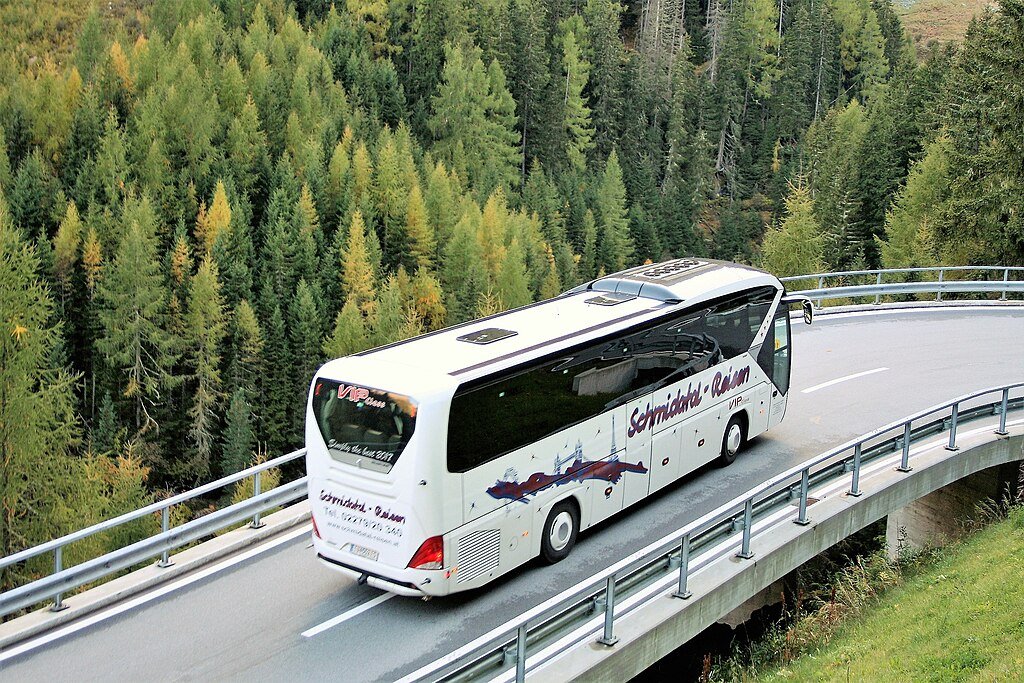
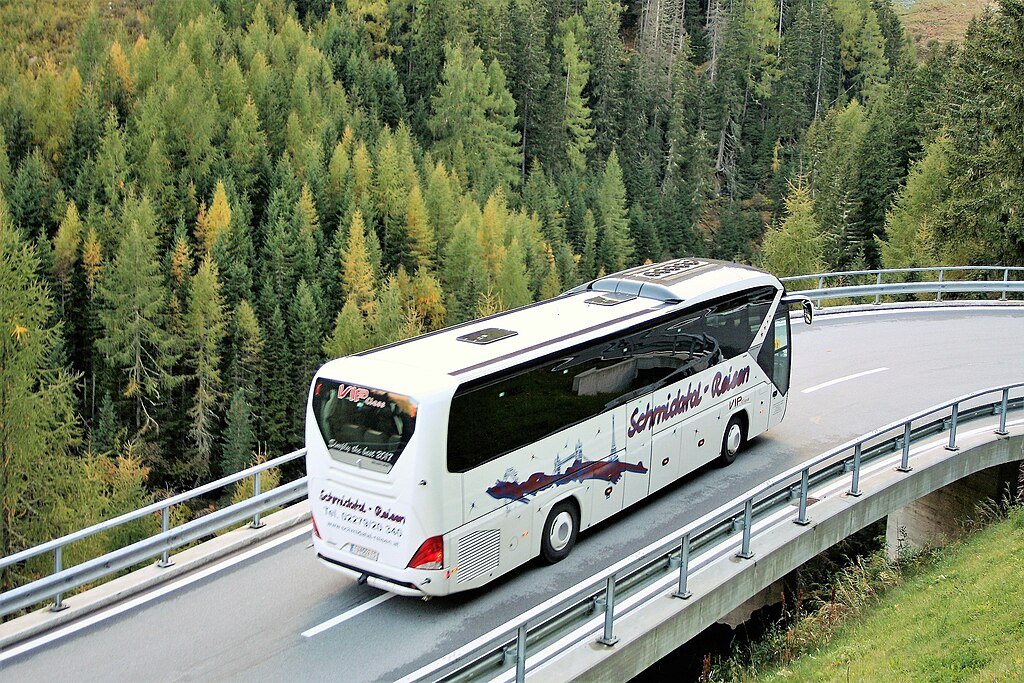
Driving on Mughal Road: Experience the historic route that was once used by Mughal Emperors to travel to Kashmir. The road passes through high altitudes and offers breathtaking vistas of snow-clad peaks. It is a thrilling drive with sharp bends and scenic stops like Peer Ki Gali. The road is usually open from late spring to early autumn.
Visiting Noori Chamb Waterfall: Spend an afternoon at this majestic waterfall named after Queen Noor Jahan. The water cascades down a rocky cliff into a pool below, creating a misty and cool environment. It is a popular spot for photography and family picnics. The surrounding greenery makes it a perfect place to relax.
Exploring Poonch Fort: Walk through the historic corridors of the fort to understand the region's past. The intricate woodwork and massive ...Driving on Mughal Road: Experience the historic route that was once used by Mughal Emperors to travel to Kashmir. The road passes through high altitudes and offers breathtaking vistas of snow-clad peaks. It is a thrilling drive with sharp bends and scenic stops like Peer Ki Gali. The road is usually open from late spring to early autumn.
Visiting Noori Chamb Waterfall: Spend an afternoon at this majestic waterfall named after Queen Noor Jahan. The water cascades down a rocky cliff into a pool below, creating a misty and cool environment. It is a popular spot for photography and family picnics. The surrounding greenery makes it a perfect place to relax.
Exploring Poonch Fort: Walk through the historic corridors of the fort to understand the region's past. The intricate woodwork and massive stone structures are a sight to behold. You can get a panoramic view of the Poonch town from the top of the fort. It is a great place for history buffs and architecture lovers.
Pilgrimage to Budha Amarnath: Visit the ancient temple in Mandi, which is dedicated to Lord Shiva. The temple is unique because the lingam is made of white stone (Chalk). Thousands of devotees visit during the Shravan month. The peaceful surroundings and the religious atmosphere are very uplifting.
Trekking in Surankote: Explore the beautiful Surankote valley on foot. There are several trails that take you through lush forests and high-altitude pastures. You can interact with the local Bakharwal nomads who graze their cattle in these meadows. It is a raw and authentic way to experience the Himalayas.
Fishing in Poonch River: The river is known for its clear water and various fish species. You can enjoy a quiet morning of angling by the riverbanks. It is a relaxing activity that allows you to enjoy the natural beauty of the valley. Make sure to check if any local permits are required.
Shopping for Local Handicrafts: Visit the local markets in Poonch town to buy traditional Pahari and Kashmiri goods. You can find beautiful woolens, hand-woven carpets, and local spices. It is a great way to support the local economy and take home a piece of the region's culture.
Information
-
Why Famous:
Poonch Fort: It is world-famous as a symbol of the region's historical power and strategic importance. The fort's majestic presence overlooking the town makes it a must-visit for history enthusiasts.
Noori Chamb: This waterfall is famous fo...Poonch Fort: It is world-famous as a symbol of the region's historical power and strategic importance. The fort's majestic presence overlooking the town makes it a must-visit for history enthusiasts.
Noori Chamb: This waterfall is famous for its association with the Mughal Queen Noor Jahan. Legend says she used to bathe here during her travels to Kashmir. It is a major spot for picnics and nature photography. -
Architecture:
Fort Architecture: The Poonch Fort is a grand structure showcasing a mix of Mughal and Dogra styles. It features massive stone walls, intricate wooden balconies, and arched gateways. The fort was built over several centuries, with each ruler adding their own architectural ...Fort Architecture: The Poonch Fort is a grand structure showcasing a mix of Mughal and Dogra styles. It features massive stone walls, intricate wooden balconies, and arched gateways. The fort was built over several centuries, with each ruler adding their own architectural elements.
Dimensions: The fort covers a vast area with walls reaching up to 20 feet in height.
Traditional Dwellings: Most rural houses in Poonch are built with stones and mud, featuring flat roofs made of timber and earth. These houses are designed to be cool in summer and warm in winter. In the town, older buildings show typical hill architecture with sloping roofs. The use of local materials is a hallmark of the region's sustainable building practices. -
How To Reach:
By Air: The nearest airport is Jammu Airport, about 240 KMS away. From there, you can take a private taxi or a state bus. The journey takes about 7 to 8 Hours through winding mountain roads.
By Train: Jammu Tawi is the closest major railwa...By Air: The nearest airport is Jammu Airport, about 240 KMS away. From there, you can take a private taxi or a state bus. The journey takes about 7 to 8 Hours through winding mountain roads.
By Train: Jammu Tawi is the closest major railway station. You can take a train from any part of India to Jammu and then proceed by road. The road journey is long but very scenic.
By Road: Poonch is connected to Jammu via the Rajouri route and to Srinagar via the Mughal Road. The Mughal Road is a more scenic but seasonal route. Regular buses and shared taxis ply on these routes.
By Local Transport: Within the district, shared cabs (Sumos) are the most common way to travel between towns. For visiting remote valleys, you may need to hire a full taxi. Walking is common in the smaller villages. -
Weather and Best Time to Visit:
Summer (April to June): The best time to visit the valleys and the Mughal Road. The weather is pleasant and all routes are open. The greenery is at its peak, making it ideal for nature lovers.
Autumn (September to October): A great time fo...Summer (April to June): The best time to visit the valleys and the Mughal Road. The weather is pleasant and all routes are open. The greenery is at its peak, making it ideal for nature lovers.
Autumn (September to October): A great time for clear views and pleasant drives. The harvest season brings a lot of activity to the orchards. The temperature starts to dip, making the air crisp.
Winter (November to February): The higher reaches receive heavy snow, and the Mughal Road often closes. It is suitable for those who want to see the snow-covered side of the district, but travel can be difficult. -
Near Tourist Places:
Noori Chamb (45 KMS), Mandi (20 KMS), Peer Ki Gali (60 KMS), Surankote (25 KMS), Loran (35 KMS), Rajouri (90 KMS), Shopian (110 KMS), Nandishool (30 KMS), Tatapani (70 KMS), Buffliaz (35 KMS).
Tourism Tips
-
Health and Safety: The mountain roads can be challenging, so travel with an experienced driver. Always carry a basic medical kit and stay hydrated. Since it's a border area, keep your ID cards with you at all times.
Packing Essentials: Car...Health and Safety: The mountain roads can be challenging, so travel with an experienced driver. Always carry a basic medical kit and stay hydrated. Since it's a border area, keep your ID cards with you at all times.
Packing Essentials: Carry light woolens for summer nights and heavy ones for winter. Sturdy shoes are necessary for trekking and walking on rocky terrains. A raincoat or umbrella is useful as mountain weather can be unpredictable.
Accommodation: There are government guest houses and budget hotels in Poonch and Surankote. Booking in advance is recommended during the Amarnath Yatra season. Homestays are also becoming popular in the rural areas.
Cultural Sensitivity: Respect the local traditions and dress modestly when visiting religious sites. Interact with the locals politely; they are very helpful and knowledgeable about the area. Avoid traveling late at night in remote border areas.
Reviews
FAQs
Poonch Itineray And Cost:-
Other Places In Jammu and Kashmir :-
Other States In India :-
Information about New and Updated Locations() of Jammu and Kashmir Has Been Added :-
Card subtitle
Note:-
Information provided here in good Faith and for reference only.
Near Places

Aharbal
Some quick example text to build on the card title and make up the bulk of the card's content.
Go somewhere
Anantnag
Some quick example text to build on the card title and make up the bulk of the card's content.
Go somewhere
Bhaderwah
Some quick example text to build on the card title and make up the bulk of the card's content.
Go somewhere
Doda
Some quick example text to build on the card title and make up the bulk of the card's content.
Go somewhere
Dras
Some quick example text to build on the card title and make up the bulk of the card's content.
Go somewhere
Ganderbal
Some quick example text to build on the card title and make up the bulk of the card's content.
Go somewhere
Gulmarg
Some quick example text to build on the card title and make up the bulk of the card's content.
Go somewhere
Jammu
Some quick example text to build on the card title and make up the bulk of the card's content.
Go somewhere
Katra
Some quick example text to build on the card title and make up the bulk of the card's content.
Go somewhere
Kishtwar
Some quick example text to build on the card title and make up the bulk of the card's content.
Go somewhere
Kupwara
Some quick example text to build on the card title and make up the bulk of the card's content.
Go somewhere
Pahalgam
Some quick example text to build on the card title and make up the bulk of the card's content.
Go somewhere
Patnitop
Some quick example text to build on the card title and make up the bulk of the card's content.
Go somewhere
Poonch
Some quick example text to build on the card title and make up the bulk of the card's content.
Go somewhere
Pulwama
Some quick example text to build on the card title and make up the bulk of the card's content.
Go somewhere
Rajouri
Some quick example text to build on the card title and make up the bulk of the card's content.
Go somewherein Other Cities