

Ramgarh Hill & Sita-Bengra Caves
General information
-
Ideal Duration:
3-4 Hours:Place Type:
Archaeological: Ancient Rock-Cut Caves and TheEntry Fees:
Nominal Entry Fee: There is a small, mandatory entry fee (often nominal, e. g. , Rs.10-Rs.20) charged by the Archaeological Survey of India (ASI), as it is a protected monument. This fee is used for the site’s maintenance and preservation.
Camera...Nominal Entry Fee: There is a small, mandatory entry fee (often nominal, e. g. , Rs.10-Rs.20) charged by the Archaeological Survey of India (ASI), as it is a protected monument. This fee is used for the site’s maintenance and preservation.
Camera Fees: Sometimes, there is a separate, minor fee for carrying a still camera, and a higher fee for a video camera, although this policy can vary and should be checked upon arrival.
Parking and Guide Fees: A small fee may be charged for vehicle parking at the base of the hill. Hiring a local, authorized guide to explain the complex history, inscriptions, and frescoes is highly recommended and would incur a separate, negotiable fee.
Accessibility for Tourists: The low cost ensures that this important historical landmark remains accessible to the common public, promoting cultural heritage and tourism for all income levels.Timing:
Regular Timings: Generally open from 8:00 AM to 5:00 PM daily. Since it is a protected monument, access is restricted outside of these daylight hours.
Ideal Visit Time: Early morning (8:00 AM to 11:00 AM) is the best time to visit to avoid ...Regular Timings: Generally open from 8:00 AM to 5:00 PM daily. Since it is a protected monument, access is restricted outside of these daylight hours.
Ideal Visit Time: Early morning (8:00 AM to 11:00 AM) is the best time to visit to avoid the midday heat and the usual afternoon tourist rush. This allows for a comfortable exploration of the caves and the climb up the hill.
Lunch Break Consideration: Plan the visit to conclude before the afternoon, as there are limited quality food options on the hill, and the heat can become intense.
Best Part of the Day: Morning is highly preferred. The site is in a forested area, and the morning light is excellent for photography and walking the rugged trails.Special Events:
Ram Navami Celebration: Given the strong association with Lord Rama, the festival of Ram Navami (typically in March-April) is a significant time at the hill, involving special prayers at the Ram Janaki Temple and gatherings of devotees.
Basant P...Ram Navami Celebration: Given the strong association with Lord Rama, the festival of Ram Navami (typically in March-April) is a significant time at the hill, involving special prayers at the Ram Janaki Temple and gatherings of devotees.
Basant Panchami (Madonatsava): The inscription in the Sita-Bengra Cave is sometimes interpreted as referring to a spring festival or Madonatsava (festival of Kamadeva), making Basant Panchami (the arrival of spring) a historically and culturally relevant day for special observances and local celebrations.
Local Fairs on Major Holidays: Small regional fairs or cultural events are occasionally organized near the base of the hill on major state holidays to celebrate the area's rich heritage and mythological ties.Best Photo Spots:
The Crescent-Shaped Seating of Sita-Bengra: A wide-angle shot from inside the cave, or slightly above, capturing the unique rock-cut seating arrangement that defines its status as the world’s oldest theatre structure.
Jogimara Inscription and ...The Crescent-Shaped Seating of Sita-Bengra: A wide-angle shot from inside the cave, or slightly above, capturing the unique rock-cut seating arrangement that defines its status as the world’s oldest theatre structure.
Jogimara Inscription and Frescoes: Carefully taken close-up shots of the faint Brahmi script and the outline of the colored frescoes (flash photography is usually prohibited/discouraged for preservation).
The Exit/Entrance of the Hathipol Tunnel: A dramatic photo capturing the darkness of the tunnel contrasted with the light streaming in from the exit, providing a sense of mystery and adventure.
Panoramic View from Ramgarh Hill: The high elevation provides a scenic viewpoint of the surrounding Baghelkhand plains and forests, excellent for landscape shots, especially during the monsoon season.
The Ram Janaki Temple Shrine: Capturing the simple, devotional atmosphere of the shrine that connects the ancient caves to the living faith of today.Photo Gallery
Things To Do
-
Exploring the Sita-Bengra Cave Theatre: Stand on the ancient stage and imagine dramatic performances taking place over 2,300 years ago. Take time to study the rock-cut seats and the overall layout.
Deciphering the Jogimara Cave Frescoes: Spend time examining the faint but historically invaluable wall paintings of humans, animals, and flowers in the Jogimara Cave, and reflect on the ancient artistry and the 'love message' inscription.
Trekking through Hathipol: Walk the length of the natural tunnel/cave, enjoying the cool, unique atmosphere of this geological feature. Ensure you have a small flashlight.
Photography of Rock Formations: Capture the unique geology of the Ramgarh Hill, the natural depressions, and the cave entrances, focusing on the texture of the a...Exploring the Sita-Bengra Cave Theatre: Stand on the ancient stage and imagine dramatic performances taking place over 2,300 years ago. Take time to study the rock-cut seats and the overall layout.
Deciphering the Jogimara Cave Frescoes: Spend time examining the faint but historically invaluable wall paintings of humans, animals, and flowers in the Jogimara Cave, and reflect on the ancient artistry and the 'love message' inscription.
Trekking through Hathipol: Walk the length of the natural tunnel/cave, enjoying the cool, unique atmosphere of this geological feature. Ensure you have a small flashlight.
Photography of Rock Formations: Capture the unique geology of the Ramgarh Hill, the natural depressions, and the cave entrances, focusing on the texture of the ancient sandstone.
Visiting the Nearby Ram Janaki Temple: Pay a visit to the modern temple and the surrounding older ruins to connect the ancient history with the living tradition of the Ramayana legend.
Contemplation in the Natural Setting: Sit in the cool, quiet environment of the hill, especially in a secluded cave, for quiet contemplation, as Kalidasa is said to have done.
Guided Historical Tour: Hire an official guide (if available locally) to provide detailed historical context on the Brahmi inscriptions and the significance of the cave structure, enriching the visit.
Information
-
Why Famous:
World's Oldest Theatre: The Sita-Bengra Cave is globally renowned as the oldest documented theater on the Indian subcontinent, and possibly the world, providing invaluable insight into ancient Indian performance arts and urban planning. This unique claim is its primary fame...World's Oldest Theatre: The Sita-Bengra Cave is globally renowned as the oldest documented theater on the Indian subcontinent, and possibly the world, providing invaluable insight into ancient Indian performance arts and urban planning. This unique claim is its primary fame.
Ancient Love Message: The Jogimara Cave is celebrated for an inscription translated by some as the world's earliest known love message, a romantic narrative between a dancer (Sutnuka) and an artist (Devadutta), which captures the imagination of visitors.
Ramayana Connection: The strong local tradition and belief that Lord Rama and Sita took refuge here during their exile significantly contributes to its fame, drawing religious pilgrims and cultural tourists. The entire hill is thus a pilgrimage site.
Kalidasa's Retreat: The legend that the great classical Sanskrit poet Kalidasa composed his work, Meghaduta, while residing on Ramgarh Hill elevates its status as a historical and literary landmark. -
Architecture:
Architectural Style and Period: The architecture is primarily ancient Rock-Cut Architecture from the Mauryan and post-Mauryan periods (3rd-2nd Century BCE). The caves were created by modifying natural rock shelters in the sandstone outcrops.
Th...Architectural Style and Period: The architecture is primarily ancient Rock-Cut Architecture from the Mauryan and post-Mauryan periods (3rd-2nd Century BCE). The caves were created by modifying natural rock shelters in the sandstone outcrops.
The Sita-Bengra Cave (Theatre): This cave is the most remarkable. It is oblong, approximately 14 meters long, 4. 2 meters wide, and 2 meters high at the entrance. Its architectural uniqueness lies in the rock-cut benches arranged in a crescent shape in front of a flat, stage-like area inside, suggesting its use as an ancient open-air theater or assembly hall. The inscriptions found inside are in the Brahmi script and Prakrit language (Magadhi).
The Jogimara Cave (Art & Inscription): Smaller than Sita-Bengra, this cave is famed for its primitive frescoes and the non-religious inscription. The cave's interior is coated with white plaster and features paintings of animals, humans, birds, and flowers, believed to be some of the oldest surviving frescoes in Asia.
The Hathipol Tunnel: A significant natural feature of the site is the Hathipol (Elephant's Gate/Tunnel), a long, narrow natural tunnel that historically provided the main access to the caves, adding a dramatic flair to the visit. -
How To Reach:
By Air: Nearest airport is Swami Vivekananda Airport (RPR) in Raipur (approx. 320 KMs). Hire a taxi to Ambikapur, and then proceed to Ramgarh Hill.
By Train: The closest major railway station is Ambikapur Railway Station (ABKP), approx. 4...By Air: Nearest airport is Swami Vivekananda Airport (RPR) in Raipur (approx. 320 KMs). Hire a taxi to Ambikapur, and then proceed to Ramgarh Hill.
By Train: The closest major railway station is Ambikapur Railway Station (ABKP), approx. 45 KMs away. Hire a private taxi or a shared jeep/cab from the station, which is the most convenient method for this distance.
By Road: Ramgarh Hill is located on the Ambikapur-Bilaspur Road, accessible via NH 130. Regular state and private buses running between Ambikapur and Bilaspur can drop you at the Ramgarh stop, from where you would need to hire a local auto or walk.
By Local Transport: Hiring a dedicated private car/taxi for a round trip from Ambikapur is the best option for comfort and time management. Local auto-rickshaws can be hired but may not be comfortable for the long-distance journey. -
Weather and Best Time to Visit:
Different Seasons: Winter (October to March) is the Best Time to Visit. The mild weather is perfect for the climb, walking through the tunnel, and exploring the cave interiors comfortably. Monsoon (July to September) brings lush greenery to the hills but can make the stone...Different Seasons: Winter (October to March) is the Best Time to Visit. The mild weather is perfect for the climb, walking through the tunnel, and exploring the cave interiors comfortably. Monsoon (July to September) brings lush greenery to the hills but can make the stone paths slippery and access via the rough road difficult. Summer (April to June) is best avoided due to extreme heat, which can make the physical climb up the hill and the non-air-conditioned environment of the caves unbearable.
Different Parts of the Day: Morning (8:00 AM - 12:00 PM) is the ideal time to visit, ensuring you complete the exploration before the sun's peak heat. -
Near Tourist Places:
1. Thinthini Patthar (approx. 5 KMs) 2. Sedam Waterfall (Ram Waterfall) (approx. 15 KMs) 3. Jogimara Caves (Part of the complex) 4. Laxmangarh (approx. 10 KMs) 5. Maheshpur Archaeological Site (approx. 15 KMs) 6. Ghunghutta Dam (approx. 20 KMs) 7. Mahamaya Temple (Ambikapur, approx. 45 KMs) 8. Mainpat Tourist Spots (approx. 85 KMs) 9. Kailash Cave (approx. 100 KMs) 10. Tattapani Hot Spring (approx.
120 KMs):
Tourism Tips
-
Health & Safety: The rock steps and paths can be slippery; wear good walking shoes with grip. Carry a flashlight for the Hathipol tunnel. Be aware of the presence of monkeys in the area. Always follow the guidelines of the ASI regarding the preservation of the caves and ...Health & Safety: The rock steps and paths can be slippery; wear good walking shoes with grip. Carry a flashlight for the Hathipol tunnel. Be aware of the presence of monkeys in the area. Always follow the guidelines of the ASI regarding the preservation of the caves and art.
Packing: Carry enough drinking water, as facilities are minimal. Light snacks are fine, but littering is strictly prohibited. Wear light, breathable clothing suitable for walking/climbing.
Accommodation: No suitable accommodation is available on the hill. Stay in the main city of Ambikapur or consider a resort near Mainpat if you are extending your stay in the region.
Other Different Topics:
Preservation: Do not touch the cave walls, paintings, or inscriptions to prevent damage.
Guides: Hire an official guide for historical details; avoid unauthorized individuals offering to guide you.
Footwear: You will need to remove footwear for the temple, but not for the caves themselves.
Reviews
FAQs
Ambikapur Itineray And Cost:-
Ramgarh Hill & Sita-Bengra Caves Tourism:-
Other Places In Ambikapur :-
Other States In India :-
Information about New and Updated Locations() of Chhattisgarh Has Been Added :-
Card subtitle
Note:-
Information provided here in good Faith and for reference only.
Near Places

Deogarh
Some quick example text to build on the card title and make up the bulk of the card's content.
Go somewhere
Ghunghutta Dam
Some quick example text to build on the card title and make up the bulk of the card's content.
Go somewhere
Jail Talab
Some quick example text to build on the card title and make up the bulk of the card's content.
Go somewhere
Jalpari Waterfall
Some quick example text to build on the card title and make up the bulk of the card's content.
Go somewhere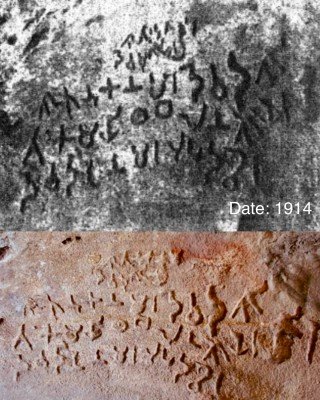
Jogimara Caves
Some quick example text to build on the card title and make up the bulk of the card's content.
Go somewhere
Kailash Caves
Some quick example text to build on the card title and make up the bulk of the card's content.
Go somewhere
Khokhaniya Picnic Spot
Some quick example text to build on the card title and make up the bulk of the card's content.
Go somewhere
Lafri
Some quick example text to build on the card title and make up the bulk of the card's content.
Go somewhere
Laxmangarh
Some quick example text to build on the card title and make up the bulk of the card's content.
Go somewhere
Luchki Ghat Sona View Point
Some quick example text to build on the card title and make up the bulk of the card's content.
Go somewhere
Mahamaya Temple
Some quick example text to build on the card title and make up the bulk of the card's content.
Go somewhere
Mauryan Point
Some quick example text to build on the card title and make up the bulk of the card's content.
Go somewhere
Rakasganda Waterfall
Some quick example text to build on the card title and make up the bulk of the card's content.
Go somewhere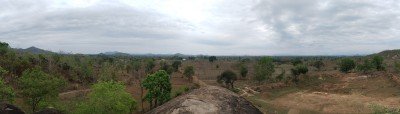
Ramgarh Hill
Some quick example text to build on the card title and make up the bulk of the card's content.
Go somewhere
Ramgarh Hill & Sita-Bengra Caves
Some quick example text to build on the card title and make up the bulk of the card's content.
Go somewhere
Sedam Waterfall
Some quick example text to build on the card title and make up the bulk of the card's content.
Go somewherein Other Cities