


Renuka Wildlife Sanctuary
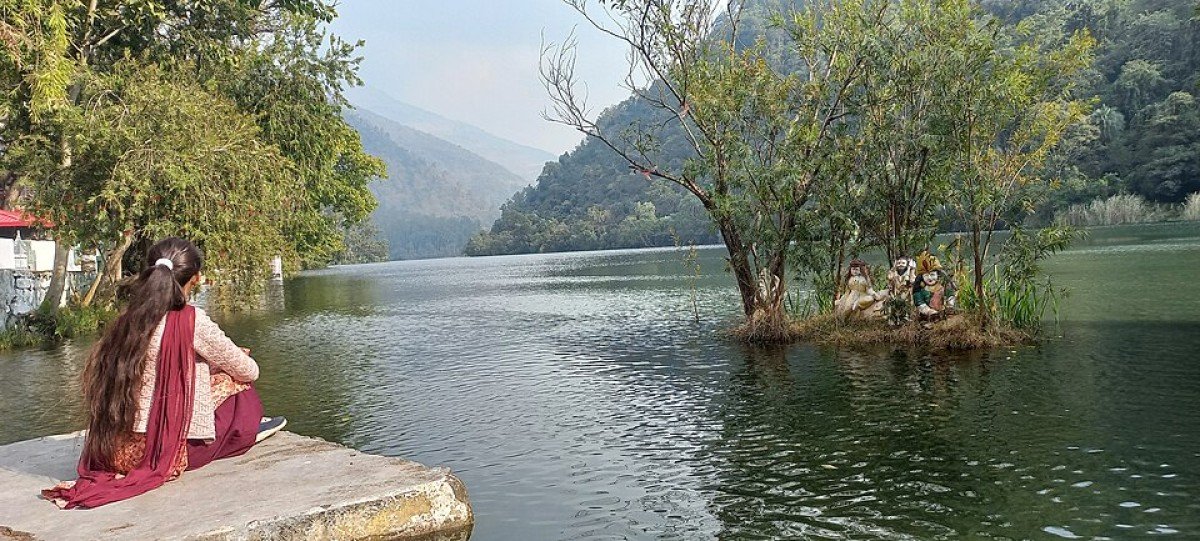
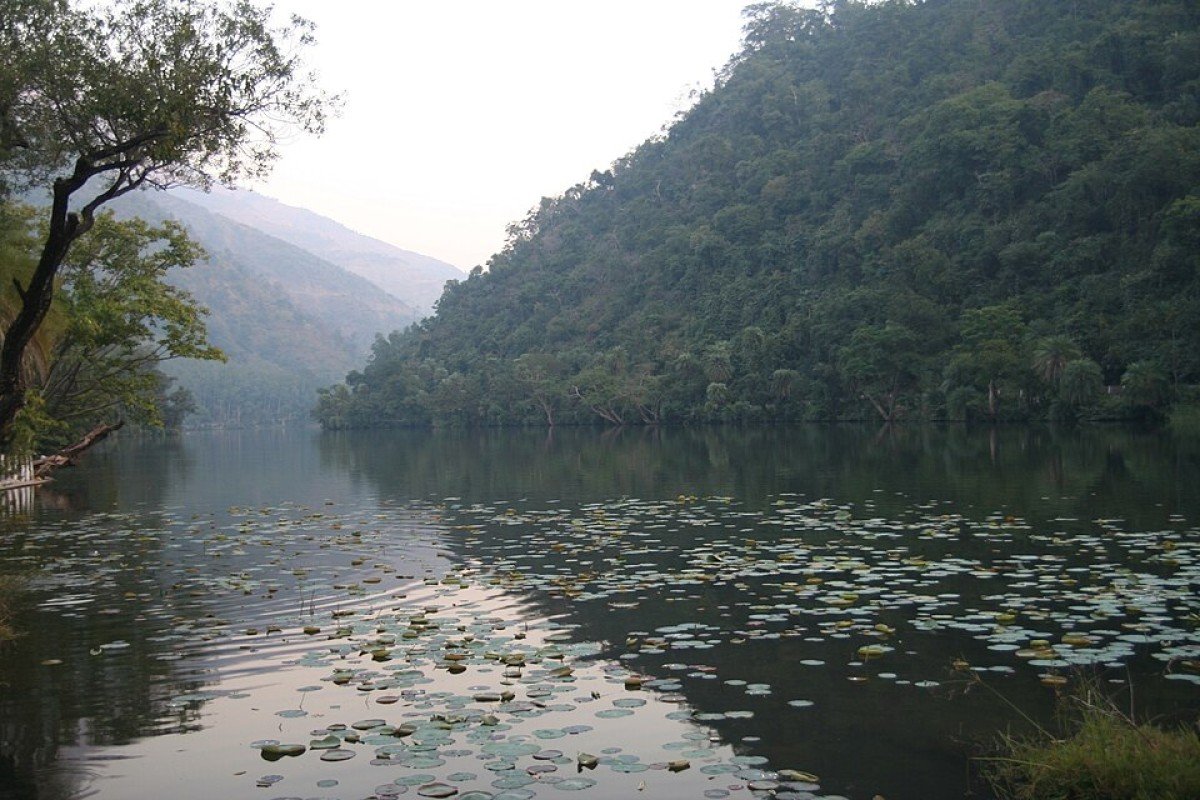
Renuka Wildlife Sanctuary is a protected area that encompasses the famous Renuka Lake and its surrounding dry deciduous forests. Covering an area of roughly 4 square kilometers, it is one of the smallest yet most diverse sanctuaries in Himachal Pradesh. The sanctuary is managed by the State Forest Department and serves as a vital corridor for various Himalayan animal species. The vegetation is dominated by Anogeissus latifolia, Terminalia tomentosa, and lush Sal forests on the northern slopes. It provides a natural habitat for the Leopard, Samar, Spotted Deer, and the Himalayan Black Bear. The area is particularly famous for its rich avian population, housing birds like the Red Jungle Fowl, Peafowl, and various species of woodpeckers. The sanctuary's hilly terrain, ranging from 600 to 900 meters, creates multiple micro-climates that support a variety of medicinal plants and shrubs. It is an ideal spot for eco-tourism, offering visitors a chance to see wildlife in a semi-natural setting while enjoying the cool mountain breeze. The sanctuary also acts as a catchment area for the lake, ensuring the water remains fresh and the ecosystem balanced.
General information
-
Ideal Duration:
3 to 4 HoursPlace Type:
Wildlife, Nature ReserveEntry Fees:
Entry Fee: Approximately 40 to 60 rupees for adults and 20 to 30 rupees for children.
Vehicle Charges: Extra fees apply for private vehicles or for the official safari van, usually around 200 rupees. ...Entry Fee: Approximately 40 to 60 rupees for adults and 20 to 30 rupees for children.
Vehicle Charges: Extra fees apply for private vehicles or for the official safari van, usually around 200 rupees.Timing:
Regular Hours: Open from 9:00 AM to 5:00 PM, usually closed on Mondays for maintenance.
Ideal Visit: Arrive at 9:30 AM when animals are most active and the light is soft for photography. ...Regular Hours: Open from 9:00 AM to 5:00 PM, usually closed on Mondays for maintenance.
Ideal Visit: Arrive at 9:30 AM when animals are most active and the light is soft for photography.Special Events:
Wildlife Week: Celebrated in the first week of October with awareness programs, painting competitions, and special guided tours.
Nature Camps: Occasional winter camps organized by the forest department for youth to promote environmental stew...Wildlife Week: Celebrated in the first week of October with awareness programs, painting competitions, and special guided tours.
Nature Camps: Occasional winter camps organized by the forest department for youth to promote environmental stewardship.Best Photo Spots:
The Lion Enclosure: The most popular spot for capturing the majesty of the big cats against a natural forest backdrop.
Lake Viewpoint: A high point in the sanctuary that offers a stunning vertical shot of the blue lake framed by green trees....The Lion Enclosure: The most popular spot for capturing the majesty of the big cats against a natural forest backdrop.
Lake Viewpoint: A high point in the sanctuary that offers a stunning vertical shot of the blue lake framed by green trees.
Deer Park Bridge: A picturesque rustic bridge where spotted deer often gather, perfect for wildlife portraits.Photo Gallery

Things To Do
-
Wildlife Safari: Travelers can take a guided safari in protected vehicles to see lions and leopards in large forest enclosures.
Nature Photography: The sanctuary offers excellent lighting and background for capturing shots of deer and exotic butterflies.
Botanical Walk: Educational walks focusing on the diverse tree species like Shisham and Khair found in the lower Himalayan foothills.
Bird Watching: Morning sessions are perfect for spotting the elusive Great Barbet and Kaleej Pheasant near the water edge.
Jungle Trekking: Short, marked trails allow visitors to experience the forest floor and discover smaller fauna like porcupines.
Educational Tours: Great for students to learn about the Shivalik...Wildlife Safari: Travelers can take a guided safari in protected vehicles to see lions and leopards in large forest enclosures.
Nature Photography: The sanctuary offers excellent lighting and background for capturing shots of deer and exotic butterflies.
Botanical Walk: Educational walks focusing on the diverse tree species like Shisham and Khair found in the lower Himalayan foothills.
Bird Watching: Morning sessions are perfect for spotting the elusive Great Barbet and Kaleej Pheasant near the water edge.
Jungle Trekking: Short, marked trails allow visitors to experience the forest floor and discover smaller fauna like porcupines.
Educational Tours: Great for students to learn about the Shivalik ecosystem and the importance of forest conservation.
Rest and Relaxation: Spending time at the forest viewpoints to soak in the sights of the rolling hills and the lake below.
Information
-
Why Famous:
Biodiversity Hub: Famous for being home to the Asiatic Lion and Himalayan Black Bear in a unique hillside environment.
Eco-Conservation: It is renowned for its successful breeding programs for endangered deer species and its status as a prot...Biodiversity Hub: Famous for being home to the Asiatic Lion and Himalayan Black Bear in a unique hillside environment.
Eco-Conservation: It is renowned for its successful breeding programs for endangered deer species and its status as a protected wetland zone. -
Architecture:
Architecture and Dimensions:
Natural Enclosures: The sanctuary covers 402. 80 hectares of forest land. The architecture is primarily functional, consisting of stone-walled enclosures for the larger mammals to ensure visitor safety. The guar...Architecture and Dimensions:
Natural Enclosures: The sanctuary covers 402. 80 hectares of forest land. The architecture is primarily functional, consisting of stone-walled enclosures for the larger mammals to ensure visitor safety. The guard huts and forest rest houses follow the Colonial Hill style with wooden beams and sloping roofs. The main entrance gate features traditional Himachali woodwork and motifs. -
How To Reach:
By Air: Fly to Dehradun (DED) or Chandigarh (IXC) and take a 3-hour scenic drive through the hills.
By Train: Reach Kalka or Ambala station; taxis are readily available for the 100 KM uphill journey to the sanctuary.
Read MoreBy Air: Fly to Dehradun (DED) or Chandigarh (IXC) and take a 3-hour scenic drive through the hills.
By Train: Reach Kalka or Ambala station; taxis are readily available for the 100 KM uphill journey to the sanctuary.
By Road: Well-connected by the Nahan-Paonta Sahib highway; tourists can take private cars or state buses to the Dadahu stop.
By Local Transport: Shared autos and taxis operate between Nahan and the sanctuary entrance throughout the day.Weather and Best Time to Visit:
Spring Season: March and April are beautiful as the forest flowers bloom and the weather is crisp.
Autumn Season: October and November offer the clearest views and the most pleasant trekking temperatures.
Winter...Spring Season: March and April are beautiful as the forest flowers bloom and the weather is crisp.
Autumn Season: October and November offer the clearest views and the most pleasant trekking temperatures.
Winter Days: December and January can be cold, but it is the best time for spotting leopards who bask in the sun.Near Tourist Places:
1. Renuka Lake (0 KM), 2. Mini Zoo (0. 5 KM), 3. Parshuram Temple (1 KM), 4. Jataun Dam (5 KM), 5. Jamu Peak (8 KM), 6. Nahan (38 KM), 7. Suketi Fossil Park (35 KM), 8. Giri River (5 KM), 9. Badolia Waterfall (15 KM), 10. Paonta Sahib (50 KM)Tourism Tips
-
Health and Safety: Do not feed the animals as it disrupts their diet and can be dangerous; stay within the designated paths.
Packing Essentials: Wear earthy-colored clothing to blend in with nature and carry binoculars for a better viewing ...Health and Safety: Do not feed the animals as it disrupts their diet and can be dangerous; stay within the designated paths.
Packing Essentials: Wear earthy-colored clothing to blend in with nature and carry binoculars for a better viewing experience.
Accommodation: The Forest Guest House inside the sanctuary offers a primitive yet thrilling stay experience (requires prior booking).
Photography Tips: Use a telephoto lens (200mm+) for wildlife and a wide-angle lens for the breathtaking landscape vistas.
Reviews
FAQs
Nahan Itineray And Cost:-
Renuka Wildlife Sanctuary Tourism:-
Other Places In Nahan :-
Other States In India :-
Information about New and Updated Locations() of Himachal Pradesh Has Been Added :-
Card subtitle
Note:-
Information provided here in good Faith and for reference only.
Near Places

Srovar Shiv Temple
Some quick example text to build on the card title and make up the bulk of the card's content.
Go somewhere
Suketi Fossil Park
Some quick example text to build on the card title and make up the bulk of the card's content.
Go somewhere
Trilokpur Temple
Some quick example text to build on the card title and make up the bulk of the card's content.
Go somewhere
Villa Round Walk
Some quick example text to build on the card title and make up the bulk of the card's content.
Go somewhere
Y S Parmar Birth Place
Some quick example text to build on the card title and make up the bulk of the card's content.
Go somewherein Other Cities