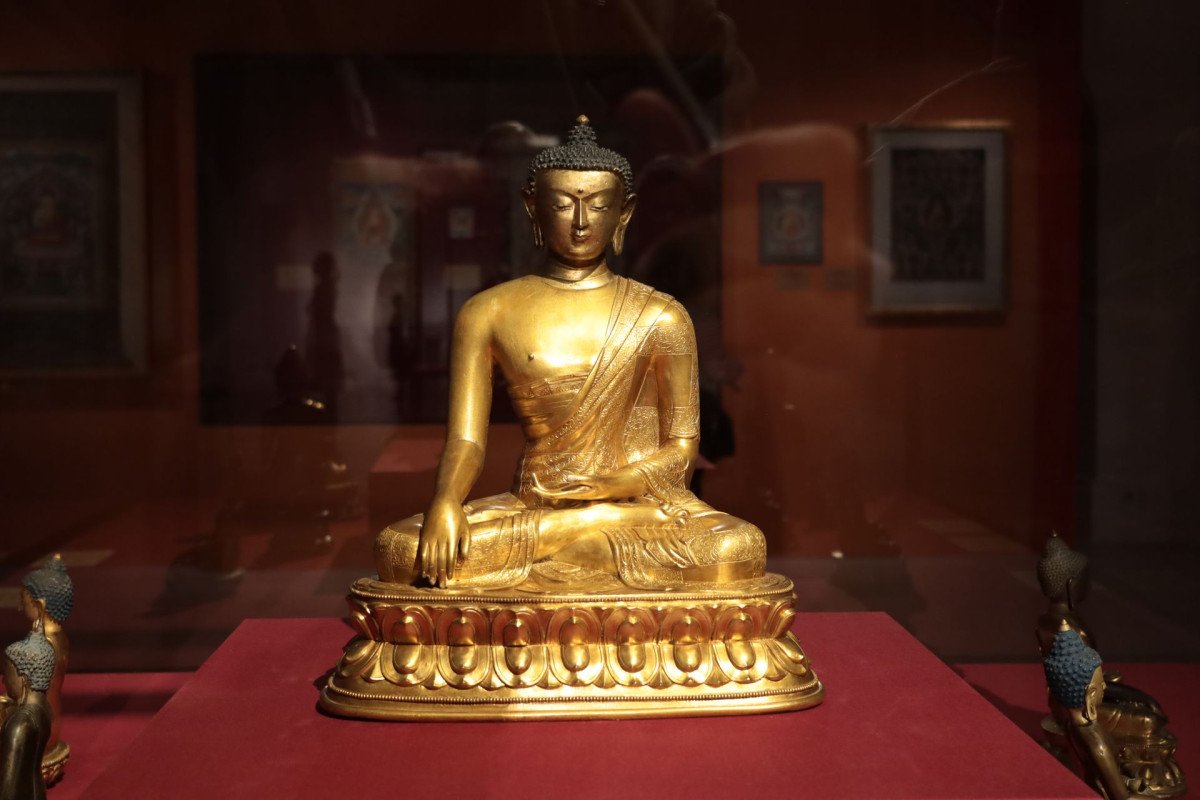
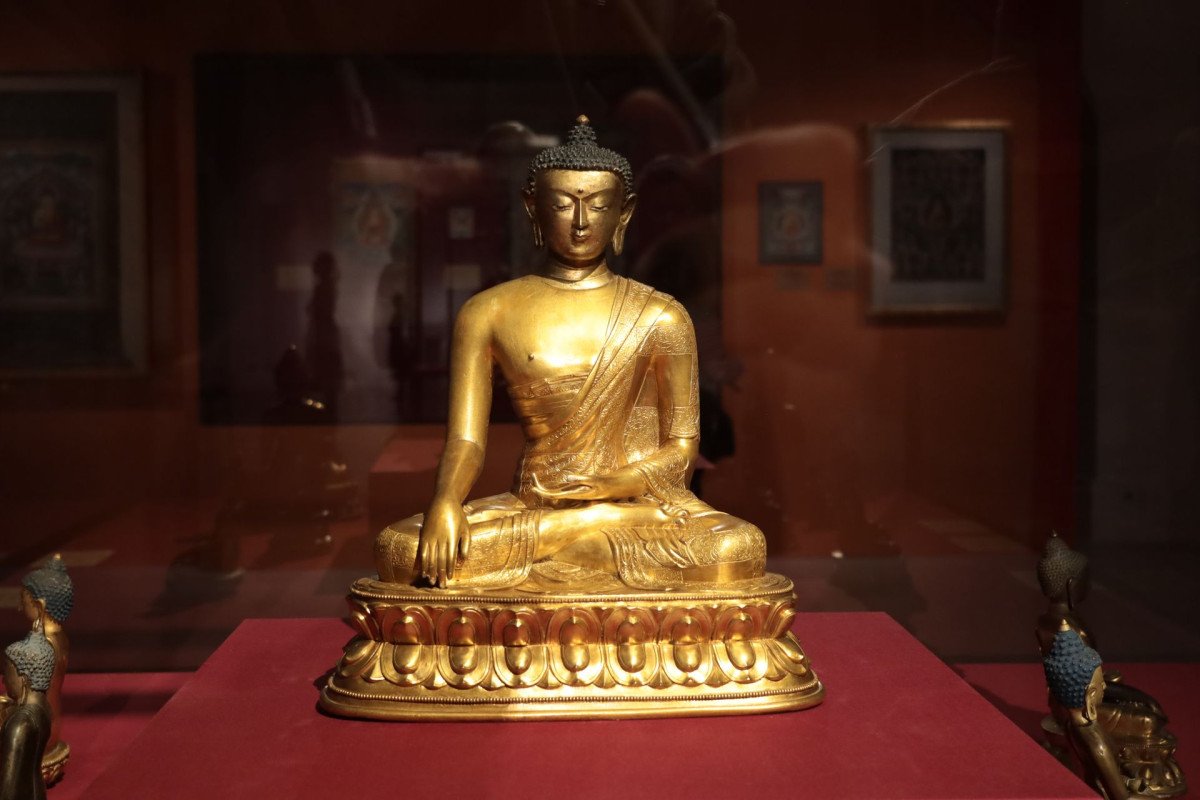
Siaha District Museum
General information
-
Ideal Duration:
2-3 hoursPlace Type:
History & Ethnography: Education, Archives, ArEntry Fees:
Admission for Indian Citizens:
Low Cost: The entry fee for the Siaha District Museum is generally low to encourage education, often set by the state government. It is typically around Rs.10-Rs.30 for an Indian citizen.
Read MoreAdmission for Indian Citizens:
Low Cost: The entry fee for the Siaha District Museum is generally low to encourage education, often set by the state government. It is typically around Rs.10-Rs.30 for an Indian citizen.
Admission for Foreign Tourists:
Higher Rate: Foreign tourists can expect a higher but still modest fee, typically Rs.50-Rs.150. This is standard practice in India to subsidize the general operating costs.
Camera/Photography Fee:
Mandatory for Cameras: A separate, mandatory fee (Rs.50-Rs.100) is often required for still cameras and significantly more for video cameras, payable at the entrance. The fee structure emphasizes the museum's role as a public, educational service with minimal cost barrier.Timing:
Regular Timings:
Weekday Focus:
The museum operates on typical government hours: 10:00 AM to 4:00 PM, Monday to Friday. It is usually closed on Saturday and Sunday, reflecting a focus on weekdays for official...Regular Timings:
Weekday Focus:
The museum operates on typical government hours: 10:00 AM to 4:00 PM, Monday to Friday. It is usually closed on Saturday and Sunday, reflecting a focus on weekdays for official and school visits.
Ideal Visit Time:
Quiet Mid-Day: The Ideal Visit Time is the quietest period, usually between 1:00 PM and 3:00 PM, when most school groups have left and the staff are more available for guidance.
Best Season Timings:
Dry Season: The Winter months (October to March) are the most comfortable for a museum visit. Though it is an indoor activity, the pleasant weather makes the journey to and from the museum more enjoyable.Special Events:
District Founding Anniversary: The museum often plays a central role in the celebrations of the district's founding or a major historical milestone. These events may involve special lectures, temporary exhibits, and the opening of new wings, typically held in a designated W...District Founding Anniversary: The museum often plays a central role in the celebrations of the district's founding or a major historical milestone. These events may involve special lectures, temporary exhibits, and the opening of new wings, typically held in a designated Winter month.
History and Tribal Identity Seminars: Occasionally, academic seminars are held here on the theme of Mara identity, language, and culture, featuring local historians and political leaders, drawing a sophisticated intellectual crowd.Best Photo Spots:
The Glass Display Case Reflections: Focus on capturing the reflection of the viewer or the surrounding exhibit within the glass display cases, adding a layer of depth and personal engagement to the artifact shots.
The Historical Portrait Gallery...The Glass Display Case Reflections: Focus on capturing the reflection of the viewer or the surrounding exhibit within the glass display cases, adding a layer of depth and personal engagement to the artifact shots.
The Historical Portrait Gallery: The wall displaying portraits of prominent Mara leaders, missionaries, and colonial administrators offers a compelling subject for a chronological series of historical portraits.
The Architecture Detail: A wide-angle shot taken from the entrance path, capturing the modernist facade of the museum against the dense green hillside, showcasing the institutional building's prominence in the town's administrative center.Photo Gallery
Things To Do
-
Study the Ethnographic Displays: Things to Do include taking time to read the detailed placards accompanying the displays of traditional clothing, jewellery, and headgear to understand the specific social significance of each item within Mara society.
Review Historical Documents: Focus on the exhibits detailing the district's administrative and missionary history, tracing the evolution of Siaha from a collection of tribal villages to a modern district headquarters.
Natural History Section Study: Examine the display of local flora and fauna to get an advanced preview of the biodiversity you might encounter at nearby natural sites like Tokalo Wildlife Sanctuary or Phawngpui.
Engage the Curator: If available, engage the museum curator or a staff member. As experts,...Study the Ethnographic Displays: Things to Do include taking time to read the detailed placards accompanying the displays of traditional clothing, jewellery, and headgear to understand the specific social significance of each item within Mara society.
Review Historical Documents: Focus on the exhibits detailing the district's administrative and missionary history, tracing the evolution of Siaha from a collection of tribal villages to a modern district headquarters.
Natural History Section Study: Examine the display of local flora and fauna to get an advanced preview of the biodiversity you might encounter at nearby natural sites like Tokalo Wildlife Sanctuary or Phawngpui.
Engage the Curator: If available, engage the museum curator or a staff member. As experts, they can often provide oral histories and personal anecdotes that bring the artifacts to life.
Photography of Exhibits: Practice detailed macro-photography of the intricate carvings on the traditional musical instruments or the weaving patterns of the textiles (ensure camera fees are paid).
Note-Taking and Research: Use the quiet environment for serious academic note-taking. The museum is one of the few places with consolidated, verified historical data on the district.
Visit the MADC Secretariat: As it's located nearby, combine your visit with a walk past the MADC Secretariat building to see the seat of the local autonomous government, understanding the political context of the district.
Information
-
Why Famous:
Official Keeper of Mara History: The Museum is Famous as the official, government-sanctioned archive for the history and ethnography of the Mara people and the Siaha District. This distinction gives its collection an authority that is vital for academic and historical resea...Official Keeper of Mara History: The Museum is Famous as the official, government-sanctioned archive for the history and ethnography of the Mara people and the Siaha District. This distinction gives its collection an authority that is vital for academic and historical research into the region.
Showcase of Colonial-Era Artifacts: It often contains unique, irreplaceable historical documents, photographs, and artifacts from the early British colonial period and the arrival of the first missionaries (Lorrain Ville being a key location), offering a rare glimpse into this transformative era.
Natural History Documentation: It is also famous for its small but significant collection dedicated to the local biodiversity, including mounted specimens of the endemic species of the Indo-Burma biodiversity hotspot found around Palak Lake and Phawngpui National Park. -
Architecture:
Public Building in a Hill Context: The museum's architecture typically follows the functional, modernist style common to post-independence government buildings in Northeast India, adapted for the hilly climate.
Design and Dimension: It is li...Public Building in a Hill Context: The museum's architecture typically follows the functional, modernist style common to post-independence government buildings in Northeast India, adapted for the hilly climate.
Design and Dimension: It is likely a two-to-three story concrete and brick structure, designed for stability and permanence. The footprint is estimated to be approximately 25 meters by 12 meters, covering around 300 square meters per floor. The external facade features simple, clean lines, often rendered in painted plaster, possibly incorporating a prominent display of the Mara Autonomous District Council emblem above the main entrance. The windows are large and numerous to maximize natural light, which is crucial for internal display.
Interior Layout: The ground floor typically houses the reception, a small gift shop, and a natural history section (local flora and fauna, geology of the Siaha region). The upper floors are dedicated to the ethnographic collection, including traditional attire, household tools, and historical photographs. Dimensionally, the display cases are often custom-built, wood-framed, and glass-covered units, averaging 2 meters high by 1. 5 meters wide, lined along the periphery of the exhibition halls. The building's lack of elaborate traditional motifs sets it apart as a formal, archival institution. -
How To Reach:
By Air:
Taxi to MADC Complex: From Lengpui Airport (AIZ), the long road journey leads directly into Saiha. The museum is located in the new administrative area, a stone's throw from the MADC Secretariat. Ask your taxi driver to take you dir...By Air:
Taxi to MADC Complex: From Lengpui Airport (AIZ), the long road journey leads directly into Saiha. The museum is located in the new administrative area, a stone's throw from the MADC Secretariat. Ask your taxi driver to take you directly there.
By Train:
Shared Sumo to Siaha Town: After the long drive from Silchar Railway Station (SCL), arrive at the main taxi stand in Saiha and take a very short local auto-rickshaw ride (5 minutes) to the New Siaha/MADC Complex area.
By Road:
Central Town Access: The museum is centrally located. If traveling by bus, alight at the main Saiha Bus Stand. From there, it is an easy 10-minute walk uphill to the administrative area where the museum is situated. The proximity to government offices makes it a highly accessible landmark.
By Local Transport:
Foot and Auto: Given its proximity to the town center, a walk from the main market is highly recommended for its convenience and to observe the town life. Alternatively, auto-rickshaws are cheap and will drop you right at the door. -
Weather and Best Time to Visit:
Cool, Dry, and Comfortable:
October to March: The Best Time to Visit is the Winter season, from October to March. Although the museum is indoors, the comfortable, moderate weather makes walking to the location pleasant, and the overall trave...Cool, Dry, and Comfortable:
October to March: The Best Time to Visit is the Winter season, from October to March. Although the museum is indoors, the comfortable, moderate weather makes walking to the location pleasant, and the overall travel environment is easier.
The Mid-day Slump: 1:00 PM to 3:
00 PM: The Ideal Part of the Day is the early afternoon. This is when the museum is typically at its quietest, providing a peaceful environment for focused reading and reflection without the distraction of morning school groups. -
Near Tourist Places:
1. Palak Dil (Palak Lake)-(50 KMs) 2. Tokalo Wildlife Sanctuary-60KMs 3. Phawngpui (Blue Mountain) Peak-80KMs 4. Saikao Village-25KMs 5. Tuipang Town-60KMs 6. Kaochao-70KMs 7. Rengtlang Village-10KMs 8. Beinô River Valley-35KMs 9. MADC Secretariat Building-1KMs 10. Lunglei Town-90KMs
Tourism Tips
-
Health & Safety:
Careful with Artifacts: Maintain a respectful distance from all exhibits; do not touch or lean on display cases. Follow all instructions given by the museum staff regarding the use of photography and flash.Health & Safety:
Careful with Artifacts: Maintain a respectful distance from all exhibits; do not touch or lean on display cases. Follow all instructions given by the museum staff regarding the use of photography and flash.
Packing Essentials:
Reading Glasses and Notepad: Bring reading glasses, as some documents and historical placards may have small text. A small notebook for sketching artifacts or taking research notes is invaluable.
Accommodation and Booking:
Central Saiha Stay: Staying at an accommodation in Central Saiha makes the museum easily accessible by foot, saving time and local transport costs.
Respect Local Customs:
Scholarly Conduct: Maintain a quiet, scholarly demeanor within the museum to show respect for the archival nature of the institution and the work being done there.
Other Tips:
Bring Cash for Fees: Ensure you have small-denomination cash (Indian Rupees) ready for the entry and camera fees, as credit card payments are not accepted at the museum counter.
Reviews
FAQs
Saiha Itineray And Cost:-
Siaha District Museum Tourism:-
Other Places In Saiha :-
Other States In India :-
Information about New and Updated Locations() of Mizoram Has Been Added :-
Card subtitle
Note:-
Information provided here in good Faith and for reference only.
Near Places

Chhimtuipui River Bank
Some quick example text to build on the card title and make up the bulk of the card's content.
Go somewhere
Lakuar Aoh
Some quick example text to build on the card title and make up the bulk of the card's content.
Go somewhere
Mara Autonomous District Council Office Building
Some quick example text to build on the card title and make up the bulk of the card's content.
Go somewhere
Mara Hills Viewpoint
Some quick example text to build on the card title and make up the bulk of the card's content.
Go somewhere
Mara Traditional House Museum
Some quick example text to build on the card title and make up the bulk of the card's content.
Go somewhere
Maraland Mission Cemetery
Some quick example text to build on the card title and make up the bulk of the card's content.
Go somewhere
Mount Mawma
Some quick example text to build on the card title and make up the bulk of the card's content.
Go somewhere
New Saiha Market
Some quick example text to build on the card title and make up the bulk of the card's content.
Go somewhere
Pala Tipo
Some quick example text to build on the card title and make up the bulk of the card's content.
Go somewhere
Palak Wildlife Sanctuary
Some quick example text to build on the card title and make up the bulk of the card's content.
Go somewhere
Phawngpui National Park
Some quick example text to build on the card title and make up the bulk of the card's content.
Go somewhere
Phawngpui
Some quick example text to build on the card title and make up the bulk of the card's content.
Go somewhere
Phura Village Cultural Site
Some quick example text to build on the card title and make up the bulk of the card's content.
Go somewhere
Saiha Cultural Centre
Some quick example text to build on the card title and make up the bulk of the card's content.
Go somewhere
Saiha Sports Stadium
Some quick example text to build on the card title and make up the bulk of the card's content.
Go somewhere
Saiha Town Viewpoint
Some quick example text to build on the card title and make up the bulk of the card's content.
Go somewherein Other Cities