Srovar Shiv Temple
General information
-
Ideal Duration:
30 Minutes - 1 HourPlace Type:
Pilgrimage Site and Lakeside Temple: Spiritual REntry Fees:
General Entry: No Entry Fee is charged to enter the temple complex or the surrounding Rani Tal Garden. Free Entry is available.
Specific Ritual Fees: No Mandatory Fee for regular darshan (viewing). However, if a devotee wishes to perform a ...General Entry: No Entry Fee is charged to enter the temple complex or the surrounding Rani Tal Garden. Free Entry is available.
Specific Ritual Fees: No Mandatory Fee for regular darshan (viewing). However, if a devotee wishes to perform a specific, elaborate puja or ritual for their family, a small fee (dakshina) may be paid to the priest, typically ranging from Rs.50 to Rs.300, depending on the complexity of the ritual.
Donations: Voluntary donations for the temple's maintenance fund are customary and are usually accepted at a daan-peti (donation box) within the premises.
Parking: There are no dedicated temple parking fees, but parking in the surrounding Rani Tal area may involve a small local charge (approx. Rs.20).Timing:
Regular Timings: The temple is generally Open for devotees from 6:00 AM to 1:00 PM (Morning Darshan) and again from 4:00 PM to 8:00 PM (Evening Darshan and Aarti). Times can be extended during major festivals like Shivratri.
Ideal Visit Time:Regular Timings: The temple is generally Open for devotees from 6:00 AM to 1:00 PM (Morning Darshan) and again from 4:00 PM to 8:00 PM (Evening Darshan and Aarti). Times can be extended during major festivals like Shivratri.
Ideal Visit Time: Early morning (6:00 AM to 8:00 AM) is the best time for peaceful prayer and meditation before the crowds arrive. The Evening Aarti (around 6:00 PM in winter or 7:00 PM in summer) is a particularly sacred and beautiful time to visit, as the lamps are lit. Avoid the mid-day closure period if you are on a tight schedule.Special Events:
Maha Shivratri Celebration: The most significant annual event is Maha Shivratri (February/March), marked by special pujas, fasting, all-night chanting (jaagran), and a small fair. The temple grounds are beautifully decorated and thronged by devotees.
Read MoreMaha Shivratri Celebration: The most significant annual event is Maha Shivratri (February/March), marked by special pujas, fasting, all-night chanting (jaagran), and a small fair. The temple grounds are beautifully decorated and thronged by devotees.
Sawan Month: The entire holy month of Sawan (Monsoon, usually July/August), which is dedicated to Lord Shiva, sees special continuous daily prayers, offerings of sacred water and milk, and a substantial increase in the daily number of devotees.
Bhandara (Community Meal): On auspicious occasions or the temple's anniversary, the local community often organizes a Bhandara (free community meal) in the temple area, which is a great way to experience local communal service.
Local Navratra Aarti: The temple also observes special aarti sessions during the Navratra periods (March/April and September/October), drawing local crowds for extended prayer sessions.Best Photo Spots:
The Lord Shiva Idol Close-up: The most famous photo spot is a close-up or mid-shot of the majestic Lord Shiva idol, capturing its expression and the specific details of its form.
Temple and Reflection: A wide-angle shot that frames the temple...The Lord Shiva Idol Close-up: The most famous photo spot is a close-up or mid-shot of the majestic Lord Shiva idol, capturing its expression and the specific details of its form.
Temple and Reflection: A wide-angle shot that frames the temple structure, the Shiva idol, and their clear reflection in the still water of Rani Tal (best in the early morning).
The Aarti Light: Capturing the ritual aarti (especially in the evening) with the light from the oil lamps contrasting against the darkening sky and the temple structure makes for a dramatic and spiritual photograph.
Devotees in Prayer: Candid photographs (taken respectfully and from a distance) of devotees offering water or prayers can capture the sincere devotion of the local people.
The Temple Entrance Arch: The entrance archway or gate, often adorned with traditional motifs, provides a beautiful frame for the structure inside.Photo Gallery
Things To Do
-
Offer Prayers and Darshan: The primary activity is to visit the temple, offer prayers (puja), and seek the blessings (darshan) of Lord Shiva. Take time to sit quietly and absorb the spiritual atmosphere.
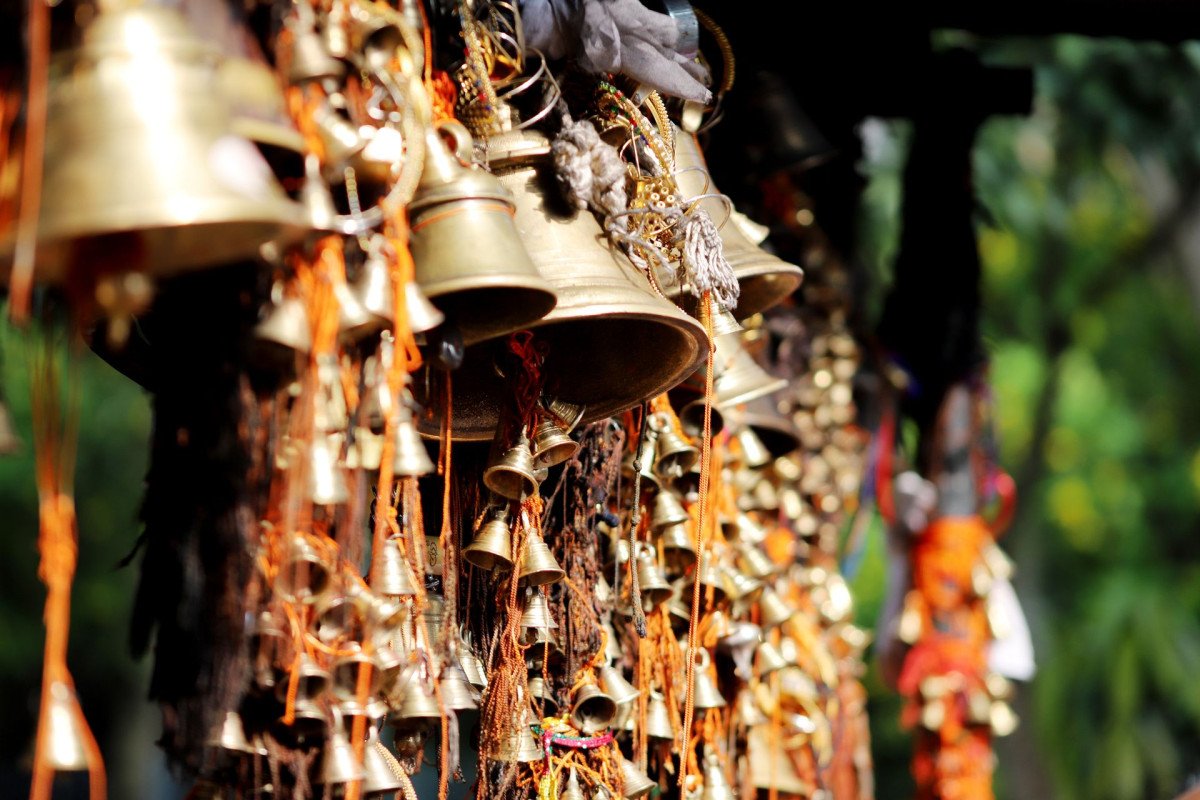
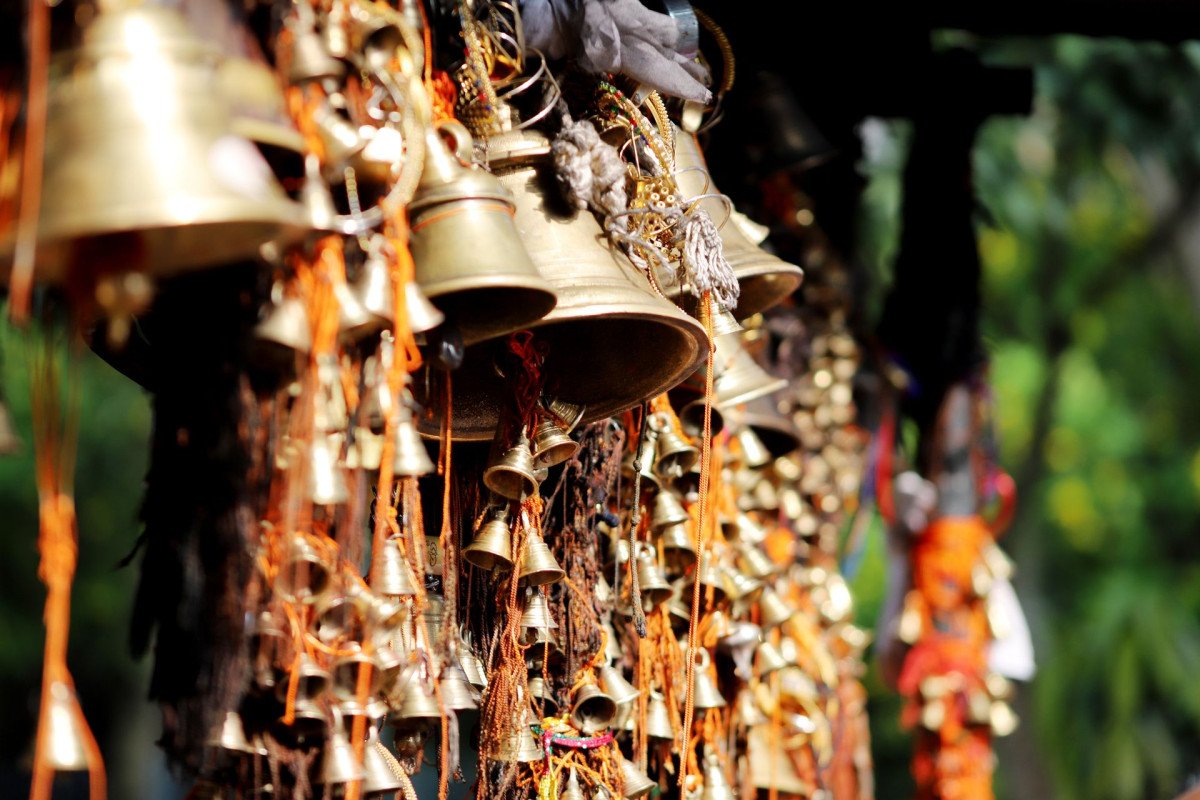
Temple Bell Ringing: Participate in the traditional ritual of ringing the large temple bell upon entering the sanctum.
Circumambulation (Parikrama): Perform a peaceful circumambulation (parikrama) around the temple structure and the prominent Shiva idol, integrating your spiritual walk with the beautiful lake surroundings.
Observation of Aarti: Try to attend the morning or evening aarti (ritual of light). This is a captivating experience that involves chanting, lamps, and the powerful sound of the temple bell.
Meditation and Reflec...
Information
-
Why Famous:
Lakeside Deity and Idolatry: It is highly famous for the distinctive and large Lord Shiva idol that is installed right on the banks of the Rani Tal lake, providing a magnificent sight and making it a prominent local landmark.
Focus of Maha Shivra...Lakeside Deity and Idolatry: It is highly famous for the distinctive and large Lord Shiva idol that is installed right on the banks of the Rani Tal lake, providing a magnificent sight and making it a prominent local landmark.
Focus of Maha Shivratri: The temple is the primary center for the celebration of Maha Shivratri in Nahan, drawing a large influx of pilgrims and devotees for the special midnight pujas and the day-long fair.
Spiritual Serenity: Unlike larger, bustling temples, the location within the tranquil Rani Tal garden makes it famous as a peaceful place for meditation and silent prayer, offering a spiritual retreat enhanced by the calm water and lush greenery.
Historical Royal Connection: Being located within the Rani Tal complex, which was built by a king, the temple often has a history linked to the royal family's devotional practices, adding to its cultural importance. -
Architecture:
Architectural Style: The temple follows a simple, traditional North Indian or Himachali temple architecture style. It is not a massive structure but a modest shrine focused on its primary deity.
The Shikhara and Sanctum: The temple typicall...Architectural Style: The temple follows a simple, traditional North Indian or Himachali temple architecture style. It is not a massive structure but a modest shrine focused on its primary deity.
The Shikhara and Sanctum: The temple typically features a small shikhara (tower) over the main sanctum (garbhagriha), where the Shivling (symbolic representation of Lord Shiva) is enshrined. The architecture is sturdy, built with local stone and masonry.
The Shiva Idol: The most notable "architectural" element is the large, artistic idol of Lord Shiva installed outside, near the temple structure, overlooking the lake, serving as a prominent spiritual marker for the entire Rani Tal area.
Integration with Landscape: The design is integrated seamlessly into the lakeside garden, with an open-air platform or small courtyard that allows devotees to perform parikrama (circumambulation) while enjoying the serene natural environment. -
How To Reach:
By Air: The nearest major airport is Chandigarh International Airport (IXC), approximately 100 KMS away. From IXC, take a taxi or shared cab to the Nahan Bus Stand. The temple is then easily reached by local transport.
By Train: Nearest maj... -
Near Tourist Places:
Rani Tal Garden (0. 05 KM), Lata Devi Temple (0. 1 KM), Nahan Palace (Ranzor Palace) (1 KM), Nahan Fort site (1 KM), Chaugan (1. 2 KM), Pakka Tank (1. 5 KM), Jagannath Temple (2. 5 KM), Villa Round Walk Start (1. 8 KM), Suketi Fossil Park (20 KM), Jaitak Fort (25 KM).
Tourism Tips
-
Health & Safety: The temple and Rani Tal area are generally safe.
Be respectful of temple customs: take off shoes and cover your head modestly. Follow local customs for offerings. Carry water.
Packing: It i...
Reviews
Nahan Itineray And Cost:-
Srovar Shiv Temple Tourism:-
Information about New and Updated Locations() of Himachal Pradesh Has Been Added :-
Card subtitle
Note:-
Information provided here in good Faith and for reference only.
All information and pictures will be updated soon, please keep visiting.
Near Places

Chaugan Road
Some quick example text to build on the card title and make up the bulk of the card's content.
Go somewhere
Churdhar Peak
Some quick example text to build on the card title and make up the bulk of the card's content.
Go somewhere
Delhi Gate Clock Tower
Some quick example text to build on the card title and make up the bulk of the card's content.
Go somewhere
Dhaula Kuan
Some quick example text to build on the card title and make up the bulk of the card's content.
Go somewhere
Gurudwara Dashmesh Asthaan
Some quick example text to build on the card title and make up the bulk of the card's content.
Go somewhere
Hospital Round Walk
Some quick example text to build on the card title and make up the bulk of the card's content.
Go somewhere
Jagannath Temple
Some quick example text to build on the card title and make up the bulk of the card's content.
Go somewhere
Jaitak Fort
Some quick example text to build on the card title and make up the bulk of the card's content.
Go somewhere
Jamta Village/Fair Ground
Some quick example text to build on the card title and make up the bulk of the card's content.
Go somewhere
Jamu Peak
Some quick example text to build on the card title and make up the bulk of the card's content.
Go somewherein Other Cities