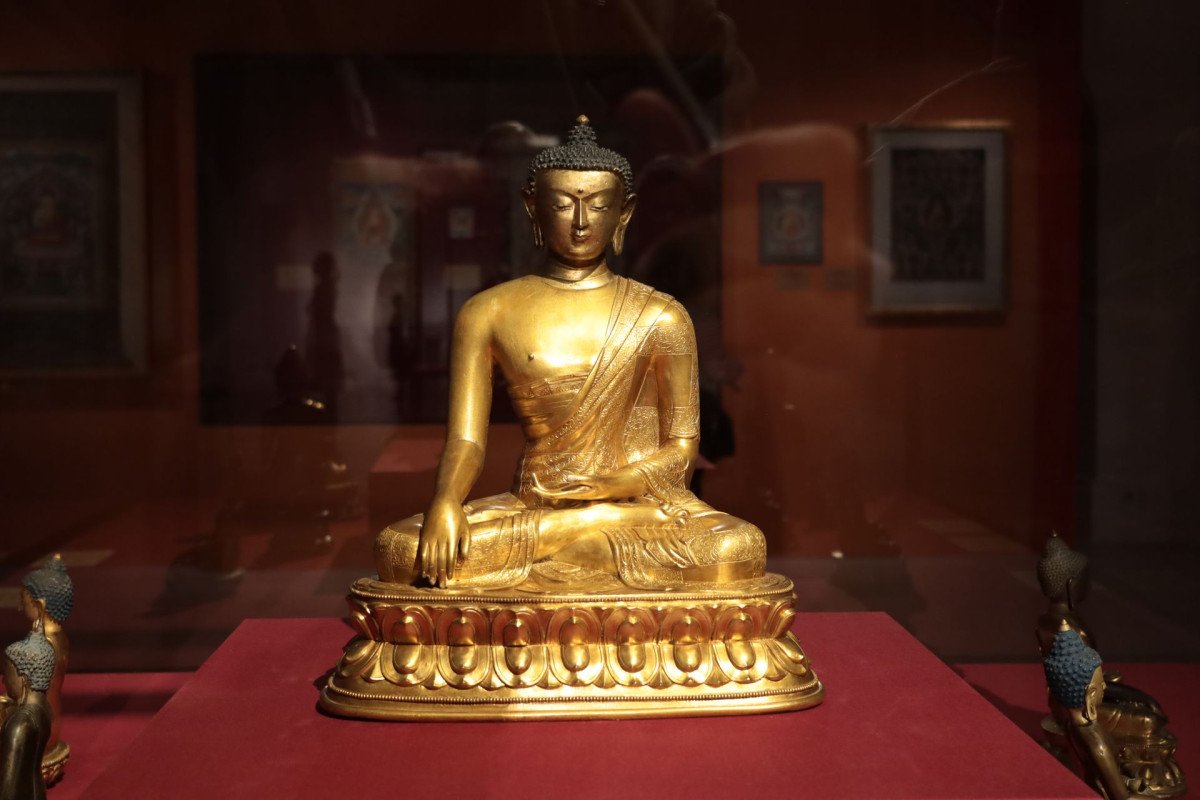
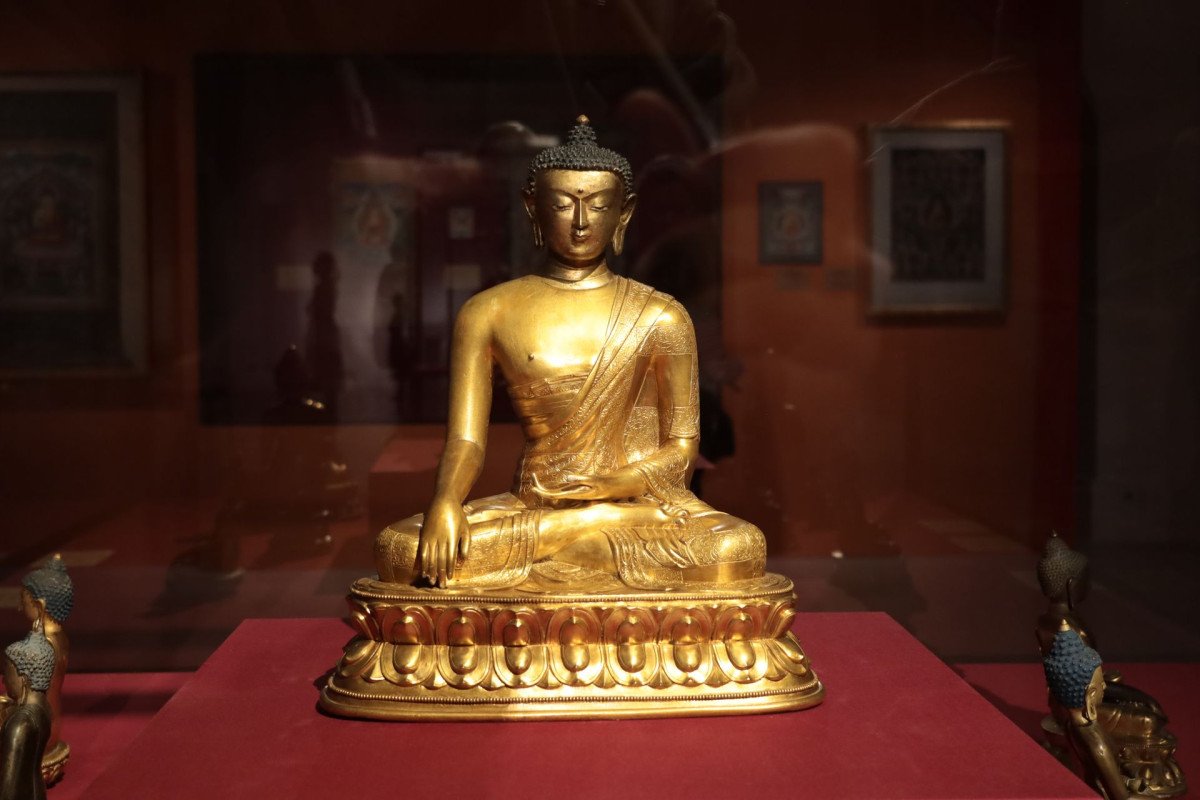
State Museum, Hotwar
General information
-
Ideal Duration:
3 to 4 hours (To thoroughly explore all galleries and the library).Place Type:
Cultural, History, Archaeology, Art, Ethnology, ReEntry Fees:
Affordable Cultural Access: The State Museum, Hotwar, generally maintains a highly subsidized and affordable entry fee structure, emphasizing its role as a public cultural and educational resource.
Indian Visitors (Adults): The fee is typica...Affordable Cultural Access: The State Museum, Hotwar, generally maintains a highly subsidized and affordable entry fee structure, emphasizing its role as a public cultural and educational resource.
Indian Visitors (Adults): The fee is typically nominal, usually in the range of Rs.20 to Rs.25 per person. This low cost ensures that the rich heritage of Jharkhand is accessible to all local residents, students, and domestic tourists.
Children (Indian): An even more minimal fee applies to children, often around Rs.10 per child, promoting educational visits and school excursions.
Foreign Tourists: Non-Indian citizens are required to pay a higher but still reasonable fee. While the exact amount can change, it is usually between Rs.100 to Rs.150 per person. This differential pricing is a common practice in Indian museums and historical sites.
Photography Charges: While general personal photography is often permitted, there may be a separate small charge for still photography (e. g. , Rs.50 for a camera) and a significantly higher fee for professional or video photography.
Additional Services and Exclusions: There is usually no separate fee for accessing the library, but fees may apply for special programs or events held in the auditorium. Fees are also waived on specific days, such as International Museum Day or for large, pre-registered school groups. It is highly recommended to check the official website or call the museum ahead of the visit for the most current fee schedule, as policies can be revised annually by the State Government.Timing:
Regular Timings: The museum is typically open from Tuesday to Sunday. The standard operational hours are from 10:30 AM to 4:30 PM.
The museum observes a consistent weekly closure:
Monday: Closed. It also re...Regular Timings: The museum is typically open from Tuesday to Sunday. The standard operational hours are from 10:30 AM to 4:30 PM.
The museum observes a consistent weekly closure:
Monday: Closed. It also remains closed on major national and state public holidays.
Ideal Visit Time: The Ideal Visit Time is during the morning hours, specifically right at the opening time of 10:30 AM on a weekday (Tuesday to Friday).
Avoid Weekend Rush: Visiting during the week allows for a more tranquil and personal experience, as the weekends (Saturday and Sunday) often see a higher influx of local families and student groups, which can make a relaxed study of the exhibits challenging.
Focus on Galleries: The first two hours (10:30 AM to 12:30 PM) are ideal for focusing on the detailed Ethnological and Sculptural galleries before the post-lunch crowd arrives.
The Best Time for Study: Scholars and serious history enthusiasts should target the opening time on a Tuesday or Wednesday to maximize quiet time in the library.
Check Holiday Schedule: Always confirm the operational status if your visit falls near a state or national holiday, as the museum may have special closure announcements.Special Events:
Museum Week Celebration: The museum actively participates in celebrating national and international museum-related events. Most significantly, it hosts an annual Museum Week (often in December). During this period, the museum organizes special four-day celebrations that in...Museum Week Celebration: The museum actively participates in celebrating national and international museum-related events. Most significantly, it hosts an annual Museum Week (often in December). During this period, the museum organizes special four-day celebrations that include guided tours, interactive educational workshops for school children, and special temporary exhibitions showcasing specific, sometimes-unseen, parts of the museum's collection. The focus is on increasing public awareness of heritage conservation and making history accessible and engaging for all age groups.
Cultural Seminars and Workshops: Leveraging its modern, large-capacity auditorium, the museum frequently hosts seminars, workshops, and lectures centered around the history, archaeology, art, and tribal culture of Jharkhand. These events attract scholars, researchers, and cultural enthusiasts, often featuring talks by renowned historians and archaeologists. The theatre group performances, often focusing on the lives of local freedom fighters or traditional tribal folk tales, are a unique blend of education and entertainment. These programs are irregular but represent the museum's commitment to being a living, active cultural center beyond mere display.Best Photo Spots:
Ethnological Diorama Area: The most vibrant and photogenic spot is the section displaying the life-sized tribal dioramas.
Thematic Vistas: Frame the shot to capture the entire scene of a tribal house or a festival like Sarhul or Phagua in sc...Ethnological Diorama Area: The most vibrant and photogenic spot is the section displaying the life-sized tribal dioramas.
Thematic Vistas: Frame the shot to capture the entire scene of a tribal house or a festival like Sarhul or Phagua in sculpture form, utilizing the vibrant colors and detailed settings to tell a story.
Models in Context: Focus on close-ups of the realistic models of tribal figures, their traditional attire, and the unique artistic elements of their homes. The Sculptural Gallery's Semicircular Column Display: The long stretch of the gallery where the stone sculptures are mounted on semicircular columns provides an excellent line and perspective for photography.
Linear Perspective Shot: Use a wide-angle lens to capture the entire line of sculptures, emphasizing the architectural arrangement that symbolizes the stages of human evolution and artistic progression.
Focused Artifact Shots: Use the natural or provided lighting to highlight the texture, details, and inscriptions on the medieval sculptures of Hindu, Buddhist, and Jain deities, such as the impressive Mahishasur Mardini or the intricate Kirthimukha.
Exterior Mural Walls and Entrance: The exterior walls of the museum building are adorned with large, colorful murals depicting scenes from Jharkhand's history and culture.
Mural Backdrop: Use the murals as a vibrant, cultural backdrop for portraits or group photos. The bold colors and narrative imagery make for an instantly engaging picture.
Architectural Shot: Capture the modern architecture of the building, including the entrance and the interplay between the contemporary structure and the traditional themes depicted in the exterior art.Photo Gallery
Things To Do
-
Immersive Exploration of the Ethnological Gallery: Dedicate a significant amount of time to the Ethnological Gallery.
Observe the Life-Sized Dioramas: Study the realistic models of tribal houses and the clothing, which provide context to the life of communities like the Asur, Birhor, and Munda.
Examine the Artifacts: Focus on the detailed displays of traditional weaponry (bows, arrows, axes), agricultural tools, and household items.
Discover Tribal Music: Spend time near the display of indigenous musical instruments like the Mandar, Nagera, and Bansuri, imagining the rhythm and music of tribal festivals.
Deep Dive into the Sculptural Gallery: This is the history enthusiast's core destination.
Trace R...Immersive Exploration of the Ethnological Gallery: Dedicate a significant amount of time to the Ethnological Gallery.
Observe the Life-Sized Dioramas: Study the realistic models of tribal houses and the clothing, which provide context to the life of communities like the Asur, Birhor, and Munda.
Examine the Artifacts: Focus on the detailed displays of traditional weaponry (bows, arrows, axes), agricultural tools, and household items.
Discover Tribal Music: Spend time near the display of indigenous musical instruments like the Mandar, Nagera, and Bansuri, imagining the rhythm and music of tribal festivals.
Deep Dive into the Sculptural Gallery: This is the history enthusiast's core destination.
Trace Religious Evolution: Follow the chronological order of sculptures. Identify the artifacts belonging to Buddhism, Jainism (e. g. , statues of Rishabhnatha and Shantinatha), and Hinduism (e. g. , Vishnu, Surya, Uma Maheshwar).
Analyze the Iconography: Look closely at the artistic style and the specific iconographic features of each deity or artifact, noting the change in artistic representation over the medieval period.
Seek Out the Ancient Pottery and Archaeology:
Review the Khukhragarh Finds: Spend time in the Archaeological gallery to see the pottery relics and other artifacts unearthed from the local Khukhragarh excavation. These pieces, including pre-historic mud potteries used for cooking and storage, connect the visitor directly to the ancient domestic life of the region.
Visit the Painting and Coin Galleries:
Appreciate Regional Art: The Painting Gallery showcases both historical and modern art, with themes ranging from cultural harmony to the spirit of sport, providing a break from historical artifacts.
Study Numismatics and Manuscripts: Examine the rare collection of coins from different eras, noting the inscriptions and metal compositions. The manuscript display offers a glimpse into ancient writing traditions and administrative records.
Utilize the Museum's Educational Facilities:
Research in the Library: If you are a student or researcher, make use of the well-stocked, 300-seater library for in-depth study of Jharkhand's history, art, and tribal culture.
Attend a Program in the Auditorium: Check the schedule for any cultural events, seminars, workshops, or film screenings being held in the modern 300-seater auditorium. These events, often focused on freedom fighters or state culture, offer an interactive learning experience.
Engage with Staff and Guides: Don't hesitate to request assistance from the museum staff; they can often provide deeper insights into the exhibits that are not available on the display plaques.
Capture Memories (Permitted Photography): Take advantage of the permissible photography (often with a small fee) to capture the unique dioramas, sculptures, and architectural murals, ensuring you follow the "do not touch" and flash-photography rules to protect the exhibits.
Relax and Reflect: Take a break in the museum's tranquil environment. The surroundings within the Khelgaon Complex offer a calm escape from the city's hustle.
Information
-
Why Famous:
Custodian of Tribal Heritage: The museum is most famous for its unparalleled Ethnological Gallery, which is arguably the most comprehensive exhibit on the tribal life of Jharkhand. It features life-sized models, dioramas of traditional houses, and displays of authentic trib...Custodian of Tribal Heritage: The museum is most famous for its unparalleled Ethnological Gallery, which is arguably the most comprehensive exhibit on the tribal life of Jharkhand. It features life-sized models, dioramas of traditional houses, and displays of authentic tribal jewelry, weaponry, agricultural tools, and rare musical instruments of communities like the Munda, Santhal, Oraon, and Birhor, offering a crucial window into their history and customs.
Archaeological Rarity: Its fame is also built on the collection of artifacts from the ancient and medieval periods. The exhibits include a rare collection of sculptures related to Buddhism, Jainism, and Hinduism excavated from various sites in the state. Notably, the pottery and relics unearthed from the Khukhragarh excavation site in Ranchi provide significant archaeological evidence, linking the region to broader historical narratives, including potential references to the Harappan and Mohenjodaro civilizations.
Center for Art and Research: Beyond history, it is a significant cultural landmark for its contemporary art collection. The Painting Gallery showcases works from local and regional artists, often focusing on events like the National Games 2011, celebrating the spirit of sports and local culture. The presence of a 300-seater library and auditorium makes it an active center for cultural research, discussions, and educational programs, cementing its status as a foundational institution for the study of Jharkhand's identity. -
Architecture:
A Modern Expression of Cultural Grandeur: The State Museum, Hotwar is housed in a purpose-built, contemporary, two-storeyed structure that deviates from traditional historical architecture, opting instead for a modern, functional, and expansive design suitable for preserving...A Modern Expression of Cultural Grandeur: The State Museum, Hotwar is housed in a purpose-built, contemporary, two-storeyed structure that deviates from traditional historical architecture, opting instead for a modern, functional, and expansive design suitable for preserving delicate artifacts and hosting large-scale exhibits. The building's layout is logically structured, though its scale can be initially imposing.
Façade and Entrance: A striking feature of the museum's exterior is the use of colorful and monochromatic murals that adorn the walls, artistically depicting significant stories and events from Jharkhand's past, immediately setting a cultural context for the visitor. The entrance is designed to be welcoming and grand, often leading into a large foyer that serves as a central point.
Internal Gallery Layout (Dimension Concept): The total usable area is substantial, designed to accommodate ten or more thematic galleries. While precise official floor area dimensions (length × width × height) are proprietary or not publicly standardized, the functional design emphasizes high ceilings and broad walkways.
The galleries are strategically sectioned: the Ethnological and Sculptural galleries are typically located on the ground floor, maximizing accessibility for large-scale dioramas and heavy stone sculptures. The second floor houses the Painting and Archaeological galleries, along with the administrative offices and a large, well-equipped library and auditorium.
Thematic Design Elements: The Sculptural gallery utilizes a semi-circular series of columns for mounting sculptures, symbolically representing the stages of human evolution and the chronological progression of art. The building also incorporates a 300-seater auditorium with modern sound and projection systems, indicating dimensions suitable for a medium-to-large lecture or performance hall, designed to host cultural events, seminars, and film screenings, making it a modern, multi-functional cultural center. -
How To Reach:
By Air:
Birsa Munda Airport (IXR): The nearest airport is Birsa Munda Airport in Ranchi, approximately 9 KMS away from the Hotwar area.
A Convenient Start: Upon landing, visitors can easily hire a pre-paid ta...By Air:
Birsa Munda Airport (IXR): The nearest airport is Birsa Munda Airport in Ranchi, approximately 9 KMS away from the Hotwar area.
A Convenient Start: Upon landing, visitors can easily hire a pre-paid taxi, use a ride-sharing service like Ola or Uber, or take an auto-rickshaw directly to the Hotwar Khelgaon Mega Sports Complex. The journey is relatively short, usually taking about 20-30 minutes, depending on traffic. The estimated fare for a taxi is typically in the range of Rs.200-400.
By Train:
Ranchi Junction Railway Station (RNC): The museum is well-connected via the rail network. The Ranchi Junction Railway Station is the nearest major railhead, located about 5 to 8 KMS from the museum site.
Seamless Transfer:
From the station, you have multiple options:
Auto-rickshaw: A direct auto-rickshaw ride is the most common and cost-effective method, taking around 20-30 minutes and costing approximately Rs.100-150.
Local Taxi/Cab: Easily hired outside the station, offering a comfortable journey directly to the Khelgaon Complex.
By Road:
Well-Connected Road Network: Ranchi has a robust road network, and the museum is situated within the easily identifiable Hotwar Khelgaon Mega Sports Complex.
Bus Service: Local city buses run under the Ranchi Municipal Corporation and are a budget-friendly way to reach the Hotwar area from the main Ranchi Bus Stand. Inquire for buses heading towards Khatanga or Hotwar.
Self-Drive/Hired Vehicle: The location is easily navigable via GPS, and there is ample parking available within the Mega Sports Complex.
By Local Transport:
Auto-Rickshaws and E-Rickshaws: Shared auto-rickshaws (Vikram/Tempo) are the lifeblood of Ranchi's local transport, running between major intersections (Chowks). You can take one towards the Hotwar area.
Battery-Operated Tuk-Tuks (E-Rickshaws): These are increasingly popular for shorter distances and can be found near the Khelgaon vicinity.
Ola/Uber/Local Taxis: These ride-sharing services are highly reliable and accessible throughout the city for a direct, comfortable ride. -
Weather and Best Time to Visit:
Seasonal Considerations:
The Winter Season (October to March): This is unequivocally the Best Time to Visit. The weather during these months is cool, pleasant, and highly comfortable (10°C to 25°C) for walking around the large museum compl...Seasonal Considerations:
The Winter Season (October to March): This is unequivocally the Best Time to Visit. The weather during these months is cool, pleasant, and highly comfortable (10°C to 25°C) for walking around the large museum complex and exploring the surrounding area. The clear skies and comfortable temperatures make travel and outdoor relaxation (like at the Khelgaon complex) very enjoyable.
The Summer Season (April to June): The climate is hot and can be quite humid, with temperatures soaring past 40°C. Visits during this time should be restricted to the morning hours (10:30 AM to 12:30 PM). While the museum is air-conditioned, the journey and any time spent outdoors can be taxing.
The Monsoon Season (July to September): Ranchi receives moderate to heavy rainfall. This period is a good time to visit the museum itself as it provides a sheltered activity. The greenery outside is lush, but travel may be slightly slower due to rain and potential local waterlogging.
Best Part of the Day: Late Morning (10:30 AM to 1:00 PM) This is the Ideal Time. The museum is least crowded right at opening, allowing for a peaceful viewing experience and better photo opportunities, especially in the larger galleries. Mid-Afternoon (1:00 PM to 3:00 PM) This period can see a moderate rush, particularly from tour groups or school excursions. It's a good time to utilize the library or relax in the less-crowded Painting Gallery. -
Near Tourist Places:
2. Tagore Hill (Morabadi Hill) (10 KMS), 3. Ranchi Science Centre (5. 3 KMS), 4. Tribal Research Institute and Museum (5. 5 KMS), 5. Rock Garden (15 KMS), 6. Pahari Mandir (14 KMS), 7. Jagannath Temple (20 KMS), 8. Ranchi Lake (16 KMS), 9. Nakshatra Van (15 KMS), 10. Kanke Dam (22 KMS), 11. Bhagwan Birsa Mrig Vihar (Zoo) (26 KMS).
Tourism Tips
-
Health & Safety:
Hydration and Sunscreen (Outside): Though the museum is indoors, carry water and apply sunscreen, especially during the summer, as the walk within the Khelgaon campus can be long.
COVID-19/Health...Health & Safety:
Hydration and Sunscreen (Outside): Though the museum is indoors, carry water and apply sunscreen, especially during the summer, as the walk within the Khelgaon campus can be long.
COVID-19/Health Norms: Always carry a sanitizer and follow the latest local health guidelines, including mask-wearing if required.
Respect the Exhibits: Do not touch any artifacts or exhibits. This is crucial for preservation.
Packing Essentials:
Identification: Carry a valid photo ID (Aadhar, Passport, Voter ID) for entry verification.
Camera and Small Fee: Have your camera ready and some small cash (or digital payment) for the nominal photography fee.
Notebook and Pen: Especially for students or researchers, a notebook is essential for taking notes in the gallery or the library.
Comfortable Footwear: The museum is large and involves considerable walking between and within the two floors; comfortable shoes are highly recommended.
Accommodation: The Hotwar area, being part of the large Khelgaon Complex, does not have a high density of hotels.
Stay in Central Ranchi: It is recommended to book accommodation in central Ranchi, such as the Morabadi or Main Road areas, which offer a wider range of hotels (Budget to Mid-Range) and easy access to local transport for the museum.
Other Different Topics Heading:
Guided Tours: Inquire at the front desk about guided tours or audio guides, as the staff can often provide rich context and stories for the exhibits.
Photography Rules: Clarify the rules regarding flash photography, which is usually prohibited to protect sensitive artifacts and paintings.
Local Cuisine: After your visit, look for local eateries or dhabas near the Khelgaon area for authentic Jharkhandi cuisine. The city center offers a greater variety of food options.
Local Language: While Hindi and English are widely understood, learning a few phrases in local languages like Hindi or Nagpuri can enhance interaction with locals and staff.
Reviews
FAQs
Ranchi Itineray And Cost:-
State Museum, Hotwar Tourism:-
Information about New and Updated Locations() of Jharkhand Has Been Added :-
Card subtitle
Note:-
Information provided here in good Faith and for reference only.
All information and pictures will be updated soon, please keep visiting.
Near Places

Aqua World Machhli Ghar
Some quick example text to build on the card title and make up the bulk of the card's content.
Go somewhere
Aqua World Water Park
Some quick example text to build on the card title and make up the bulk of the card's content.
Go somewhere
Bhagwan Birsa Biological Park
Some quick example text to build on the card title and make up the bulk of the card's content.
Go somewhere
Birsa Zoological Park
Some quick example text to build on the card title and make up the bulk of the card's content.
Go somewhere
Dassam Falls
Some quick example text to build on the card title and make up the bulk of the card's content.
Go somewhere
Deori Mandir
Some quick example text to build on the card title and make up the bulk of the card's content.
Go somewhere
Dhurwa Dam
Some quick example text to build on the card title and make up the bulk of the card's content.
Go somewhere
Fun Castle Water Park
Some quick example text to build on the card title and make up the bulk of the card's content.
Go somewhere
Getalsud Dam
Some quick example text to build on the card title and make up the bulk of the card's content.
Go somewhere
Gonda Hill & Kanke Dam
Some quick example text to build on the card title and make up the bulk of the card's content.
Go somewherein Other Cities