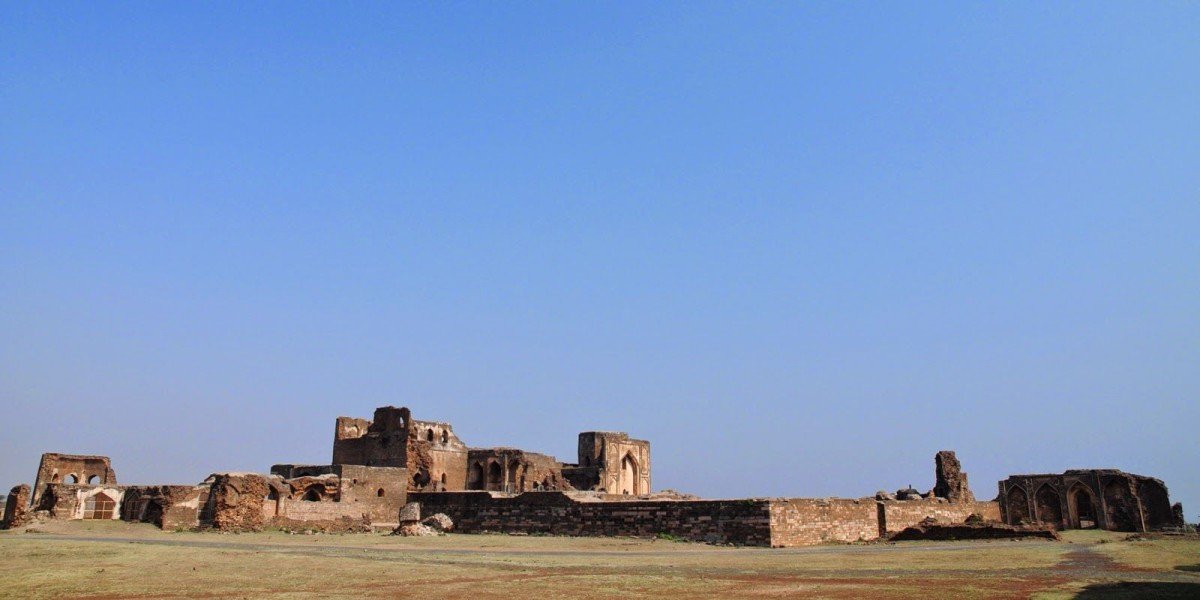
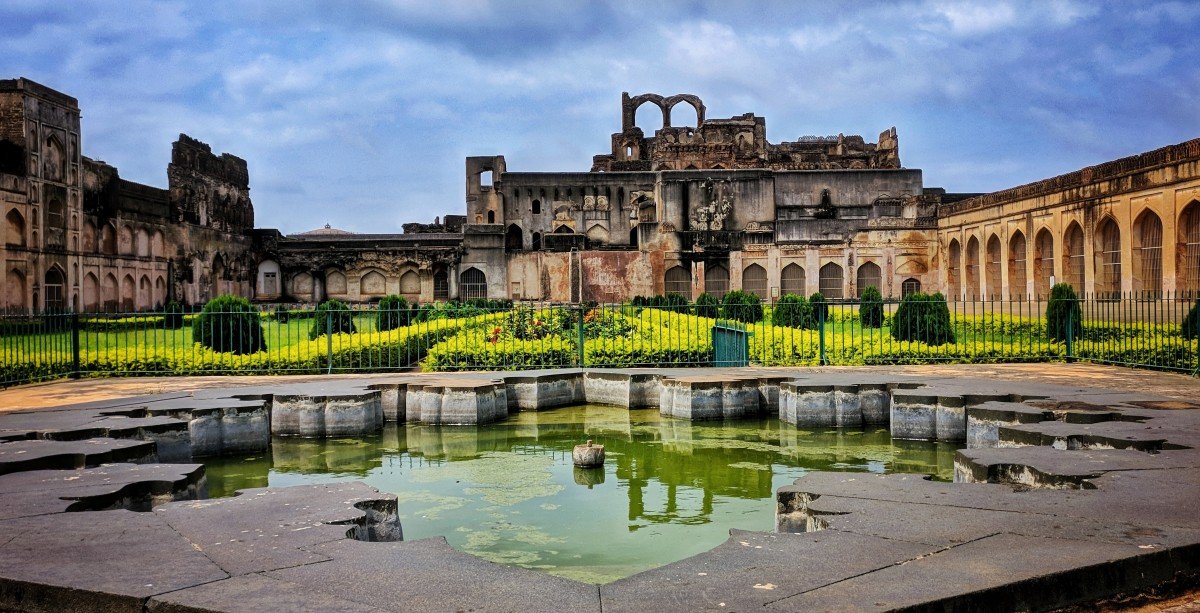
Takht Mahal
General information
-
Ideal Duration:
1.
5 hours (For exploring the palace ruins and view):Place Type:
Historical Monument/Royal PalaceEntry Fees:
No Separate Entry Fee: There is no separate entry fee for the Takht Mahal, as it is an integral part of the Bidar Fort complex.
Fort Complex Fee: You may be required to pay the nominal entry fee (for the whole fort complex) if one is imposed ...No Separate Entry Fee: There is no separate entry fee for the Takht Mahal, as it is an integral part of the Bidar Fort complex.
Fort Complex Fee: You may be required to pay the nominal entry fee (for the whole fort complex) if one is imposed by the Archaeological Survey of India (ASI). Indian nationals typically pay a very low fee, while foreigners pay a slightly higher fee. The cost ensures the monument's upkeep.
:Timing:
Regular Timings: Generally open from 9:00 AM to 5:00 PM (same as the fort). Entry after sunset is usually restricted.
Ideal Visit Time: The best time to visit is early morning (9:00 AM to 11:00 AM) or late afternoon (4:00 PM to 5:00 PM) to b...Regular Timings: Generally open from 9:00 AM to 5:00 PM (same as the fort). Entry after sunset is usually restricted.
Ideal Visit Time: The best time to visit is early morning (9:00 AM to 11:00 AM) or late afternoon (4:00 PM to 5:00 PM) to benefit from cooler temperatures and better lighting for photography. Avoid the intense midday heat.
:Special Events:
Heritage Walks and Guided Tours: Specific heritage organizations or the ASI sometimes conduct special guided walks focused on the Bahmani architecture and the political history centered at the Takht Mahal.
Local Cultural Events: Occasionally,...Heritage Walks and Guided Tours: Specific heritage organizations or the ASI sometimes conduct special guided walks focused on the Bahmani architecture and the political history centered at the Takht Mahal.
Local Cultural Events: Occasionally, smaller cultural or historical awareness events are held within the fort complex, often utilizing the vast space of the Diwan-i-Aam ruins.
:Best Photo Spots:
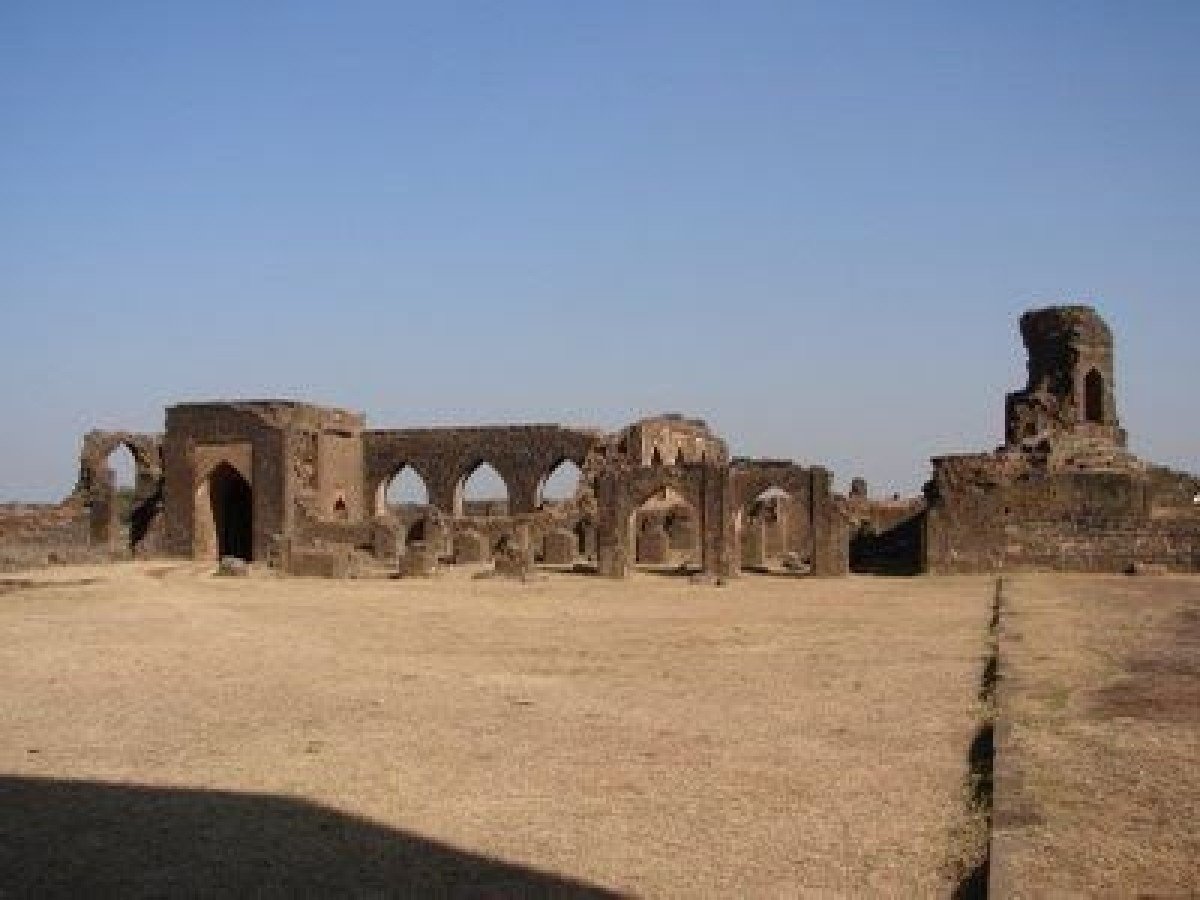
Framing the View: The open arches of the surviving pavilions provide natural frames for the landscape view outside.
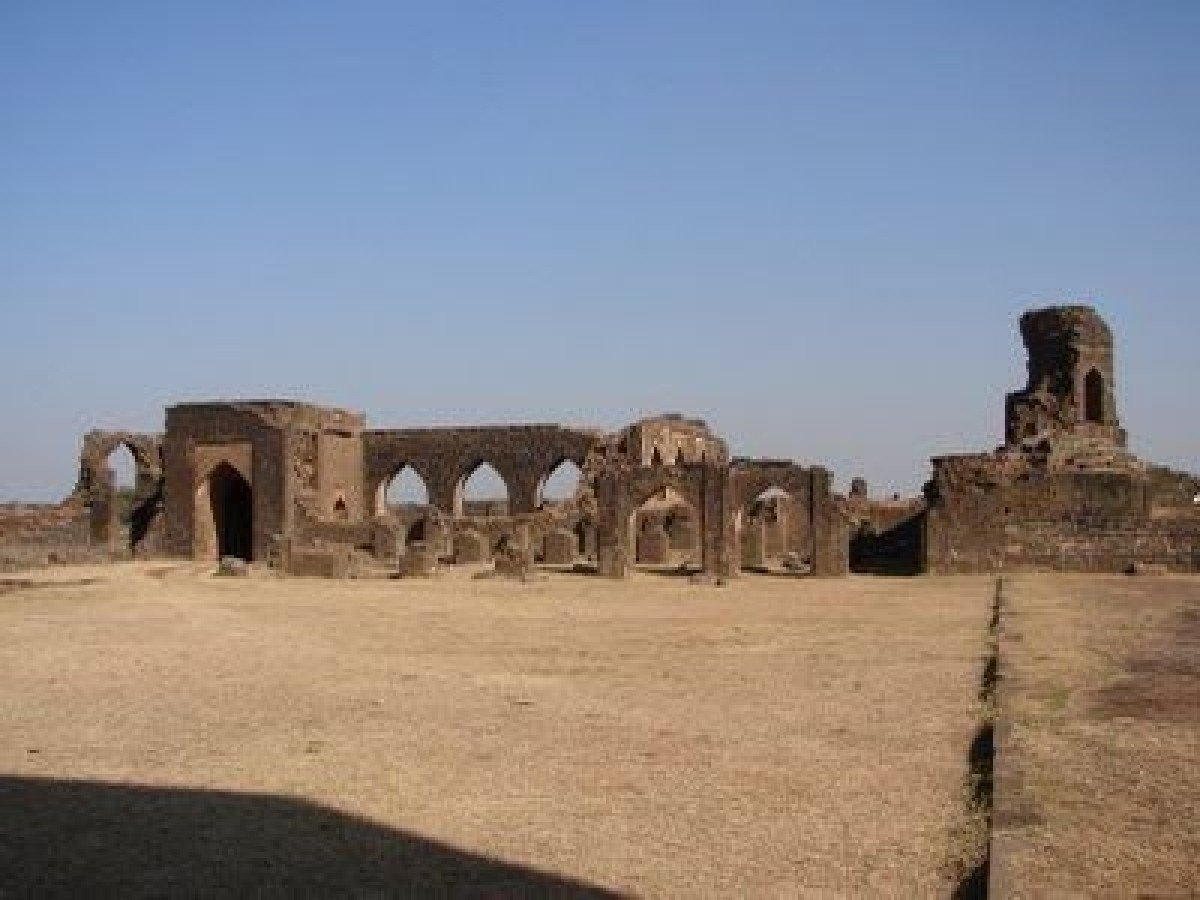
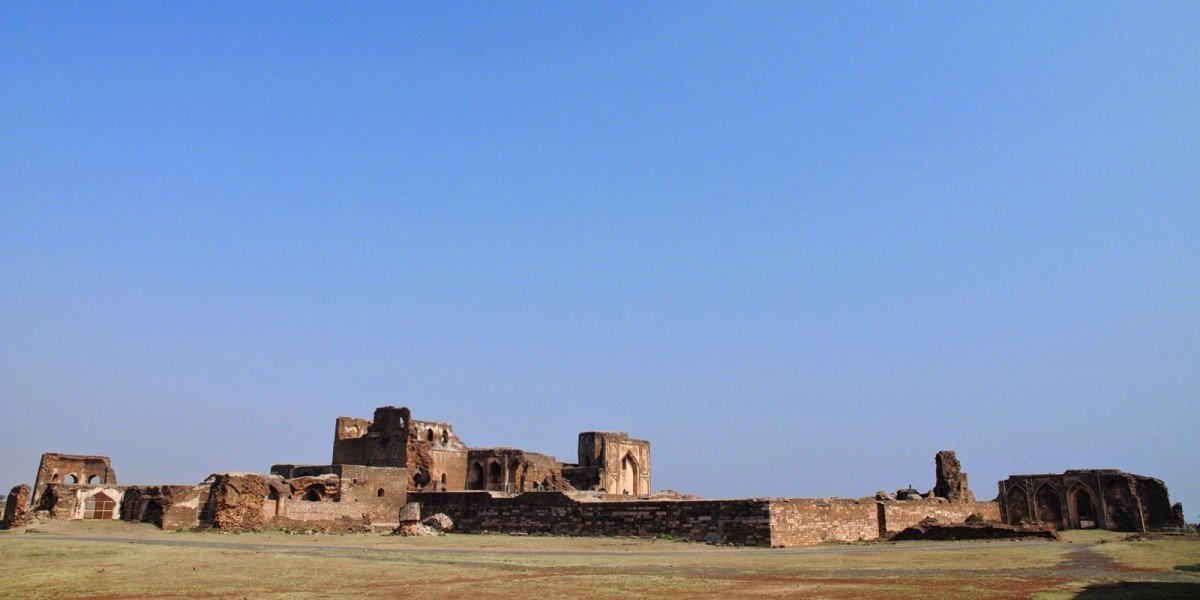
The Diwan-i-Aam Panorama: A wide shot capturing the entire expanse of the public audience hall ruins.
Read MoreFraming the View: The open arches of the surviving pavilions provide natural frames for the landscape view outside.
The Diwan-i-Aam Panorama: A wide shot capturing the entire expanse of the public audience hall ruins.
The Wall Texture: Close-up shots of the weathered laterite stone and the surviving patches of stucco or tilework for texture and color contrast.
Sunset at the Palace Ruins: Capturing the ruins silhouetted against a dramatic sunset sky from the higher elevation of the palace. (Approx.
):Photo Gallery
Things To Do
-
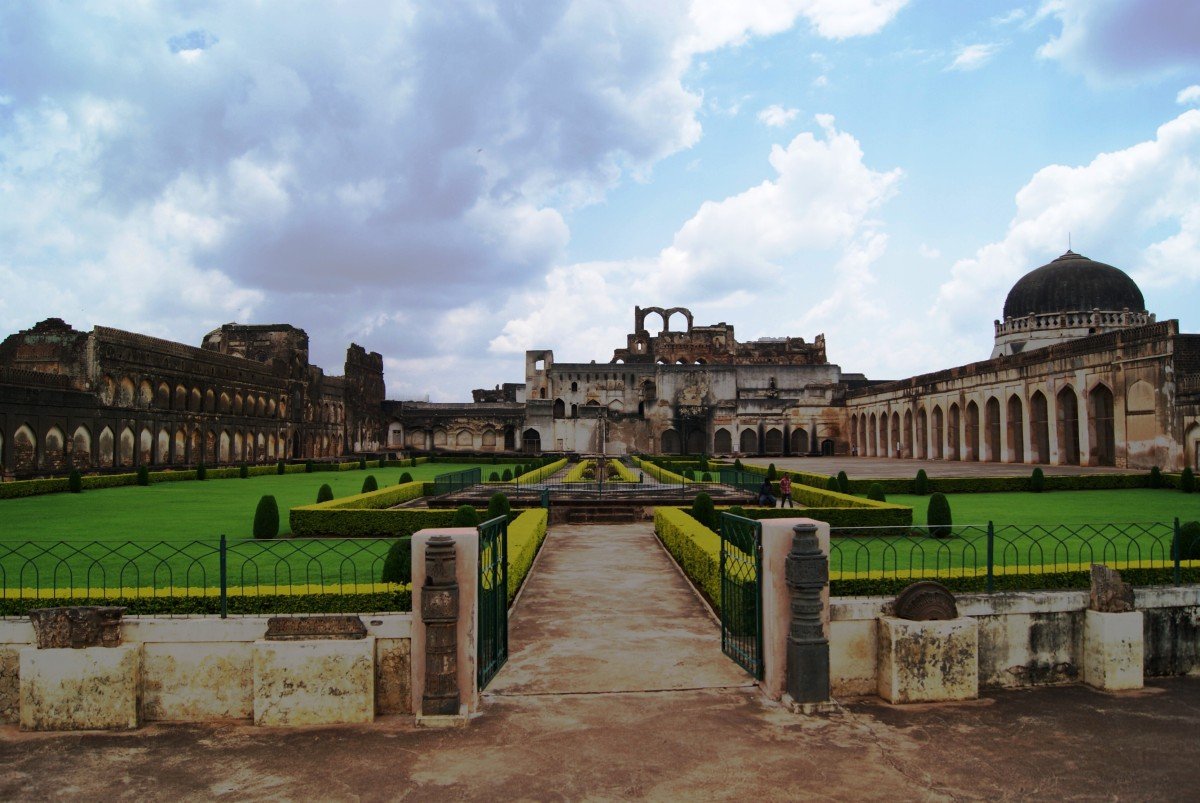
Imagine the Royal Court (): Stand in the Diwan-i-Aam and visualize the grand ceremonies, public audiences, and political drama that unfolded in this space centuries ago.
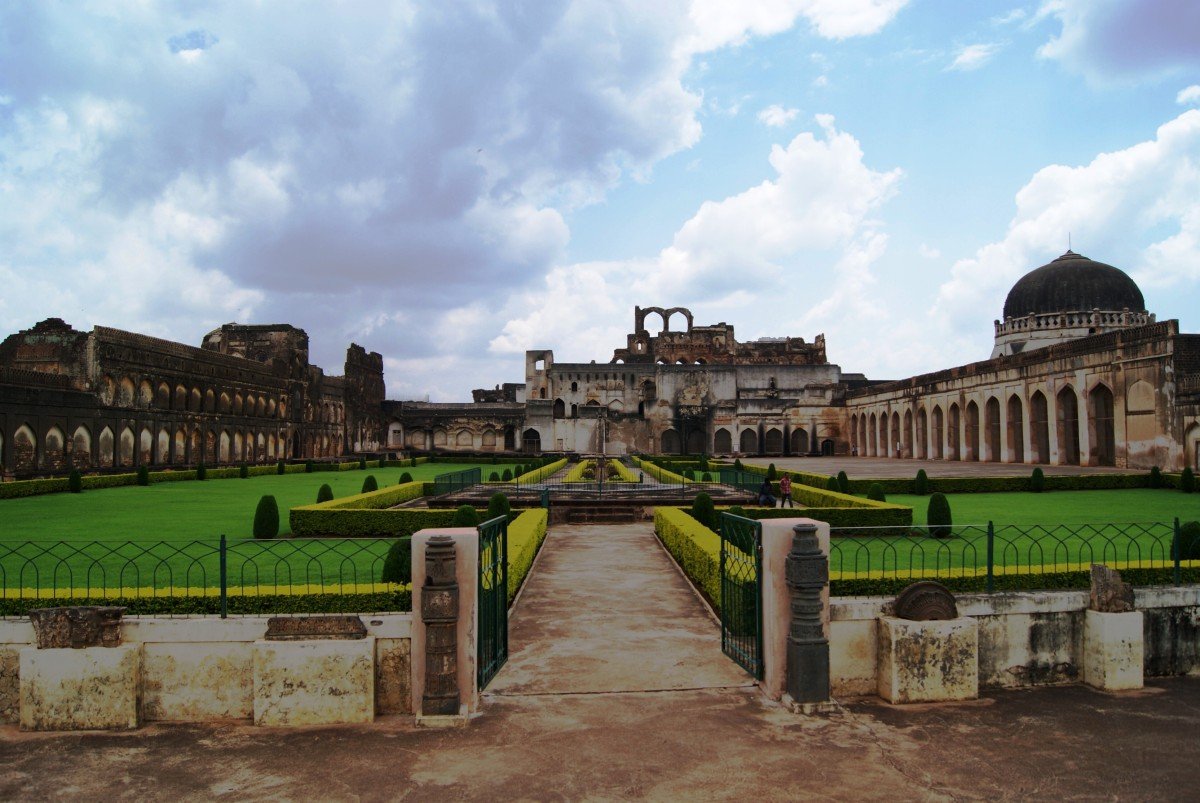
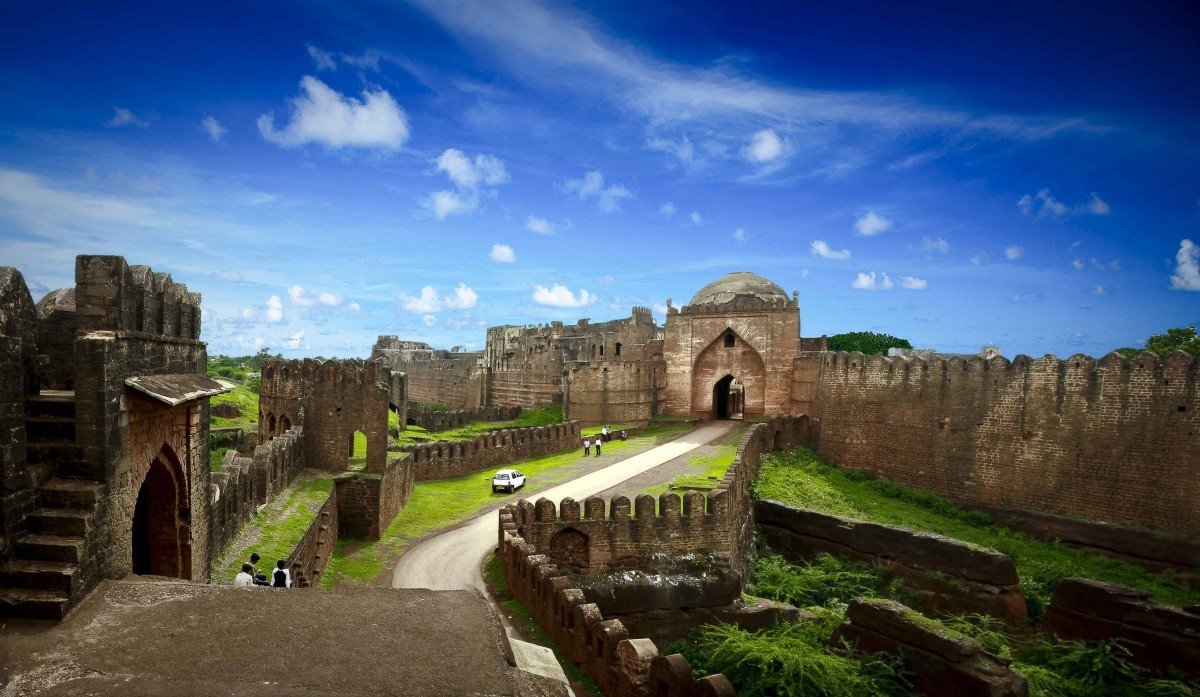
Photography of the Lofty Arches (): Capture the impressive scale of the surviving arches and walls, using the ruins to frame the sky or the distant landscape.
Explore the Connected Structures (): The Takht Mahal is connected to other palace ruins like the Rangeen Mahal and Tarkash Mahal; explore the entire royal complex to understand the scale of the original fort-city.
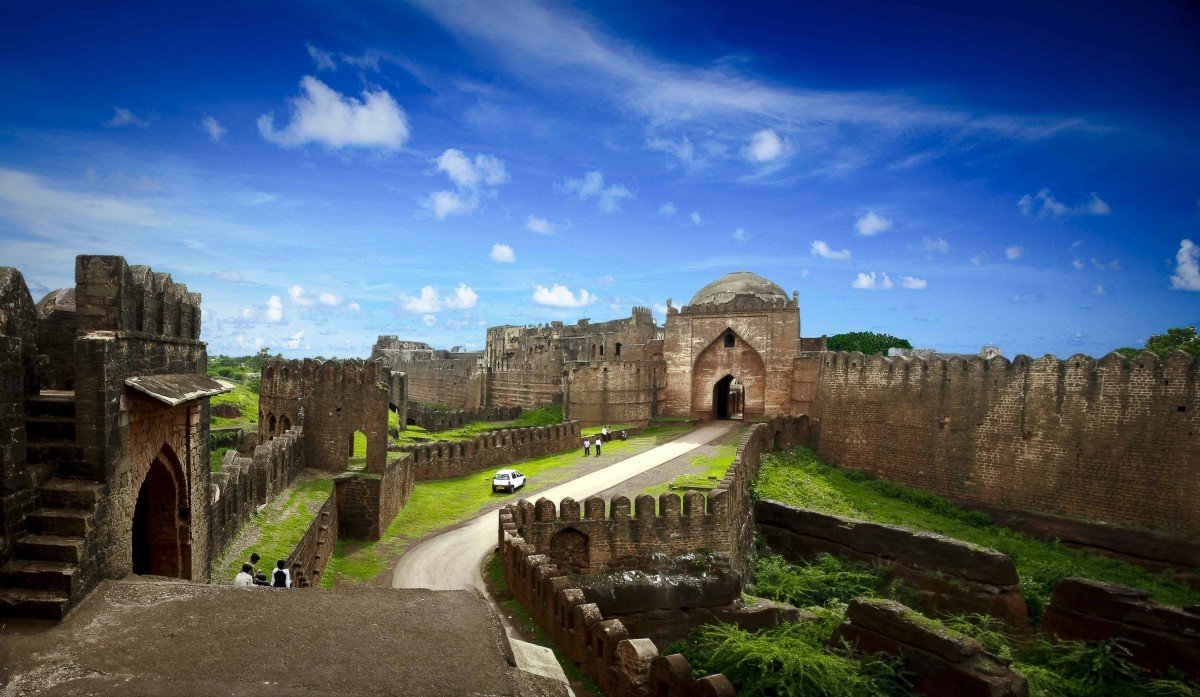
Enjoy the Panoramic View (): Walk to the edge of the palace platform for a breathtaking, unobstructed view of the valley below and the extensive fort fortifications, a view once reserved only for the Sultan.
Read MoreImagine the Royal Court (): Stand in the Diwan-i-Aam and visualize the grand ceremonies, public audiences, and political drama that unfolded in this space centuries ago.
Photography of the Lofty Arches (): Capture the impressive scale of the surviving arches and walls, using the ruins to frame the sky or the distant landscape.
Explore the Connected Structures (): The Takht Mahal is connected to other palace ruins like the Rangeen Mahal and Tarkash Mahal; explore the entire royal complex to understand the scale of the original fort-city.
Enjoy the Panoramic View (): Walk to the edge of the palace platform for a breathtaking, unobstructed view of the valley below and the extensive fort fortifications, a view once reserved only for the Sultan.
Study the Plasterwork Details (): Examine the fine details of the surviving stucco (plaster) art on the walls and niches, noticing the floral and geometric patterns that decorated the interiors.
Read the Historical Plaques (): Take time to read the information boards provided by the ASI to fully grasp the historical function of each section of the palace complex.
:
Information
-
Why Famous:
Site of Royal Coronations: It is famous as the place where the coronations of the Bahmani and Barid Shahi rulers took place, making it the most historically and politically significant structure in the fort.
Architectural Grandeur: Even in ru...Site of Royal Coronations: It is famous as the place where the coronations of the Bahmani and Barid Shahi rulers took place, making it the most historically and politically significant structure in the fort.
Architectural Grandeur: Even in ruins, its massive scale and impressive remnants of sophisticated Indo-Islamic decoration highlight the zenith of Deccani royal architecture.
Strategic Location: Located at a commanding position, it offers the best panoramic views of the surrounding Bidar plateau and the Manjira valley.
: -
Architecture:
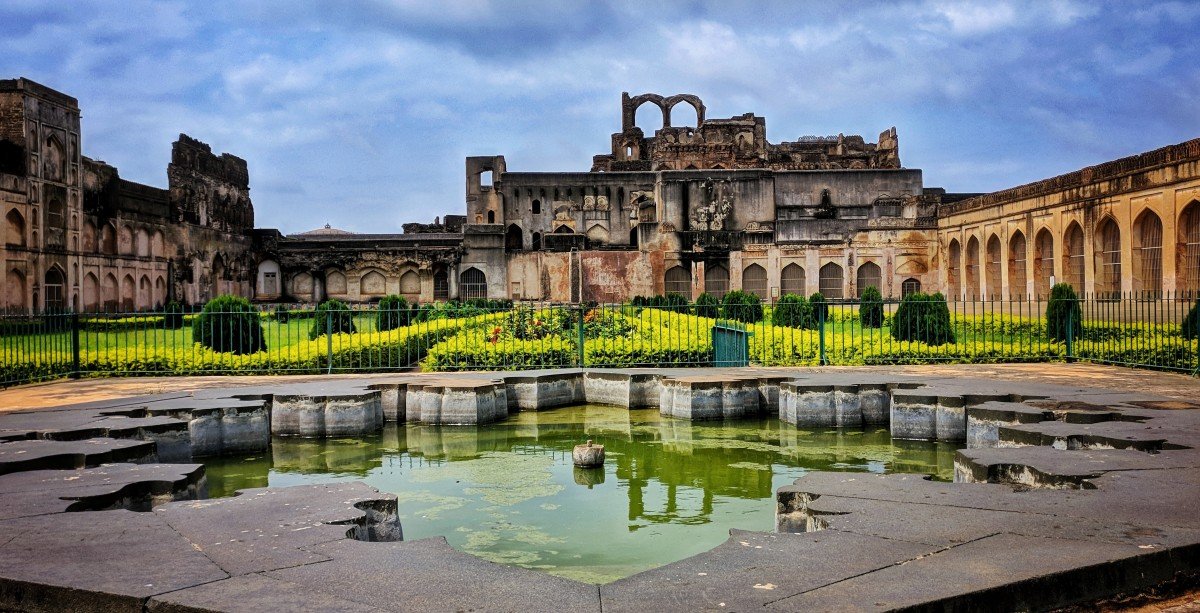
Architecture and Indo-Islamic Fusion: The palace architecture is a spectacular fusion of Persian, Turkish, and indigenous Indian styles, characteristic of the Bahmani era's cosmopolitan nature. It was originally a multi-storeyed structure.
Key A...Architecture and Indo-Islamic Fusion: The palace architecture is a spectacular fusion of Persian, Turkish, and indigenous Indian styles, characteristic of the Bahmani era's cosmopolitan nature. It was originally a multi-storeyed structure.
Key Architectural Components: The design includes a stately façade, lofty arches, expansive halls, and royal pavilions. The Diwan-i-Khas was the centerpiece, where the royal throne was positioned on a raised platform, surrounded by intricately decorated walls. Surviving elements show traces of intricate stucco designs, floral motifs, and calligraphic inscriptions. Its layout was designed for grand processions and public ceremonies, with the open courtyard of the Diwan-i-Aam allowing the sultan to address his subjects. The use of red laterite stone contrasts with the once-vibrant tilework, showcasing the era's decorative techniques.
: -
How To Reach:
By Air: The closest airport is Rajiv Gandhi International Airport (HYD) in Hyderabad (approx. 150 KMS). From the airport, a taxi or bus to Bidar is necessary.
By Train: Nearest is Bidar Railway Station (BIDR). The palace is inside the Bida...By Air: The closest airport is Rajiv Gandhi International Airport (HYD) in Hyderabad (approx. 150 KMS). From the airport, a taxi or bus to Bidar is necessary.
By Train: Nearest is Bidar Railway Station (BIDR). The palace is inside the Bidar Fort, a short auto-rickshaw ride (approx. 2-3 KMS) from the station to the fort entrance.
By Road: Bidar Fort is easily reached by road. Buses and private vehicles travel to Bidar from surrounding states. Once at the fort entrance, follow the paths to the central palace complex.
By Local Transport: Take an auto-rickshaw to the Bidar Fort main gate. From there, the walk to the Takht Mahal is a pleasant 10-15 minutes walk through the ruins.
: -
Weather and Best Time to Visit:
Different Types of Seasons: Winter (November to February) is highly recommended for comfortable outdoor exploration of the fort's vast grounds and ruins. Monsoon can be picturesque with new growth, but ruins can be difficult to navigate. Summer is challenging due to the la...Different Types of Seasons: Winter (November to February) is highly recommended for comfortable outdoor exploration of the fort's vast grounds and ruins. Monsoon can be picturesque with new growth, but ruins can be difficult to navigate. Summer is challenging due to the lack of shade.
Different Parts of the Day: Morning is preferable for a calm, uncrowded, and cooler experience. Late afternoon is great for photography with the setting sun.
: -
Near Tourist Places:
Rangeen Mahal (0. 2 KMS), Tarkash Mahal (0. 3 KMS), Solah Khamba Mosque (0. 5 KMS), Gagan Mahal (0. 5 KMS), Hazar Kothri (0. 2 KMS), Bidar Fort Museum (1 KMS), Chaubara Tower (2 KMS), Mahmud Gawan Madrasa (3 KMS), Barid Shahi Tombs (6 KMS), Guru Nanak Jhira Sahib (4 KMS).
Tourism Tips
-
Health & Safety: The ruins have uneven surfaces and broken steps; wear sturdy, comfortable walking shoes. Carry plenty of drinking water.
Packing: A good camera and lens are essential to capture the scale and views. Bring a cap or hat as t...Health & Safety: The ruins have uneven surfaces and broken steps; wear sturdy, comfortable walking shoes. Carry plenty of drinking water.
Packing: A good camera and lens are essential to capture the scale and views. Bring a cap or hat as there is very little shade.
Accommodation: The best accommodation choices are located in the new part of Bidar city, offering a range of options from budget lodges to mid-range hotels.
Other Different Topics: Consider hiring a local government-approved guide at the fort entrance for a richer historical experience and context.
:
Reviews
FAQs
Bidar Itineray And Cost:-
Other Places In Bidar :-
Other States In India :-
Information about New and Updated Locations() of Karnataka Has Been Added :-
Card subtitle
Note:-
Information provided here in good Faith and for reference only.
Near Places
Ahmad Shah Wali Bahman Tomb
Some quick example text to build on the card title and make up the bulk of the card's content.
Go somewhere
Anubhava Mantapa
Some quick example text to build on the card title and make up the bulk of the card's content.
Go somewhere
Bahmani Tombs
Some quick example text to build on the card title and make up the bulk of the card's content.
Go somewhere
Barid Shahi Tombs
Some quick example text to build on the card title and make up the bulk of the card's content.
Go somewhere
Basavakalyan Fort
Some quick example text to build on the card title and make up the bulk of the card's content.
Go somewhere
Basaveshwara Circle
Some quick example text to build on the card title and make up the bulk of the card's content.
Go somewhere
Bidar Fort
Some quick example text to build on the card title and make up the bulk of the card's content.
Go somewhere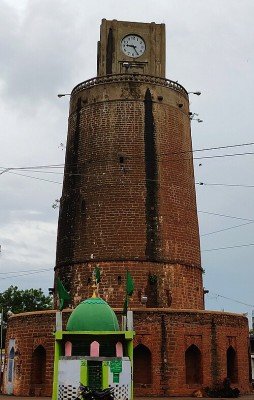
Chaubara Tower
Some quick example text to build on the card title and make up the bulk of the card's content.
Go somewhere
Chaukhandi of Hazrat Khalil Ullah
Some quick example text to build on the card title and make up the bulk of the card's content.
Go somewhere
Dev Dev Vana
Some quick example text to build on the card title and make up the bulk of the card's content.
Go somewhere
Dulhan Darwaza
Some quick example text to build on the card title and make up the bulk of the card's content.
Go somewhere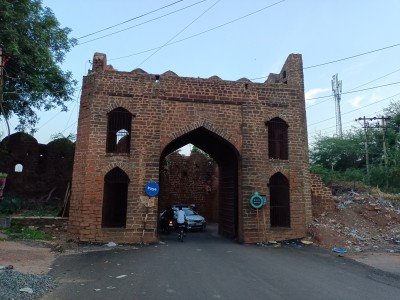
Fateh Darwaza
Some quick example text to build on the card title and make up the bulk of the card's content.
Go somewhere
Gumbaz Darwaza
Some quick example text to build on the card title and make up the bulk of the card's content.
Go somewhere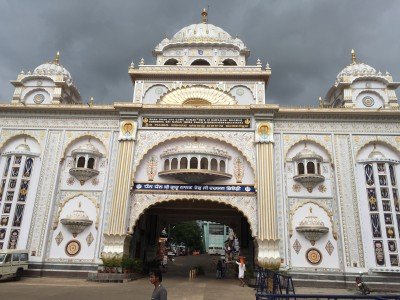
Guru Nanak Jhira Sahib
Some quick example text to build on the card title and make up the bulk of the card's content.
Go somewhere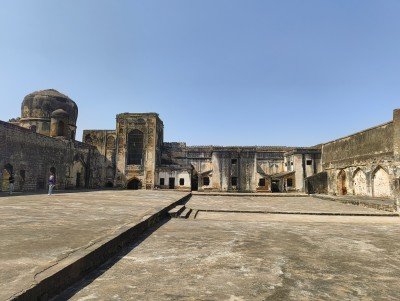
Hazar Kothari
Some quick example text to build on the card title and make up the bulk of the card's content.
Go somewhere
Karanja Dam
Some quick example text to build on the card title and make up the bulk of the card's content.
Go somewherein Other Cities