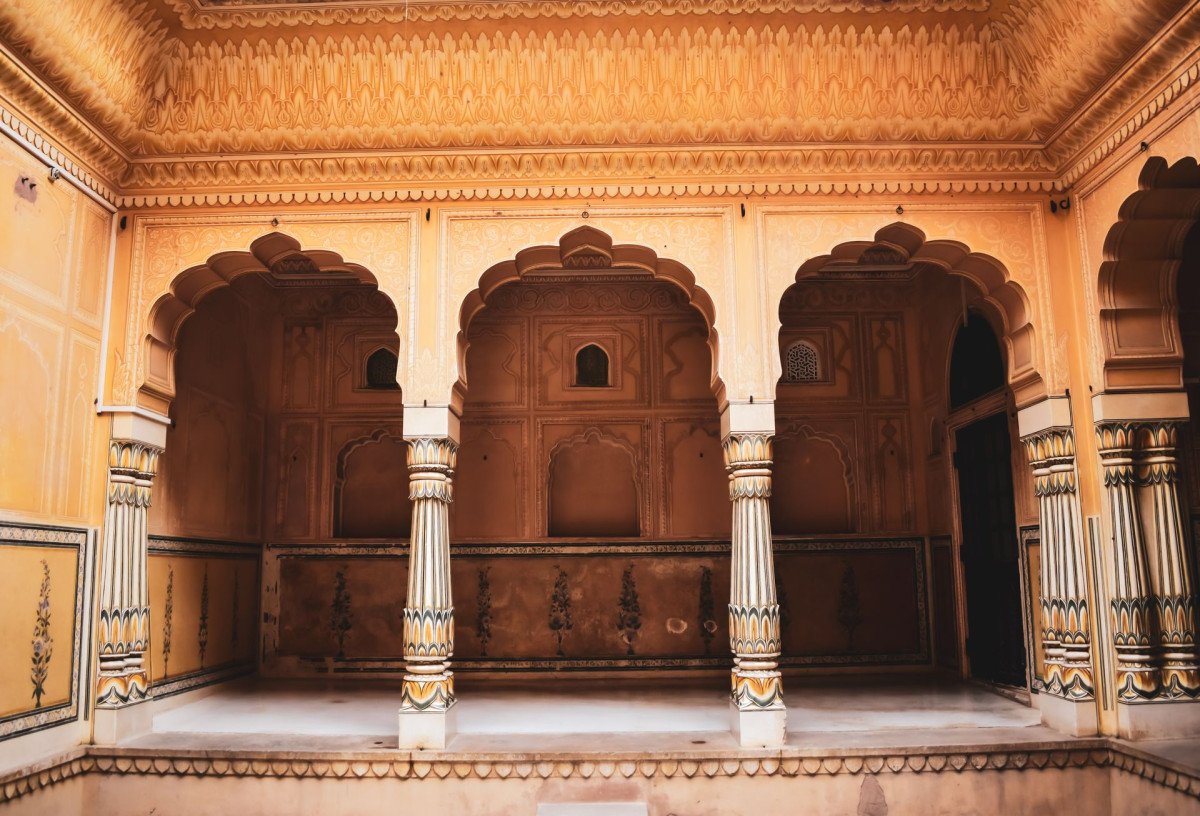
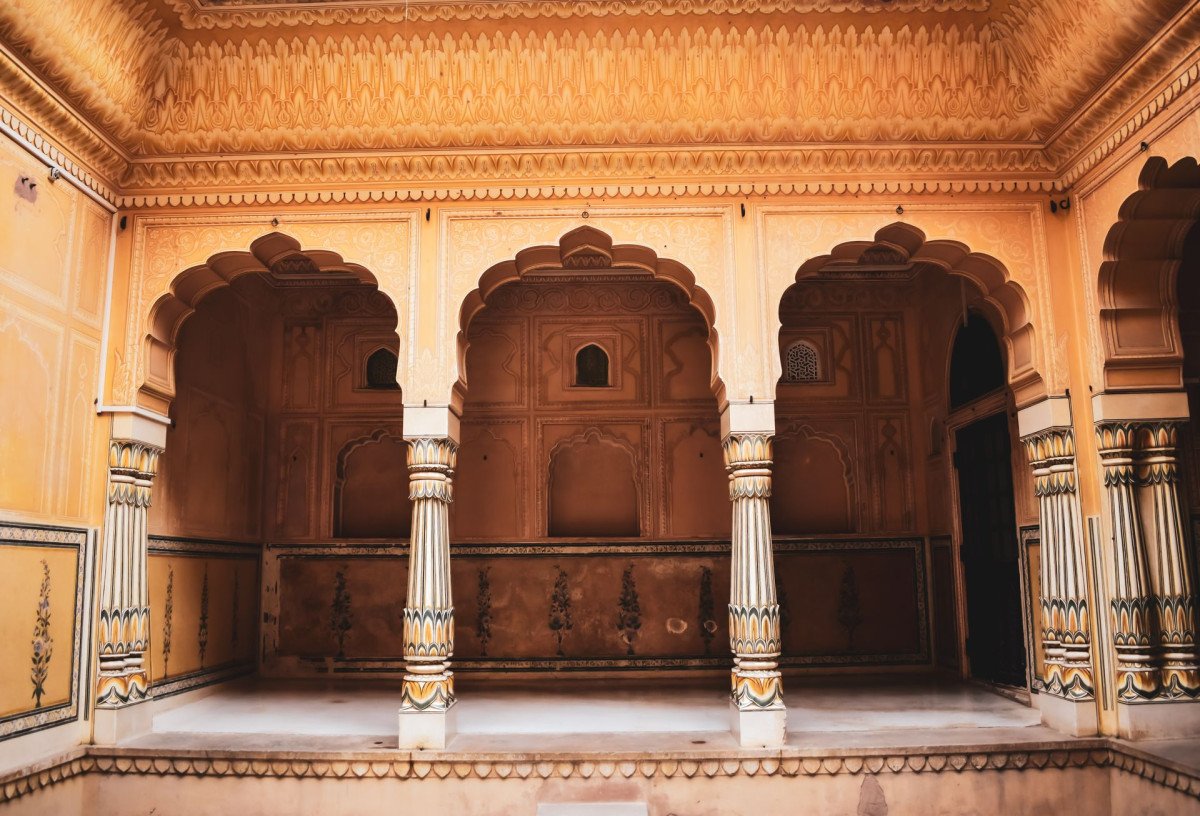
Tikona Fort
General information
-
Ideal Duration:
3 to 5 hours: (This includes 2 to 3 hours for the round-trip trek and 1 to 2 hours for exploring the fort's summit and enjoying the views).Place Type:
Historical Fort, Trekking Destination, Viewpoint:Entry Fees:
General Entry and Trekking: Typically, there is no specific entry fee for trekking up Tikona Fort itself, as it is a natural heritage site. However, the base village, Tikona Peth, may levy a very small, nominal "trekking or village entry fee" of around Rs.20 to Rs.50 per person...General Entry and Trekking: Typically, there is no specific entry fee for trekking up Tikona Fort itself, as it is a natural heritage site. However, the base village, Tikona Peth, may levy a very small, nominal "trekking or village entry fee" of around Rs.20 to Rs.50 per person or a minor fee for vehicle parking. This fee is often collected by local villagers for maintenance and community welfare, and is variable.
Vehicle Parking Charges: Visitors arriving by private vehicle (car, bike, or van) must pay a parking fee at the designated parking areas in Tikona Peth (the base village). This fee is generally between Rs.50 to Rs.100 for cars and less for bikes. It is important to pay this to ensure safe parking.
Organized Trek Cost: If you join an organized trekking group from Pune or Mumbai, the overall cost (which can range from Rs.600 to Rs.1,500 per person) is a package that includes transportation, breakfast, lunch, and the expertise of a guide, effectively covering the 'cost to visit,' but this is not an official government entry fee. Visitors should carry small change to pay the local fees directly and not rely on digital payments. It is essential to note that any minor fees collected are usually for local community services and should be considered a contribution to the upkeep of the area, making the fort essentially free to enter, but requiring minor contributions for access and services.Timing:
Regular Timings (For Ascent/Descent): The fort is officially open for the public from 5:00 am (Sunrise) to 5:00 pm (Late Afternoon/Sunset) daily. Trekking outside these hours is highly discouraged due to safety concerns. Most organized treks aim to start the ascent before ...Regular Timings (For Ascent/Descent): The fort is officially open for the public from 5:00 am (Sunrise) to 5:00 pm (Late Afternoon/Sunset) daily. Trekking outside these hours is highly discouraged due to safety concerns. Most organized treks aim to start the ascent before 9:00 am to avoid the mid-day sun, especially in summer.
Ideal Visit Time (The Golden Hours): The absolute best time to start the trek is early in the morning, around 5:00 am to 6:00 am, to catch the breathtaking sunrise from the summit. Alternatively, starting around 2:00 pm to 3:00 pm allows for exploration and descending before it gets completely dark, while also offering spectacular sunset views over Pawna Lake. Mid-day (11:00 am to 2:00 pm) should ideally be avoided, especially in the summer and post-monsoon months, due to the intense heat and harsh sunlight, which makes the ascent significantly more strenuous.
Seasonal Variation: In the monsoon (July to September), the timings are strictly adhered to, and sometimes restricted by local authorities during heavy rain for safety. In winter (November to February), the cooler temperature makes any time between 7:00 am and 4:00 pm comfortable, though the early morning remains the most preferred time for the clearest views.Special Events:
Trekking Events, Expeditions, and the Independence Day Flag Hoisting: Tikona Fort sees a significant increase in activity during certain periods, particularly for organized trekking events. Many adventure clubs from Pune and Mumbai schedule special night treks, often in the summer months to avoid t...Trekking Events, Expeditions, and the Independence Day Flag Hoisting: Tikona Fort sees a significant increase in activity during certain periods, particularly for organized trekking events. Many adventure clubs from Pune and Mumbai schedule special night treks, often in the summer months to avoid the daytime heat, or during the monsoon to experience the fort draped in mist and lush greenery. These events foster a sense of community among trekkers and are a 'special event' for the local tourism economy.
Major National Days: The fort becomes a site of patriotic reverence on days like Independence Day (August 15) and Republic Day (January 26). Local villagers and trekking groups often organize a flag hoisting ceremony at the summit's flagpole. Witnessing the national flag flutter atop the historical Maratha fort, especially at sunrise, is a deeply moving and special event.
Trimbakeshwar Mahadev Temple Worship: Although a daily ritual, the annual festival associated with the Trimbakeshwar Mahadev Temple on the fort (often linked to the month of Shravan in the Hindu calendar) is a special event. Devotees from the base village of Tikona Peth and nearby areas make a pilgrimage, often carrying water or offerings, which transforms the simple trek into a religious procession, making the summit a hub of spiritual energy and traditional observance.Best Photo Spots:
The Summit Near the Trimbakeshwar Temple: The absolute best spot is the area around the small Trimbakeshwar Mahadev Temple at the fort's highest point. From here, you get a full, 360-degree panoramic vista. This is ideal for landscape photography, capturing the entire scop...The Summit Near the Trimbakeshwar Temple: The absolute best spot is the area around the small Trimbakeshwar Mahadev Temple at the fort's highest point. From here, you get a full, 360-degree panoramic vista. This is ideal for landscape photography, capturing the entire scope of the Pawna Lake reservoir, the distant peaks of Lohagad and Visapur forts, and the vast Sahyadri mountain range. Early morning (sunrise) and late afternoon (sunset) offer the best light and dramatic colors for stunning wide-angle shots.
The Rock-Cut Steps and Entrance: The final stretch of the ascent, featuring the narrow, steep rock-cut steps carved directly into the basalt cliff, is a fantastic spot for action or dramatic portrait shots. The scale of the stone steps provides a great sense of adventure and the difficulty of the historical defense. Capture a person climbing the steps from a low angle to emphasize the height and drama.
The Main Gate (Mukhya Darvaja): The large, weathered stone archway of the main entrance gate offers an excellent photo opportunity for historical and architectural photography. The gate's structure, often framed by the rough stone walls, serves as a powerful foreground element. It's a great spot for a historical-themed selfie or a picture capturing the start of the final ascent.
View from a Bastion (Buruj): Stand on one of the well-preserved bastions and use the stone wall as a leading line or frame for the landscape below. These points offer slightly different angles and a close-up view of the defensive architecture against the backdrop of the valley, perfect for photos that combine the historical structure with the natural scenery.Photo Gallery
Things To Do
-
1.
Trekking and Hiking (The Primary Attraction): The most popular activity is the trek from the base village, Tikona Peth, to the fort's summit. The trail is well-marked and is a rewarding challenge for a few hours. The ascent itself is an adventure, featuring rocky paths, forested sections, and the iconic steep rock-cut steps towards the top. It is an excellent way to engage in physical activity while enjoying nature. 2. Panoramic Photography and Viewpoint Exploration (Capturing the Vista): Once at the summit, the prime activity is photography. The fort offers incredible 360-degree views. You can capture the massive Pawna Lake backwaters, the rolling hills of the Sahyadri, and the distinct shapes of neighboring forts like Lohagad, Visapur, and Tung. Sunrise and sunset views from this vantage point are particularly spectacular and a must-capture ...1.
Trekking and Hiking (The Primary Attraction): The most popular activity is the trek from the base village, Tikona Peth, to the fort's summit. The trail is well-marked and is a rewarding challenge for a few hours. The ascent itself is an adventure, featuring rocky paths, forested sections, and the iconic steep rock-cut steps towards the top. It is an excellent way to engage in physical activity while enjoying nature. 2. Panoramic Photography and Viewpoint Exploration (Capturing the Vista): Once at the summit, the prime activity is photography. The fort offers incredible 360-degree views. You can capture the massive Pawna Lake backwaters, the rolling hills of the Sahyadri, and the distinct shapes of neighboring forts like Lohagad, Visapur, and Tung. Sunrise and sunset views from this vantage point are particularly spectacular and a must-capture moment. 3. Historical and Architectural Exploration (Delving into the Past): Dedicate time to exploring the ruins. Walk the remains of the ramparts and bastions (Buruj), and imagine the defensive strategies employed by the Marathas. Search for the ancient lime stone grater and the other remnants of the fort's daily life. A crucial part of this is visiting the main entrance gate (Mukhya Darvaja) and the strategically located water cisterns (tanks). 4. Spiritual Reflection at the Temple and Caves (Connecting with the Divine): Pay a visit to the Trimbakeshwar Mahadev Temple at the peak for a moment of peace and devotion. Further down the fort, seek out the Buddhist Viharas or caves. These offer a tranquil and historically significant spot for quiet reflection and meditation, away from the main trekking crowd. 5. Base Village Experience and Local Cuisine (Cultural Immersion): Before or after your trek, spend time in Tikona Peth. Engage with the local villagers who often run small, makeshift food stalls (dhaba or uphargruha) offering simple, authentic Maharashtrian village food, such as Pitla Bhakri (chickpea flour curry with flatbread) or Kanda Bhajji (onion fritters). This is an opportunity to support local livelihoods and experience the rural culture. 6.
Camping and Stargazing (Overnight Adventure): While camping on the fort itself is generally discouraged due to safety and conservation, the area near the base village, especially closer to Pawna Lake, is a renowned camping hub. Many organized tours offer overnight camping, which provides a fantastic opportunity for stargazing due to the low light pollution away from major cities like Pune and Mumbai. 7.
Nature Walk and Bird Watching (The Green Side): The path to the fort, especially during the monsoon and winter months, is surrounded by lush greenery and diverse flora. Take a slow walk on the non-steep parts of the trail to appreciate the natural ecosystem. The fort and its surrounding forest are home to various bird species, making it a good spot for quiet bird-watching for those with patience. 8. Combining with Nearby Attractions (A Full Day Out): Plan a trip that combines the Tikona Fort trek with a visit to the nearby Pawna Lake for boating or a picnic, or perhaps a drive to the other twin forts of Lohagad and Visapur for a full day of historical exploration, making the journey more diverse and fulfilling.
Information
-
Why Famous:
Triangular Shape and Name Origin: The fort's primary fame stems from its distinct, eye-catching triangular or pyramidal shape, which inspired its Marathi name, Tikona. This unique structure makes it instantly recognizable and a visually striking landmark in the Pawna region...Triangular Shape and Name Origin: The fort's primary fame stems from its distinct, eye-catching triangular or pyramidal shape, which inspired its Marathi name, Tikona. This unique structure makes it instantly recognizable and a visually striking landmark in the Pawna region.
Maratha Empire Connection: Tikona is celebrated for its deep historical association with Chhatrapati Shivaji Maharaj. Its capture in 1657 and its role as a key watchtower solidified its importance in the growth and defense of the Maratha Empire. This connection draws history enthusiasts and patriots who wish to walk the same paths as the great Maratha warriors.
Panoramic Views of Pawna Lake: The fort is renowned for offering one of the most spectacular, uninterrupted, bird's-eye views of the sprawling Pawna Lake reservoir and the surrounding Sahyadri mountain ranges. The sight of the deep blue lake nestled amidst the green hills, especially during the monsoon and winter months, is a major draw for photographers and nature lovers.
A Beginner-Friendly Trek: Unlike some other highly difficult forts in the area, the trek to Tikona Fort is generally considered moderate and is highly accessible to beginners and families. This ease of access contributes significantly to its popularity as a weekend getaway and a first-time trekking experience, ensuring a steady stream of visitors throughout the year, especially during the trekking season. -
Architecture:
The Triangular Design and Natural Defense: The fort's architecture is primarily defined by its location atop a naturally formed, steep, triangular hill (hence its name). This natural geography served as the primary defense. The fort walls (Tata Bandi) and bastions (Buruj) ...The Triangular Design and Natural Defense: The fort's architecture is primarily defined by its location atop a naturally formed, steep, triangular hill (hence its name). This natural geography served as the primary defense. The fort walls (Tata Bandi) and bastions (Buruj) were constructed along the steep contours of the hill, making an ascent for enemies extremely challenging. The walls are made of local basalt rock, which is a common building material for hill forts in the Sahyadri range.
Key Structures and Dimensions: The fort complex is not immense in terms of ground area, but the vertical dimension is significant, rising to 3,500 feet. The approach is marked by a large main gate (Mukhya Darvaja) with a carved arch and a watchtower, indicating a classic Maratha-era fortification style. The gate is strong but also incorporates simple aesthetic elements. Inside the fort, there are at least seven rock-cut water tanks (cisterns) that are a marvel of ancient engineering, ensuring a year-round supply of water, crucial for a large garrison. These tanks vary in size but some can hold significant volumes of water, demonstrating the importance of water management. The fort also features ancient Buddhist caves (vihara or monastery) dating back to the 7th or 8th century in the lower part, which speaks to its long history as a settled site. The summit houses the Trimbakeshwar Mahadev Temple, a small, simple stone structure maintained by local villagers. The final ascent involves a series of rock-cut steps, which are steep and narrow, a characteristic defensive feature common in many Maratha forts, designed to slow down and expose any invading force. The overall architecture is a beautiful fusion of military functionality and reliance on the inherent defensive strengths of the towering hill. -
How To Reach:
By Air (A Long Distance Start): The nearest major airport is Pune International Airport (PNQ), located about 65 km away. The second closest is Chhatrapati Shivaji Maharaj International Airport (BOM) in Mumbai, approximately 120 km away. From either airport, you would need ...By Air (A Long Distance Start): The nearest major airport is Pune International Airport (PNQ), located about 65 km away. The second closest is Chhatrapati Shivaji Maharaj International Airport (BOM) in Mumbai, approximately 120 km away. From either airport, you would need to hire a pre-booked private taxi or cab directly to Tikona Peth (the base village). The drive from Pune takes around 2 to 2. 5 hours, and from Mumbai, it takes about 3 to 4 hours, depending heavily on traffic and the chosen route.
By Train (A Convenient Rail Link): The nearest major railway junction is Lonavala Railway Station (LNL), which is well-connected to both Mumbai and Pune by regular express and local train services. From Lonavala, the base village, Tikona Peth, is about 20 km away. Alternatively, the closer station is Kamshet Railway Station, which is about 15 km away. From either station, you must hire a local taxi, a private cab, or a shared jeep (jeep-taxi) to reach the base village. The taxi ride from Lonavala takes about 1 hour.
By Road (The Most Common Method): Tikona Fort is best reached by road via the Mumbai-Pune Expressway (NH-48) or the old Mumbai-Pune Highway. From Lonavala, you drive towards Kamshet and then take the road towards Pawna Nagar and finally to Tikona Peth. The road condition is generally good for the initial stretch, but the last few kilometers to Tikona Peth can be narrow and rough. Self-driving your own car or hiring a private taxi is the most comfortable option.
By Local Transport (The Last Mile): From Lonavala or Kamshet towns, the best local transport is a shared six-seater jeep-taxi or a private cab. These are available near the railway stations and bus stands. Shared jeeps are a very cost-effective way to reach Tikona Peth, but you may have to wait for the jeep to fill up with passengers. It's advisable to negotiate the fare before starting the journey. The final stretch of the journey from the base of the hill to the trekking start point is usually covered on foot. -
Weather and Best Time to Visit:
Monsoon Season (June to September): This is considered the most picturesque time. The surrounding hills are covered in a vibrant, lush green carpet, and the atmosphere is cool, foggy, and misty. Waterfalls are visible on the neighboring hills, and the Pawna Lake is at its ...Monsoon Season (June to September): This is considered the most picturesque time. The surrounding hills are covered in a vibrant, lush green carpet, and the atmosphere is cool, foggy, and misty. Waterfalls are visible on the neighboring hills, and the Pawna Lake is at its fullest. However, the trek path can be slippery, and the views from the top might be obscured by heavy clouds and fog.
Winter Season (November to February): This is the most ideal time for trekking. The weather is cool and pleasant throughout the day, and the sky is generally clear, offering the best panoramic views of the entire valley and lake. Trekking is less strenuous compared to summer.
Summer Season (March to May): This is the least preferred time. The temperatures are high, and the trek can be very exhausting. However, if you plan a night trek and reach the summit by sunrise, it can still be a rewarding experience, with clear skies perfect for stargazing.
Different Parts of the Day: Early Morning (5:00 am - 9:
00 am): The best time to start the ascent. The air is fresh, and the light is soft, ideal for trekking and photography. Mid-Day (10:00 am - 3:
00 pm): The hottest and harshest part of the day. Only recommended for a quick visit in winter. Late Afternoon (4:00 pm - 5:
00 pm): A great time to be at the top to enjoy the sunset view before starting the descent. -
Near Tourist Places:
1. Pawna Lake (5 km) - Famous for camping and water activities. 2. Tung Fort (10 km) - Another conical hill fort, good for a combined trek. 3. Korigad Fort (15 km) - Elegant hill fort near Amby Valley. 4. Lohagad Fort (25 km) - The 'Iron Fort', a famous historical trek. 5. Visapur Fort (26 km) - Lohagad's twin fort, known for its waterfalls in monsoon. 6. Kamshet (15 km) - Paragliding hub of Maharashtra. 7. Bedsa Caves (25 km) - Ancient Buddhist rock-cut caves. 8. Lonavala Town Center (20 km) - Shopping for chikki and fudge. 9. Karla Caves (30 km) - Ancient rock-cut Buddhist Chaityas. 10. Bushy Dam (35 km) - Popular spot for overflowing water in the monsoon.
Tourism Tips
-
Health & Safety (Essential Preparations): The trek is moderate, but safety is key. Wear sturdy, closed-toe trekking shoes with good grip, especially if visiting in the monsoon. Carry at least 2 liters of water per person as bottled water supply at the summit is limited and...Health & Safety (Essential Preparations): The trek is moderate, but safety is key. Wear sturdy, closed-toe trekking shoes with good grip, especially if visiting in the monsoon. Carry at least 2 liters of water per person as bottled water supply at the summit is limited and sometimes expensive. Start the trek early to avoid the midday sun and reduce the risk of heat exhaustion. Do not wander off marked trails due to loose rock and cliff edges.
Packing (What to Bring): Essential items include a small backpack, sunscreen, a hat or cap, sunglasses, and light snacks like energy bars or fruits. Carry a light jacket or windcheater for the summit, as it can be breezy and cool, even during summer evenings. If visiting in the monsoon, a waterproof backpack cover and rain gear are essential.
Accommodation (Where to Stay): There is no accommodation on the fort. The closest options are homestays and basic lodges in Tikona Peth. The most popular choice is camping near Pawna Lake, which is very close to the fort and offers various organized tent stays. For more comfortable hotels and resorts, stay in Lonavala or Kamshet, and plan a day trip to the fort.
Other Different Topics (Respecting the Site): Respect the historical and religious nature of the site. Do not litter, vandalize the ruins, or damage the ancient carvings in the caves. Bargain politely with local taxi or jeep drivers before hiring, as fares are often not fixed. Mobile network connectivity can be patchy at the base and on the fort, so inform someone of your trekking plan before starting the ascent. Also, keep an eye out for monkeys near the gate and temple, and avoid feeding them.
Reviews
FAQs
Lonavala Itineray And Cost:-
Other Places In Lonavala :-
Other States In India :-
Information about New and Updated Locations() of Maharashtra Has Been Added :-
Card subtitle
Note:-
Information provided here in good Faith and for reference only.
Near Places
Aamby Valley City
Some quick example text to build on the card title and make up the bulk of the card's content.
Go somewhere
Amrutanjan Point
Some quick example text to build on the card title and make up the bulk of the card's content.
Go somewhere
Bedsa Caves
Some quick example text to build on the card title and make up the bulk of the card's content.
Go somewhere
Bhairavnath Temple
Some quick example text to build on the card title and make up the bulk of the card's content.
Go somewhere
Bhaja Caves
Some quick example text to build on the card title and make up the bulk of the card's content.
Go somewhere
Bhushi Dam
Some quick example text to build on the card title and make up the bulk of the card's content.
Go somewhere
Bushy Lake
Some quick example text to build on the card title and make up the bulk of the card's content.
Go somewhere
Celebrity Wax Museum
Some quick example text to build on the card title and make up the bulk of the card's content.
Go somewhere
Della Adventure Park
Some quick example text to build on the card title and make up the bulk of the card's content.
Go somewhere
Duke's Nose
Some quick example text to build on the card title and make up the bulk of the card's content.
Go somewhere
Ekvira Devi Temple
Some quick example text to build on the card title and make up the bulk of the card's content.
Go somewhere
Imagicaa Theme Park
Some quick example text to build on the card title and make up the bulk of the card's content.
Go somewhere
Karla Caves
Some quick example text to build on the card title and make up the bulk of the card's content.
Go somewhere
Korigad Fort
Some quick example text to build on the card title and make up the bulk of the card's content.
Go somewhere
Kune Waterfalls
Some quick example text to build on the card title and make up the bulk of the card's content.
Go somewhere
Lion's Point
Some quick example text to build on the card title and make up the bulk of the card's content.
Go somewherein Other Cities