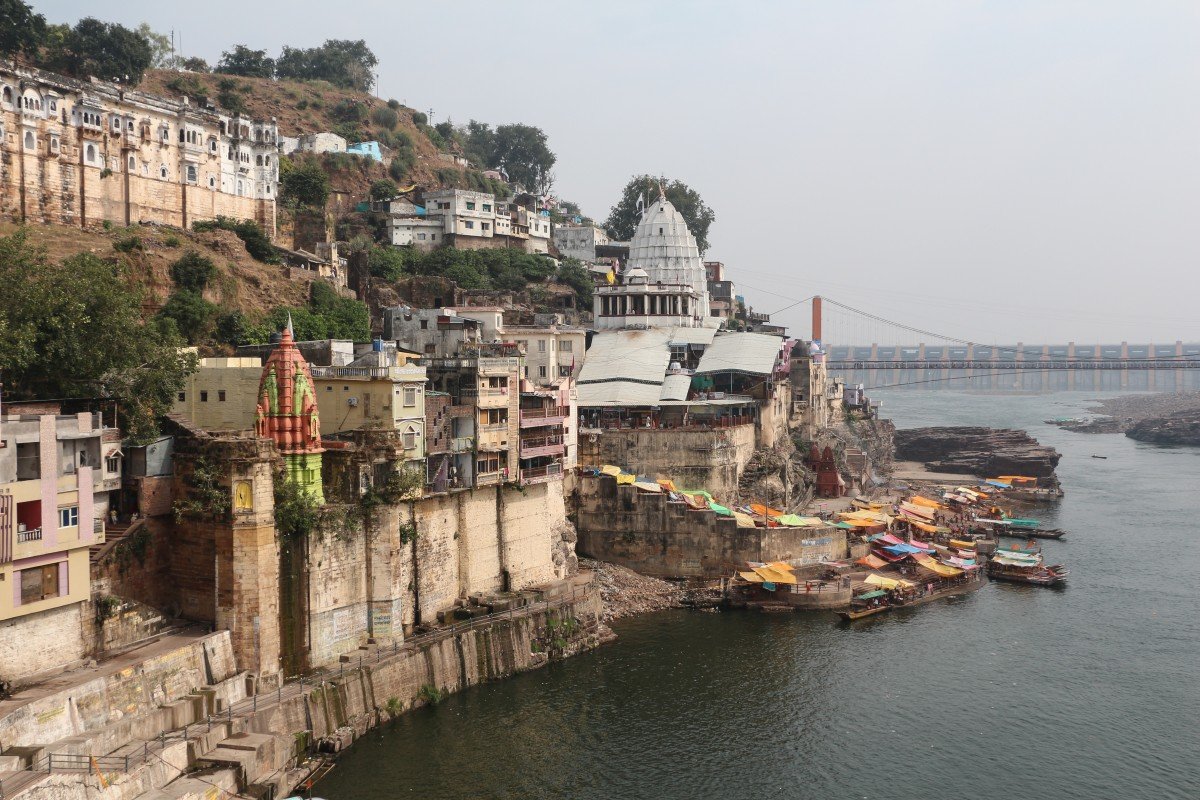


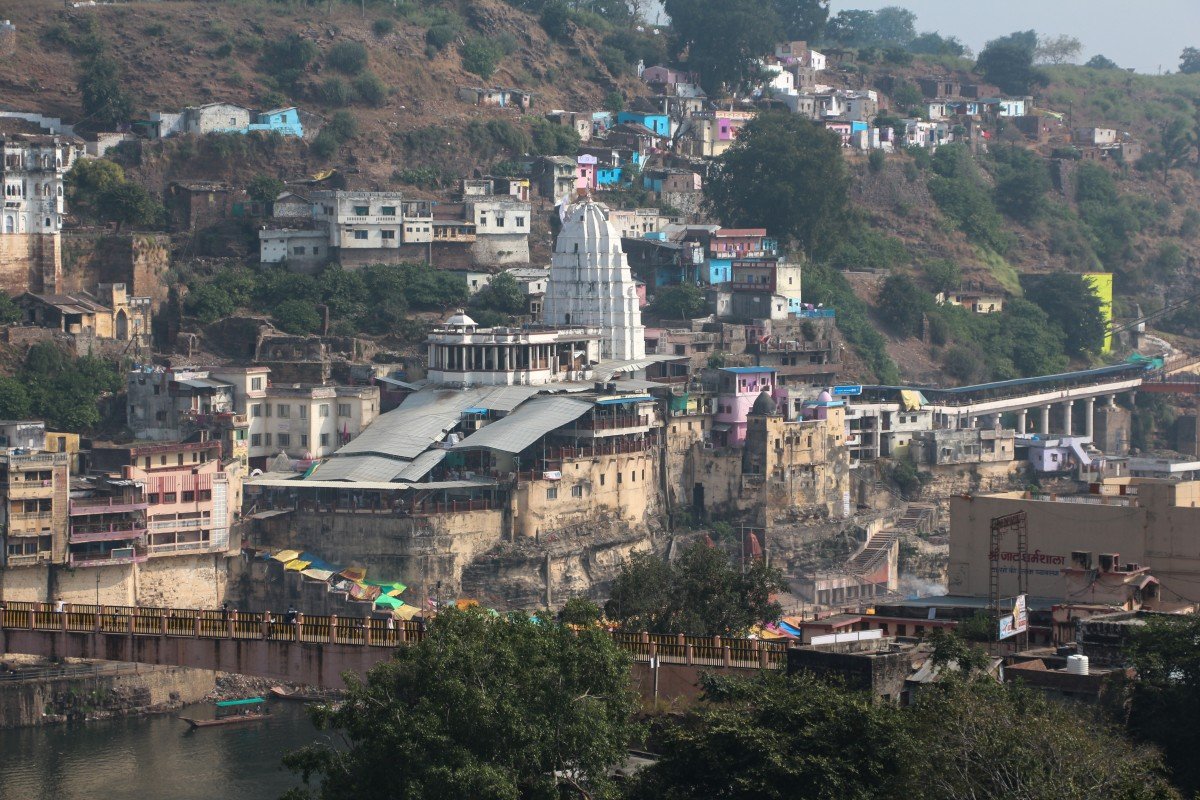
Triveni Sangam Temple
General information
-
Ideal Duration:
1 Hour to 2 Hours:Place Type:
Spiritual, Ritualistic, Scenic:Entry Fees:
No Entry Fee: Access to the Triveni Sangam Temple and the confluence area is free of cost for all visitors and pilgrims.
No Mandatory Fee: There are no mandatory charges for viewing the confluence or for taking a holy bath (snan).No Entry Fee: Access to the Triveni Sangam Temple and the confluence area is free of cost for all visitors and pilgrims.
No Mandatory Fee: There are no mandatory charges for viewing the confluence or for taking a holy bath (snan).
Ritual Fees: The main expense is the fee for the priest to perform specialized ancestral rites (Pind Daan or tarpan), which is negotiable and depends on the complexity of the ritual. This is an offering (dakshina), not an entry fee.
Boat Ride Cost: If you hire a boat to go to the exact meeting point, there will be a negotiable charge for the boatman's service.
Pooja Material Cost: A small cost for the purchase of pooja materials (flowers, ceremonial items) applies. The overall visit is very low-cost, maintaining the accessibility of an important spiritual center. :Timing:
Regular Timings: The Sangam area is generally accessible 24 hours a day, but the small temple is typically open from 6:00 AM to 7:00 PM to accommodate rituals during daylight.
Ideal Visit Time: The early morning (6:00 AM to 9:00 AM) is the m...Regular Timings: The Sangam area is generally accessible 24 hours a day, but the small temple is typically open from 6:00 AM to 7:00 PM to accommodate rituals during daylight.
Ideal Visit Time: The early morning (6:00 AM to 9:00 AM) is the most ideal time to perform rituals and snan, as the light is soft, the temperature is cool, and the atmosphere is intensely spiritual and peaceful.
Afternoon Avoidance: The period between 11:00 AM and 4:00 PM can be very hot, making long rituals or waiting uncomfortable. It is best to avoid the midday sun.
Ritual Focus: If planning for specific rituals like Pind Daan, consult with a local priest for the most auspicious time, which is usually in the morning hours. The atmosphere is very conducive to solemn rites in the cool morning air. :Special Events:
Makar Sankranti: The festival of Makar Sankranti (usually January 14th) is a major event, considered an extremely auspicious time for a holy bath at any Sangam. The temple sees a massive influx of pilgrims.
Kartik Purnima Snan: The full moo...Makar Sankranti: The festival of Makar Sankranti (usually January 14th) is a major event, considered an extremely auspicious time for a holy bath at any Sangam. The temple sees a massive influx of pilgrims.
Kartik Purnima Snan: The full moon day of the holy Kartik month (usually October/November) is another prime day for ritual bathing here, with many special Pujas and Melas (fairs) held near the confluence point.
Narmada Jayanti: The birth anniversary of River Narmada (January/February) is celebrated with great reverence, involving large public ceremonies, decorated boats, and Aartis at the confluence. These events are focused on the sanctity of the river and the power of its meeting points, drawing large crowds of devout pilgrims for ritual purposes. :Best Photo Spots:
The Confluence Panorama: A wide-angle shot that captures the expansive meeting point of the two rivers, showing the landscape and the gentle curve of the water, is ideal, especially at mid-day when the sun is bright.
Ritual Activity: Respect...The Confluence Panorama: A wide-angle shot that captures the expansive meeting point of the two rivers, showing the landscape and the gentle curve of the water, is ideal, especially at mid-day when the sun is bright.
Ritual Activity: Respectful, candid photos of pilgrims performing the ancestral rites (Pind Daan) or the holy dip, conveying the depth of faith and the specific rituals of the site.
Temple as a Marker: A photo of the simple, humble temple structure framing the flowing water behind it, showcasing its role as a sanctified marker for the holy spot.
Boatman's View: Photos taken from a boat near the center of the confluence, capturing the different currents and the wide-open sky, offer a unique perspective.
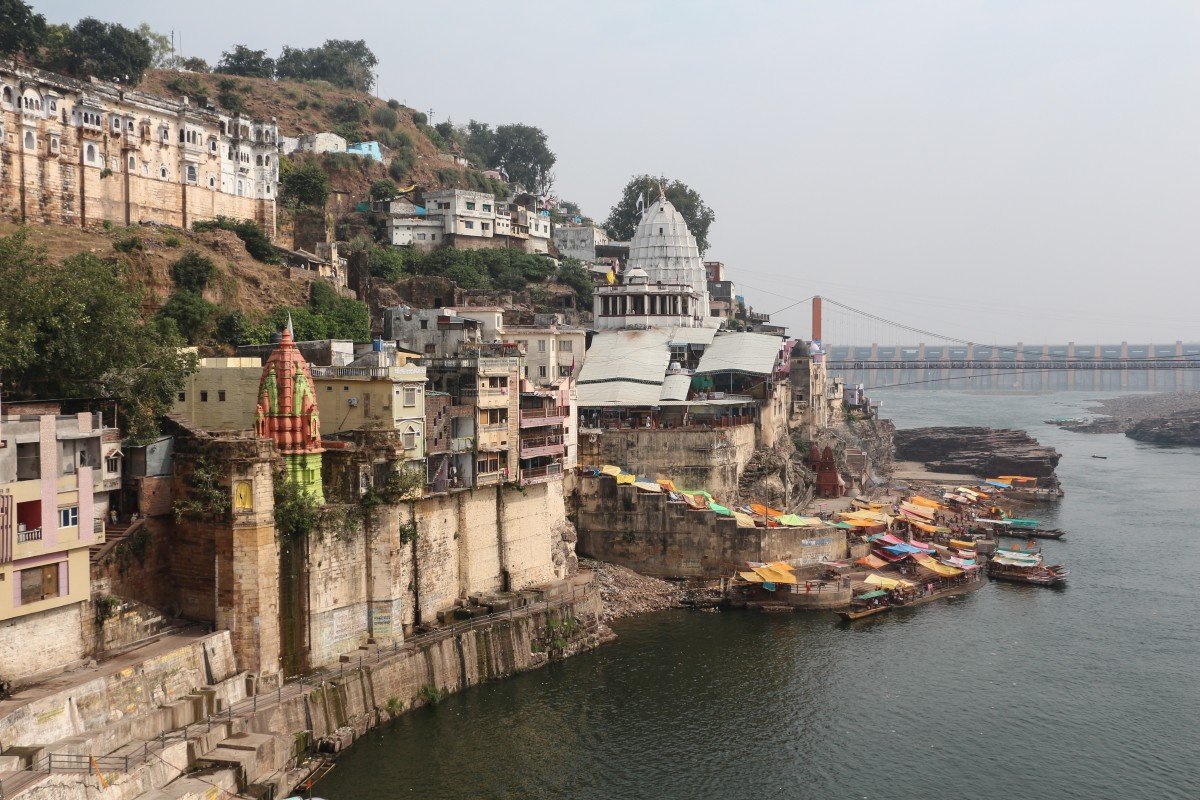
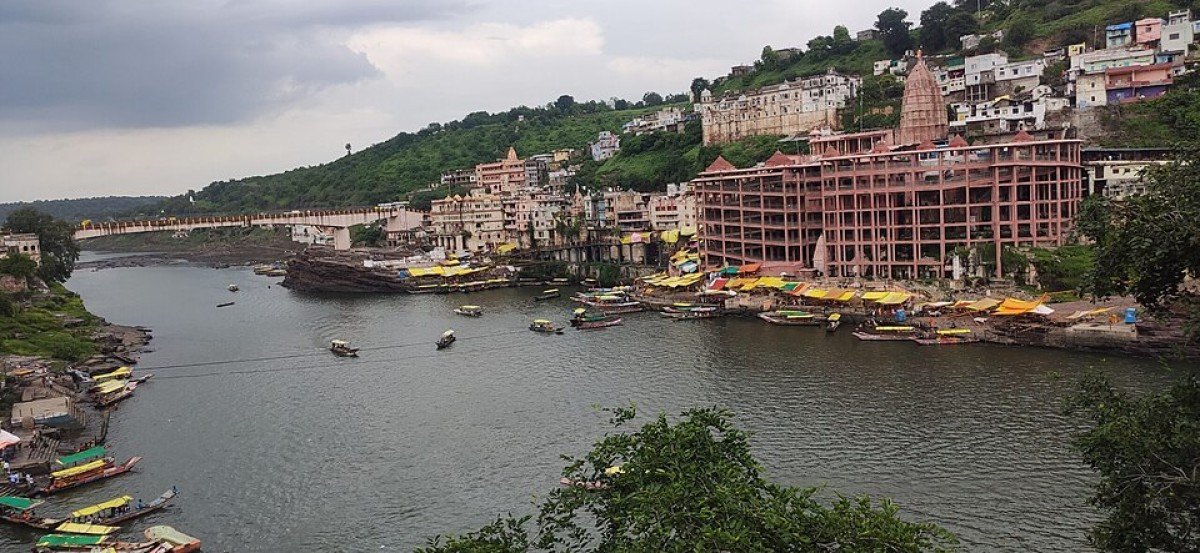
The River's Edge: Close-ups of the water's edge, or the simple ghat steps, capturing the worn stone and the clean water, convey the physical nature of the sacred space. The light and reflections on the water are the best photographic subjects. :Photo Gallery
Things To Do
-
Perform Ritual Bathing: Take a holy dip (snan) at the Sangam point, ensuring you do so safely and close to the banks, to receive the combined purification blessings of the two rivers.
Perform Pind Daan/Tarpan: For those with a specific purpose, performing the ancestral rites (Shraddha or Pind Daan) for departed family members at the confluence is the most important ritual activity here.
Offer Narmada and Kaveri Worship: Purchase a simple Pooja thali and offer it to the converging rivers, thanking the river goddesses for their life-giving and spiritual powers.
Take a Boat Ride: Hire a local boatman to take you to the exact point of the Sangam (if safe) for a closer view and to perform a ritual from the boat (negotiate the fare).
Captu...Perform Ritual Bathing: Take a holy dip (snan) at the Sangam point, ensuring you do so safely and close to the banks, to receive the combined purification blessings of the two rivers.
Perform Pind Daan/Tarpan: For those with a specific purpose, performing the ancestral rites (Shraddha or Pind Daan) for departed family members at the confluence is the most important ritual activity here.
Offer Narmada and Kaveri Worship: Purchase a simple Pooja thali and offer it to the converging rivers, thanking the river goddesses for their life-giving and spiritual powers.
Take a Boat Ride: Hire a local boatman to take you to the exact point of the Sangam (if safe) for a closer view and to perform a ritual from the boat (negotiate the fare).
Capture the Confluence: Focus your photography on the beautiful, tranquil meeting point of the two rivers, capturing the scenic landscape and the powerful movement of the water.
Rest and Reflect: Sit quietly on the banks or near the temple, reflecting on the flow of water as a metaphor for life and the concept of spiritual cleansing.
Support Local Priests: Seek the assistance of a local priest to correctly perform any complex Pind Daan or other specific rituals, and offer them a respectful dakshina. :
Information
-
Why Famous:
Holy Sangam of Narmada and Kaveri: It is famous as the sacred meeting point of the revered River Narmada and the River Kaveri, a confluence that is considered exceptionally powerful for spiritual cleansing and rituals.
Ritual Bathing and Pind Da...Holy Sangam of Narmada and Kaveri: It is famous as the sacred meeting point of the revered River Narmada and the River Kaveri, a confluence that is considered exceptionally powerful for spiritual cleansing and rituals.
Ritual Bathing and Pind Daan: The spot is a key center for the performance of the holy bath (snan) and ancestral rites (Pind Daan or tarpan) to ensure peace for departed souls, drawing pilgrims specifically for these rituals.
The Om Shape Context: The confluence is believed to contribute to the overall shape of the Mandhata Island resembling the sacred symbol 'Om', tying it intrinsically to the main spiritual identity of the whole town.
Scenic Tranquility: Its location, slightly away from the main temple crowds, is famous for its peaceful and beautiful natural surroundings, offering a quiet, contemplative atmosphere by the riverside. The belief in the combined purifying power of the two rivers is the core reason for its renown, making it a powerful destination for highly specific, soul-cleansing ceremonies. : -
Architecture:
Simple Shrine Architecture: The architecture is predominantly that of a simple, functional, modern-era pilgrimage shrine, not an ancient temple. The Triveni Sangam Temple is typically a small, unadorned structure, focusing on the reverence of the spot itself rather than arc...Simple Shrine Architecture: The architecture is predominantly that of a simple, functional, modern-era pilgrimage shrine, not an ancient temple. The Triveni Sangam Temple is typically a small, unadorned structure, focusing on the reverence of the spot itself rather than architectural grandeur.
Confluence-Focused Design: The layout is designed to facilitate access to the Sangam point for ritual bathing and ceremonies. This often includes a small, concrete or stone platform or simple steps leading down to the water near the merging point.
Material and Aesthetic: Construction utilizes local stone and mortar, with an emphasis on durability to withstand the river's flow and seasonal fluctuations. The aesthetic is modest and simple, allowing the grandeur of the Sangam itself to be the main focus.
The Central Deity: The temple houses a simple shrine, often dedicated to a Shivalingam or the River Goddesses (Narmada and Kaveri). The dimensions of the temple are small, serving as a marker for the sacred meeting point. The true architectural feature is the powerful, natural hydro-geological phenomenon of the river confluence, which the temple merely sanctifies and demarcates as a place of ritual. : -
How To Reach:
By Air: The nearest major airport is Devi Ahilya Bai Holkar Airport (IDR) in Indore (77 KMS). Hire a direct taxi or take a bus from the airport to Omkareshwar town.
By Train: The closest major railway station is Khandwa Junction (KNW, 70 KM...By Air: The nearest major airport is Devi Ahilya Bai Holkar Airport (IDR) in Indore (77 KMS). Hire a direct taxi or take a bus from the airport to Omkareshwar town.
By Train: The closest major railway station is Khandwa Junction (KNW, 70 KMS). From Khandwa, take a local bus or taxi to Omkareshwar. The minor station Omkareshwar Road (OM) is 12 KMS away.
By Road: Omkareshwar is easily reachable by state and national highways. Regular buses and taxis are available from Indore, Khandwa, and Ujjain.
By Local Transport: The Sangam is located about 3 KMS from the main Omkareshwar town center, towards the dam/Kajal Rani Cave area. You must hire a local auto-rickshaw or taxi for a round trip to reach the confluence point, as it is too far for an easy walk from the town center. : -
Weather and Best Time to Visit:
Winter Season (October to March): This is the Best Time to Visit. The cool, dry weather is perfect for spending time by the river and performing the long, solemn rituals without heat discomfort. November and February are particularly pleasant.
...Winter Season (October to March): This is the Best Time to Visit. The cool, dry weather is perfect for spending time by the river and performing the long, solemn rituals without heat discomfort. November and February are particularly pleasant.
Summer Season (April to June): The intense heat is a major issue. Visits must be confined to the very early morning to avoid heatstroke and to ensure a comfortable experience during rituals.
Monsoon Season (July to September): The river is in full spate, and the views are lush. However, the water current is very strong and bathing can be dangerous. Exercise extreme caution and only bathe in designated, safe areas.
Different Parts of the Day: Sunrise is the ideal time for rituals and photography. The morning air is the coolest and most spiritually charged. : -
Near Tourist Places:
Satmatrika Temples (3 KMS):
Kajal Rani Cave (6 KMS):
Omkareshwar Jyotirlinga Temple (3 KMS): Mamleshwar Temple (3.
5 KMS):
Sailani Island (4 KMS): Indira Sagar Dam (1
5 KMS):
Peshawar Ghat (3 KMS):
Ahilya Ghat (4 KMS): Siddhanath Temple (3.
5 KMS): Ranmukteshwar Temple (3.
5 KMS):
Tourism Tips
-
Health & Safety: Be extremely careful while bathing in the Sangam as the currents where the rivers meet can be strong and unpredictable. Only enter the water in designated, shallow, and safe areas. Carry a life vest if you plan to go by boat.
...Health & Safety: Be extremely careful while bathing in the Sangam as the currents where the rivers meet can be strong and unpredictable. Only enter the water in designated, shallow, and safe areas. Carry a life vest if you plan to go by boat.
Packing: Carry a towel and a change of clothes if planning a holy dip. A camera is essential for the scenic views. Carry cash for priest fees and boat rides.
Accommodation: Accommodation is best sought in the main Omkareshwar town. Book a room with easy access to transport for the 3 KMS journey to the Sangam.
Other Topics:
Negotiate Priest Fees: Be prepared to politely negotiate the dakshina (fee) for complex rituals.
Respect the Purpose: Understand that the main purpose of the site is ritual and ancestral worship; observe these solemn rites with deep respect and quietness. :
Reviews
FAQs
Omkareshwar Itineray And Cost:-
Triveni Sangam Temple Tourism:-
Other Places In Omkareshwar :-
Other States In India :-
Information about New and Updated Locations() of Madhya Pradesh Has Been Added :-
Card subtitle
Note:-
Information provided here in good Faith and for reference only.
Near Places
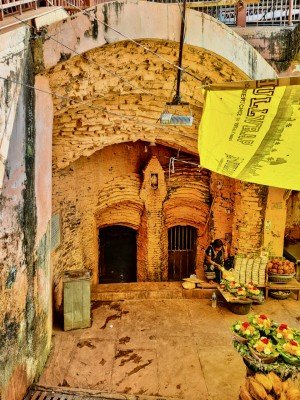
24 Avatars Group of Temples
Some quick example text to build on the card title and make up the bulk of the card's content.
Go somewhere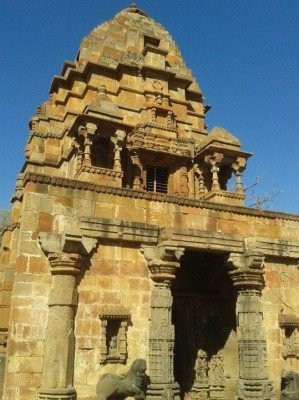
Abhay Ghat
Some quick example text to build on the card title and make up the bulk of the card's content.
Go somewhere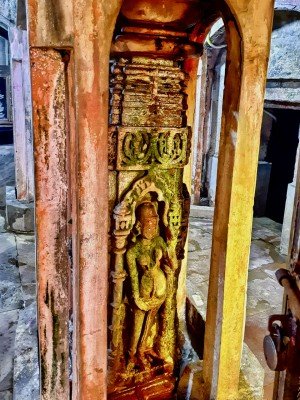
Adi Shankaracharya Statue Site
Some quick example text to build on the card title and make up the bulk of the card's content.
Go somewhere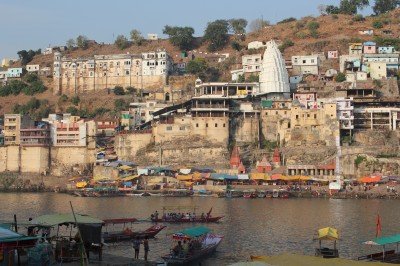
Ahilya Ghat
Some quick example text to build on the card title and make up the bulk of the card's content.
Go somewhere
Bapeshwar Temple
Some quick example text to build on the card title and make up the bulk of the card's content.
Go somewhere
Bhagwatpada Mandapam
Some quick example text to build on the card title and make up the bulk of the card's content.
Go somewhere
Brahmapuri
Some quick example text to build on the card title and make up the bulk of the card's content.
Go somewhere
Fanase Ghat
Some quick example text to build on the card title and make up the bulk of the card's content.
Go somewhere
Gauri Somnath Temple
Some quick example text to build on the card title and make up the bulk of the card's content.
Go somewhere
Gomukh Ghat
Some quick example text to build on the card title and make up the bulk of the card's content.
Go somewhere
Katar Baba Aasram
Some quick example text to build on the card title and make up the bulk of the card's content.
Go somewhere
Kedareshwar Temple
Some quick example text to build on the card title and make up the bulk of the card's content.
Go somewhere
Kotitirtha Ghat
Some quick example text to build on the card title and make up the bulk of the card's content.
Go somewhere
Mamleshwar Temple
Some quick example text to build on the card title and make up the bulk of the card's content.
Go somewhere
Mandhata Palace Ruins
Some quick example text to build on the card title and make up the bulk of the card's content.
Go somewhere
Narmada Kaveri Sangam
Some quick example text to build on the card title and make up the bulk of the card's content.
Go somewherein Other Cities