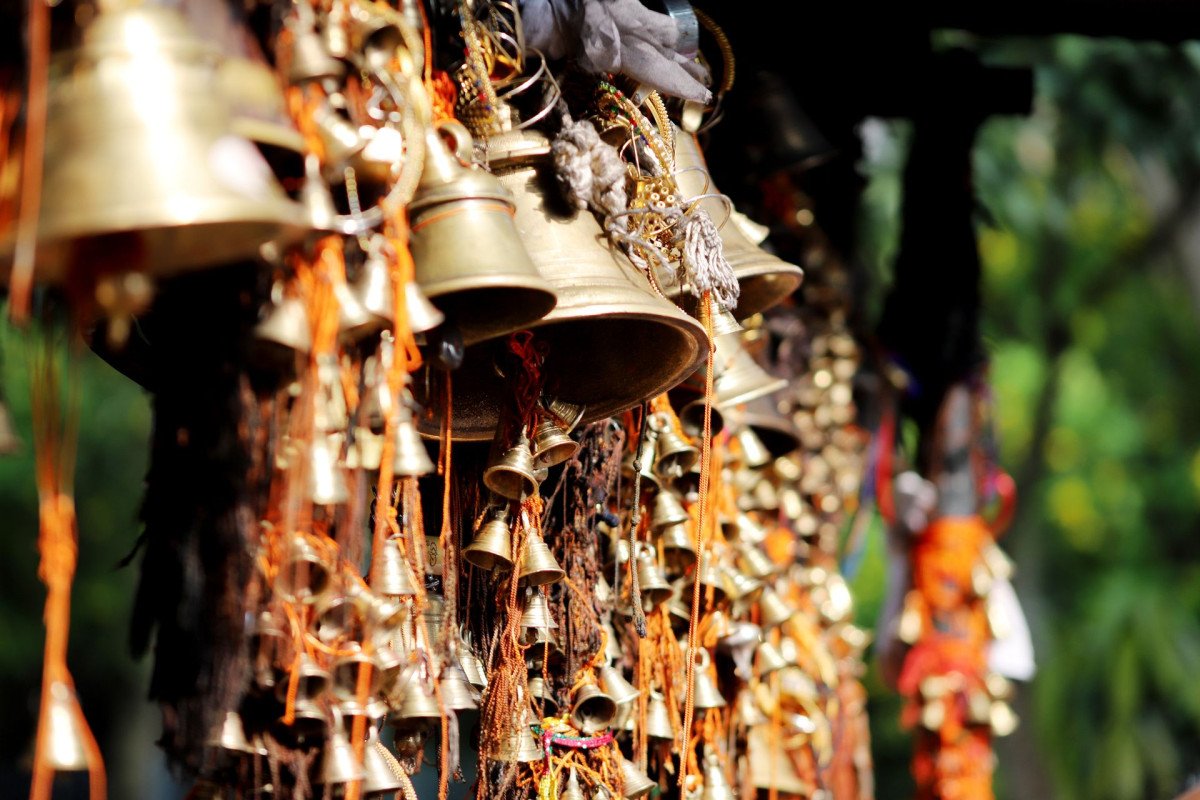
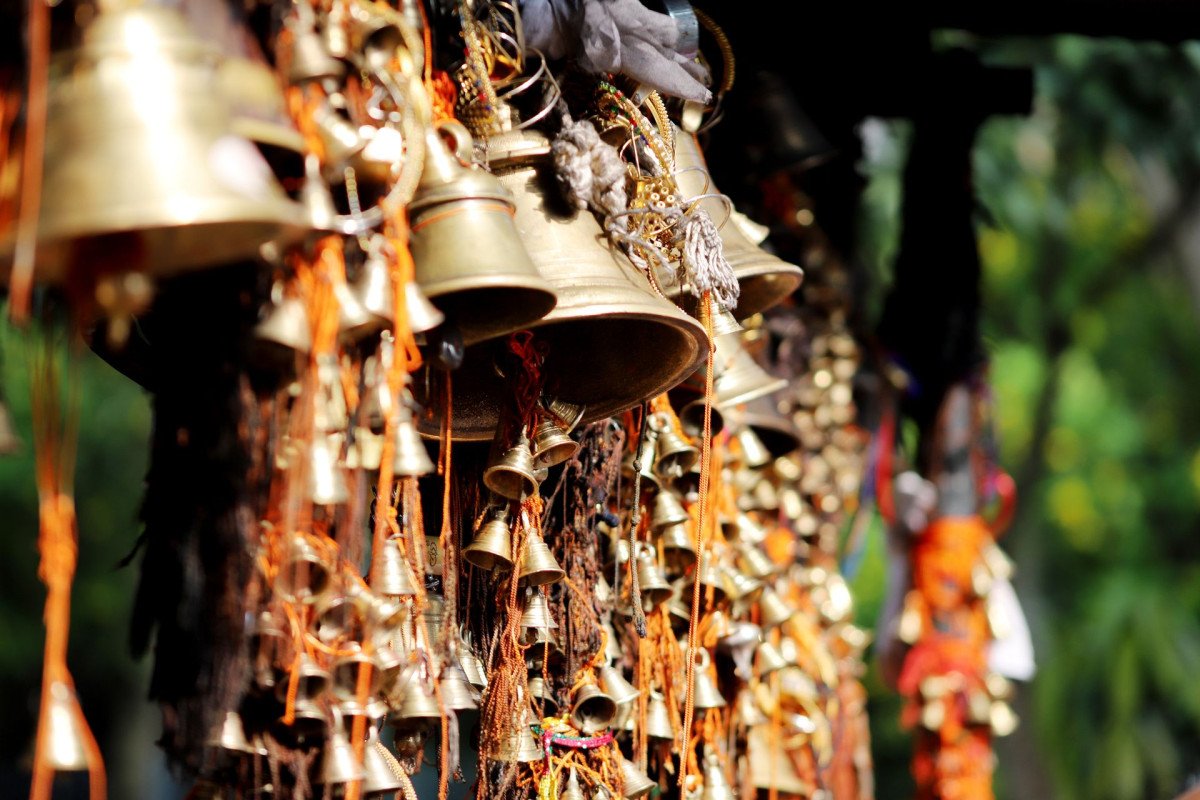
Uttareshwar Temple
General information
-
Ideal Duration:
1 HourPlace Type:
Temple, Heritage, ArchitectureEntry Fees:
No Entry Fee: Entry to the temple complex is free of charge as it is a public religious site.
Donations: Visitors are welcome to contribute voluntary donations towards the temple's daily maintenance and support.
...No Entry Fee: Entry to the temple complex is free of charge as it is a public religious site.
Donations: Visitors are welcome to contribute voluntary donations towards the temple's daily maintenance and support.
Parking Fees: There is generally private vehicle parking available near the temple, which may involve a small, nominal fee.
Guide Services: A local guide can be hired to explain the history of the Deepmalas and the Peshwa connections for a small fee.Timing:
Regular Timings: The temple is generally open for Darshan from 6:15 AM to 9:15 PM.
Ideal Visit Time: Early Morning (6:00 AM to 9:00 AM) for quiet worship and cool weather. Evening (5:00 PM to 7:00 PM) is ideal for soft light and potentially...Regular Timings: The temple is generally open for Darshan from 6:15 AM to 9:15 PM.
Ideal Visit Time: Early Morning (6:00 AM to 9:00 AM) for quiet worship and cool weather. Evening (5:00 PM to 7:00 PM) is ideal for soft light and potentially seeing the Deepmalas being prepared for illumination during festivals.
Festival Hours: Remains open for extended hours during Maha Shivaratri.Special Events:
Maha Shivaratri: The main festival, celebrated with great fervor, involving the grand illumination of all 57 Deepmalas and night-long rituals for Lord Shiva.
Ram Navami and Hanuman Jayanti: These festivals are also celebrated within the comp...Maha Shivaratri: The main festival, celebrated with great fervor, involving the grand illumination of all 57 Deepmalas and night-long rituals for Lord Shiva.
Ram Navami and Hanuman Jayanti: These festivals are also celebrated within the complex due to the presence of the subsidiary shrines for Hanuman and other deities, attracting large local crowds.
Tripuri Pournima: Similar to the Rup Narayan Temple, this event sees the Deepmalas being lit up, creating a spiritual ocean of light in the courtyard.Best Photo Spots:
The Courtyard and Deepmalas: The most unique shot is a wide-angle view of the large courtyard, capturing the symmetrical arrangement and height of the 57 Deepmalas.
Illumination Shot: The temple lit up at night (especially during Maha Shivar...The Courtyard and Deepmalas: The most unique shot is a wide-angle view of the large courtyard, capturing the symmetrical arrangement and height of the 57 Deepmalas.
Illumination Shot: The temple lit up at night (especially during Maha Shivaratri) is an unparalleled photo opportunity, capturing the flickering lamps.
The Nandi and Sanctum Doorway: A shot of the finely carved Nandi statue with the ancient, arched entrance of the garbhagriha as a backdrop.
Laterite Stone Texture: Close-up shots of the weathered, mossy laterite stone (Jambha Dagad) used in the construction, highlighting the Konkan architectural material.Photo Gallery
Things To Do
-
Deepmala Photography: Take time to photograph the stunning rows of 57 Deepmalas, focusing on their texture and height, especially with the sky as a backdrop.
Shiva Darshan: Perform darshan of the revered Shivalinga and the Nandi idol in the sabhamandap.
Festival Attendance: Plan a visit during Maha Shivaratri to witness the spectacular illumination of the lamp towers.
Temple Architecture Study: Examine the difference between the ancient Hemadpanti sanctum and the laterite-based reconstruction of the outer halls.
Local Shrine Visit: Visit the nearby subsidiary shrines within the complex, such as the Hanuman Mandir and the Kalbhairav Temple.
Nature Walk: Due to its northern location, you can combin...Deepmala Photography: Take time to photograph the stunning rows of 57 Deepmalas, focusing on their texture and height, especially with the sky as a backdrop.
Shiva Darshan: Perform darshan of the revered Shivalinga and the Nandi idol in the sabhamandap.
Festival Attendance: Plan a visit during Maha Shivaratri to witness the spectacular illumination of the lamp towers.
Temple Architecture Study: Examine the difference between the ancient Hemadpanti sanctum and the laterite-based reconstruction of the outer halls.
Local Shrine Visit: Visit the nearby subsidiary shrines within the complex, such as the Hanuman Mandir and the Kalbhairav Temple.
Nature Walk: Due to its northern location, you can combine the visit with a quiet walk along the northern, less-visited stretch of Diveagar Beach.
Relief Carvings: Look closely at the carvings above the Garbhagriha entrance, which typically features Lord Ganesha.
Information
-
Why Famous:
The 57 Deepmalas: Its biggest claim to fame is the unique and massive collection of 57 Deepmalas (lamp towers), which light up spectacularly during festivals.
The Diveagar Naming Legend: It is famed for the local legend that attributes the n...The 57 Deepmalas: Its biggest claim to fame is the unique and massive collection of 57 Deepmalas (lamp towers), which light up spectacularly during festivals.
The Diveagar Naming Legend: It is famed for the local legend that attributes the name of the village, Diveagar, to the mysterious, self-lighting lamps of this very temple.
Ancient Shivalinga: The shrine houses a revered self-manifested Shivalinga, making it a significant pilgrimage site for devotees of Lord Shiva.
Hemadpanti Architecture: The ancient style of the sanctum's architecture is a draw for history and architecture enthusiasts, showcasing the skill of ancient Konkan builders. -
Architecture:
Architectural Style: The original garbhagriha (sanctum) is built in the ancient, distinctive Hemadpanti style (a variant of the Bhumija style), known for its graceful arch and stone construction. The rest of the temple, particularly the outer walls and tiled roof, appears t...Architectural Style: The original garbhagriha (sanctum) is built in the ancient, distinctive Hemadpanti style (a variant of the Bhumija style), known for its graceful arch and stone construction. The rest of the temple, particularly the outer walls and tiled roof, appears to be a modern reconstruction utilizing the local Laterite stone (Jambha Dagad).
Design and Layout: The temple stands on a raised platform and features a fortified courtyard containing the 57 Deepmalas, an open sabhamandap, a main assembly hall, a circumambulatory path, and the garbhagriha housing a self-manifested Shivalinga. A finely carved Nandi idol faces the sanctum.
Dimension: The temple complex is one of the larger ones in the village, owing to the space required for the 57 tall Deepmalas (each estimated to be 10-15 feet tall) lining the perimeter of the courtyard. -
How To Reach:
By Air: Fly to Pune (PNQ) (approx. 180 KMS) or Mumbai (BOM) (approx. 190 KMS). From the airport, a taxi to Diveagar village is the simplest option. The temple is on the northern edge, easily accessible by a short local ride.
By Train: Ne...By Air: Fly to Pune (PNQ) (approx. 180 KMS) or Mumbai (BOM) (approx. 190 KMS). From the airport, a taxi to Diveagar village is the simplest option. The temple is on the northern edge, easily accessible by a short local ride.
By Train: Nearest major station is Mangaon (MAO) (approx. 30 KMS). From Mangaon, take an S. T. bus or a shared taxi to the Diveagar bus stand. From the stand, the temple is a short auto-rickshaw ride.
By Road: Drive to Diveagar via NH 66 to Mangaon or Kolad, then follow the main village road to the northern side. The temple has a motorable road right up to its entrance.
By Local Transport: A short auto-rickshaw ride from the village center will take you to the temple. The road is well-known to all local drivers. -
Weather and Best Time to Visit:
Different Types of Seasons: Winter (November to February) is perfect for visiting, with cool and pleasant weather for exploring the courtyard. Monsoon (June to September) makes the laterite stone and courtyard slippery; visit with caution. Summer (March to May) is hot and...Different Types of Seasons: Winter (November to February) is perfect for visiting, with cool and pleasant weather for exploring the courtyard. Monsoon (June to September) makes the laterite stone and courtyard slippery; visit with caution. Summer (March to May) is hot and humid; restrict your visit to the cooler parts of the day.
Different Parts of the Day: Morning is best for a serene visit. Evening is good for photography and a cooler atmosphere, especially on clear days. -
Near Tourist Places:
Diveagar Beach (1 KMS), Shree Suvarna Ganesh Temple (1. 5 KMS), Shree Rup Narayan Mandir (1. 5 KMS), Sadda Adda Point (1 KMS), Kondivili Beach (10 KMS), Bagmandala Jetty (15 KMS), Bankot Fort (22 KMS), Harihareshwar Temple (23 KMS), Phansad Wildlife Sanctuary (35 KMS), Murud-Janjira Fort (50 KMS).
Tourism Tips
-
Health & safety: Be careful around the perimeter of the courtyard due to the height of the Deepmalas. Wear non-slippery footwear, especially during the monsoon.
Packing: Dress modestly (covering shoulders and knees) as it is an active place...Health & safety: Be careful around the perimeter of the courtyard due to the height of the Deepmalas. Wear non-slippery footwear, especially during the monsoon.
Packing: Dress modestly (covering shoulders and knees) as it is an active place of worship. Carry a sun hat and a light jacket for the evening.
Accommodation: Homestays and resorts in the northern part of Diveagar village are very close to the temple. Srushti Villa is noted as being nearby.
Other Tips: Inquire about the full legend of the village name "Diveagar" from the local priests for a richer understanding of the temple's significance. Combine your visit with the nearby Diveagar Beach.
Reviews
FAQs
Diveagar Itineray And Cost:-
Uttareshwar Temple Tourism:-
Other Places In Diveagar :-
Other States In India :-
Information about New and Updated Locations() of Maharashtra Has Been Added :-
Card subtitle
Note:-
Information provided here in good Faith and for reference only.
Near Places
Adhgaon Beach
Some quick example text to build on the card title and make up the bulk of the card's content.
Go somewhere
Aravi Beach
Some quick example text to build on the card title and make up the bulk of the card's content.
Go somewhere
Bagmandla
Some quick example text to build on the card title and make up the bulk of the card's content.
Go somewhere
Bankot Fort
Some quick example text to build on the card title and make up the bulk of the card's content.
Go somewhere
Borli Dam
Some quick example text to build on the card title and make up the bulk of the card's content.
Go somewhere
Borli Panchatan
Some quick example text to build on the card title and make up the bulk of the card's content.
Go somewhere
Dighi Port
Some quick example text to build on the card title and make up the bulk of the card's content.
Go somewhere
Diveagar Beach
Some quick example text to build on the card title and make up the bulk of the card's content.
Go somewhere
Ganesh Gully
Some quick example text to build on the card title and make up the bulk of the card's content.
Go somewhere
Harihareshwar Beach
Some quick example text to build on the card title and make up the bulk of the card's content.
Go somewhere
Harihareshwar Temple Complex
Some quick example text to build on the card title and make up the bulk of the card's content.
Go somewhere
Kalbhairav – Yogeshwari Temple
Some quick example text to build on the card title and make up the bulk of the card's content.
Go somewhere
Karle Dam
Some quick example text to build on the card title and make up the bulk of the card's content.
Go somewhere
Khokari Tombs
Some quick example text to build on the card title and make up the bulk of the card's content.
Go somewhere
Kondivili Beach
Some quick example text to build on the card title and make up the bulk of the card's content.
Go somewhere
Kusumeshwar Temple Devkhol
Some quick example text to build on the card title and make up the bulk of the card's content.
Go somewherein Other Cities