Vedvyas Temple
General information
-
Ideal Duration:
1. 5 to 2 HoursPlace Type:
Hindu Temple, Pilgrimage Site, Confluence PointEntry Fees:
General Entry: There is No Entry Fee to visit the Vedvyas Temple or the confluence area, which is open to all visitors and pilgrims.
Donations and Offerings: Voluntary donations are customary for the temple's maintenance and the daily ritual...General Entry: There is No Entry Fee to visit the Vedvyas Temple or the confluence area, which is open to all visitors and pilgrims.
Donations and Offerings: Voluntary donations are customary for the temple's maintenance and the daily rituals. Local vendors sell items for worship (flowers, milk, sweets) outside the gate, which is an external cost.
Guide Services: Local guides are generally not required, but if any local priest or community member offers a guided tour of the spiritual significance, a small voluntary fee might be appropriate. The focus is on providing free spiritual access to all, consistent with its status as a major public pilgrimage site. :Timing:
Regular Timings: The temple is generally open every day from Morning 6:00 AM to Evening 8:00 PM, allowing for both morning rituals and evening aarti visits.
Ideal Visit Time: The Ideal Visit Time is during the Early Morning (6:00 AM to 8:00 ...Regular Timings: The temple is generally open every day from Morning 6:00 AM to Evening 8:00 PM, allowing for both morning rituals and evening aarti visits.
Ideal Visit Time: The Ideal Visit Time is during the Early Morning (6:00 AM to 8:00 AM) for the morning aarti and the best river views, or the Late Afternoon for the sunset and the evening aarti. Shivaratri is the ideal day for a religious experience.
Seasonal Timing Variations: The confluence point is at its most spectacular during and just after the Monsoon season (September to November) when the rivers are full, but visitors must be cautious near the swift water current. :Special Events:
Maha Shivaratri: This is the principal and grandest festival celebrated at the Shiva Temple, drawing massive numbers of devotees for night-long prayers, fasting, and rituals, marking the great night of Lord Shiva (February/March).
Kartika Purnim...Maha Shivaratri: This is the principal and grandest festival celebrated at the Shiva Temple, drawing massive numbers of devotees for night-long prayers, fasting, and rituals, marking the great night of Lord Shiva (February/March).
Kartika Purnima: The full moon day in the holy Hindu month of Kartika (October/November) is another major event, where pilgrims take a holy dip in the river and perform special rituals.
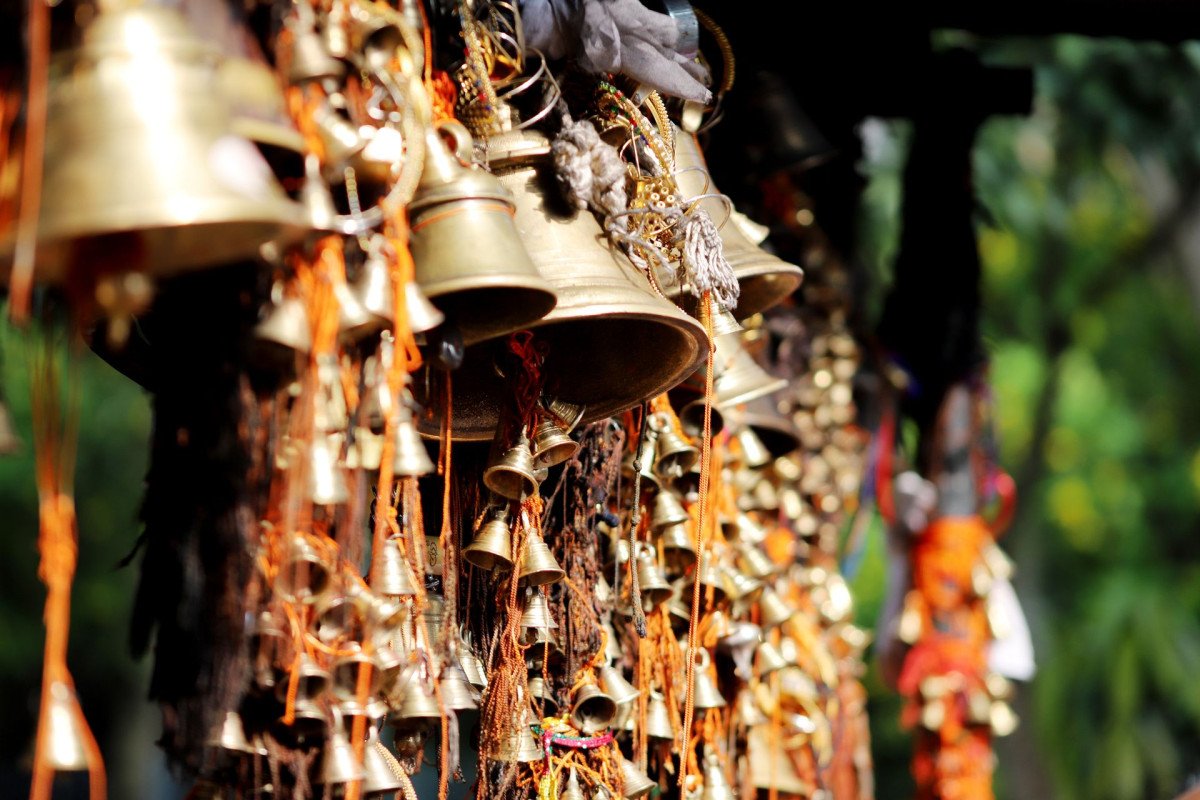
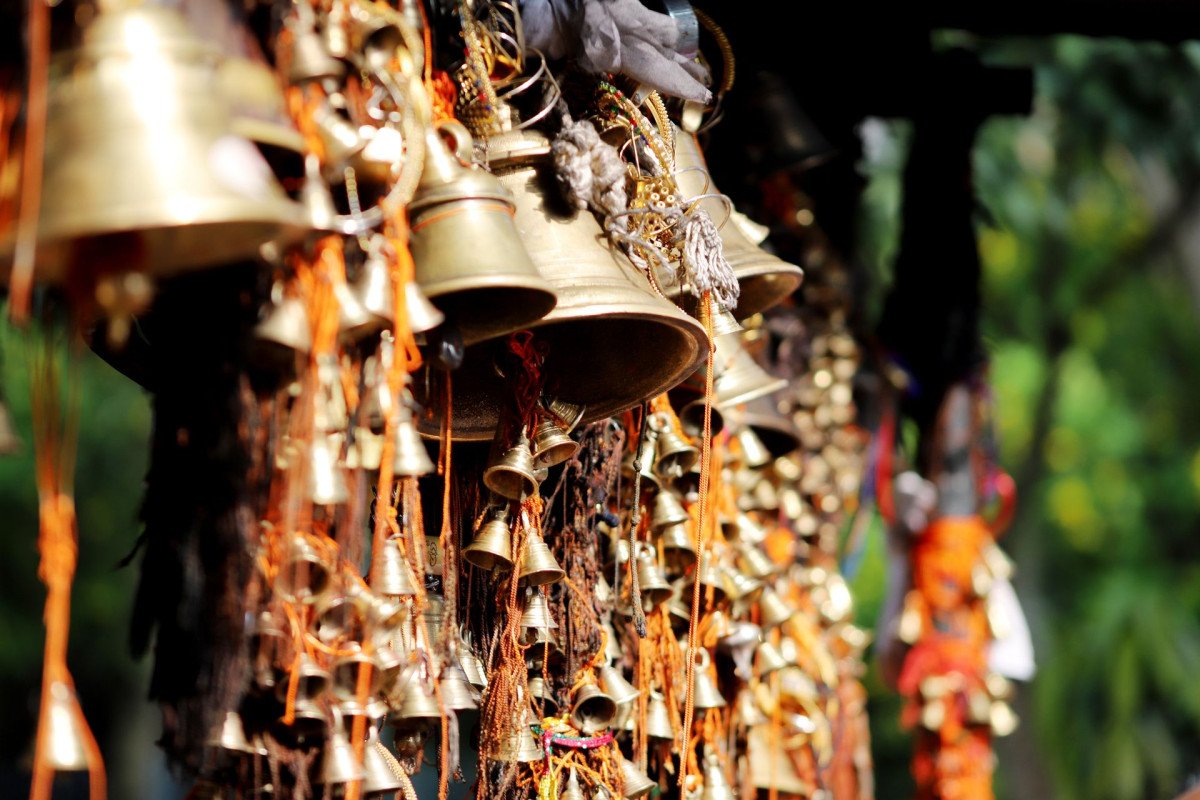
Daily Rituals and Aarti: The morning and evening aartis are major daily events, filled with chanting, bells, and devotion, providing an immersive spiritual experience for all visitors. :Best Photo Spots:
The Confluence Point: The spot where the Koel and Sankha rivers visibly merge is a fantastic place for a unique, natural landscape shot, especially from a slightly elevated position on the bank.
The Temple Gopuram and River: Frame the main t...The Confluence Point: The spot where the Koel and Sankha rivers visibly merge is a fantastic place for a unique, natural landscape shot, especially from a slightly elevated position on the bank.
The Temple Gopuram and River: Frame the main temple's distinct Odia-style architecture with the wide expanse of the river in the foreground, using the water as a reflective element to enhance the composition.
The Early Morning Mist: The confluence covered in a light mist during the early hours of a winter morning provides a mystical, atmospheric photograph, perfect for capturing the spiritual mood of the site. :Photo Gallery
Things To Do
-
Holy Dip and Rituals: The main activity is to take a holy dip at the Triveni Sangam (the confluence point), an act of purification, followed by offering water to Lord Shiva in the main temple.
Darshan of Deities: Offer prayers and seek blessings at the main Shiva temple and the subsidiary shrines dedicated to Maa Saraswati, Lord Jagannath, and Radha Krishna within the complex.
Observing the Rivers: Spend time at the riverbank observing the confluence point where the different colored waters of the Koel and Sankha rivers visibly merge, appreciating the natural spectacle.
Photography of the Confluence: Capture the scenic natural beauty of the rivers joining and the surrounding hills. The river banks and the temple's reflection in the water are excellent subjects. ...Holy Dip and Rituals: The main activity is to take a holy dip at the Triveni Sangam (the confluence point), an act of purification, followed by offering water to Lord Shiva in the main temple.
Darshan of Deities: Offer prayers and seek blessings at the main Shiva temple and the subsidiary shrines dedicated to Maa Saraswati, Lord Jagannath, and Radha Krishna within the complex.
Observing the Rivers: Spend time at the riverbank observing the confluence point where the different colored waters of the Koel and Sankha rivers visibly merge, appreciating the natural spectacle.
Photography of the Confluence: Capture the scenic natural beauty of the rivers joining and the surrounding hills. The river banks and the temple's reflection in the water are excellent subjects.
Sankirtan Mandap: If available, sit and listen to the devotional singing (Bhajans/Kirtans) being performed at the Sankirtan Mandap near the river bank, soaking in the spiritual vibrations.
Exploring Panposh: The nearby Panposh area, which is historically significant as the place where the railway line was built across the river, can be explored for local history and charm. :
Information
-
Why Famous:
Seat of the Mahabharata: The temple is most famous for the legendary belief that the great sage Veda Vyasa was either born here or composed the epic Mahabharata from a cave on the adjoining hill. This direct link to one of India's most sacred texts makes it a site of immens...Seat of the Mahabharata: The temple is most famous for the legendary belief that the great sage Veda Vyasa was either born here or composed the epic Mahabharata from a cave on the adjoining hill. This direct link to one of India's most sacred texts makes it a site of immense national and spiritual importance.
The Triveni Sangam: Its location at the Triveni Sangam (confluence of Koel, Sankha, and Saraswati rivers) gives it profound religious significance, as bathing at a confluence is considered highly meritorious (punya), drawing pilgrims for purification rituals. : -
Architecture:
Odia Temple Architecture: The temple complex showcases the quintessential Traditional Odisha Temple Architecture (Kalinga style), characterized by the distinct Deula (sanctuary tower) and the Jagamohana (assembly hall). The structures are primarily made of stone, featuring ...Odia Temple Architecture: The temple complex showcases the quintessential Traditional Odisha Temple Architecture (Kalinga style), characterized by the distinct Deula (sanctuary tower) and the Jagamohana (assembly hall). The structures are primarily made of stone, featuring intricate carvings and sculptures of deities and mythological scenes, though the scale is modest compared to grand Kalinga temples.
Site Layout and River Confluence: The architecture strategically leverages the temple's location at the Triveni Sangam (confluence). The structures are positioned to overlook the joining of the rivers, emphasizing the spiritual significance of the water. The complex includes a Sankirtan Mandap (for devotional singing) near the river bank and a holy pond known as Vyas Sarovar (believed to be created by the sage himself) adding charm to the landscape.
Cave Connection and Dimension: The site's historical feature is the legendary Vedvyas Cave on the hill, which, while not fully accessible today, defines the site's importance. The complex itself is spread across a medium-sized, highly utilized space, built to be sturdy against the riverside environment and to accommodate the large number of pilgrims during festivals like Shivaratri. : -
How To Reach:
By Air: The nearest airport is Veer Surendra Sai Airport (VSS) in Jharsuguda (JRG), approximately 111 KMS away. Travel to Rourkela first.
By Train: The temple is conveniently located near the Rourkela Railway Station (ROU), about 9 KMS away...By Air: The nearest airport is Veer Surendra Sai Airport (VSS) in Jharsuguda (JRG), approximately 111 KMS away. Travel to Rourkela first.
By Train: The temple is conveniently located near the Rourkela Railway Station (ROU), about 9 KMS away.
By Road: The temple is easily accessible from Rourkela via the main roads leading towards Panposh. The journey of about 12 KMS is smooth.
By Local Transport: A short and economical auto-rickshaw ride or a private taxi from the Rourkela Railway Station or the city center will take you directly to the temple. The local transport is familiar with the route to Vedvyas due to its popularity as a religious spot. : -
Weather and Best Time to Visit:
Different Types of Seasons: The Best Time to Visit is the Winter Season (October to March) for the most pleasant weather, which is ideal for outdoor rituals, photography, and spending time on the riverbank. The river is fullest during the post-monsoon period.Different Types of Seasons: The Best Time to Visit is the Winter Season (October to March) for the most pleasant weather, which is ideal for outdoor rituals, photography, and spending time on the riverbank. The river is fullest during the post-monsoon period.
Different Parts of the Day: The best part of the day for a ritualistic visit is the Early Morning (6:00 AM to 8:00 AM) for the holy dip and morning prayers. Late Afternoon is great for leisurely photography and enjoying the peaceful confluence view. : -
Near Tourist Places:
Rani Sati Temple (2. 5 KMS), Rourkela Steel Plant View (10 KMS), Vaishno Devi Temple (12 KMS), Hanuman Vatika (5 KMS), Panposh (5 KMS), Indira Gandhi Park (14 KMS), Jagannath Temple Rourkela (15 KMS), Koel River Bank (0 KMS), Pitamahal Dam (10 KMS), Mandira Dam (35 KMS). :
Tourism Tips
-
Health & Safety: Be extremely cautious near the river banks and the confluence point, as the water current can be strong and unpredictable. Do not venture into the water beyond safe depths.
Packing Essentials: Wear modest clothing suitable ...Health & Safety: Be extremely cautious near the river banks and the confluence point, as the water current can be strong and unpredictable. Do not venture into the water beyond safe depths.
Packing Essentials: Wear modest clothing suitable for a holy site. If planning to take a holy dip, carry a change of clothes and a towel. Leave shoes/slippers at the designated area.
Accommodation: Plenty of good accommodation is available in Rourkela city (12 KMS away).
Respectful Conduct: Maintain silence and reverence inside the temple. Photography is generally allowed in the complex but often prohibited inside the main sanctum sanctorum. Avoid littering near the holy confluence. :
Reviews
FAQs
Rourkela Itineray And Cost:-
Information about New and Updated Locations() of Odisha Has Been Added :-
Card subtitle
Note:-
Information provided here in good Faith and for reference only.
All information and pictures will be updated soon, please keep visiting.
Near Places

Ahirabandh
Some quick example text to build on the card title and make up the bulk of the card's content.
Go somewhere
Badaghagra Falls
Some quick example text to build on the card title and make up the bulk of the card's content.
Go somewhere
Badalgiri Waterfall
Some quick example text to build on the card title and make up the bulk of the card's content.
Go somewhere
Biju Patnaik Hockey Stadium
Some quick example text to build on the card title and make up the bulk of the card's content.
Go somewhere
Birsa Munda Intl Hockey Stadium
Some quick example text to build on the card title and make up the bulk of the card's content.
Go somewhere
Chhatri Hill
Some quick example text to build on the card title and make up the bulk of the card's content.
Go somewhere
Darjing Picnic Spot
Some quick example text to build on the card title and make up the bulk of the card's content.
Go somewhere
Deodarha Picnic Spot
Some quick example text to build on the card title and make up the bulk of the card's content.
Go somewhere
Gayatri Temple
Some quick example text to build on the card title and make up the bulk of the card's content.
Go somewhere
Ghoghar Temple
Some quick example text to build on the card title and make up the bulk of the card's content.
Go somewherein Other Cities